Counting skills Numbers Worksheets - Page 5
172 filtered results
-
From - To
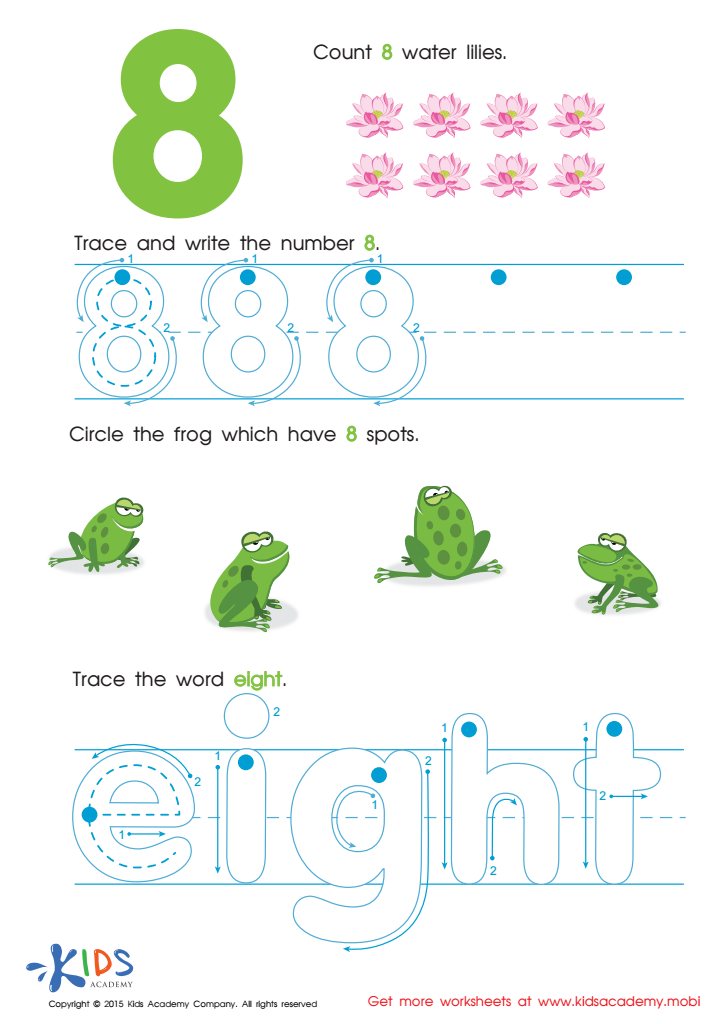
Learn Number 8 Easily Worksheet
 Assign to My Students
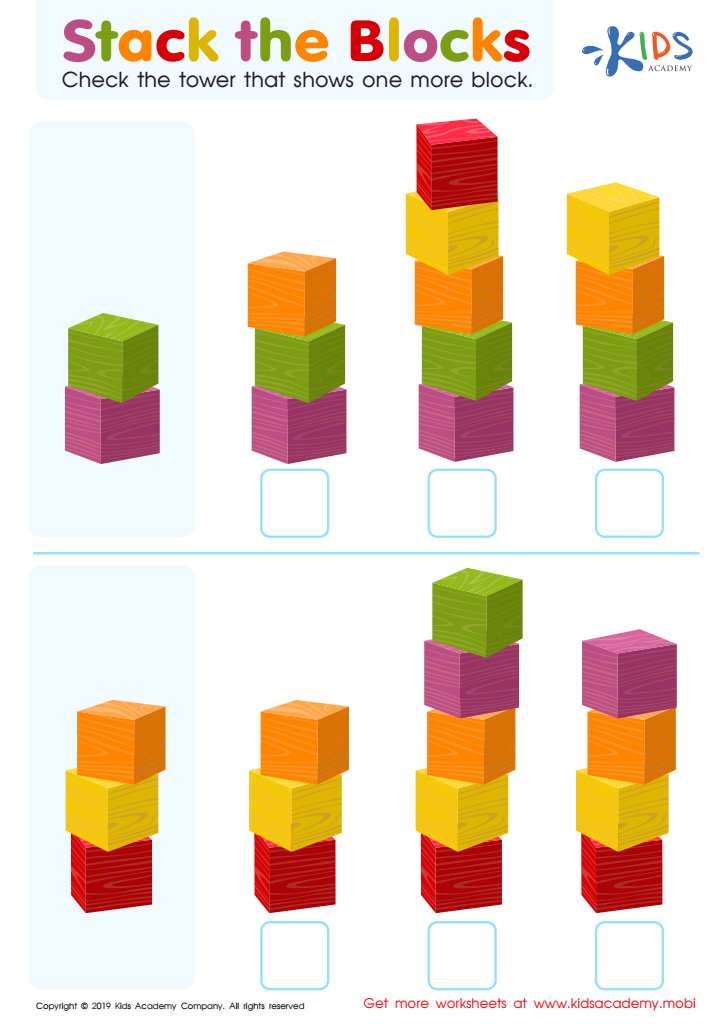
Stack the Blocks Worksheet
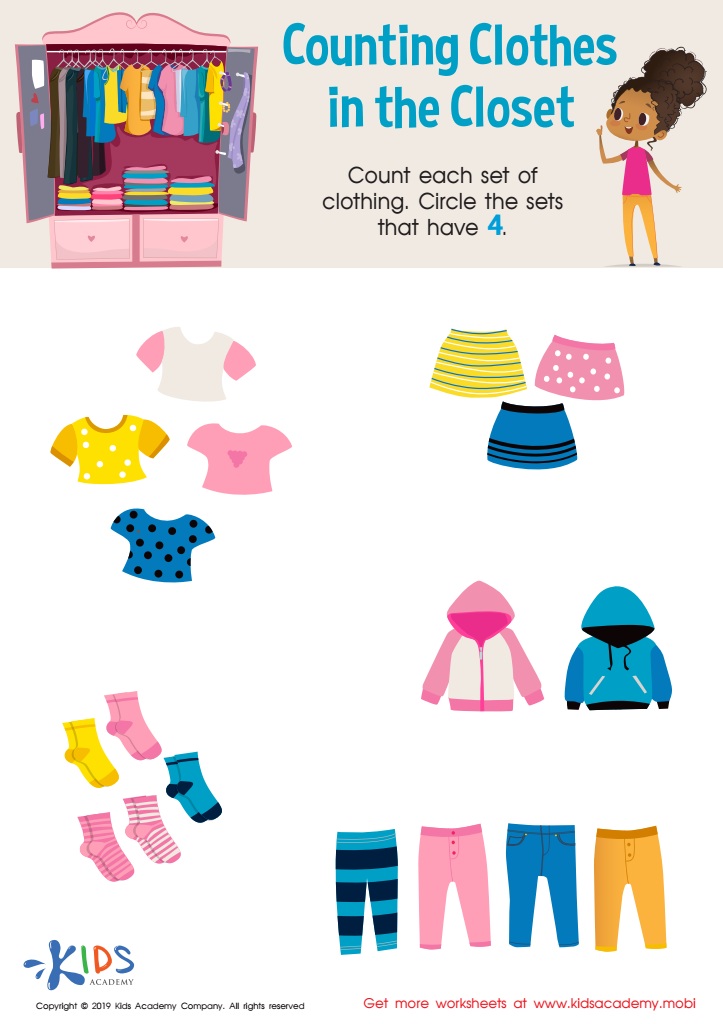
Counting Clothes Worksheet
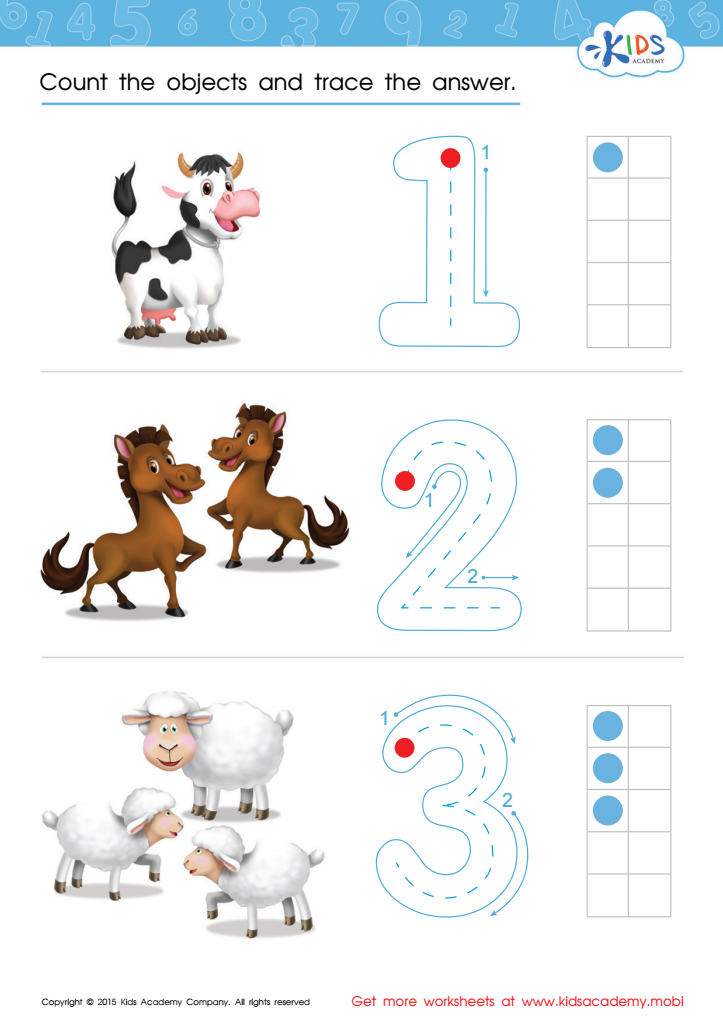
Count and Trace 1 – 3 Worksheet
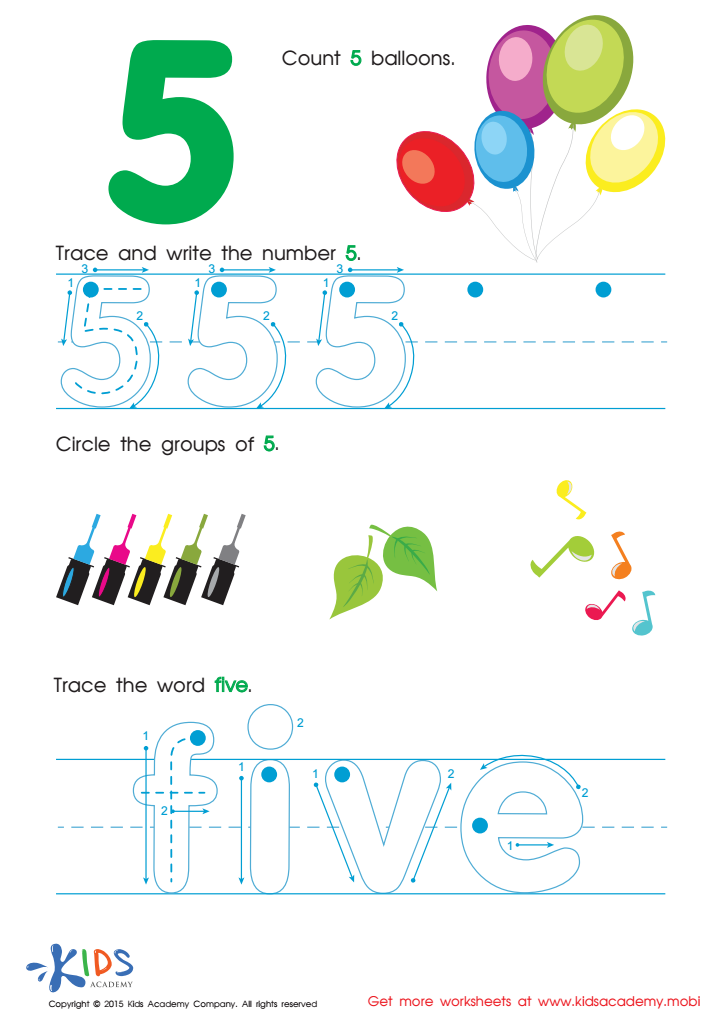
Practice Writing Number 5 Worksheet
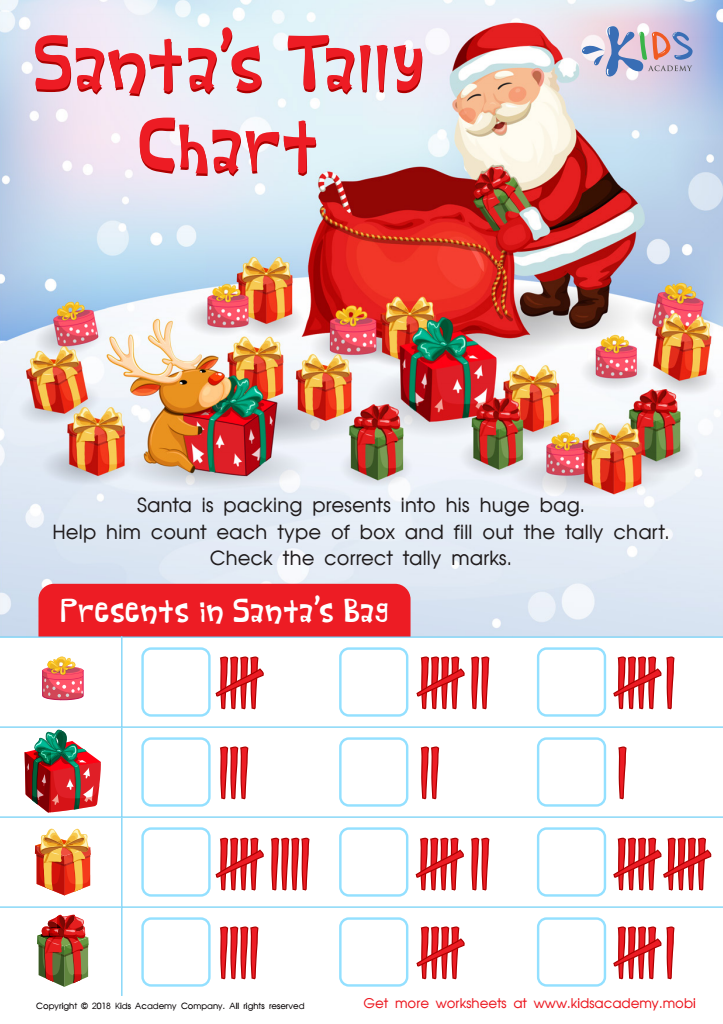
Santa Tally Chart Worksheet
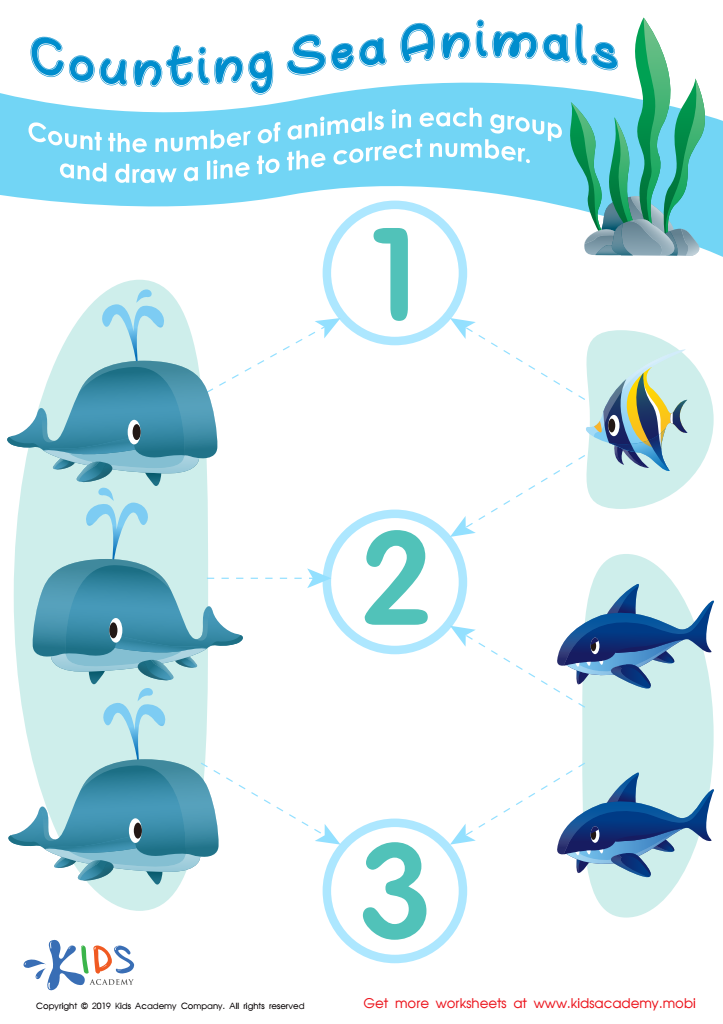
Counting Sea Animals Worksheet
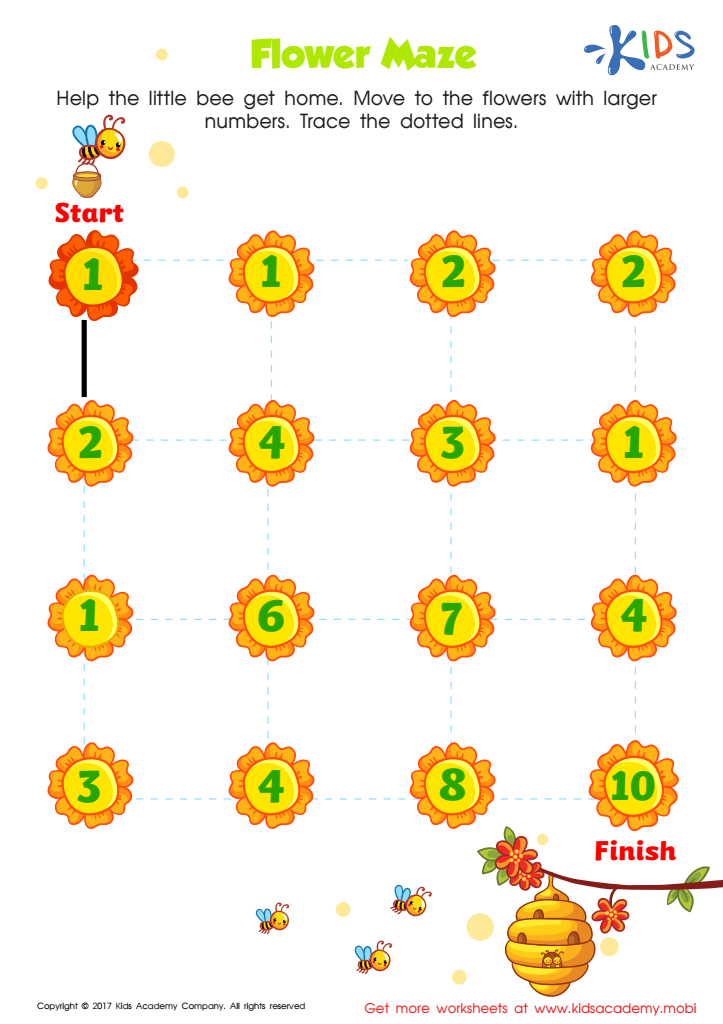
Number Maze For Kindergarten Printable
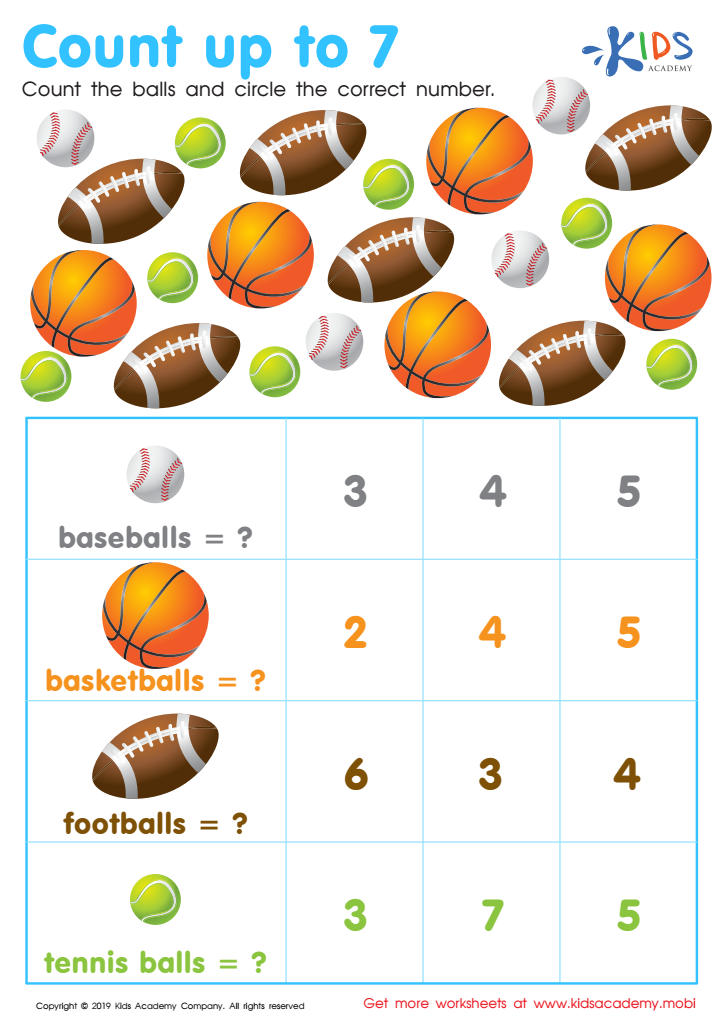
Count up to 7 Worksheet
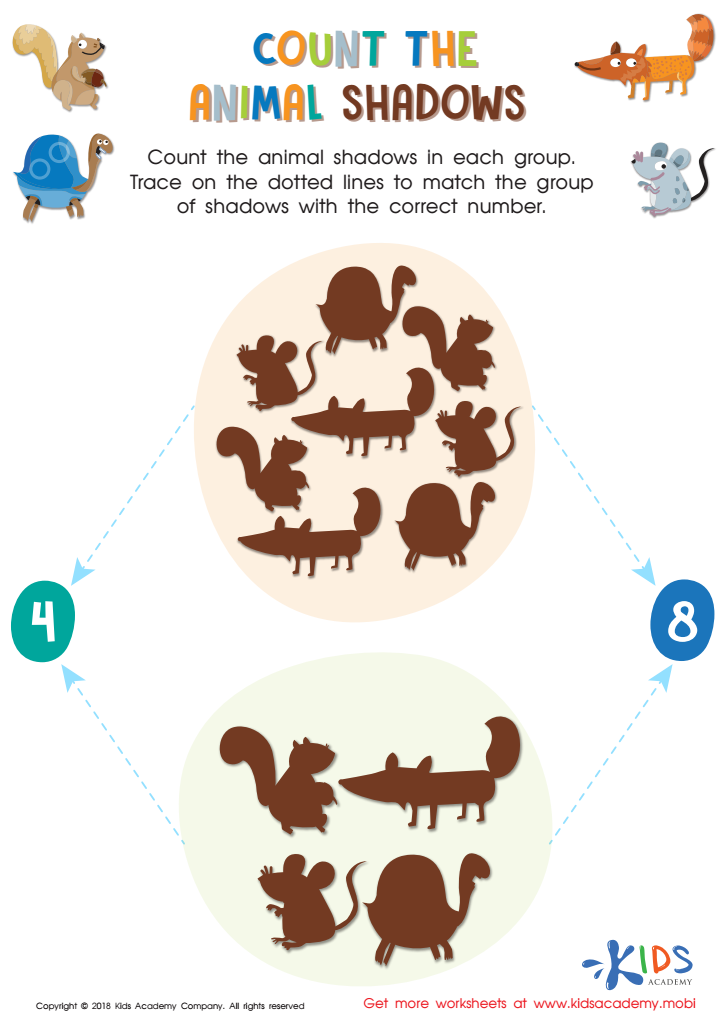
Count the Animal Shadows Worksheet
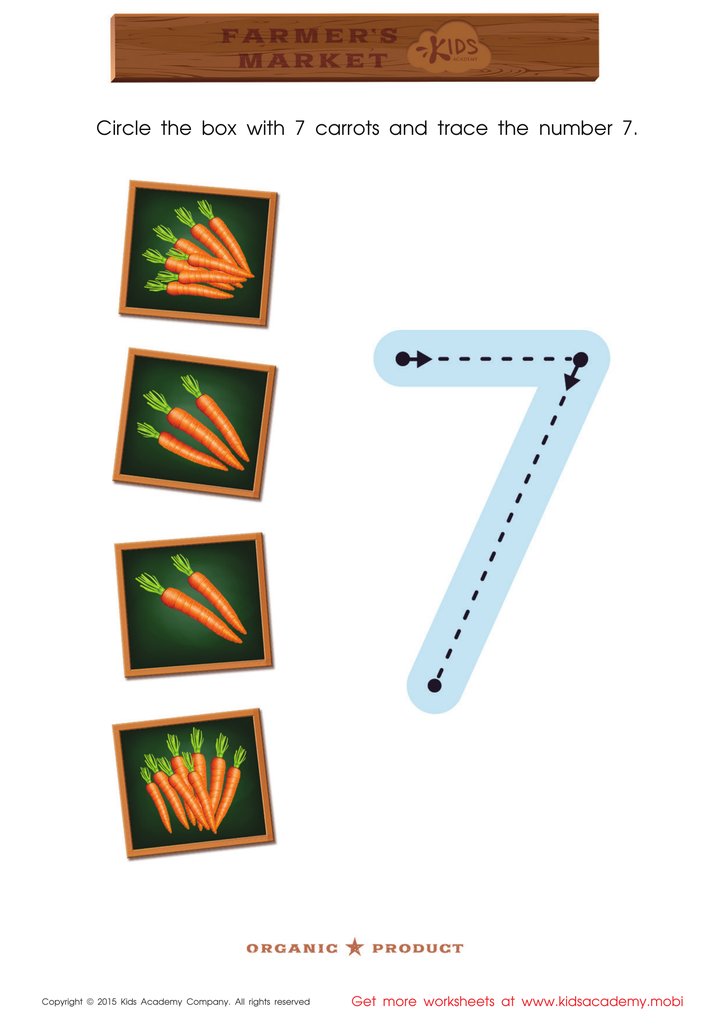
Count the Carrots and Trace the Number 7 Printable
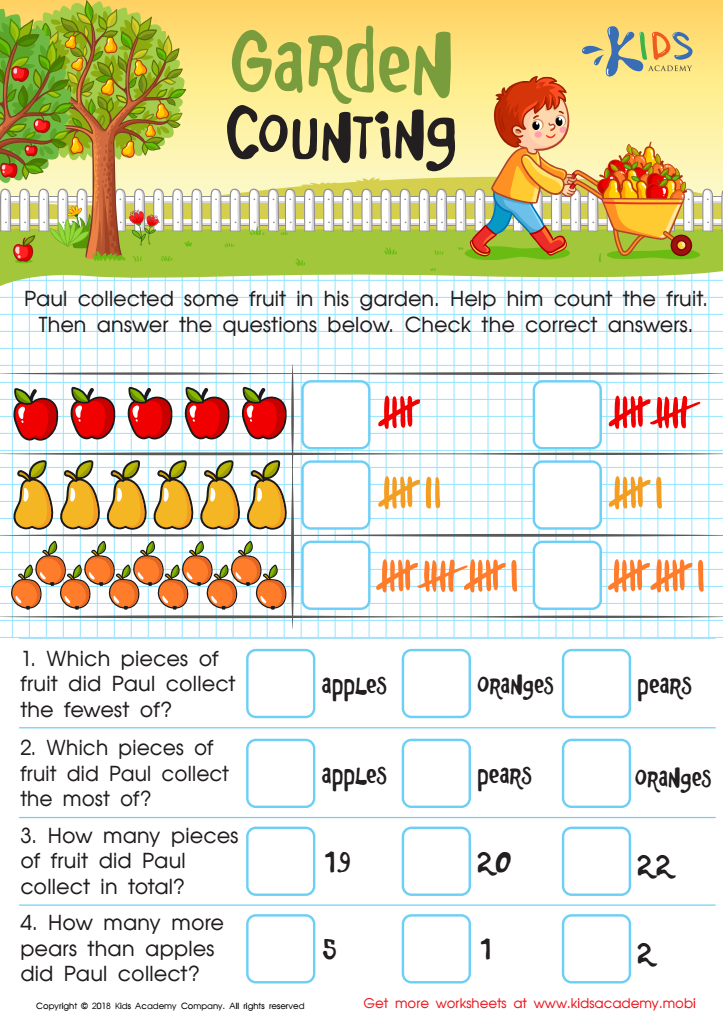
Garden Counting Worksheet
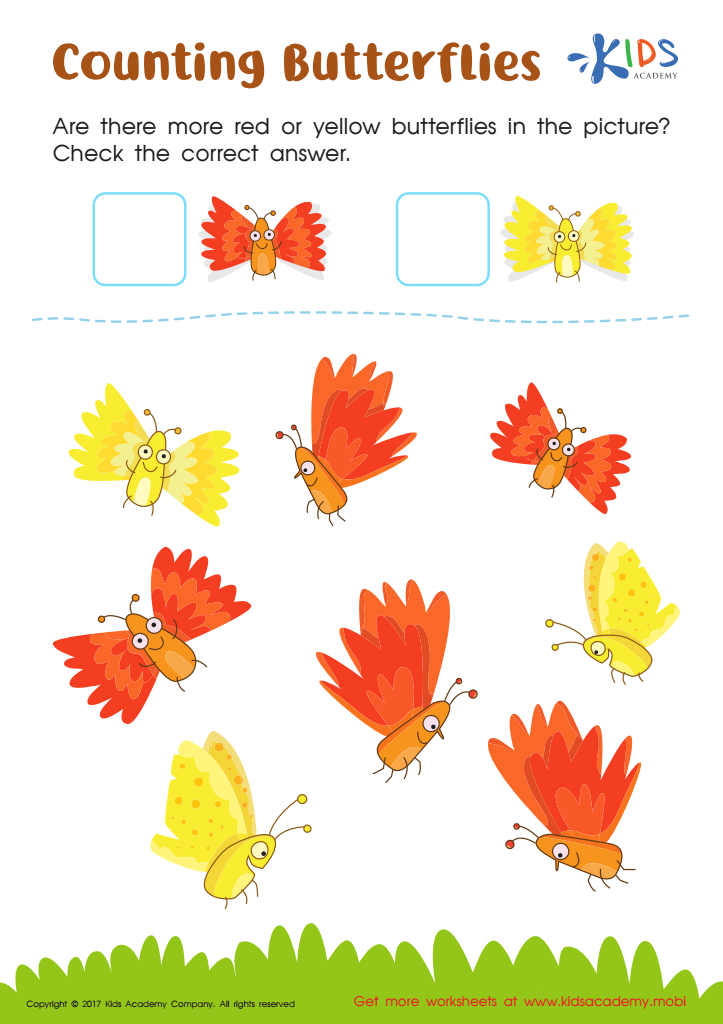
Counting Butterflies Worksheet
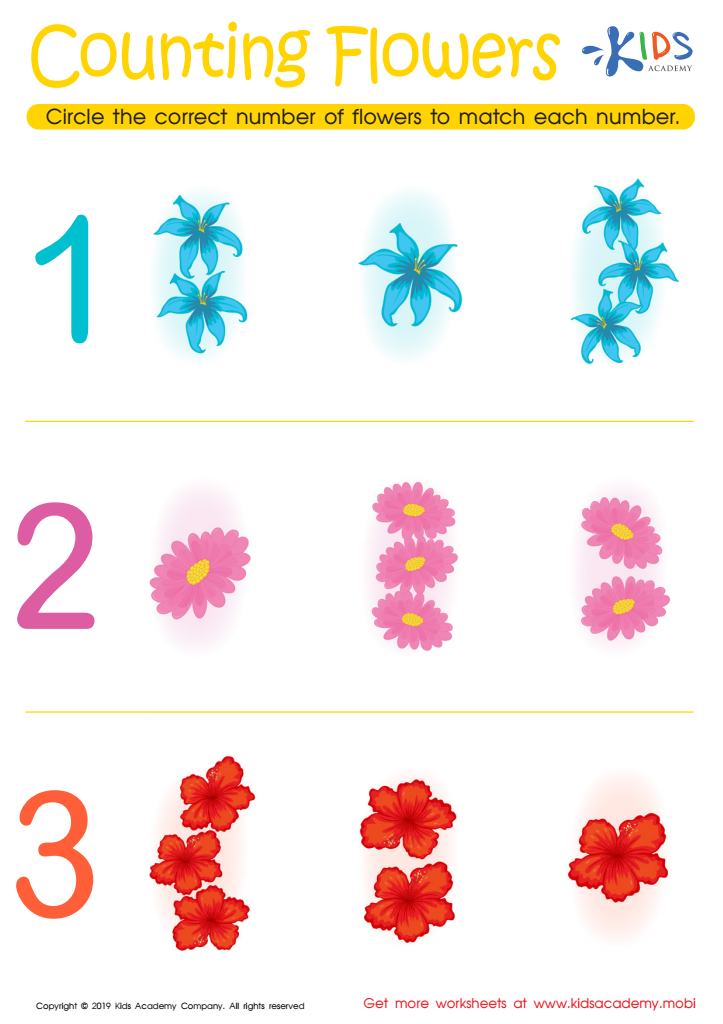
Counting Flowers Worksheet
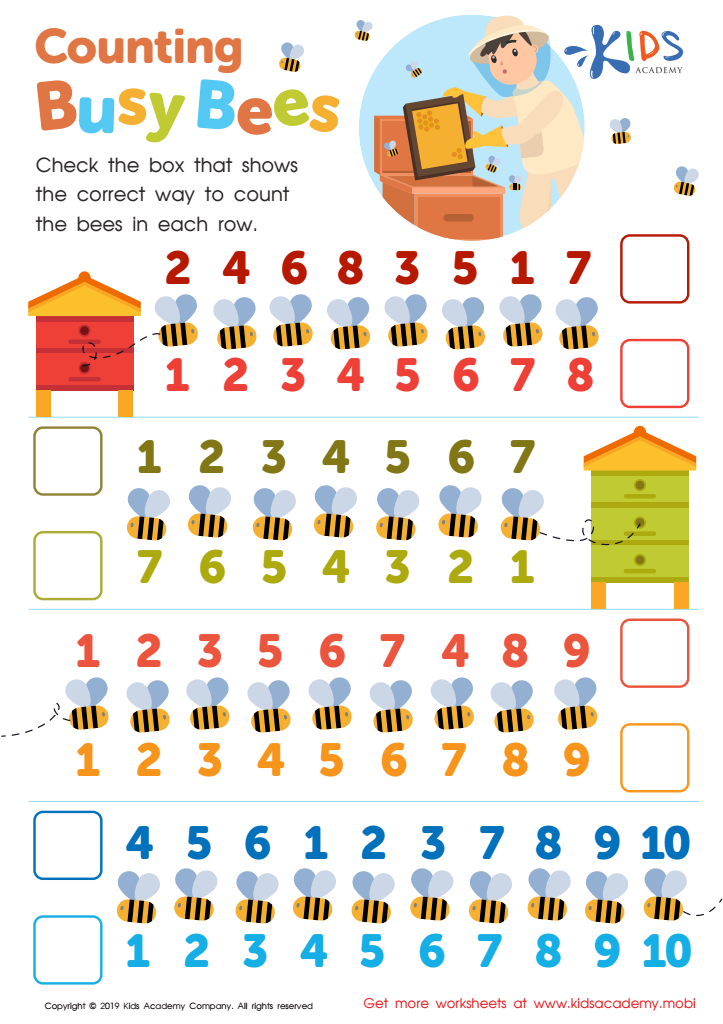
Counting Busy Bees Worksheet
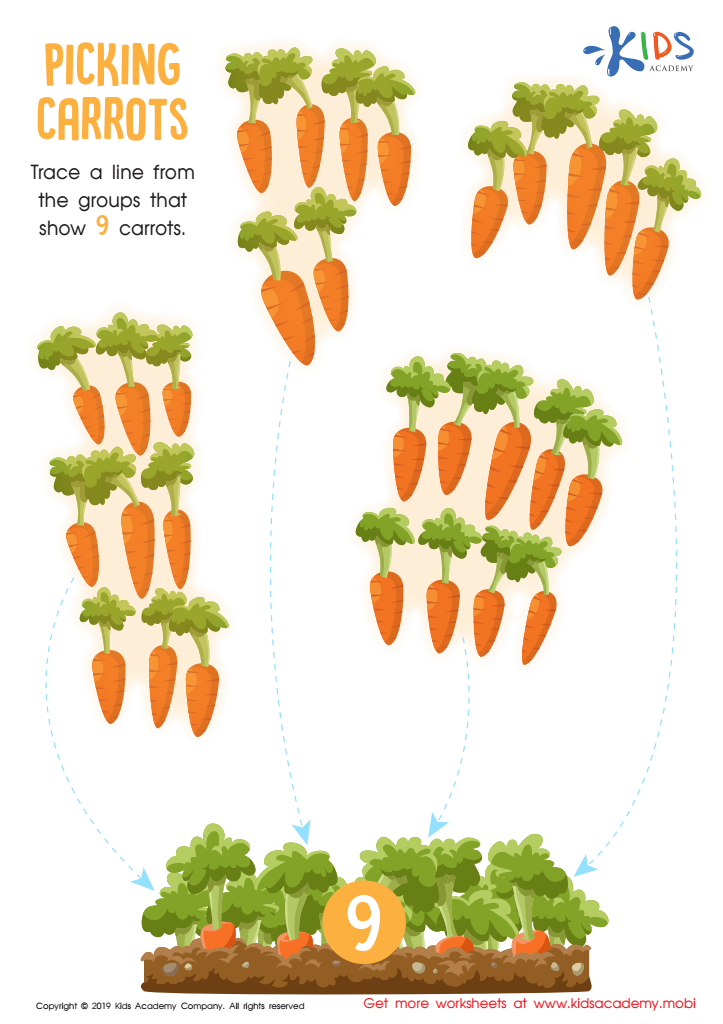
Picking Carrots Worksheet
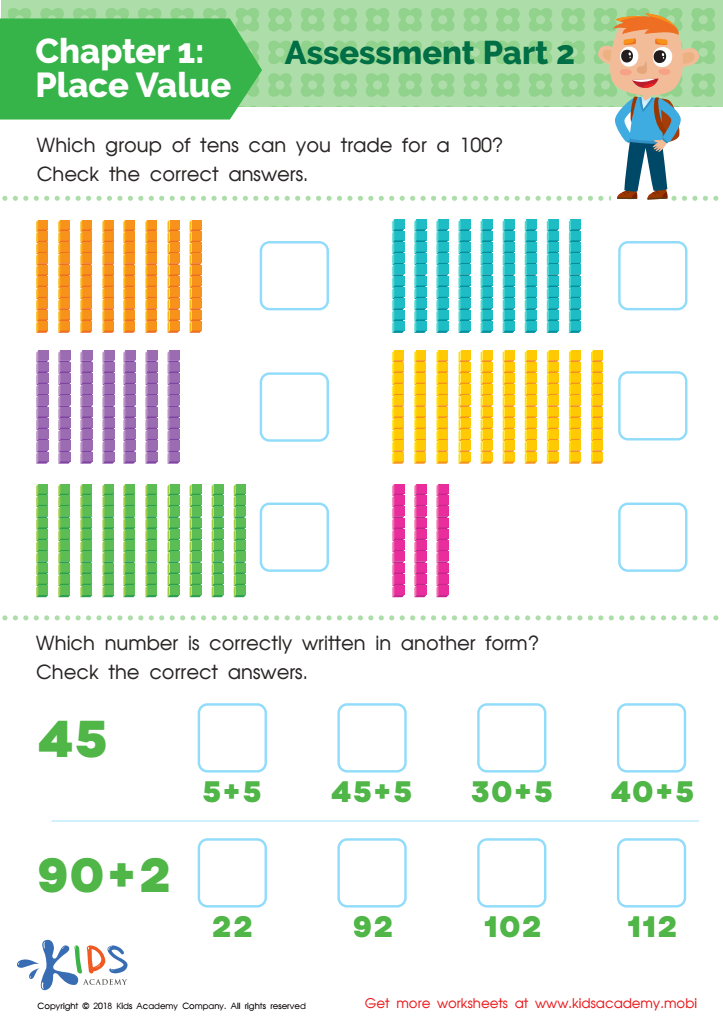
Place Value: Chapter 2 Worksheet
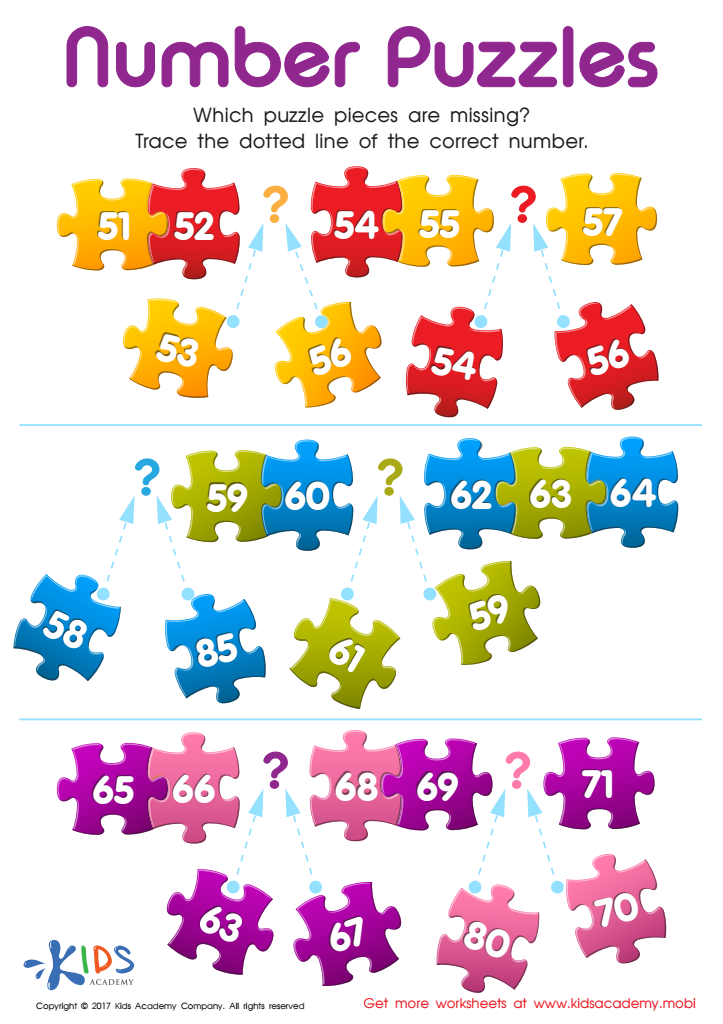
Number Puzzles Worksheet
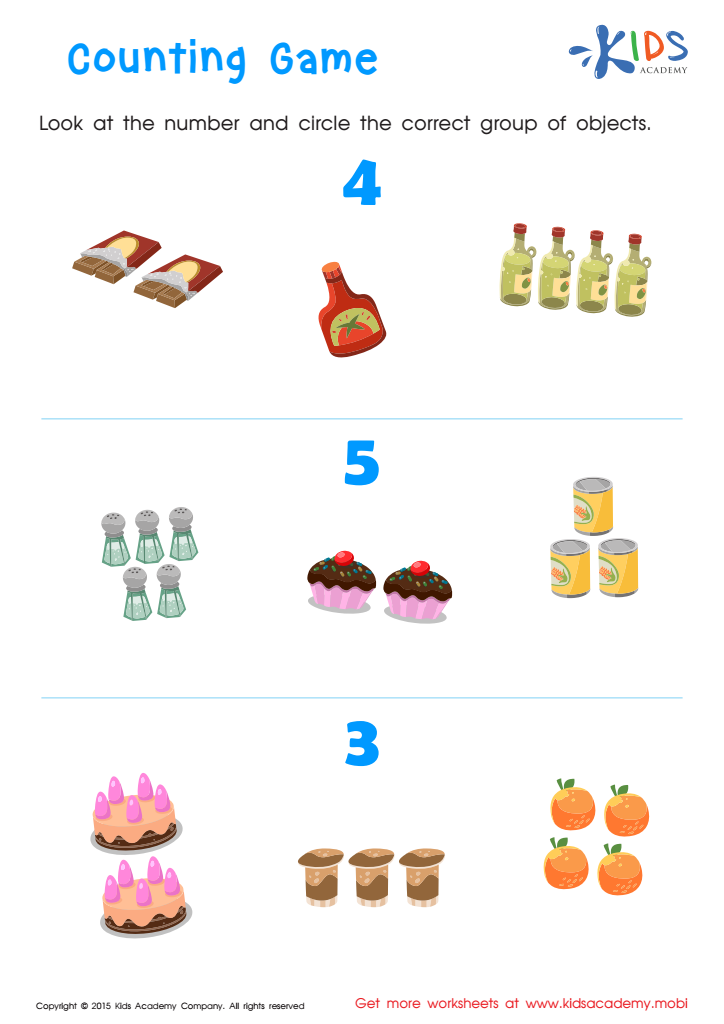
Counting Worksheet
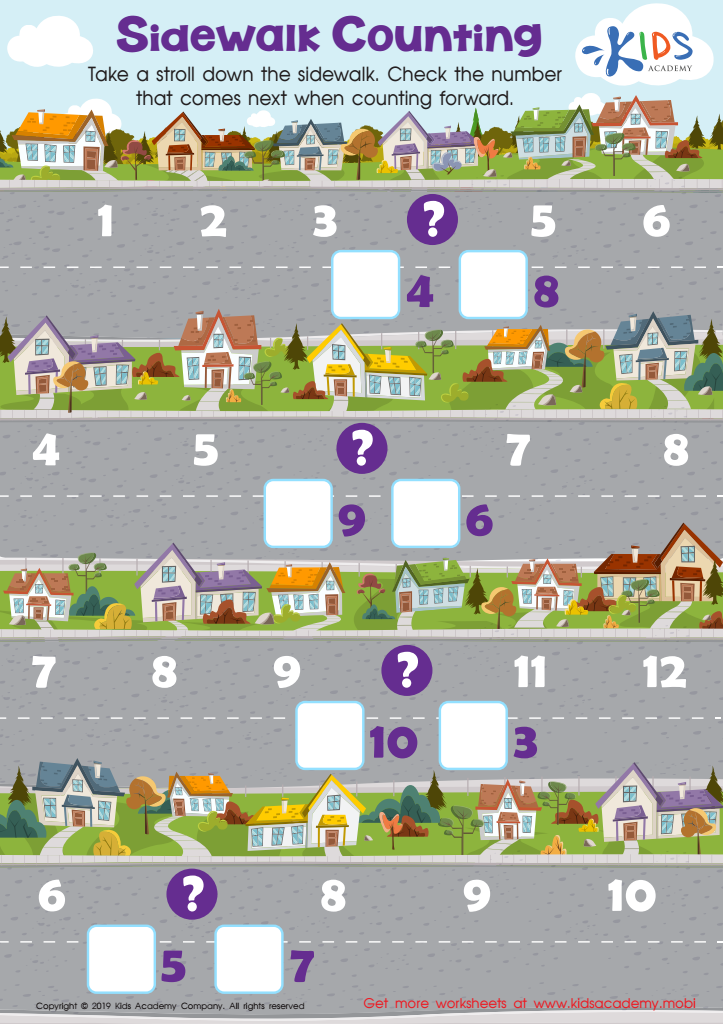
Sidewalk Counting Worksheet
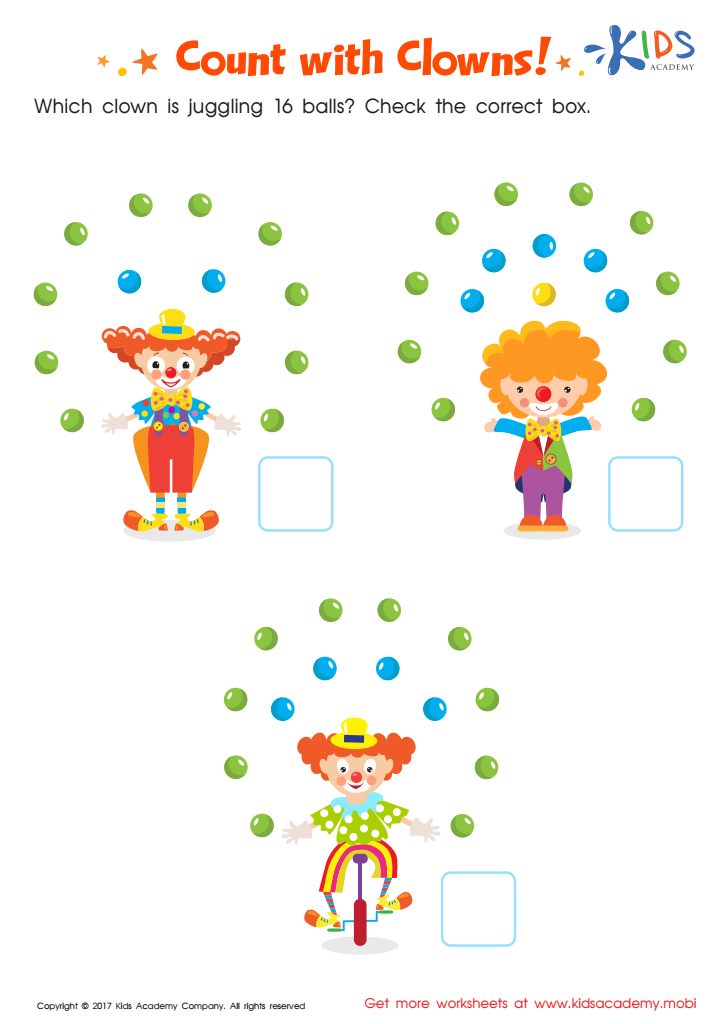
Count with Clowns Worksheet
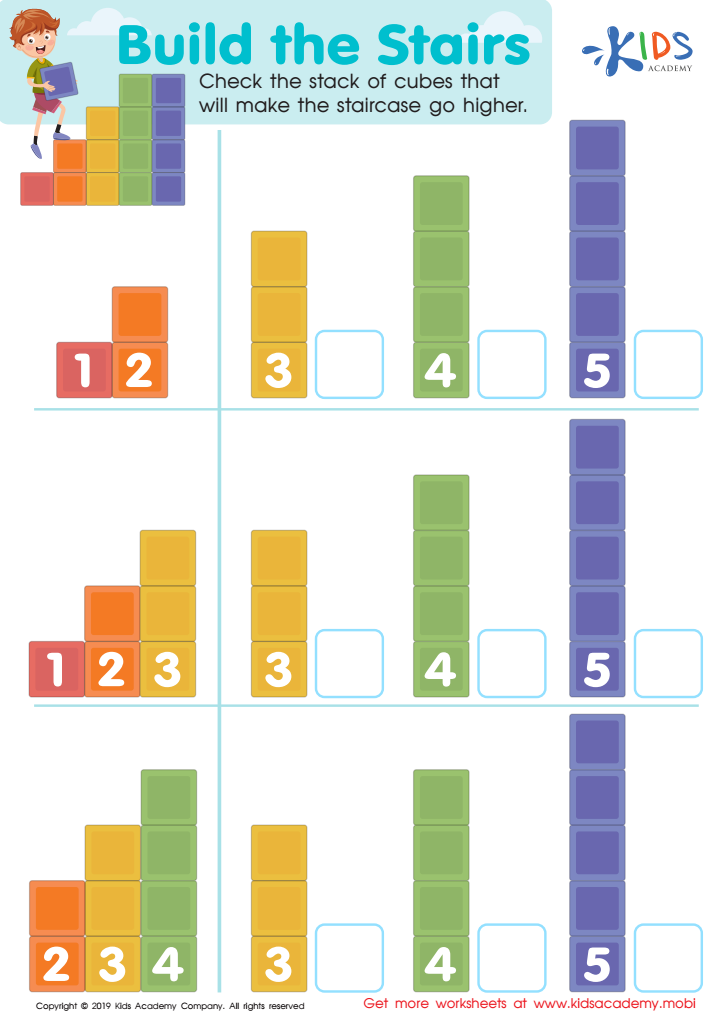
Build the Stairs Worksheet
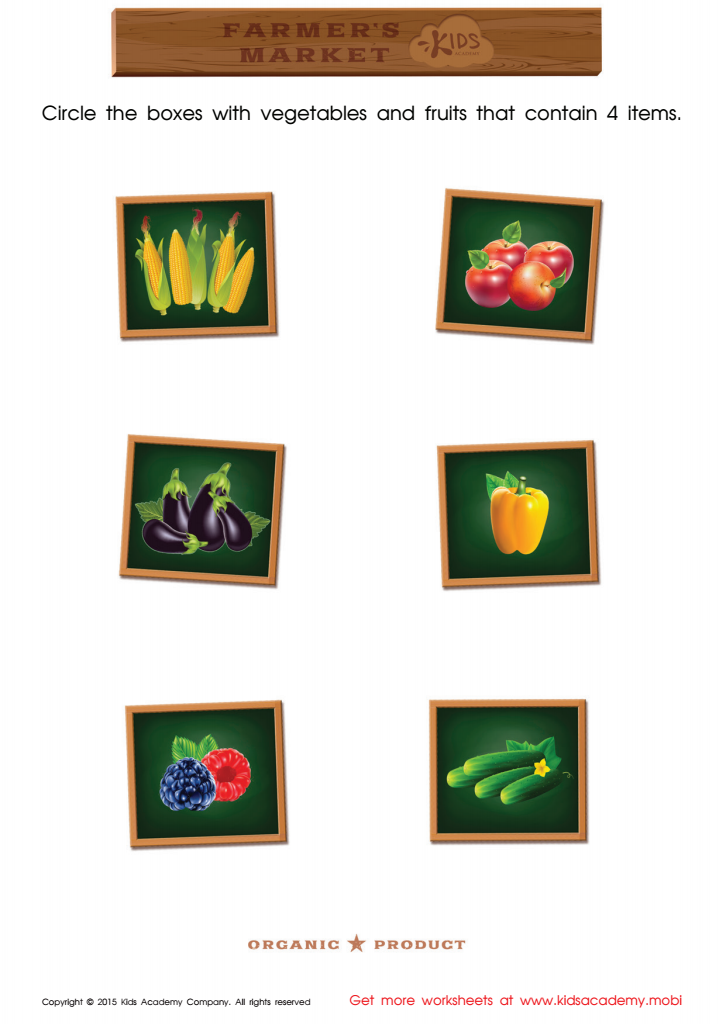
Count and Match Vegetables 2 – 8 Math Worksheet
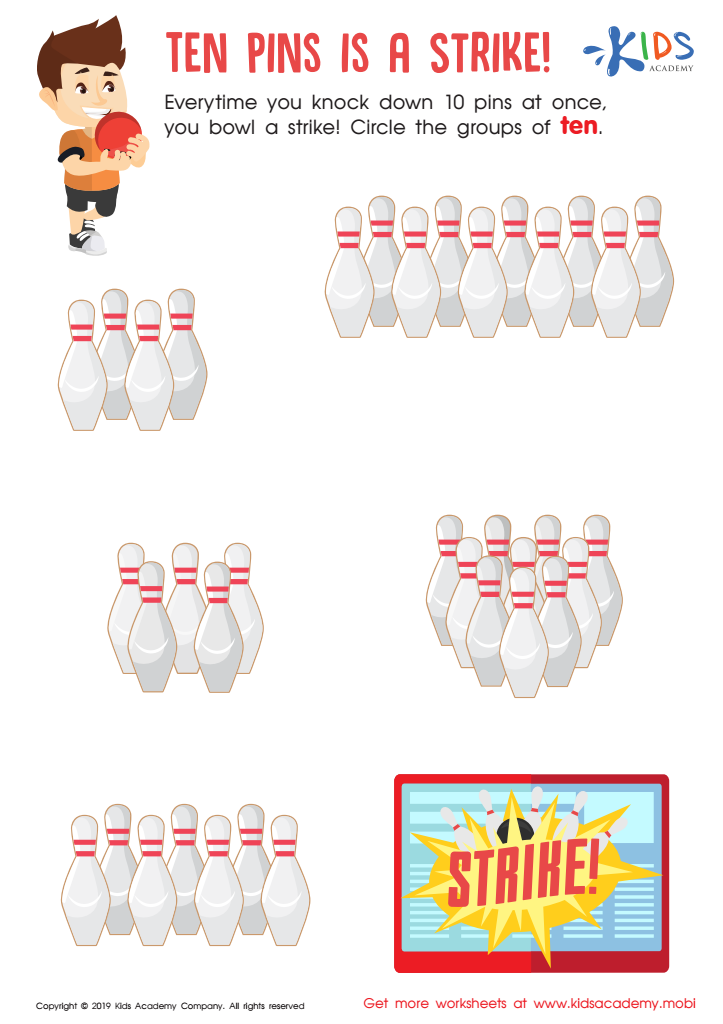
Ten Pins is a Strike Worksheet







Counting skills form the foundation of mathematical understanding and are crucial for early childhood development. Parents and teachers should prioritize these skills because they promote not just numeracy but also cognitive development. When children learn to count, they enhance their ability to understand patterns, categorize objects, and develop logical reasoning, all of which are important in everyday situations beyond math.
Moreover, early counting skills influence later academic success. A solid grasp of numbers allows children to tackle more complex mathematical concepts in higher grades. In social settings, counting helps children navigate scenarios like sharing or participating in games, fostering cooperation and communication skills.
Additionally, engaging in counting activities can enhance parent-child or teacher-student interactions, creating a supportive and stimulating learning environment. When children see adults involved in counting, they are more likely to value and enjoy math-related tasks, creating positive attitudes toward learning.
Lastly, strong counting skills lay the groundwork for practical life abilities—such as telling time, managing money, and measuring—that are essential for everyday functioning. Thus, investing time in developing counting skills is vital for laying a holistic educational foundation.








