Fine motor development Numbers Worksheets
3 filtered results
-
From - To
Explore our engaging Fine Motor Development Numbers Worksheets, designed to enhance your child's hand-eye coordination and fine motor skills while learning numbers. These specially crafted worksheets combine fun activities with essential counting practice, making learning enjoyable and effective. Through tracing, coloring, and hands-on exercises, children will strengthen their finger dexterity and control. Perfect for preschool and early elementary students, our worksheets foster both mathematical understanding and practical skills. Help lay a strong foundation for your child's learning journey with our thoughtfully designed resources. Dive into interactive learning today and watch your child's confidence grow as they master numbers with ease!
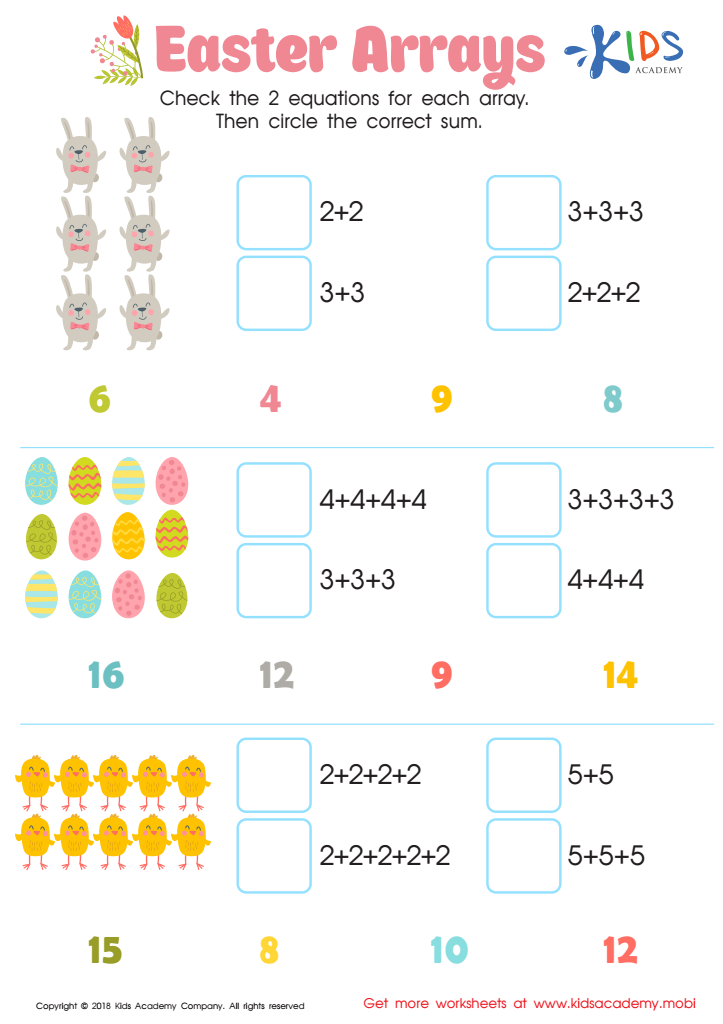
Easter Arrays Worksheet
 Assign to My Students
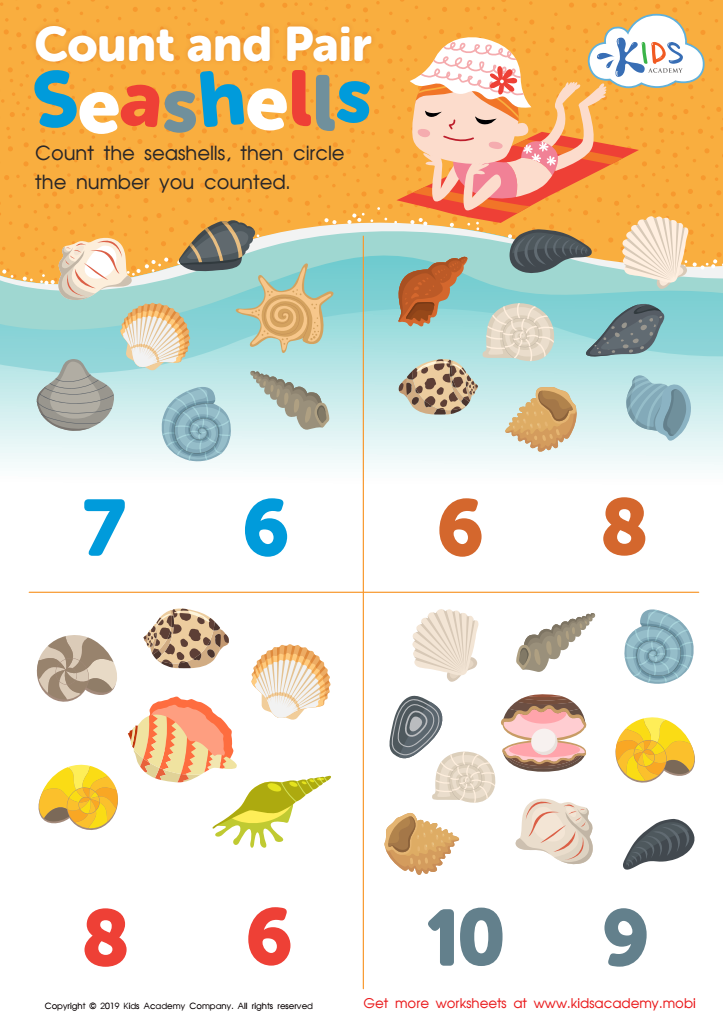
Count and Pair Seashells Worksheet

Kindergarten Number Tracing: Medow Flowers Worksheet




%20(1).jpg)



Fine motor development is crucial for young children as it directly impacts their ability to perform daily tasks and engage in academic activities. When children refine their fine motor skills, they enhance hand-eye coordination, dexterity, and precision in movements. This is vital for tasks such as writing, drawing, and manipulating small objects, all of which are foundational skills in early education.
Parents and teachers should prioritize fine motor development because it fosters independence and confidence in children. As they master these skills, children can better engage in classroom activities, collaborate with peers, and express their creativity. Moreover, fine motor skills are linked to cognitive development; the act of manipulating objects can enhance problem-solving skills and critical thinking.
Additionally, early intervention in fine motor skills can prevent future difficulties in learning and academic performance. Activities like cutting with scissors, playing with clay, or threading beads not only make learning enjoyable but are also effective in cultivating these skills.
Ultimately, a strong foundation in fine motor development supports a child's readiness for school, enhances academic achievement, and lays the groundwork for lifelong skills. Therefore, educators and parents should both invest time and resources into nurturing these developmental milestones.








