Cognitive Development Math Worksheets
186 filtered results
-
From - To
Explore our engaging Cognitive Development Math Worksheets designed to enhance your child's critical thinking and problem-solving skills. These worksheets, tailored for early learners, feature a variety of activities that promote number recognition, pattern identification, and logical reasoning. Each worksheet encourages interactive learning through fun exercises that make math enjoyable. Ideal for home or classroom use, these resources support cognitive growth while aligning with early education standards. Foster your child's love for math and provide them with the tools they need to succeed in their educational journey. Download our printable worksheets today and watch their confidence and skills soar!
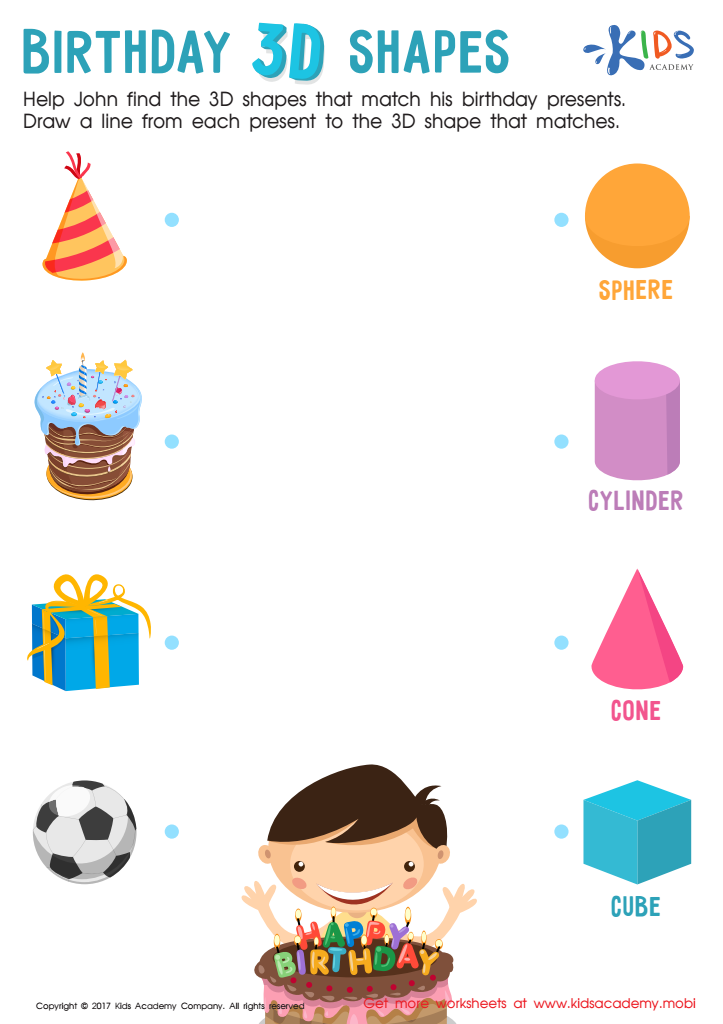
Birthday 3D Shapes Worksheet
 Assign to My Students
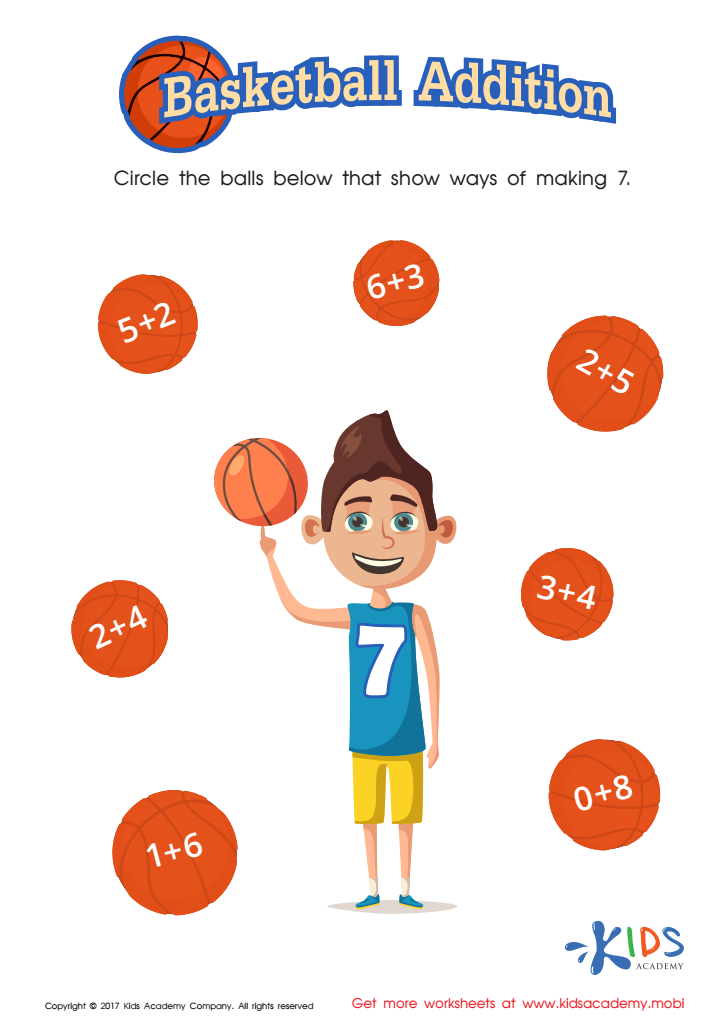
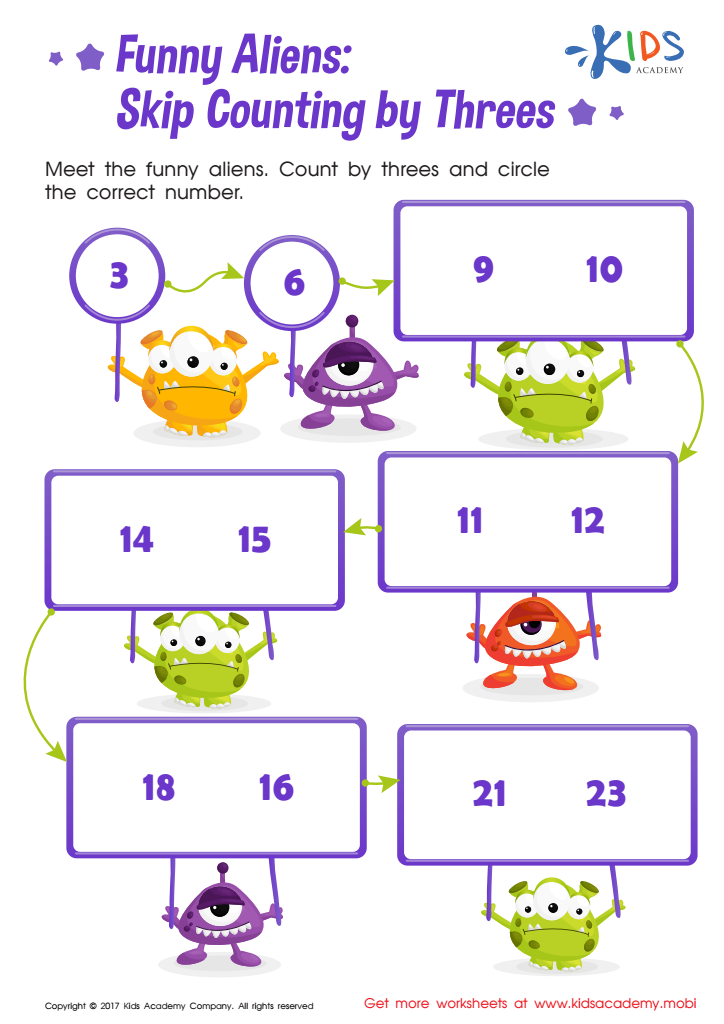
Skip Counting by 3s: Funny Aliens Printable
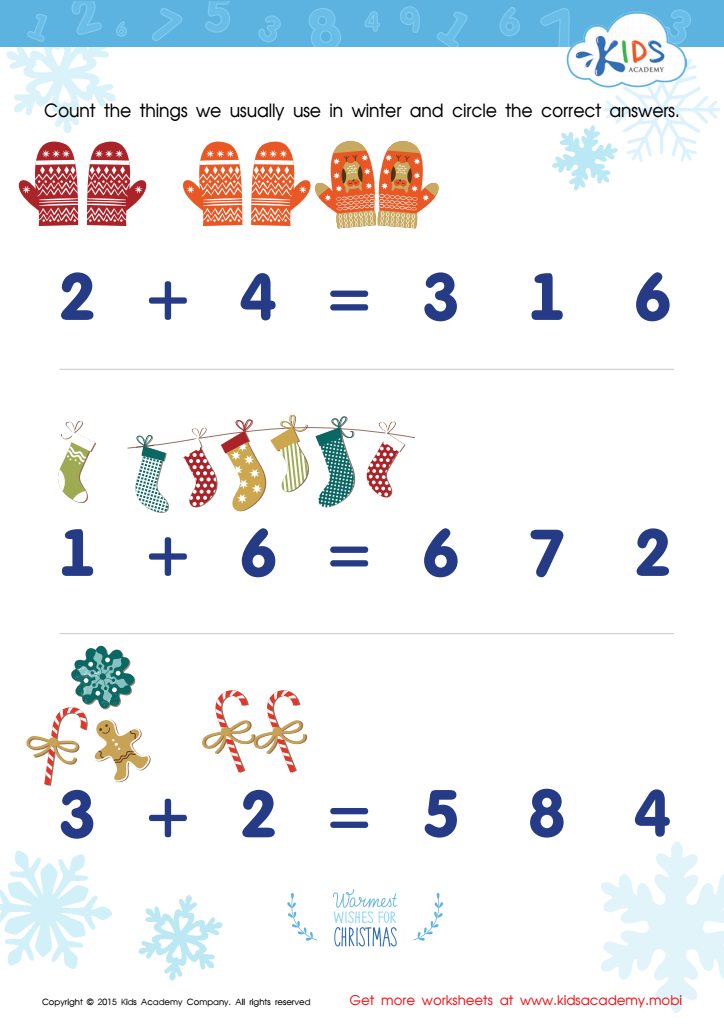
Count Winter Things Worksheet
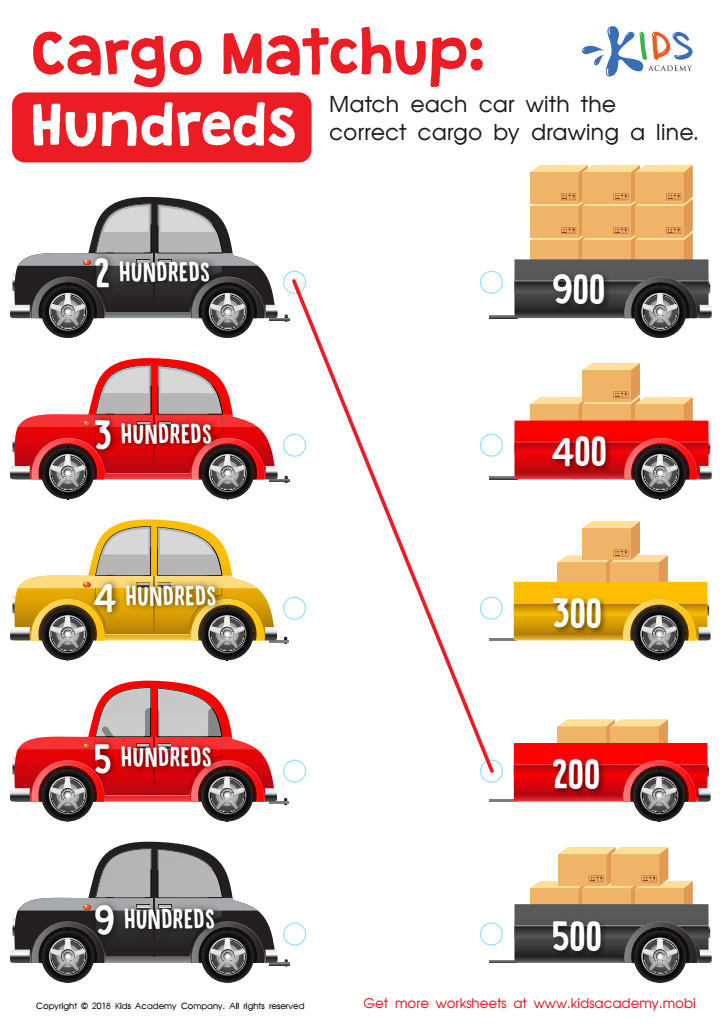
Cargo Matchup: Hundreds Worksheet
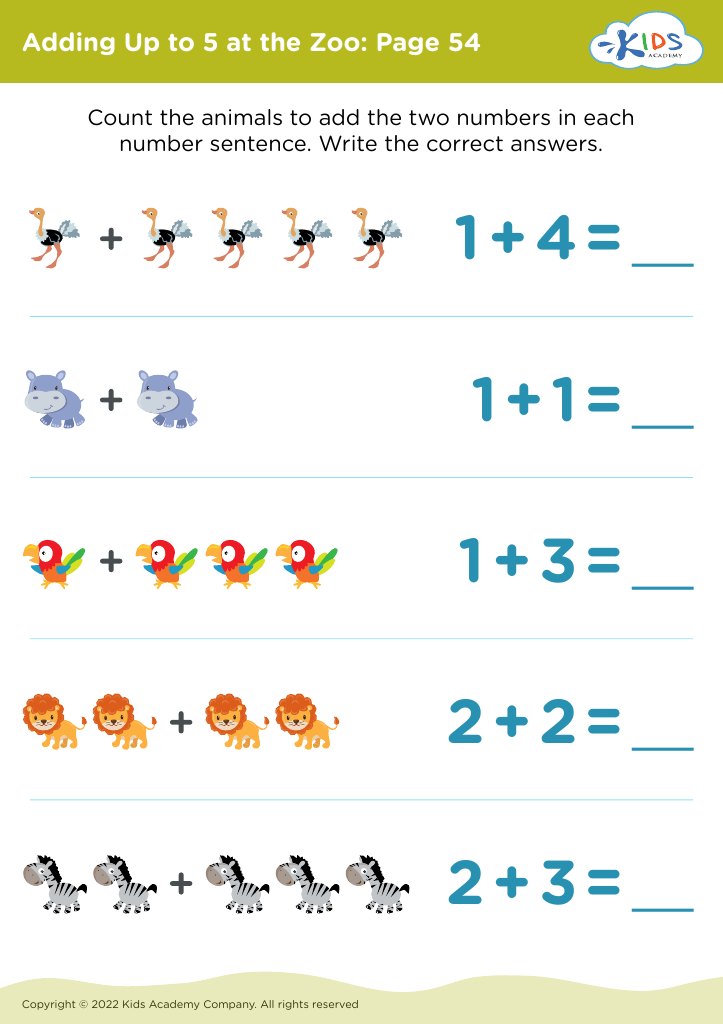
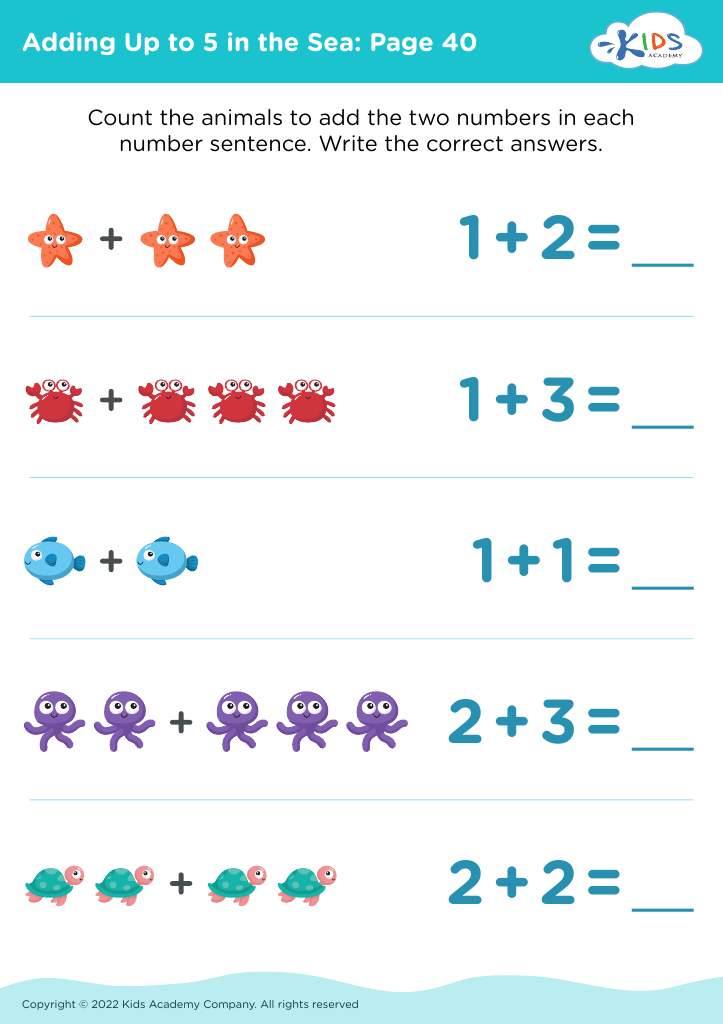
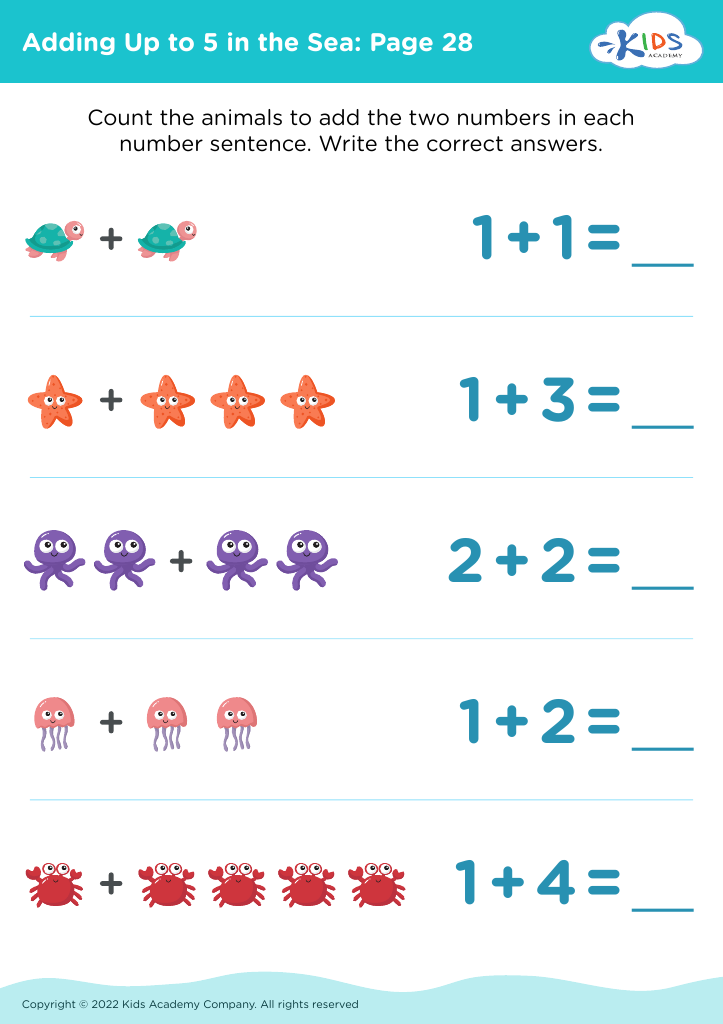

Count and Match Boxes with Vegetables
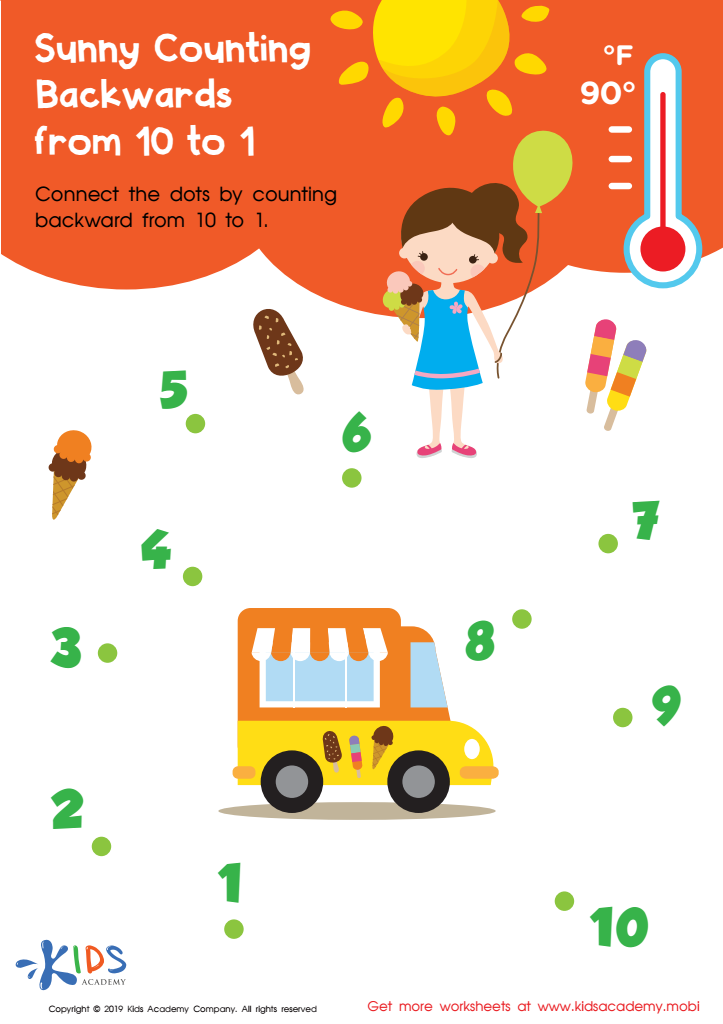
Sunny Counting Backwards from 10 to 1 Worksheet
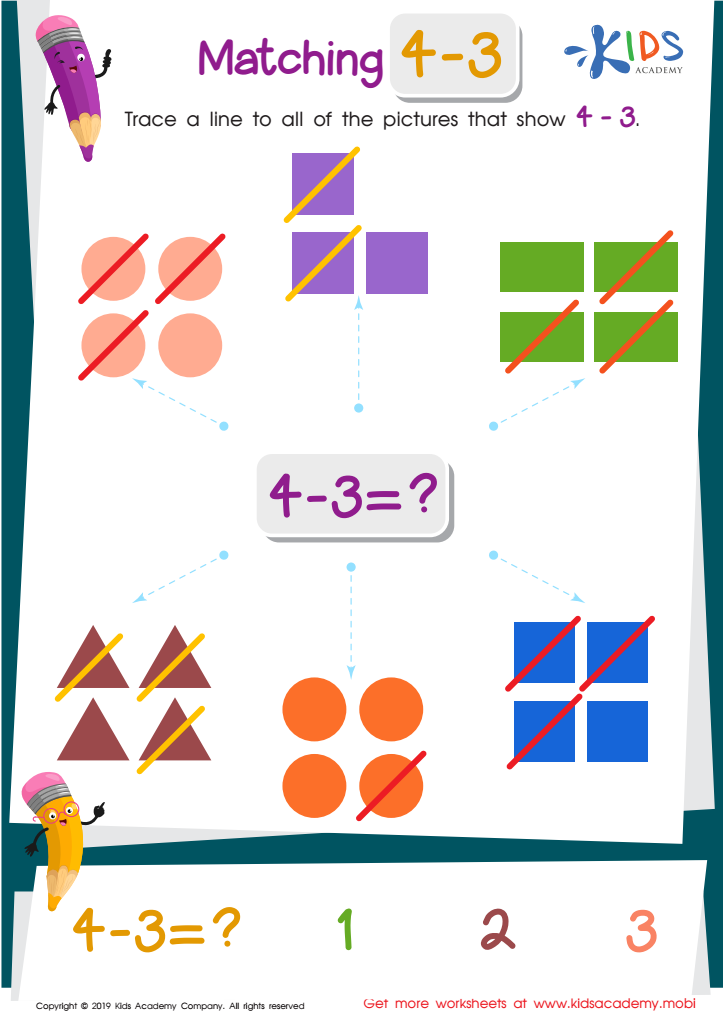
Matching 4 – 3 Worksheet
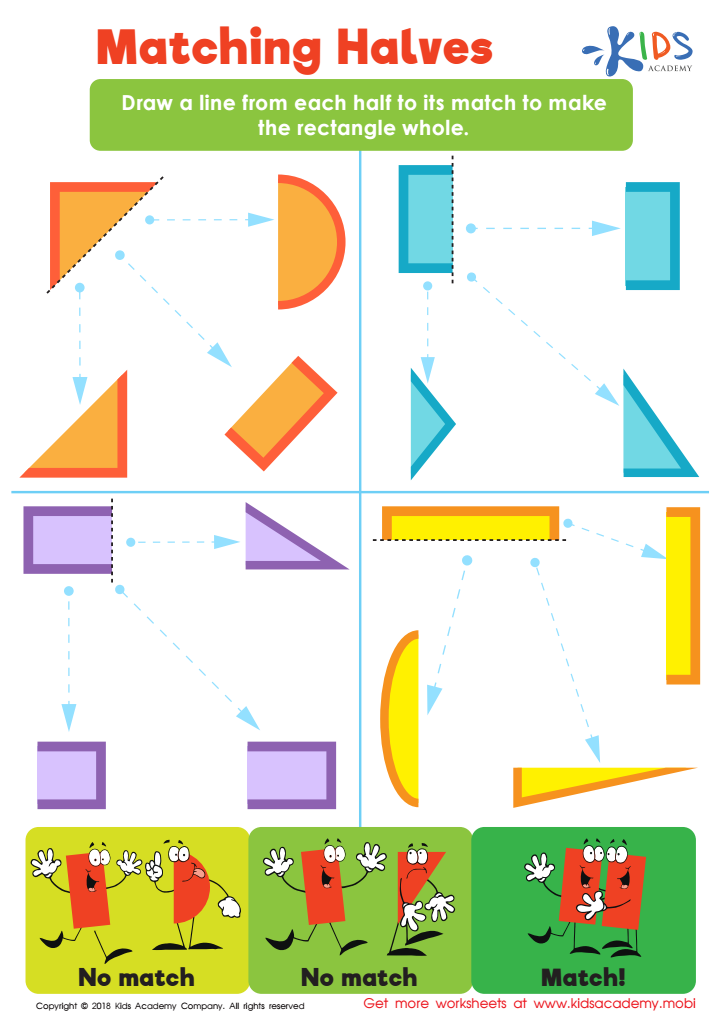
Matching Halves Worksheet
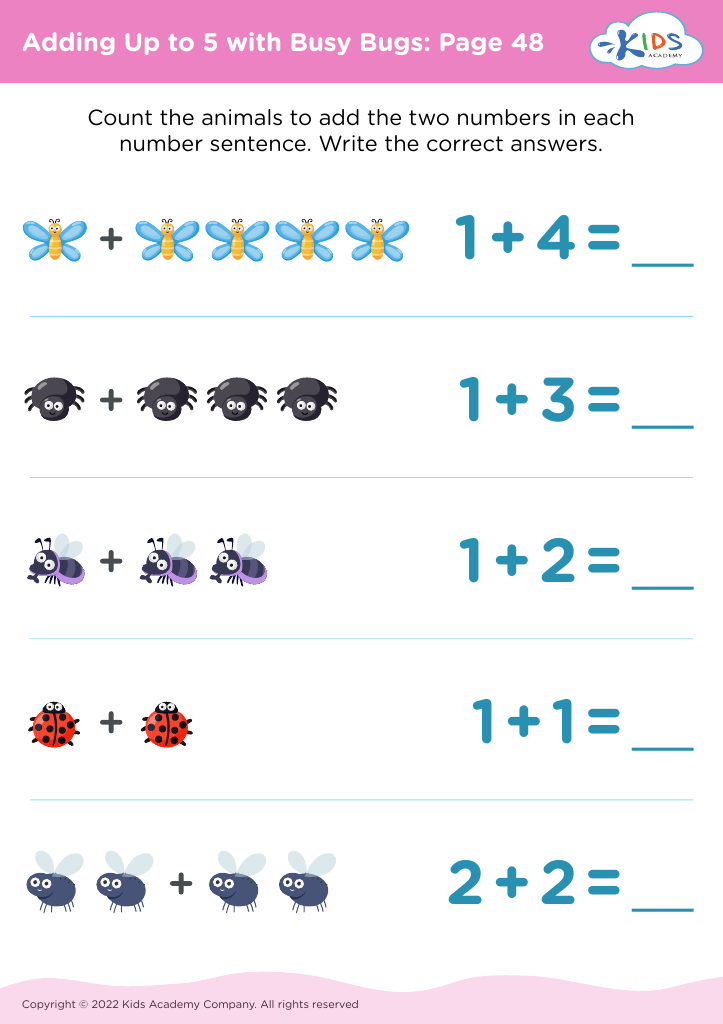
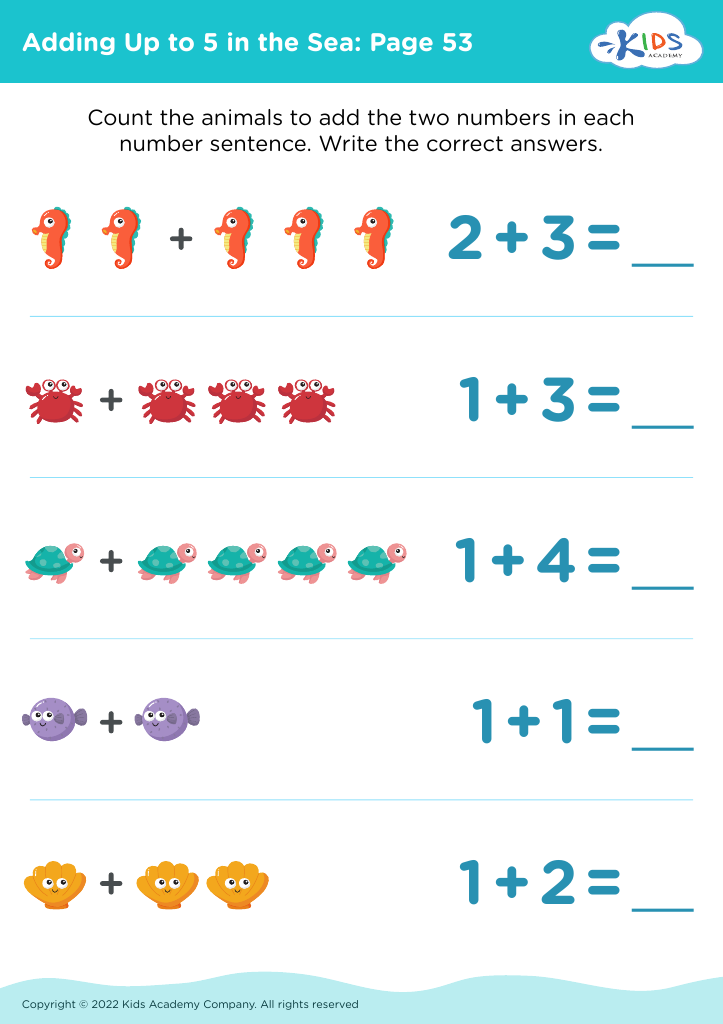
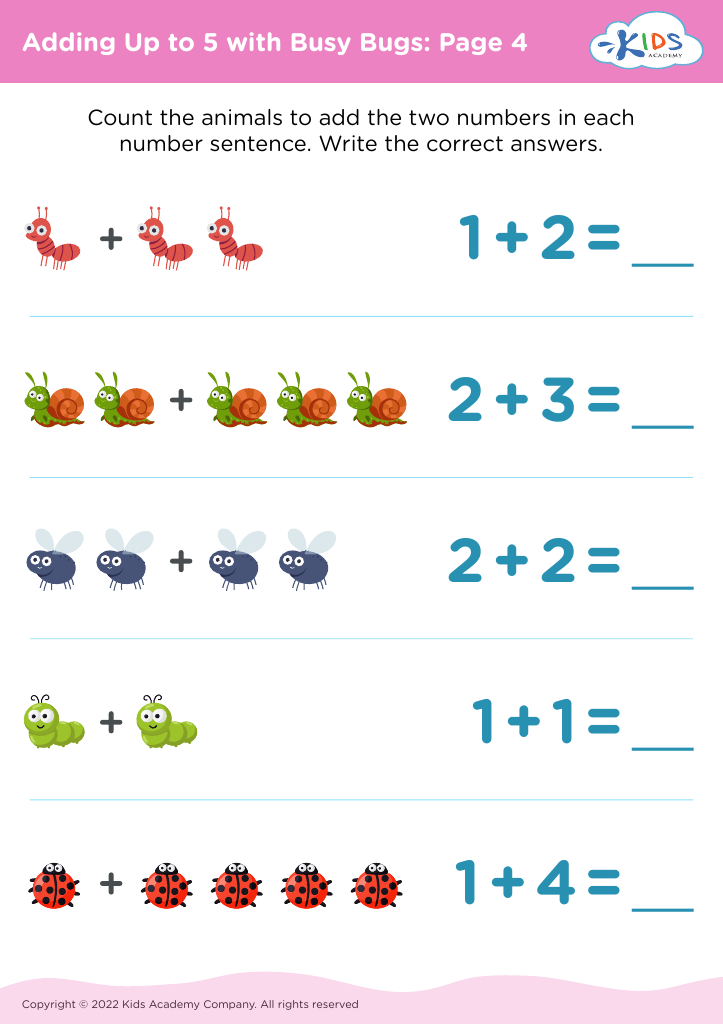
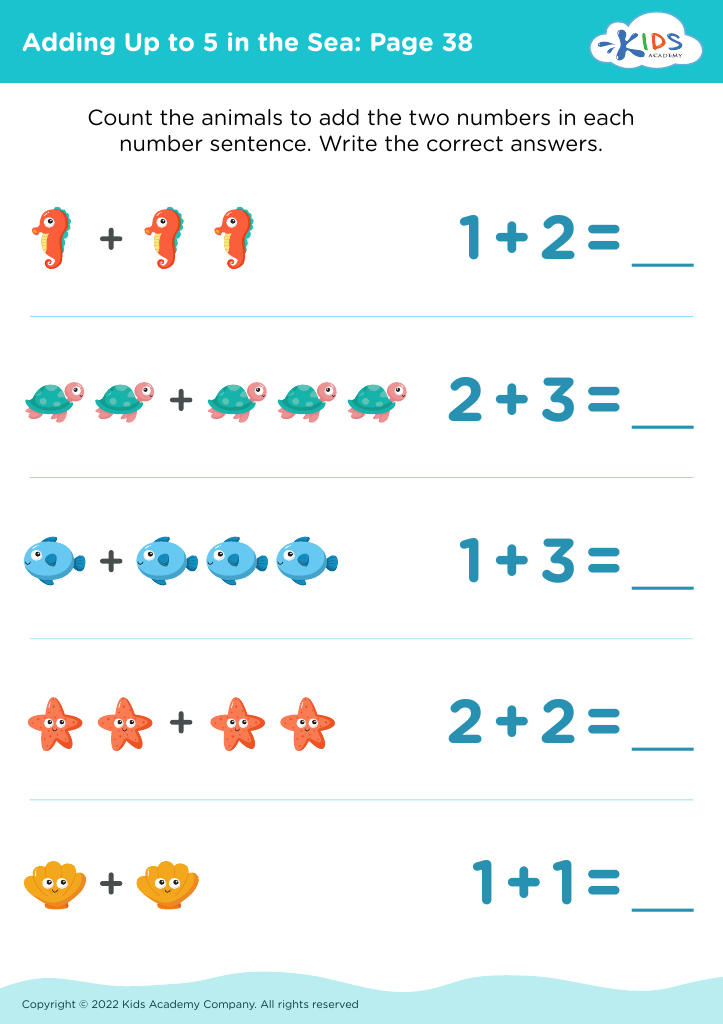
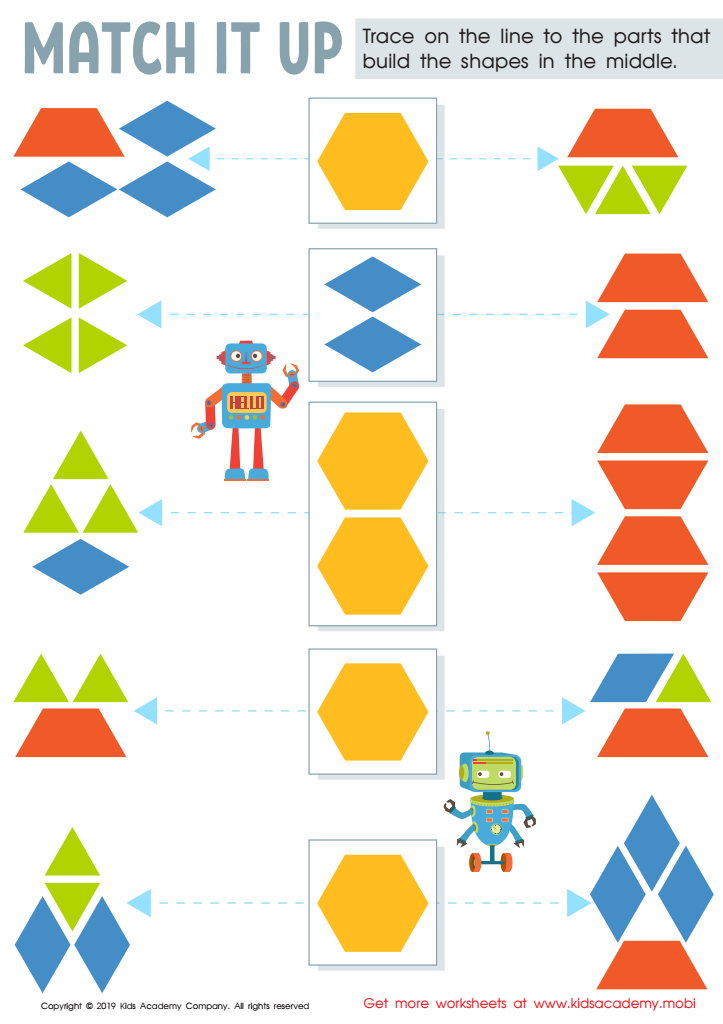
Match It up Worksheet
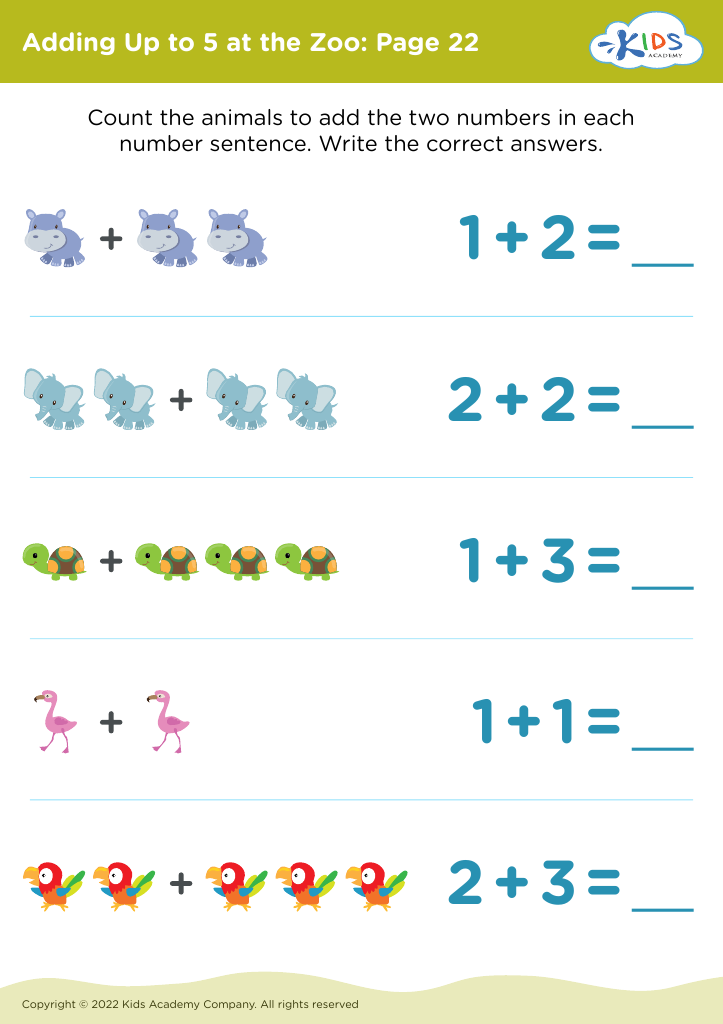
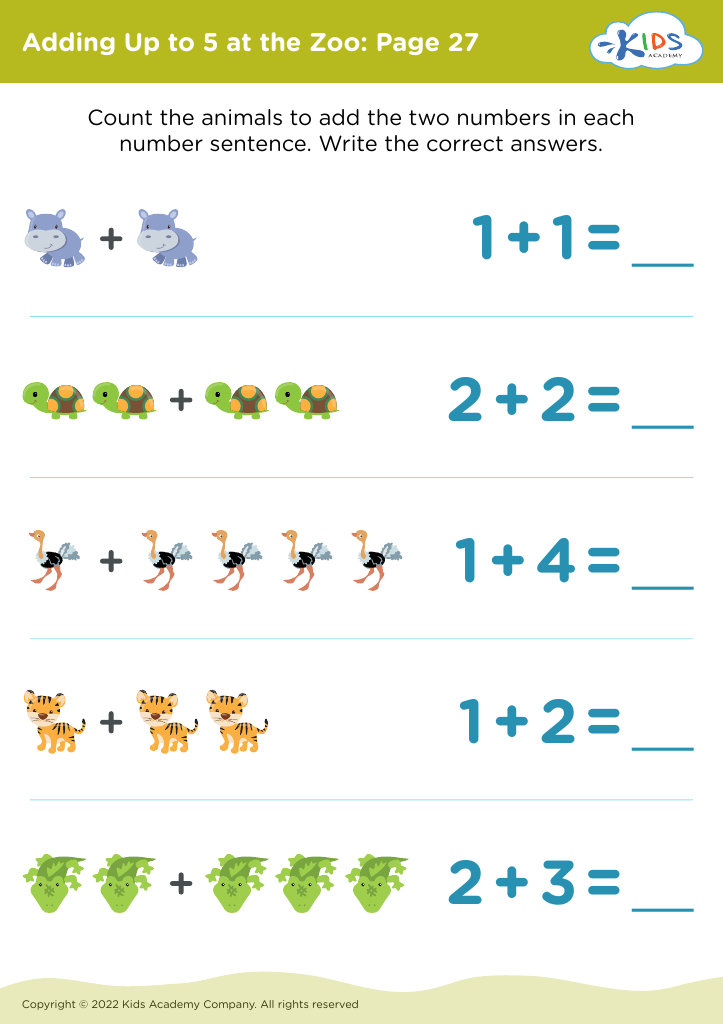








Cognitive development in mathematics is crucial for young learners as it significantly influences their problem-solving abilities, logical reasoning, and overall academic success. When parents and teachers prioritize this area, they foster essential skills that underpin not only math proficiency but also broader cognitive abilities. Early math skills, such as counting, number recognition, and basic operations, are foundational to a child's development, setting the stage for more complex concepts encountered later.
By engaging in activities that enhance cognitive development in math, such as puzzles, games, and real-life math applications, caregivers can help children develop a positive attitude towards the subject. This encourages confidence and resilience in face of challenges, promoting a growth mindset. Moreover, understanding and supporting cognitive development in math can lead to identification of potential learning difficulties early on, allowing for timely intervention.
Additionally, math is interwoven with everyday life— from budgeting to cooking—making it essential for real-world applications. By investing in cognitive development in math, parents and teachers equip children with the tools to navigate the complexities of life and foster a lifelong love for learning. Ultimately, nurturing these skills supports students’ emotional and academic well-being, paving the way for future successes.








