Check out this FREE Trial Lesson on Math!

Match Exactly the Same

Favorites
With answer key
Interactive
  • Comparing Fractions
  • Math
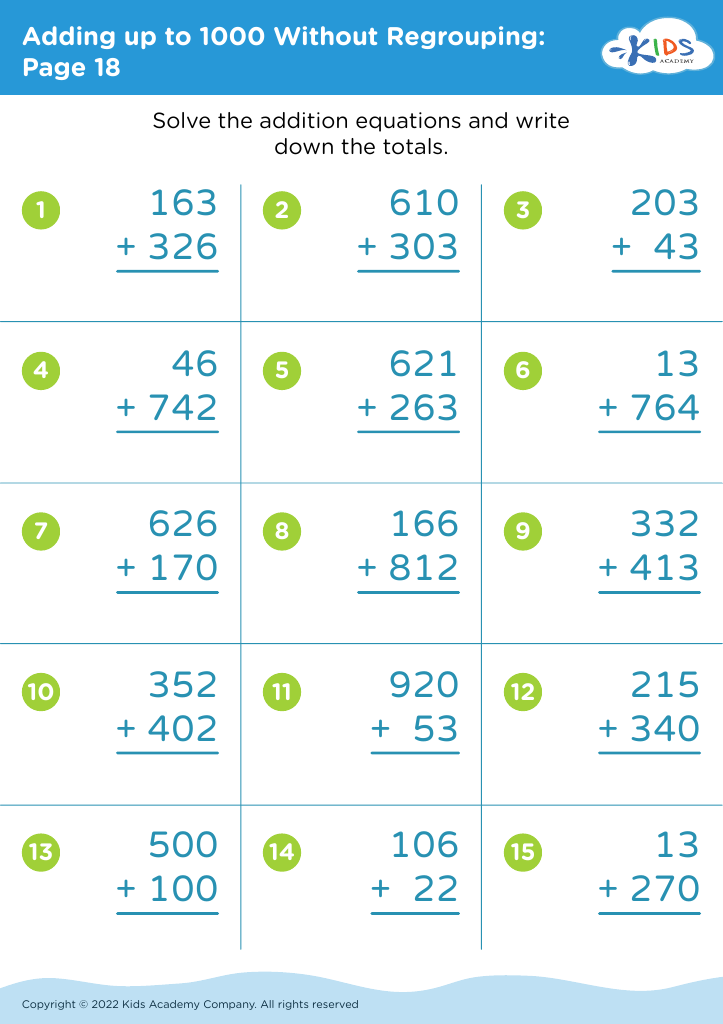
Adding up to 1000 Without Regrouping: Page 18
Worksheet
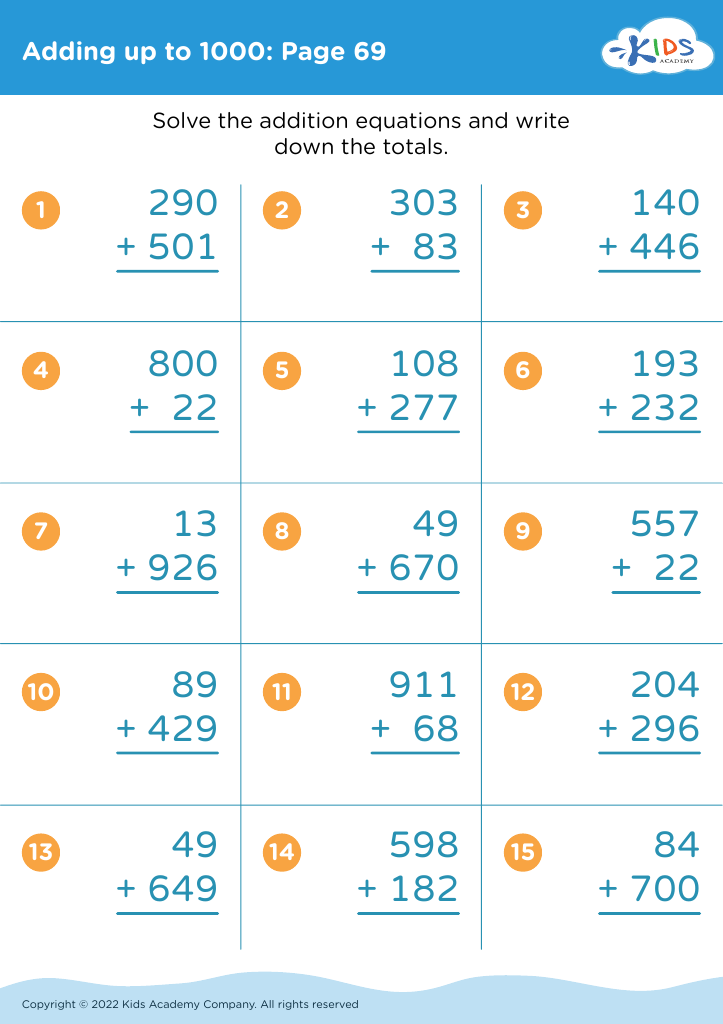
Adding up to 1000: Page 69

Adding up to 1000: Page 69

Adding up to 1000: Page 69
Worksheet
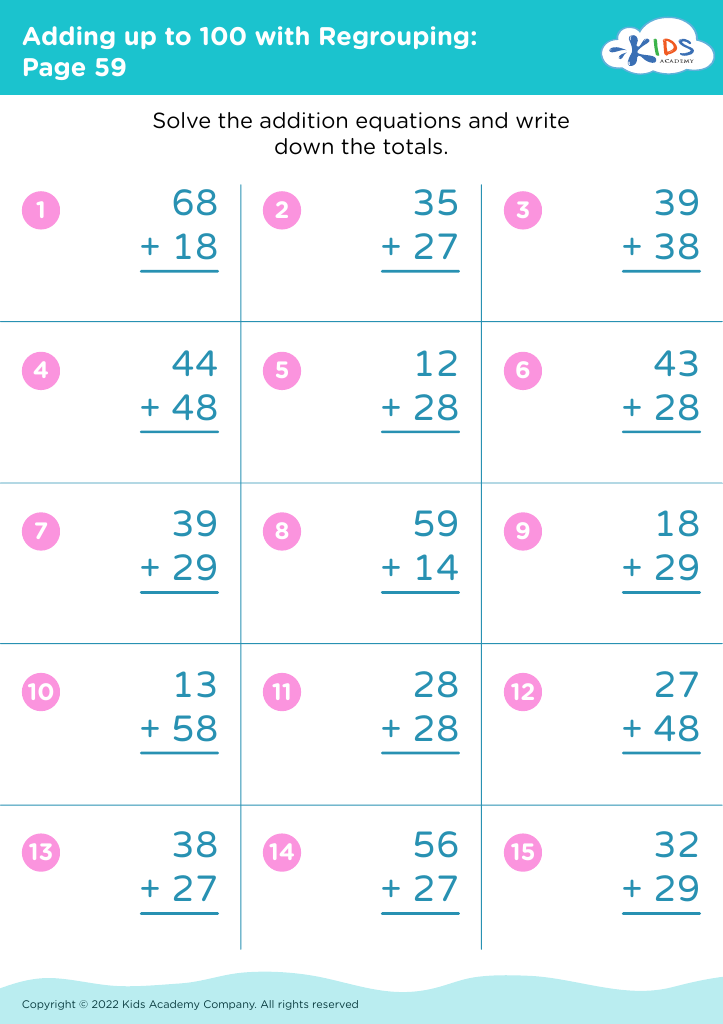
Adding up to 100 with Regrouping: Page 59
Worksheet
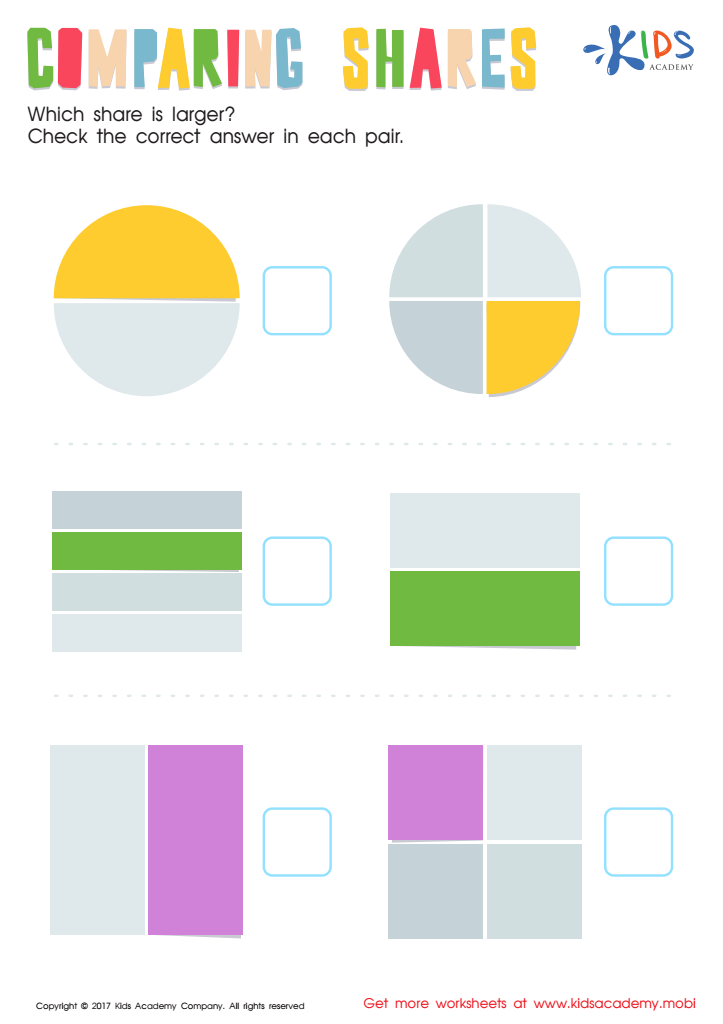
Comparing Shares Worksheet

Comparing Shares Worksheet

Can your students identify and draw shapes correctly? If so, this exercise may be too easy. For those who are still learning, extra help may be needed. The worksheet requires students to select which shape is larger in each pair; circles and squares are included.
Comparing Shares Worksheet
Worksheet
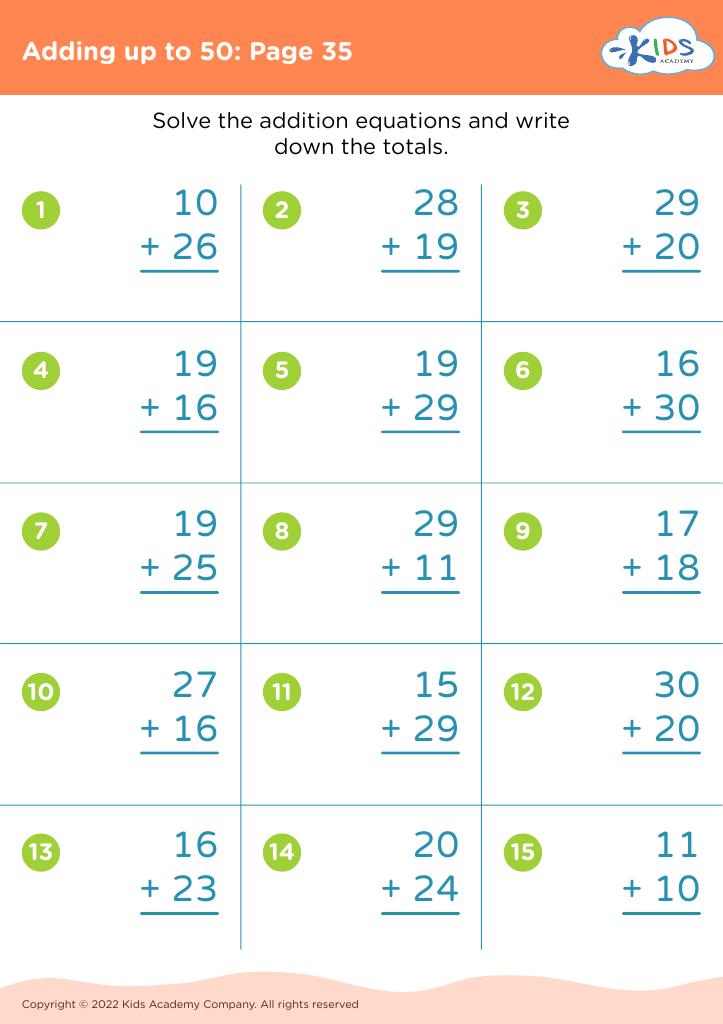
Adding up to 50: Page 35

Adding up to 50: Page 35

Adding up to 50: Page 35
Worksheet
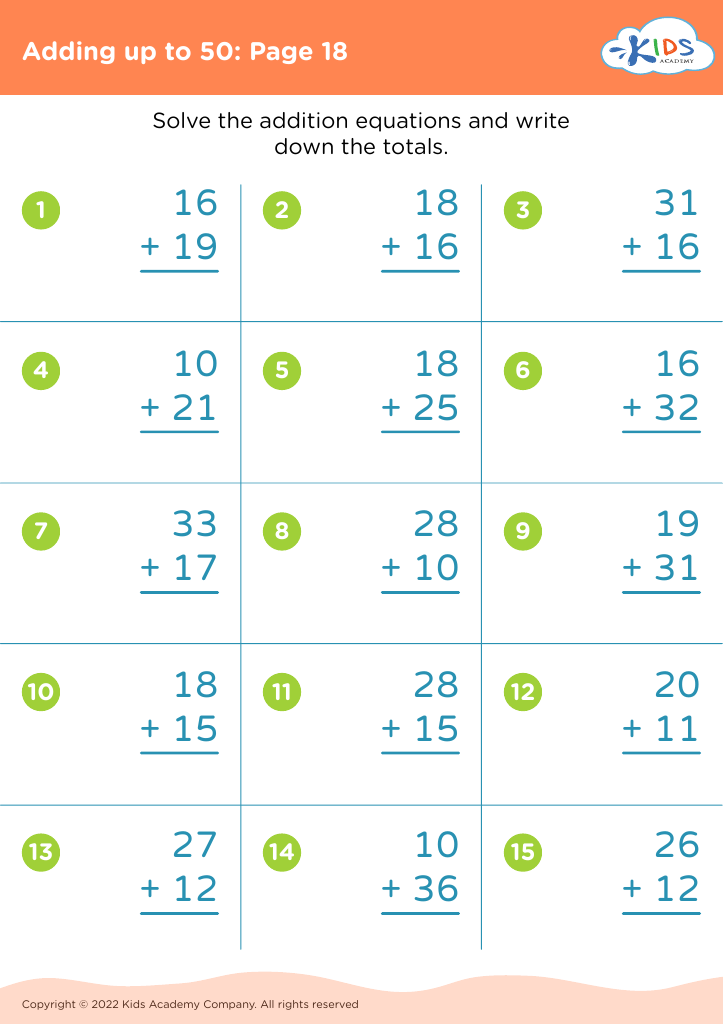
Adding up to 50: Page 18

Adding up to 50: Page 18

Adding up to 50: Page 18
Worksheet
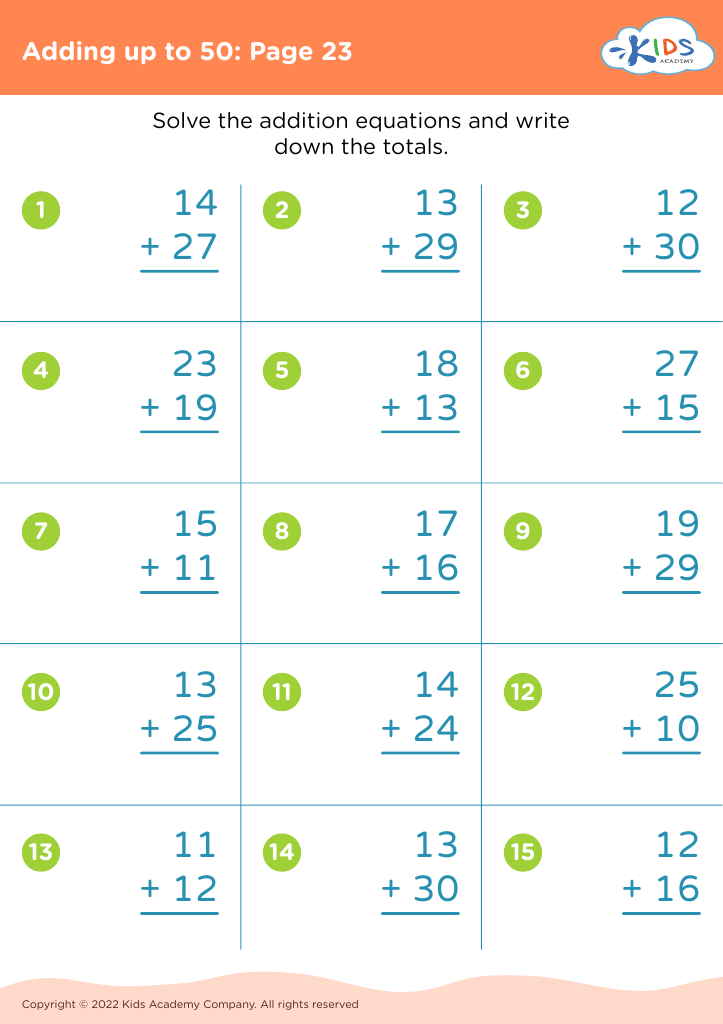
Adding up to 50: Page 23

Adding up to 50: Page 23

Adding up to 50: Page 23
Worksheet
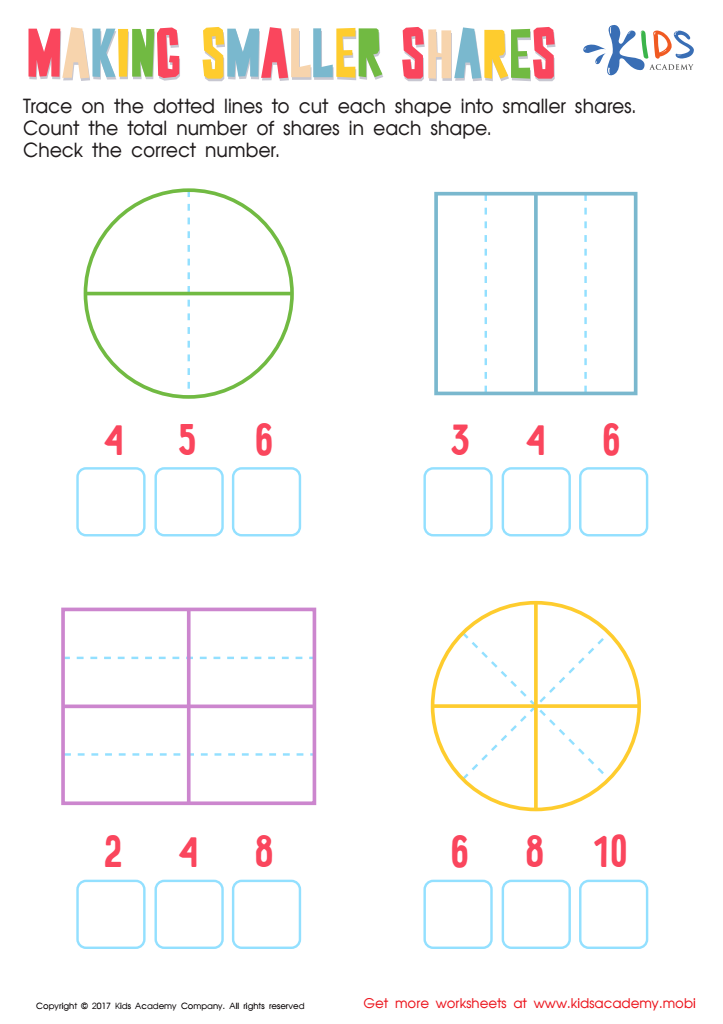
Making Smaller Shares Worksheet
Making Smaller Shares Worksheet
Help your kids learn shapes by having them cut out shapes on this tracing sheet. Point out the dotted lines, then guide their hand as they trace them, breaking shapes into smaller parts. Ask your children to count the number of parts and check the answers given.
Making Smaller Shares Worksheet
Worksheet
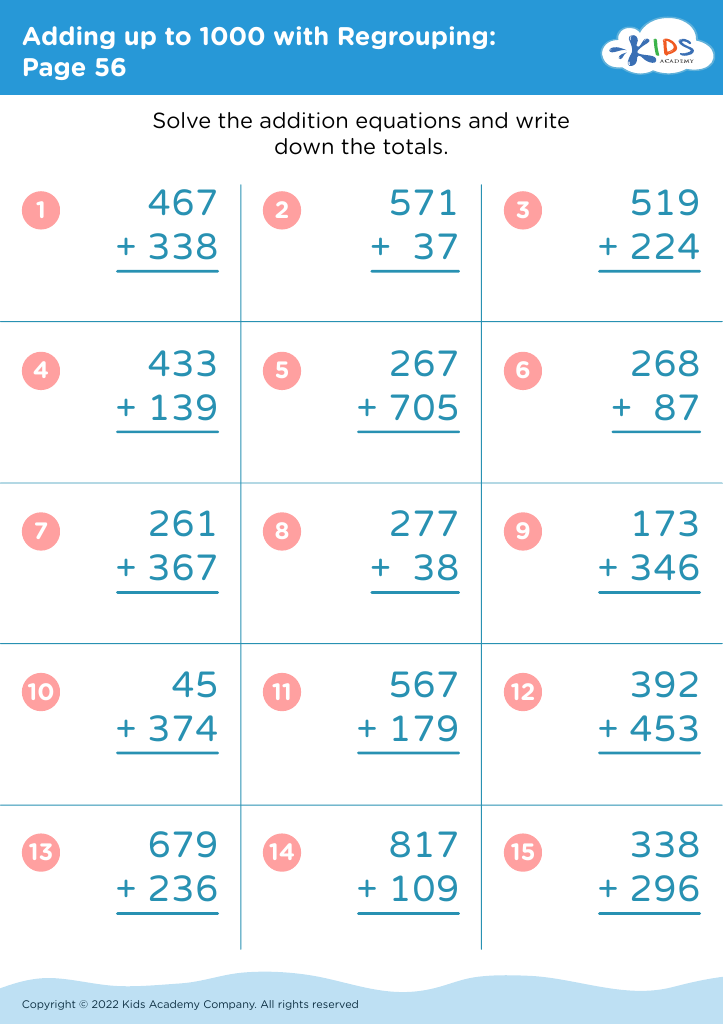
Adding up to 1000 with Regrouping: Page 56
Worksheet
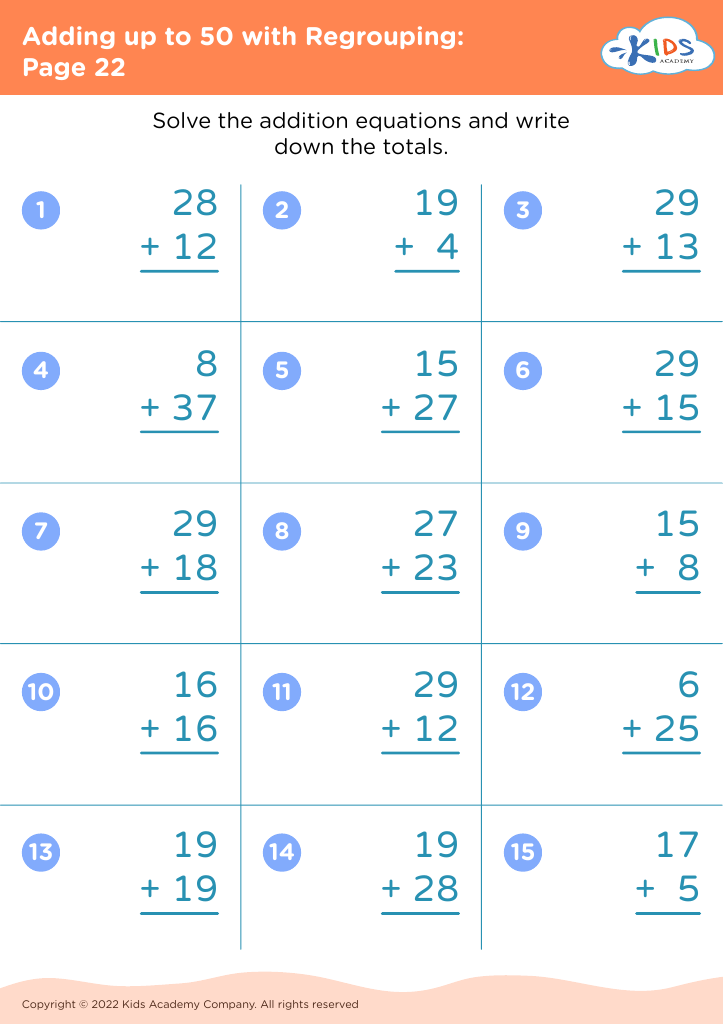
Adding up to 50 with Regrouping: Page 22
Worksheet
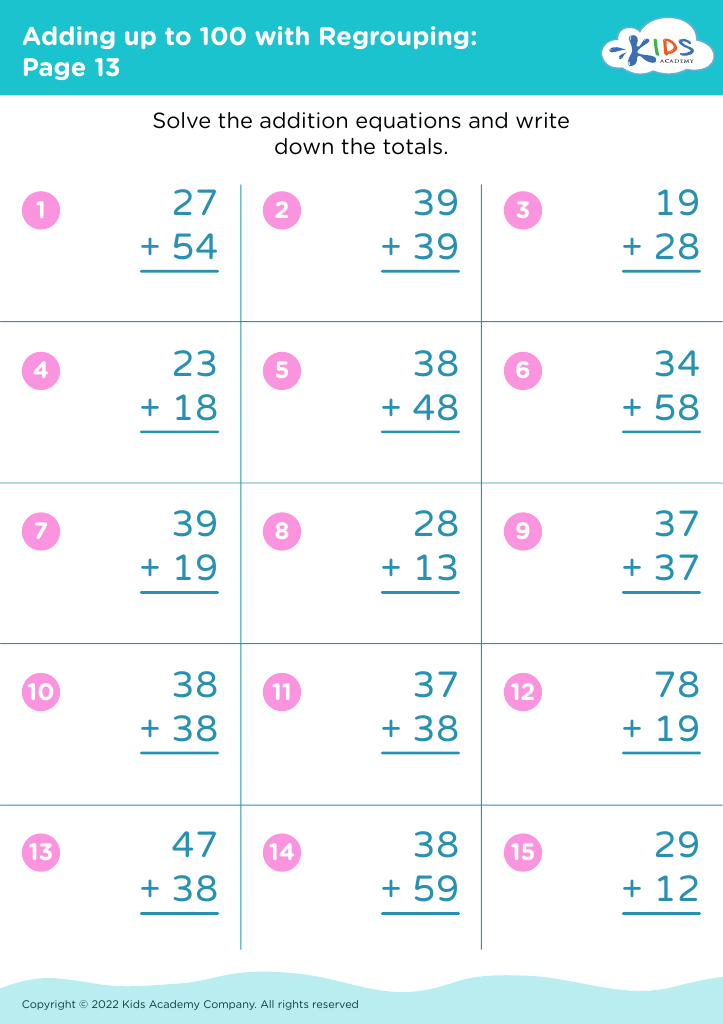
Adding up to 100 with Regrouping: Page 13
Worksheet
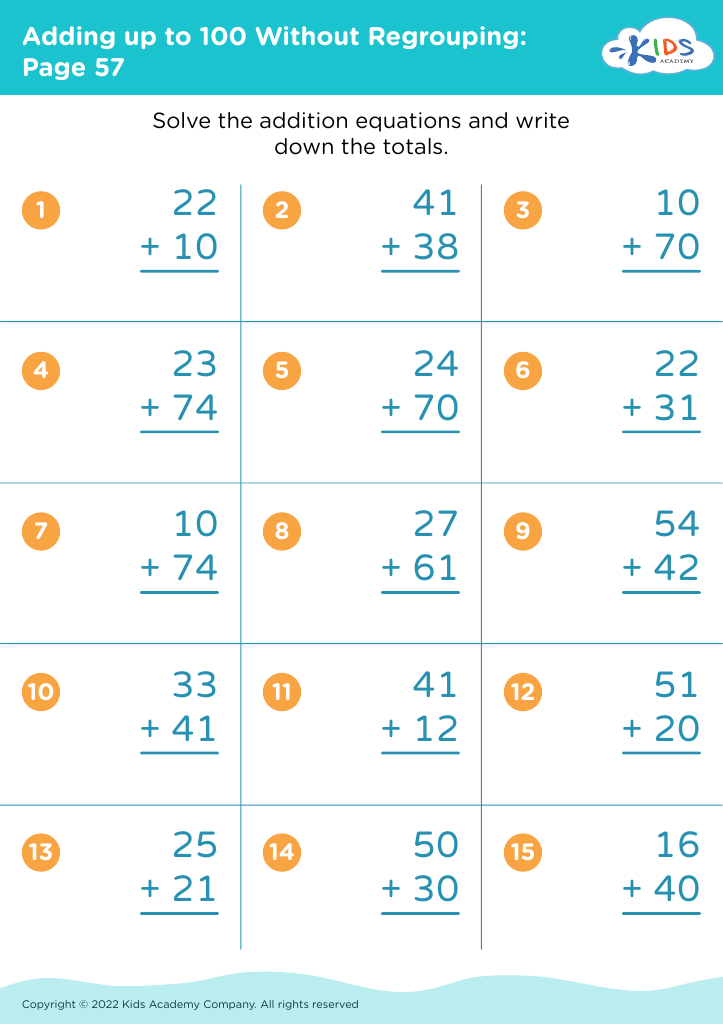
Adding up to 100 Without Regrouping: Page 57
Worksheet
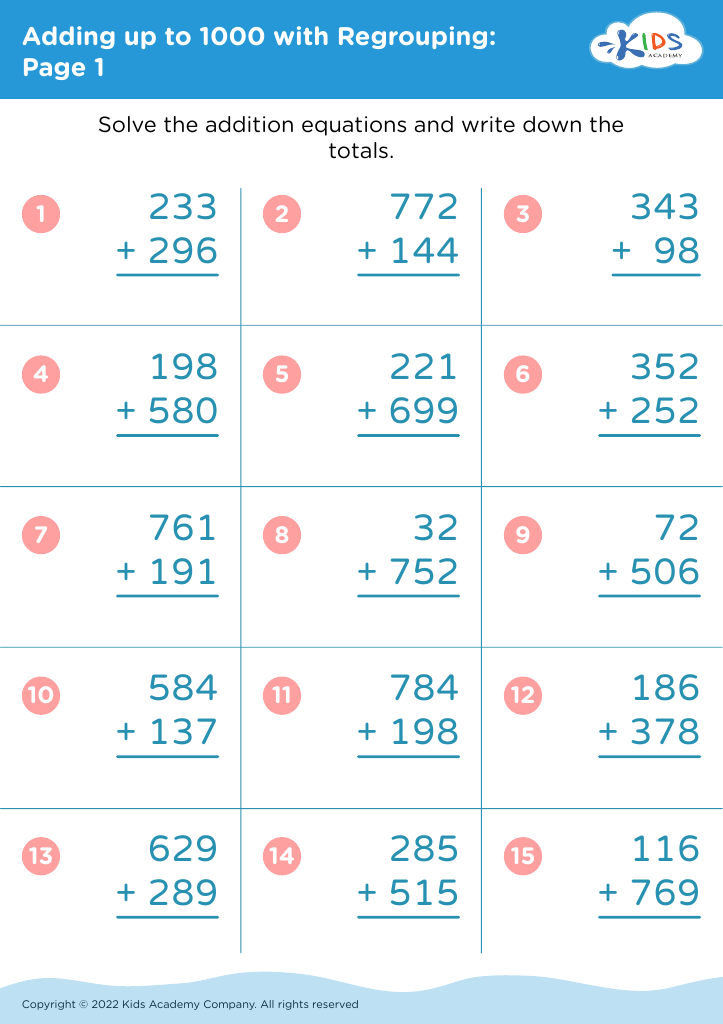
Adding up to 1000 with Regrouping: Page 1
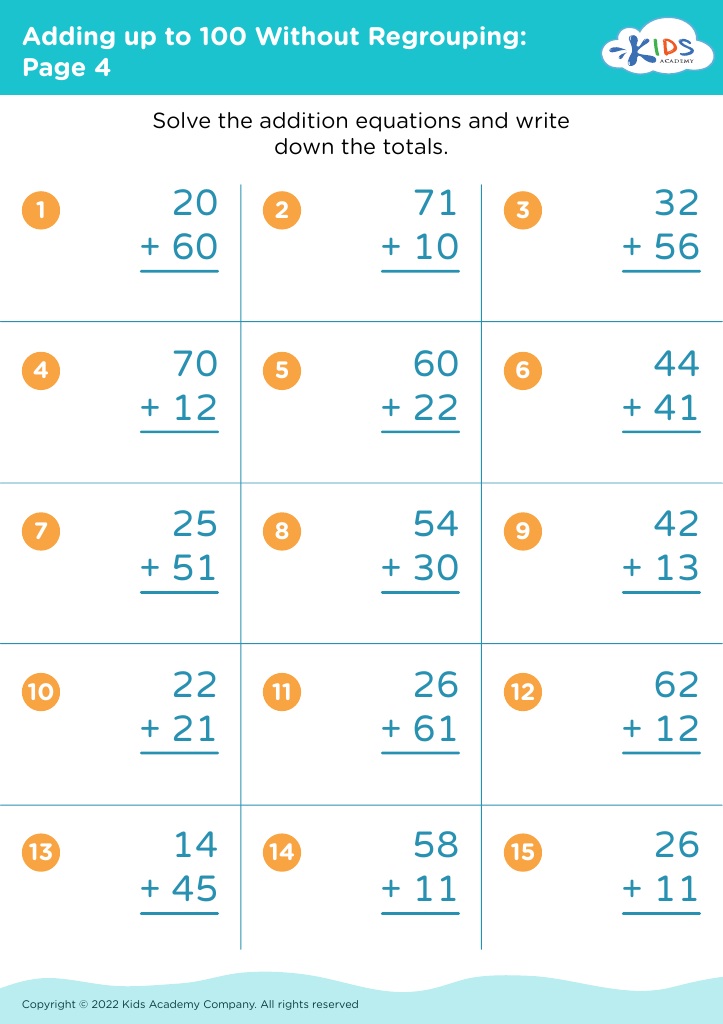
Worksheet
Adding up to 100 Without Regrouping: Page 4
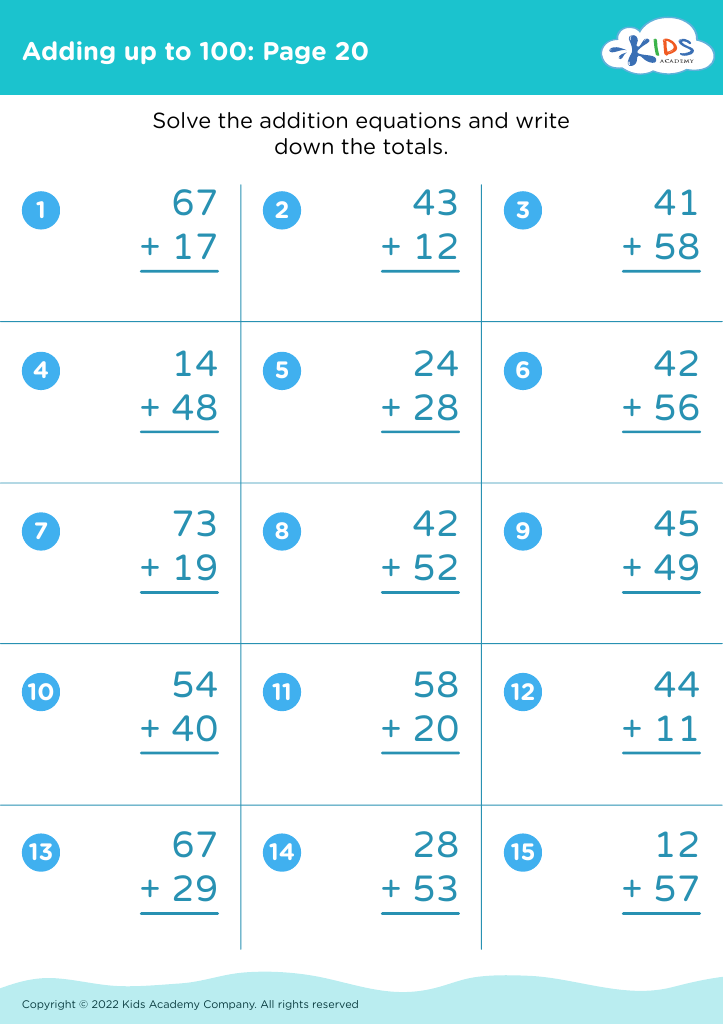
Worksheet
Adding up to 100: Page 20

Adding up to 100: Page 20

Adding up to 100: Page 20
Worksheet
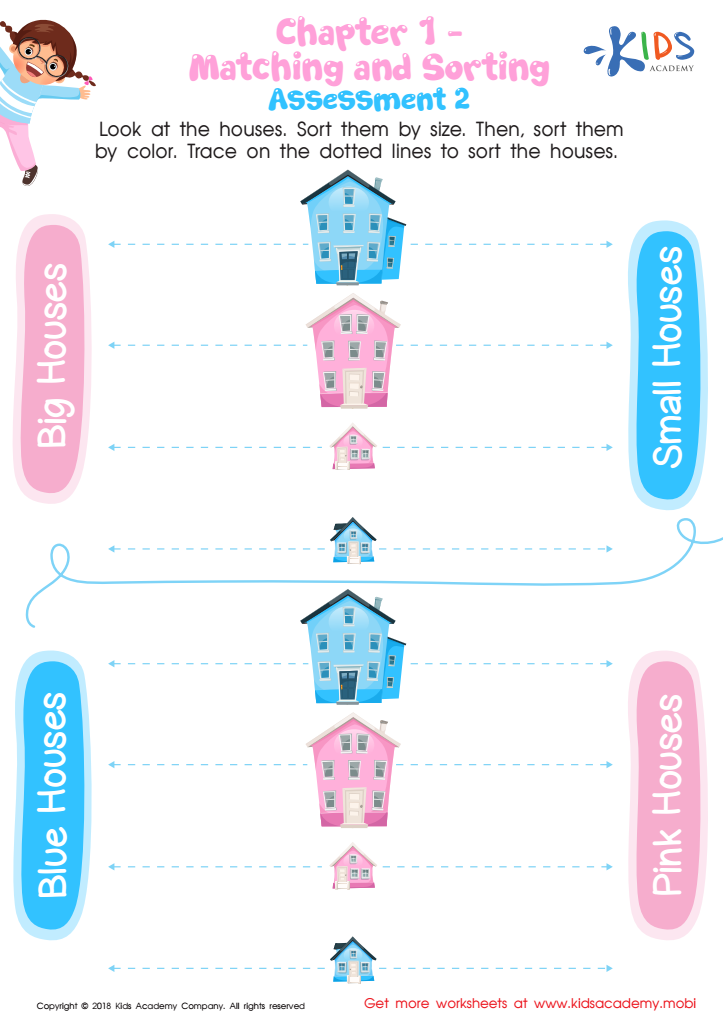
Matching and Sorting  for Preschool: Assessment 2 Worksheet
Matching and Sorting for Preschool: Assessment 2 Worksheet
Encourage your kids to take a look at the colorful pictures. Ask them to name the objects. Next, point out any differences between the houses and let them sort them according to color and size. Finally, help them trace the houses on the dotted lines.
Matching and Sorting for Preschool: Assessment 2 Worksheet
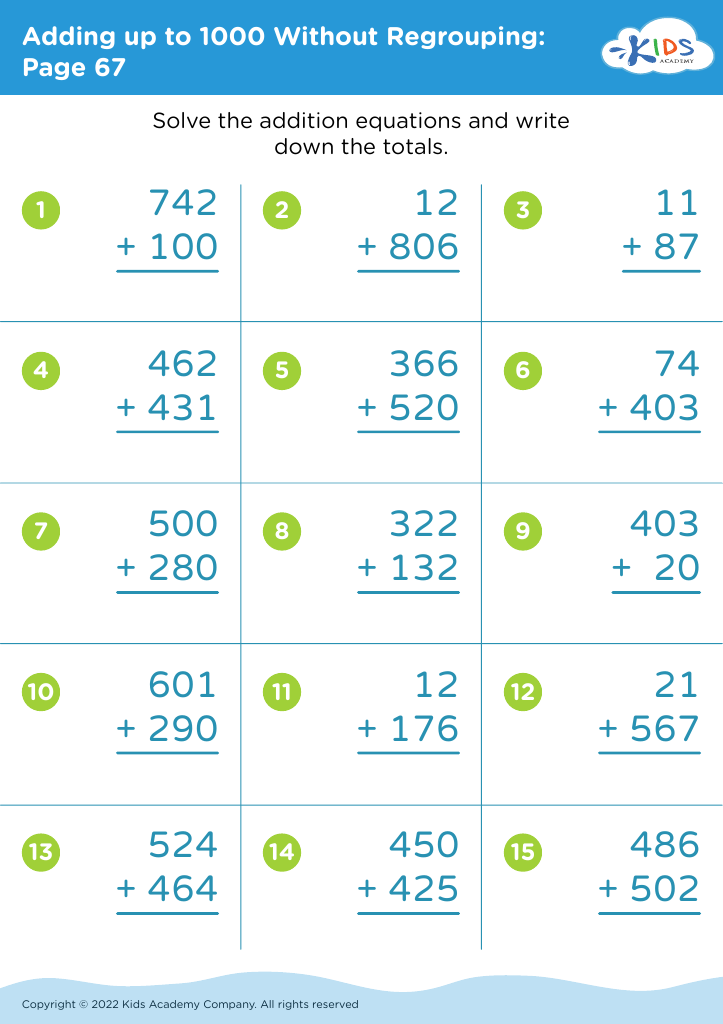
Worksheet
Adding up to 1000 Without Regrouping: Page 67
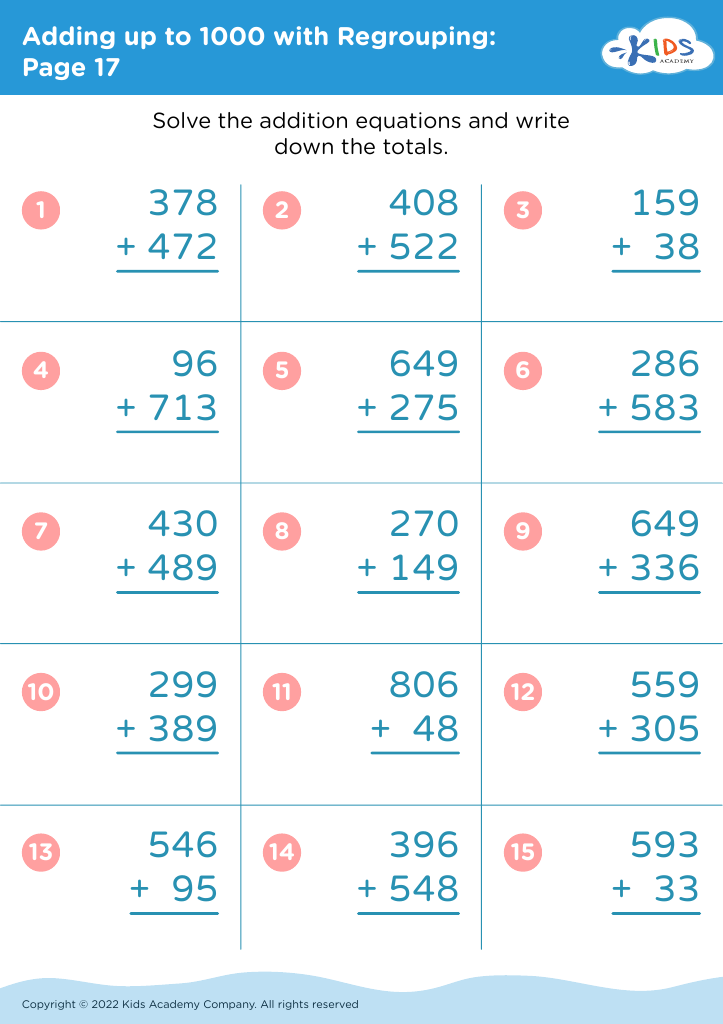
Worksheet
Adding up to 1000 with Regrouping: Page 17
Worksheet
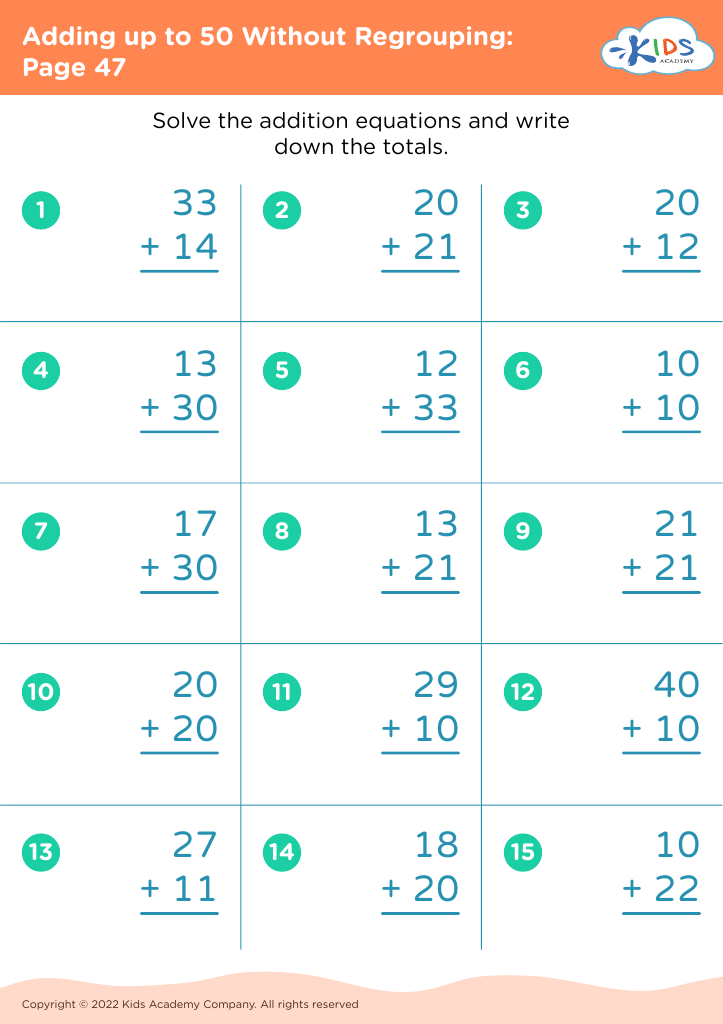
Adding up to 50 Without Regrouping: Page 47
Worksheet
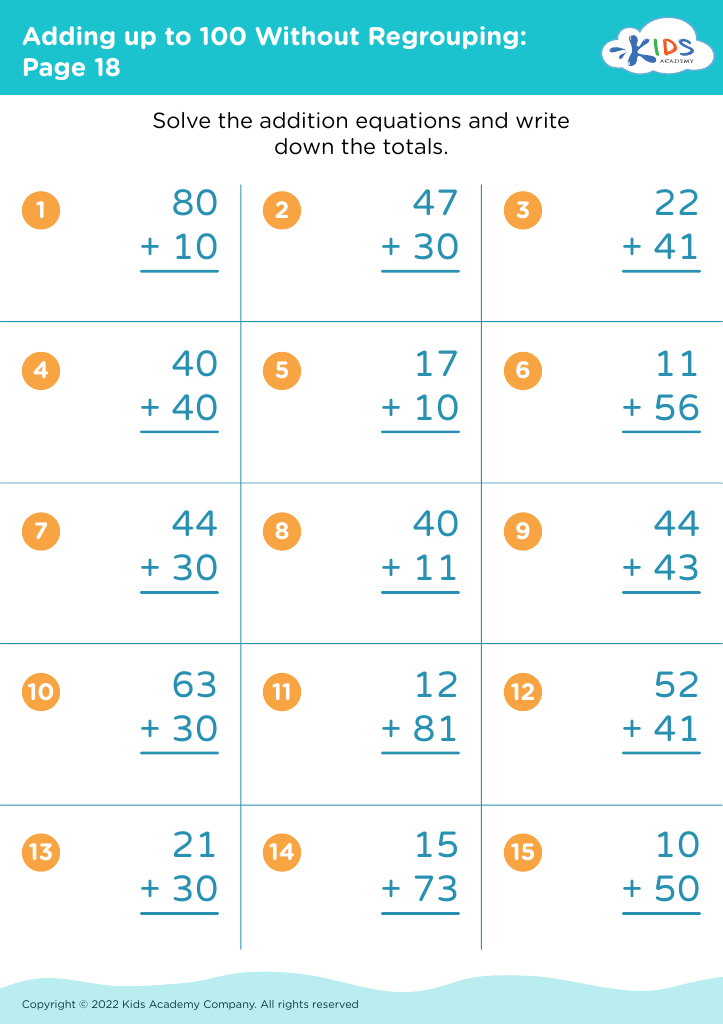
Adding up to 100 Without Regrouping: Page 18
Worksheet
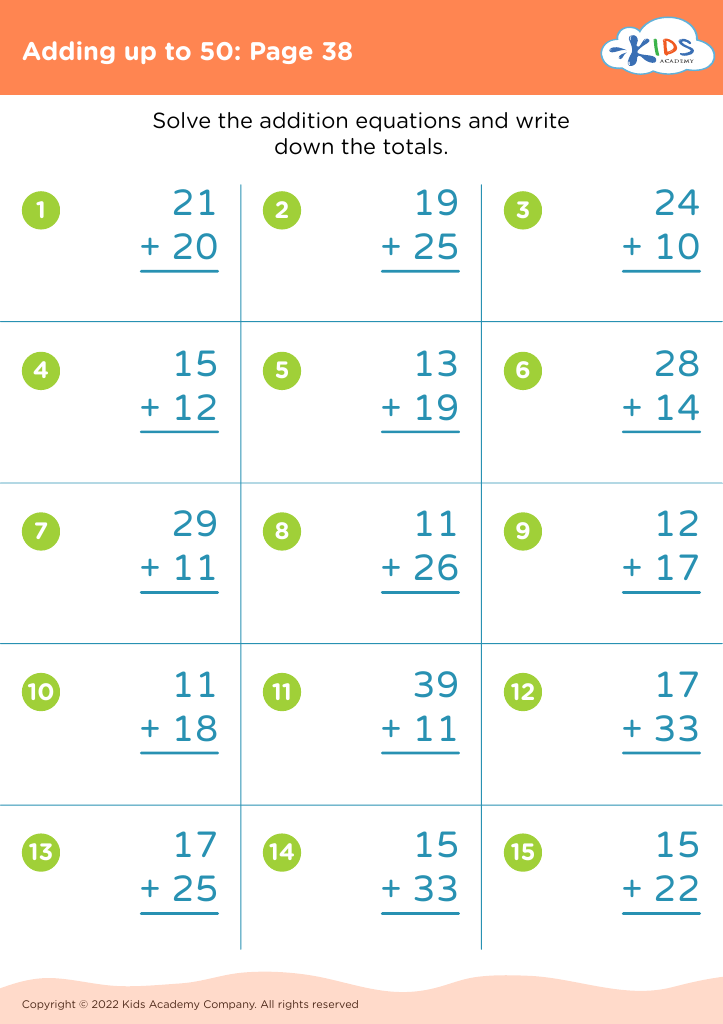
Adding up to 50: Page 38

Adding up to 50: Page 38

Adding up to 50: Page 38
Worksheet
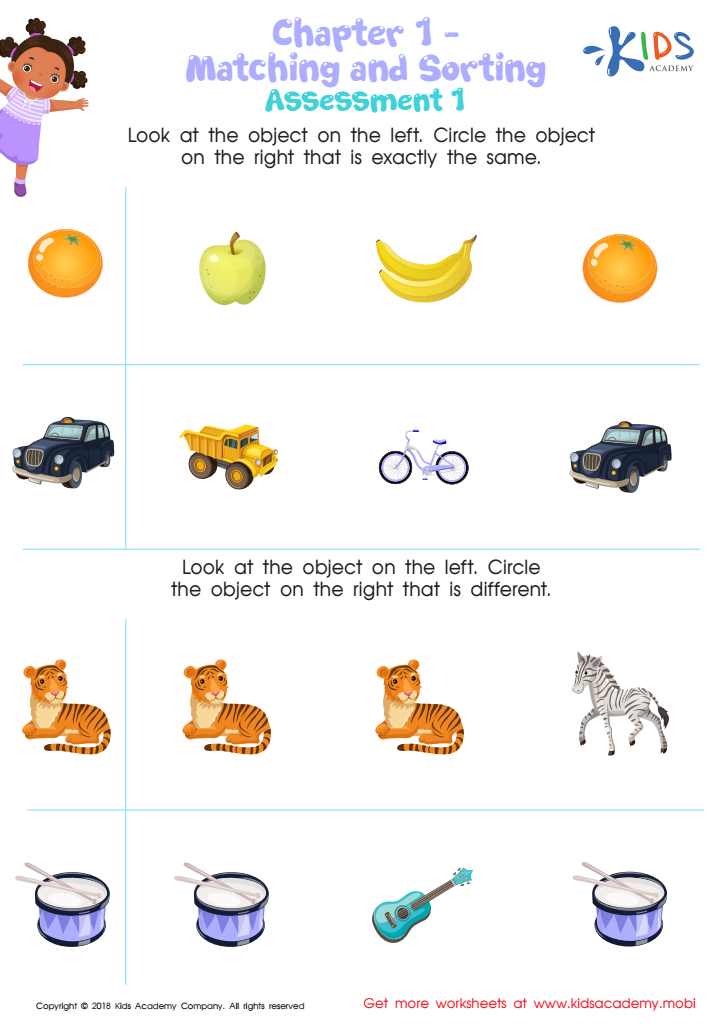
Matching and Sorting for Preschool: Assessment 1 Worksheet
Matching and Sorting for Preschool: Assessment 1 Worksheet

Test your child's matching skills with this worksheet! Ask them to name each of the objects pictured, then circle the ones that are the same. Repeat for the second task. It's a great way to assess their skills and have fun at the same time!
Matching and Sorting for Preschool: Assessment 1 Worksheet

Worksheet
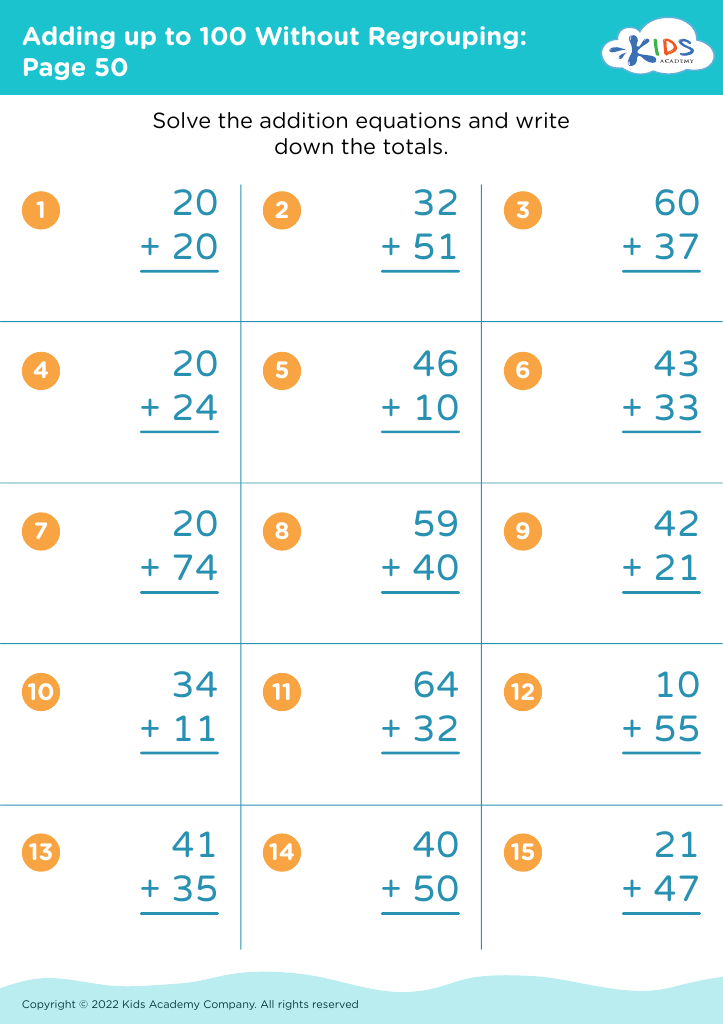
Adding up to 100 Without Regrouping: Page 50
Worksheet
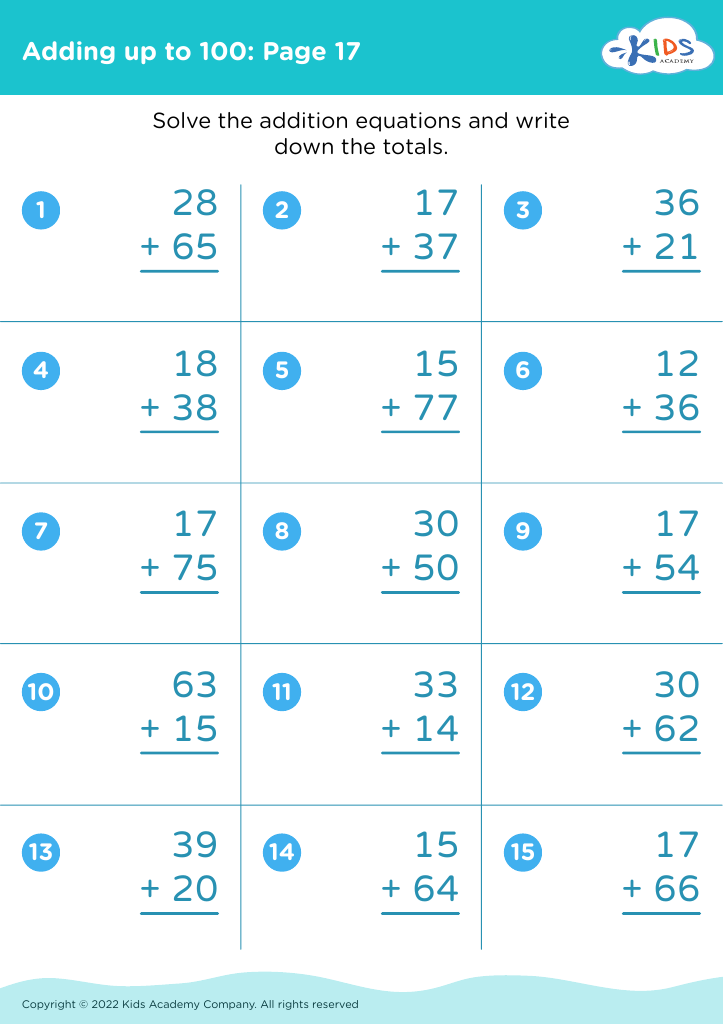
Adding up to 100: Page 17

Adding up to 100: Page 17

Adding up to 100: Page 17
Worksheet


Understanding how to compare fractions is crucial for early math education, helping to build a strong mathematical foundation for children. Parents and teachers should care about this because comparing fractions develops critical thinking and problem-solving skills essential for more complex math concepts.

In the broader context, comparing fractions involves recognizing numerical relationships and understanding parts of a whole, concepts that are foundational throughout various aspects of math, including decimals and percentages. This understanding is not only vital within math itself but transfers to real-life situations, such as sharing, dividing resources, or understanding data in fraction form.

Additionally, early mastery of comparing fractions fosters a sense of confidence and competence in children, which encourages a positive attitude towards learning math. It also supports overall academic performance, as many standardized tests and curricula incorporate fractional concepts starting from basic comparisons to more complicated operations.

When parents actively engage in their children's learning or teachers incorporate thoughtful fraction comparison activities, students gain hands-on experience and better retention of the material. Building these numerical literacy skills early on equips children with the tools necessary for more advanced math, ensuring they won't struggle with these foundational concepts later.

Investing time in comparing fractions ensures that students are not just learning arithmetic but are developing an intuitive understanding of how numbers work together, fostering lifelong mathematical literacy.