Develop fine motor skills Math Worksheets
10 filtered results
-
From - To
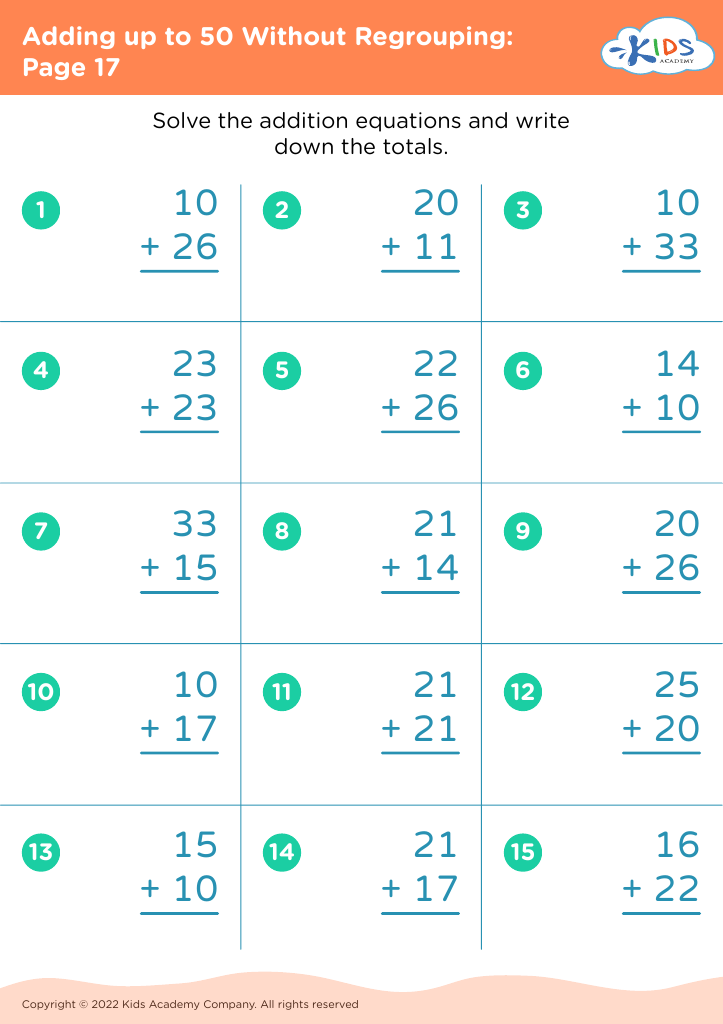
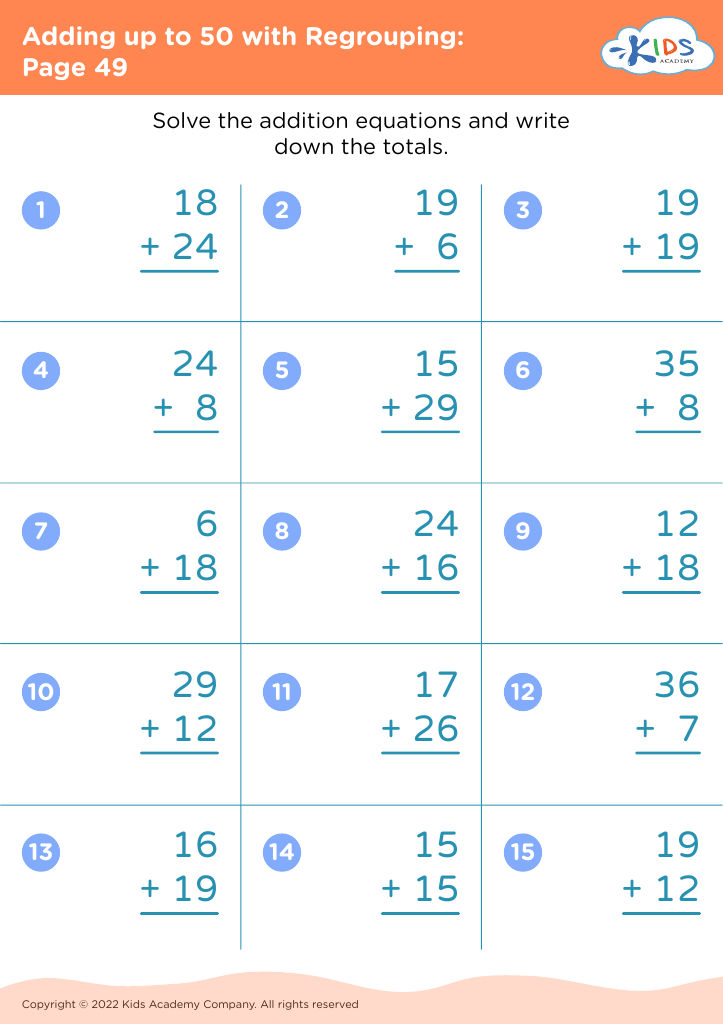
Unlock your child’s potential with our engaging Fine Motor Skills Math Worksheets! Designed for early learners, these worksheets combine essential math concepts with fun activities that help develop dexterity and coordination. Children will enhance their fine motor skills by tracing numbers, connecting dots, and cutting shapes, all while reinforcing math fundamentals. Our carefully crafted exercises support hand-eye coordination and promote confidence in young mathematicians. Perfect for at-home learning or classroom activities, our printable worksheets are easy to use and align with educational standards. Elevate your child’s learning experience and foster essential skills necessary for future academic success!
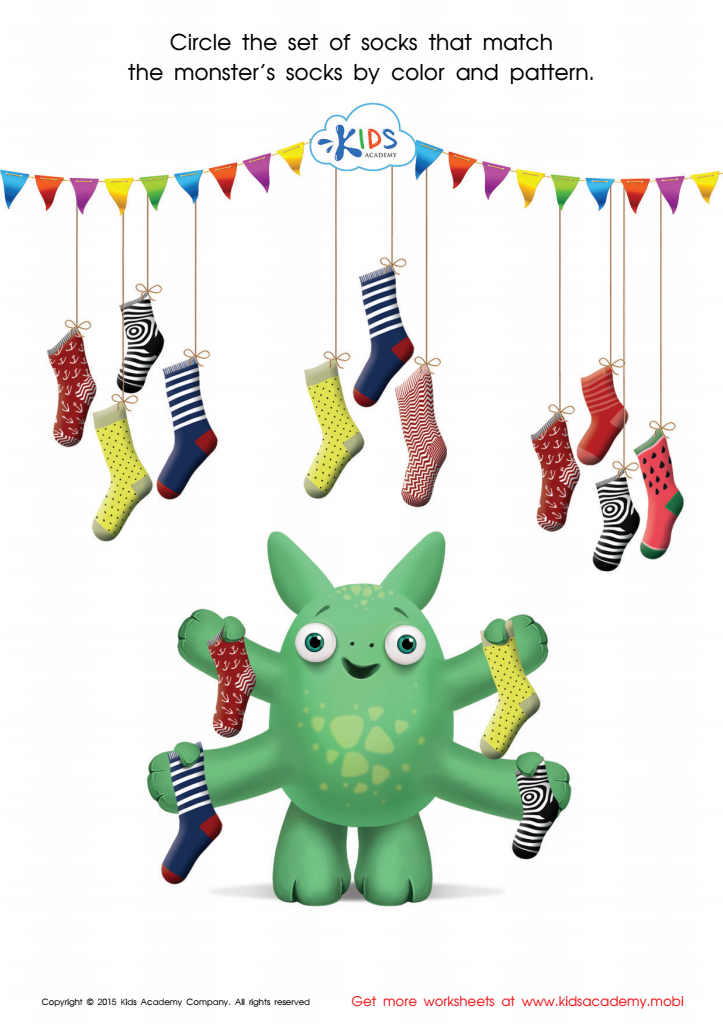
Connecting the Monster's Socks Printable
 Assign to My Students





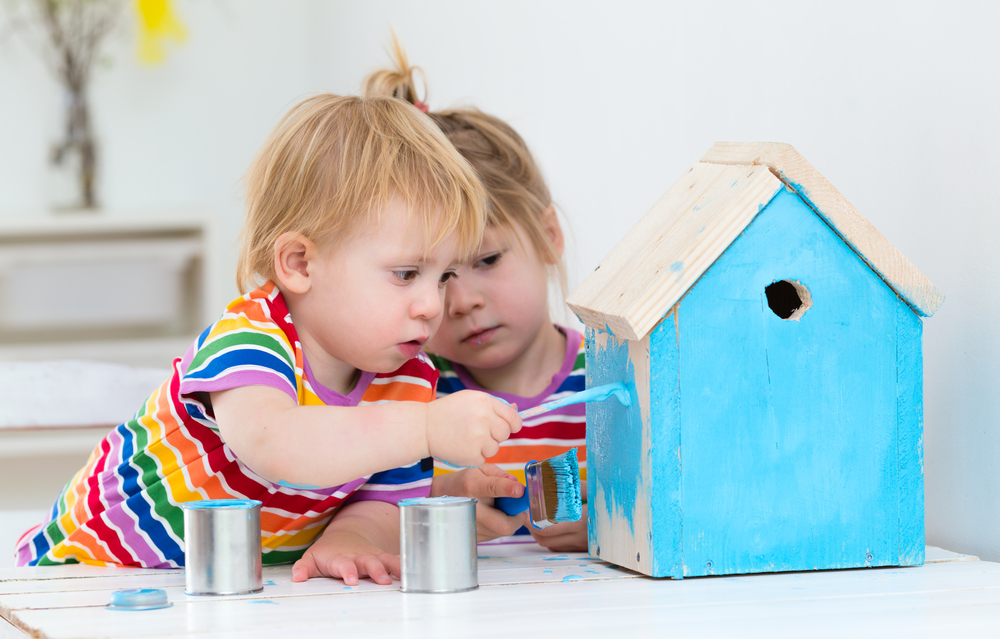


Developing fine motor skills is essential for early education, particularly in mathematics, as these skills form the foundation for various learning activities. Fine motor skills involve the small muscles of the hands and fingers, which are crucial for tasks such as holding a pencil, manipulating objects, and even crafting. For young learners, these skills directly impact their ability to engage with mathematical concepts.
Parents and teachers should care because fine motor skills enhance a child's ability to perform tasks involving visual-motor coordination, such as drawing shapes, measuring with rulers, or organizing manipulative counters—core activities in early math education. When children have strong fine motor skills, they can more easily perform math-related tasks, paving the way for greater comprehension of early mathematical concepts like counting, sorting, and pattern recognition.
Moreover, fine motor development fosters confidence and independence in children. When they can physically manipulate items and confidently create numerical representations, they are more likely to participate actively in math-related activities. Encouraging fine motor skill development through play, crafting, and exploratory activities not only strengthens a child’s mathematical abilities but also contributes to overall cognitive growth and a love for learning. Thus, building these skills should be a priority for both parents and educators.








