Developing analytical skills Math Worksheets
4 filtered results
-
From - To
Unlock your child's potential with our "Developing Analytical Skills Math Worksheets." Designed for early learners, these engaging worksheets encourage critical thinking and problem-solving abilities. Each activity targets essential analytical skills through fun and interactive math challenges, fostering a love for learning while building confidence in mathematics. Our resources support various learning styles, ensuring every child can benefit from targeted practice. With colorful designs and age-appropriate content, your young mathematicians will enjoy honing their skills. Explore our collection today to help your child develop the analytical abilities needed for future academic success! Perfect for home study or classroom use.
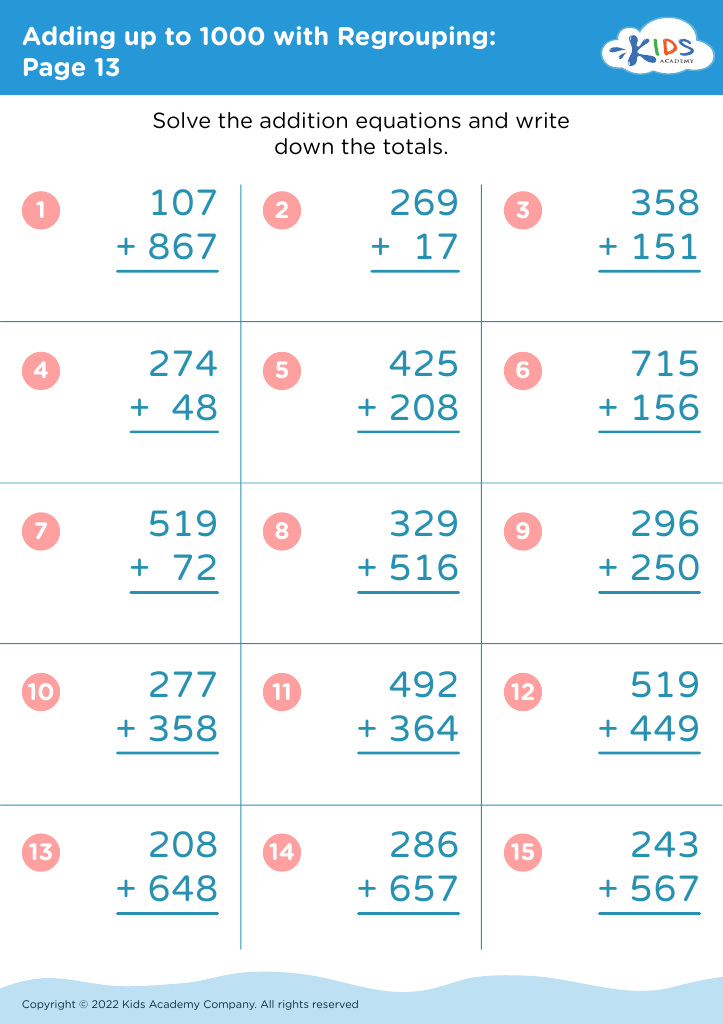
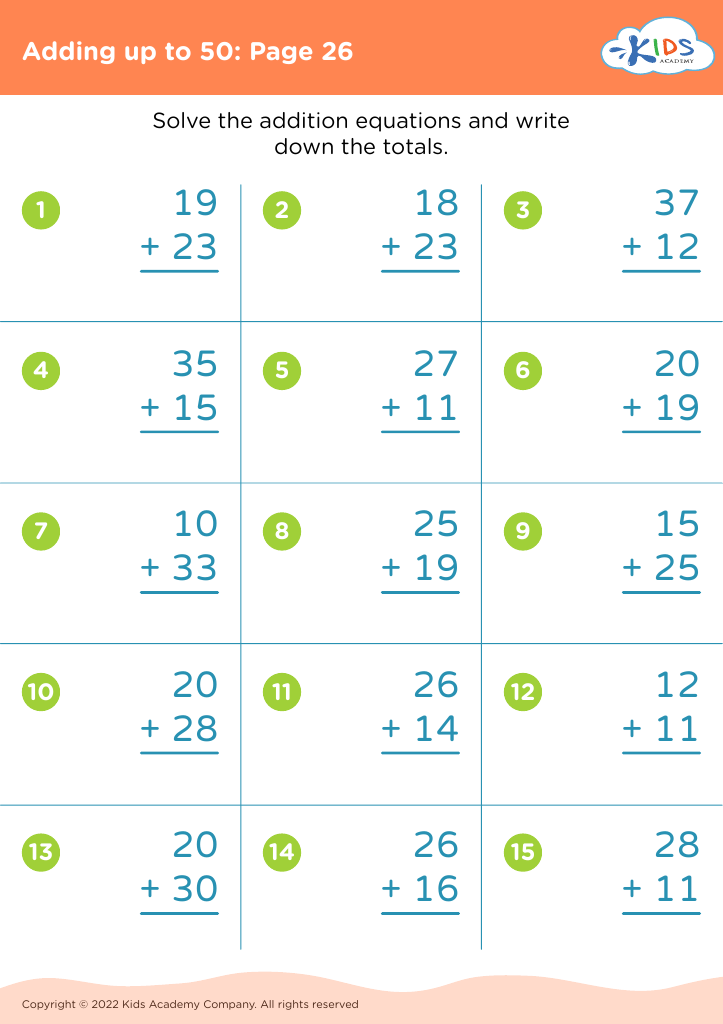

Heavy or Light? Worksheet
 Assign to My Students
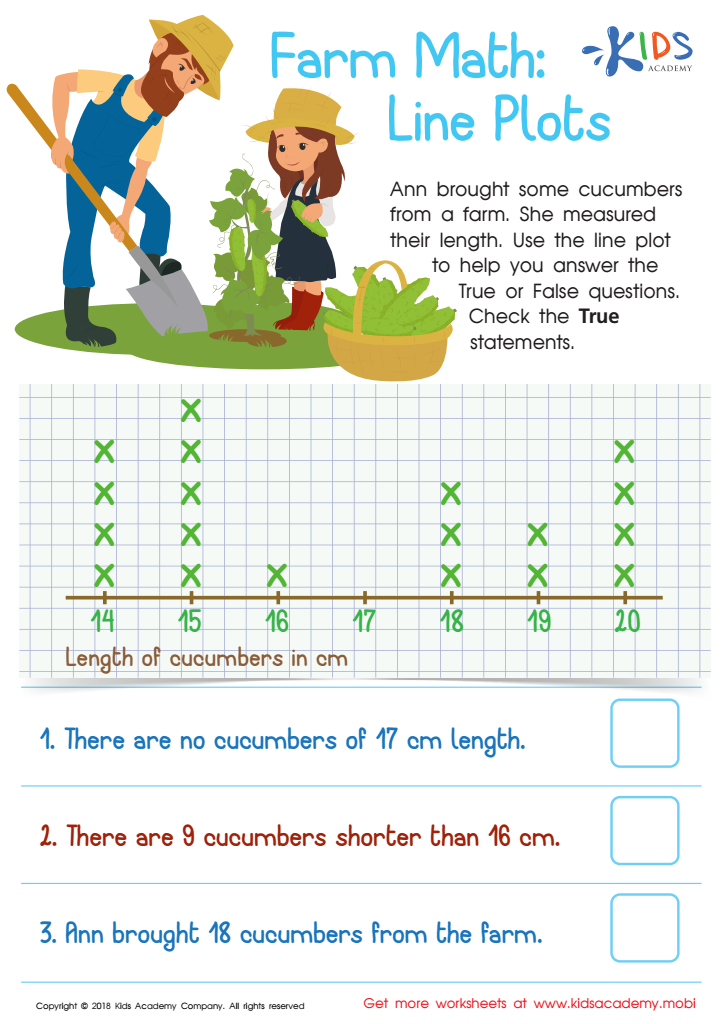
Farm Math: Line Plots Worksheet








Developing analytical skills in math is crucial for students, and both parents and teachers play vital roles in this journey. Analytical skills enable students to assess problems rigorously, reason logically, and make informed decisions—skills that extend far beyond the classroom. First, strong analytical abilities help children break down complex problems into manageable parts, fostering a deeper understanding of mathematical concepts. This foundation is essential because math is not only about numbers; it’s about the ability to think critically and creatively.
Additionally, analytical skills contribute to better problem-solving abilities, which are essential in everyday life and future careers. In an increasingly data-driven world, the ability to analyze situations, interpret data, and draw conclusions is invaluable. Teaching children how to approach problems analytically develops their cognitive skills, ultimately enhancing their academic performance across subjects.
Furthermore, when parents and teachers are invested in nurturing these skills, they cultivate a growth mindset, encouraging students to view challenges as opportunities for growth rather than obstacles. Supporting the development of analytical skills in math instills confidence, resilience, and curiosity—traits that prepare children not only for academic success but also for informed citizenship and personal growth. Investing in these skills is an investment in their future.








