Developing analytical thinking Math Worksheets
4 filtered results
-
From - To
Unlock your child’s potential with our "Developing Analytical Thinking Math Worksheets." Designed for early learners, these worksheets engage students in critical problem-solving and reasoning skills. Each activity encourages logical thinking by challenging children to analyze, interpret, and make connections between mathematical concepts. From pattern recognition to data interpretation, our worksheets provide a fun and interactive learning experience. Perfect for homeschooling or classroom use, they support educational development and foster a love for math. Help your child build a solid foundation in analytical thinking, essential for academic success, with our thoughtfully crafted worksheets. Explore the fun today and watch their confidence soar!
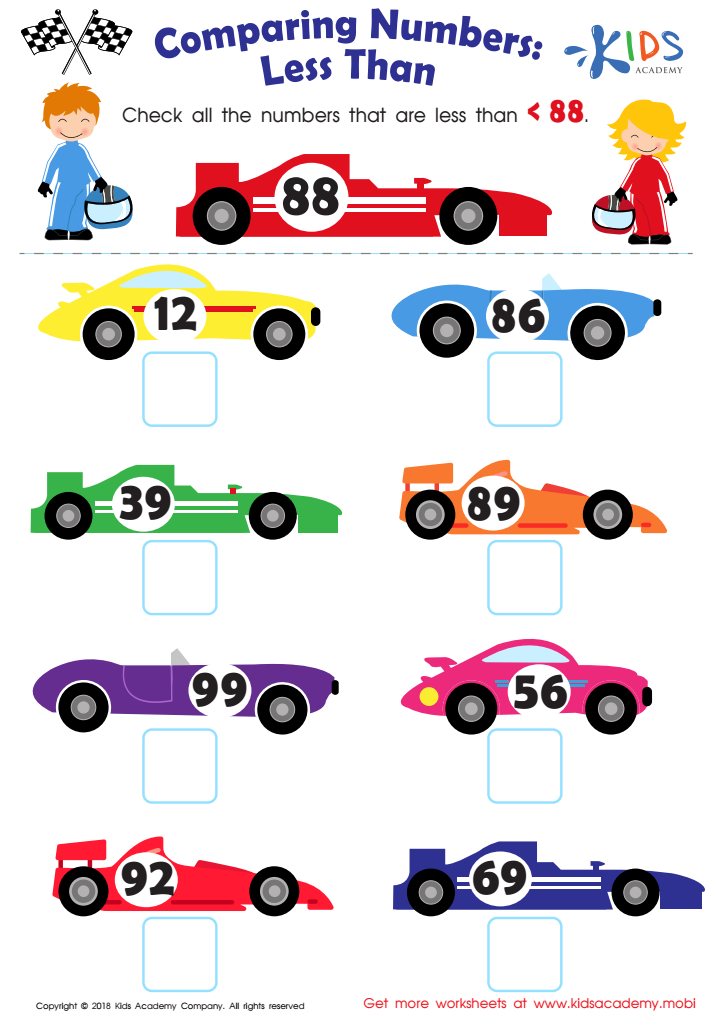
Less Than Worksheet
 Assign to My Students
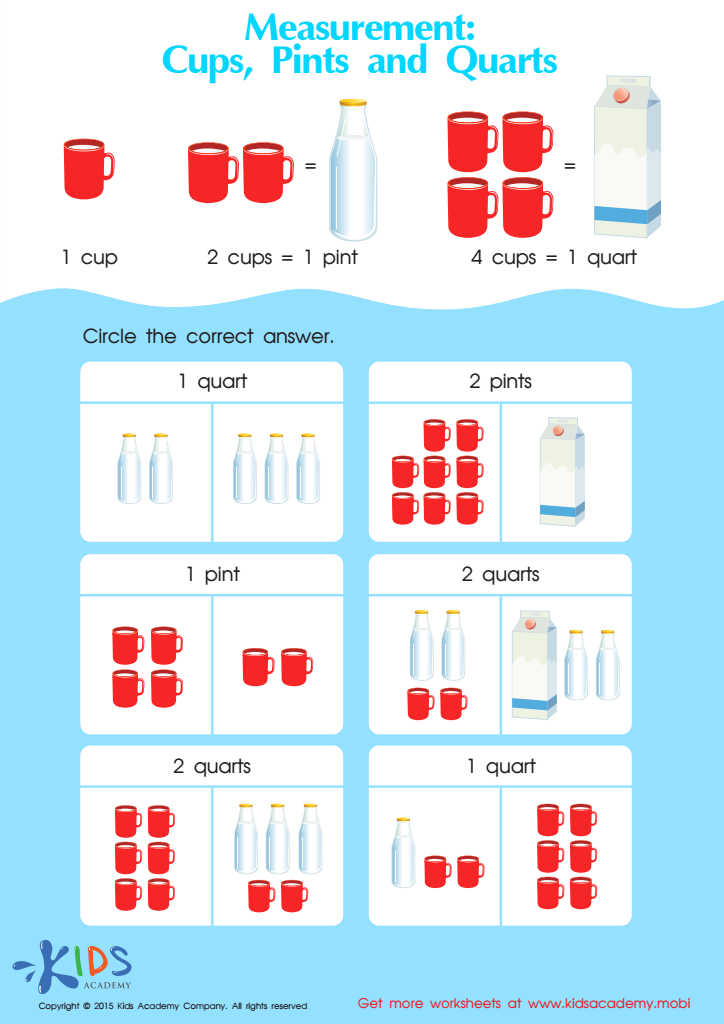
Cups, Pints and Quarts Worksheet
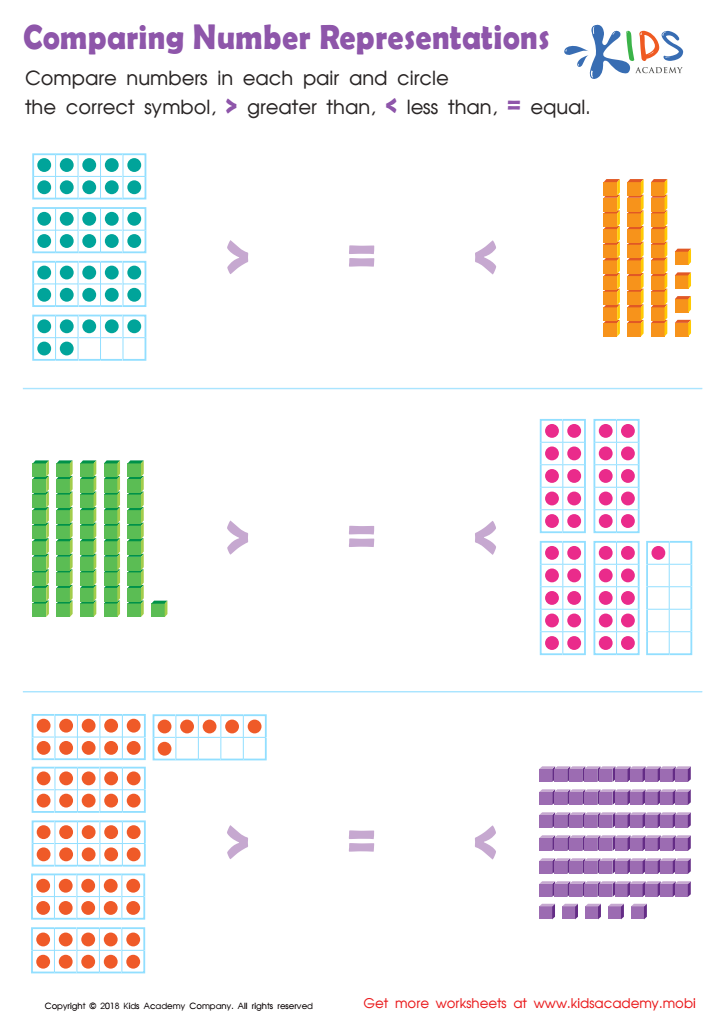
Comparing Number Representations Worksheet
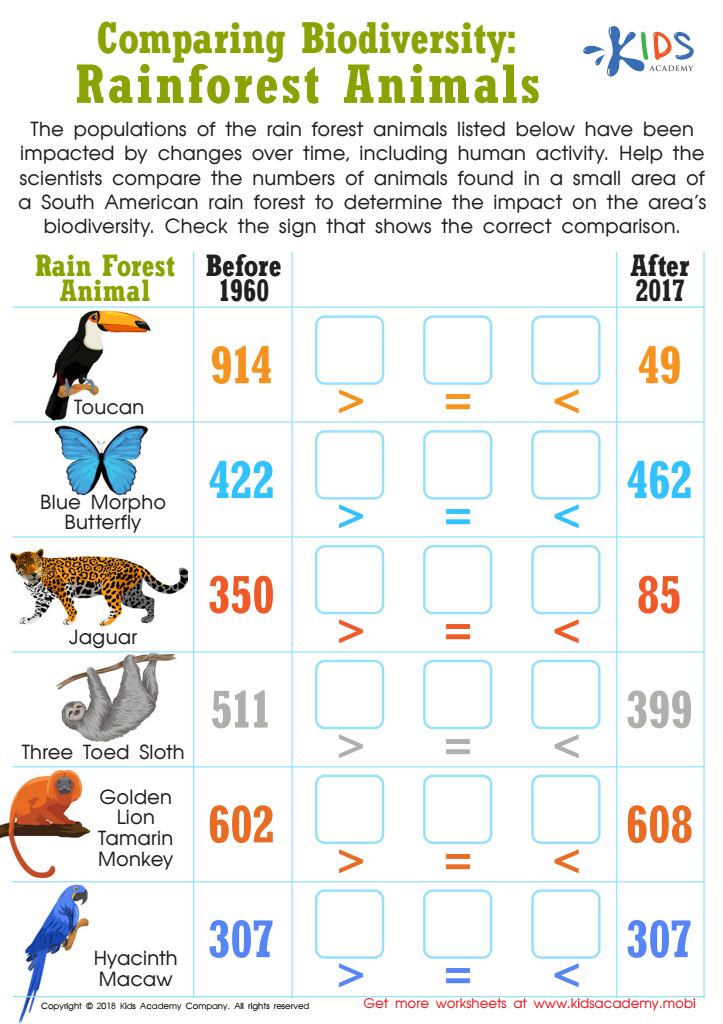
Comparing Biodiversity: Rainforest Animals Worksheet







Developing analytical thinking in math is essential for both parents and teachers, as it lays the groundwork for students’ overall cognitive abilities. Analytical thinking refers to the ability to break down complex problems, identify patterns, and make logical connections. In the context of mathematics, this skill helps students not only understand mathematical concepts but also apply them to real-world situations.
Parents should care because strong analytical skills enable children to approach challenges confidently and think critically, skills that are invaluable for academic success and future career opportunities. These skills cultivate resilience in problem-solving, empowering children to navigate various life situations effectively.
Teachers play a vital role in fostering analytical thinking by employing teaching methods that engage students in critical thinking exercises, which enhance their ability to reason mathematically and learn collaboratively. Incorporating activities that encourage exploration, questioning, and reasoning encourages students to become active learners rather than passive recipients of information.
Building a strong foundation in analytical thinking in math enhances a child’s ability to succeed in other subjects, supports the development of STEM skills, and prepares them for an ever-evolving world that increasingly demands complex problem-solving abilities and innovative thinking. Both parents and teachers working together can create a nurturing environment for this crucial skill development.








