Developing logical thinking Math Worksheets
7 filtered results
-
From - To
Welcome to our collection of "Developing Logical Thinking Math Worksheets"! These engaging resources are designed to enhance critical thinking and problem-solving skills in young learners. Our worksheets feature a variety of exercises that challenge students to analyze patterns, identify relationships, and draw conclusions. Tailored for early grade students, these worksheets promote logical reasoning through fun and interactive activities. Perfect for classroom or home use, they encourage a deep understanding of math concepts while fostering a love for learning. Explore our diverse range of worksheets and empower your child to think critically and embrace the world of mathematics with confidence!
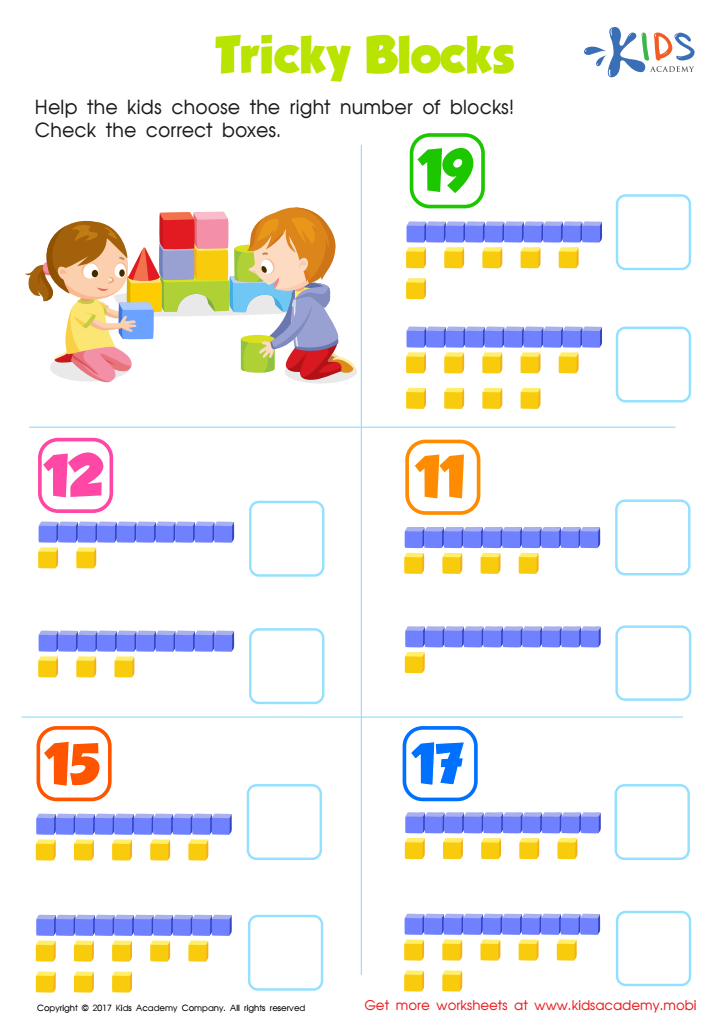
Tricky Blocks Worksheet
 Assign to My Students
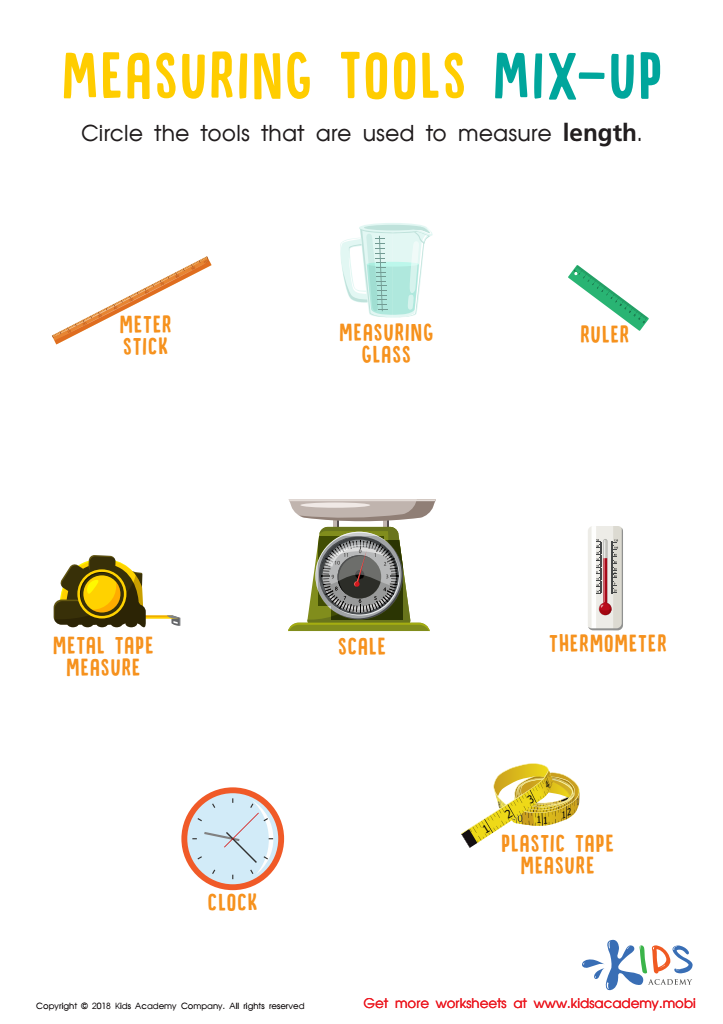
Measuring Tools Mix–up Worksheet
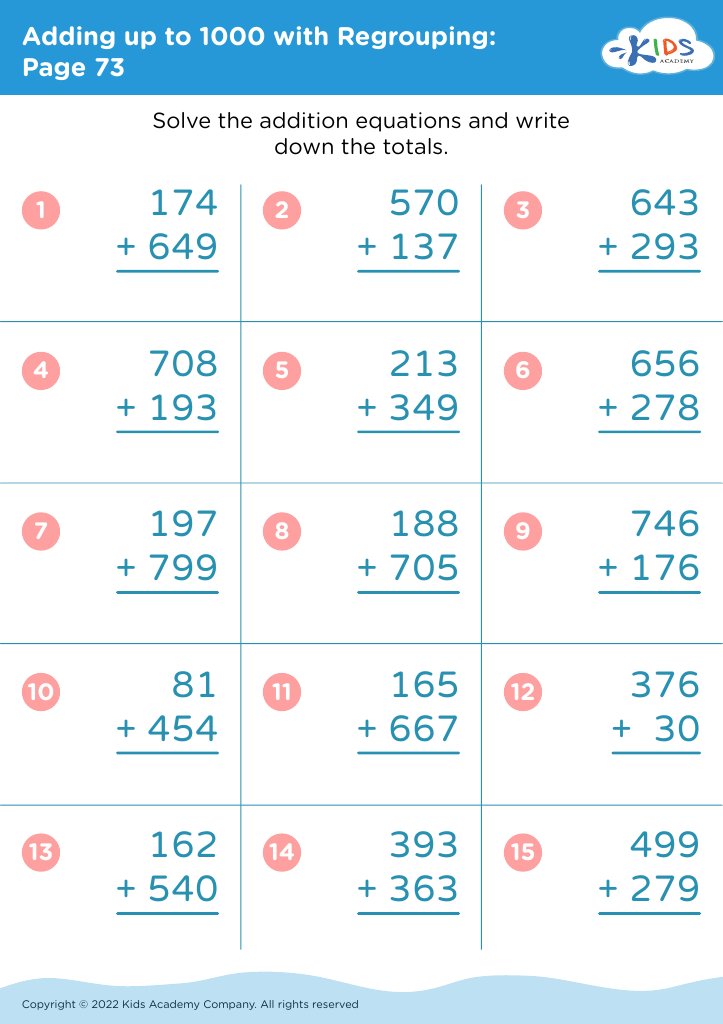
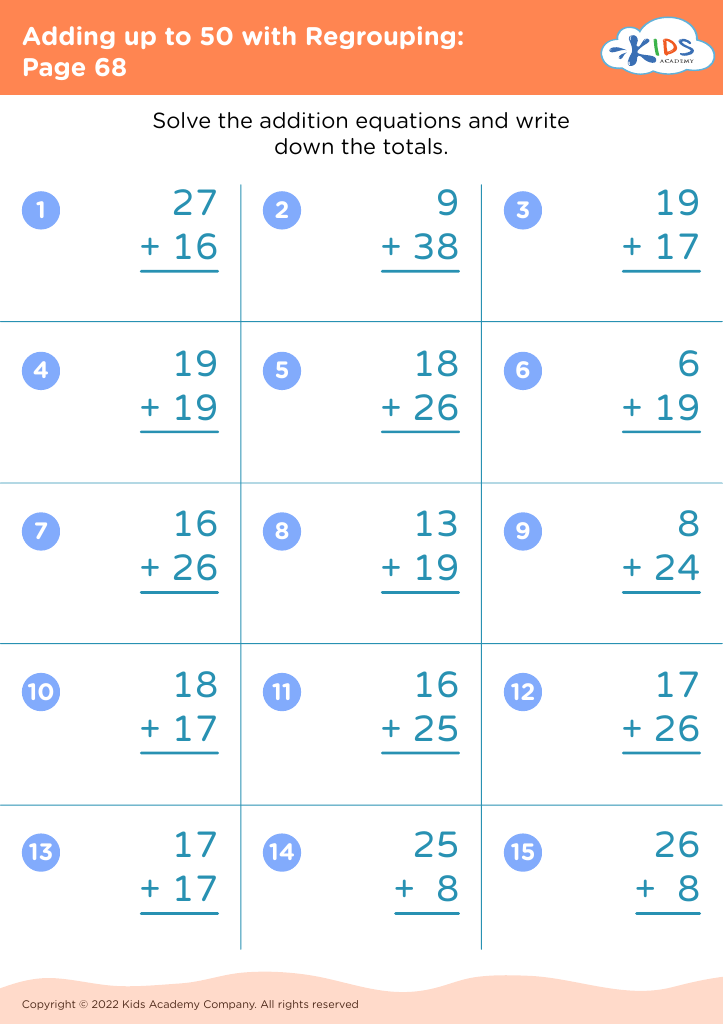
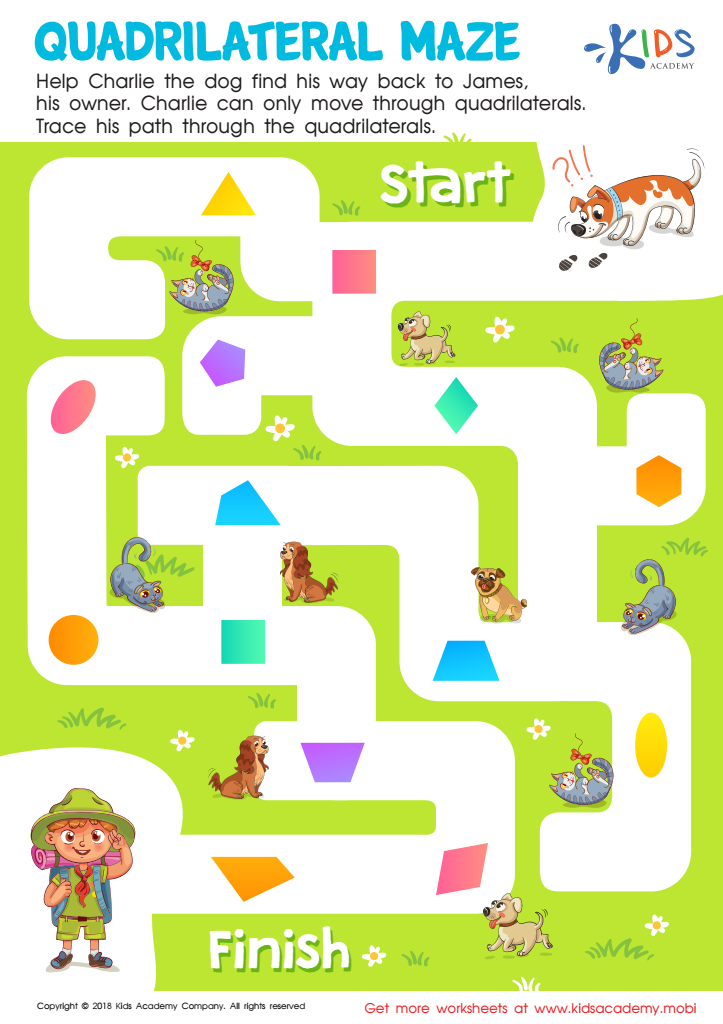
Quadrilateral Maze Worksheet
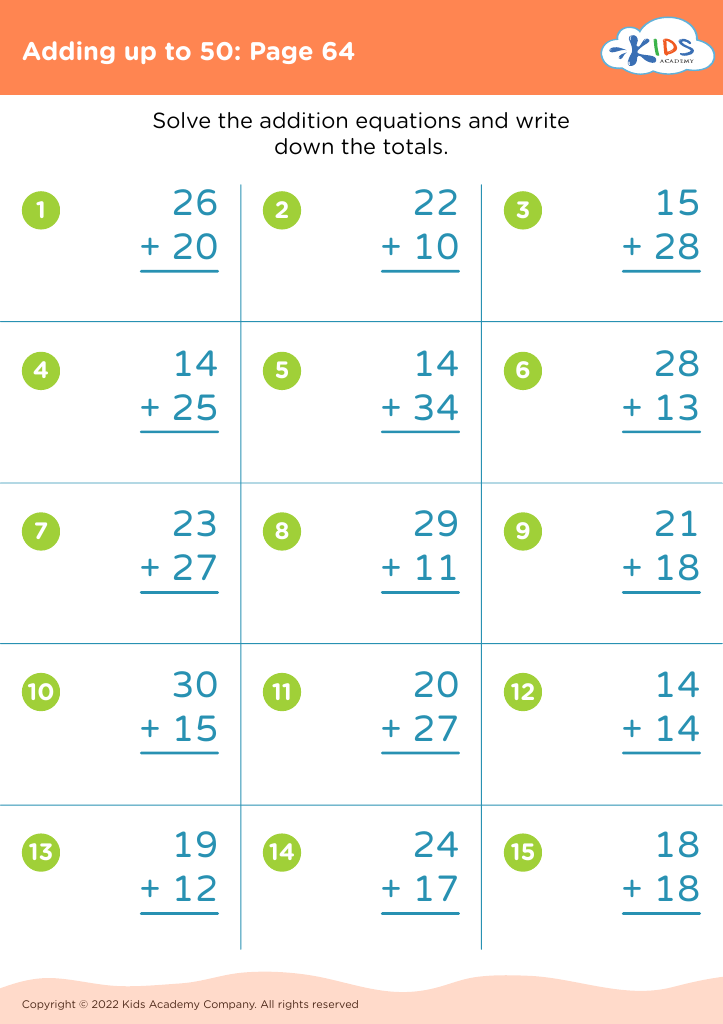
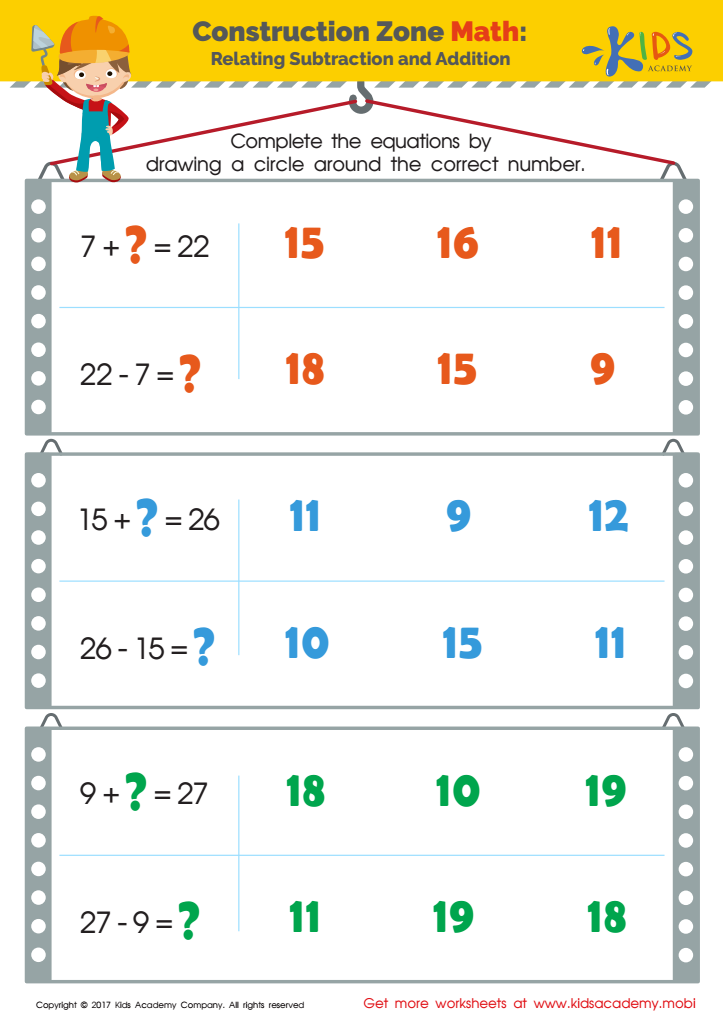
Related Addition and Subtraction Facts Worksheet





%20(1).jpg)


Developing logical thinking in math is crucial for both parents and teachers as it lays the foundation for a child's overall cognitive development and problem-solving skills. At its core, logical thinking in mathematics enhances a child’s ability to reason, analyze, and articulate solutions systematically. This skill set transcends academic boundaries, equipping children to tackle real-life challenges with confidence.
When children engage in logical thinking, they learn to break down complex problems into manageable parts, fostering a sense of autonomy and critical thinking. Teachers can use various strategies, such as puzzles, games, and cooperative learning, to cultivate this skill while making math enjoyable. Parents also play a vital role at home by encouraging mathematical conversations and fostering curiosity about numbers and patterns.
Furthermore, strong logical thinking skills significantly contribute to success in advanced mathematics and STEM fields later in life. In our increasingly data-driven world, individuals with solid logical reasoning capabilities often have a competitive edge in the job market. For these reasons, nurturing logical thinking in math should be a priority for parents and educators, as it prepares children for academic success and equips them with essential life skills.








