Problem-solving abilities Math Worksheets - Page 3
59 filtered results
-
From - To
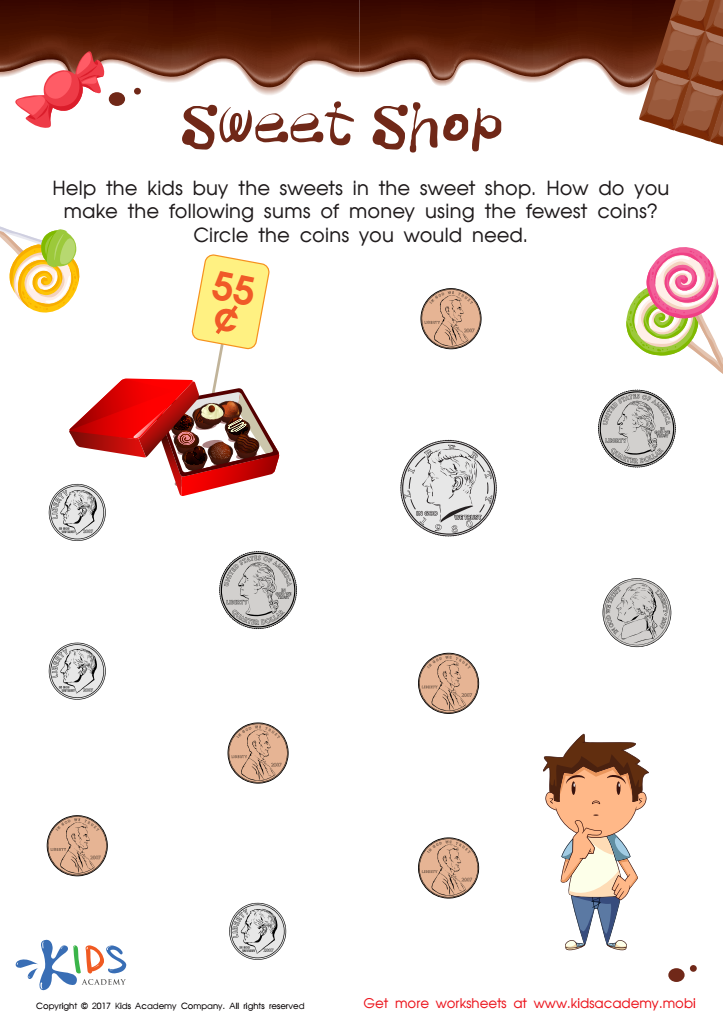
Sweet Shop – Counting Coins Worksheet
 Assign to My Students
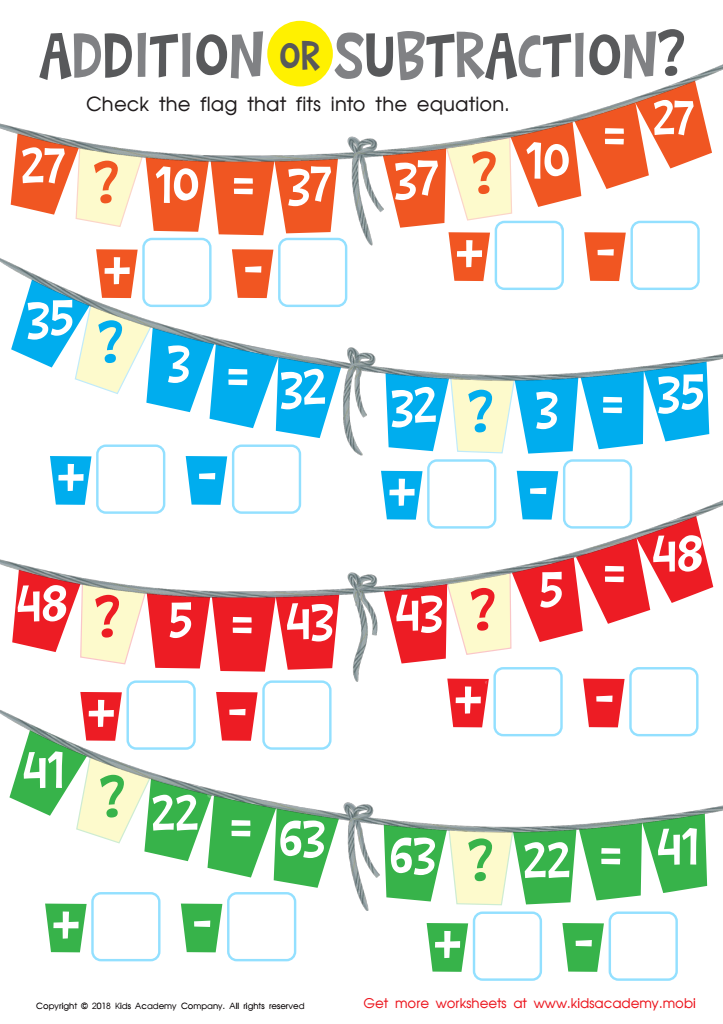
Addition or Subtraction? Worksheet
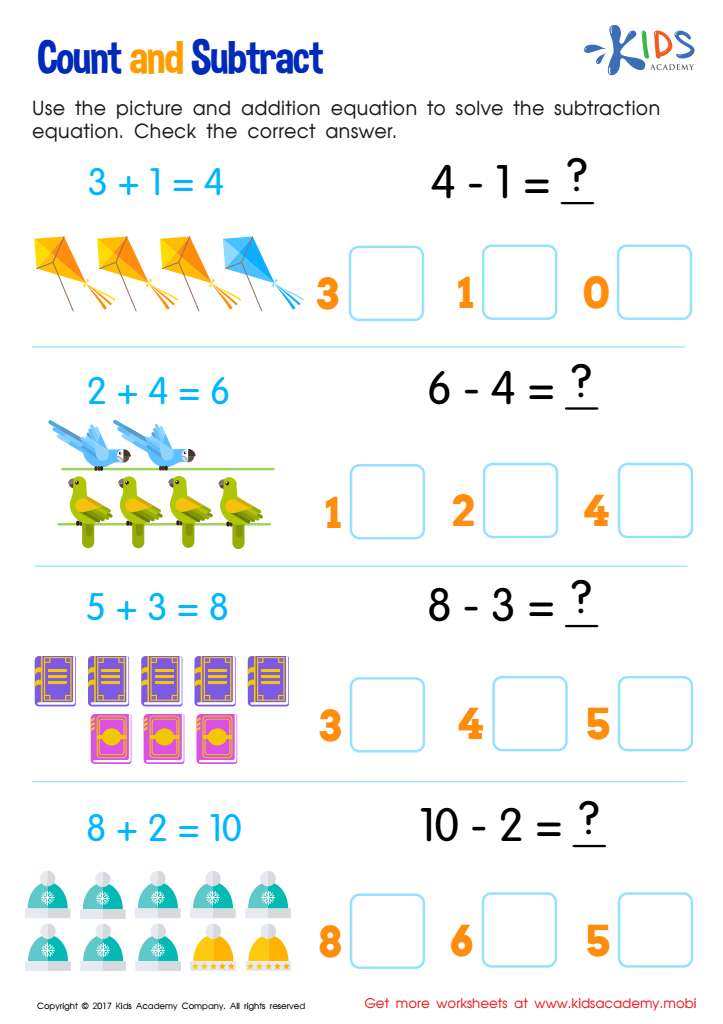
Count and Subtract Worksheet
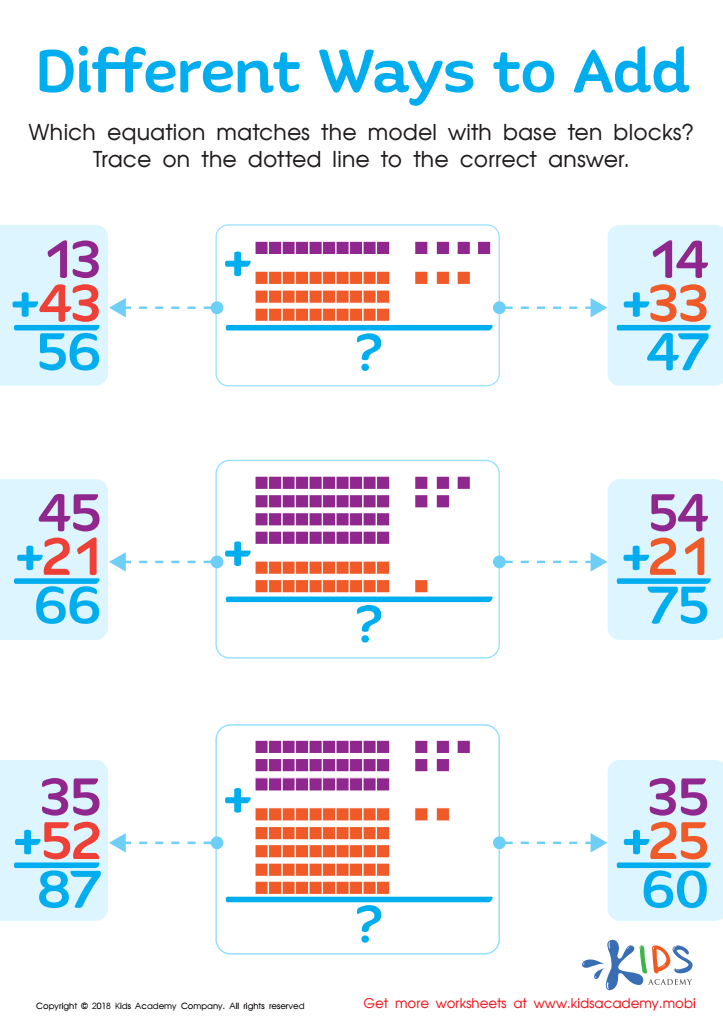
Different Ways to Add Worksheet
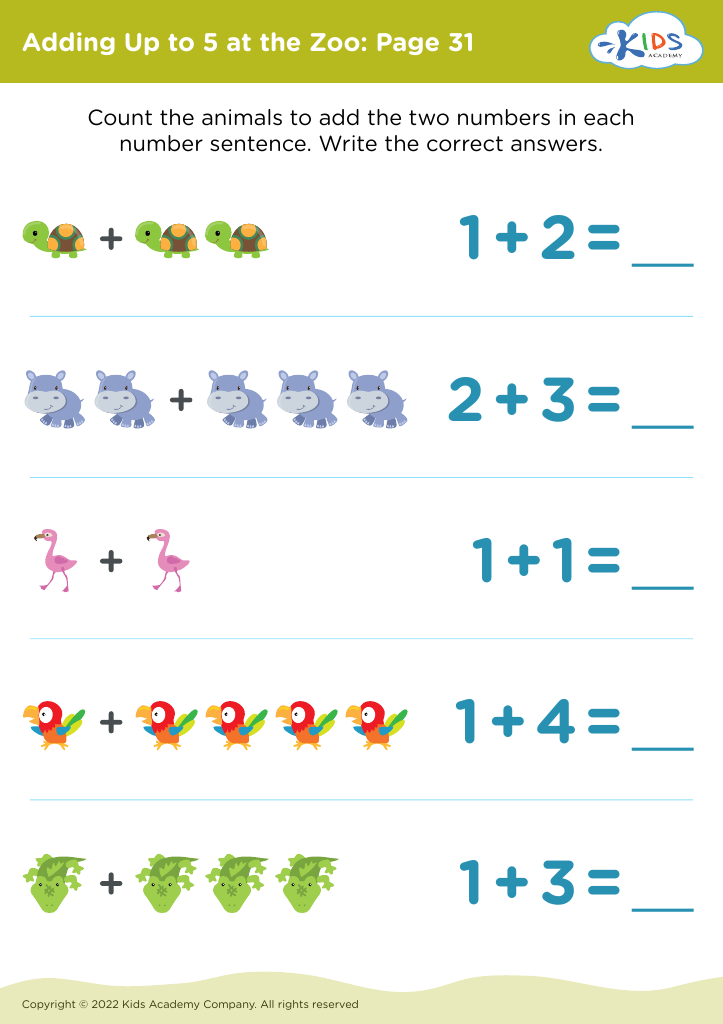

Sudoku Worksheet
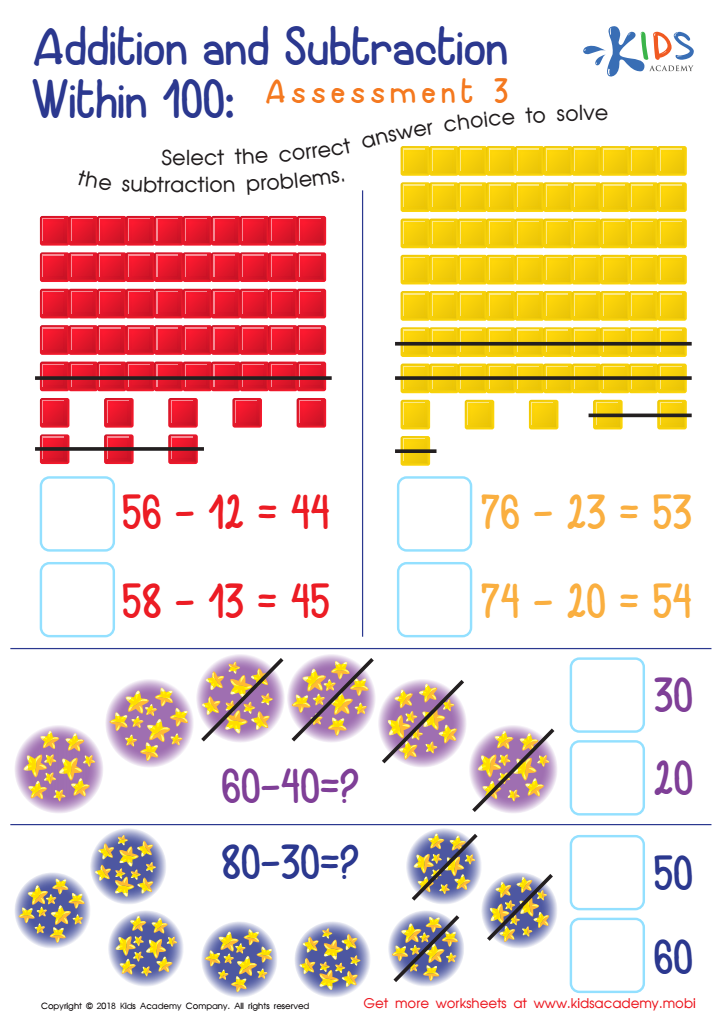
Addition and Subtraction Within 1: Assessment 3 Worksheet
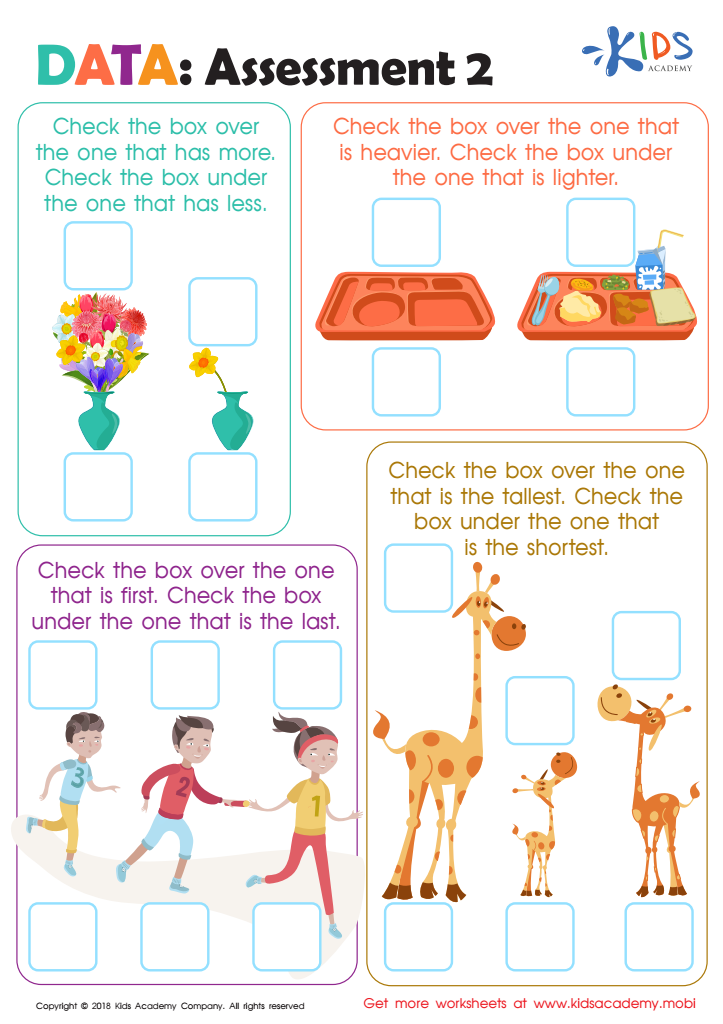
Data: Assessment 2 Worksheet
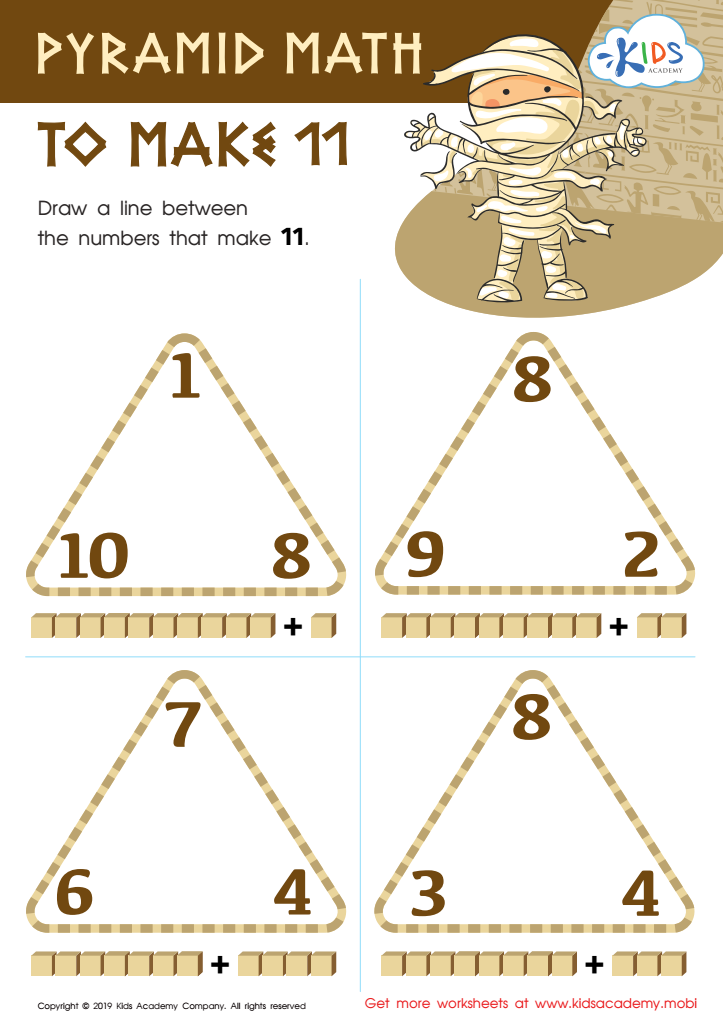
Pyramid Math to Make 11 Worksheet
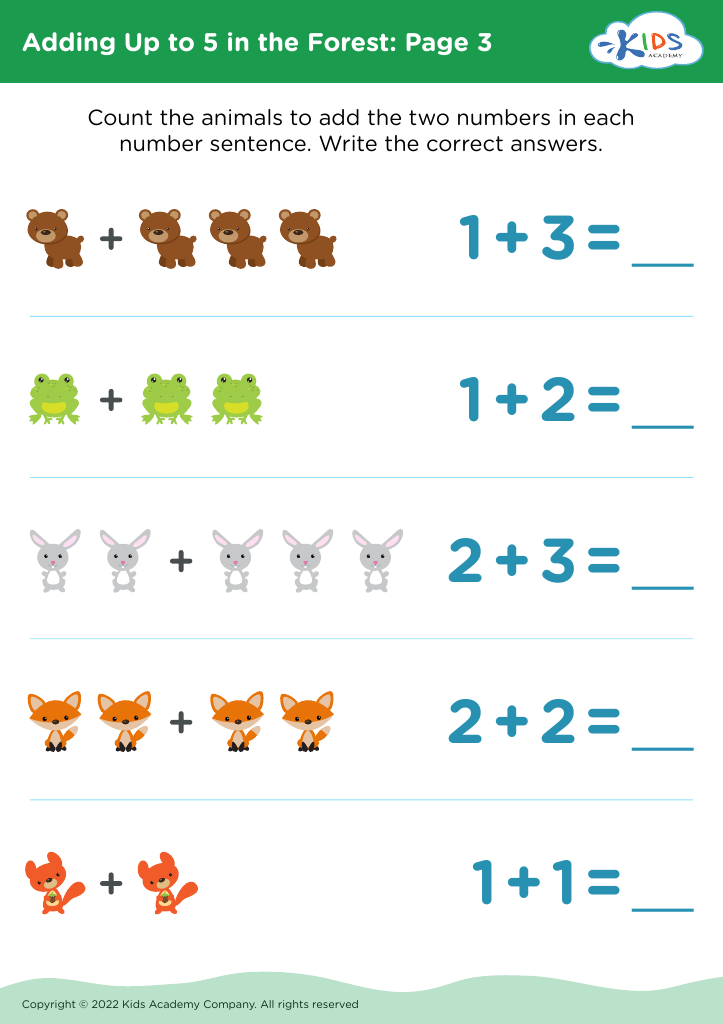








Problem-solving abilities in math are essential for students' overall development and future success. Encouraging strong problem-solving skills fosters critical thinking and analytical abilities, which are vital not just in math but across all subjects and real-life situations. When parents and teachers prioritize math problem-solving, they help students develop resilience and perseverance, teaching them to approach challenges methodically and creatively. This capacity to navigate obstacles translates beyond the classroom, preparing kids for future academic endeavors and careers.
Furthermore, math problem-solving engages students, stimulating their curiosity and interest in learning. It enhances their computational and logical reasoning, helping them make connections between concepts and apply knowledge in varied contexts. Understanding mathematical principles through problem-solving boosts confidence, encouraging a growth mindset; kids learn that mistakes are part of the learning process, which builds perseverance.
Lastly, in today's increasingly analytical world, strong problem-solving abilities are sought-after skills in virtually every field. By nurturing these abilities in the early grades, parents and teachers equip children with a toolset that enables them to tackle complex issues, make informed decisions, and ultimately contribute meaningfully to society. Thus, fostering problem-solving skills in math should be a priority for educators and parents alike.








