Problem Solving Math Worksheets - Page 2
34 filtered results
-
From - To
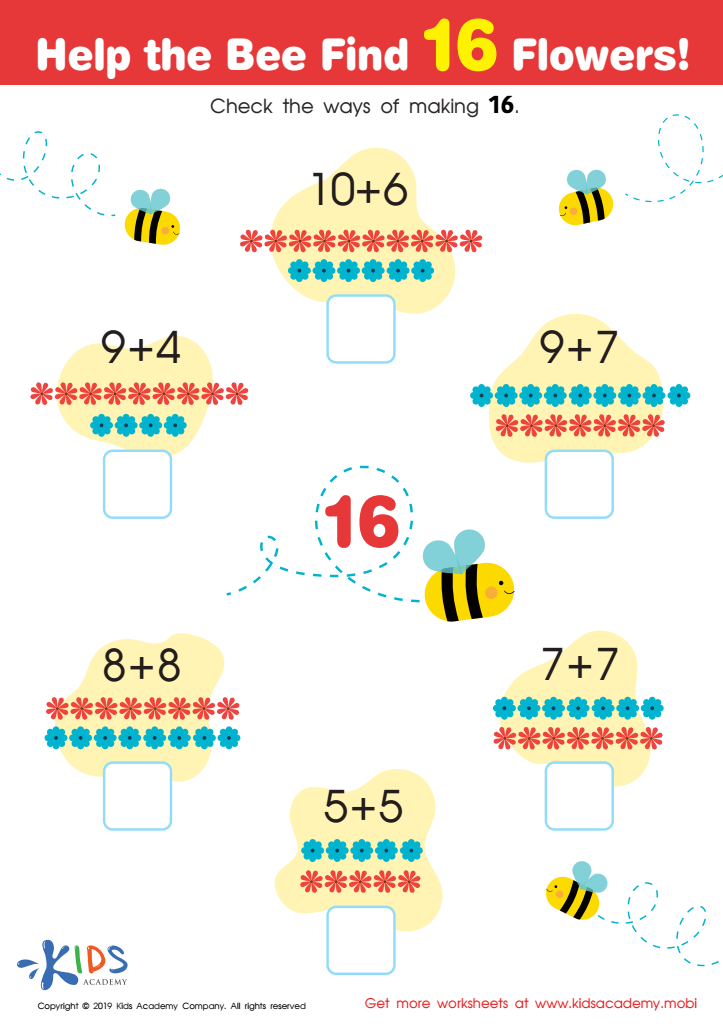
Help the Bee Find 16 Flowers Worksheet
 Assign to My Students
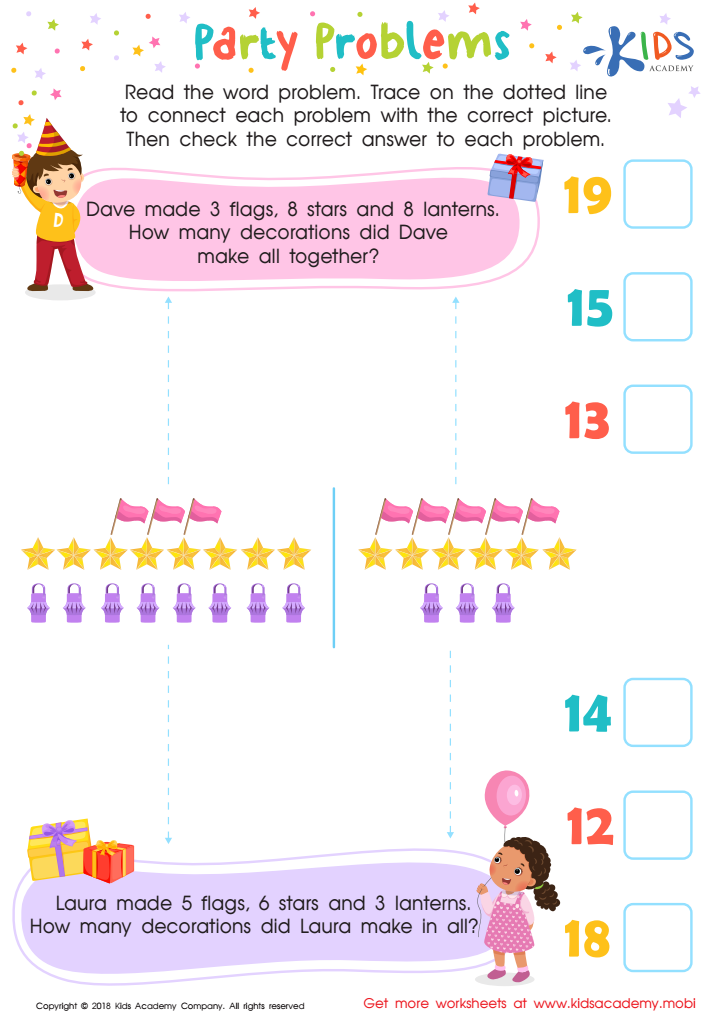
Party Problems Worksheet
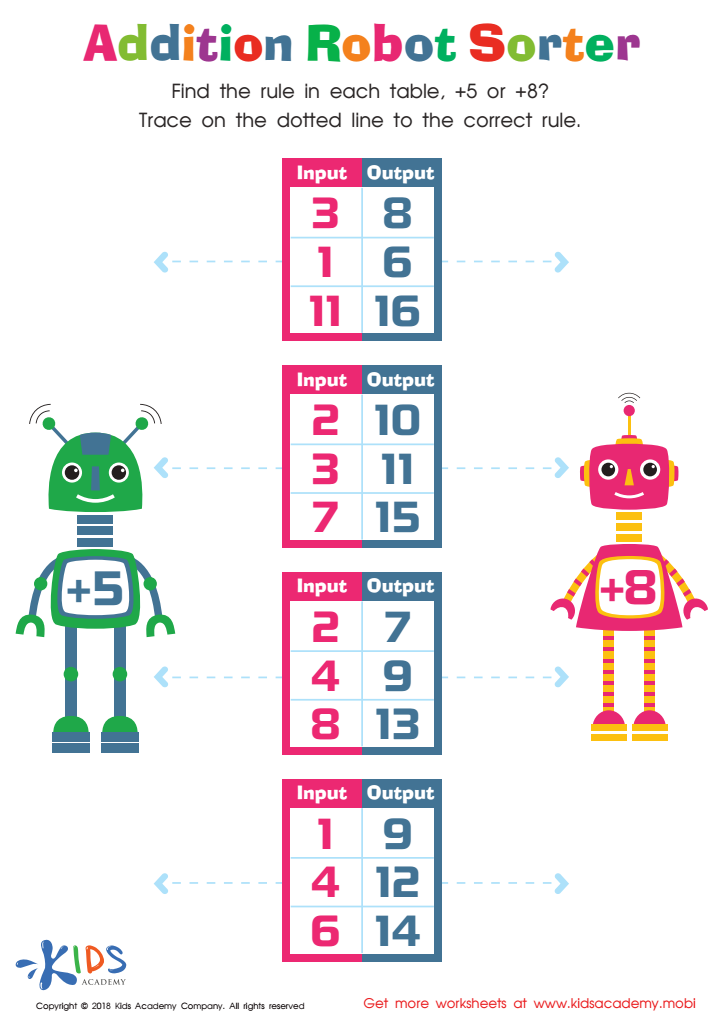
Addition Robot Sorter Worksheet
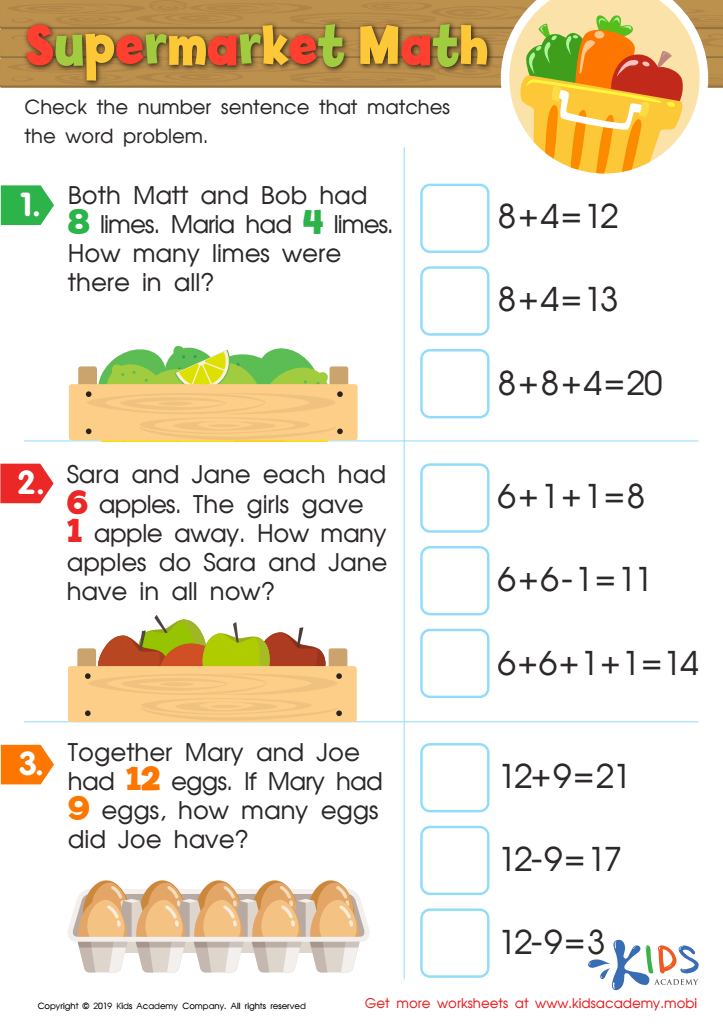
Supermarket Math Worksheet
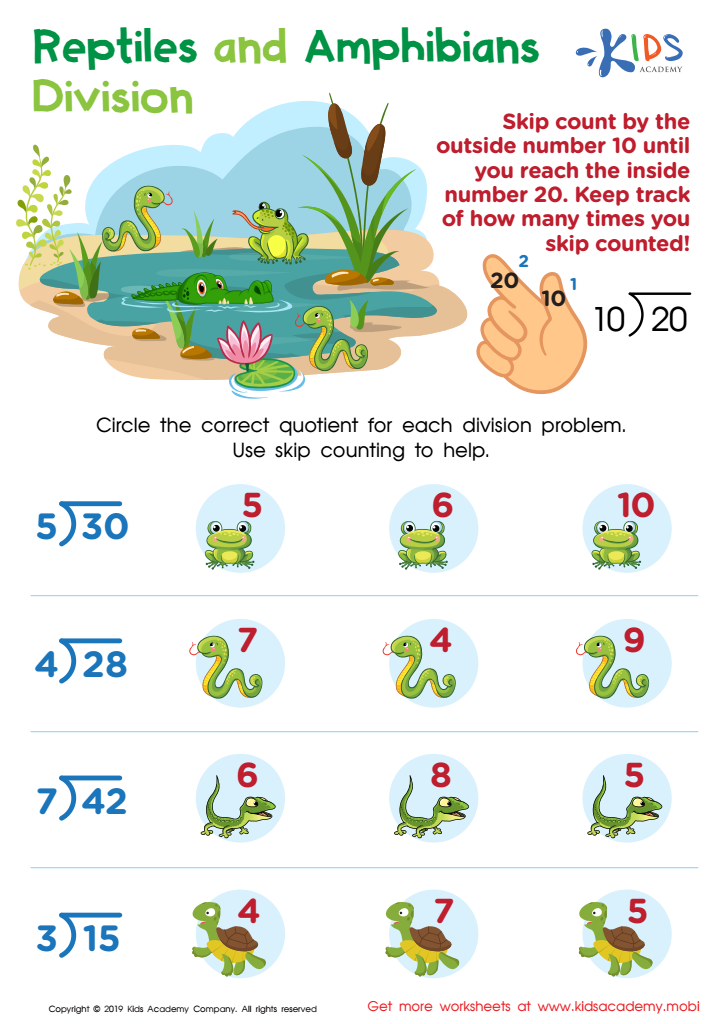
Reptile and Amphibians Division Worksheet
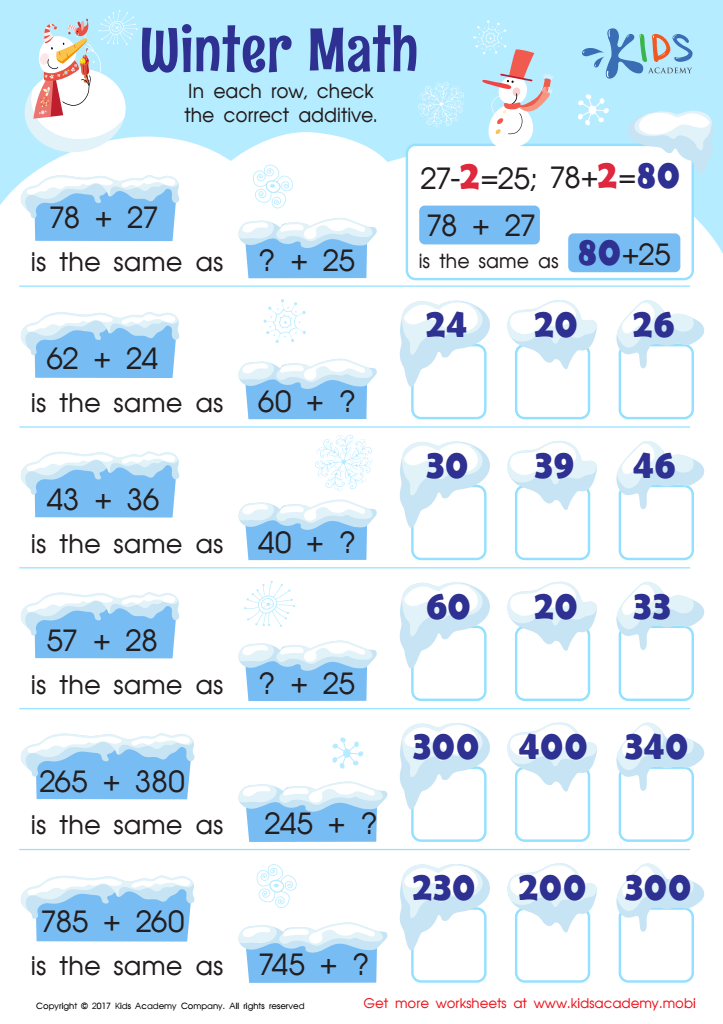
Free Addition Worksheet
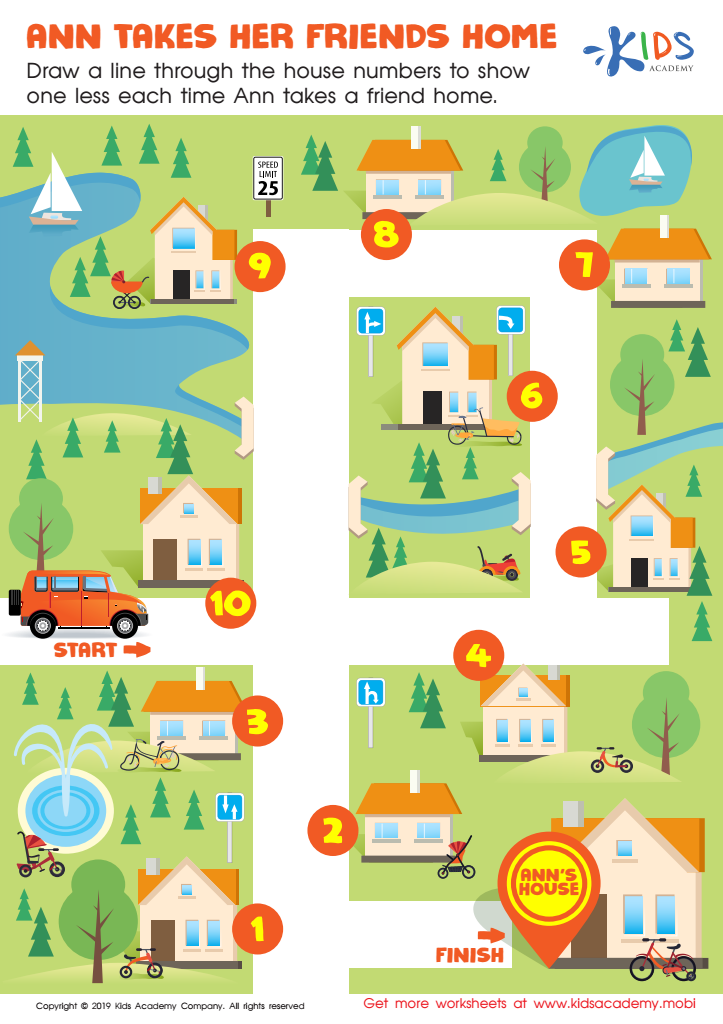
Ann Takes her Friends Home Worksheet




.jpg)

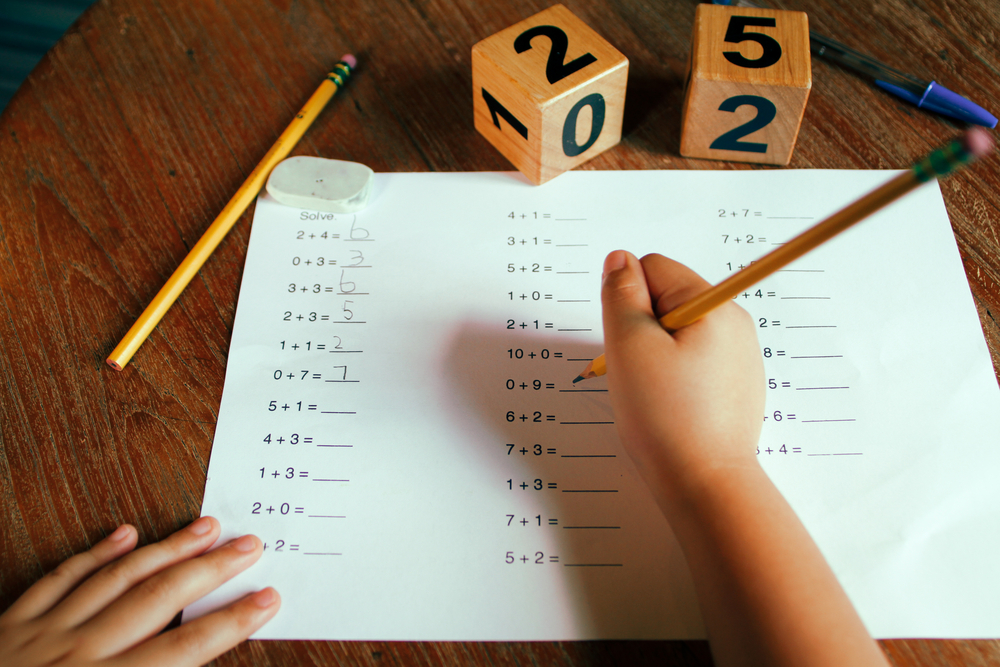

Parents and teachers should prioritize problem-solving math skills because they lay the foundation for critical thinking and real-world application. In today's complex society, mathematical understanding goes beyond rote memorization of facts; it involves the ability to analyze situations, evaluate different approaches, and arrive at logical conclusions. Problem-solving math encourages students to engage actively with mathematical concepts, fostering a deeper understanding to handle diverse challenges.
Moreover, these skills promote resilience and perseverance, as students learn that persistence is essential in overcoming obstacles. When children encounter frustrating problems, they practice patience and creative thinking, essential traits for future success. In our technology-driven world, mathematical problem-solving translates directly to various fields, from engineering and science to economics and social issues.
Additionally, by cultivating these skills, teachers and parents help children build self-confidence and adaptability, making them more prepared for both academic and everyday situations. This empowerment not only enhances their performance in school but also enriches their personal lives. Ultimately, nurturing problem-solving math fosters holistic development in children, equipping them to thrive both in and out of the classroom.








