Understanding Sequences Math Worksheets
23 filtered results
-
From - To
Unlock the fascinating world of sequences with our "Understanding Sequences" math worksheets! Designed for young learners, these engaging resources help students grasp the concept of sequences through fun and interactive activities. Our worksheets include various exercises such as identifying patterns, completing sequences, and creating their own. Perfect for reinforcing essential math skills, these worksheets are aligned with educational standards to ensure a comprehensive learning experience. Whether in the classroom or at home, our printable worksheets provide a valuable tool for children to enhance their numerical understanding. Dive in and watch your child's confidence in math flourish as they master sequences!
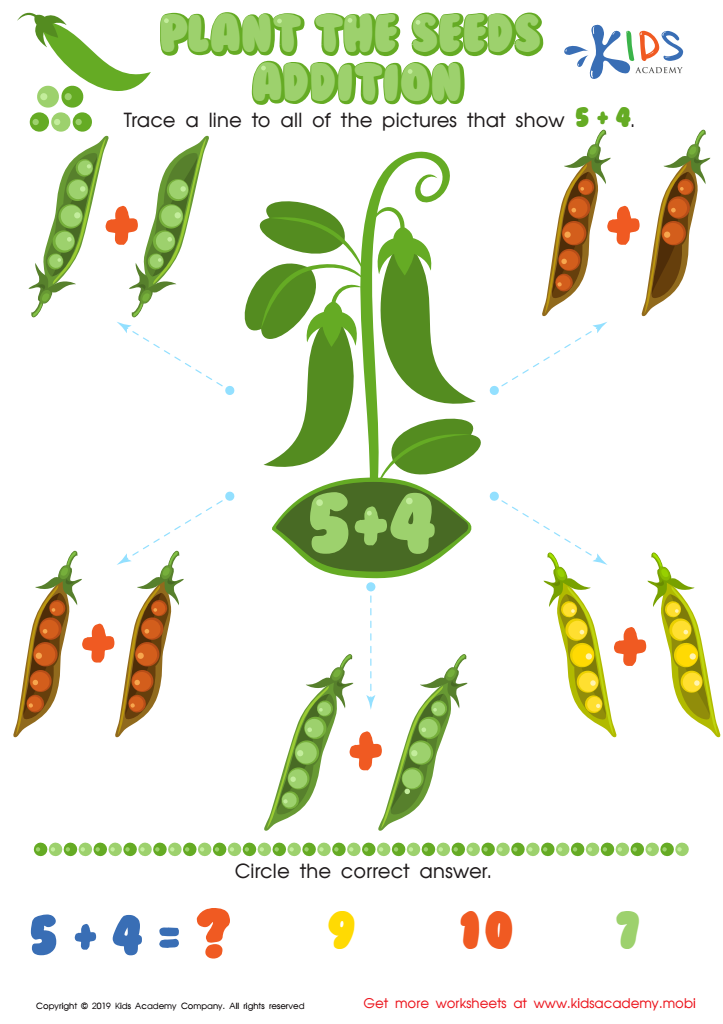
Plant the Seeds Addition Worksheet
 Assign to My Students
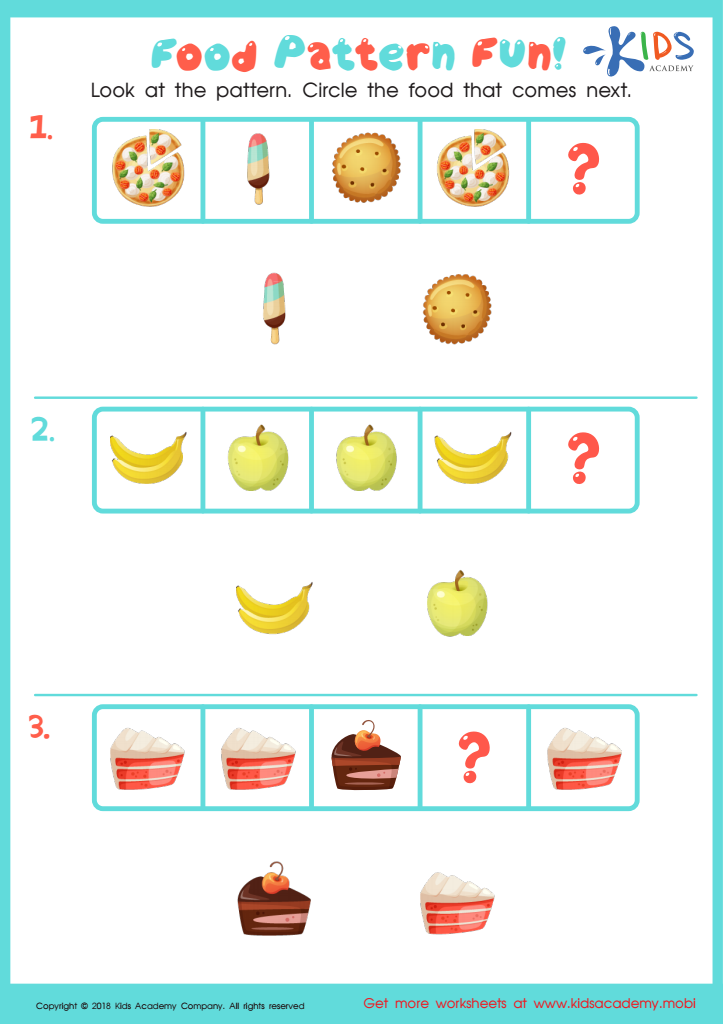
Food Pattern Fun Worksheet
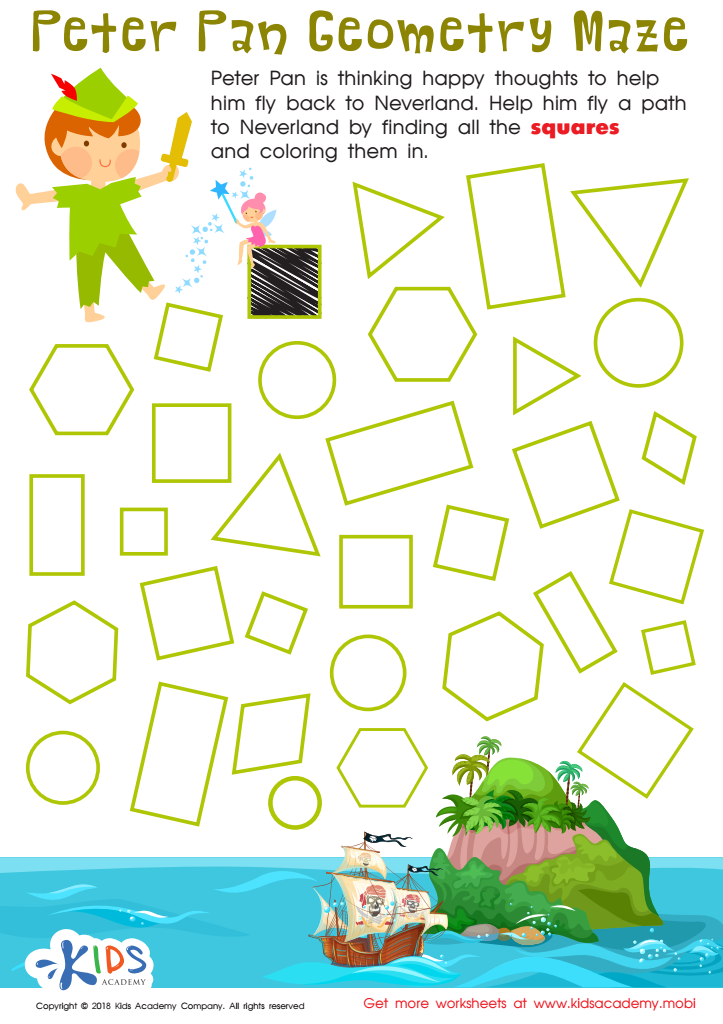
Peter Pan Worksheet
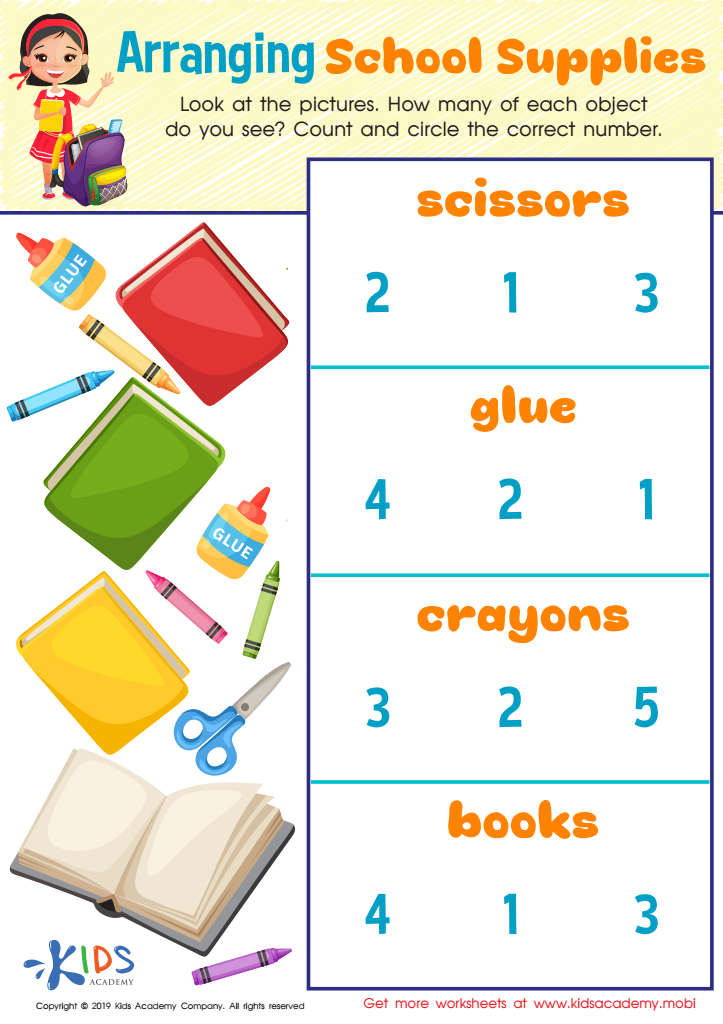
Arranging School Supplies Worksheet
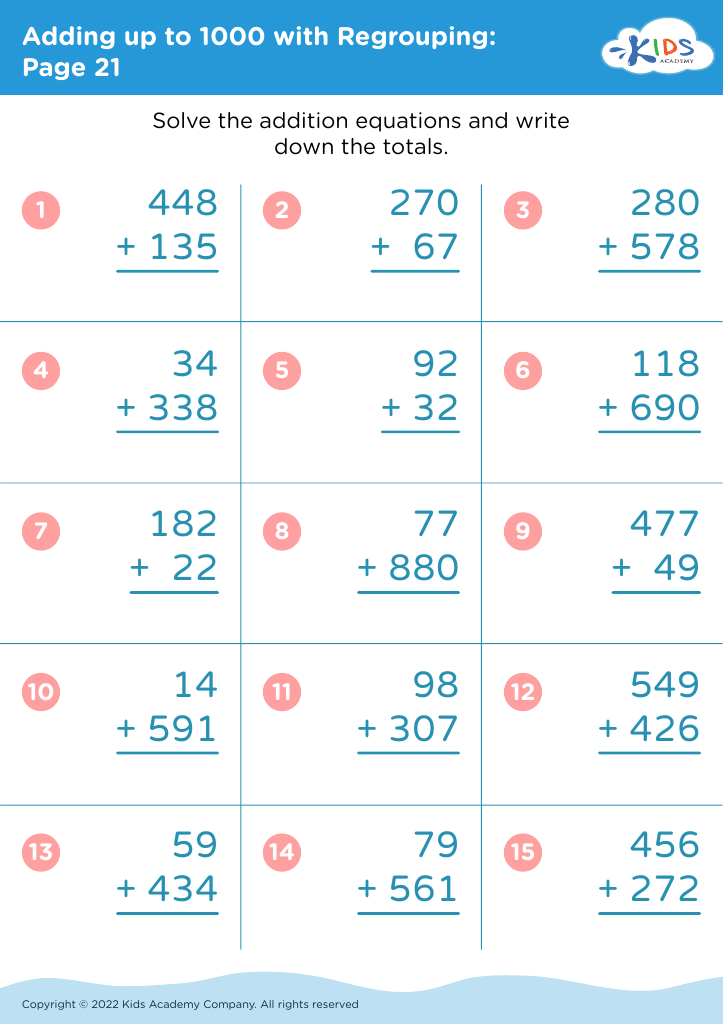
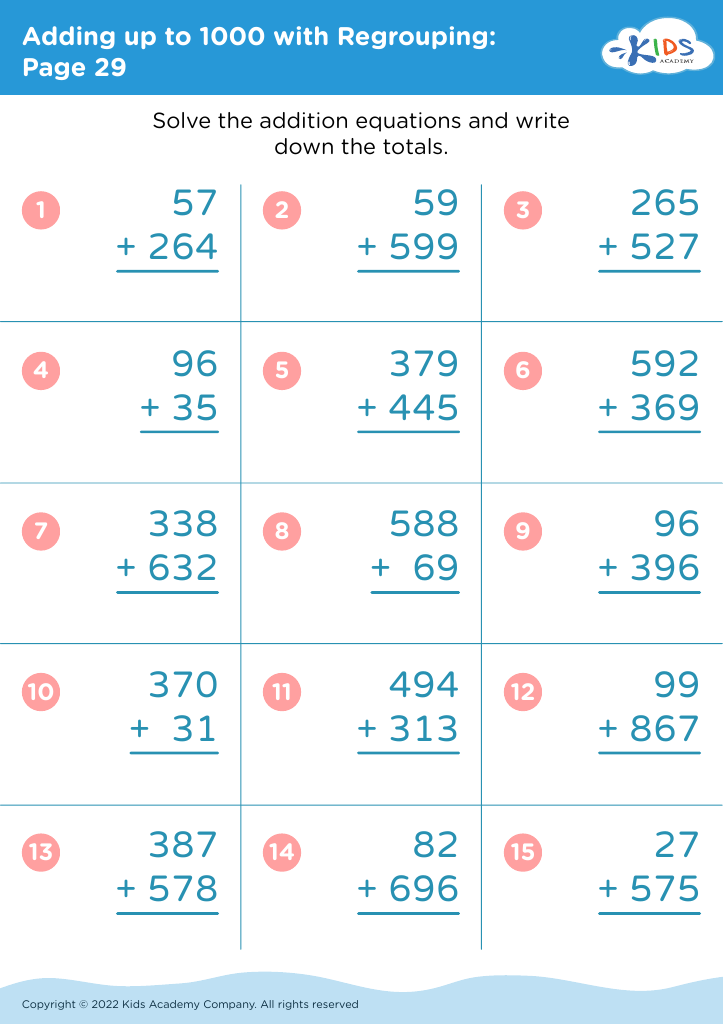
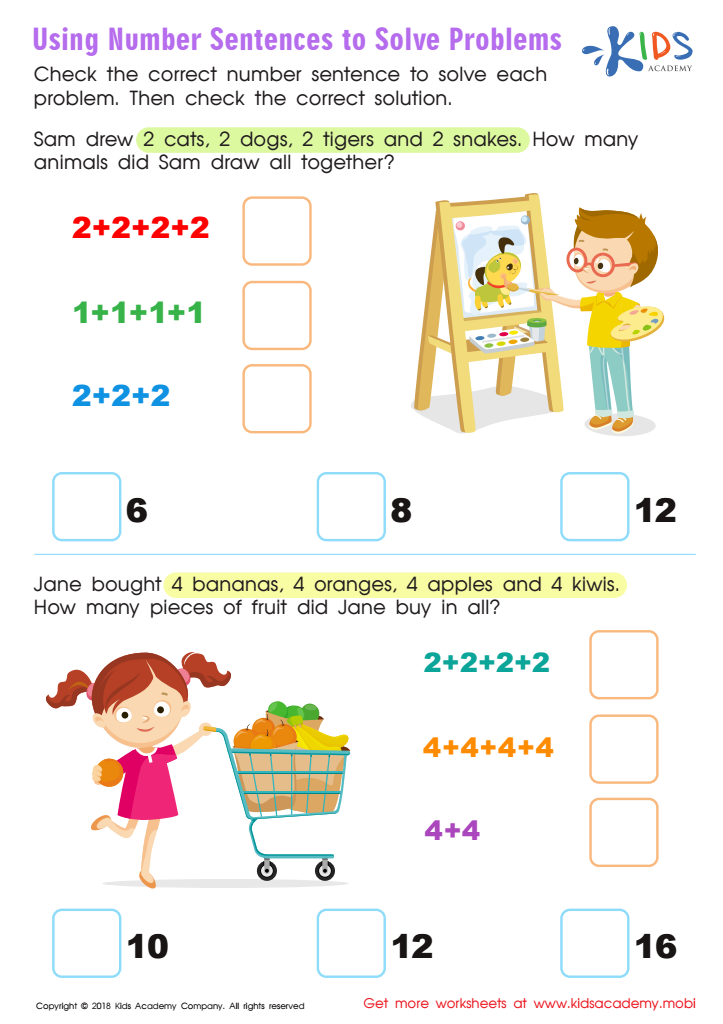
Using Number Sentences to Solve Problems Worksheet
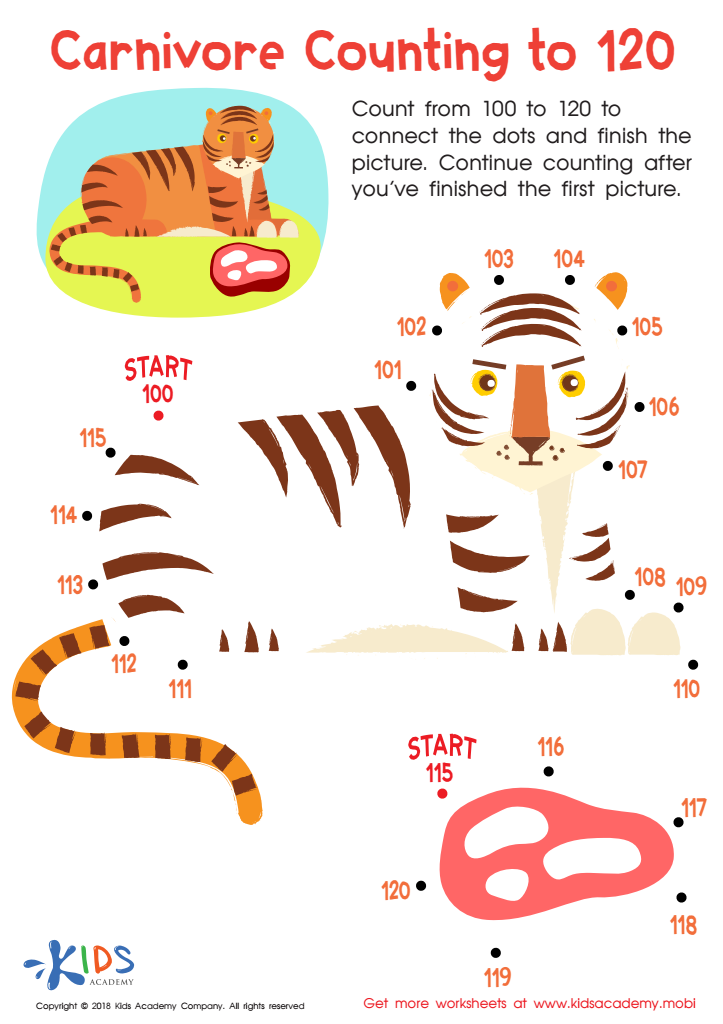
Carnivore Counting to 120 Worksheet
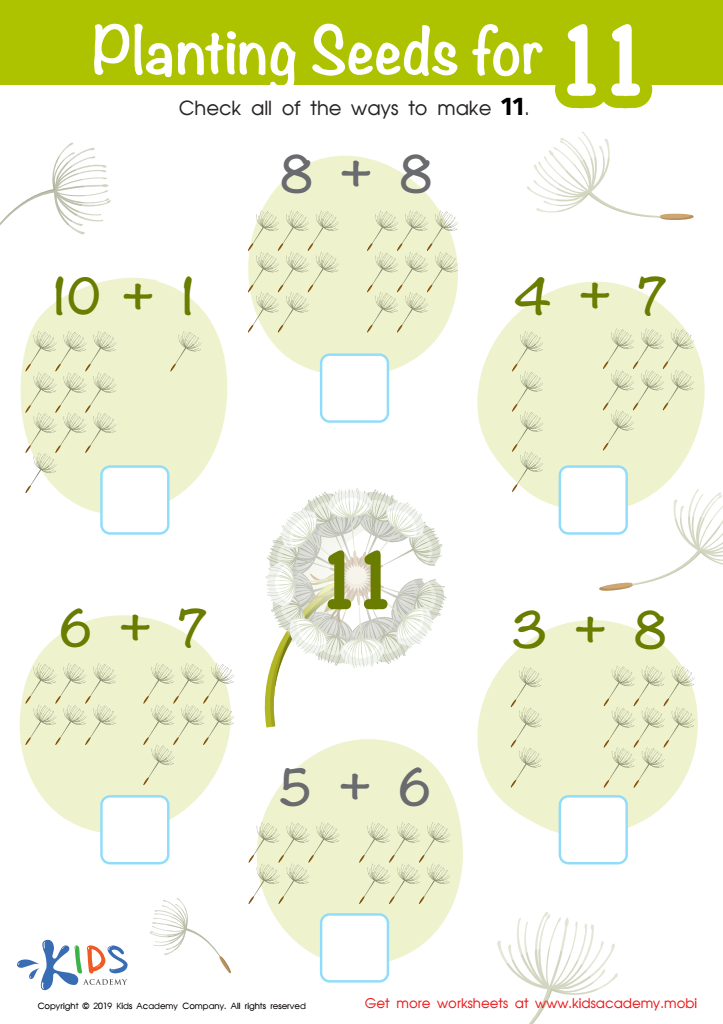
Planting Seeds for 11 Worksheet
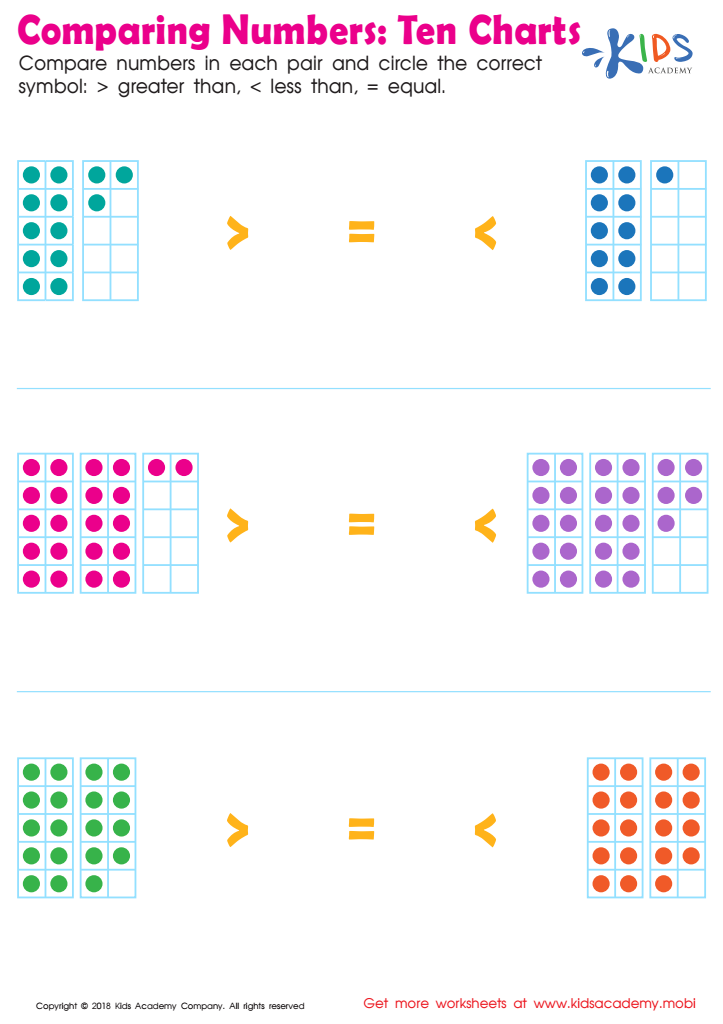
Ten Charts Worksheet
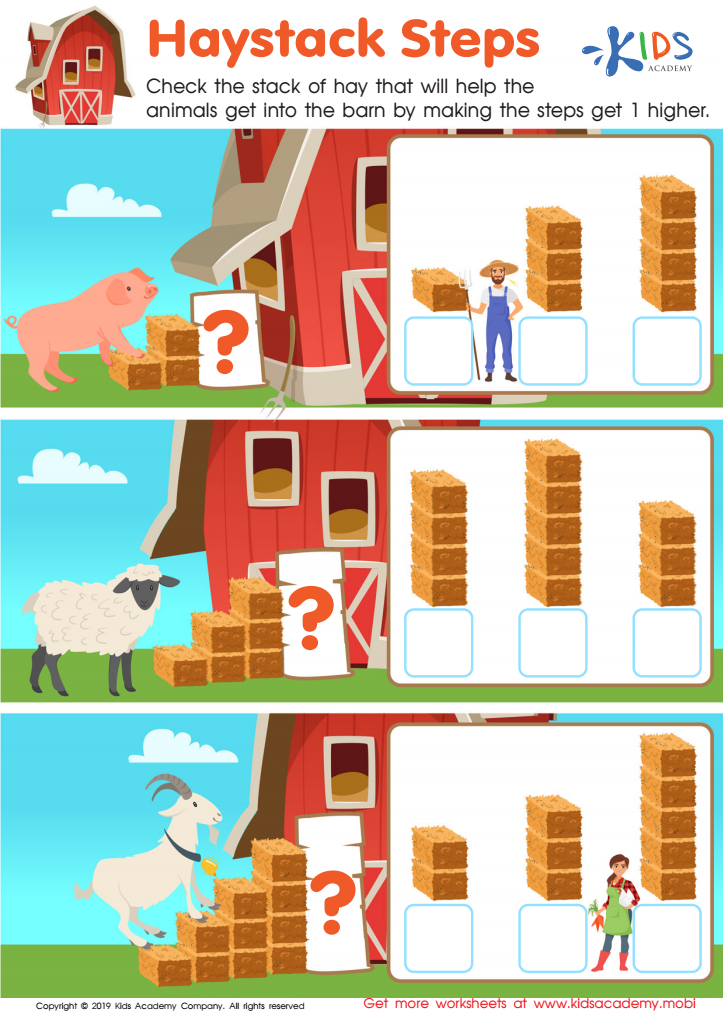
Haystack Steps Worksheet








Understanding sequences in mathematics is fundamental for young learners, and both parents and teachers play a crucial role in promoting this understanding. Sequences form the basis for many mathematical concepts, including arithmetic, patterns, and functions. When children grasp sequences, they develop critical thinking skills that are essential for problem-solving in mathematics and more broadly in life.
Teaching sequences helps students recognize patterns, which is a skill that extends beyond math—enhancing abilities in areas like reading and coding. Early exposure also fosters a sense of logic that supports future learning in algebra and calculus. For parents and teachers, nurturing this understanding means equipping students with tools to explore complex ideas with confidence later on.
Additionally, recognizing sequences can help children with skills crucial for daily life, such as time management and planning, by encouraging them to anticipate outcomes and make predictions. Engaging students in activities that build their sequences understanding can create motivation and a positive attitude towards math, reducing anxiety related to STEM subjects.
In sum, supporting children's comprehension of sequences lays a sturdy foundation for their overall mathematical success and cognitive development, making it essential for parents and educators alike to prioritize this learning aspect.








