Visual perception Math Worksheets - Page 2
57 filtered results
-
From - To

Count and Pair on the Farm Worksheet
 Assign to My Students
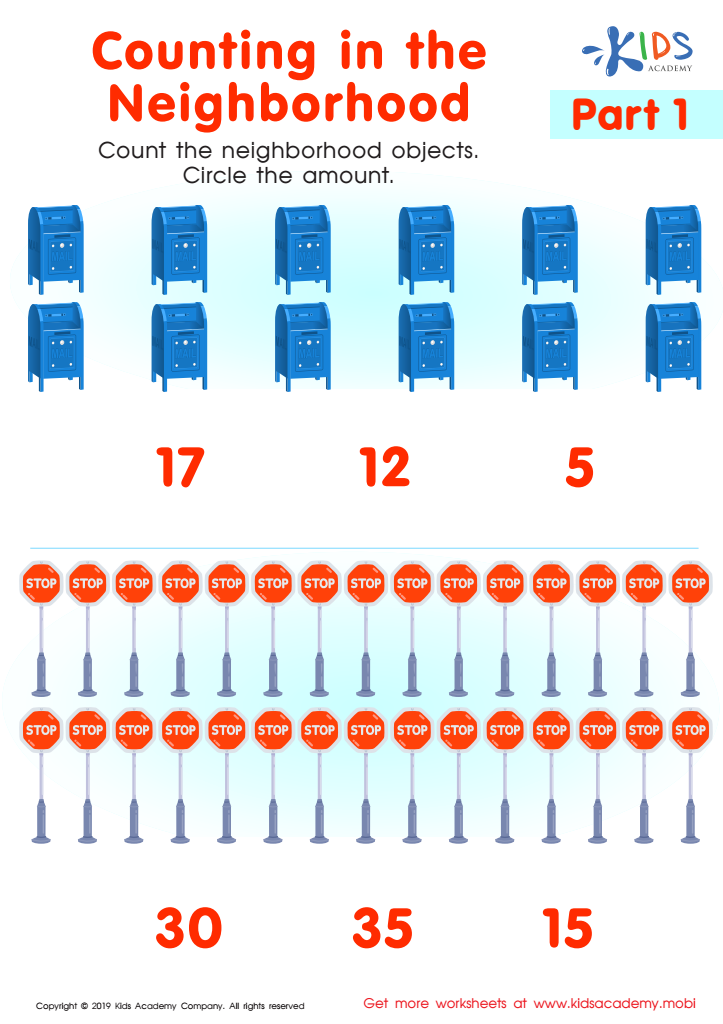
Counting in the Neighborhood Part1 Worksheet
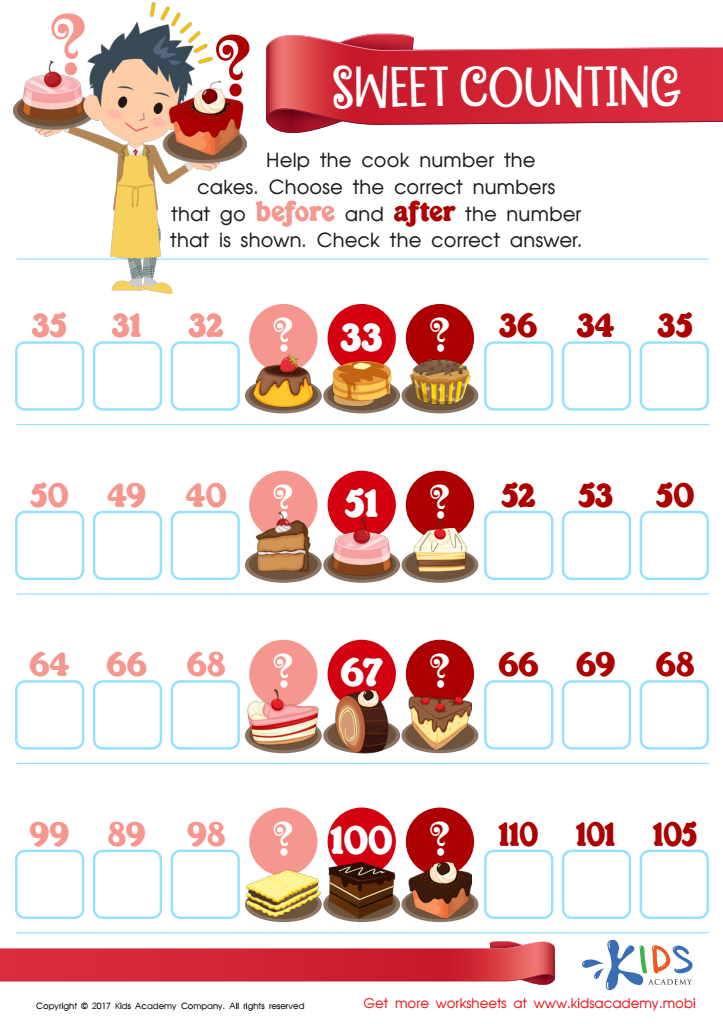
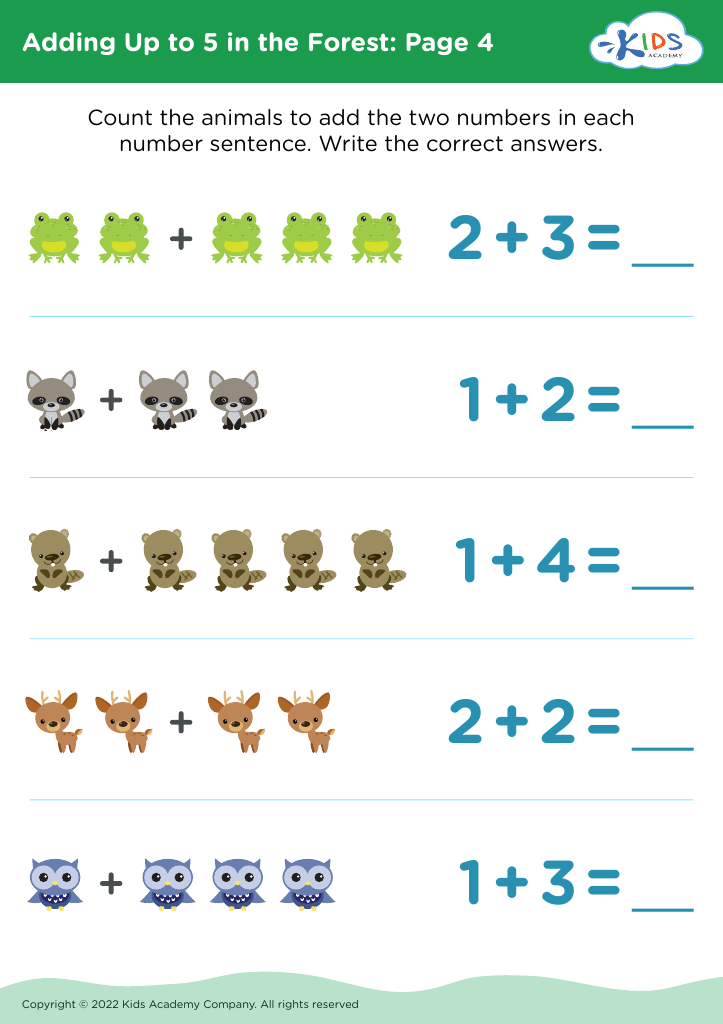
Sweet Counting - Part 1 Worksheet
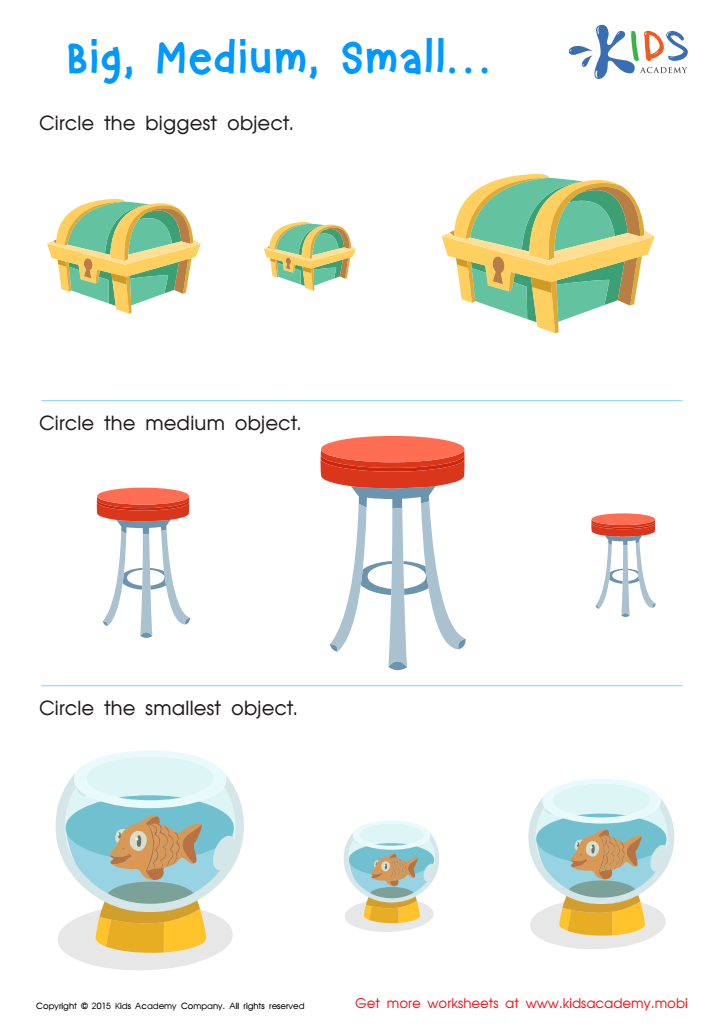
Big Medium Small Worksheet
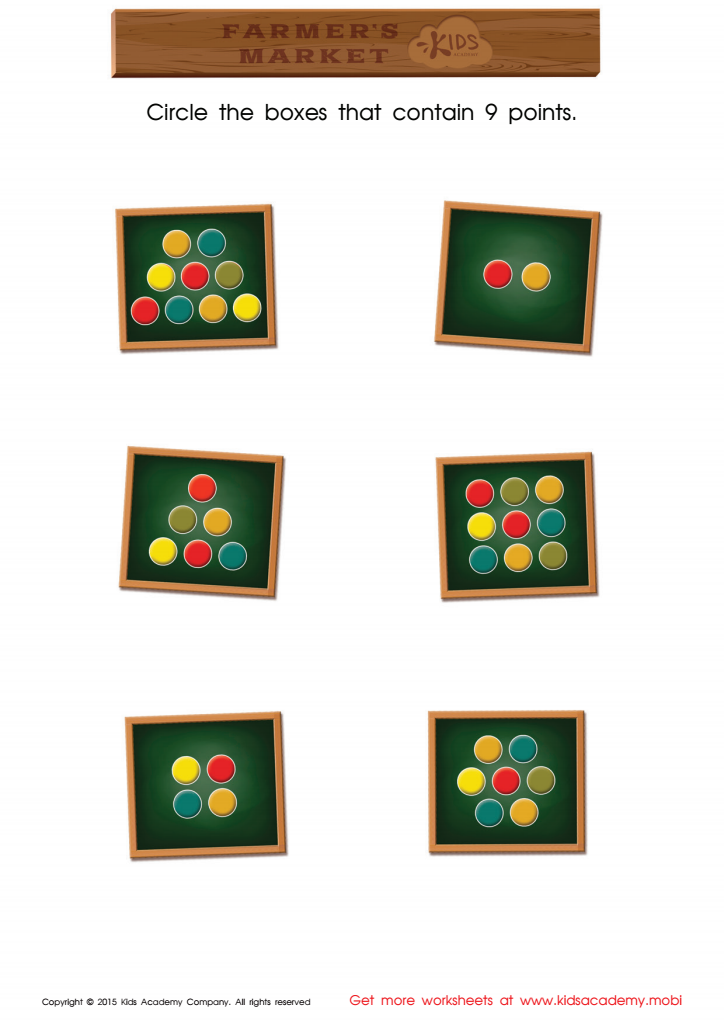
Count and Match Points 9 Math Worksheet
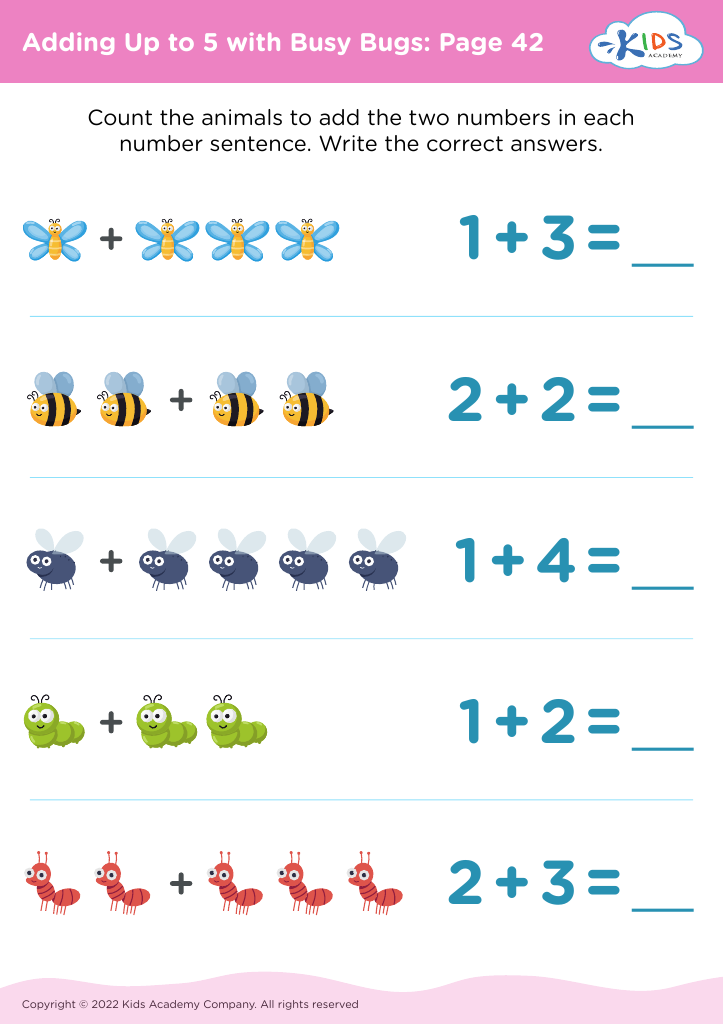
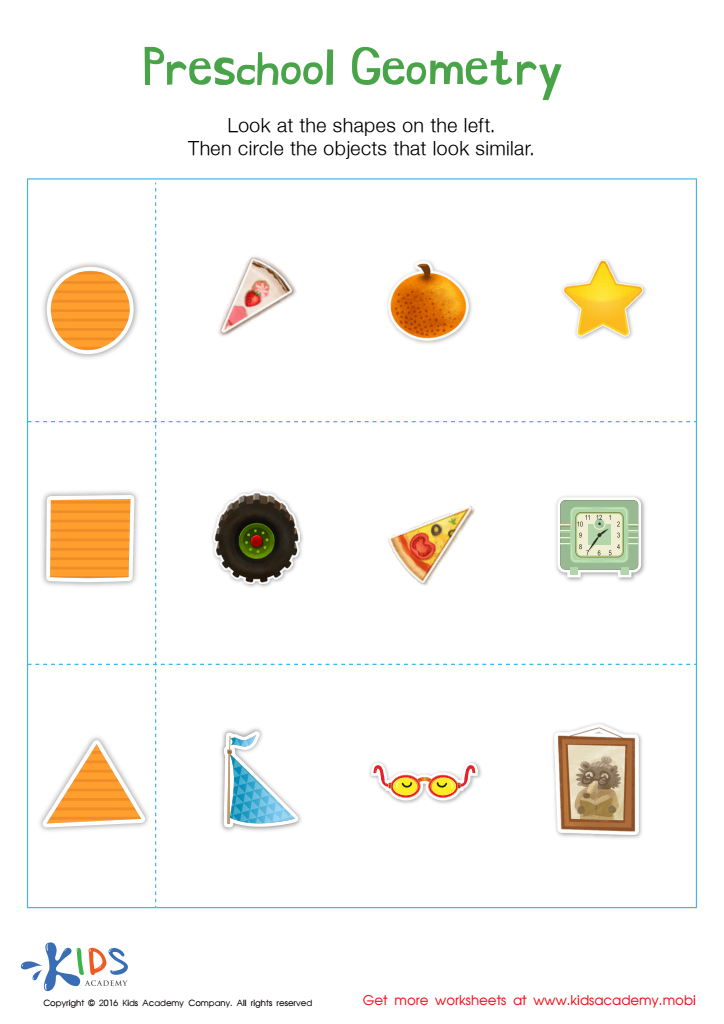
Preschool Geometry Match Up Worksheet
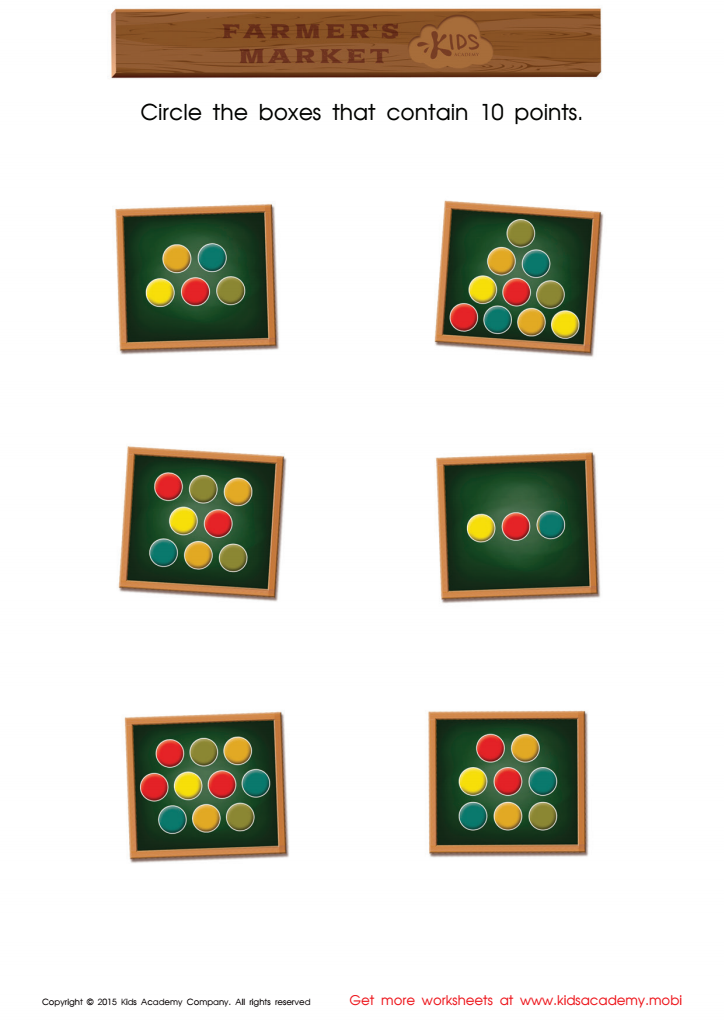
Count and Match Points 10 Math Worksheet
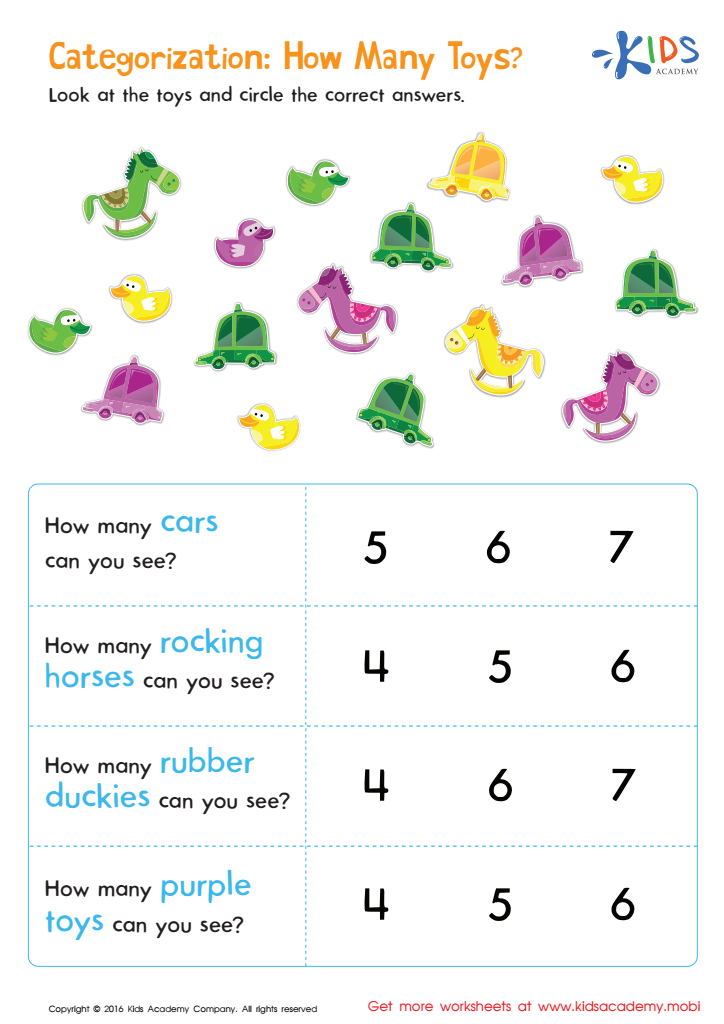
Classifying Toys by Type and Color Sorting Worksheet
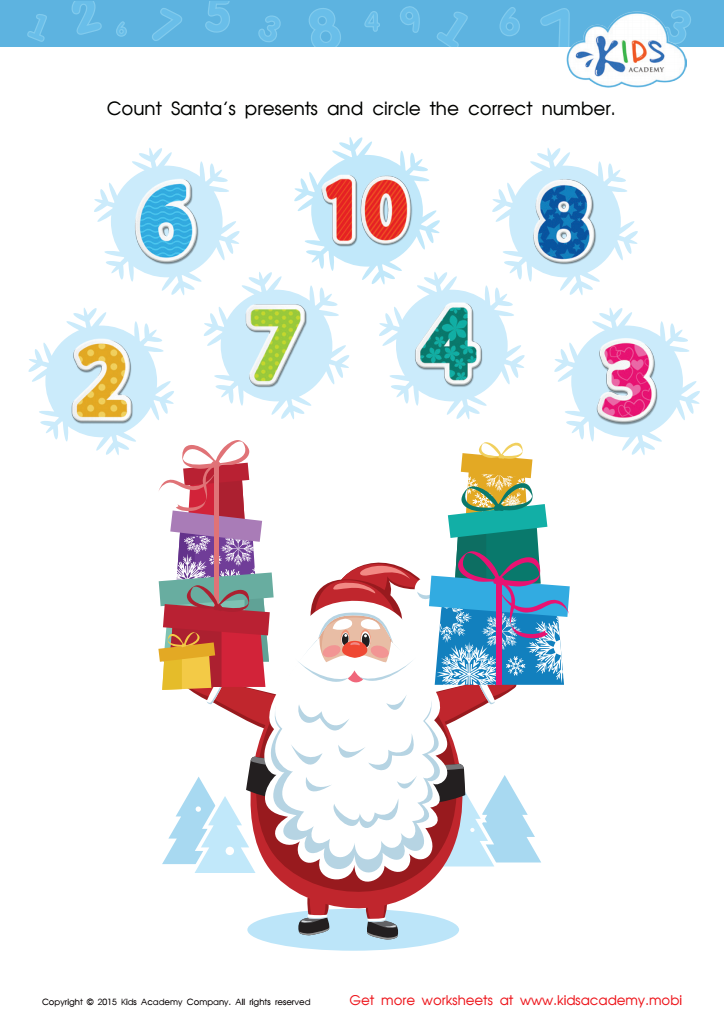
Count Santa's Presents Worksheet
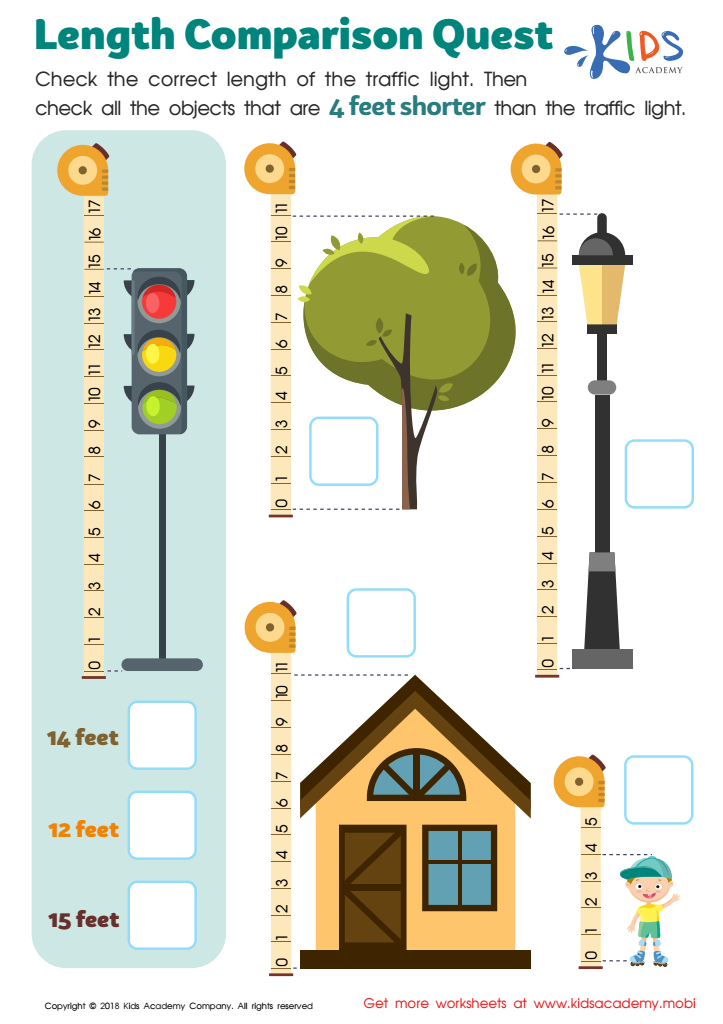
Length Comparison Quest Worksheet
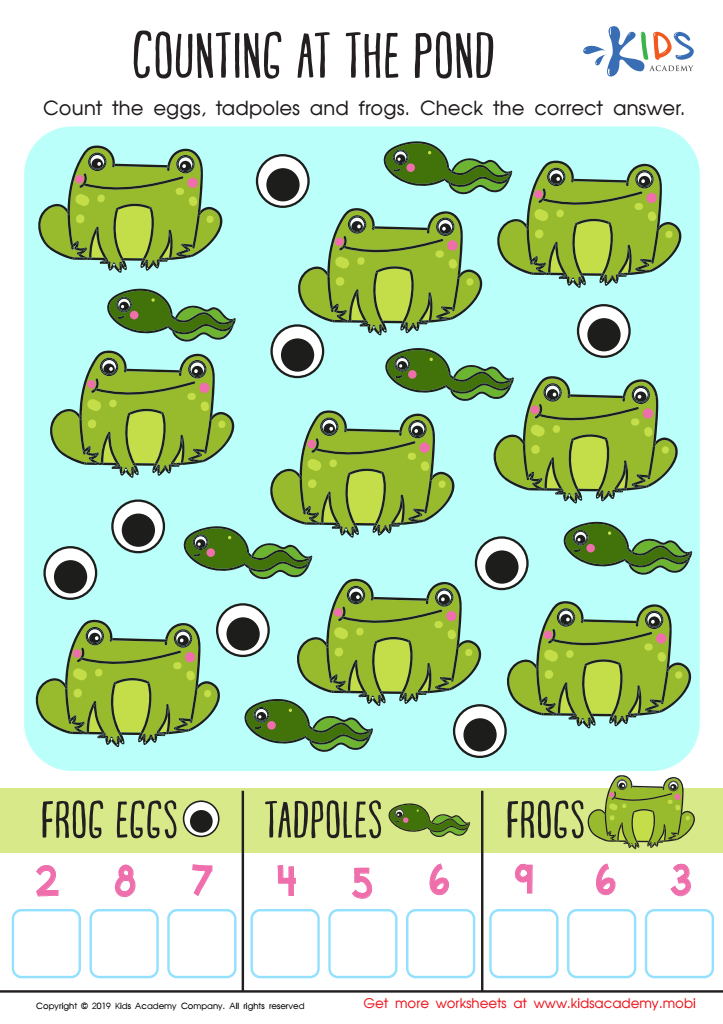
Counting at the Pond Worksheet
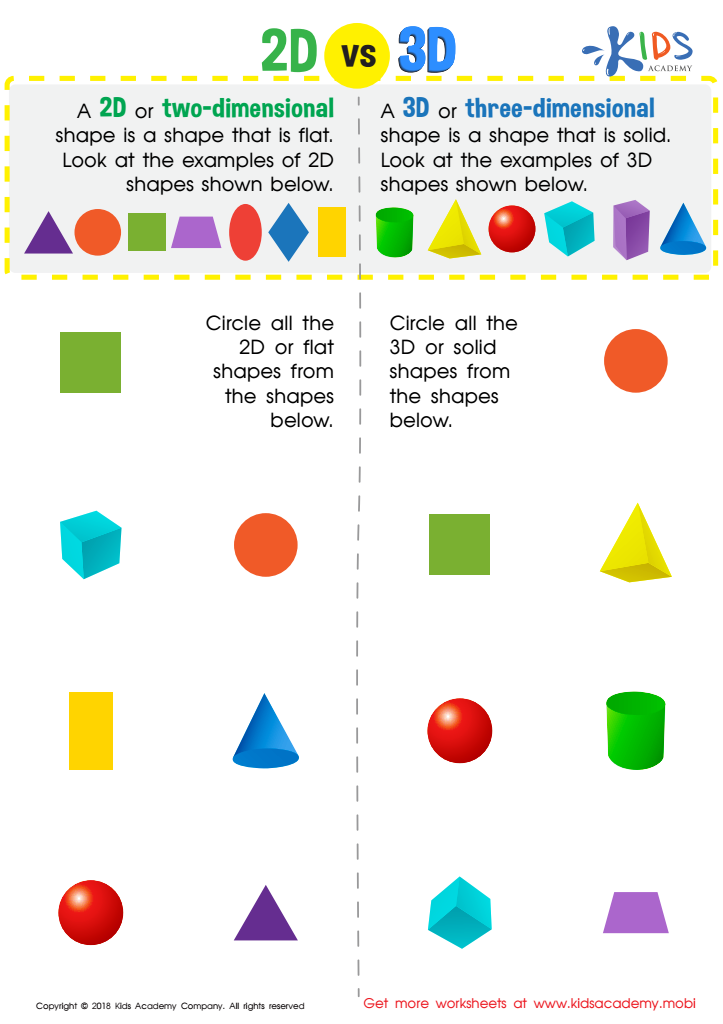
2D vs 3D Shapes Worksheet
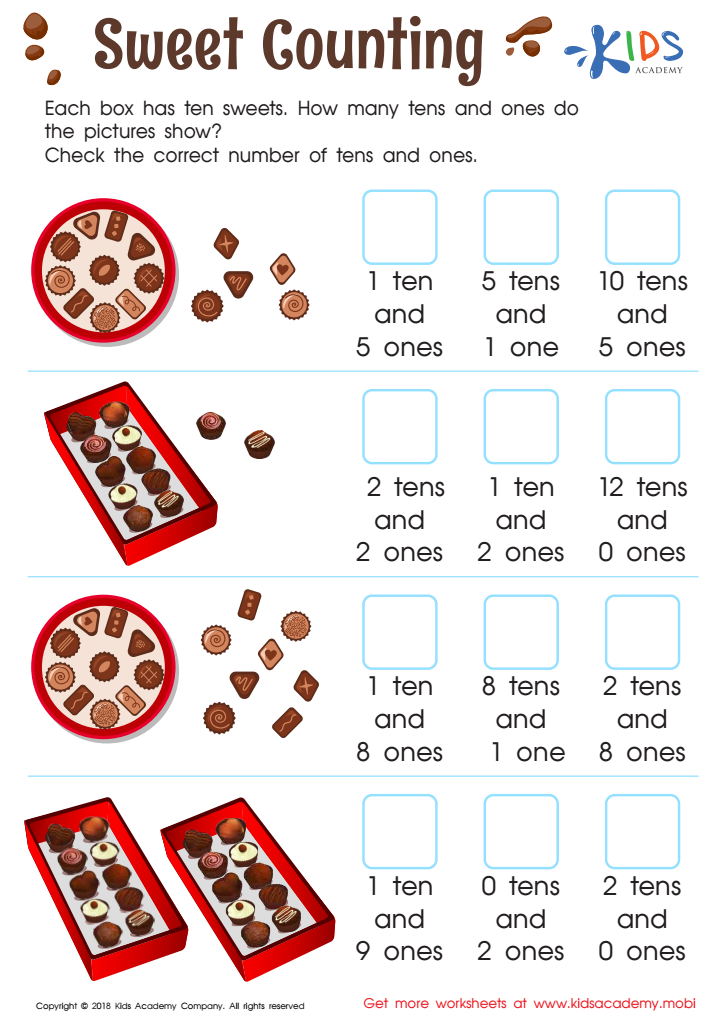
Sweet Counting - Part 2 Worksheet
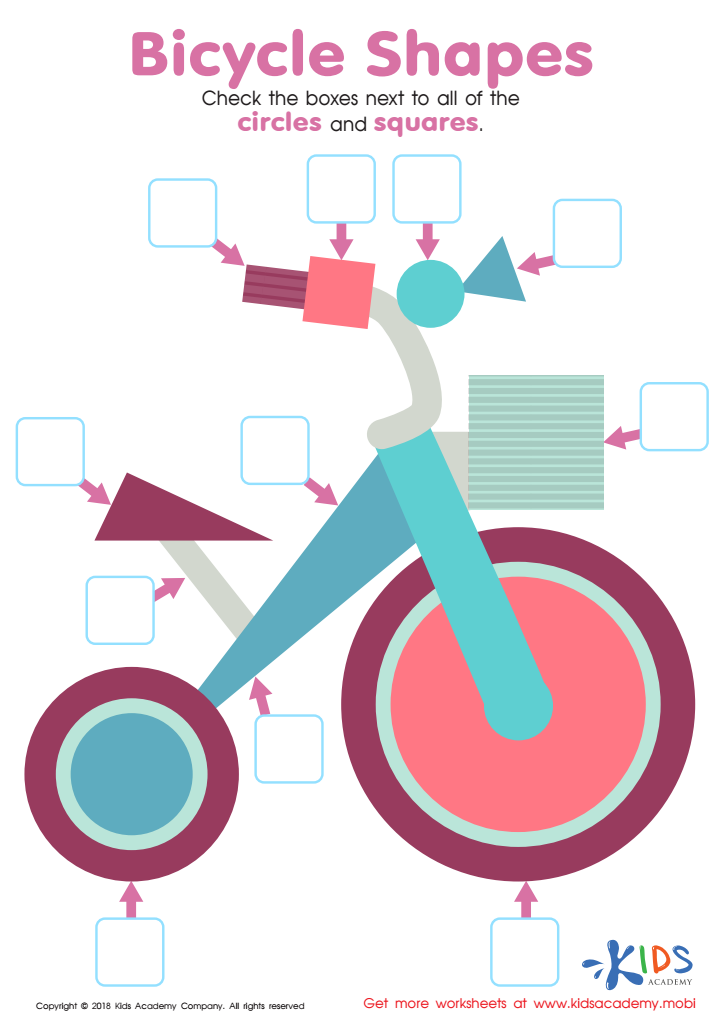
Bicycle Shapes Worksheet
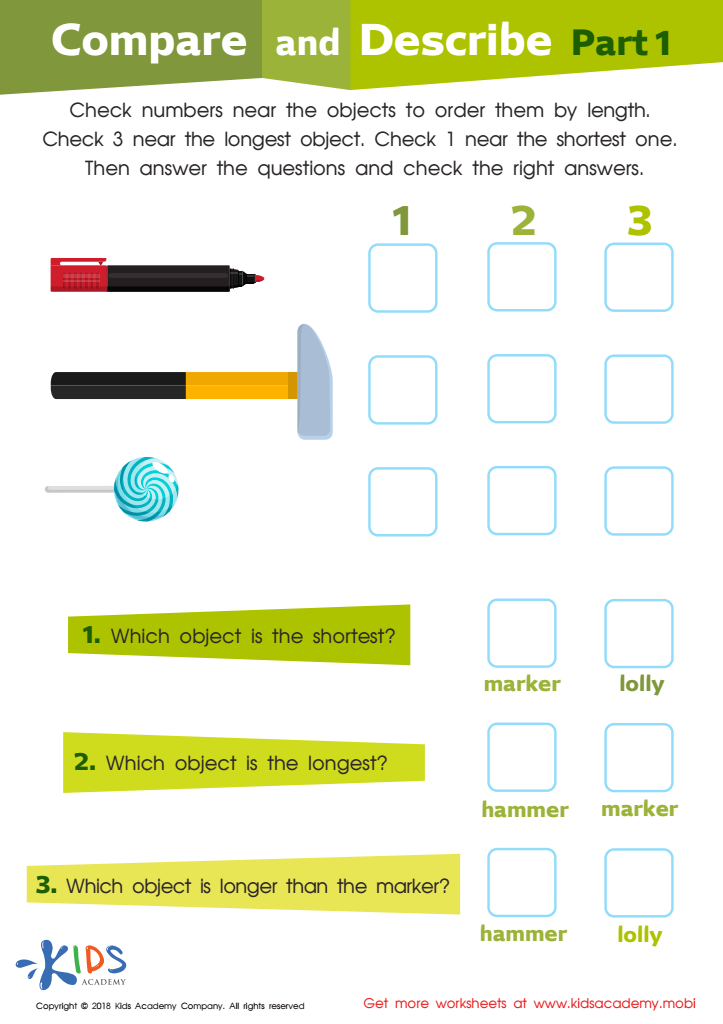
Compare and Describe: Part 1 Worksheet
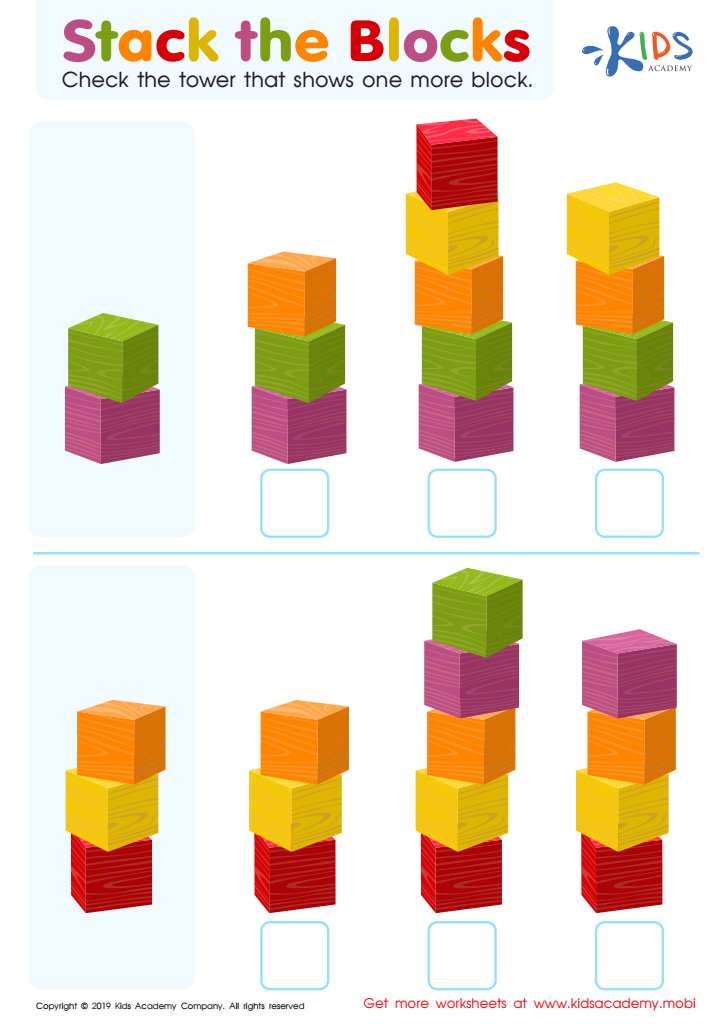
Stack the Blocks Worksheet
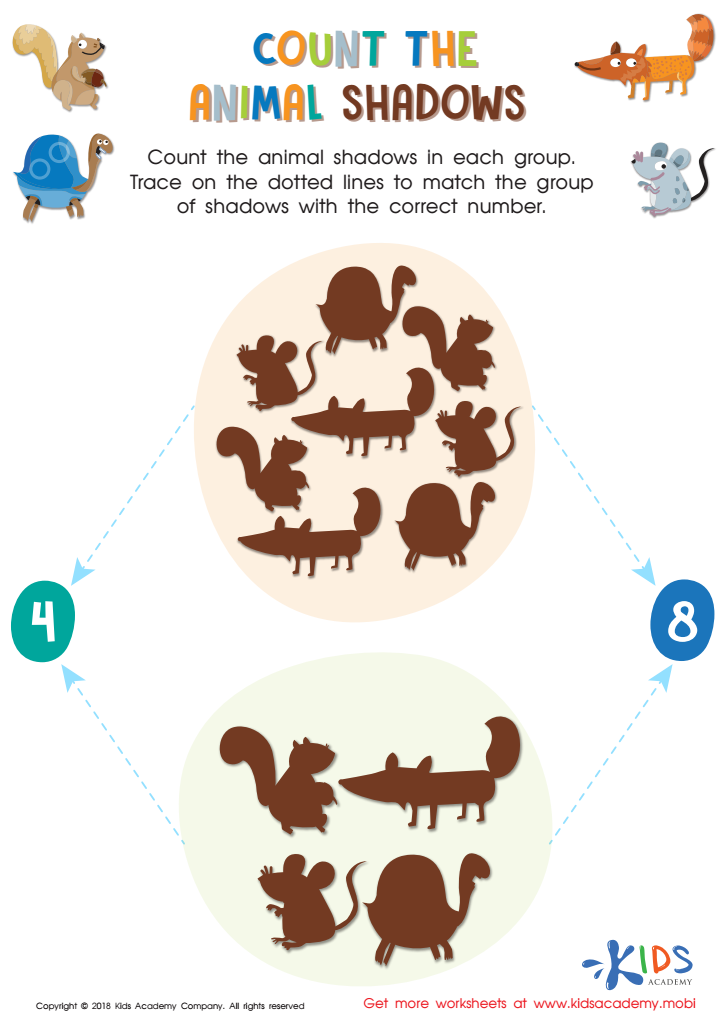
Count the Animal Shadows Worksheet
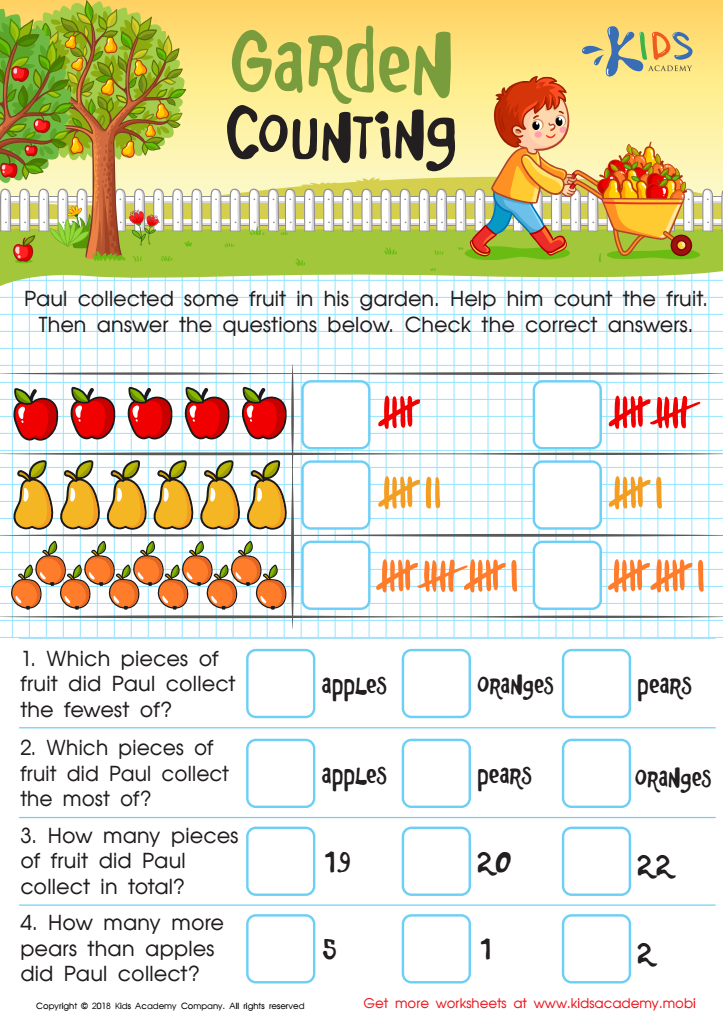
Garden Counting Worksheet
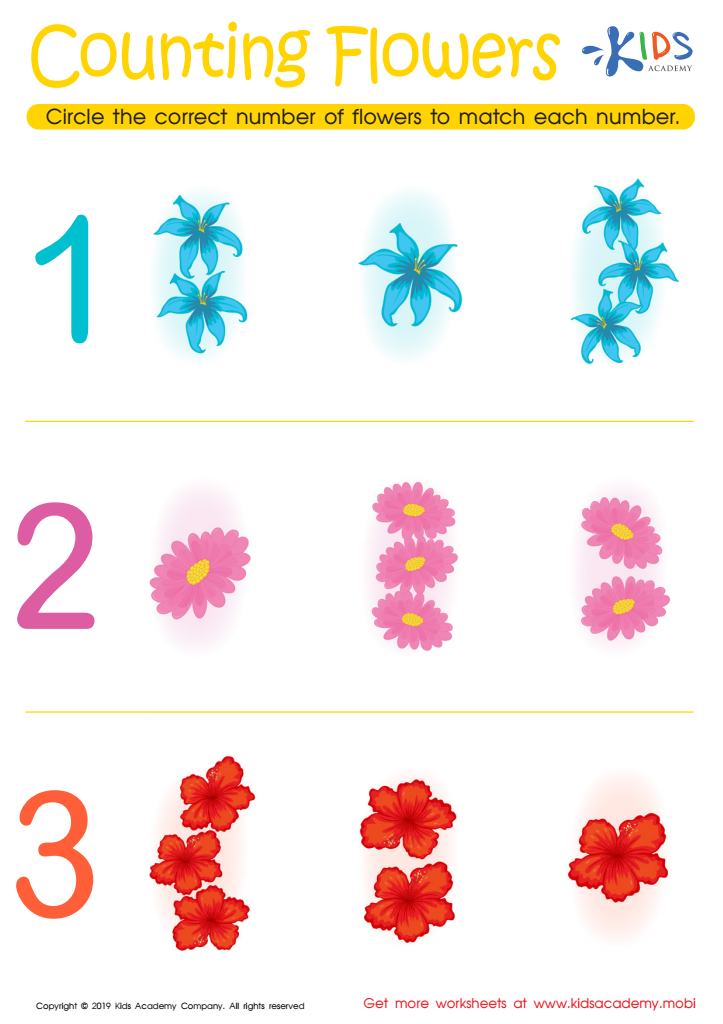
Counting Flowers Worksheet
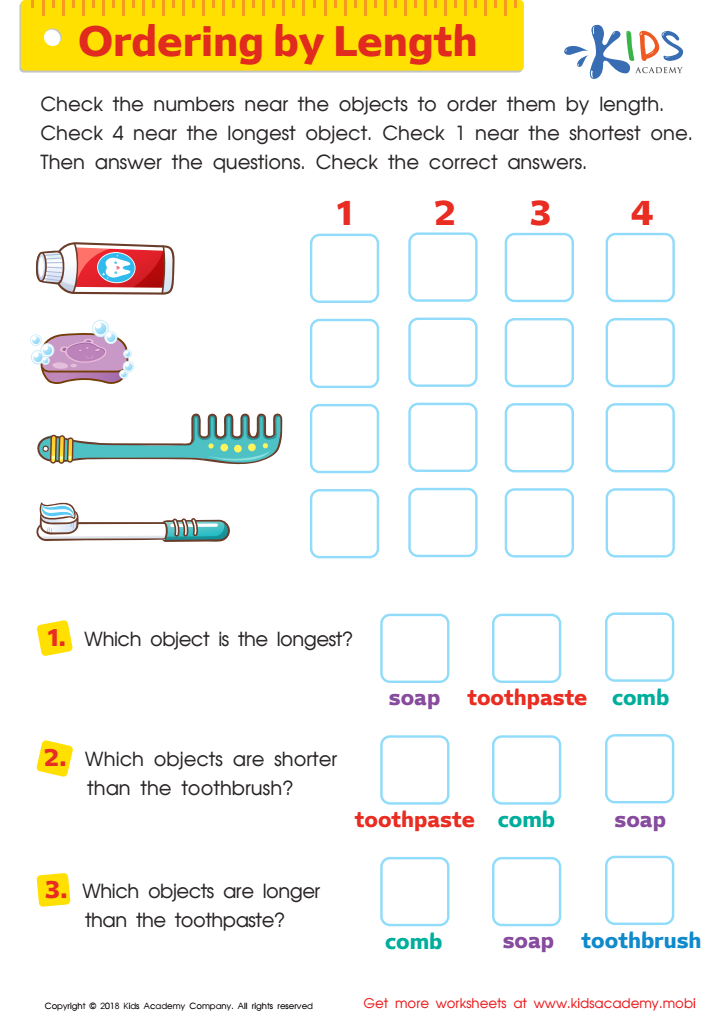
Ordering by Length Worksheet







Visual perception math involves understanding mathematical concepts through visual means, such as patterns, spatial relationships, and visual representations of numbers and problems. Parents and teachers should prioritize this approach for multiple reasons:
-
Enhances Comprehension: Visual aids can make abstract math concepts more concrete, helping children grasp ideas they might find challenging through numbers and formulas alone.
-
Builds Foundational Skills: Early exposure to visual perception in math supports the development of critical thinking and problem-solving skills. Kids learn to recognize patterns, make predictions, and understand spatial relationships—all vital for advanced math and daily life.
-
Engages Different Learning Styles: Visual perception math caters to visual learners who might struggle with traditional, auditory-sequential methods. By integrating visuals, teachers and parents can reach a broader range of students.
-
Encourages Creativity: Visual methods often allow for more creativity and exploration. Students can manipulate objects, draw, and see the immediate effects of their problem-solving, making math more enjoyable and less intimidating.
-
Boosts Confidence: Successfully solving problems through visual means can build a child's confidence. As they see the direct outcomes of their thinking, they become more willing to tackle mathematical challenges.
Incorporating visual perception into math education is crucial for building a well-rounded understanding, catering to diverse learners, and fostering a love for mathematics.








