Visual representation comprehension Math Worksheets
8 filtered results
-
From - To
Enhance your child's math skills with our Visual Representation Comprehension Math Worksheets! Designed for early learners, these worksheets foster critical thinking by integrating visual elements to simplify complex concepts. Students engage with diagrams, charts, and illustrations that make mathematical ideas more accessible and enjoyable. By working through these exercises, children will develop strong visual processing skills and improve their ability to interpret data and solve problems creatively. Our resources support diverse learning styles and are perfect for both in-class and at-home learning. Let your child explore the world of math through captivating visuals that promote deeper understanding and retention.
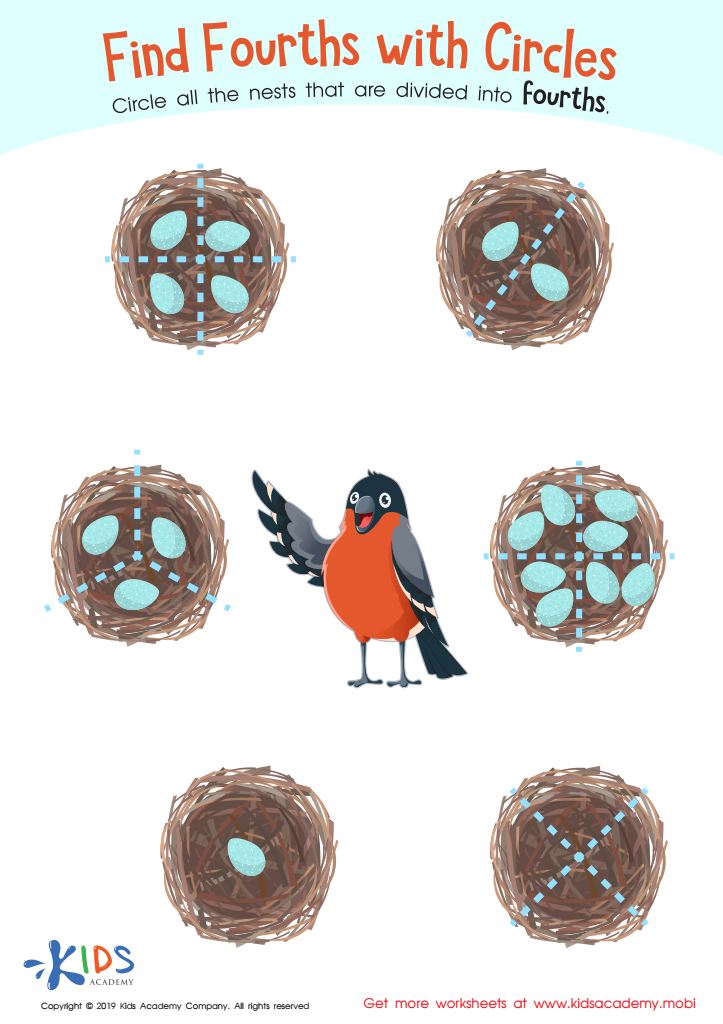
Find Fourths Circles Worksheet
 Assign to My Students
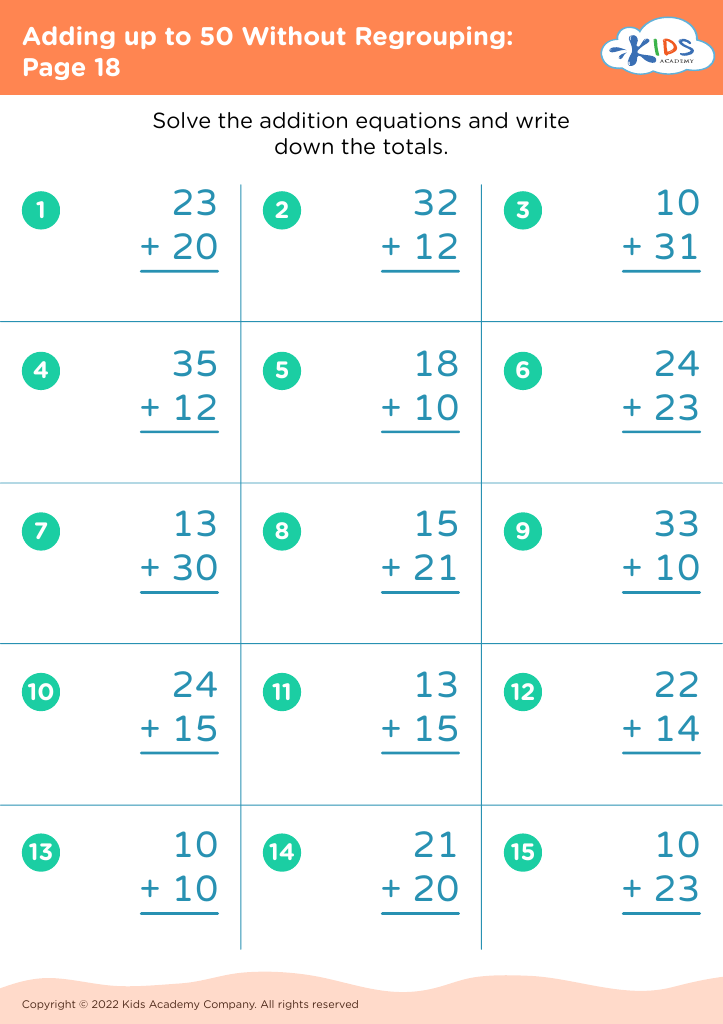
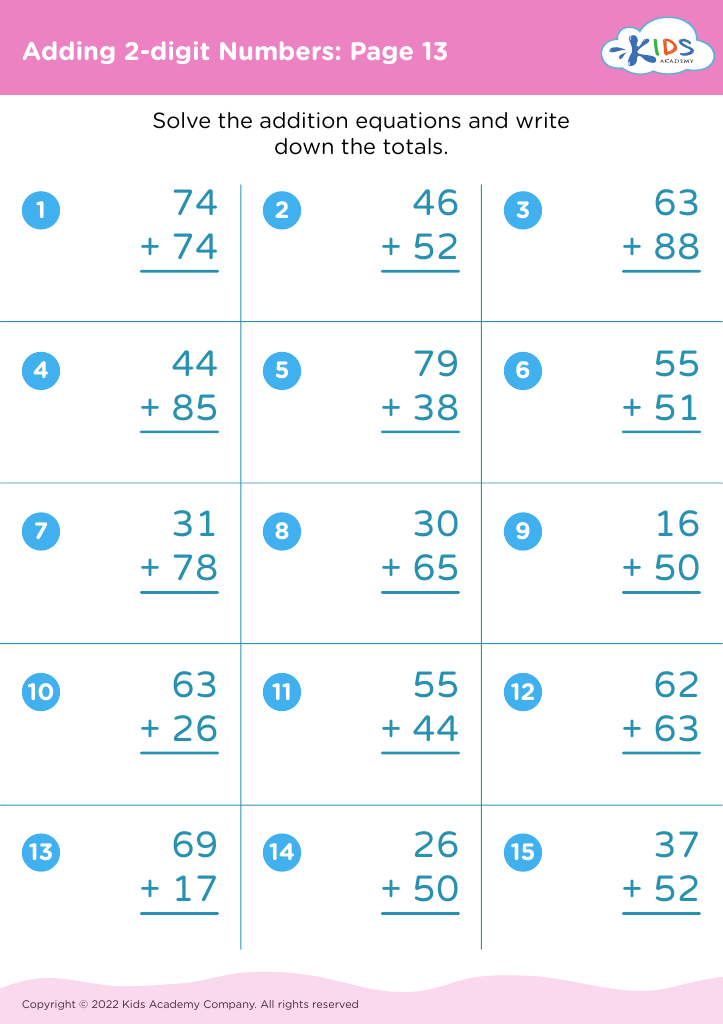
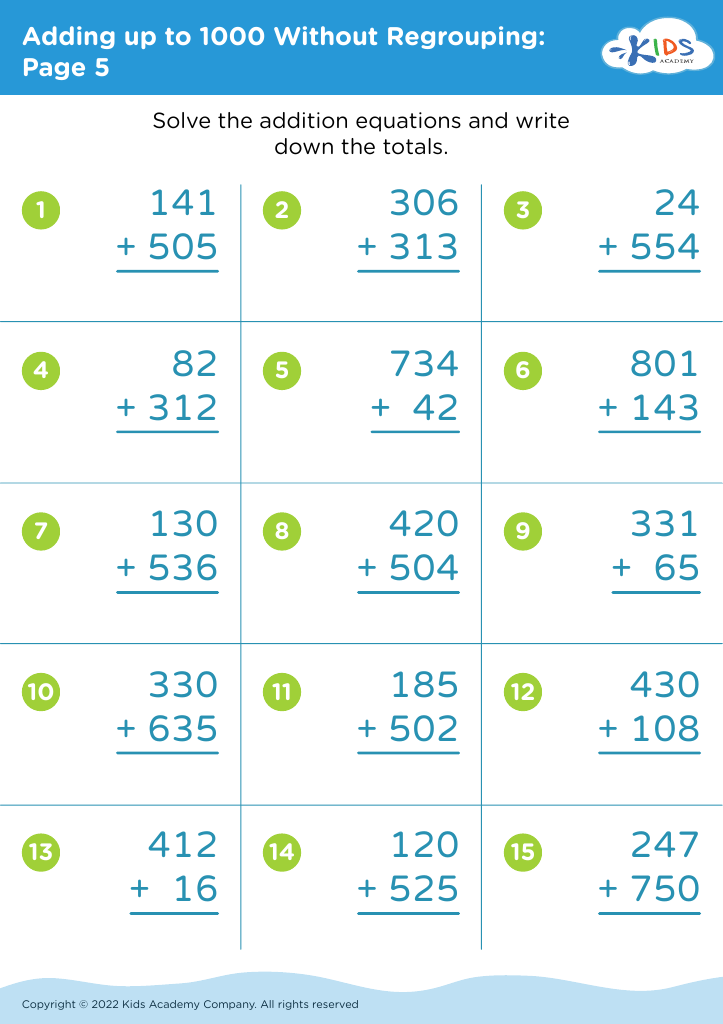
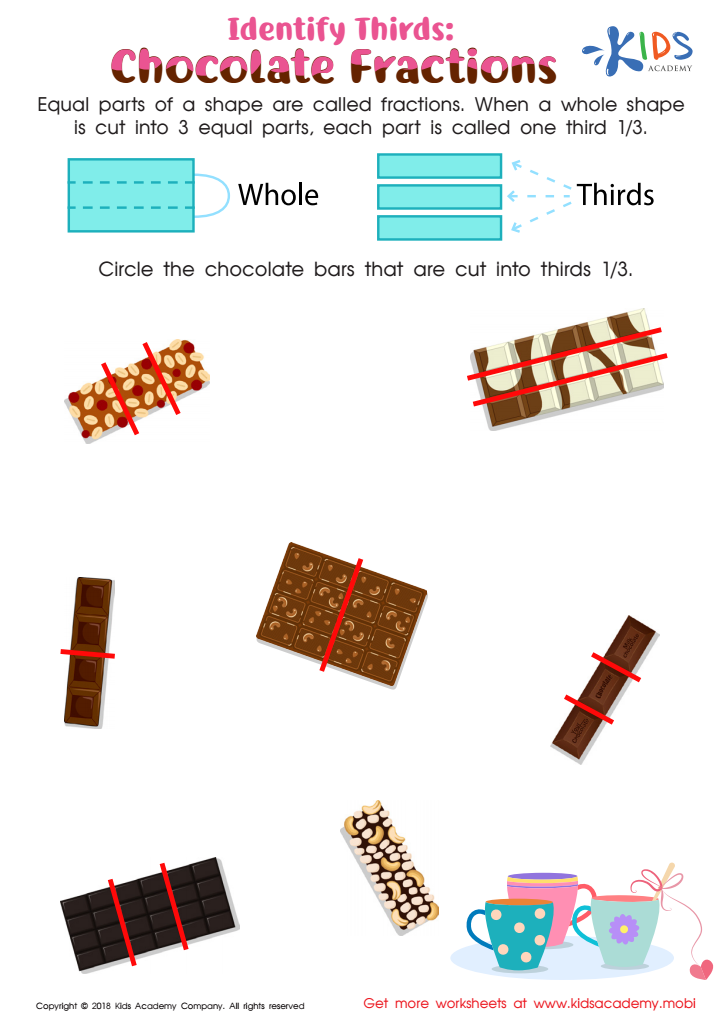
Identify Thirds: Chocolate Fractions Worksheet
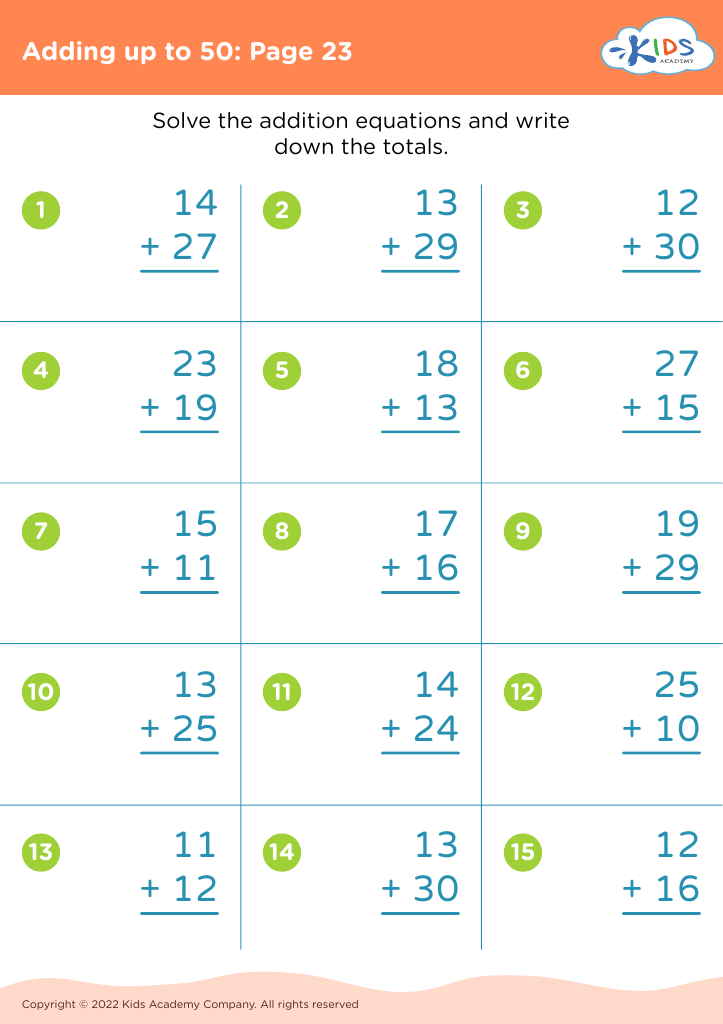
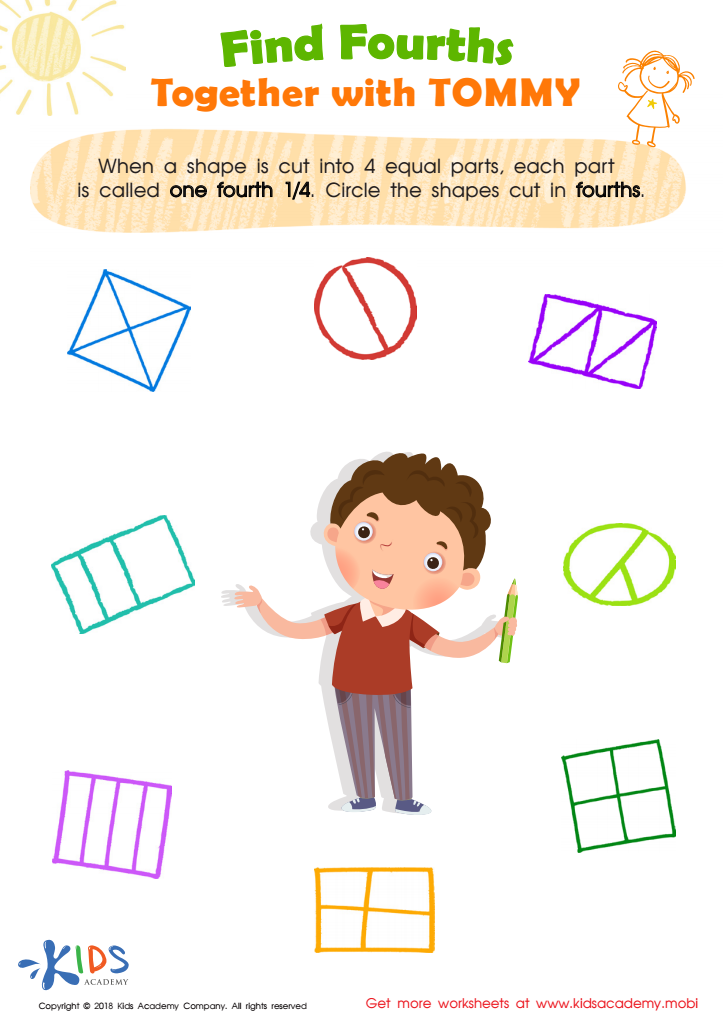
Find Fourths Together with Tommy Worksheet
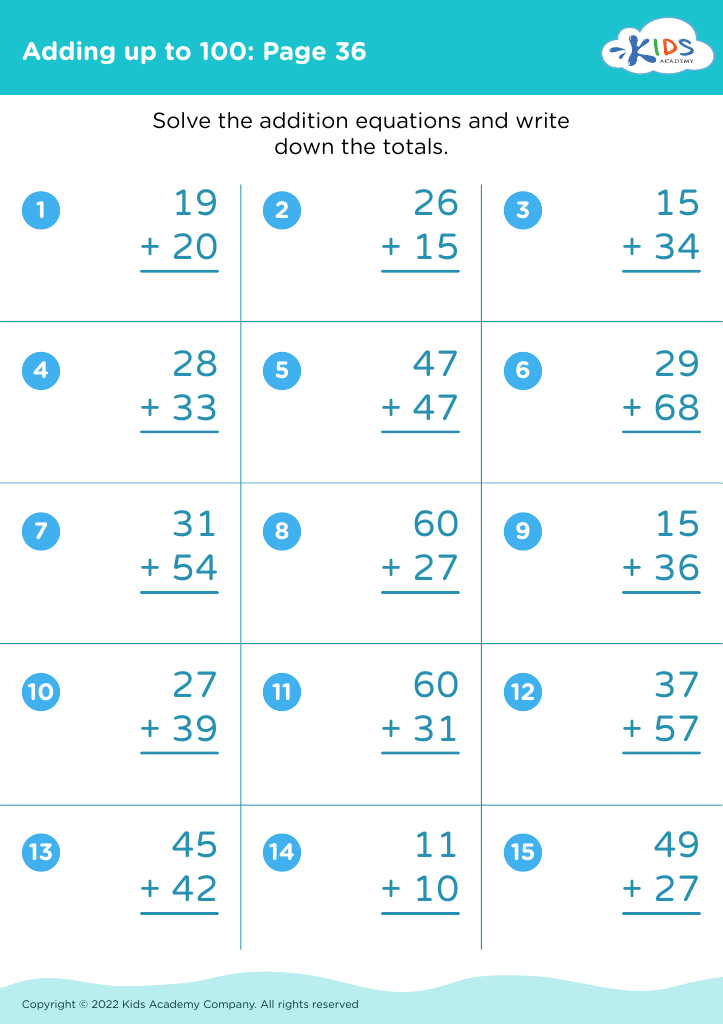







Visual representation comprehension in math is essential for young learners, as it fosters a deeper understanding of mathematical concepts. Parents and teachers should prioritize this skill because it helps children visualize problems, making abstract ideas more concrete. When students can represent math visually, they are more likely to grasp difficult concepts like addition, subtraction, multiplication, and division.
Visual representations, such as graphs, charts, and manipulatives, aid in problem-solving and critical thinking. They allow children to explore relationships between numbers and apply their knowledge in varying contexts. This approach not only enhances comprehension but also encourages creativity and independent thinking. Moreover, visual learners benefit greatly from strategies that incorporate these representations, enabling them to engage more fully in the learning process.
Additionally, fostering visual representation skills can bridge the gap for students who struggle with traditional math methods, promoting inclusivity in the classroom. It prepares them for higher-level math and real-world applications, building a strong foundation for future learning. By emphasizing visual comprehension, parents and teachers can cultivate a positive attitude towards math, helping children develop confidence and resilience in facing mathematical challenges. Ultimately, this approach nurtures a generation of proficient problem solvers and lifelong learners.








