Fine Motor Skills Numbers 0–10 Worksheets
48 filtered results
-
From - To
Discover targeted "Fine Motor Skills Numbers 0–10 Worksheets," expertly crafted to boost early childhood development. Designed for young learners, these printables combine number recognition with fine motor skill exercises, fostering mathematical foundations and pencil control. Perfect for preschoolers and kindergarteners, each worksheet features engaging activities, including tracing, coloring, and counting. These resources not only enhance numeracy skills but also improve hand-eye coordination and dexterity. Ideal for home or classroom use, our fun and educational worksheets are an essential tool for nurturing confident, capable young mathematicians. Equip your child for success with our invaluable fine motor skills worksheets.
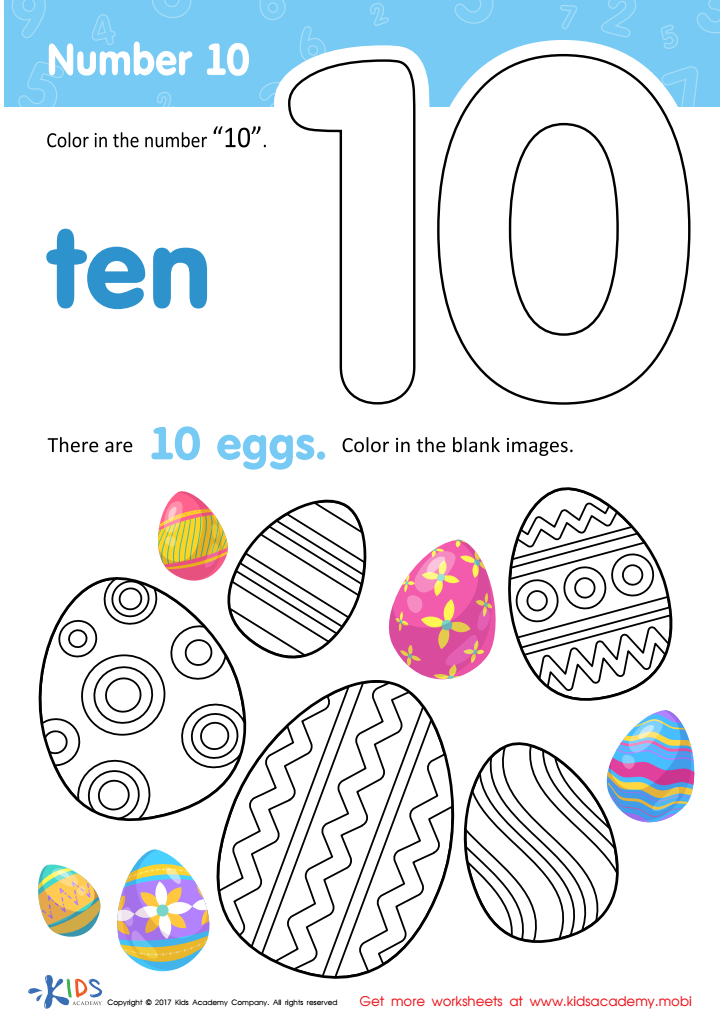
Number 10 Printable
 Assign to My Students
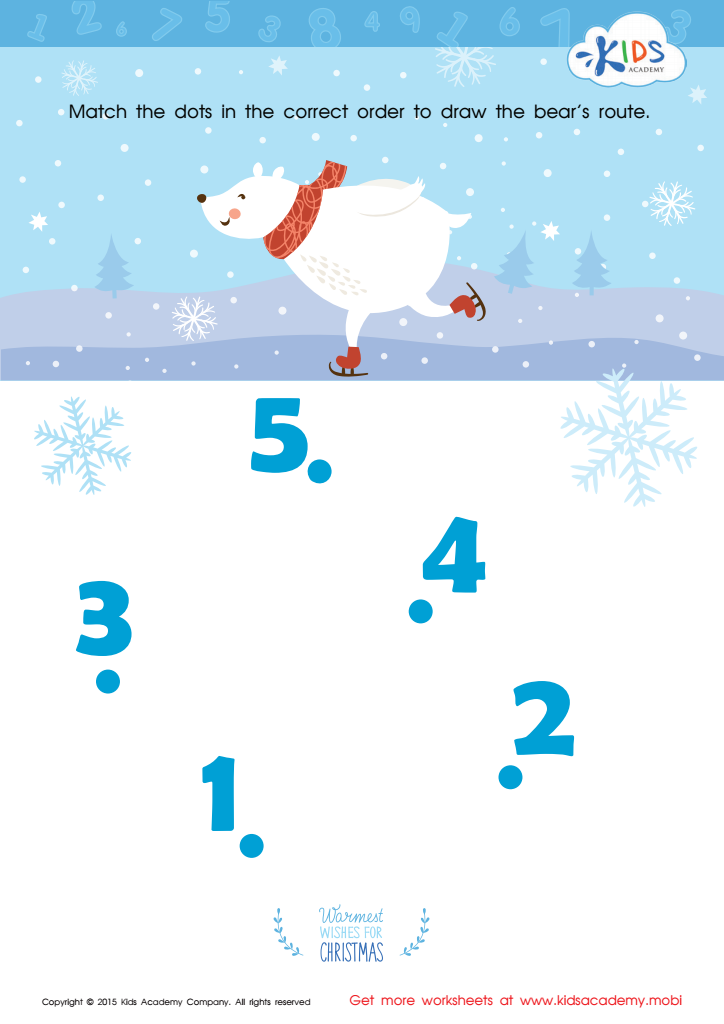
Drawing the Bear's Route by Number Worksheet
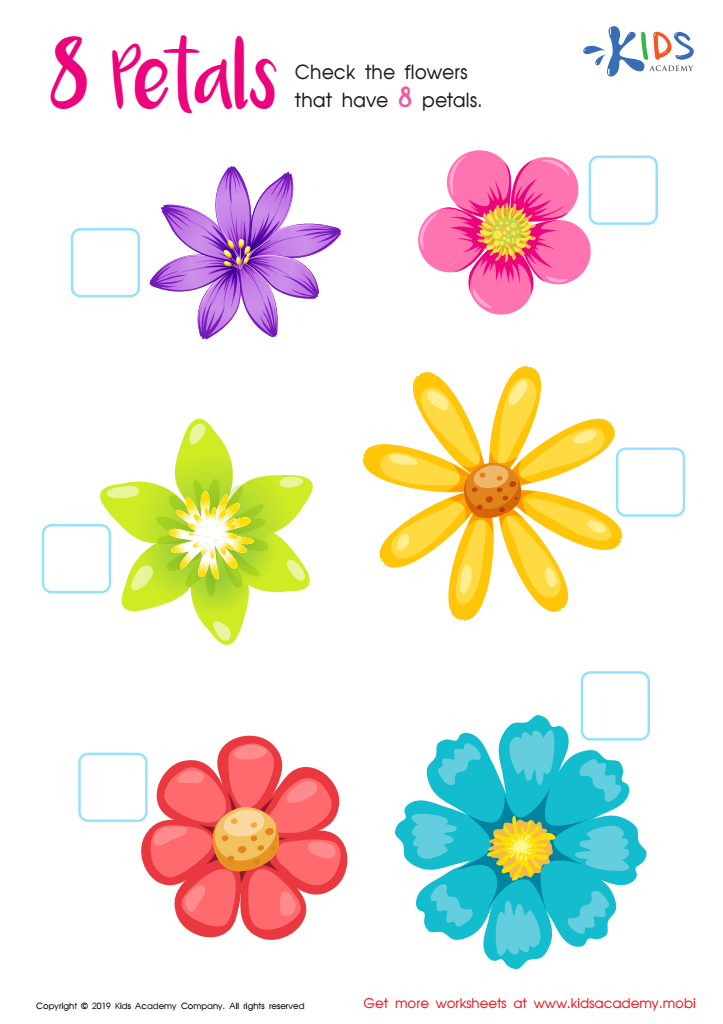
8 Petals Worksheet
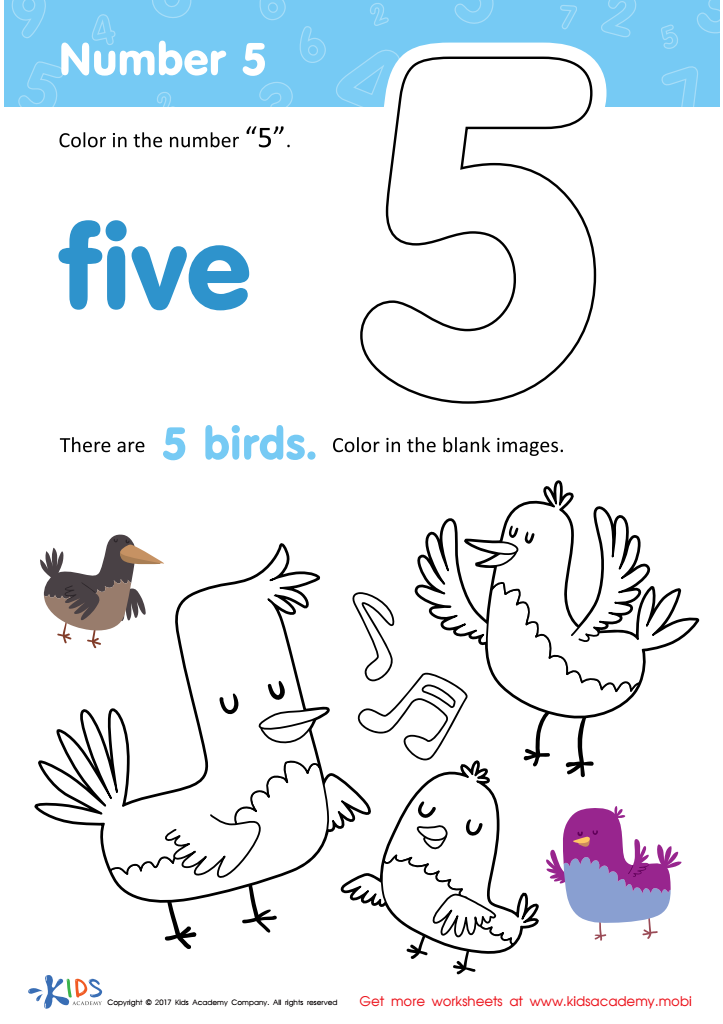
Number 5 Printable
Assign to My Students
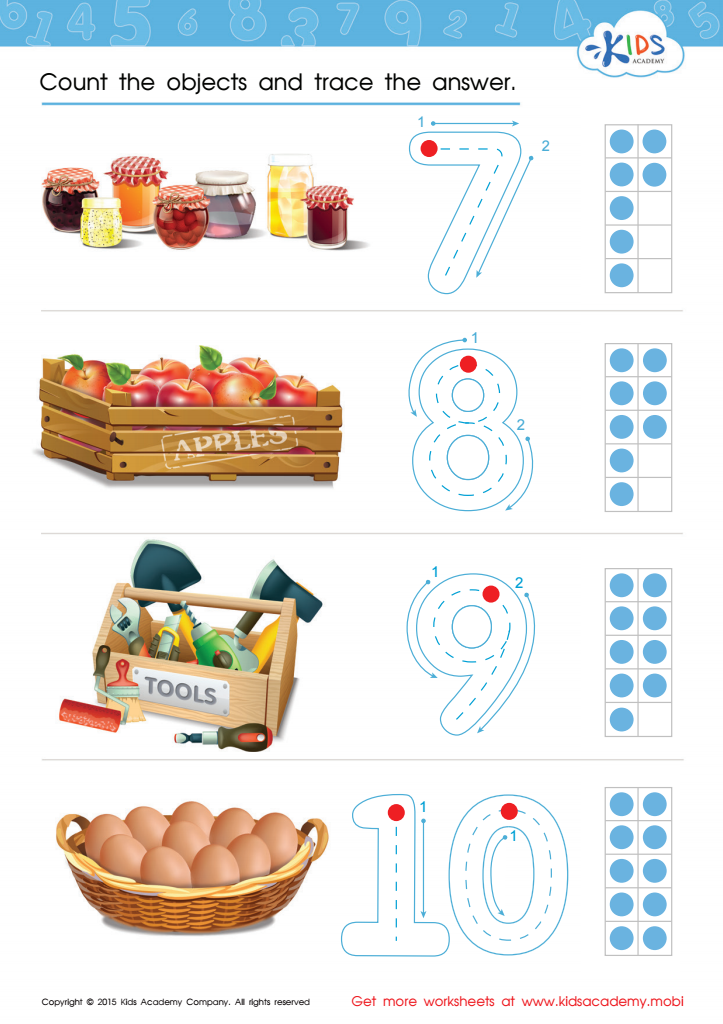
Count and Trace 7 – 10 Worksheet
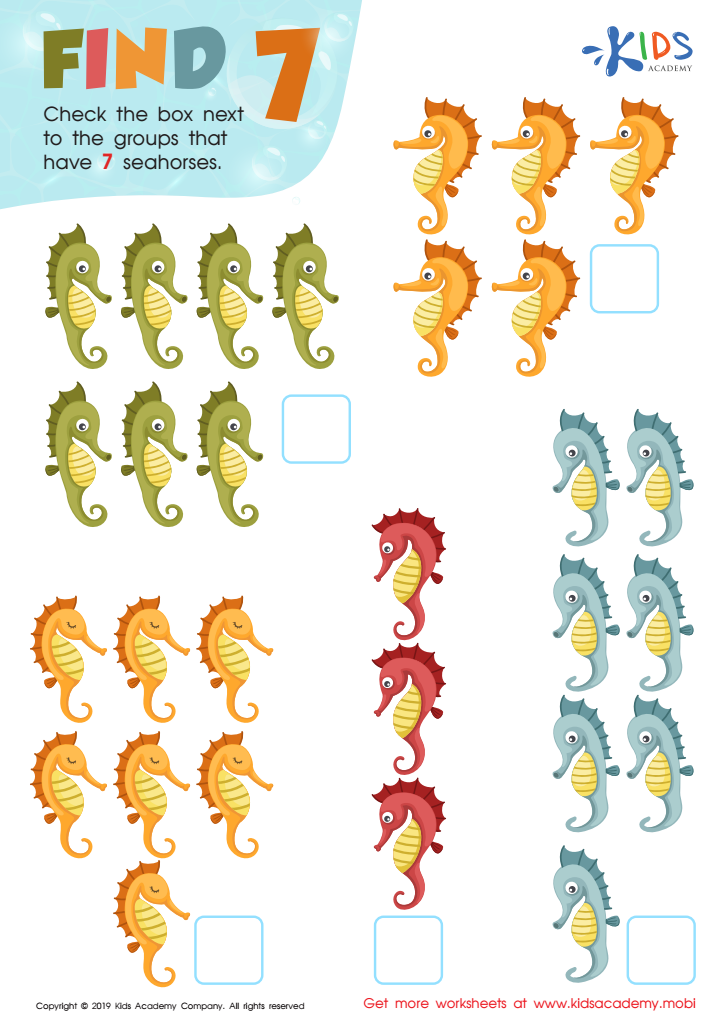
Find 7 Worksheet
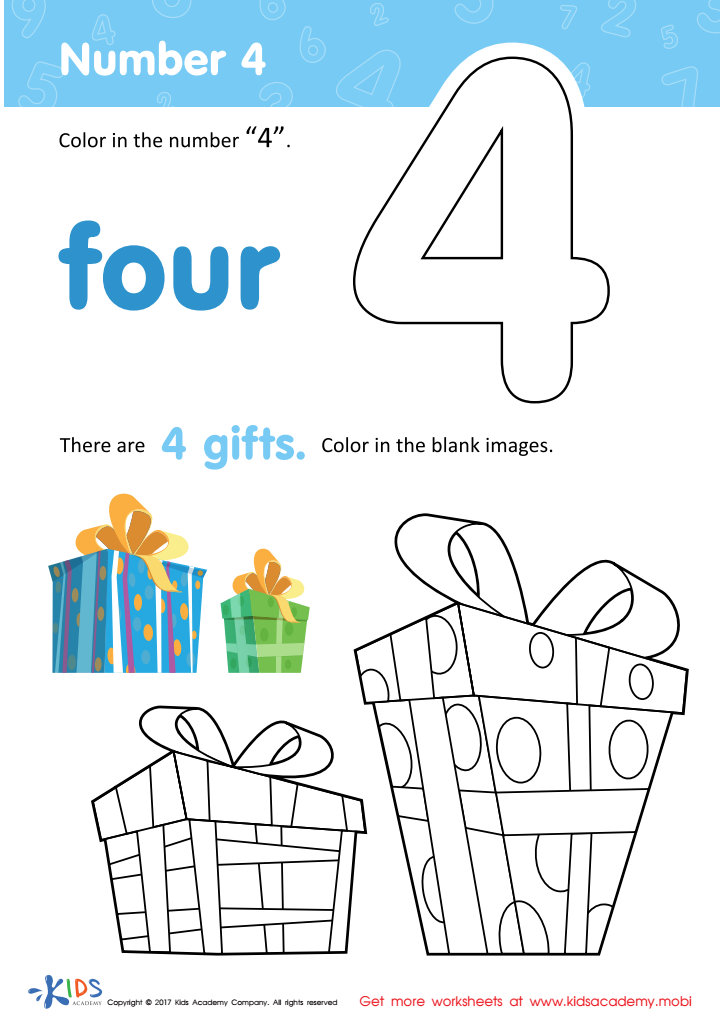
Number 4 Printable
Assign to My Students
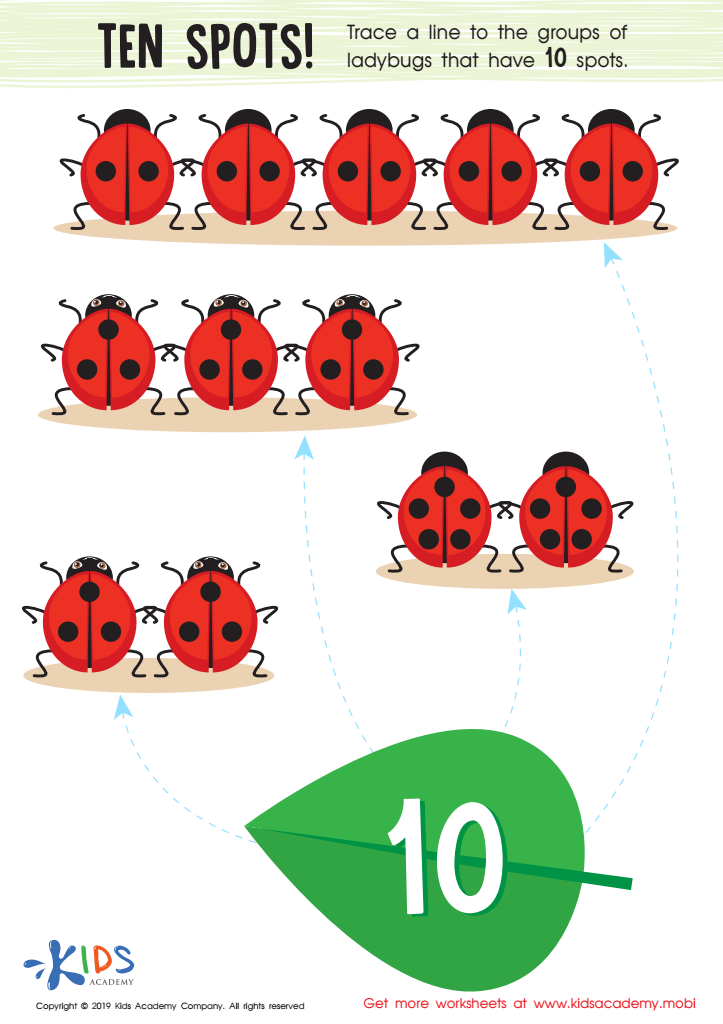
Ten Spots Worksheet
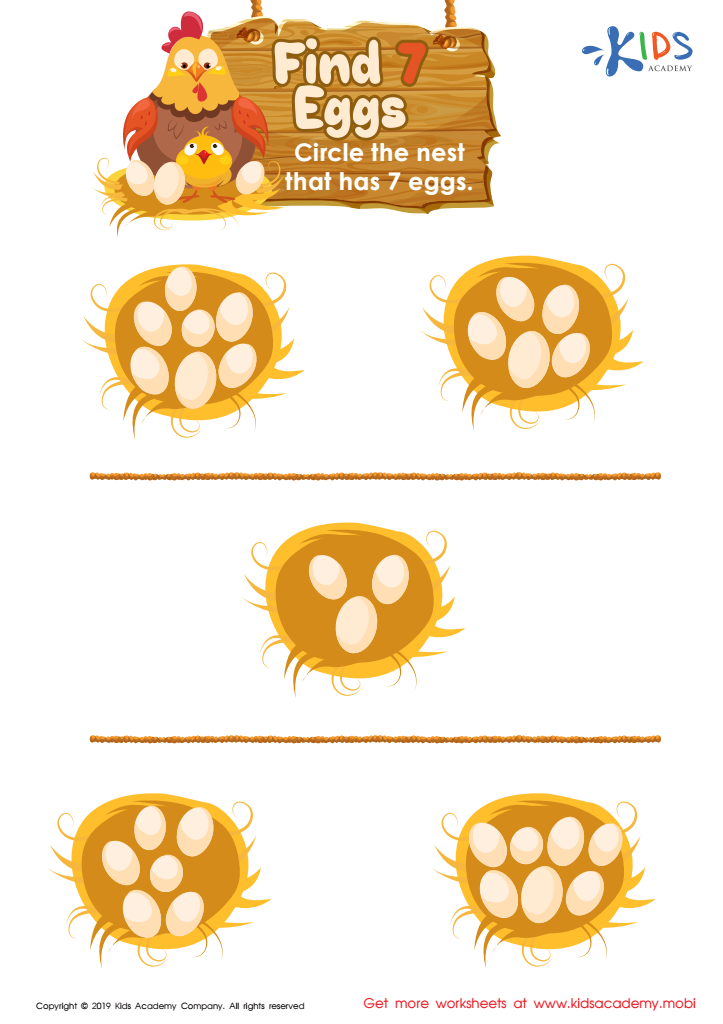
Find 7 Eggs Worksheet
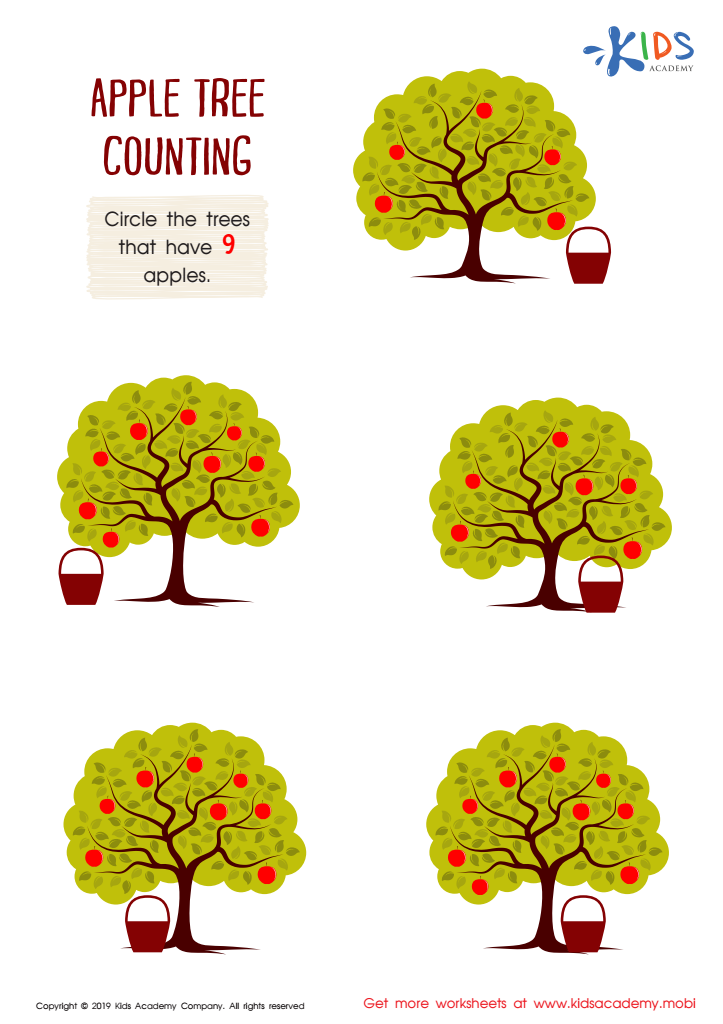
Apple Tree Counting Worksheet
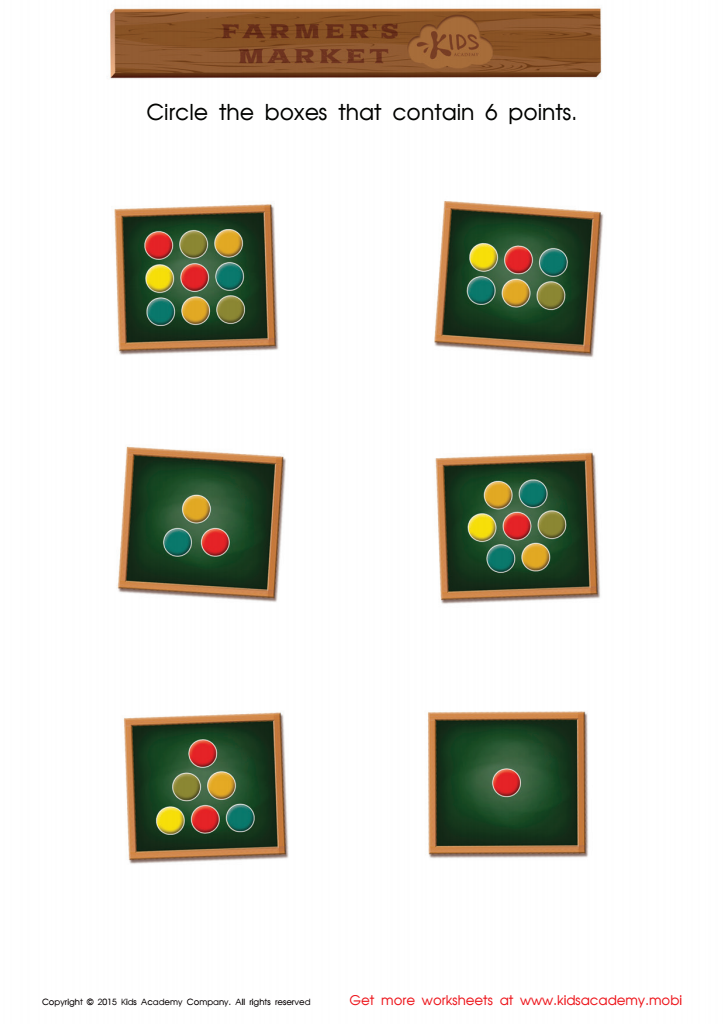
Count and Match Points 6 Math Worksheet
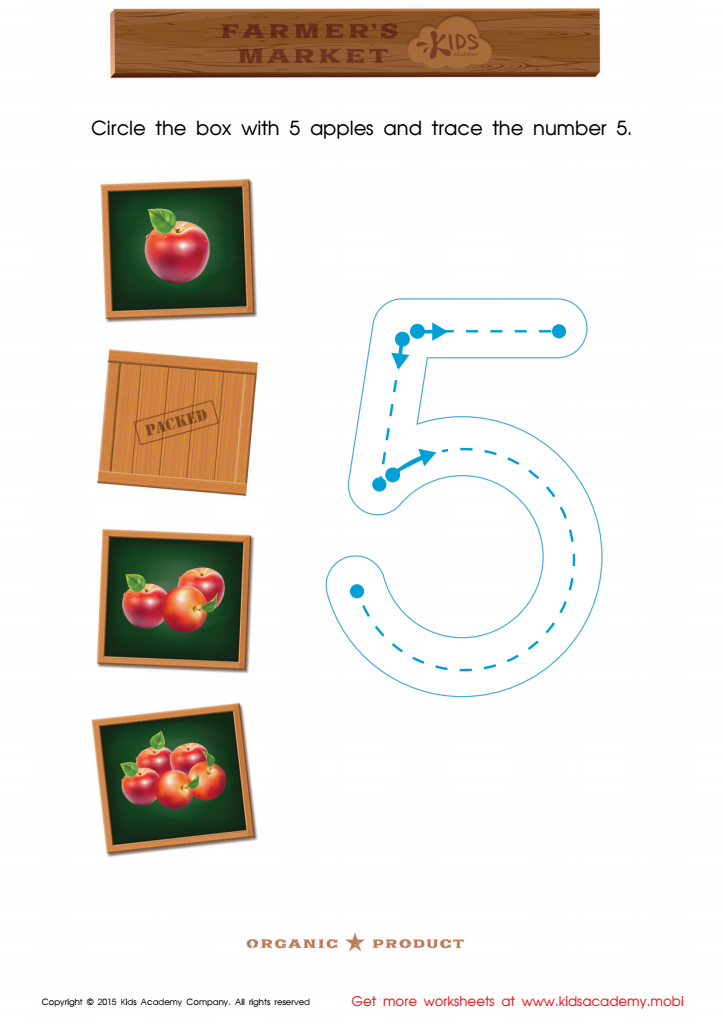
Count the Apples and Trace the Number 5 Printable
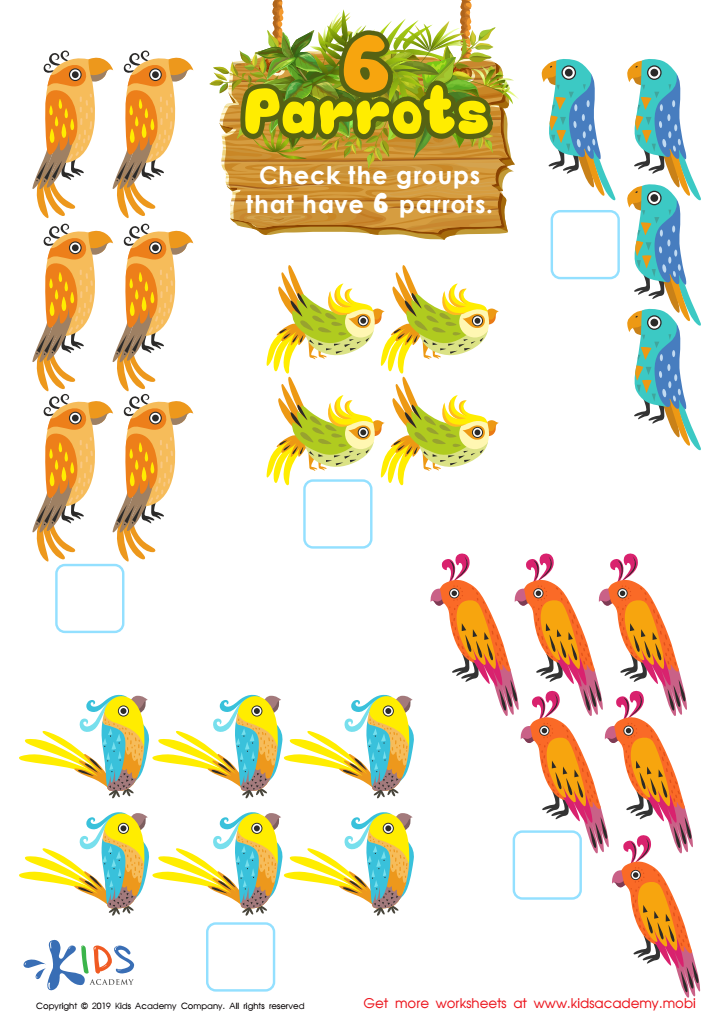
6 Parrots Worksheet
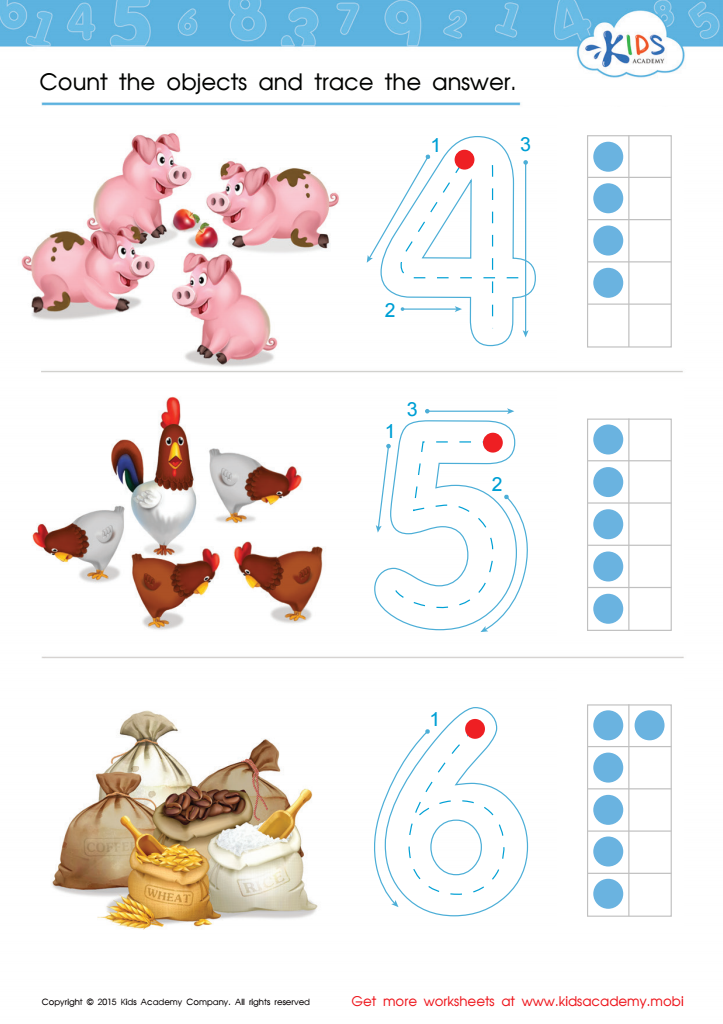
Count and Trace 4 – 6 Worksheet
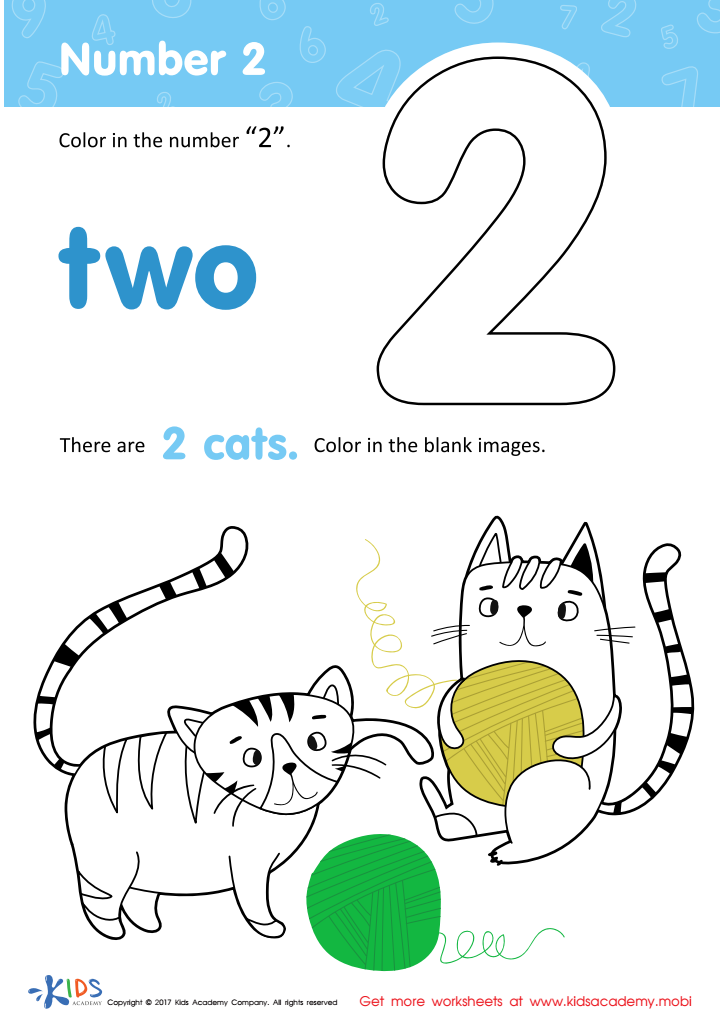
Number 2 Printable
Assign to My Students
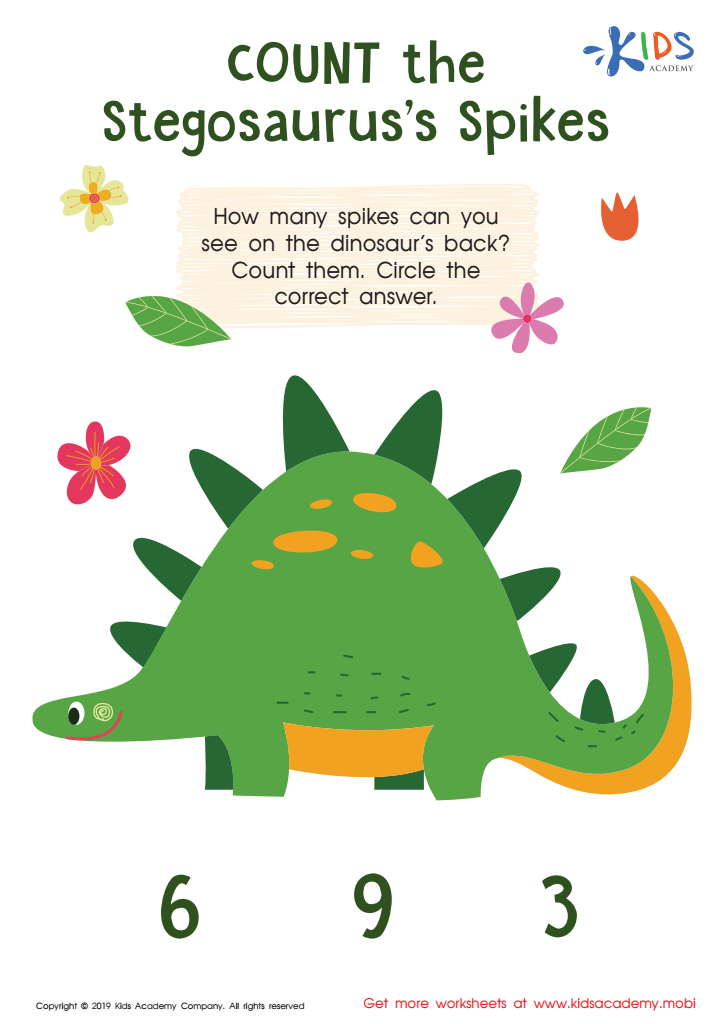
Count the Stegosaurus's Spikes Worksheet
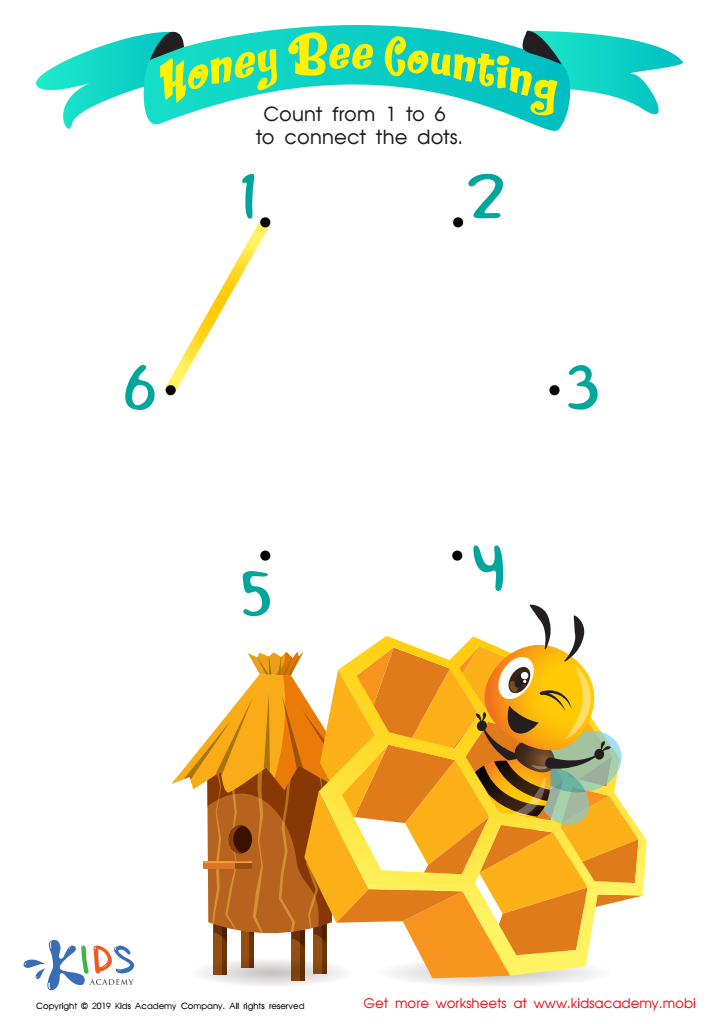
Honey Bee Counting Worksheet
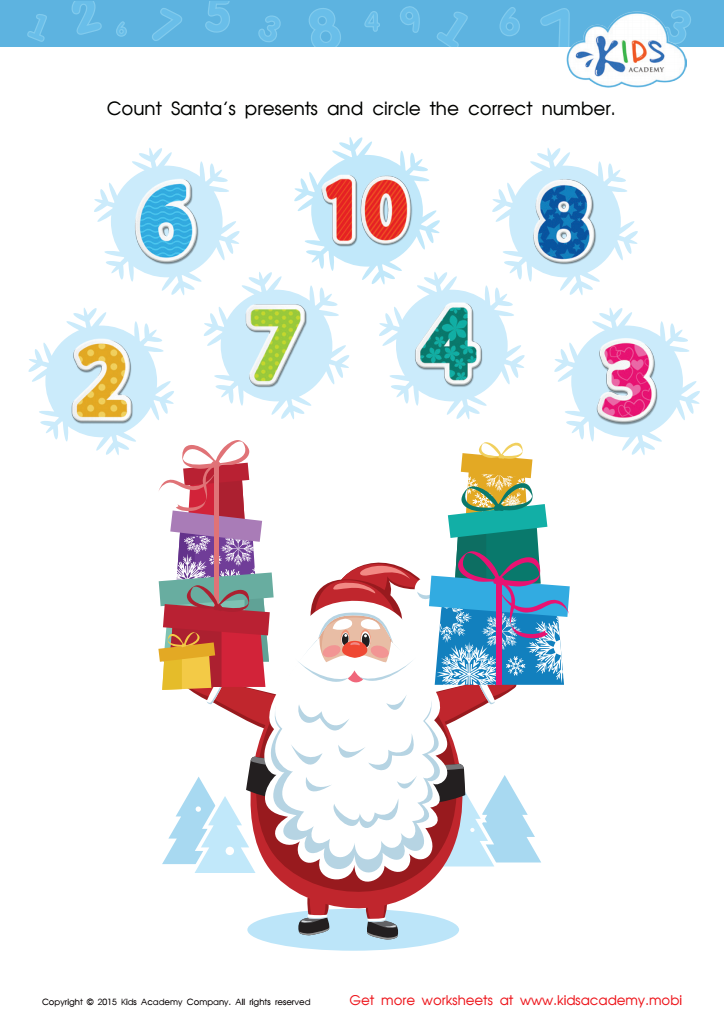
Count Santa's Presents Worksheet
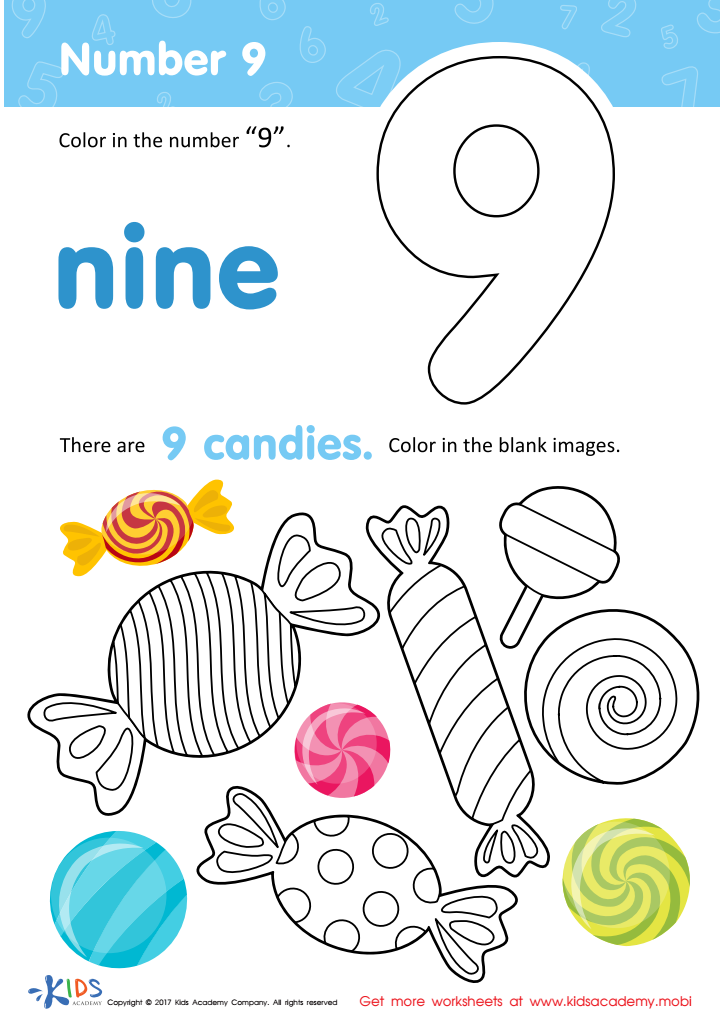
Number 9 Printable
Assign to My Students
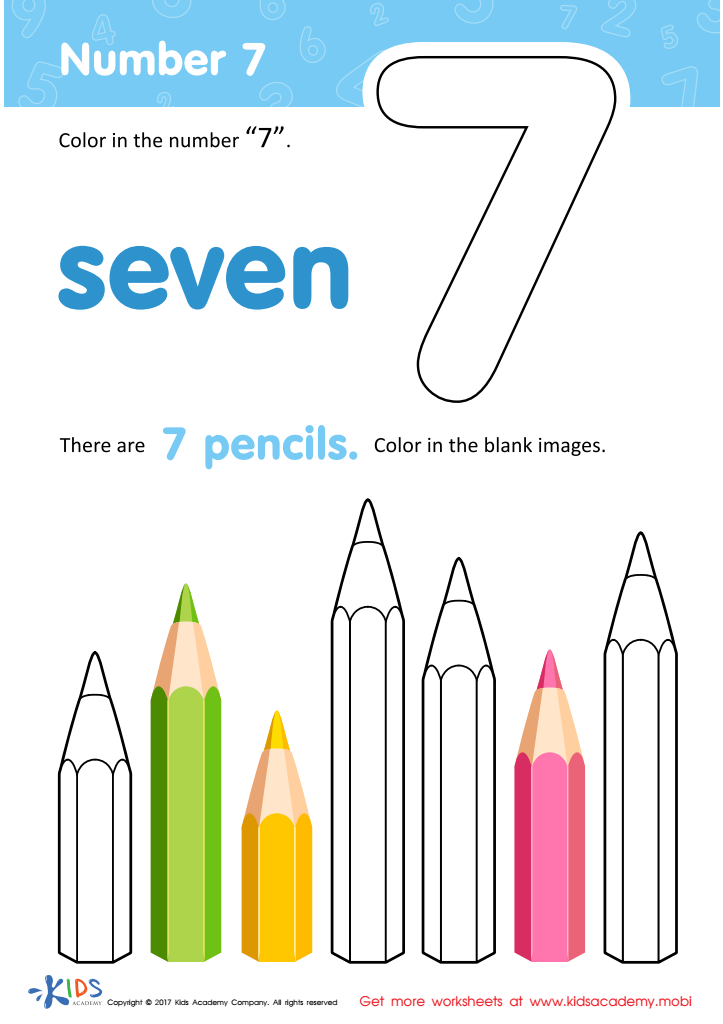
Number 7 Worksheet
Assign to My Students
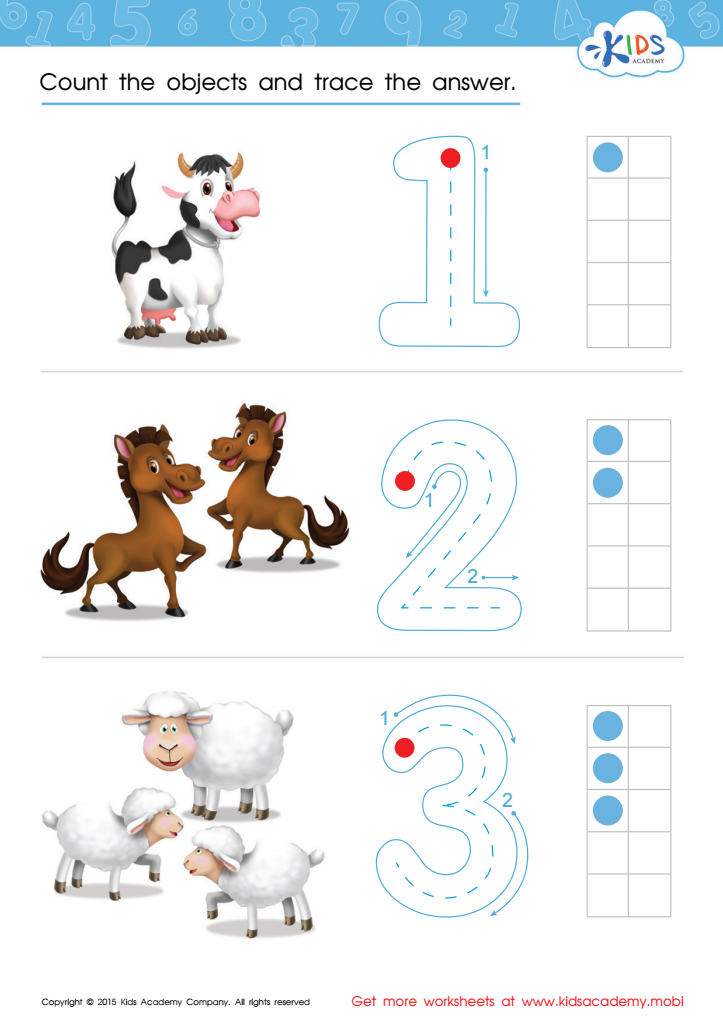
Count and Trace 1 – 3 Worksheet
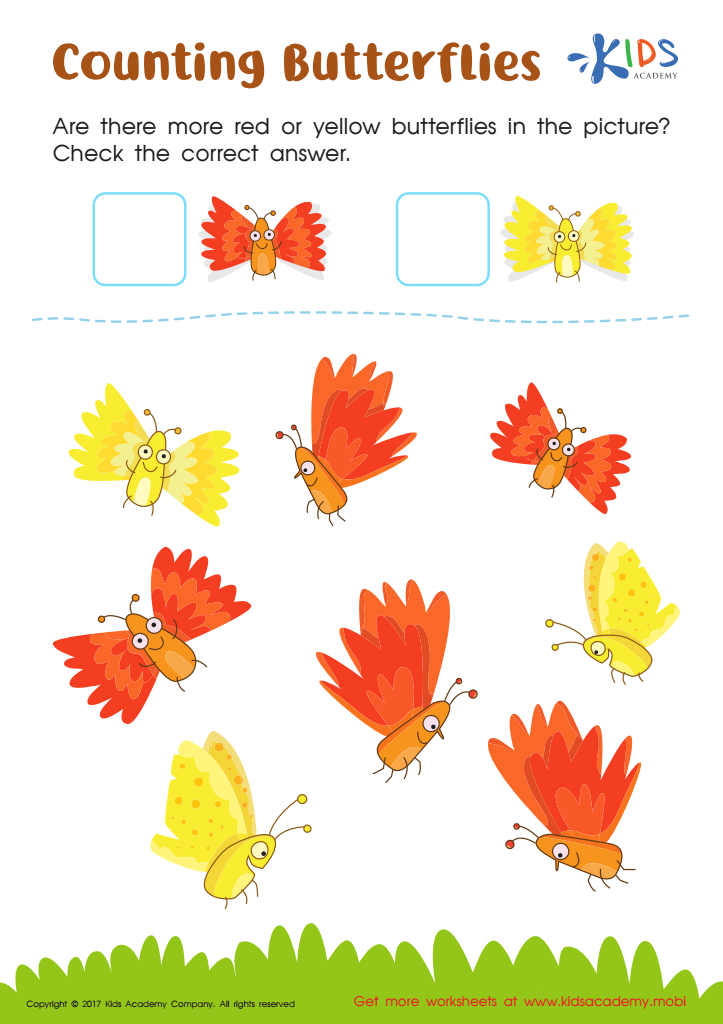
Counting Butterflies Worksheet
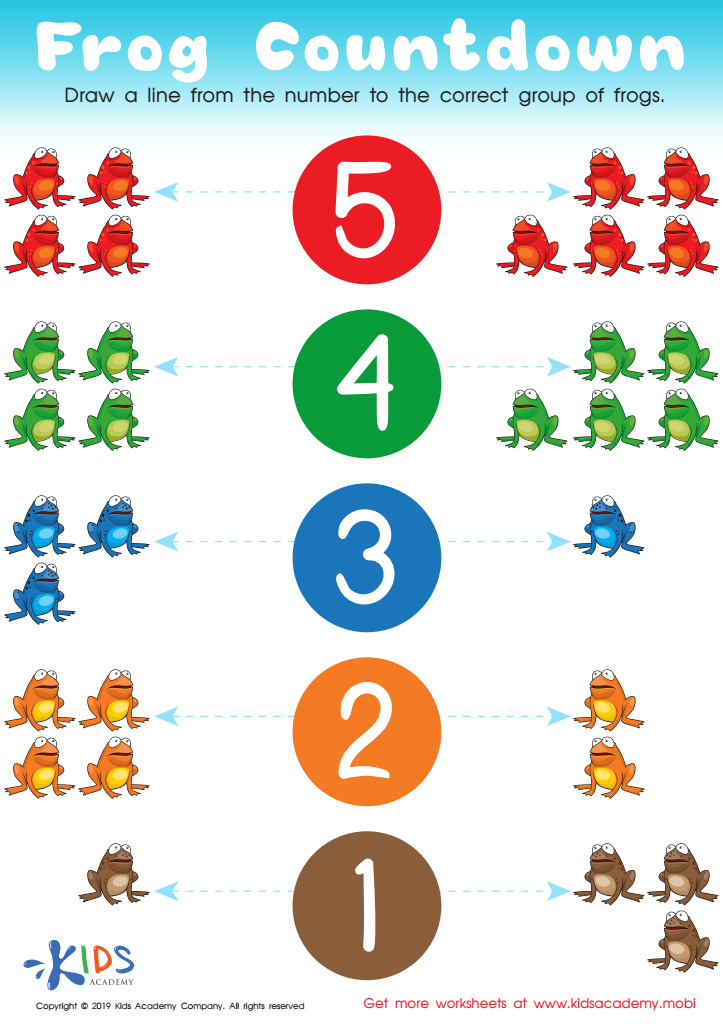
Frog Countdown Worksheet








Parents and teachers should care about fine motor skills for numbers 0–10 because these foundational skills directly impact a child's ability to succeed academically and beyond. Fine motor skills involve the coordination of small muscle movements in the hands and fingers, which are crucial for performing tasks such as writing, buttoning clothes, and using utensils. When children engage in activities like tracing, writing, or manipulating number cards, they develop hand-eye coordination, dexterity, and control. This sets the stage for efficient handwriting, enabling children to express their thoughts and ideas clearly and legibly.
Furthermore, fine motor skills are also closely tied to cognitive development. As children handle objects and understand the physical form of numbers 0–10, they strengthen their number sense, counting abilities, and spatial recognition. These early mathematical skills are crucial foundations for more complex concepts they will encounter in later years.
Ignoring the development of these skills may lead to difficulties in performing everyday tasks and hinder academic progress. Hence, integrating fine motor activities focused on numbers 0-10 not only equips children with essential physical abilities but also lays down the groundwork for a positive academic experience and lifelong learning. Recognizing the importance of these skills can help parents and teachers support a well-rounded developmental approach.