Letter tracing skills Normal Worksheets for Ages 3-4
6 filtered results
-
From - To
Enhance your child's early literacy skills with our Letter Tracing Skills Worksheets for ages 3-4! These engaging, fun, and developmentally appropriate worksheets help young learners develop their fine motor skills while familiarizing themselves with the alphabet. Each sheet features letter tracing exercises that encourage proper letter formation, promoting confidence and proficiency in writing. Designed to capture young children's interest, these activities support their cognitive development and prepare them for future academic success. Ideal for home or preschool use, our printable resources make learning enjoyable and effective. Start your child's journey to literacy today with our delightful letter tracing worksheets!
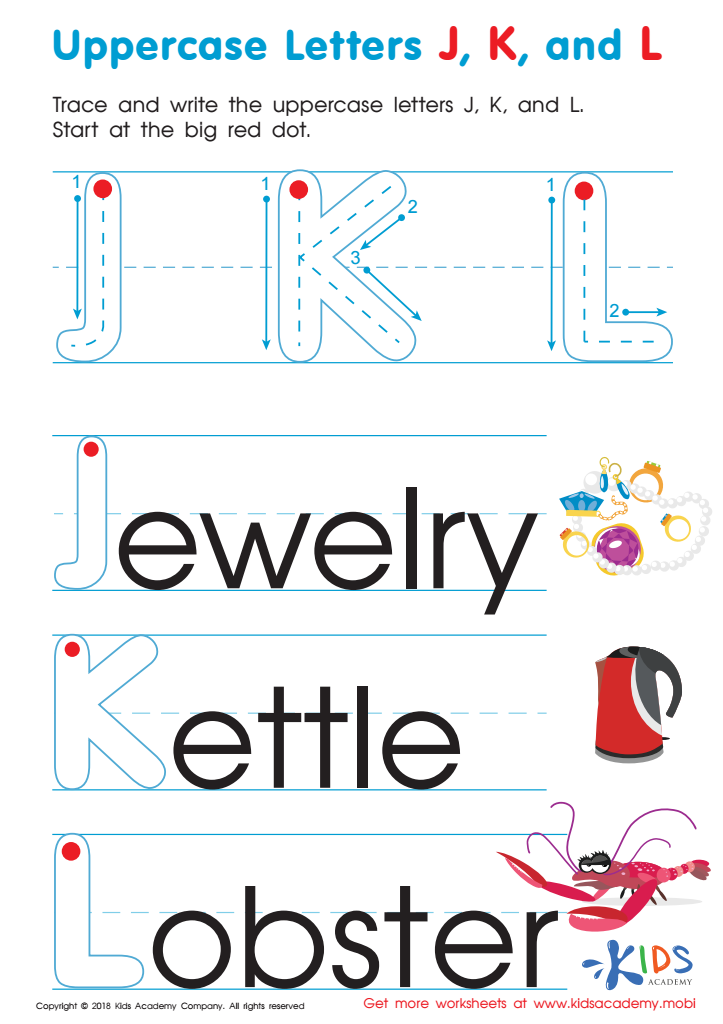
Uppercase Letters J, K, and L Worksheet
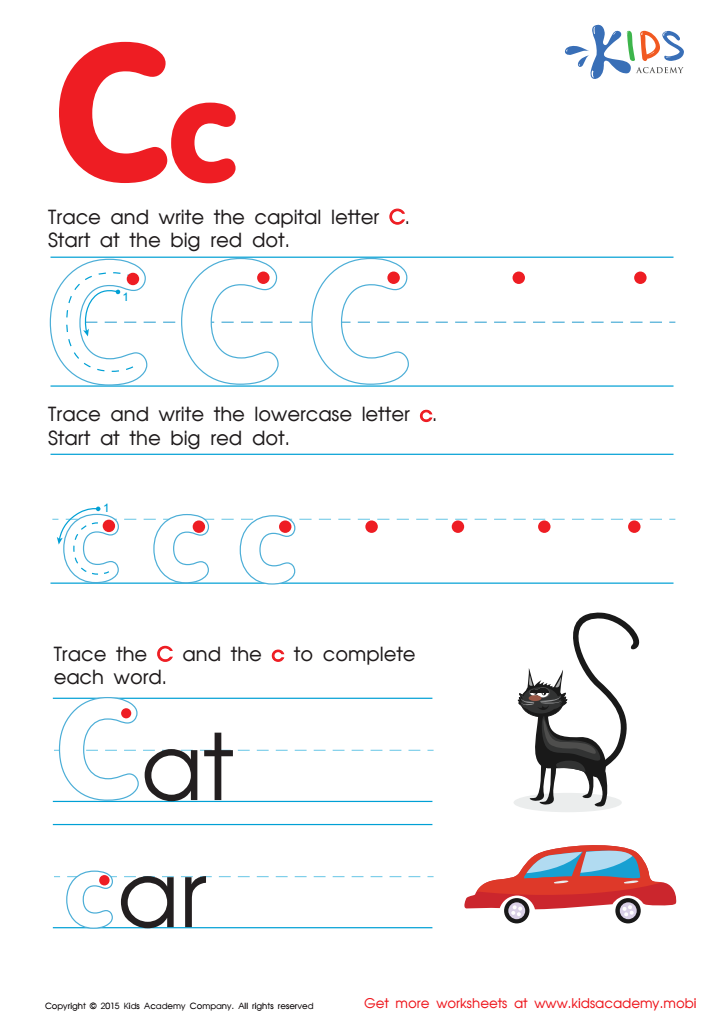
Letter C Tracing Page
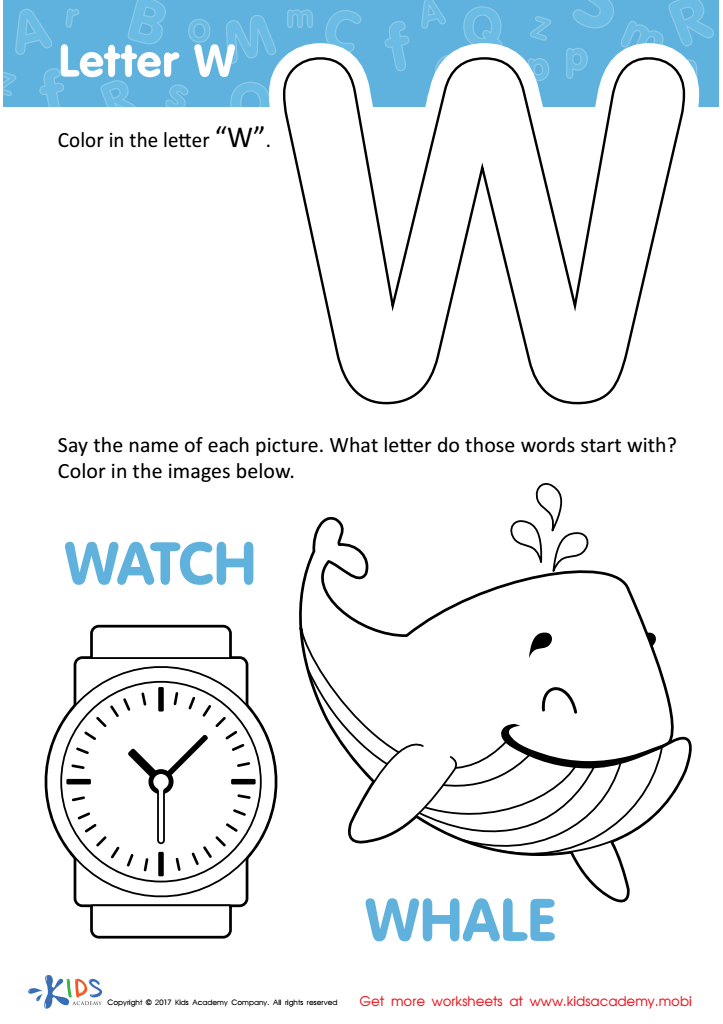
Letter W Coloring Sheet
 Assign to My Students
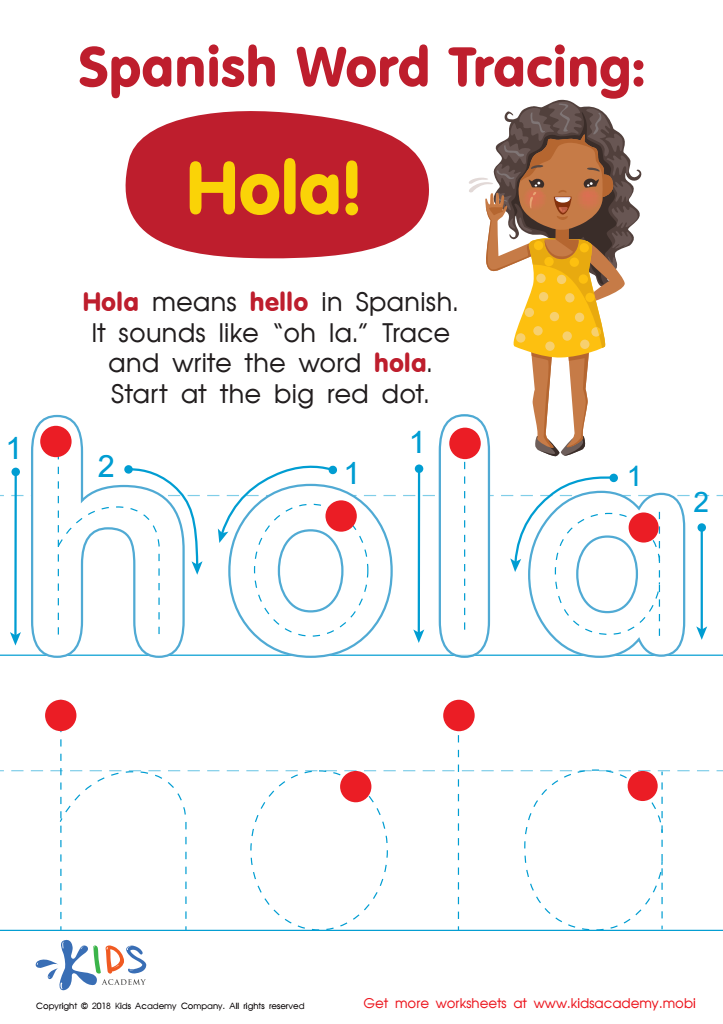
Spanish Word Tracing: Hola Worksheet
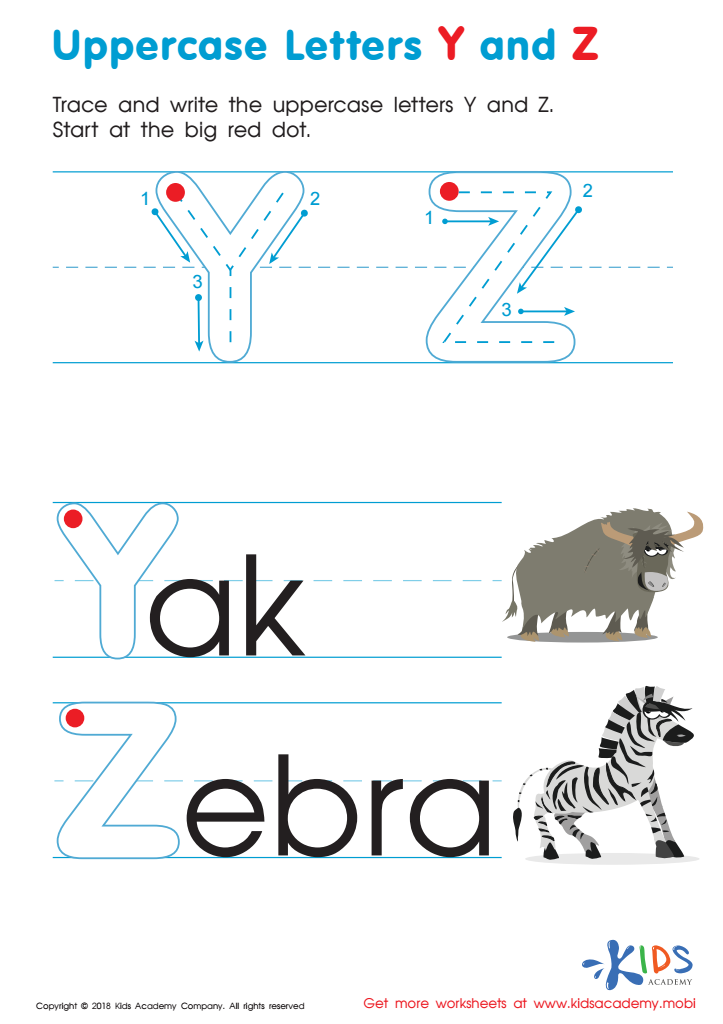
Uppercase Letters Y Z Worksheet
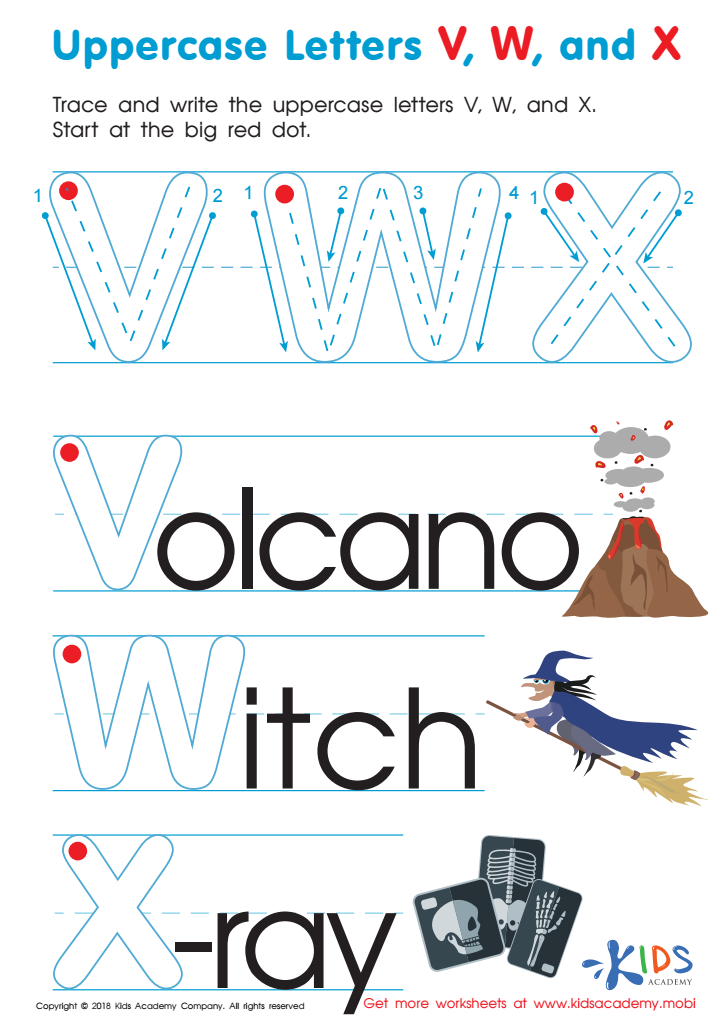
Uppercase Letters V, W, and X Worksheet








Letter tracing is a fundamental skill for children aged 3-4, forming an essential building block for literacy development. For parents and teachers, fostering these skills in early learners is crucial for several reasons.
Firstly, tracing helps children develop fine motor skills, as they learn to control their hand movements and grip. This coordination is vital for more advanced writing tasks as they progress. Secondly, it lays the groundwork for letter recognition and phonemic awareness, critical components in reading readiness.
Tracing letters also provides children with a tactile learning experience, making the acquisition of these skills more engaging and memorable. It intertwines sensory experiences with learning, enhancing cognitive connections.
Moreover, this practice can boost a child's confidence in their abilities. As they successfully trace letters, they receive immediate positive reinforcement, which encourages a love for learning and fosters a desire to explore further.
Ultimately, by focusing on letter tracing, parents and teachers are not just teaching letters; they are nurturing a well-rounded approach to literacy that supports cognitive, physical, and emotional development. Investing time in these skills today prepares children for future academic success and lifelong learning.








