Vocabulary development Normal Worksheets for Ages 3-4 - Page 2
29 filtered results
-
From - To
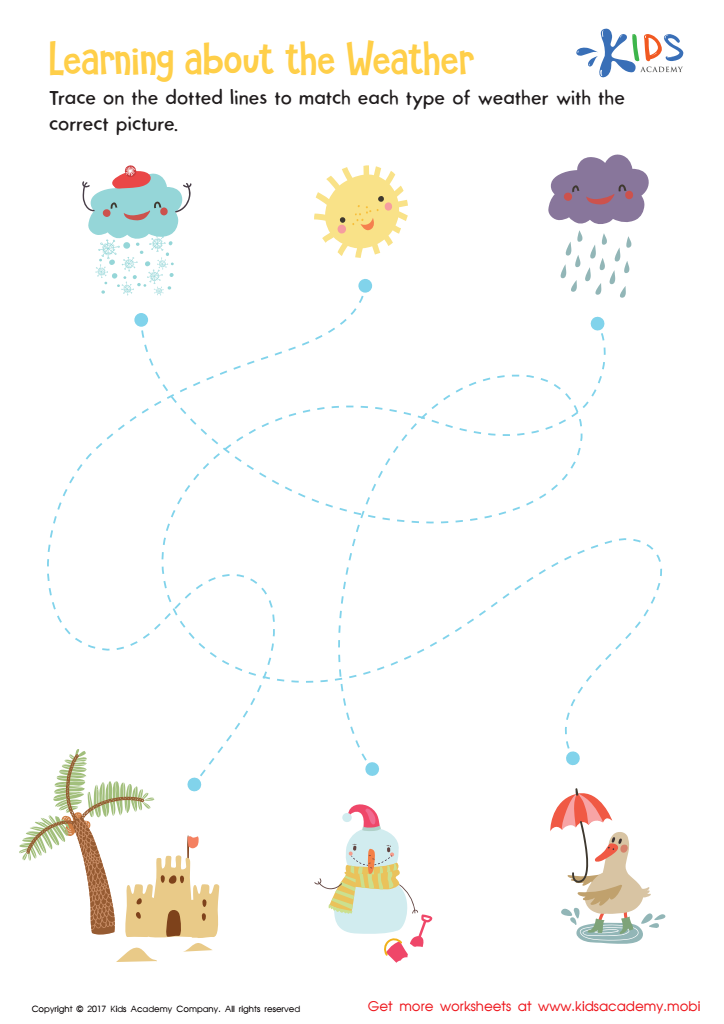
 Assign to My Students
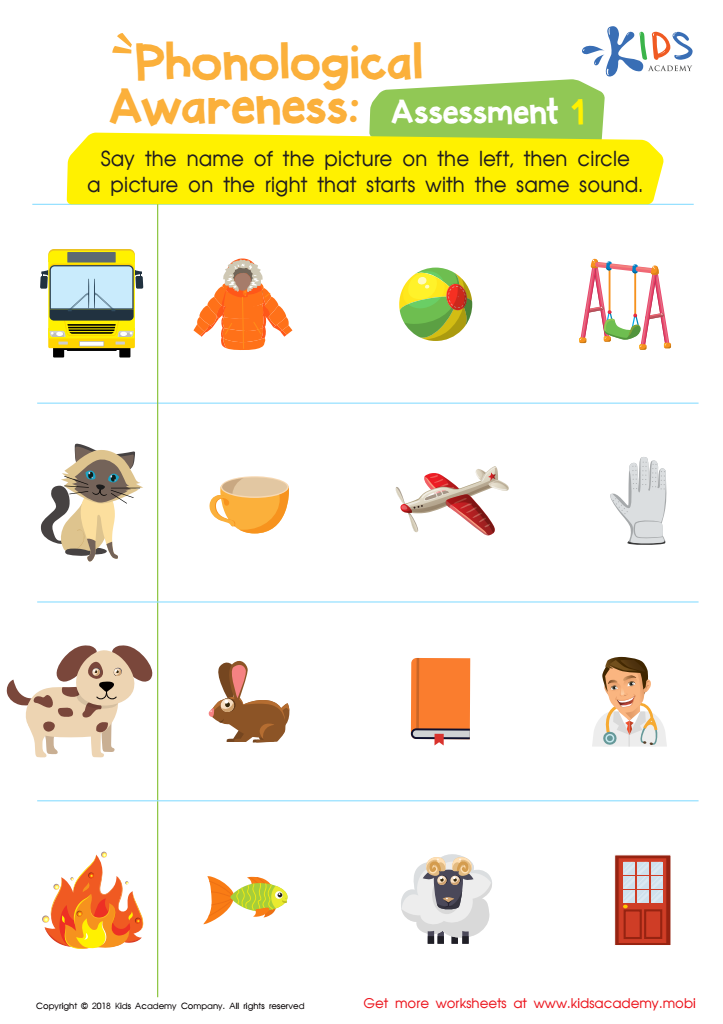
Phonological Awareness: Assessment 1 Worksheet
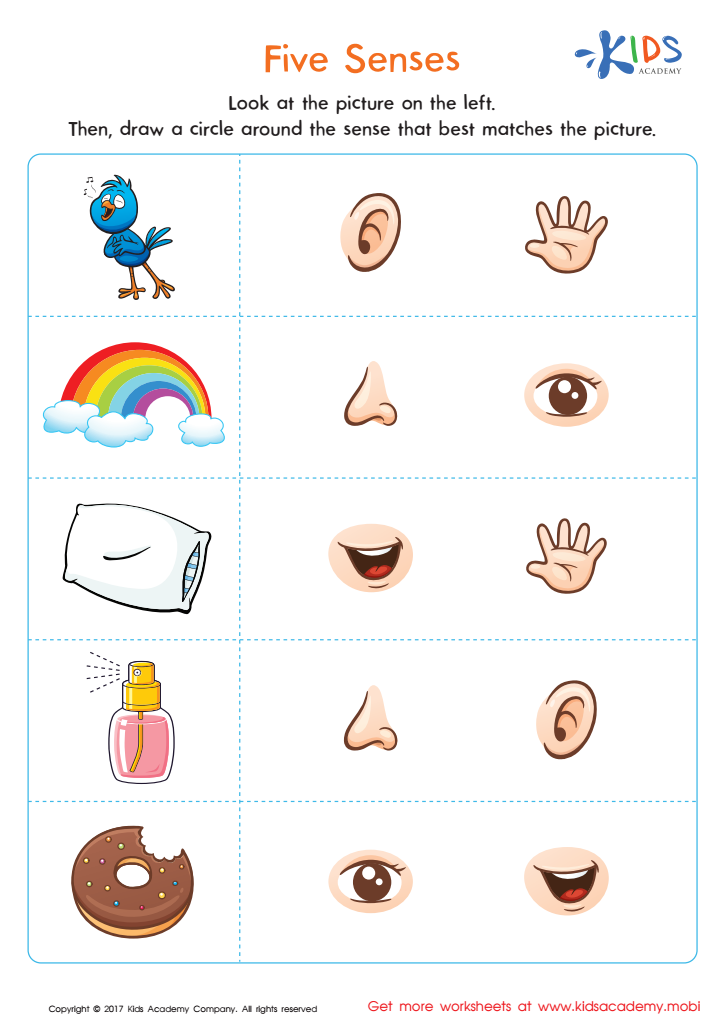
Five Senses Printable
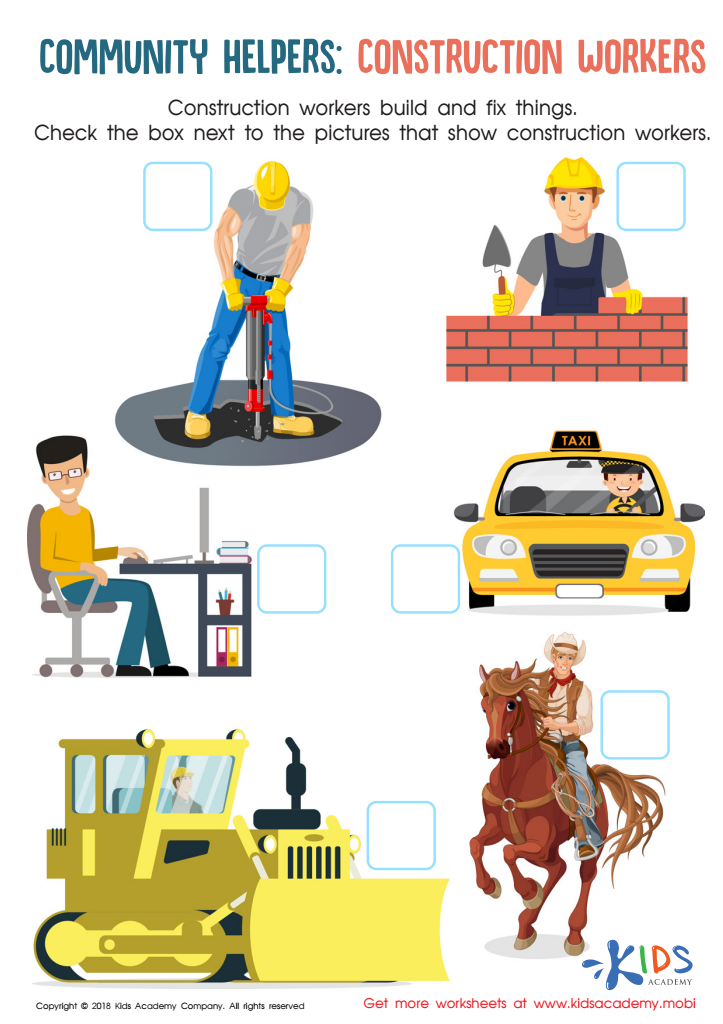
Construction Workers Community Helpers Worksheet
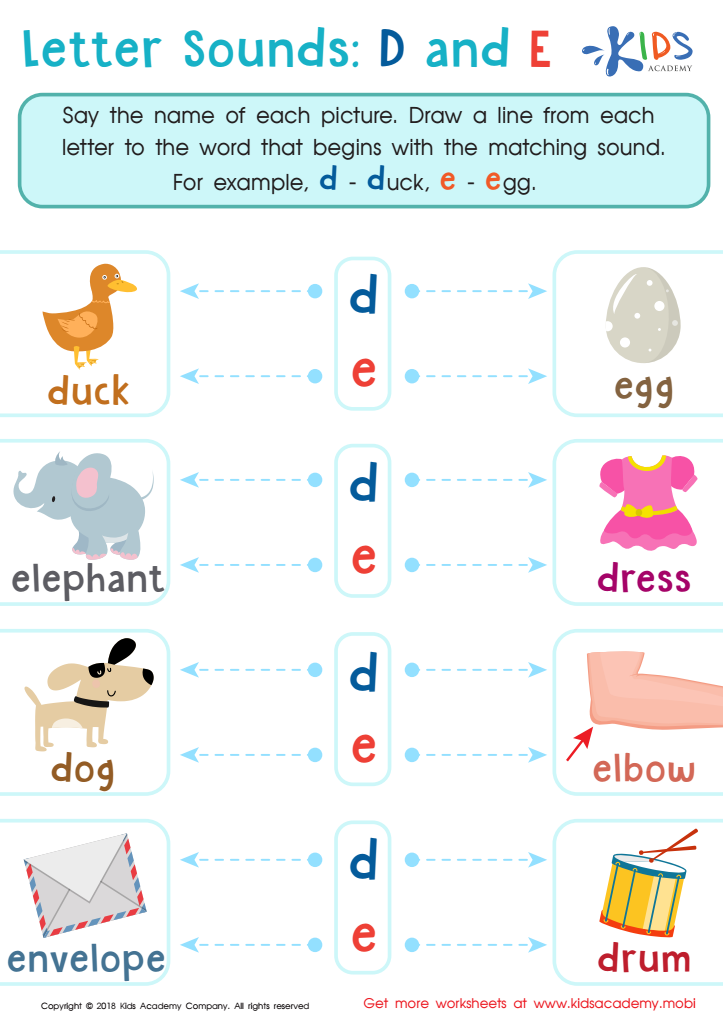
Letter D and E Sounds Worksheet





.jpg)


Vocabulary development in children aged 3-4 is crucial as it forms the foundation for effective communication, reading, and cognitive skills. At this pivotal developmental stage, children rapidly acquire new words and language patterns, enhancing their ability to express thoughts, needs, and emotions accurately. A robust vocabulary allows children to better understand and follow instructions, facilitating smoother interactions at home and in early educational settings.
Moreover, strong vocabulary skills are closely linked to later academic success. Children with a rich vocabulary are better prepared to learn to read, as they can comprehend and decode words more easily. This early literacy advantage can lead to a lifelong love of reading and learning.
From a social standpoint, having a well-developed vocabulary helps children build friendships as they can more effectively communicate and understand peers. This enhances their ability to play cooperatively, share ideas, and establish social connections, important components of emotional and social development.
Therefore, parents and teachers should engage in activities that promote vocabulary growth, such as reading aloud, having conversations, and playing word games. These efforts will reap long-term benefits, setting children up for success both in their immediate educational environments and in their future academic and personal endeavors.








