Basic math practice Normal Numbers Worksheets for Ages 3-4
3 filtered results
-
From - To
Introducing our engaging Basic Math Practice Normal Numbers Worksheets designed specifically for children ages 3-4. These worksheets provide a fun and interactive way for young learners to explore fundamental math concepts such as number recognition, counting, and simple addition. Each worksheet is tailored to support preschool development, featuring colorful illustrations and easy-to-follow activities that capture children's attention. Our resources encourage independent learning while building confidence in math skills. Perfect for teachers and parents alike, these worksheets offer an excellent opportunity to reinforce math knowledge at home or in the classroom, setting the foundation for future learning success. Start your child's math journey today!
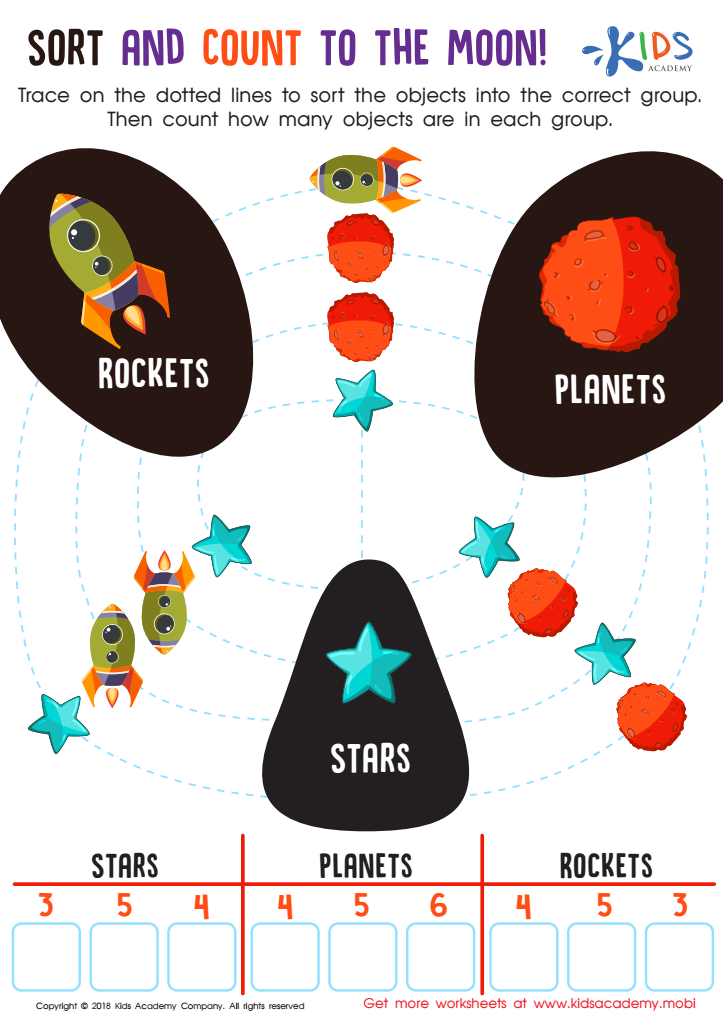
Sort and Count to the Moon Worksheet
 Assign to My Students
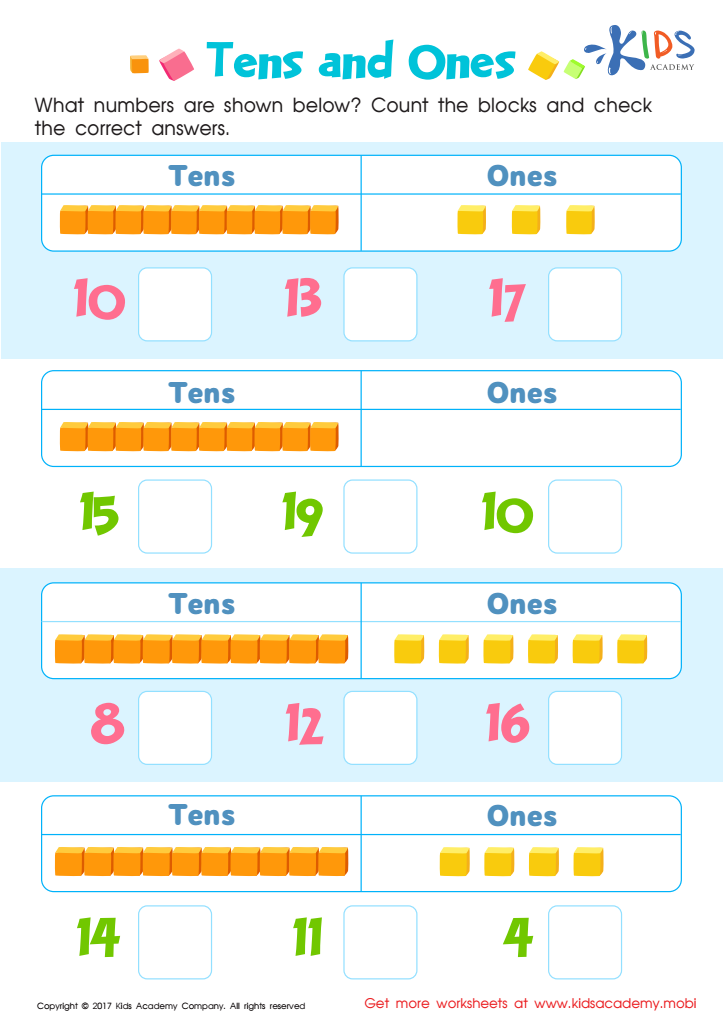
Tens and Ones Worksheet
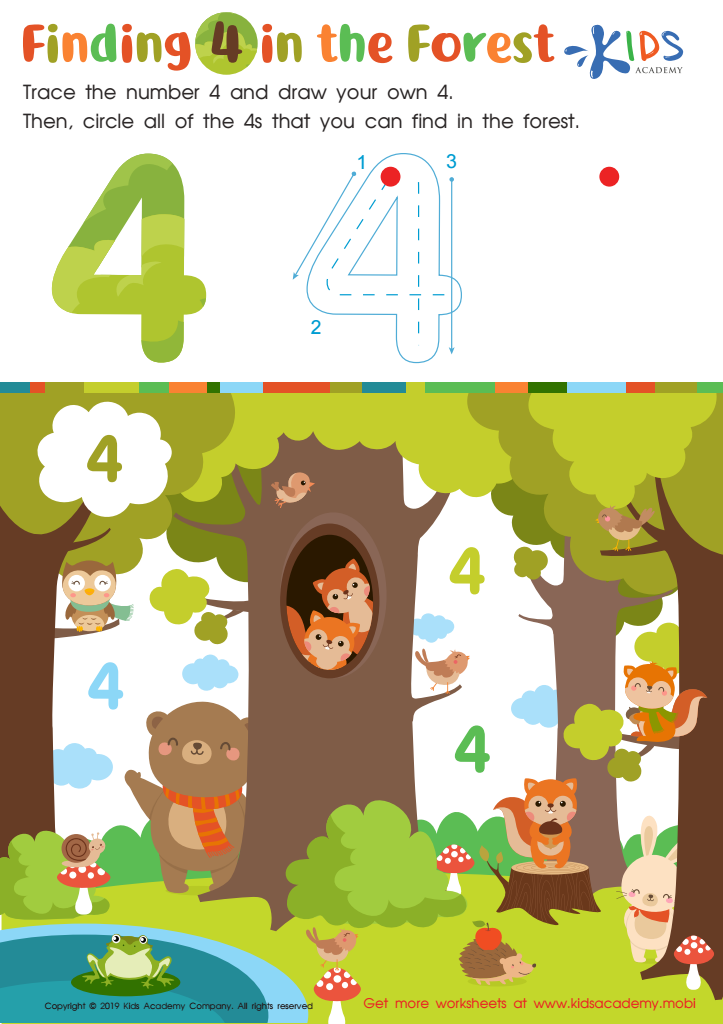
Finding 4 in the Forest Worksheet








Basic math practice with "normal numbers" for children aged 3-4 is crucial for several reasons. At this early stage, children's brains are incredibly receptive to learning, and introducing foundational math concepts sets the groundwork for future academic success. Engaging in activities that involve counting, recognizing numbers, and understanding simple arithmetic helps develop essential cognitive skills.
Moreover, early math activities enhance a child's problem-solving abilities and logical thinking. For instance, counting toys or sorting shapes not only introduces numbers, but also fosters an understanding of quantities and patterns, critical elements in early mathematical reasoning. These skills translate into better readiness for school, where curricula often build upon these foundational concepts.
Additionally, engaging in basic math practices offers social benefits. Groups of children can work together in counting games, encouraging cooperation and communication. Parents and teachers can also use these opportunities to bond with children, making learning interactive and fun.
Overall, prioritizing basic math practice for ages 3-4 yields benefits that extend beyond numbers, positively influencing children’s cognitive, social, and emotional development. This investment lays the groundwork for a lifelong appreciation of learning in general and mathematics in particular.








