Visual perception Normal Numbers Worksheets for Ages 3-4
7 filtered results
Difficulty Level
Grade
Age
-
From - To
Subject
Activity
Standards
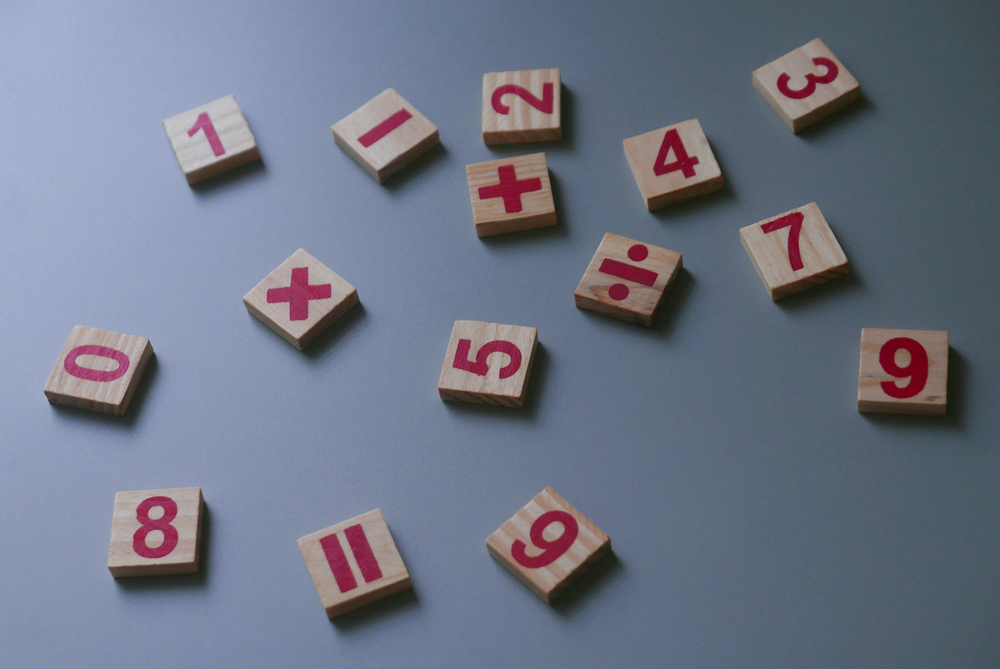
Discover our engaging Visual Perception Normal Numbers Worksheets designed for children ages 3-4! These interactive worksheets promote essential skills in number recognition and visual processing through fun and captivating activities. Perfect for early learners, our resources help enhance focus, memory, and cognitive abilities while making learning enjoyable. Each worksheet is tailored to support young minds in recognizing shapes, numbers, and patterns through vibrant illustrations and age-appropriate tasks. Ignite your child’s love for learning and join our educational journey as we lay a strong foundation for their mathematical skills. Perfect for homeschoolers and educators alike—start exploring our visual perception worksheets today!
Favorites
With answer key
Interactive
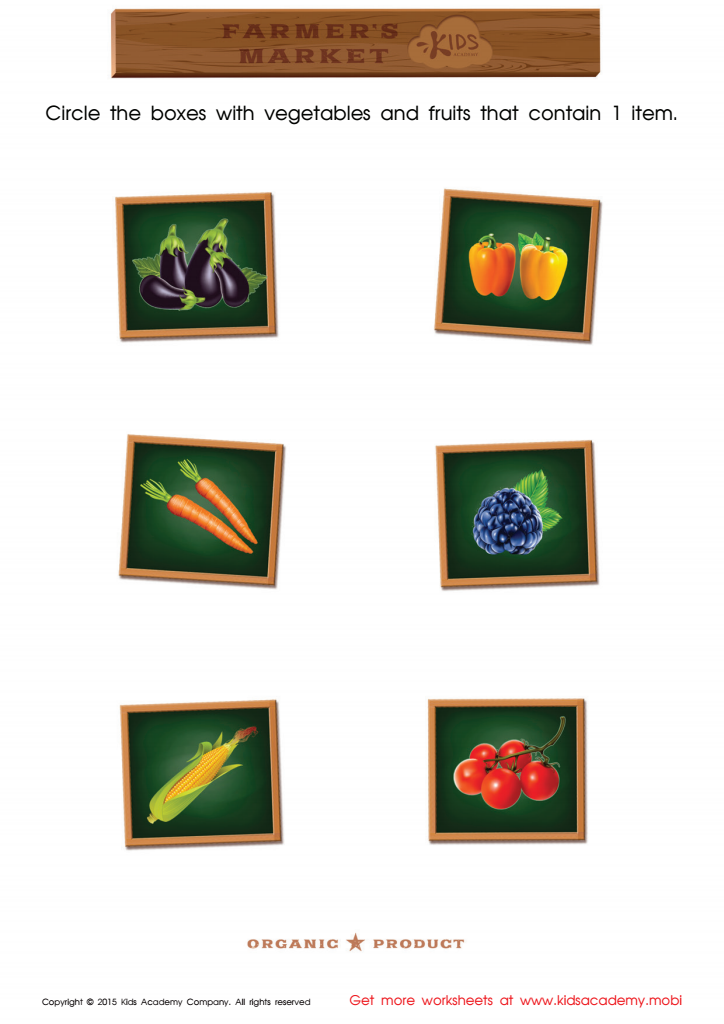
Count and Match Boxes with Vegetables
Print one and help your kid sharp his counting skills. With a variety of veggies to count, such as raspberries and eggplants, your little mathematician will have lots of fun.
 Assign to My Students
Count and Match Boxes with Vegetables
Worksheet
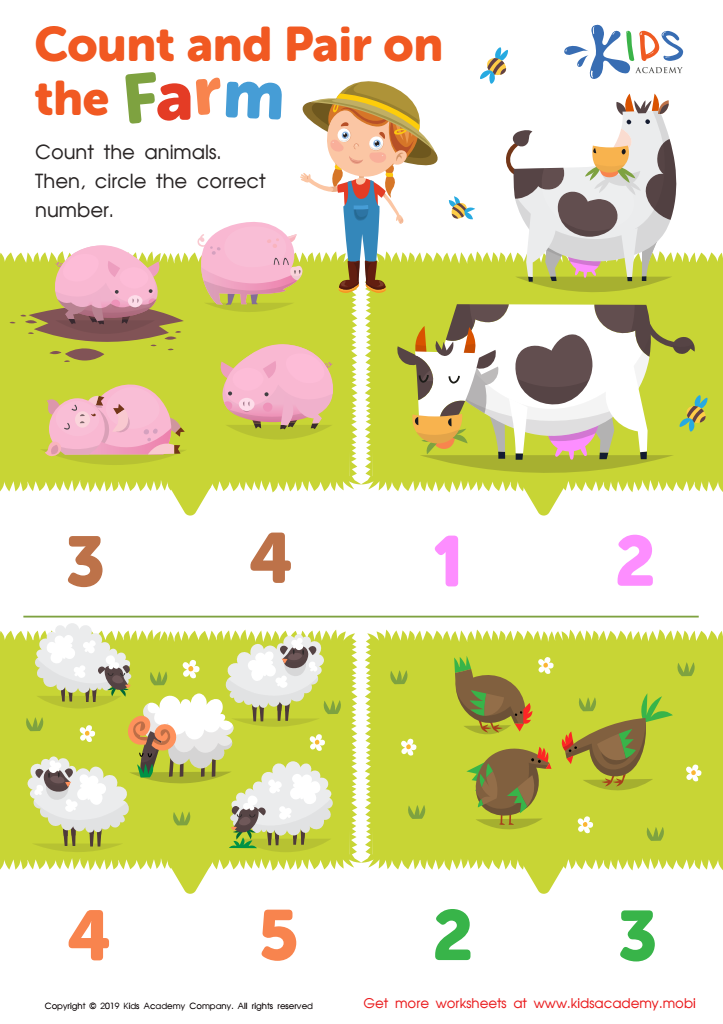
Count and Pair on the Farm Worksheet
Farms are essential to our society: they grow food and crops, and raise animals for us to use. Kids can have a great time at a farm, engaging in activities like identifying animals, counting them, and circling the correct number. On this worksheet, ask your kids to try all three!
Count and Pair on the Farm Worksheet
Worksheet
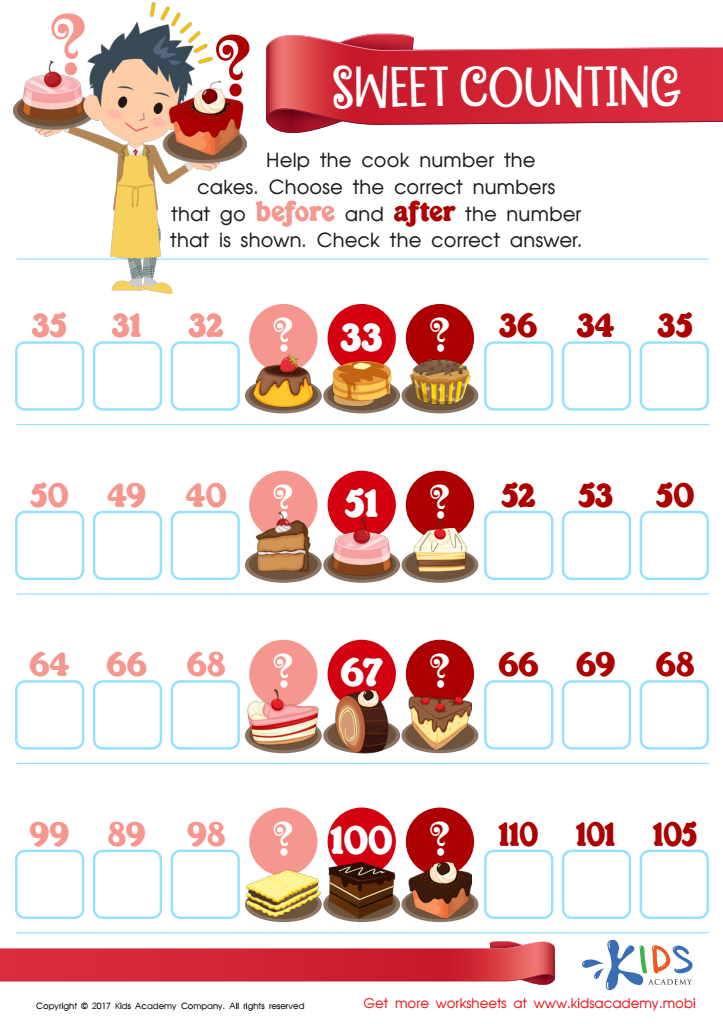
Sweet Counting - Part 1 Worksheet
Help your child learn numbers by counting cakes! Download this fun worksheet and have them fill in the numbers missing in the line of cakes. They'll have fun helping the cook and be learning at the same time!
Sweet Counting - Part 1 Worksheet
Worksheet
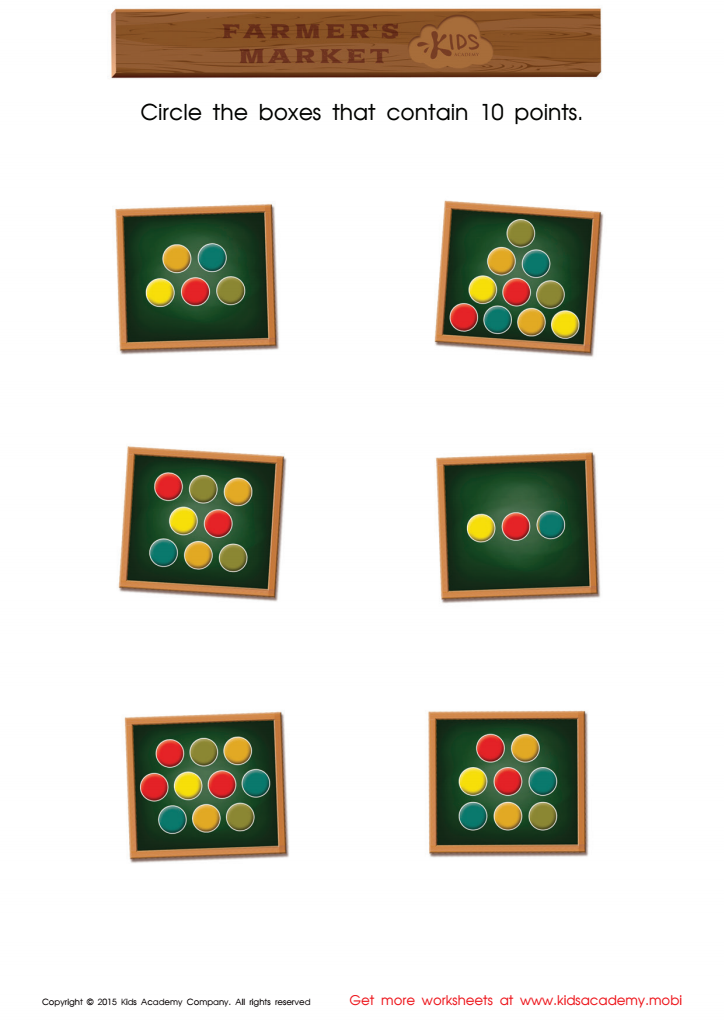
Count and Match Points 10 Math Worksheet
Help your youngster practice counting with this worksheet. Count the points in each box and circle any with up to 10 points. It will improve their counting and matching ability. Forget about addition and subtraction; it's time for a fun exercise for you both!
Count and Match Points 10 Math Worksheet
Worksheet
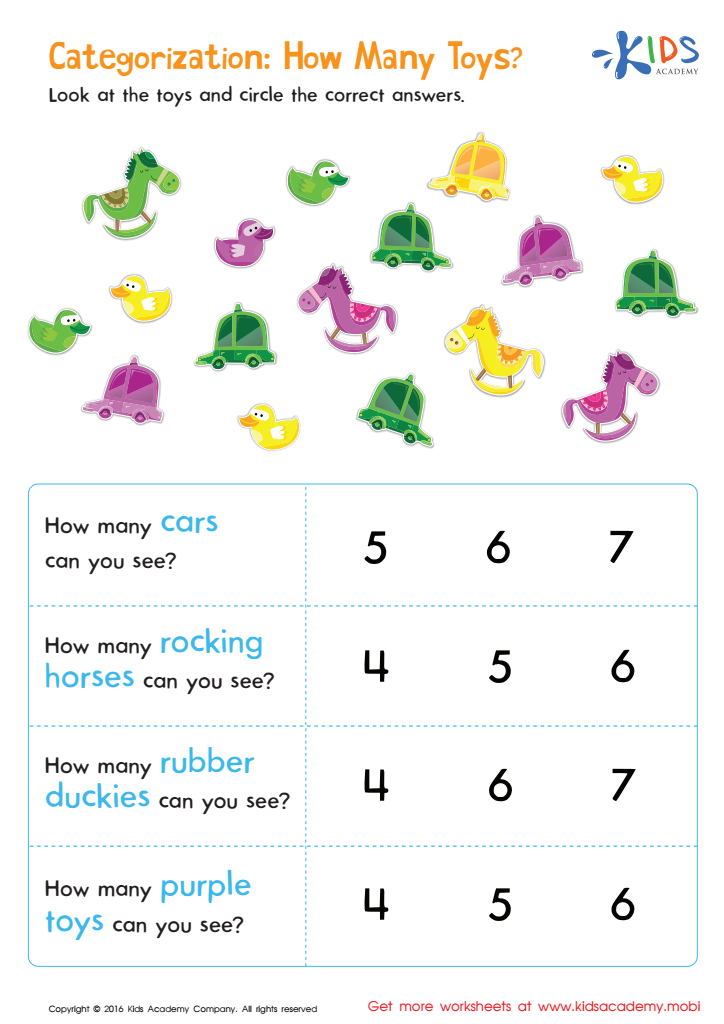
Classifying Toys by Type and Color Sorting Worksheet
Kids Academy offers free math worksheets to help practice counting, categorization & recognition skills. Kids will enjoy counting by color & type while strengthening problem-solving & literacy skills.
Classifying Toys by Type and Color Sorting Worksheet
Worksheet
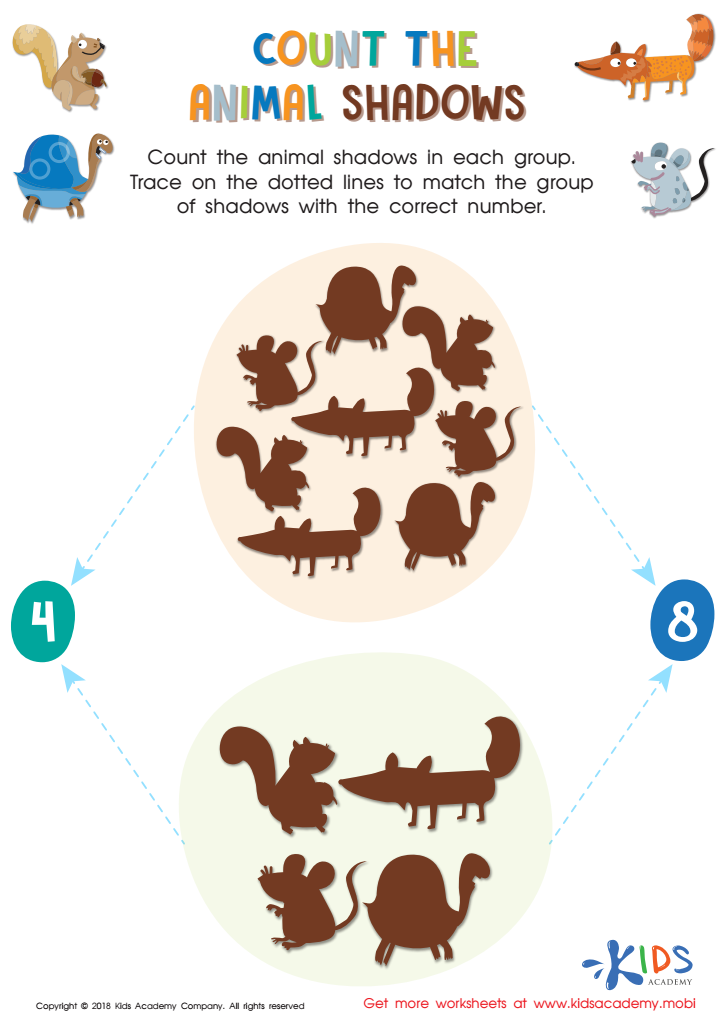
Count the Animal Shadows Worksheet
Our shadows accompany us wherever we go. Even your kids have seen theirs! Did they know that animals have shadows too? Count the animal shadows in each group with this worksheet. Ask your child to identify the animals pictured, then help them trace the dotted lines to match with the right number.
Count the Animal Shadows Worksheet
Worksheet
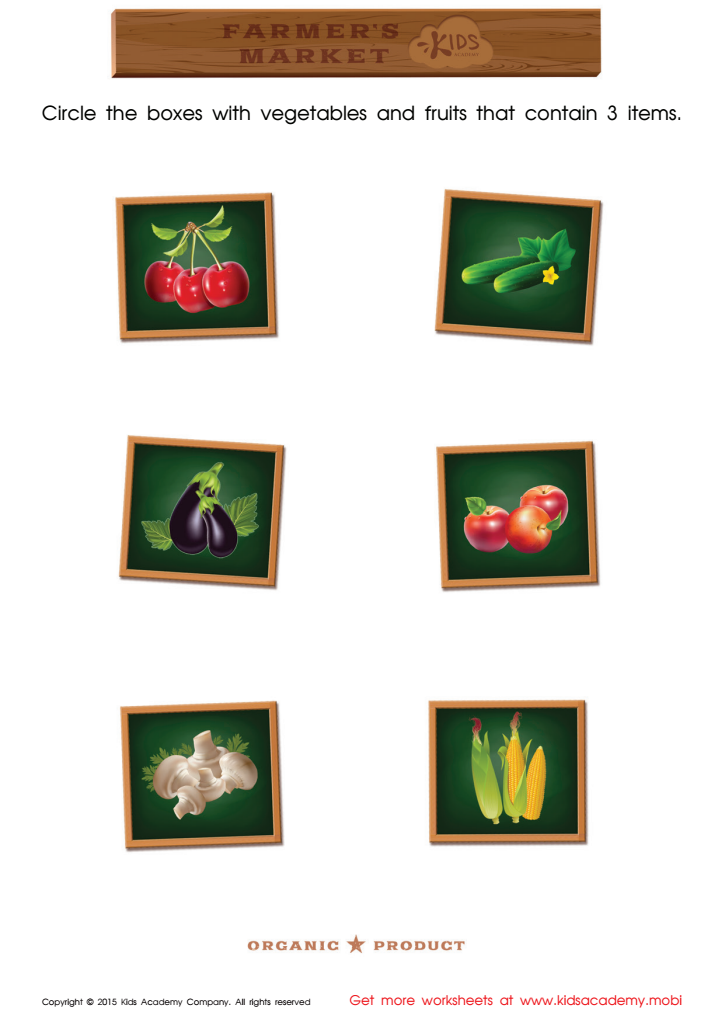
Count and Match Vegetables 1 – 5 Math Worksheet
Get your kindergartener to match the same number of vegetables with the boxes using this fantastic math worksheet. Using the Singapore approach, this printable worksheet makes math problems easy and fun for kids. Want more free worksheets? Click here for Kids Academy's selection!
Count and Match Vegetables 1 – 5 Math Worksheet
Worksheet
Join Kids Academy for Free
Who is primarily going to use this learning content?






Visual perception is a crucial cognitive skill that involves the ability to interpret and make sense of visual information. For children aged 3-4, visual perception lays the foundation for numerous academic tasks, particularly in early literacy and math skills. Understanding "normal" visual perception at this age is vital for parents and educators as it influences how children interact with their environment and learn new concepts.
Strong visual perception skills help kids recognize shapes, sizes, and colors, facilitating their ability to categorize objects and understand spatial relationships. This understanding is essential for activities like sorting, counting, and even beginning to read, as children need to distinguish letters and words. Engaging in play that promotes these skills—such as puzzles, matching games, and drawing—fosters cognitive development during this formative period.
If visual perception skills are lacking, it could lead to difficulties in learning, resulting in frustration and low self-esteem. Early identification and intervention are key; parents and teachers should observe children's visual processing abilities and seek resources or support when needed. Building strong visual perception reduces obstacles in learning, providing children with the confidence and abilities to succeed in school and in daily life. Sensitivity to these developmental stages encourages positive growth and cultivates enthusiastic learners.