
Logical thinking Normal Math Worksheets for Ages 3-4
3 filtered results
Difficulty Level
Grade
Age
-
From - To
Subject
Activity
Standards
Unlock your child’s potential with our "Logical Thinking Normal Math Worksheets for Ages 3-4". Designed for early learners, these worksheets foster critical thinking and problem-solving skills through engaging activities. Your child will delight in solving puzzles, recognizing patterns, and developing a strong foundation in math. With colorful visuals and age-appropriate challenges, each printable sheet makes learning fun and effective. Ideal for homeschool, preschool, or supplemental practice, our worksheets support cognitive development and pave the way for future academic success. Start your child’s logical thinking journey today with our expertly crafted resources!
Favorites
With answer key
Interactive
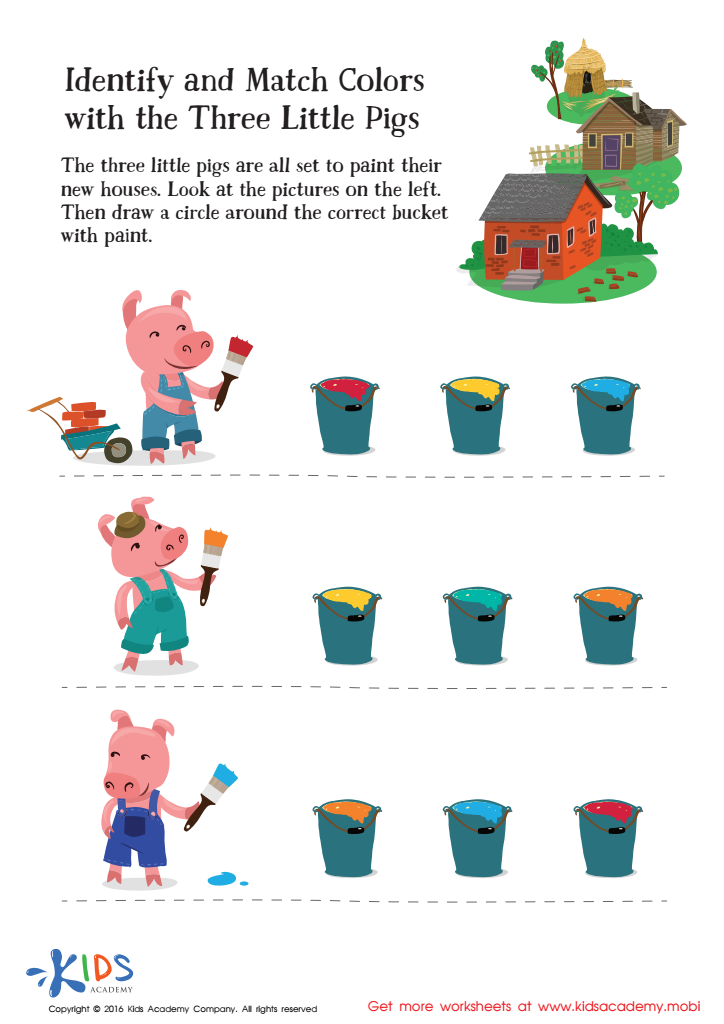
Fairy Tale Worksheet: Identify and Match Colors with Three Little Pigs
Help the 3 Little Pigs find the right color for their houses! This fun worksheet will have your child developing their problem solving and color recognition skills. It's a great way to start building the foundation for advanced logic skills. Plus, they'll love the Three Little Pigs coloring pages.
 Assign to My Students
Fairy Tale Worksheet: Identify and Match Colors with Three Little Pigs
Worksheet
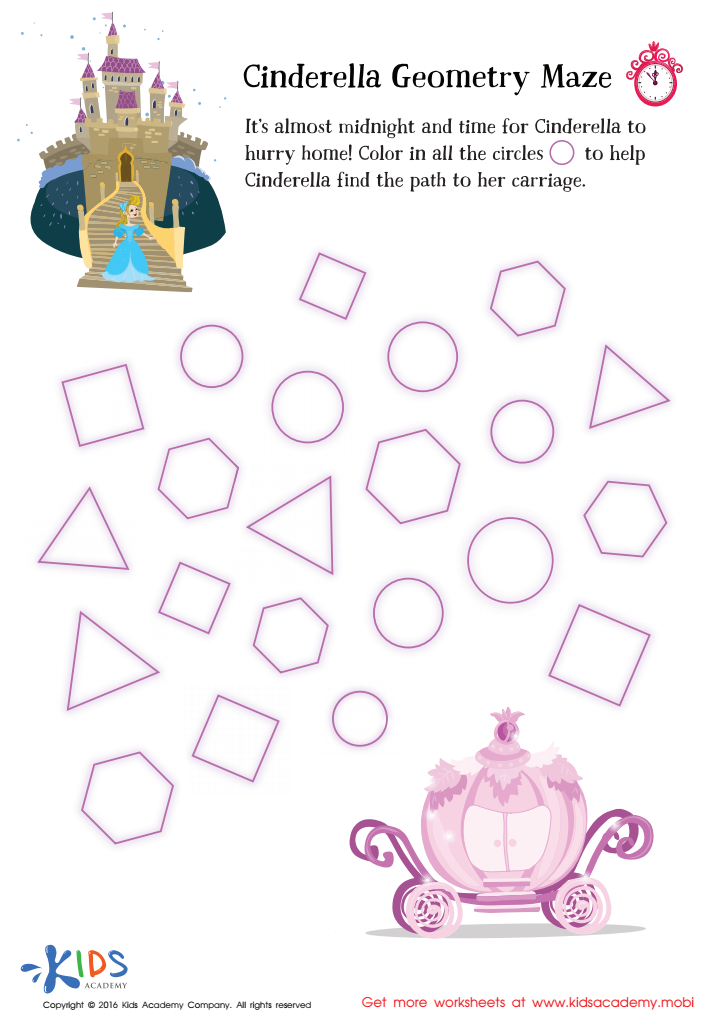
Cinderella Geometry Maze Worksheet
Help Cinderella hurry home! Your preschooler will have fun problem-solving and sorting shapes in this geometric maze. As they shade in the circles, they'll be helping their favorite princess reach her carriage on time. Not only that, but they'll strengthen their logic skills in the process. Get this and other fairy tale mazes to keep them entertained while learning.
Cinderella Geometry Maze Worksheet
Worksheet
Join Kids Academy for Free
Who is primarily going to use this learning content?





.jpg)


Parents and teachers should care about fostering logical thinking and basic math skills in children aged 3-4 because these foundational skills are crucial for early cognitive development. At this early stage, children's brains are highly adaptable and receptive to new information, making it the optimal time to introduce fundamental concepts that will serve as building blocks for future learning.
Logical thinking helps children understand patterns, make predictions, and develop problem-solving strategies. Encouraging logical thinking can improve their ability to follow instructions, manage tasks, and think independently. These skills are not only vital for mathematics but also applicable across various subjects and real-life situations.
Basic math skills, such as counting, recognizing numbers, and understanding simple arithmetic, build a strong foundation for more complex mathematical concepts they will encounter later on. Early math proficiency is linked to better performance in school, as it supports understanding in science, technology, engineering, and other subjects that require analytical skills.
Introducing logical thinking and basic math in fun, engaging ways—such as through games, puzzles, and interactive activities—can ignite a child's love for learning and curiosity. This not only prepares them academically but also boosts their confidence, setting them on a path to lifelong success. By investing time and effort into these foundational skills, parents and teachers help children build critical thinking abilities and a solid academic foundation.








