Visual discrimination Normal Math Worksheets for Ages 3-4
8 filtered results
-
From - To
Enhance your child's early learning experience with our "Visual Discrimination Normal Math Worksheets" designed specifically for ages 3-4. These engaging printable worksheets help young learners develop crucial visual discrimination skills, essential for math readiness. Through fun and interactive activities, children will learn to identify shapes, patterns, and differences, laying a solid foundation for future mathematical concepts. Each worksheet is crafted to promote concentration and critical thinking while keeping learning enjoyable. Ideal for parents and educators, these resources support a hands-on approach to learning, helping kids build confidence and skills as they embark on their educational journey. Start nurturing their math abilities today!
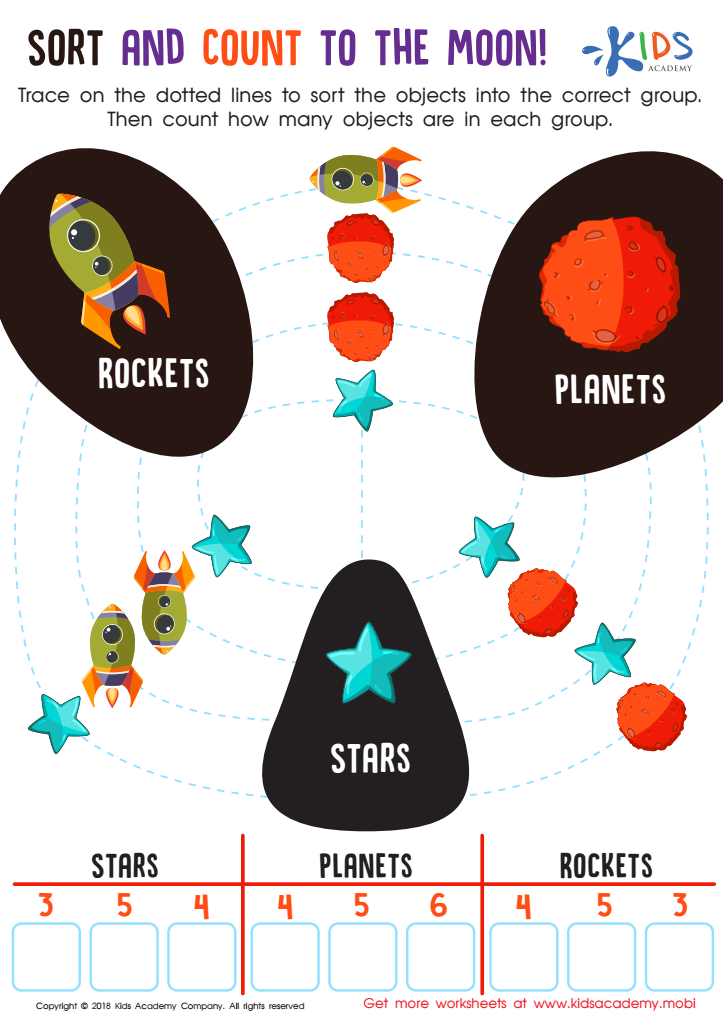
Sort and Count to the Moon Worksheet
 Assign to My Students
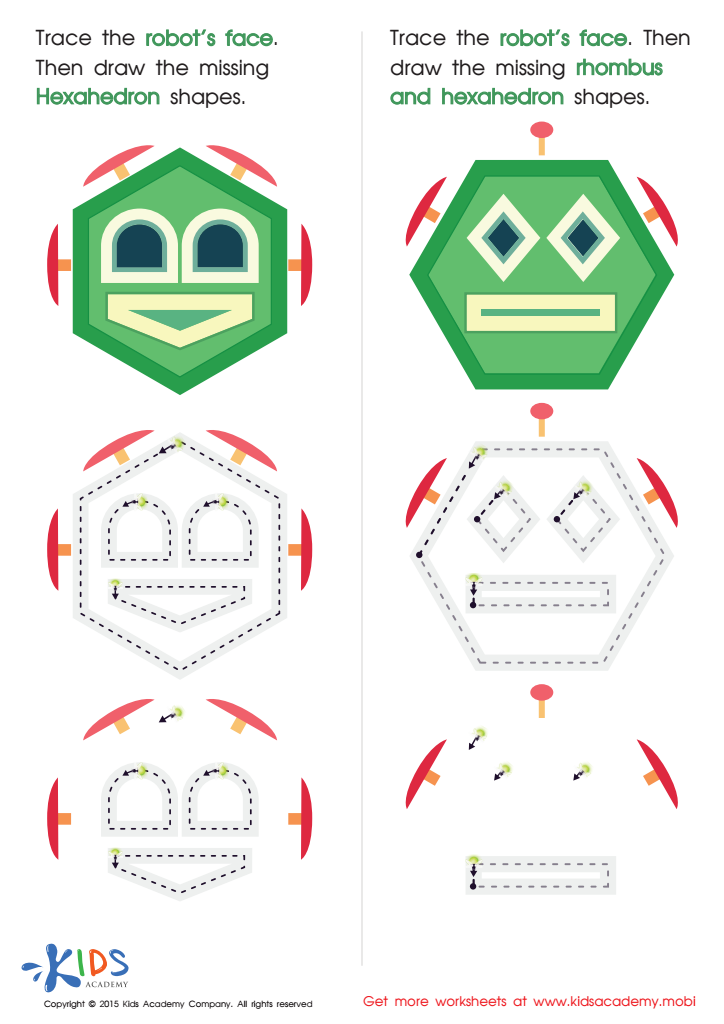
Practice Drawing Hexahedrons And a Rhombus Worksheet
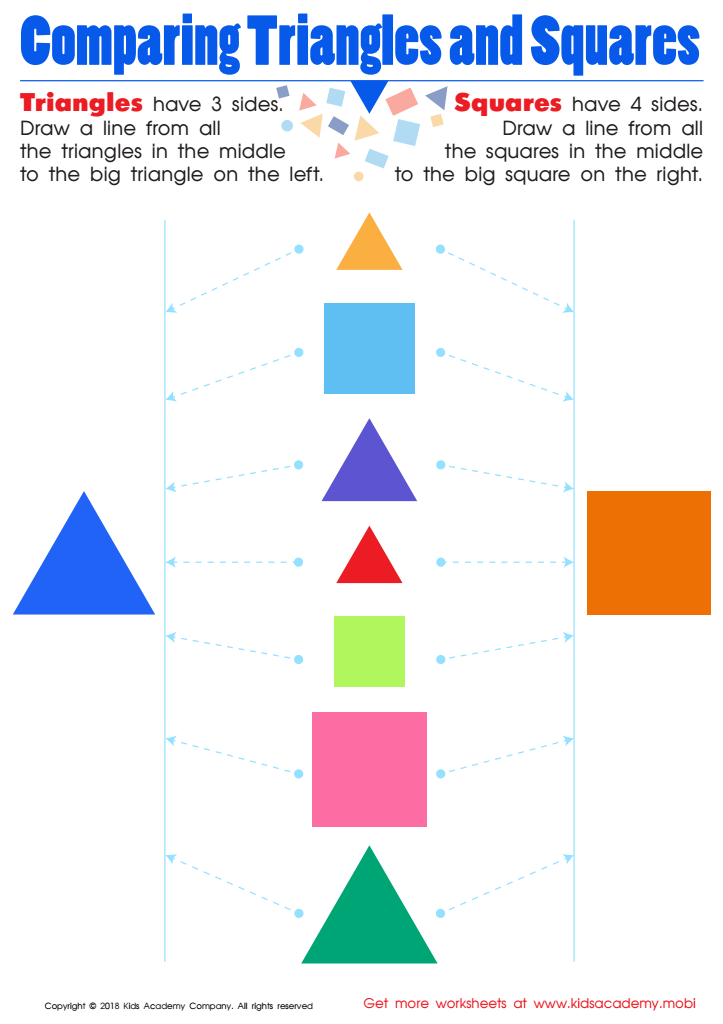
Comparing Triangles Squares Worksheet
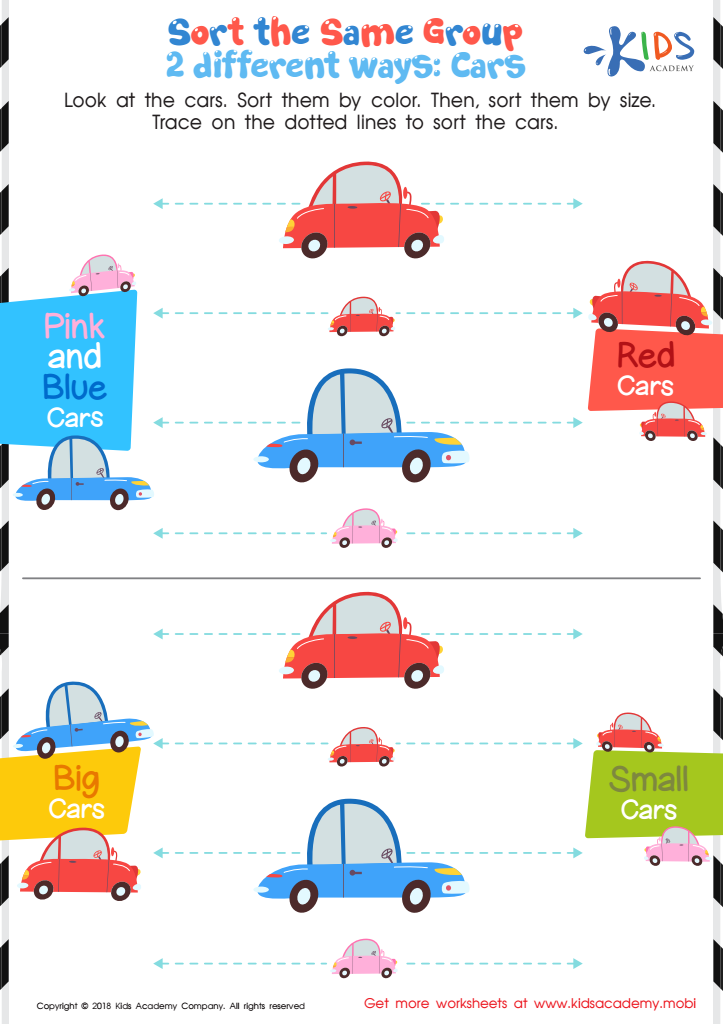
Sort the Same Group 2 Different Ways: Cars Worksheet
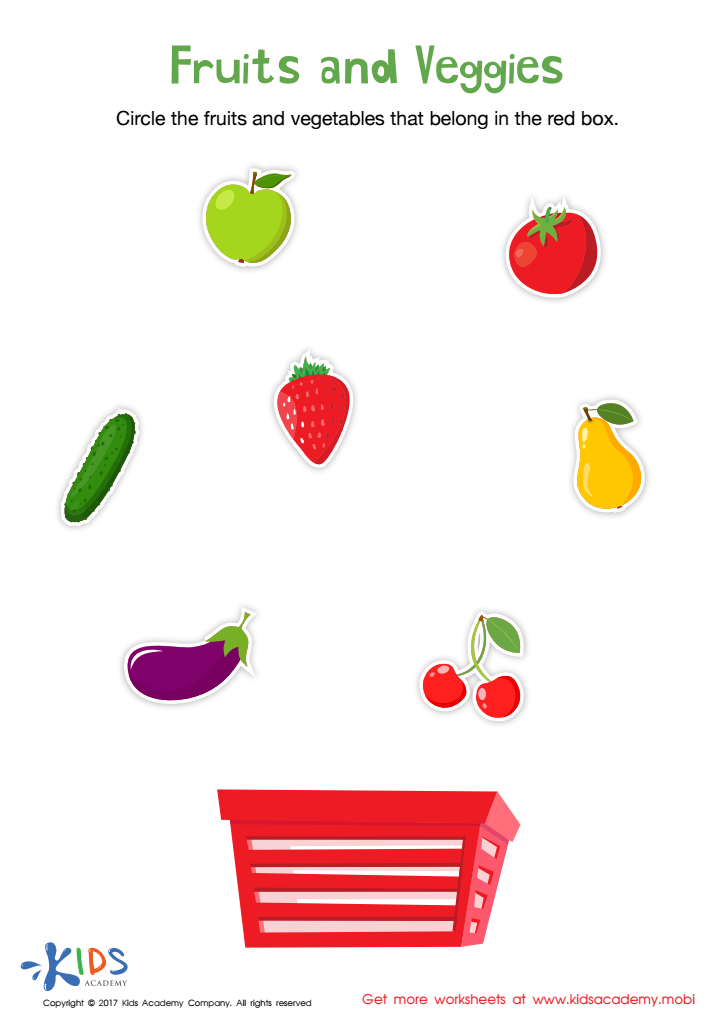
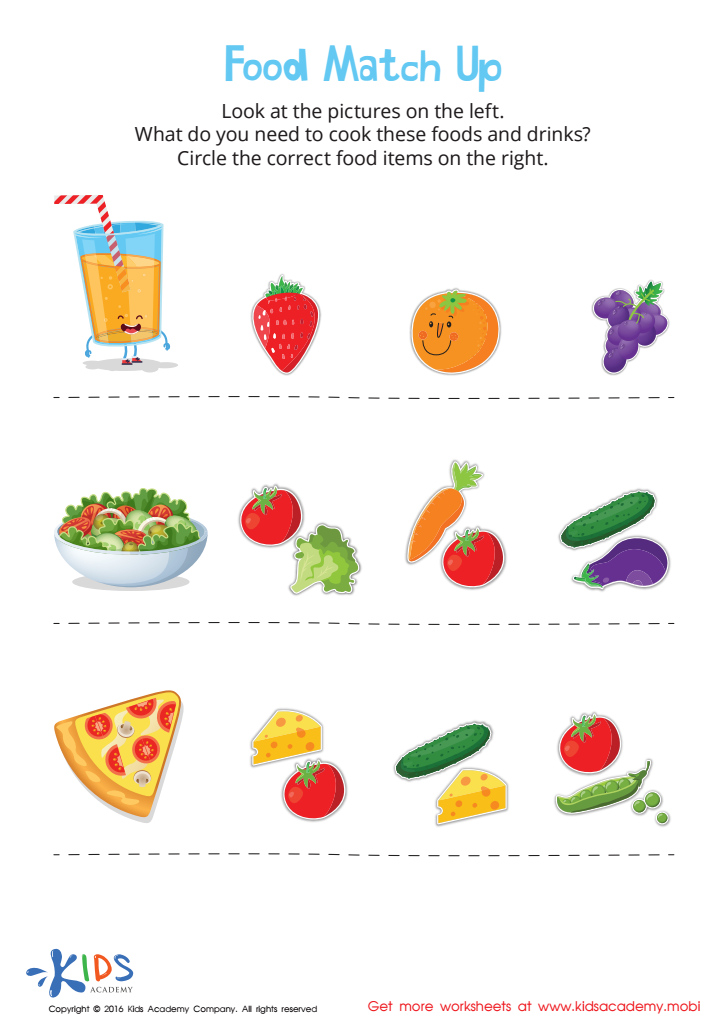
Food Match Up Worksheet
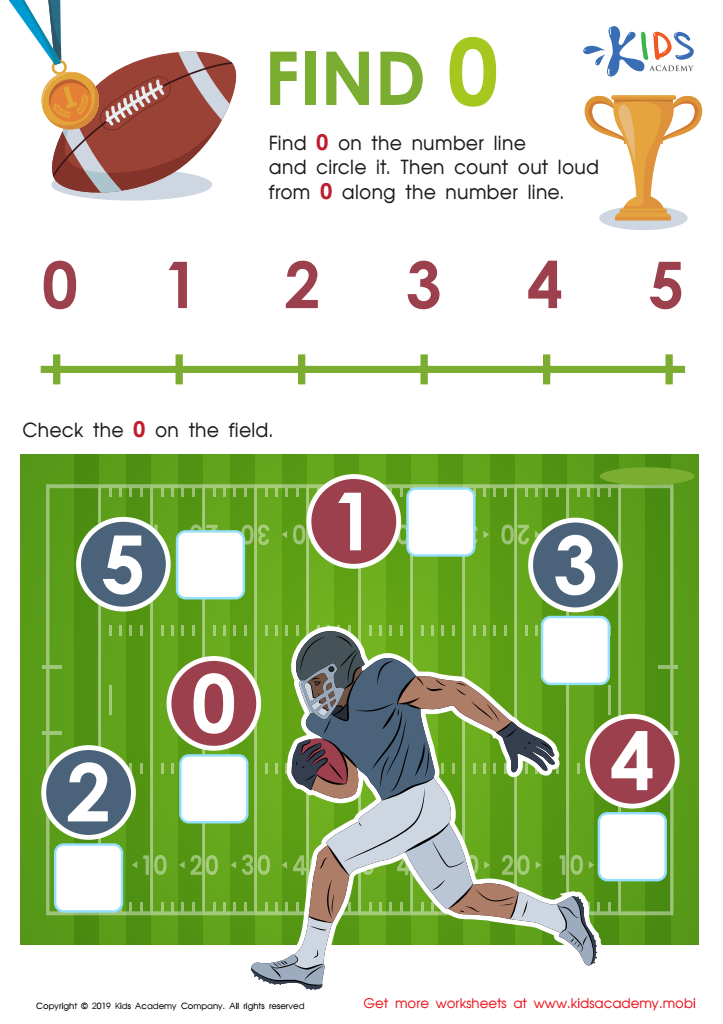
Find 0 Worksheet
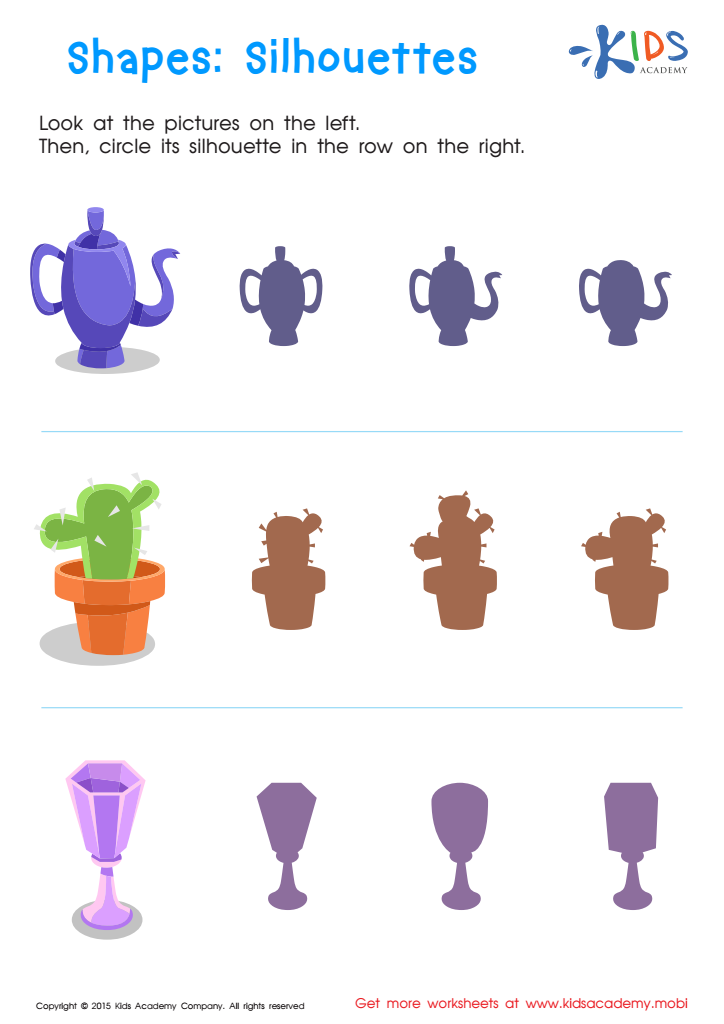
Silhouettes – Shapes Worksheet








Visual discrimination is a critical skill for young children, particularly in the context of math for ages 3-4. It refers to the ability to identify differences and similarities in shapes, sizes, colors, and patterns. This skill forms the foundation for early mathematical learning, as it enables children to recognize numbers, sort objects, and understand spatial relationships.
Parents and teachers should care about visual discrimination because it directly impacts a child’s ability to engage with math concepts later on. Mastering this skill helps children develop their observational and analytical abilities, which are essential for problem-solving and logical reasoning. Furthermore, visual discrimination helps build confidence in children as they gain competence in recognizing and categorizing objects, leading to a more positive attitude towards learning.
Children who lack strong visual discrimination skills may struggle in structured activities, leading to frustration and a potential aversion to mathematics. By supporting visual discrimination through games, counting activities, and practical exercises, caregivers can create a rich, engaging learning environment that fosters a love of math and prepares children for future academic success. Thus, prioritizing visual discrimination at this age helps lay the groundwork for essential cognitive and numerical skills.








