Problem-Solving Skills Normal Matching Worksheets for Ages 3-4
5 filtered results
-
From - To
Enhance your child's critical thinking with our Problem-Solving Skills Normal Matching Worksheets designed for ages 3-4. These engaging activities help young learners develop essential problem-solving techniques while having fun. Each worksheet encourages children to recognize patterns, match related items, and improve logical reasoning skills through playful exercises. Perfect for early learners, these worksheets are tailored to captivate their attention and make learning enjoyable. Foster cognitive development and boost confidence with our expertly crafted resources, ensuring your child is well-prepared for future academic success. Discover a world of learning and creativity with these exciting Problem-Solving Matching Worksheets!
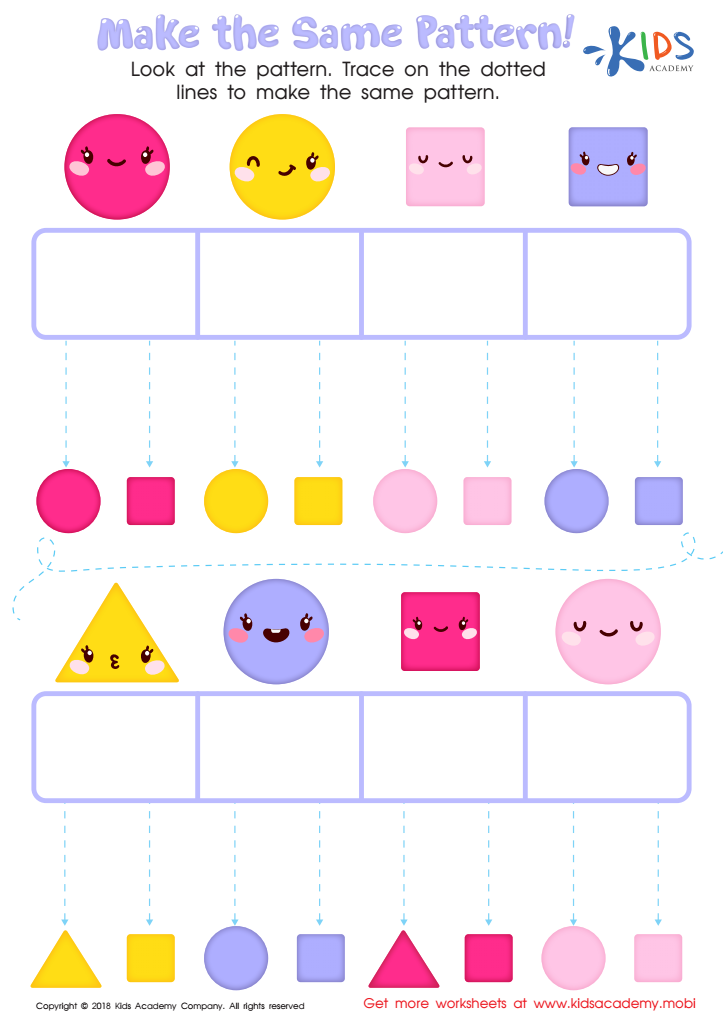
Make the Same Pattern Worksheet
 Assign to My Students
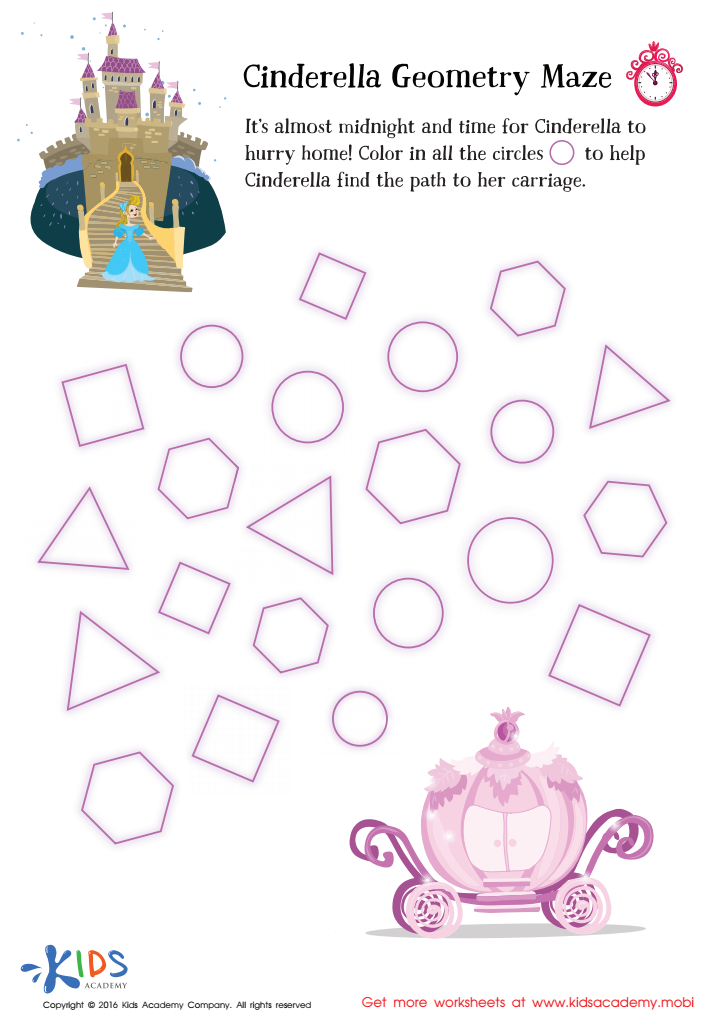
Cinderella Geometry Maze Worksheet
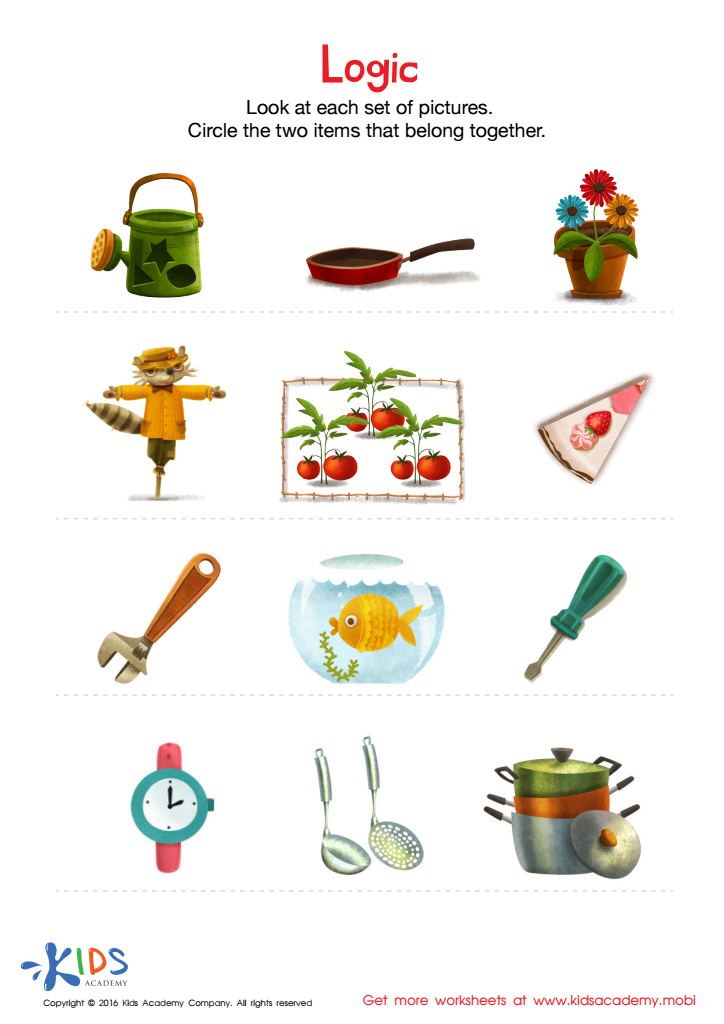
Logic Game Sorting Worksheet
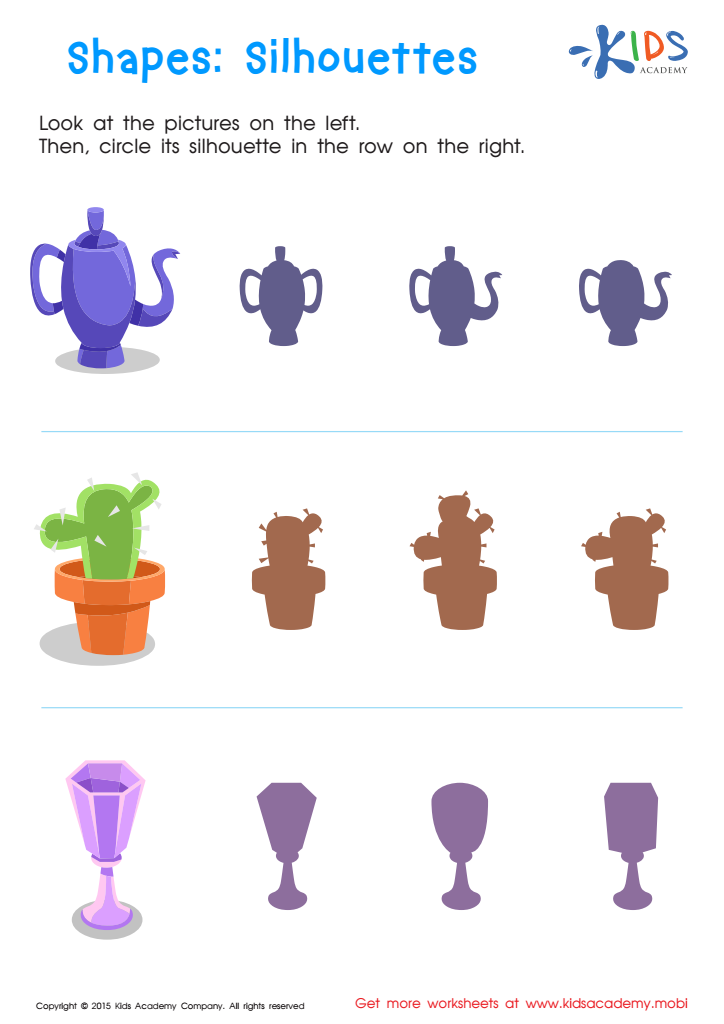
Silhouettes – Shapes Worksheet
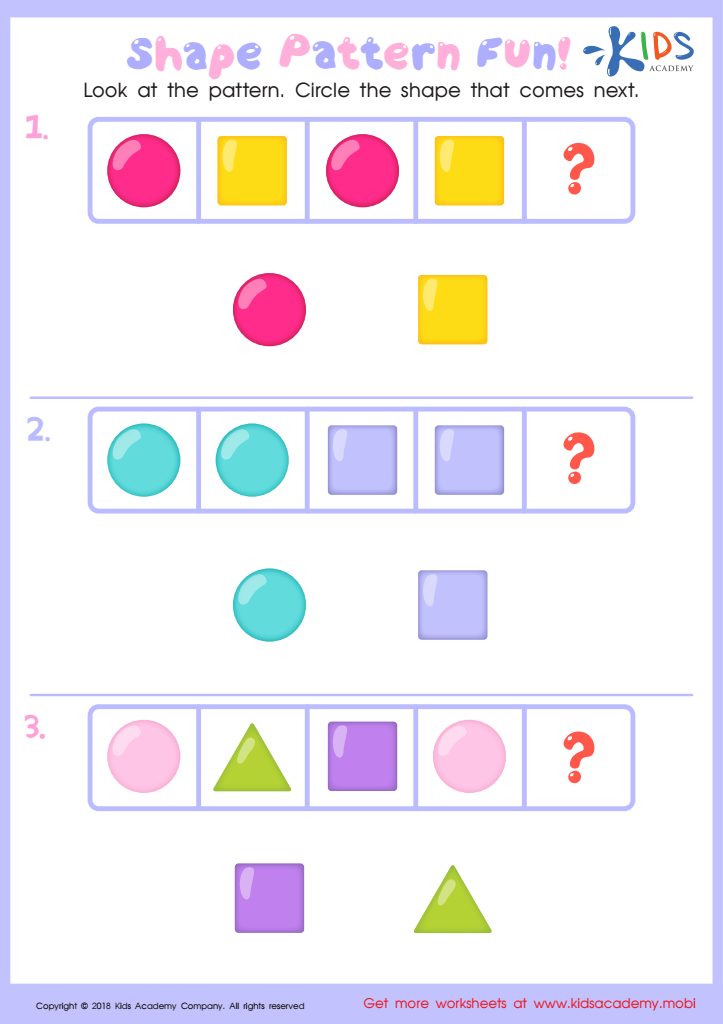
Shape Pattern Fun Worksheet




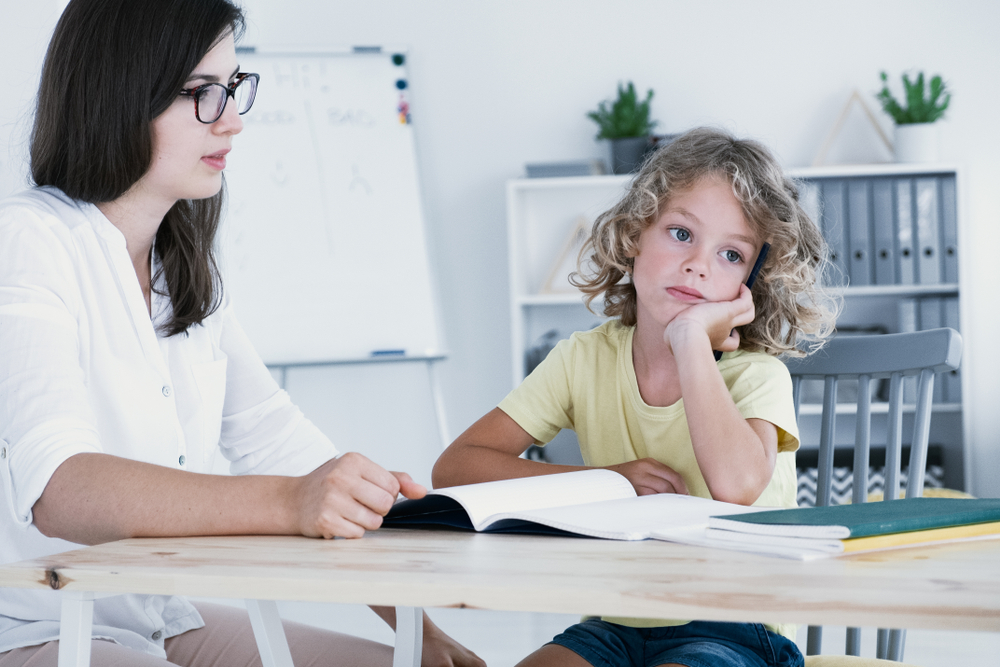


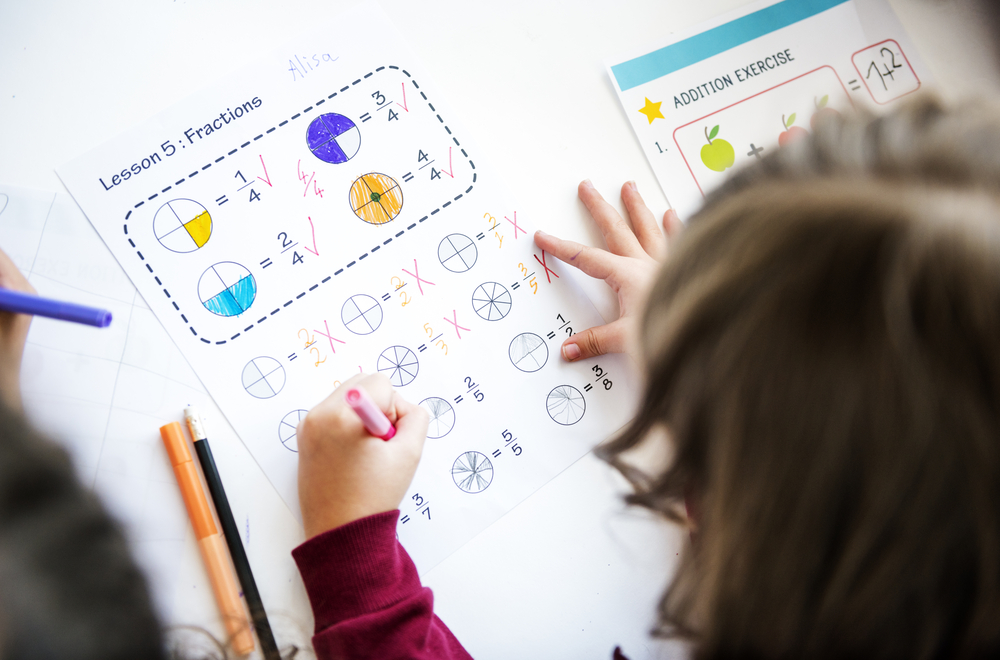
Problem-solving skills are essential for children as young as ages 3-4 because they form the foundation for future learning, critical thinking, and adaptability. At this developmental stage, young minds are like sponges, eagerly absorbing information from their environment. By engaging children in problem-solving activities, parents and teachers can stimulate cognitive growth and enhance their intellectual abilities.
One key benefit is that problem-solving activities foster a child's creativity. Through age-appropriate puzzles, matching games, and everyday challenges, children learn to think independently and come up with solutions. This nurtures innovation and helps build confidence in their own abilities. For instance, simple matching games where children pair objects based on attributes like color or shape improve their observation and categorization skills.
Furthermore, problem-solving exercises teach patience and perseverance. Not every challenge will have an immediate solution, encouraging children to try different approaches and learn from their mistakes. This resilience is invaluable and helps build a growth mindset, where children see challenges as opportunities rather than obstacles.
Finally, such activities promote social skills. When problem-solving is done collaboratively, children learn to communicate, share ideas, and negotiate, building essential interpersonal skills. By caring about and investing in these skills early on, parents and teachers lay a strong foundation for a child's future academic and life success.