Shape Recognition Normal Matching Worksheets for Ages 3-4
5 filtered results
-
From - To
Enhance your child's early learning experience with our Shape Recognition Normal Matching Worksheets designed specifically for ages 3-4. These engaging worksheets help preschoolers develop essential shape recognition skills through fun matching activities. Children will learn to identify and classify common shapes while improving their cognitive abilities and fine motor skills. Each worksheet features vibrant illustrations and simple instructions, making learning enjoyable and easy to follow. Perfect for at-home learning or as supplementary materials for educators, these worksheets provide a solid foundation in geometry concepts while fostering creativity and critical thinking. Start your child's journey into the world of shapes today!
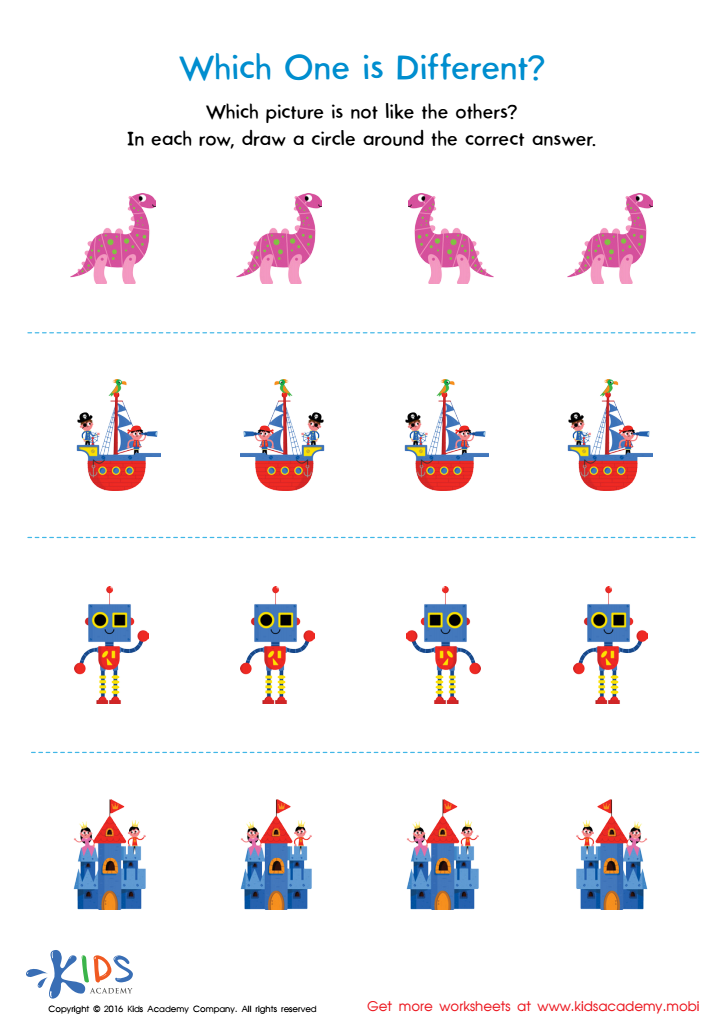
Which One Is Different Worksheet
 Assign to My Students
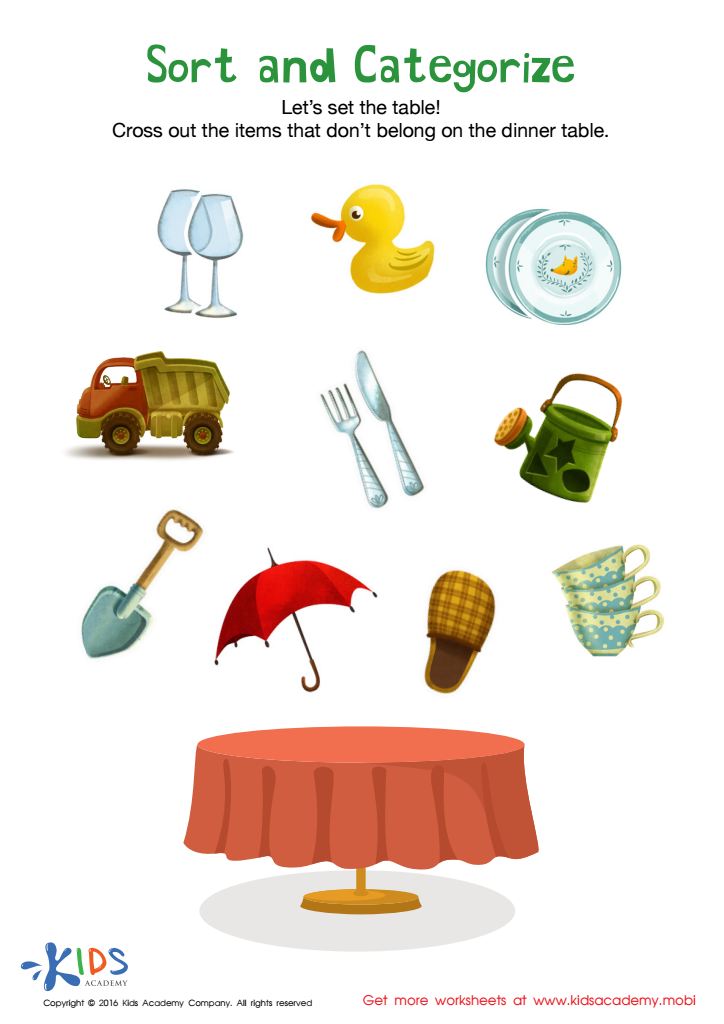
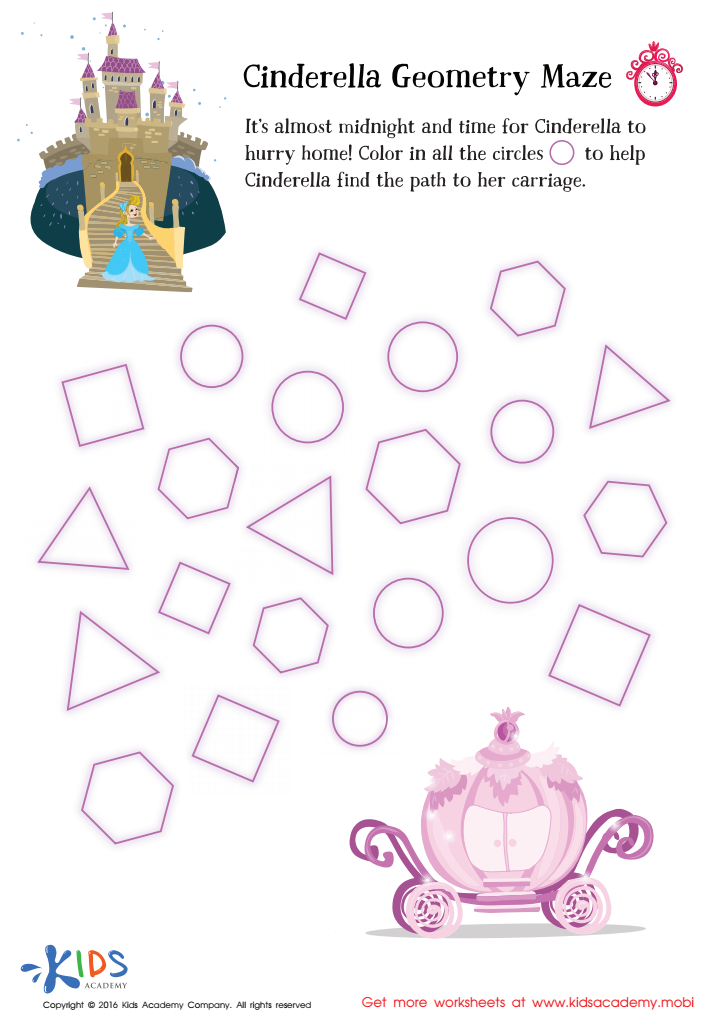
Cinderella Geometry Maze Worksheet
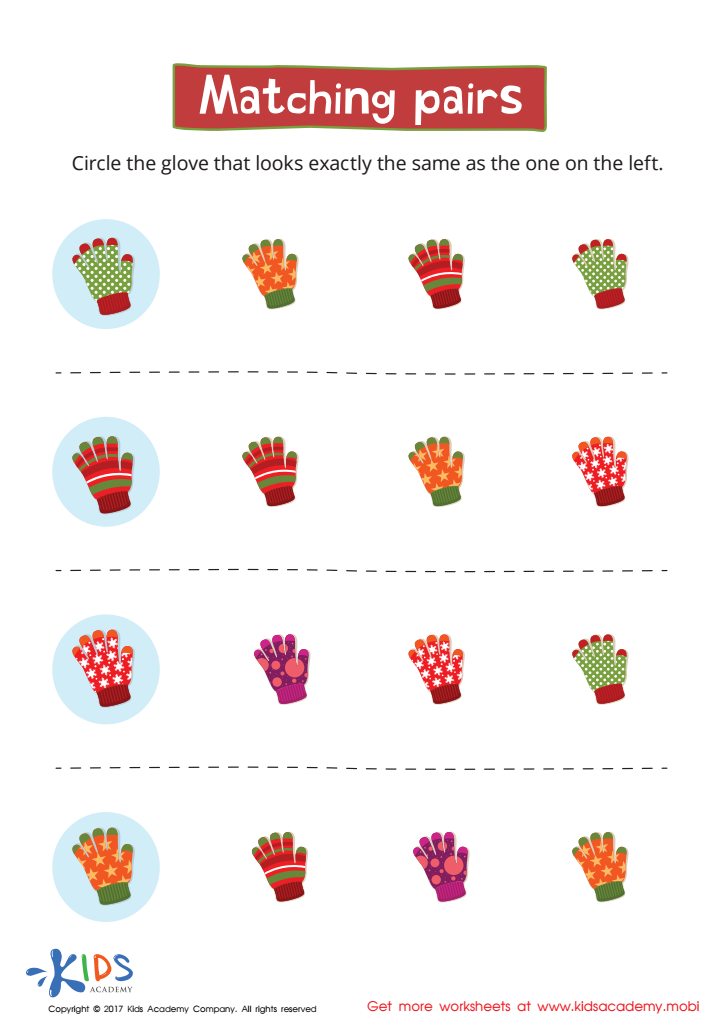
Matching: Matching Pairs Worksheet
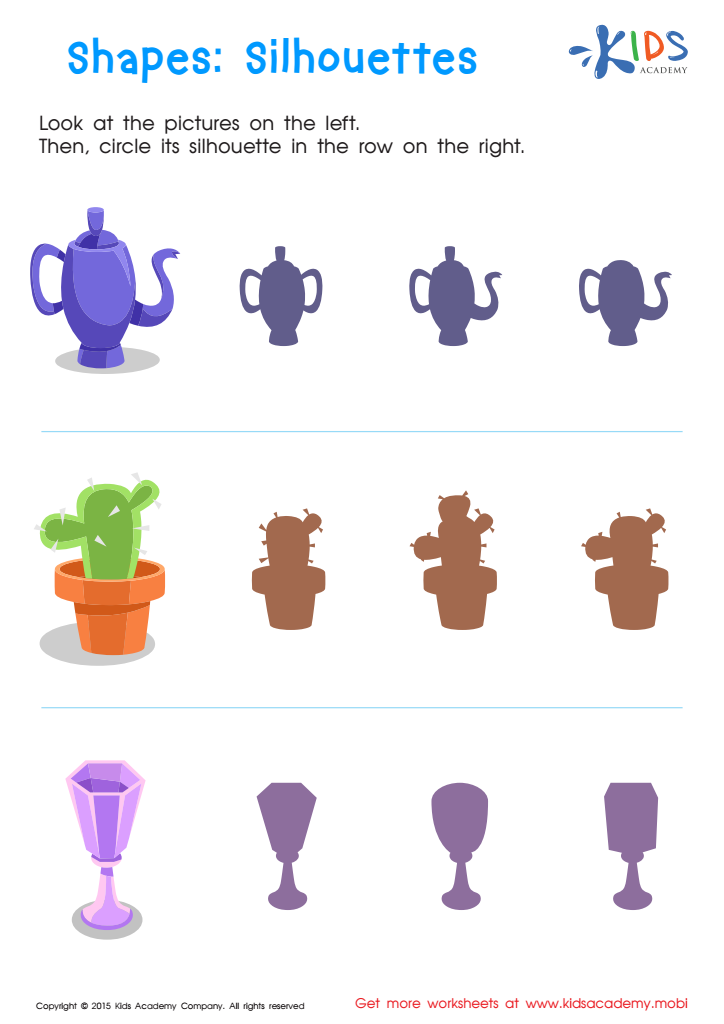
Silhouettes – Shapes Worksheet








Shape recognition and normal matching are fundamental skills for children aged 3-4, laying the groundwork for their future learning. At this developmental stage, children are naturally curious and eager to explore the world around them. Teaching them to recognize shapes and match them helps sharpen their cognitive skills, enhancing pattern recognition and critical thinking.
Understanding shapes is vital for various mathematical concepts they will encounter later. It aids in developing spatial awareness, which is crucial for geometry and other math-related activities. Additionally, shape recognition supports language development, as children learn to articulate different shape names and characteristics.
Furthermore, engaging in activities surrounding shape recognition boosts fine motor skills when children manipulate various shapes through sorting, stacking, or drawing. This hands-on approach not only makes learning fun but also fosters creativity and problem-solving skills.
Parents and teachers play a vital role in introducing and reinforcing these concepts through games, interactive activities, and everyday experiences. By emphasizing shape recognition and normal matching, they can help children build confidence and a solid foundation that will benefit them in both academic and real-world contexts. Early attention to these skills ultimately supports a child’s holistic development, ensuring they are ready for future learning opportunities.








