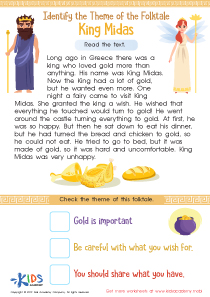
Critical Thinking Normal Reading Worksheets for Ages 3-4
14 filtered results
-
From - To
Unlock your child's potential with our Critical Thinking Normal Reading Worksheets for Ages 3-4! Designed to sharpen analytical skills and foster creativity, these engaging worksheets encourage young learners to think critically about stories and characters. Each activity is crafted to inspire curiosity and enhance comprehension, making reading both fun and educational. Perfect for parents and teachers alike, our resources promote developmental growth through interactive learning. Help your child build a solid foundation in critical thinking while enjoying colorful illustrations and captivating content. Explore our collection today and support your child's journey to becoming a confident, independent thinker!
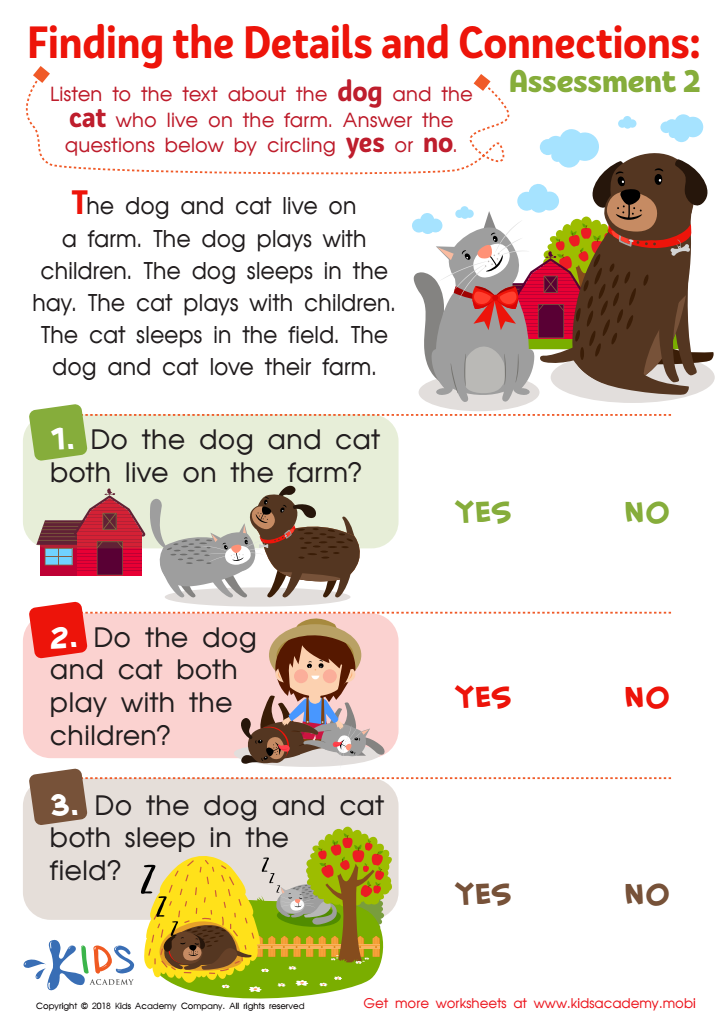
Finding the Details and Connections: Assessment 2 Worksheet
 Assign to My Students
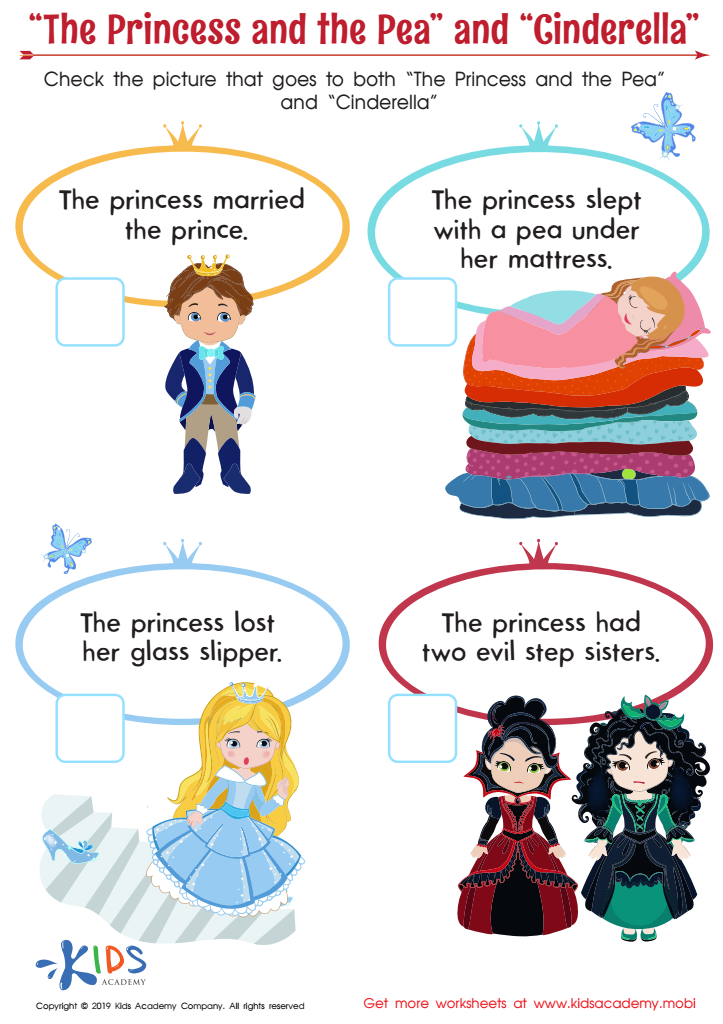
“The Princess and the Pea” and “Cinderella” Worksheet
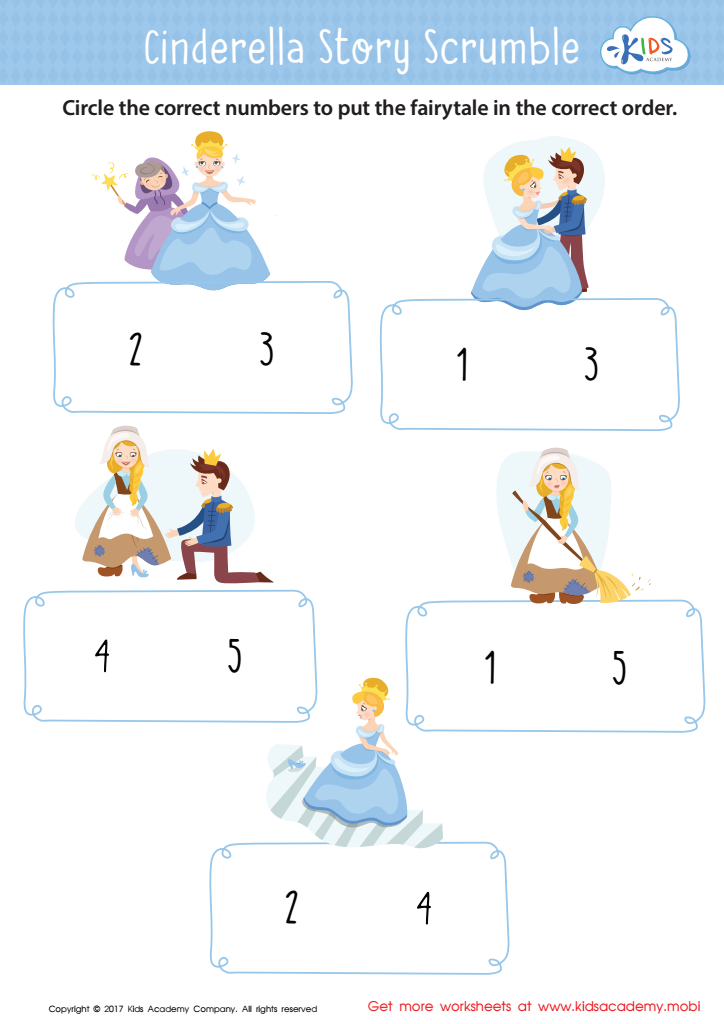
Cinderella Story Sequencing Worksheet
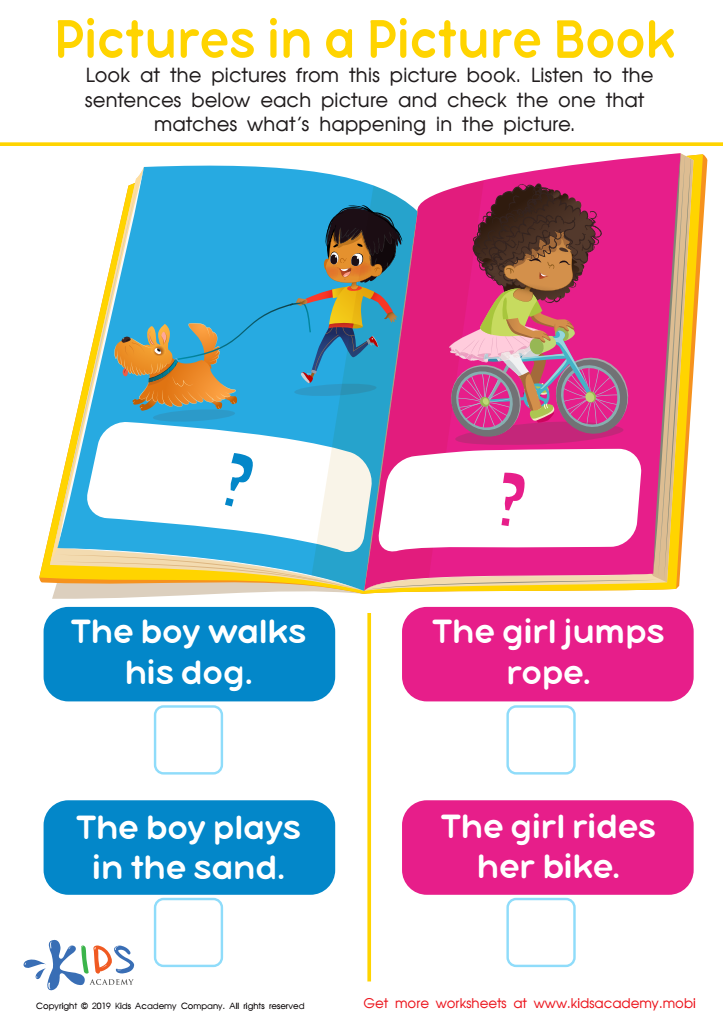
Picture in Books Worksheet
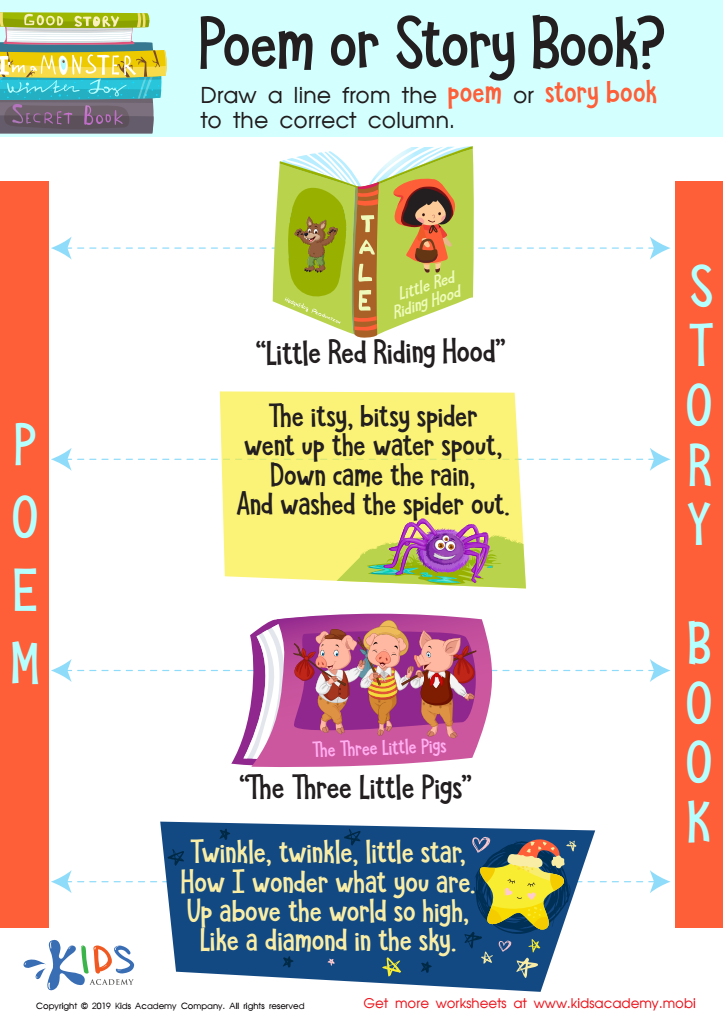
Poem or Story Book? Worksheet
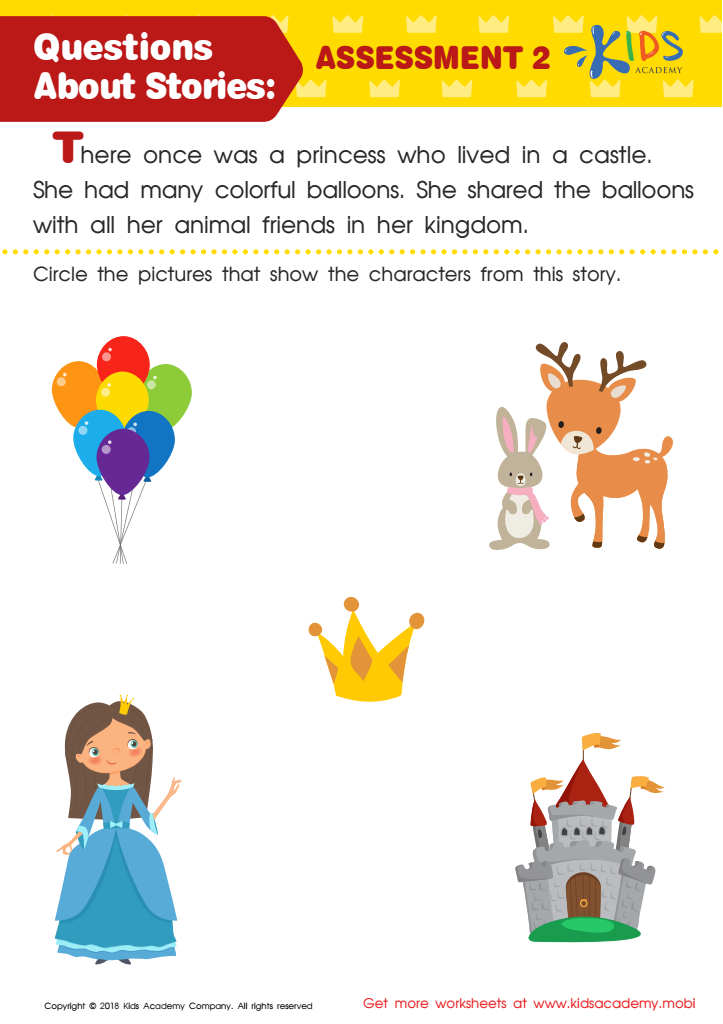
Questions About Stories: Assessment 2 Worksheet
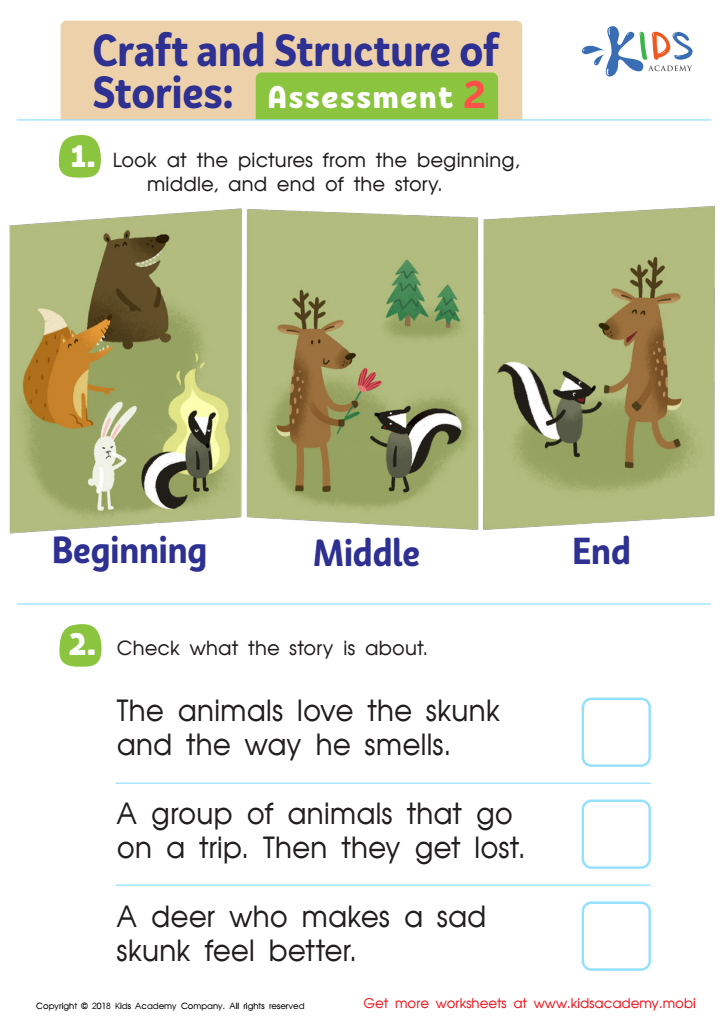
Craft and Structure of Stories: Assessment 2 Worksheet
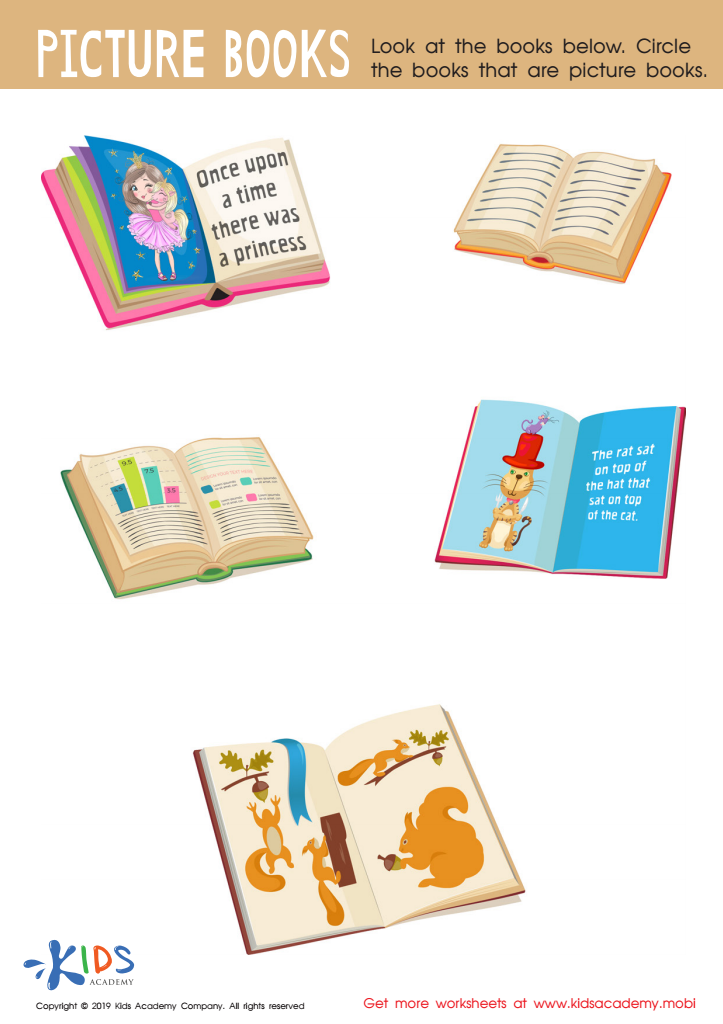
Picture Books Worksheet
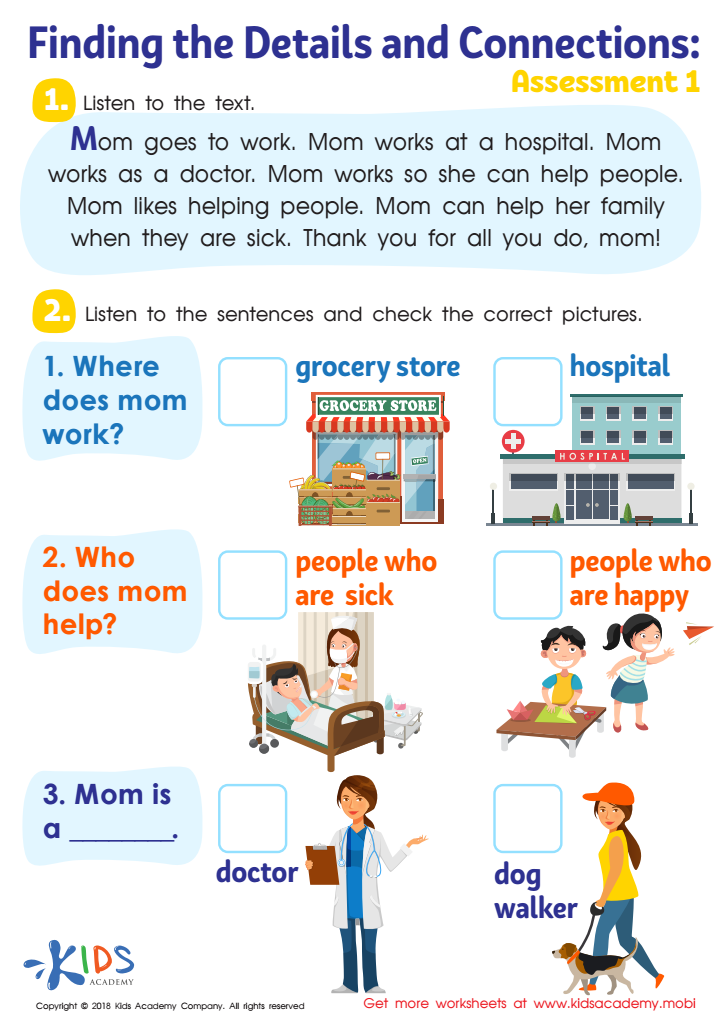
Finding the Details and Connections: Assessment 1 Worksheet
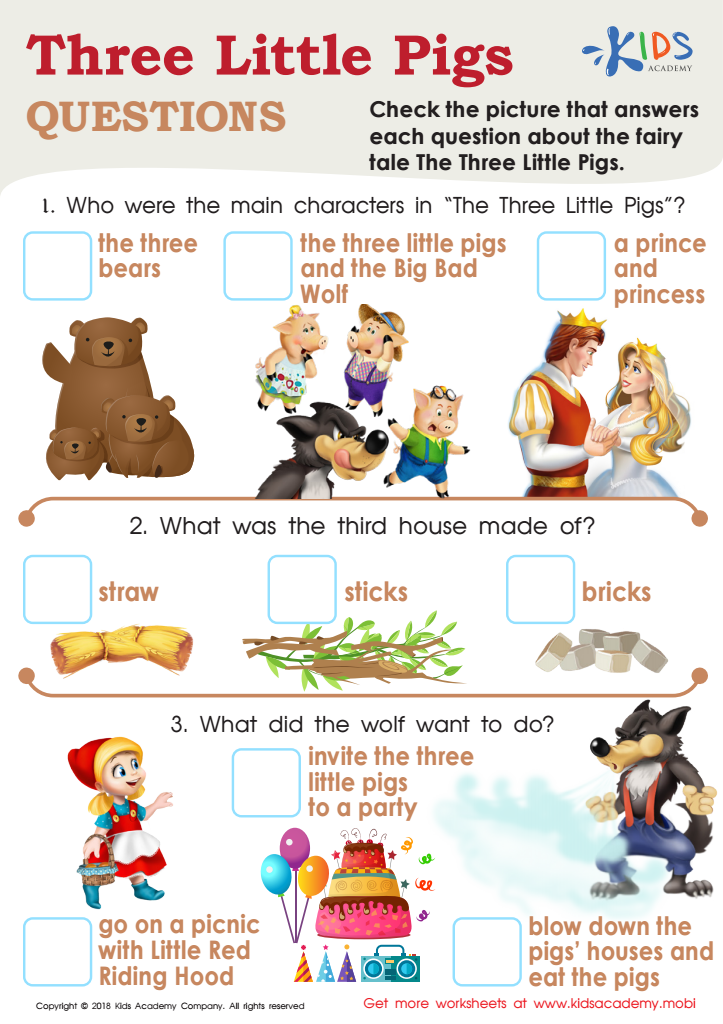
Three Little Pigs Questions Worksheet
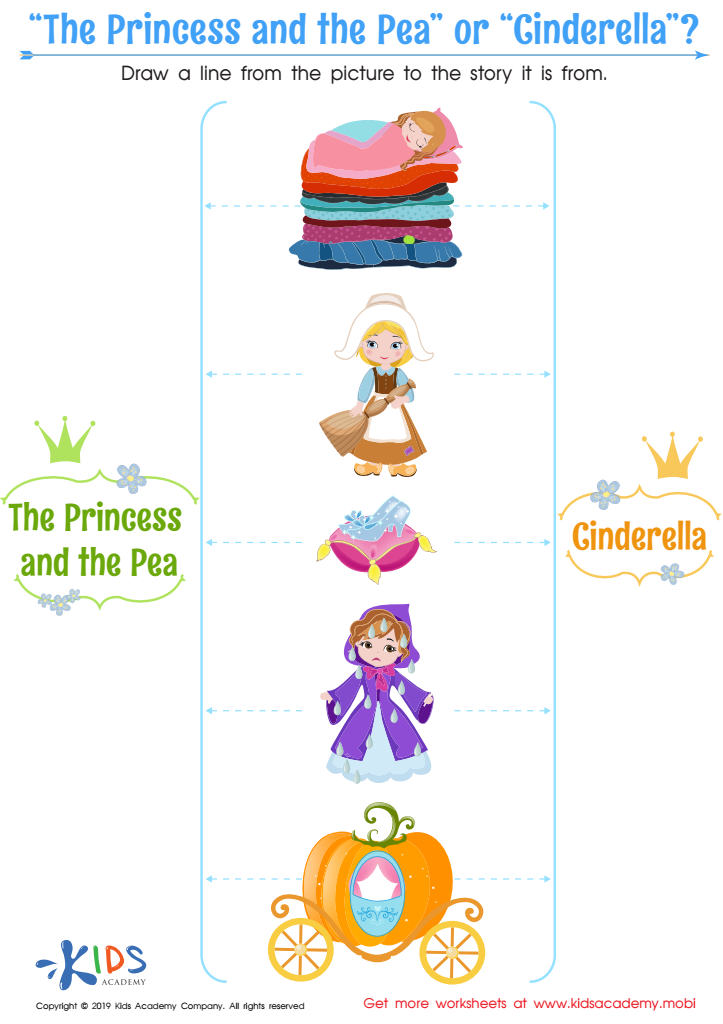
“The Princess and the Pea” or “Cinderella” Worksheet
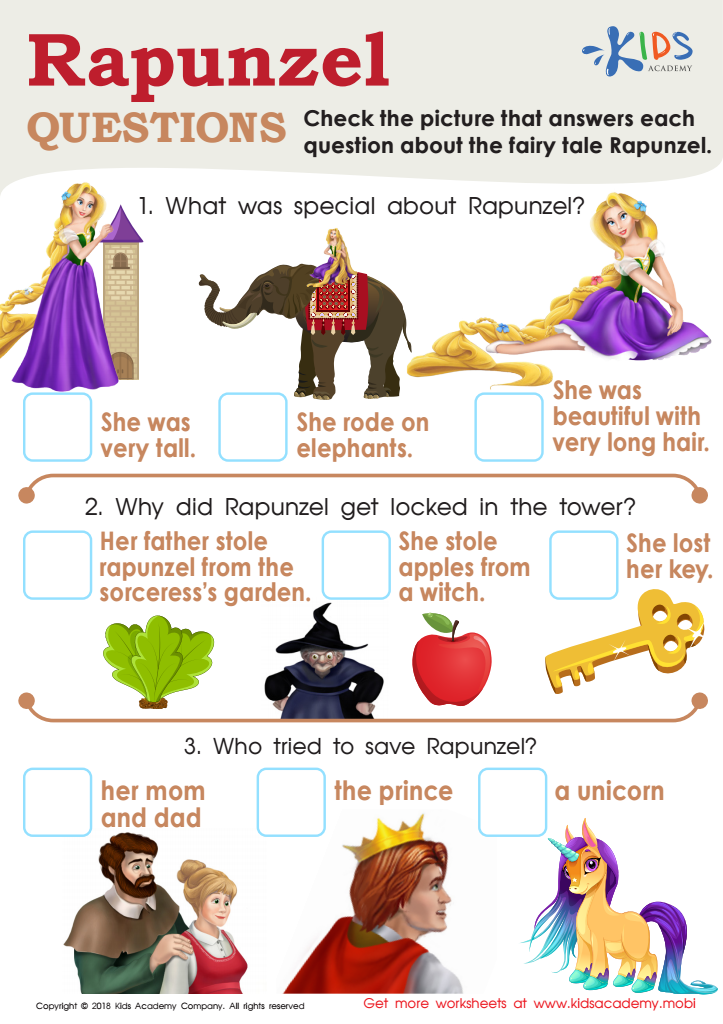
Rapunzel Questions Worksheet
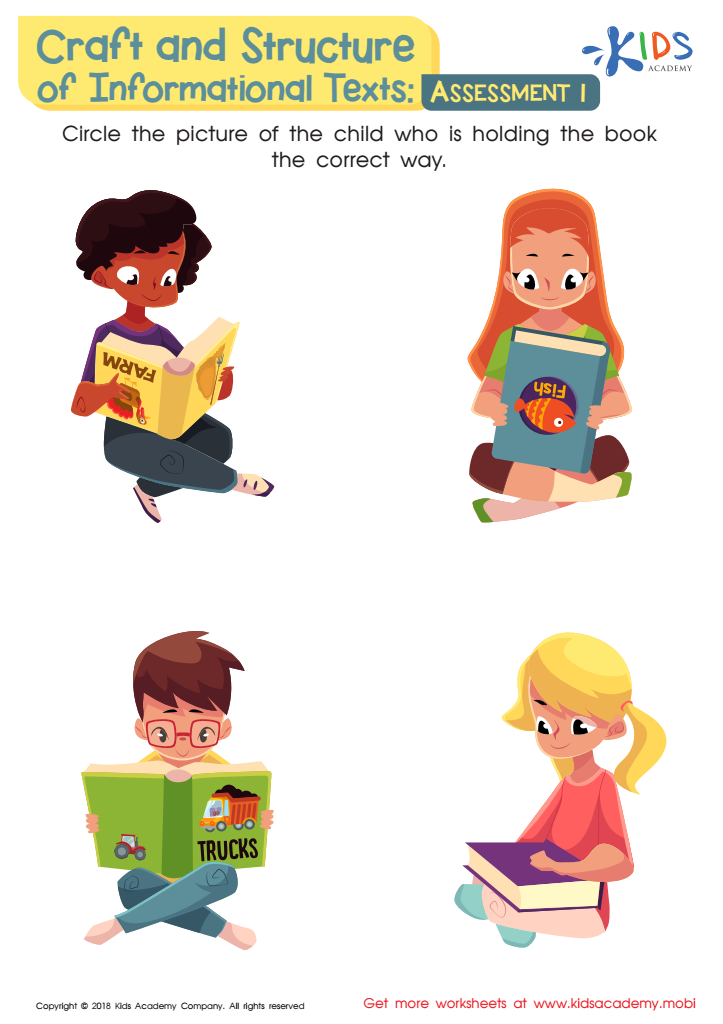
Craft and Structure of Informational Texts: Assessment 1 Worksheet
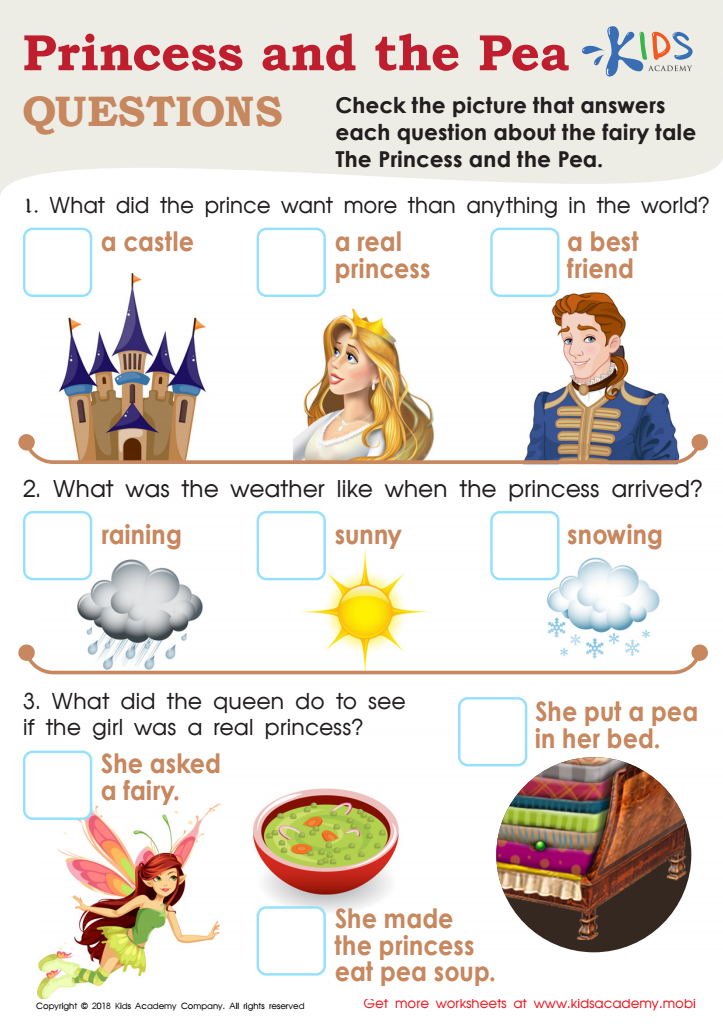
Princess and the Pea Questions Worksheet








Parents and teachers should prioritize Critical Thinking Normal Reading for children aged 3-4 because it lays the foundational skills necessary for lifelong learning. At this crucial stage of development, children are naturally curious and eager to explore their environment. Engaging them in reading activities that stimulate critical thinking encourages them to ask questions, make connections, and analyze information independently.
Critical thinking through reading enhances language development by introducing new vocabulary and ideas, fostering better communication skills. It also promotes comprehension by encouraging children to think about characters' motivations and the lessons behind stories. Through this process, they learn to make inferences and interpretations, which are essential skills for later academic success.
Moreover, fostering critical thinking from an early age cultivates problem-solving abilities. Children who are taught to approach reading with a critical mind are better equipped to address challenges they face both in and out of the classroom. Overall, integrating critical thinking into reading activities nurtures inquisitive minds, encourages a love for reading, and prepares children to be engaged, analytical learners who thrive in an increasingly complex world. By focusing on these strategies, parents and teachers play a vital role in shaping well-rounded individuals.