
Critical Thinking Normal Science Worksheets for Ages 3-4
7 filtered results
Difficulty Level
Grade
Age
-
From - To
Subject
Activity
Standards
Unlock your child's potential with our "Critical Thinking Normal Science Worksheets for Ages 3-4." Designed specifically for young learners, these engaging worksheets foster early critical thinking skills through fun, interactive activities. Your little ones will explore basic science concepts while developing essential thinking abilities, such as problem-solving, reasoning, and analytical skills. Each worksheet encourages curiosity and creativity, making learning enjoyable and effective. Parents and educators will appreciate the easy-to-use format, ideal for at-home or classroom settings. Enrich your child's educational journey today with these thoughtfully crafted worksheets that lay the foundation for a lifetime of critical thinking and scientific exploration!
Favorites
With answer key
Interactive
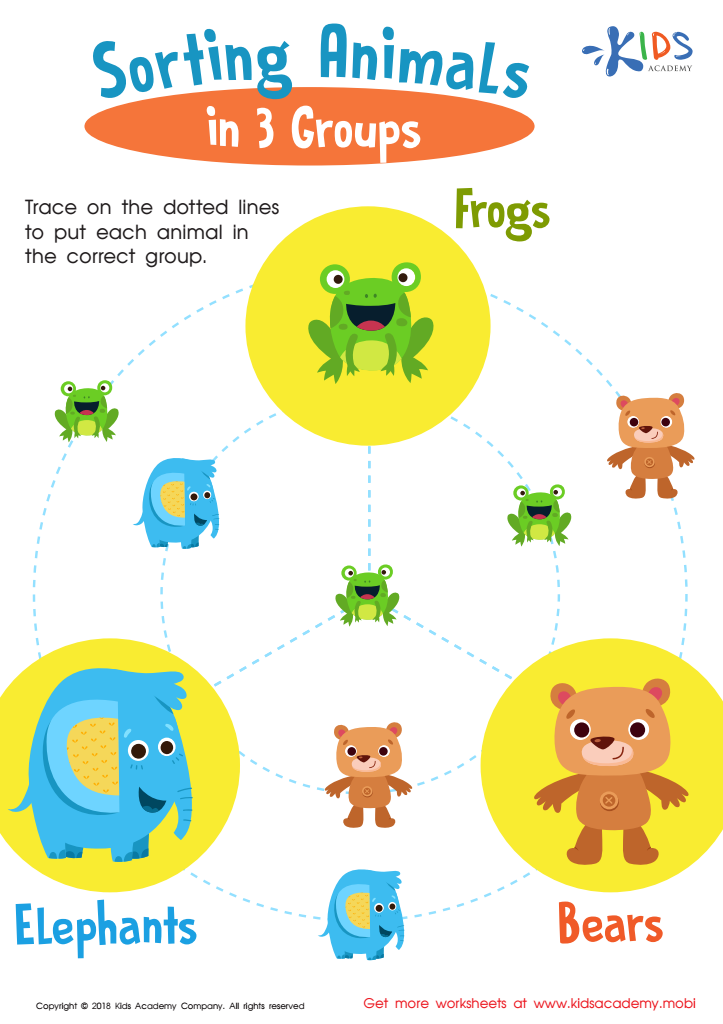
Sorting Animals in 3 Groups Worksheet
Let your kids practice and build skills for future Venn Diagrams with this PDF worksheet. They'll trace lines to match and group animals, and learn the differences and similarities of animals by categorizing with pictures and words. Plus, it's a great way to develop fine motor skills.
 Assign to My Students
Sorting Animals in 3 Groups Worksheet
Worksheet
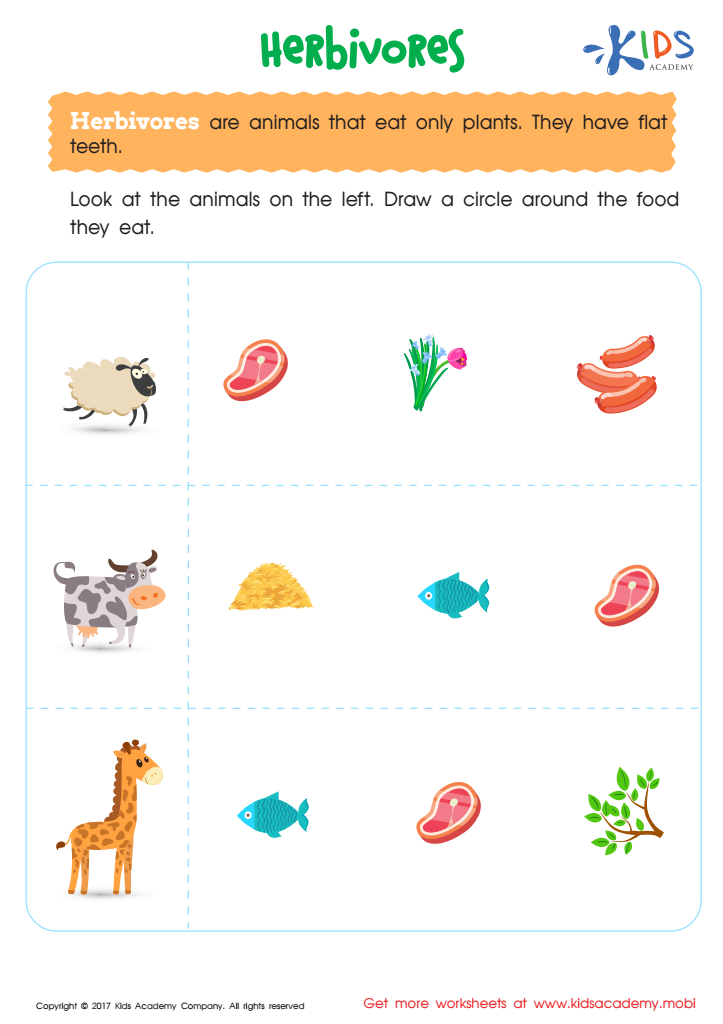
Herbivores Printable
Strengthen their vocab with these fascinating creatures, as they explore an intriguing aspect of beloved animals.
Herbivores Printable
Worksheet
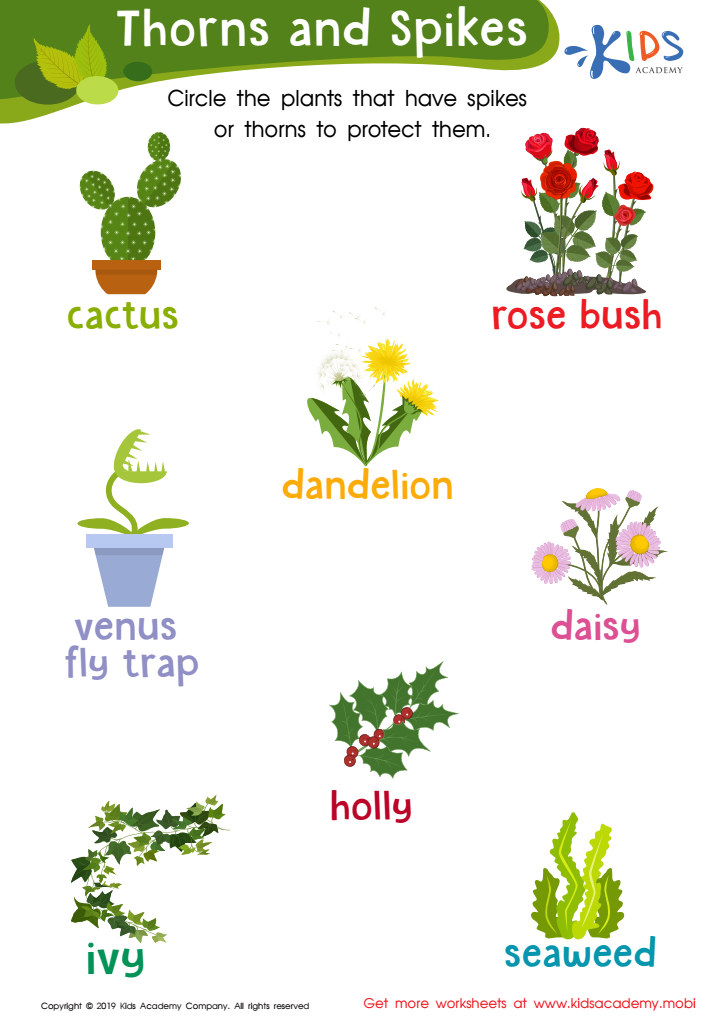
Thorns and Spikes Worksheet
Can your students name and identify the plants and flowers in this worksheet? Ask them to read out the names and circle the ones with spikes or thorns. Help them appreciate nature's beauty and understand how plants protect themselves.
Thorns and Spikes Worksheet
Worksheet
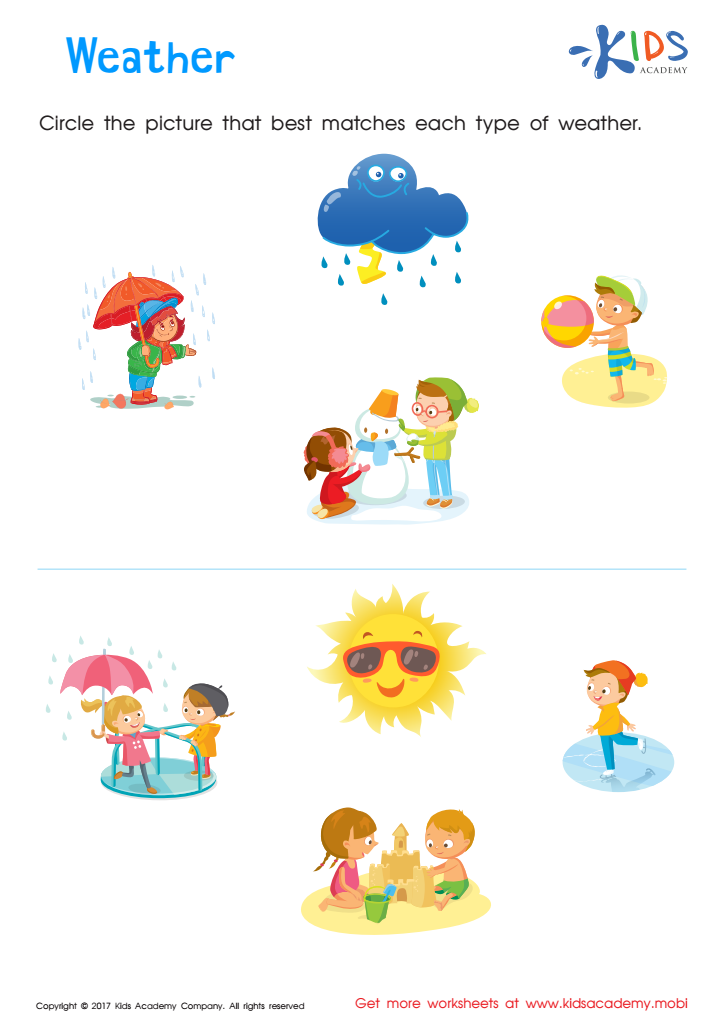
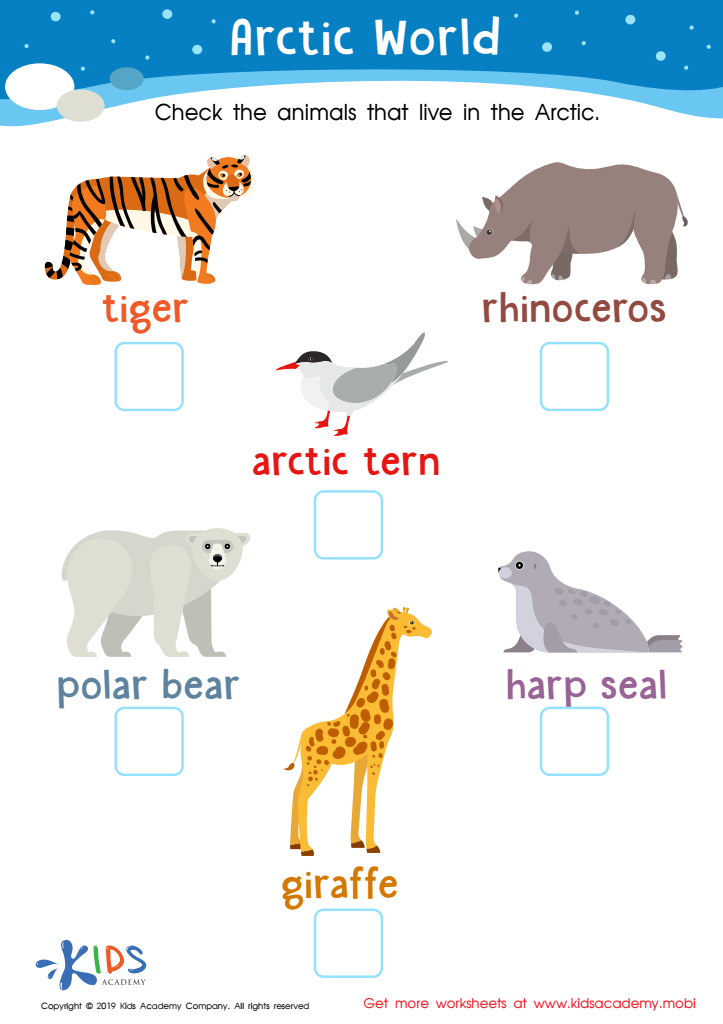
Arctic World Worksheet
Ask your students if they know where the Arctic is located and what lives there. If not, use a world atlas to show them. The Arctic is very cold and snow-covered; native animals have adapted to survive the harsh conditions. Look at the animals in the worksheet and help your students decide which ones live in the Arctic.
Arctic World Worksheet
Worksheet
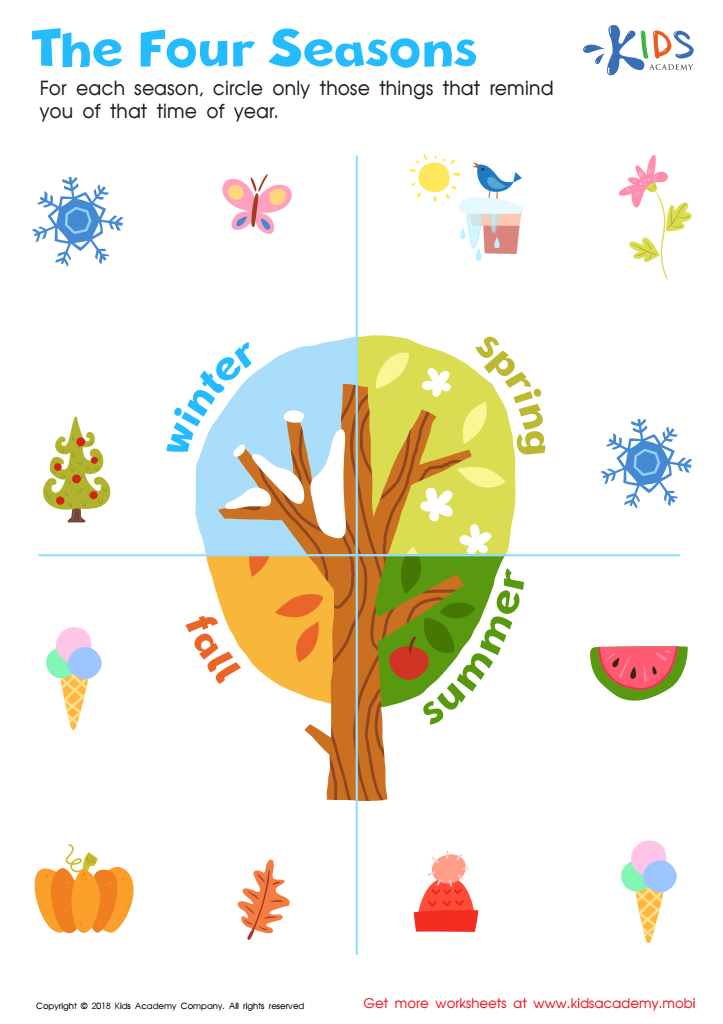
The Four Seasons Worksheet
Tell your child to circle things that remind them of each season. The tree has four squares, one for each season. Some things in each square match the season, others don't. Ask if any are out of place. Help them circle only items that remind them of that season.
The Four Seasons Worksheet
Worksheet
Join Kids Academy for Free
Who is primarily going to use this learning content?








Critical Thinking within the framework of Normal Science is essential for children aged 3-4, as it serves as the foundation for their cognitive development and future learning success. At this age, children are naturally curious, and nurturing their ability to think critically can enhance their observation skills, problem-solving abilities, and creativity. Engaging in Normal Science encourages them to ask questions, make predictions, and experiment with the world around them, fostering an inquisitive mindset.
Parents and teachers play a crucial role in this process. By creating supportive environments where children can explore, ask "why" and "how," and learn from both success and failure, they instill a sense of resilience and adaptability. This helps children develop valuable life skills such as communication, collaboration, and analytical thinking, which are critical in today’s ever-changing world.
Moreover, early exposure to critical thinking can lay the groundwork for academic success in STEM fields and beyond. Encouraging scientific reasoning from a young age promotes not just intellectual growth but also emotional intelligence, as children learn to reflect on their thought processes and understand different perspectives. By prioritizing Critical Thinking Normal Science, parents and teachers equip children with the tools needed for lifelong learning and informed citizenship.







