Reading comprehension Normal Social Studies Worksheets for Ages 3-4 - Page 2
27 filtered results
-
From - To
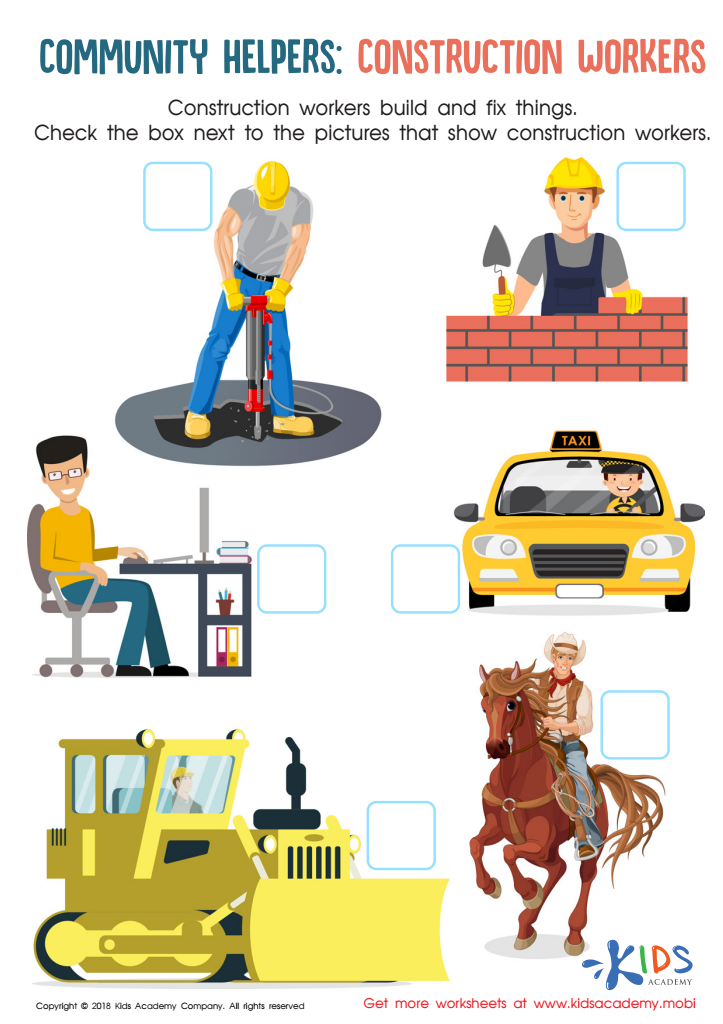
Construction Workers Community Helpers Worksheet
 Assign to My Students
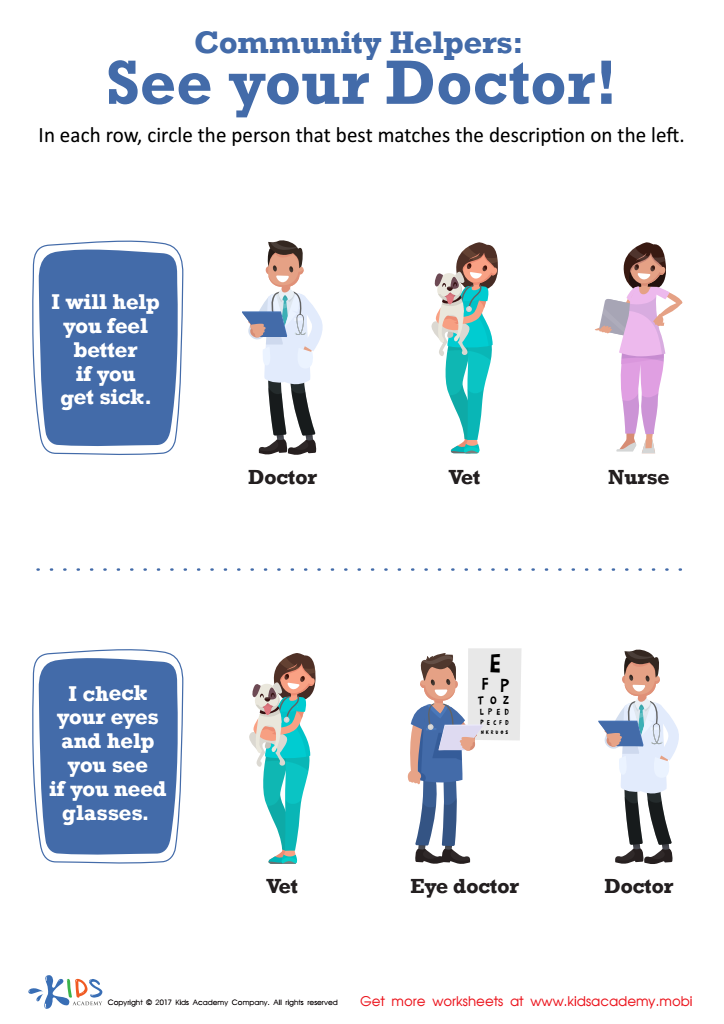
See Your Doctor (Part 1) Printable
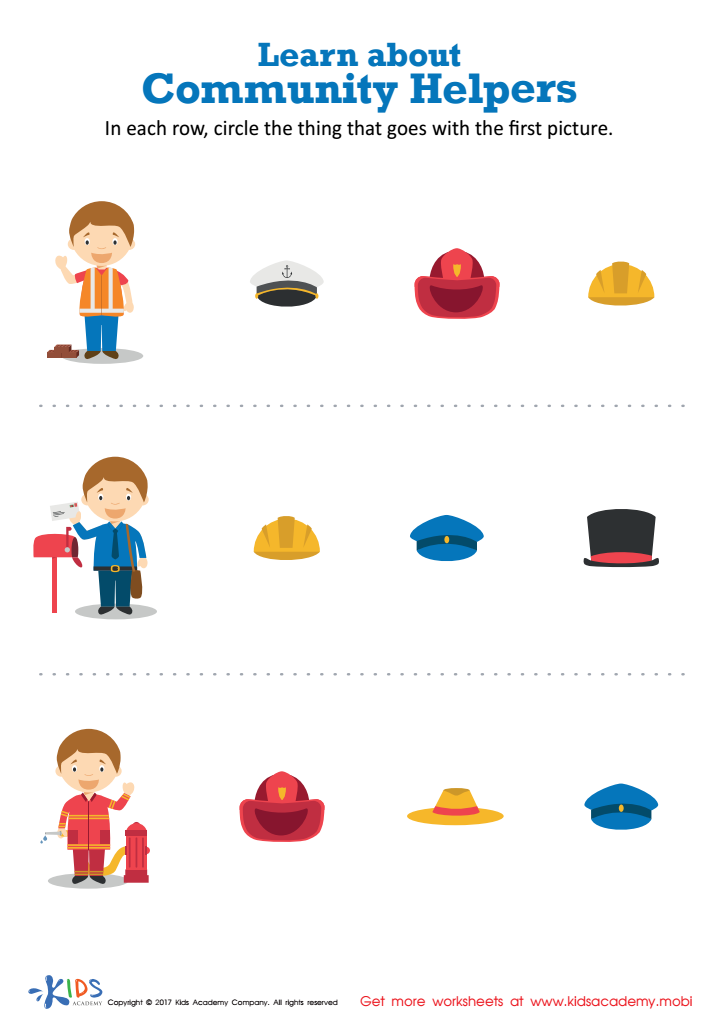
Learn about Community Helpers Printable




.jpg)


Reading comprehension in early social studies education is crucial for young children ages 3-4 because it forms the bedrock for their cognitive, language, and social development. Introducing core concepts like community, family roles, and cultural diversity not only broadens their understanding of the world but also encourages empathy and curiosity. At this stage, children's brains are incredibly receptive to new information, making it an ideal time to cultivate foundational literacy skills.
Understanding stories, identifying characters, recalling events, and asking questions about content are all critical skills fostered through reading comprehension activities. These skills are building blocks for more advanced literacy as children grow. Enhanced reading comprehension also improves vocabulary and language proficiency, equipping children with the communication tools needed for academic and social success.
Moreover, early exposure to social studies through stories and simple activities teaches valuable lessons about cooperation, responsibility, and community participation. By addressing behaviors and norms in an age-appropriate way, children learn to navigate social interactions more effectively.
Parents and teachers play an essential role in guiding these early literacy experiences. Their involvement ensures that concepts are reinforced both at home and in the classroom, providing a consistent support system for young learners and setting the stage for lifelong educational and personal growth.