Logical thinking Normal Worksheets for Ages 3-5
6 filtered results
-
From - To
Welcome to our "Logical Thinking Worksheets" for ages 3-5! Designed to spark young minds, these engaging and age-appropriate worksheets promote critical thinking skills through fun activities. Each worksheet encourages children to recognize patterns, classify objects, and solve problems, building a solid foundation for future learning. They're perfect for parents and educators looking to enhance cognitive development in a playful way. With vibrant designs and interactive challenges, children will love exploring concepts like sequences and sorting. Download our free worksheets today and watch your little ones develop essential logical thinking skills while having a blast! Perfect for home or school use!
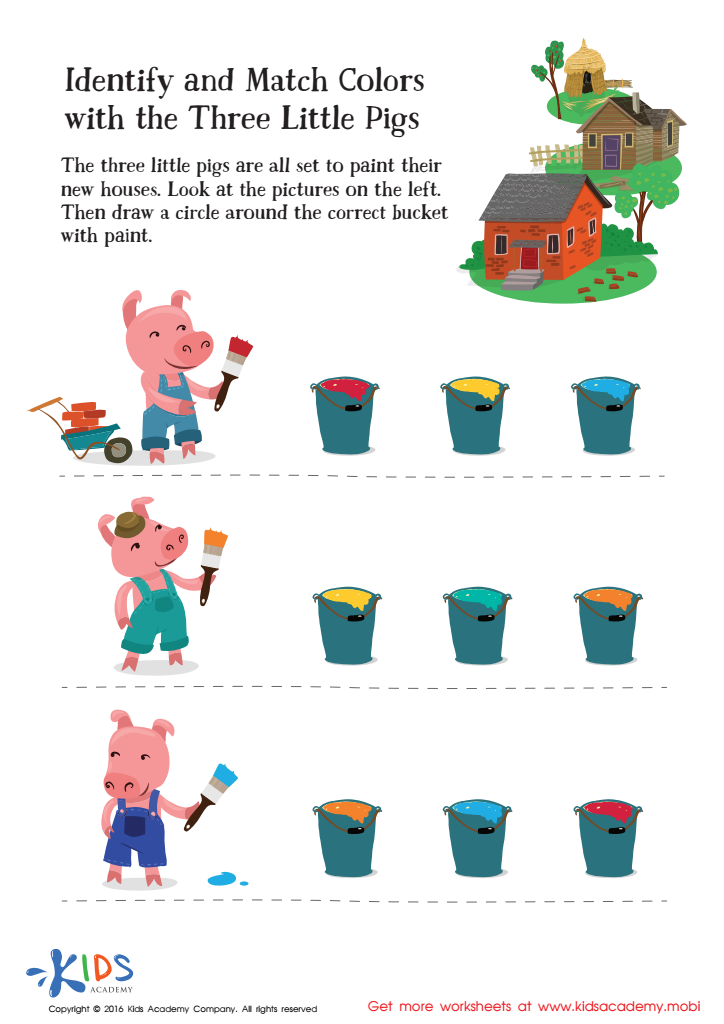
Fairy Tale Worksheet: Identify and Match Colors with Three Little Pigs
 Assign to My Students
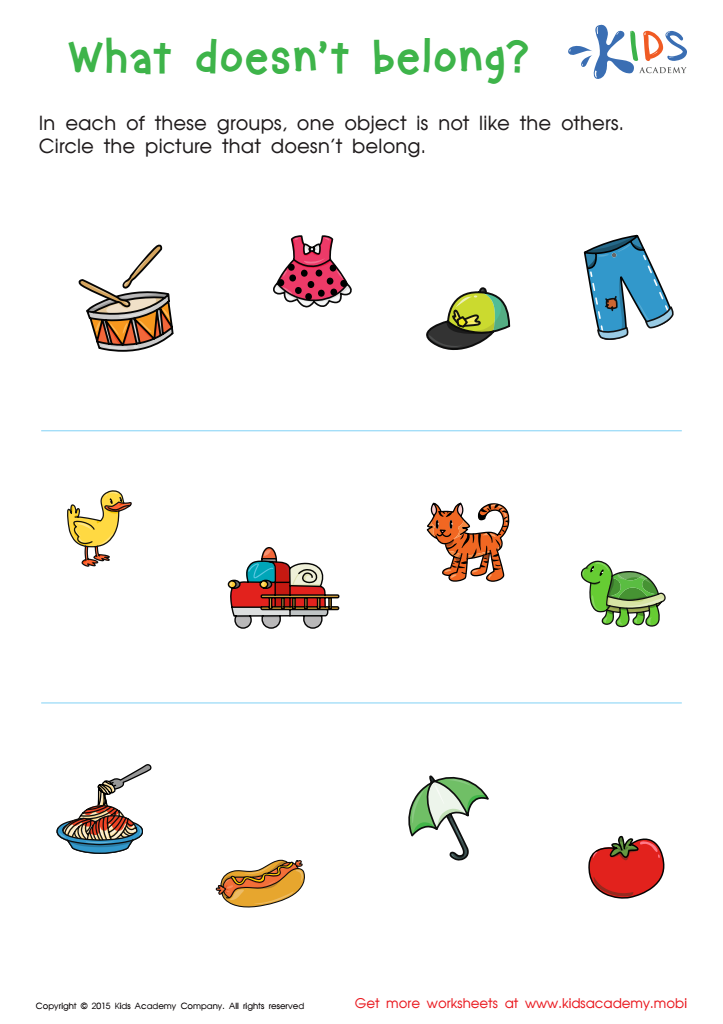
First Words: What Doesn't Belong Worksheet
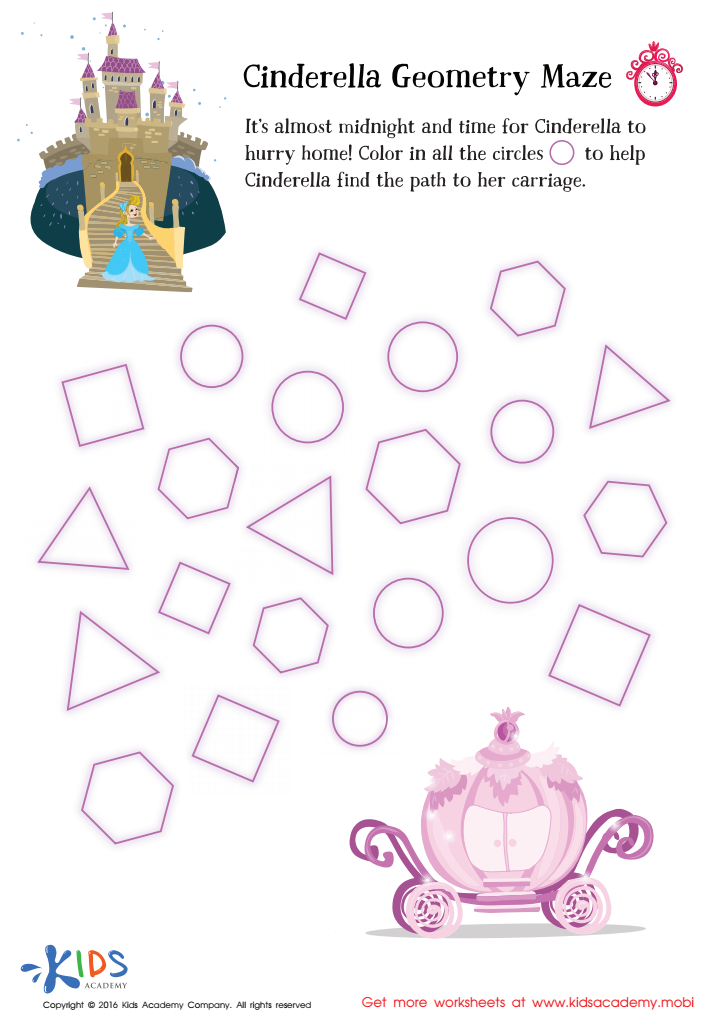
Cinderella Geometry Maze Worksheet
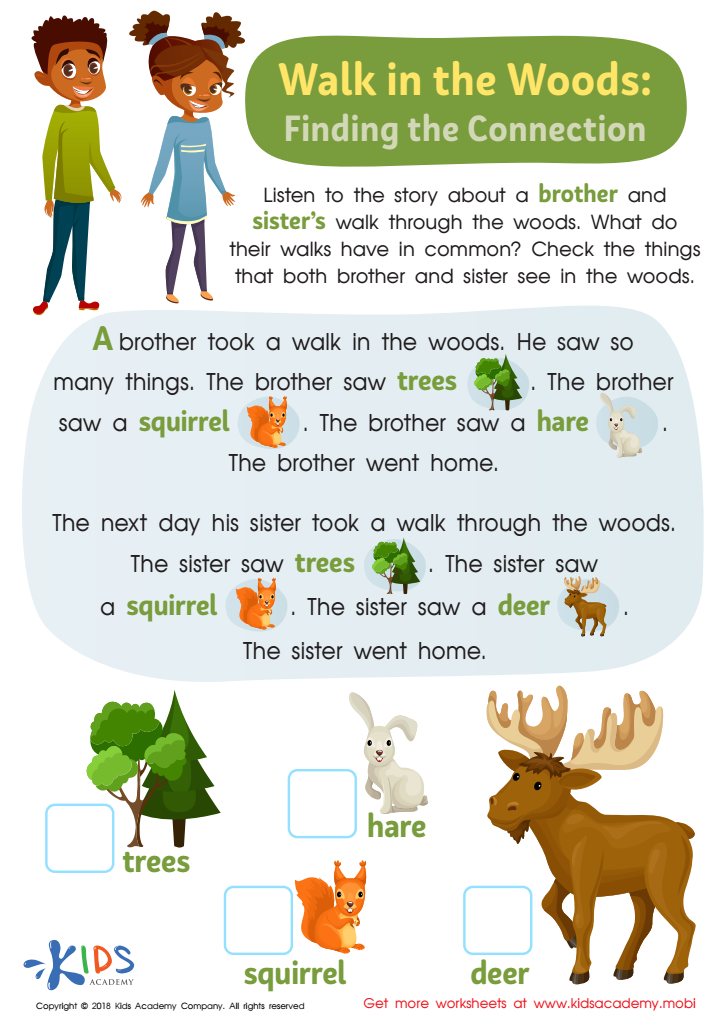
Walk In the Woods: Finding Connections Worksheet
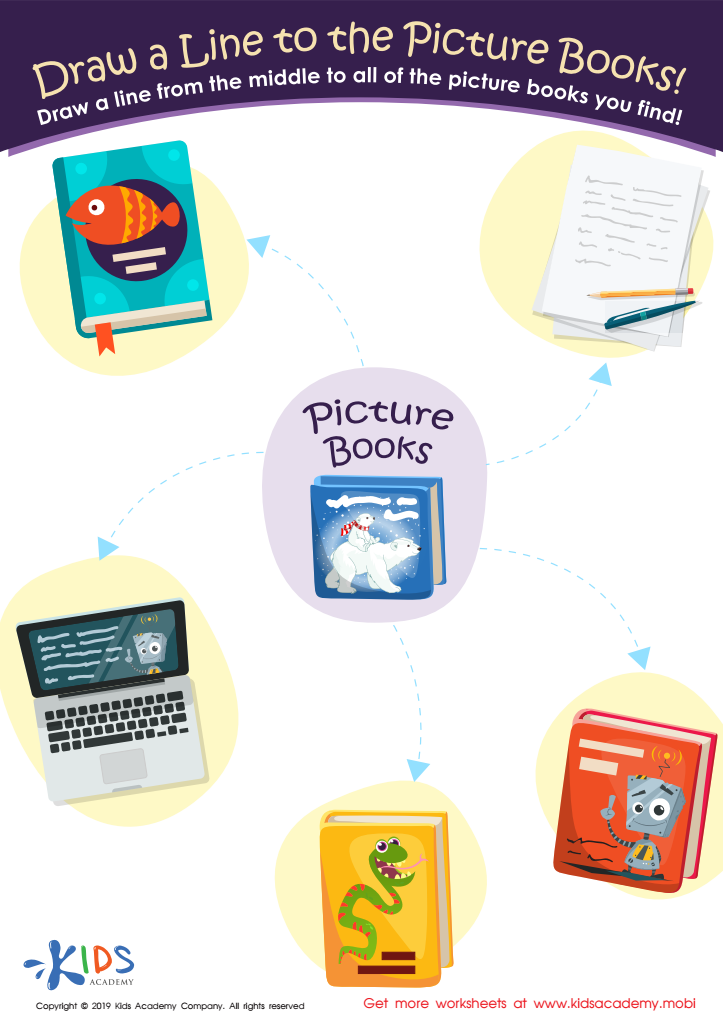
Draw a Line to the Picture Books Worksheet








Logical thinking is a crucial skill for children aged 3-5, forming the foundation for problem-solving, reasoning, and decision-making. As they navigate their early learning environments, fostering this ability helps them understand cause and effect, categorize information, and recognize patterns in their daily experiences. Parents and teachers should particularly focus on this stage because the cognitive skills developed during these formative years significantly influence future academic success.
Children with strong logical thinking skills tend to excel in math, science, and language arts. Engaging in activities that promote these skills—such as sorting games, puzzles, and simple experiments—prepares them not just for school, but for real-world challenges. It also encourages curiosity, creativity, and resilience as they tackle problems and work through them independently.
Moreover, early exposure to logical thinking enhances communication skills, as children learn to articulate their reasoning and thought processes. This is not only beneficial in group settings or play but also fosters social skills, helping them to collaborate effectively with peers.
In essence, nurturing logical thinking in young children equips them with vital tools for lifelong learning and success. Both parents and teachers play an integral role in this developmental journey, making it essential for them to prioritize and support logical reasoning activities.








