Visual perception Normal Worksheets for Ages 3-5
14 filtered results
-
From - To
Welcome to our Visual Perception Worksheets for Ages 3-5! These engaging, printable activities are designed to enhance your child's visual processing skills, crucial for early learning. Our worksheets help little learners identify shapes, colors, and patterns while fostering attention to detail. Perfect for preschoolers, these fun exercises encourage curiosity and improve cognitive abilities through interactive play. Each worksheet is designed to be age-appropriate, ensuring that educational content is both accessible and enjoyable. Support your child's development by providing them with the tools to sharpen their visual perception skills. Get started today and make learning a fun adventure!
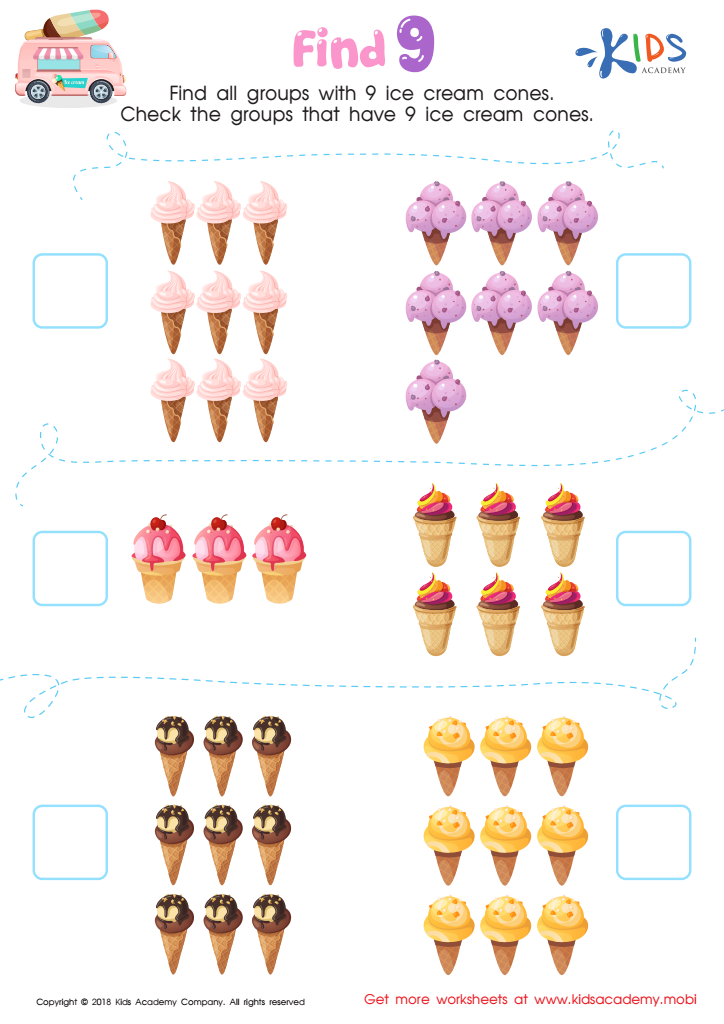
Find 9 Worksheet
 Assign to My Students
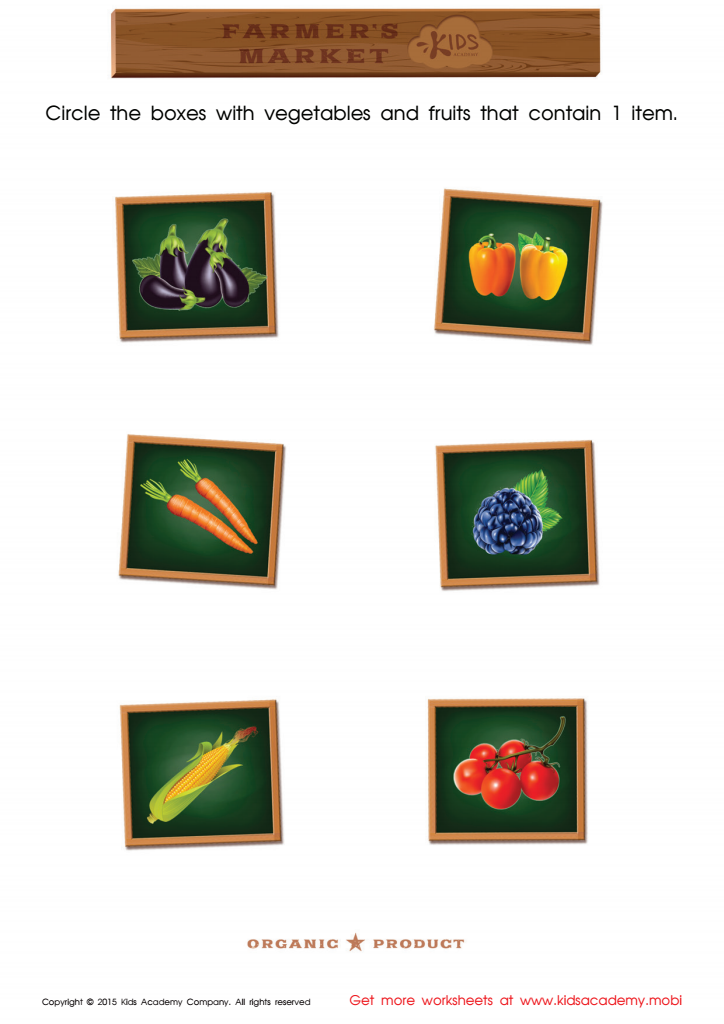
Count and Match Boxes with Vegetables
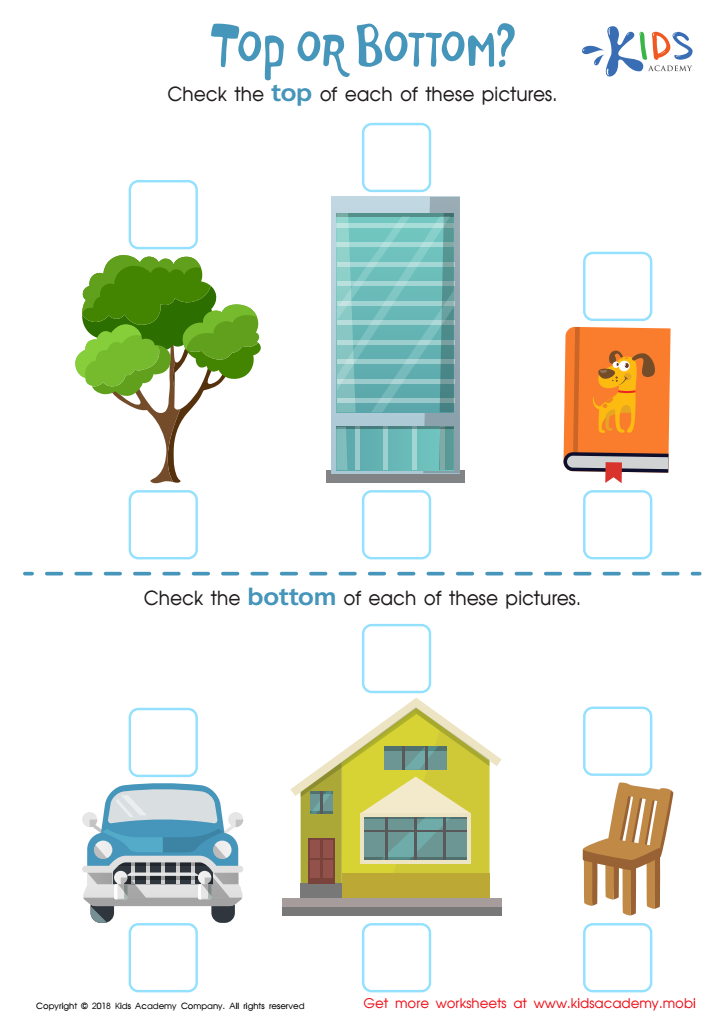
Top or Bottom Worksheet
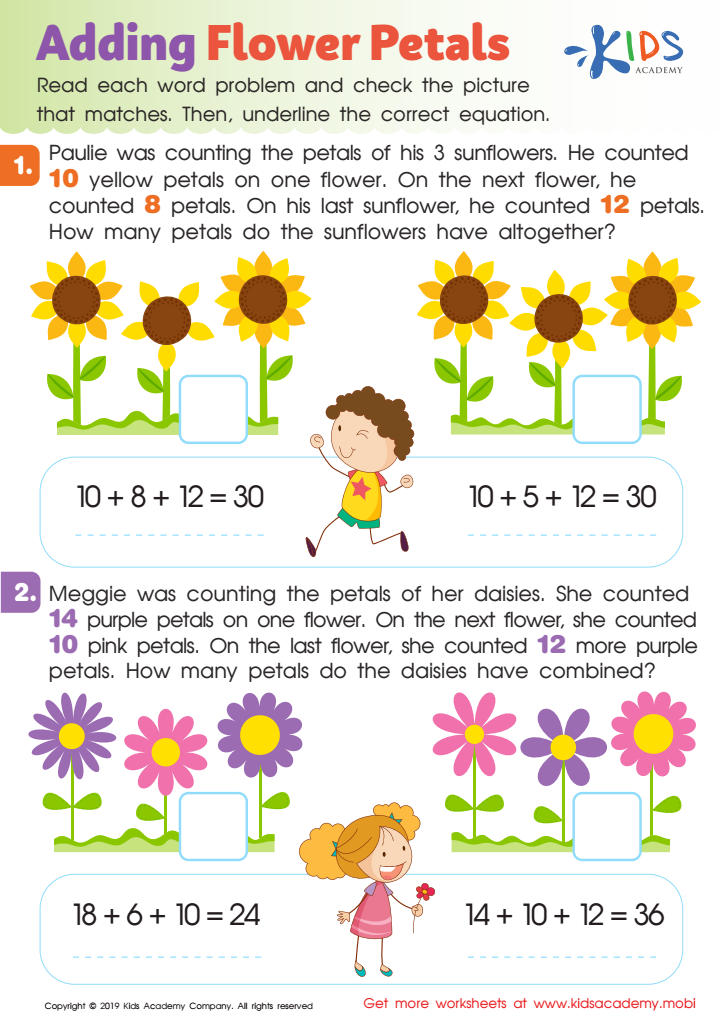
Adding Flower Petals Worksheet
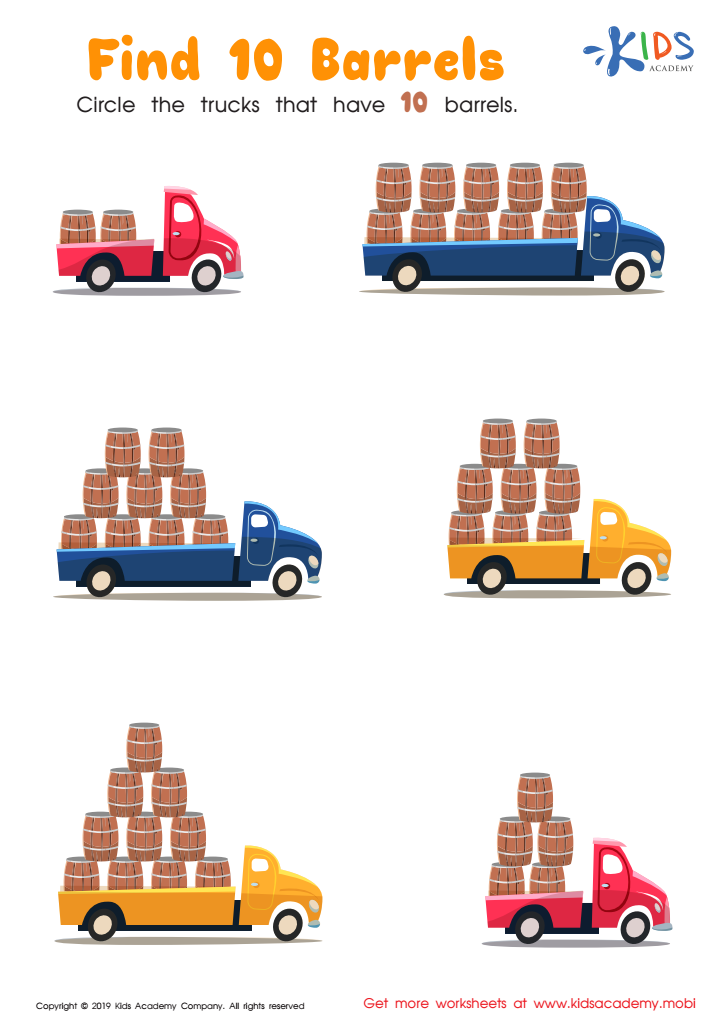
Find 10 Barrels Worksheet
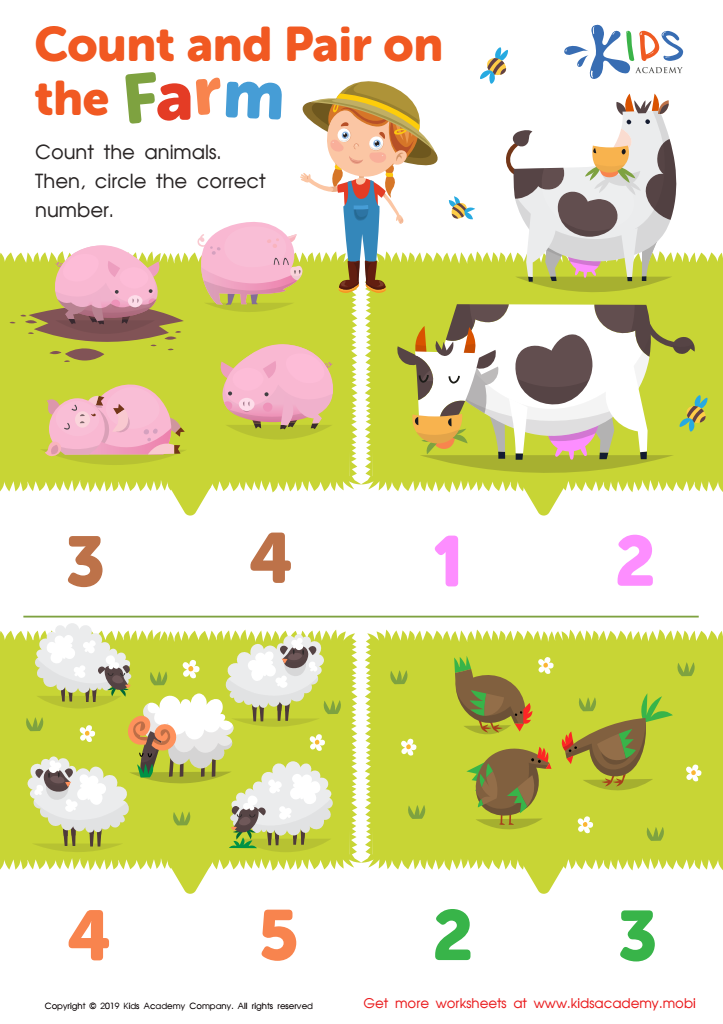
Count and Pair on the Farm Worksheet
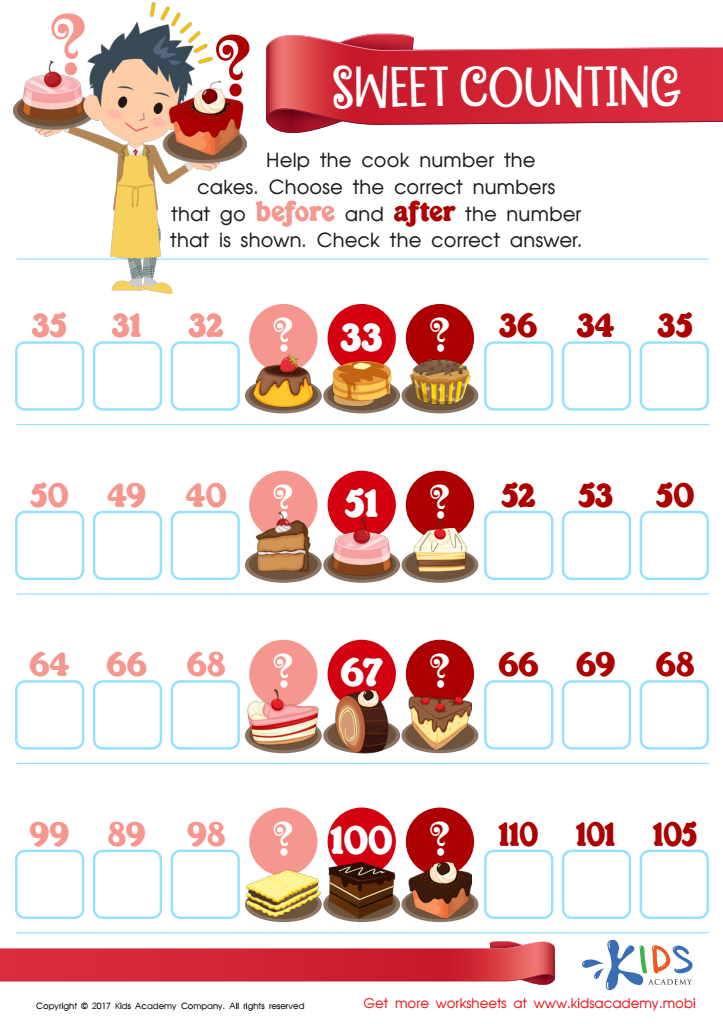
Sweet Counting - Part 1 Worksheet
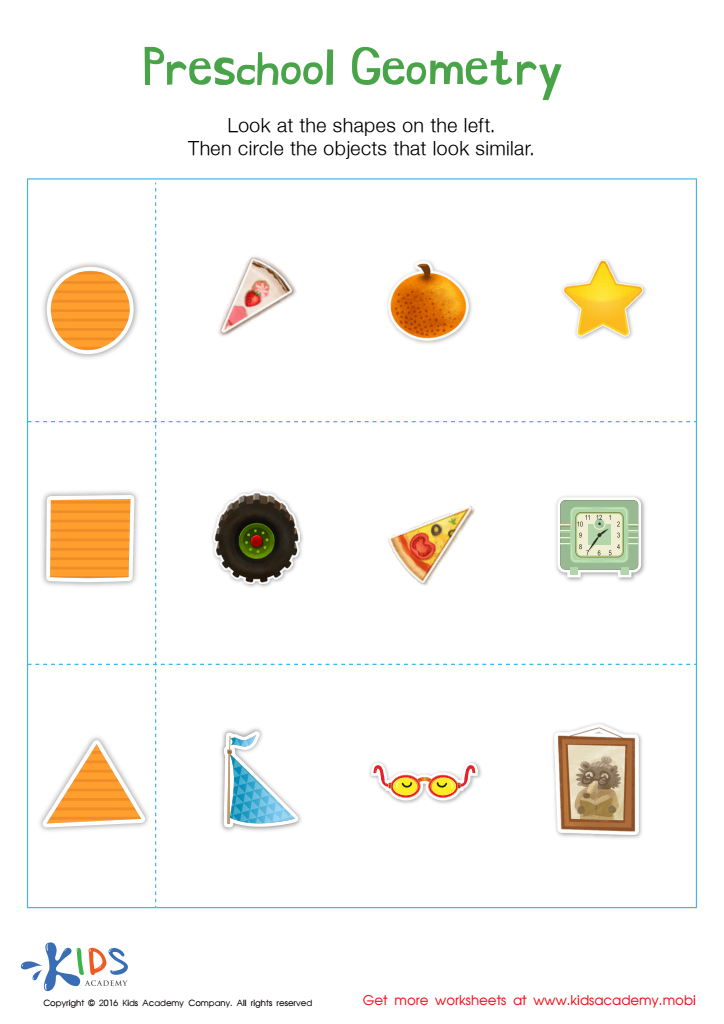
Preschool Geometry Match Up Worksheet
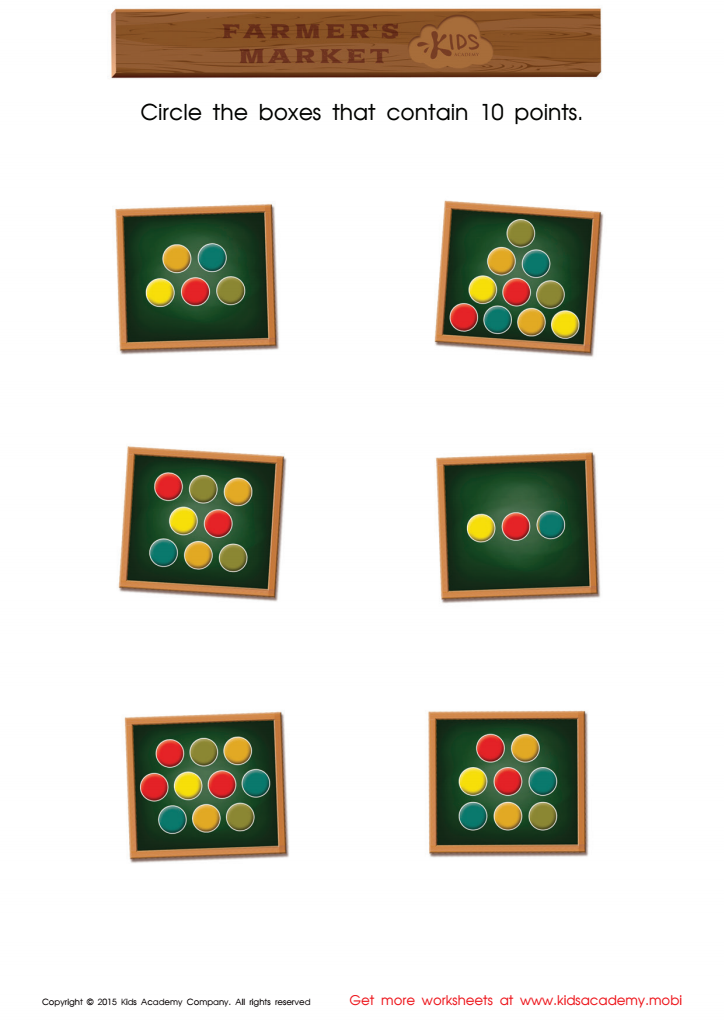
Count and Match Points 10 Math Worksheet
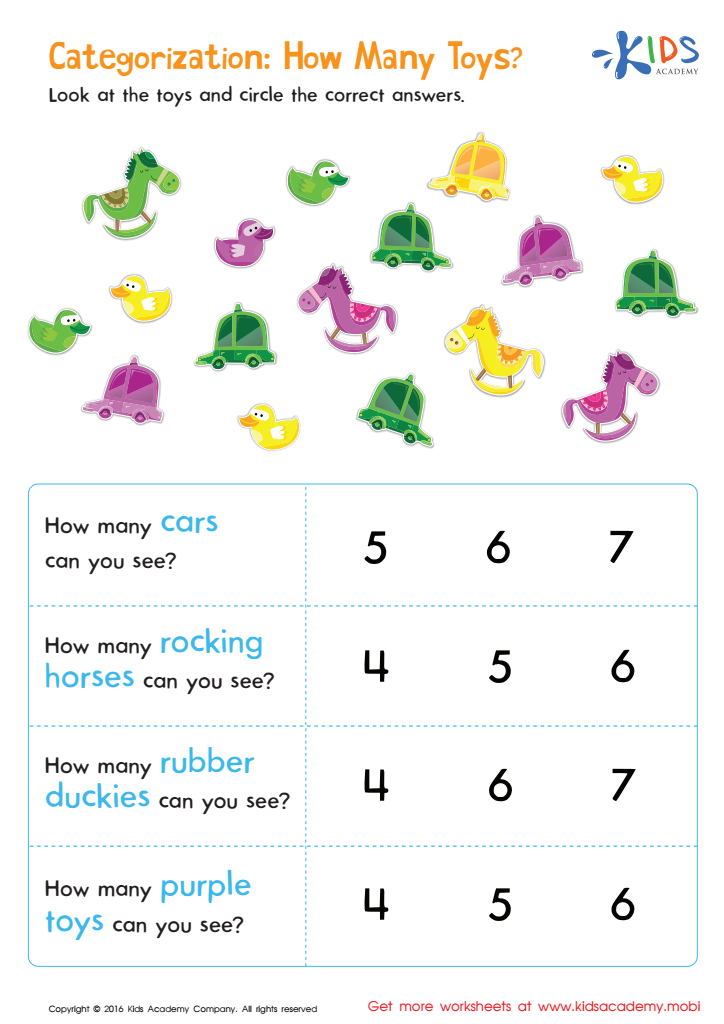
Classifying Toys by Type and Color Sorting Worksheet
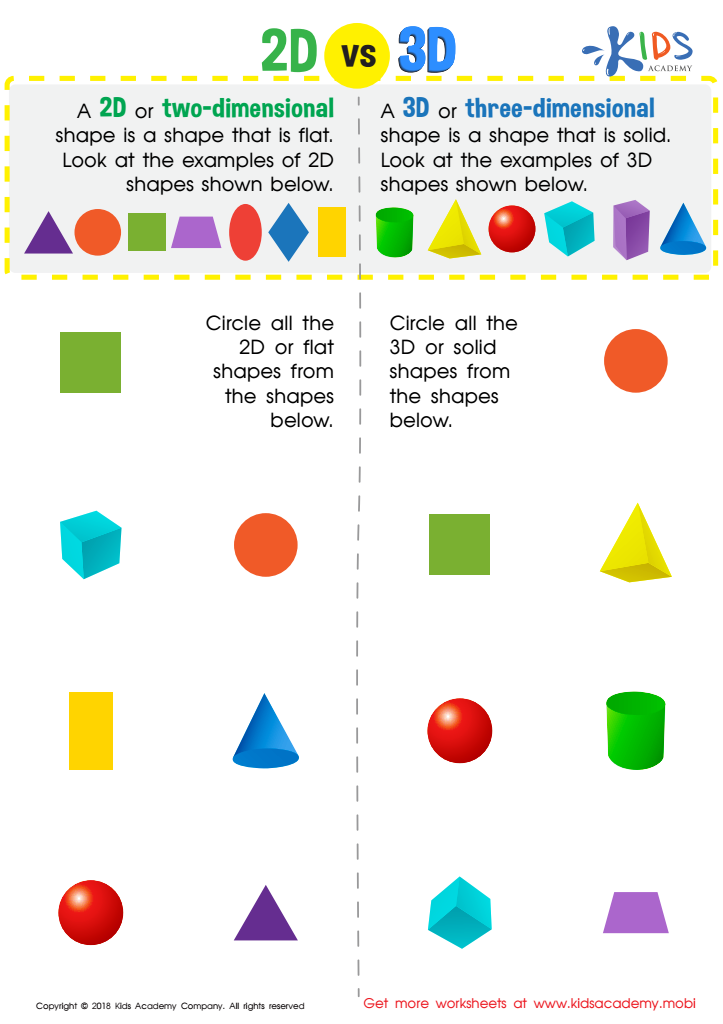
2D vs 3D Shapes Worksheet
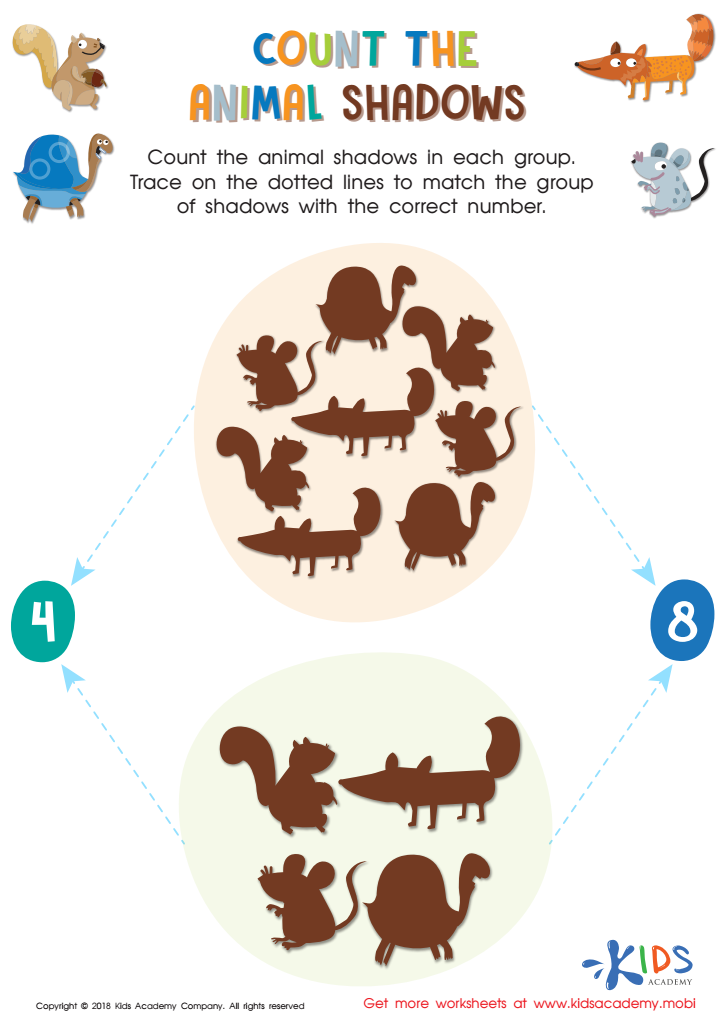
Count the Animal Shadows Worksheet
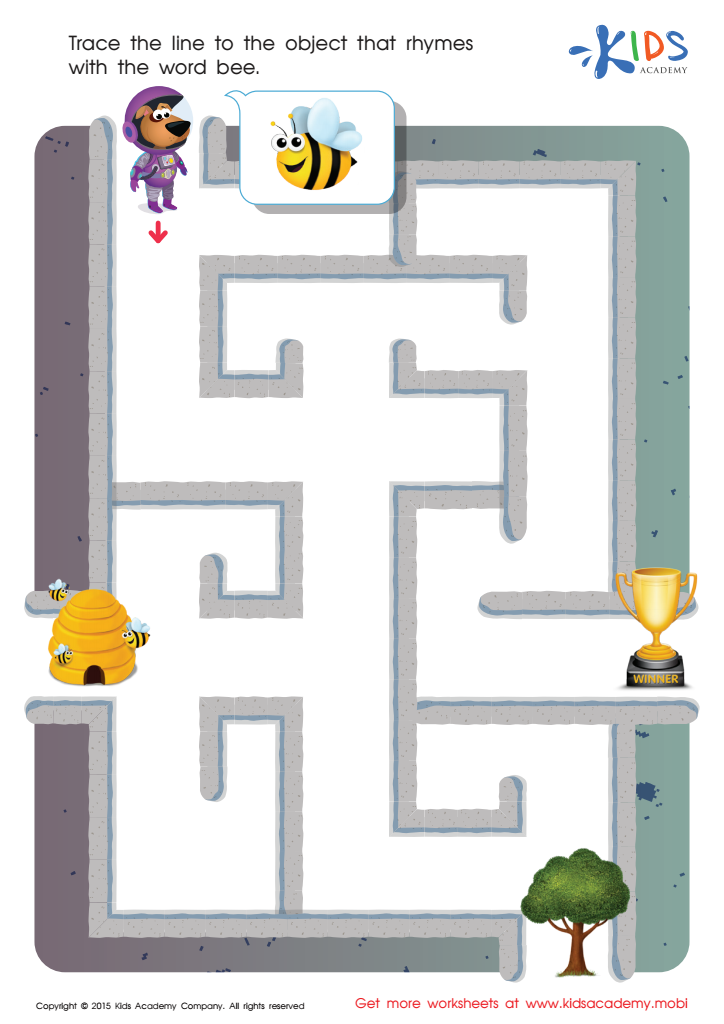
Bee Rhyming Words Worksheet
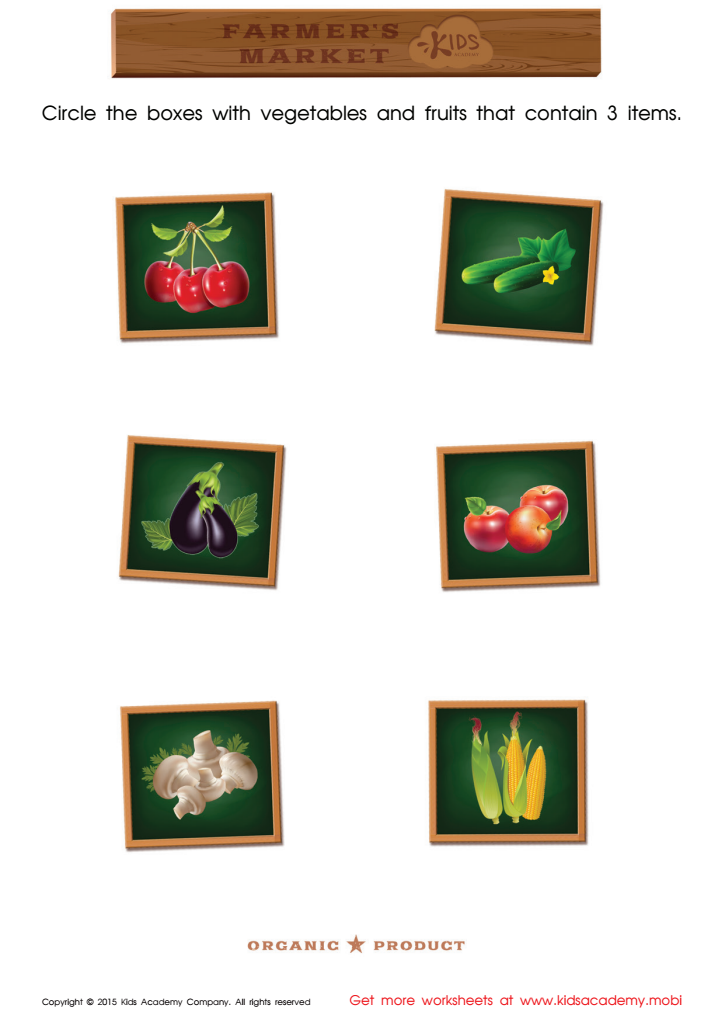
Count and Match Vegetables 1 – 5 Math Worksheet







Visual perception is crucial for children aged 3-5 as it lays the foundation for their overall development and academic success. Parents and teachers should prioritize this aspect of early childhood education for several reasons.
Firstly, visual perception directly affects a child's ability to process and understand visual information. These skills are vital for tasks such as reading, writing, and even basic mathematics. For instance, recognizing shapes and letters requires strong visual discrimination—they must identify subtle differences and similarities.
Secondly, visual perception supports social interactions. Young children rely on visual cues to understand emotions and intentions during play and relationships with peers, thereby enhancing their social skills.
Moreover, improved visual perception can bolster a child's confidence and independence as they engage in activities that require attention to details, like puzzles, coloring, or simple crafts. Engaging children in fun, visual-based activities like sorting games or matching games can strengthen these skills while making learning enjoyable.
By actively fostering visual perception skills, parents and teachers can help create a solid foundation for critical thinking, problem-solving abilities, and overall cognitive development. Investing time in enhancing these skills ultimately eases children's transition into formal education, setting the path for lifelong learning.








