Addition Practice Normal Numbers Worksheets for Ages 3-5
5 filtered results
-
From - To
Explore engaging Addition Practice Normal Numbers Worksheets designed specifically for children aged 3-5! Our worksheets encourage early mathematical skills with a variety of fun and interactive activities that make learning basic addition concepts enjoyable. Tailored to young learners, these worksheets introduce addition through playful visuals and easy-to-follow exercises, ensuring a solid foundation while fostering a love for numbers. Parents and educators can use these resources to enhance their child's arithmetic confidence, improve problem-solving skills, and promote independent learning. Get ready to watch your little ones master addition while having a blast! Visit us to download your worksheets today!
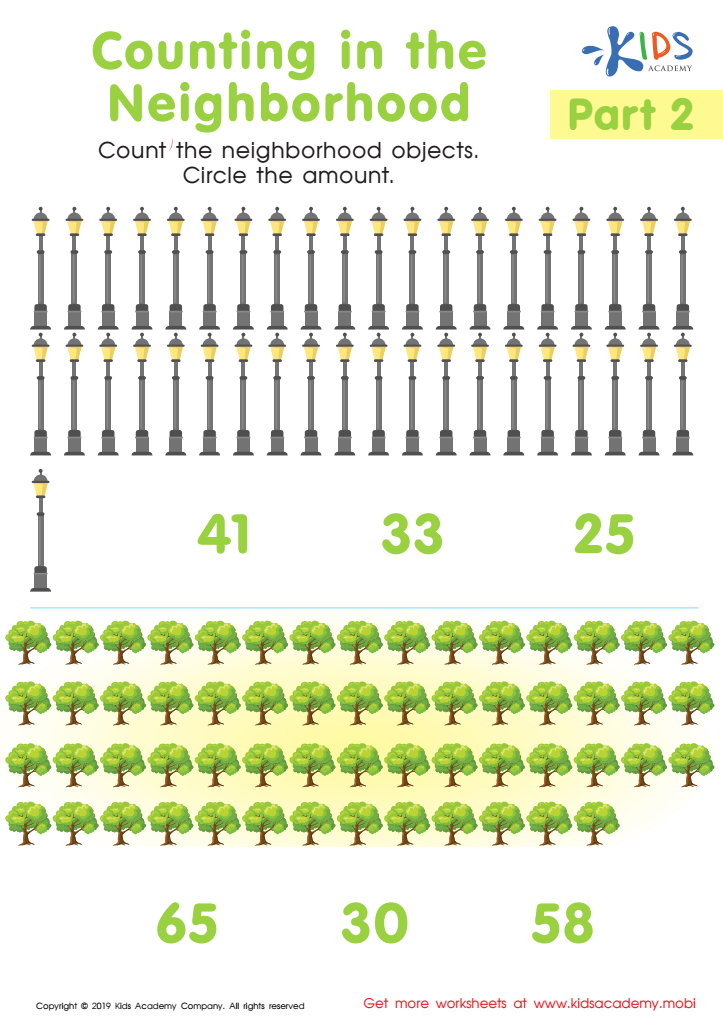
Counting In The Neighborhood Part 2 Worksheet
 Assign to My Students
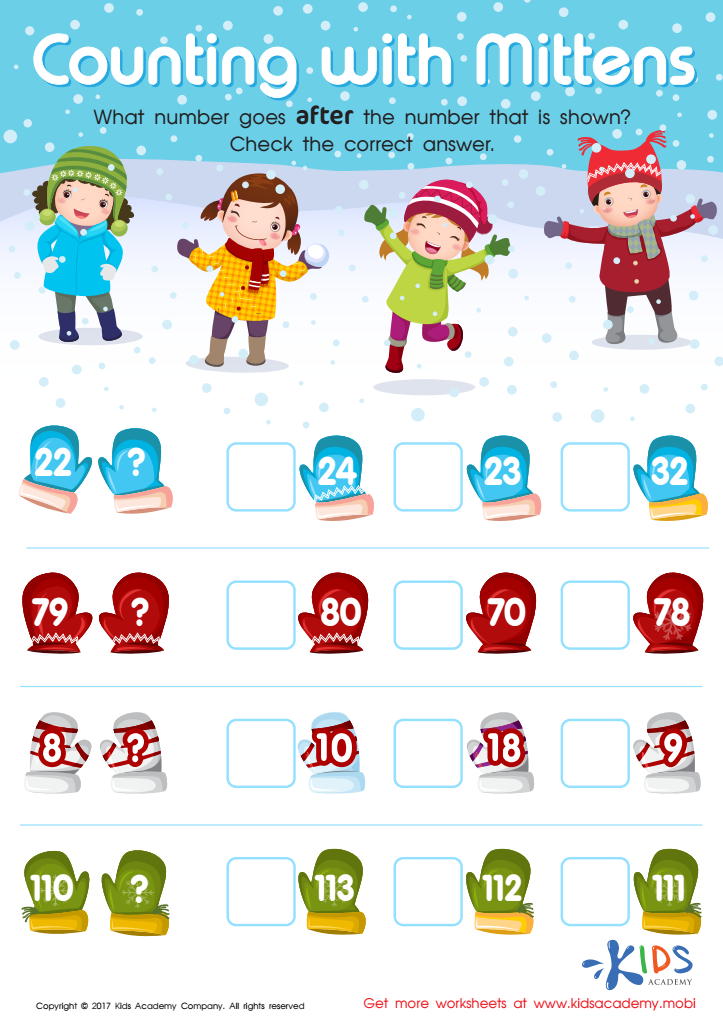
Counting with Mittens Worksheet
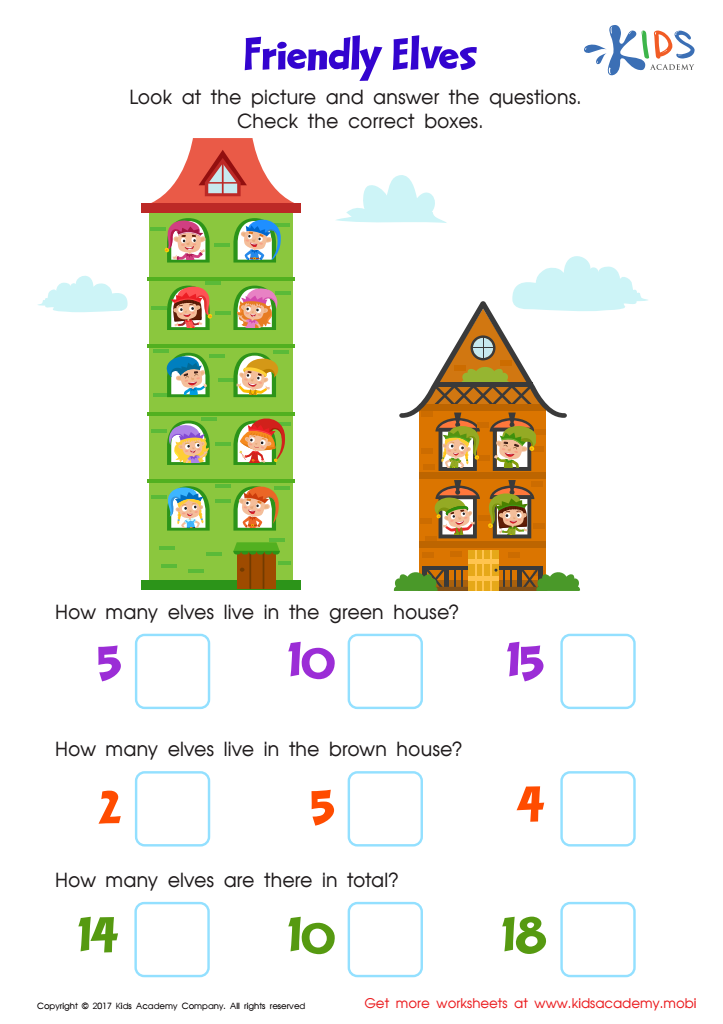
Place Value: Friendly Elves Worksheet
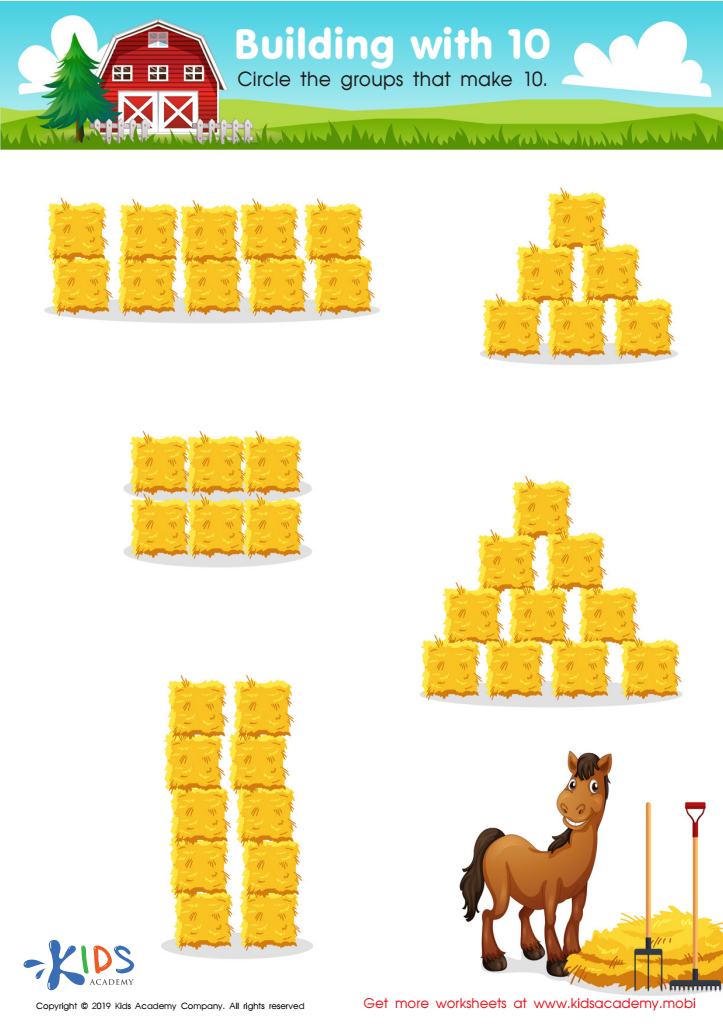
Building with 10 Worksheet
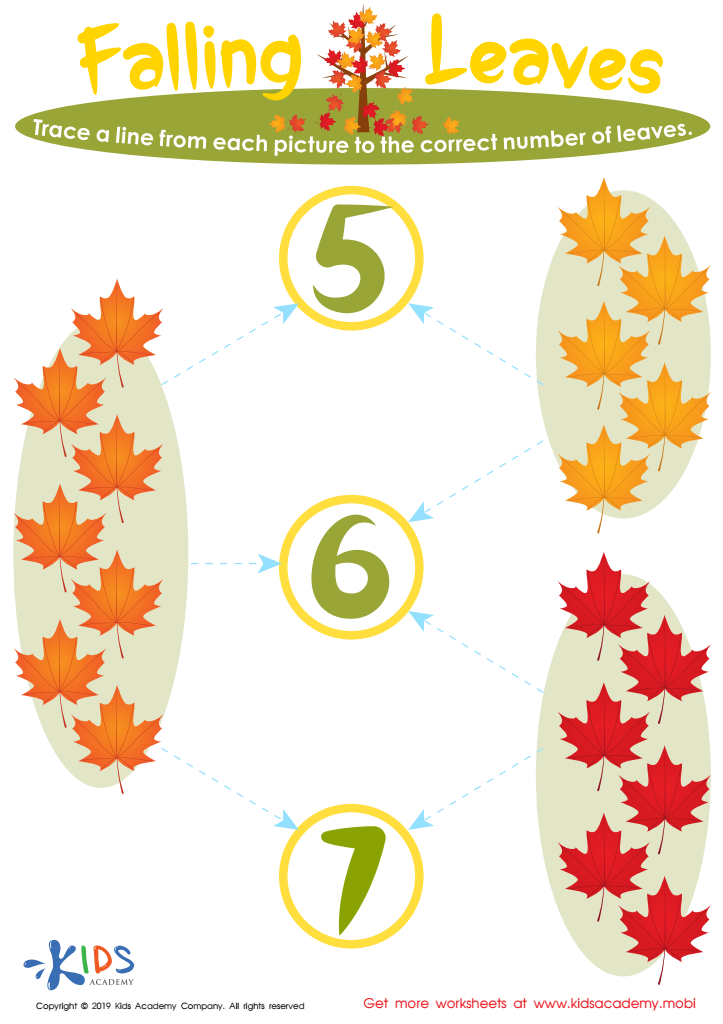
Falling Leaves Worksheet








Addition practice for normal numbers is essential for children aged 3 to 5 as it lays the foundation for their mathematical skills and overall cognitive development. During these formative years, children develop critical thinking and problem-solving abilities, which are crucial for future learning. Engaging in addition helps them understand concepts such as quantity, relationships, and patterns, fostering a strong sense of number fluency.
Moreover, practicing addition at this age encourages fine motor skills when using manipulatives, like counters or blocks, enhancing their hand-eye coordination and dexterity. It also promotes social interactions during group activities, teaching children to collaborate and communicate their thought processes effectively.
Furthermore, mastering basic addition can boost children’s confidence and self-esteem as they accomplish tasks and progress in their learning. Teachers and parents should care about this practice because early math skills not only predict later academic success but also play a significant role in everyday life, from cooking and shopping to understanding time and schedules.
Ultimately, consistent and enjoyable addition practice supports children in becoming more inquisitive learners, ready to take on challenges in math and beyond, which is fundamental to their overall educational journey.








