Filters

7 filtered results

Clear all filters
Favorites
With answer key
Interactive

7 filtered results

Difficulty Level

Grade


Discover our engaging Color Identification Normal Math Worksheets tailored for children ages 3-5! These worksheets are designed to help young learners develop essential color recognition skills through fun and interactive activities. Packed with vibrant illustrations and age-appropriate exercises, our resources make learning enjoyable and effective. Children will explore colors while enhancing their fine motor skills and critical thinking abilities. Perfect for homeschooling, preschool, or additional practice, these worksheets are easy to download and print. Foster a love for learning and build a strong foundation in early math skills as little ones master color identification with these delightful worksheets!

Check out this FREE Trial Lesson on Math for age 3-5!

Match Exactly the Same

Favorites
With answer key
Interactive
  • 3-5
  • Color Identification
  • Math
  • Normal
Matching Game for Toddlers

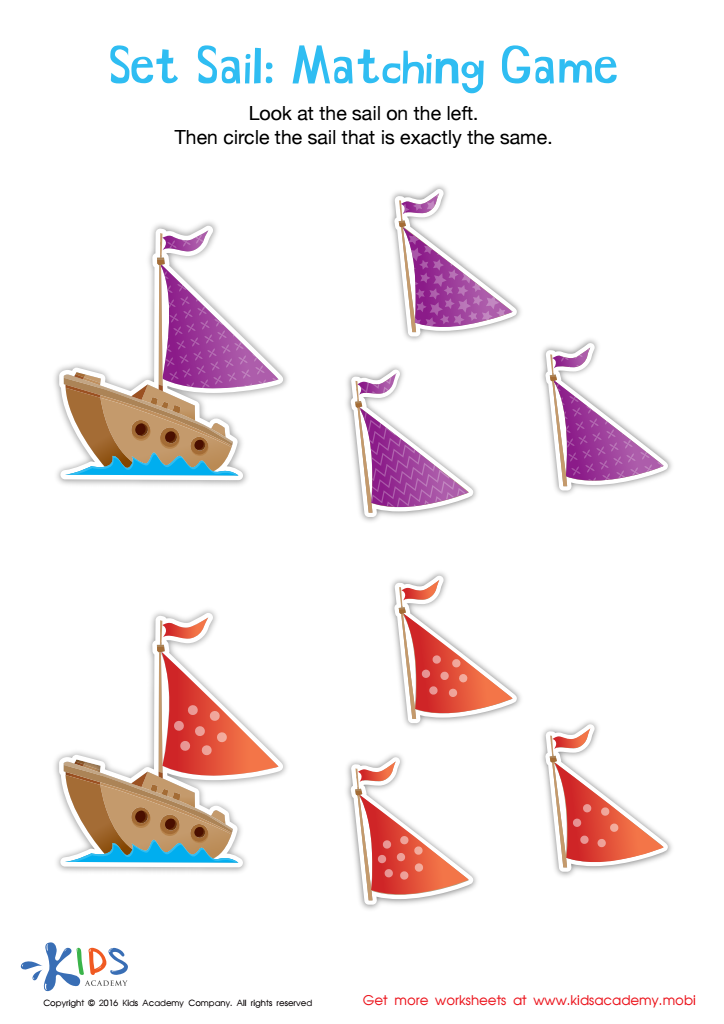
Set Sail Worksheet

Set sail with this fun matching game for toddlers! Kids will love finding the same pattern on the sails, improving their problem-solving and counting skills. Enjoy this bright and engaging worksheet!
Set Sail Worksheet
Worksheet
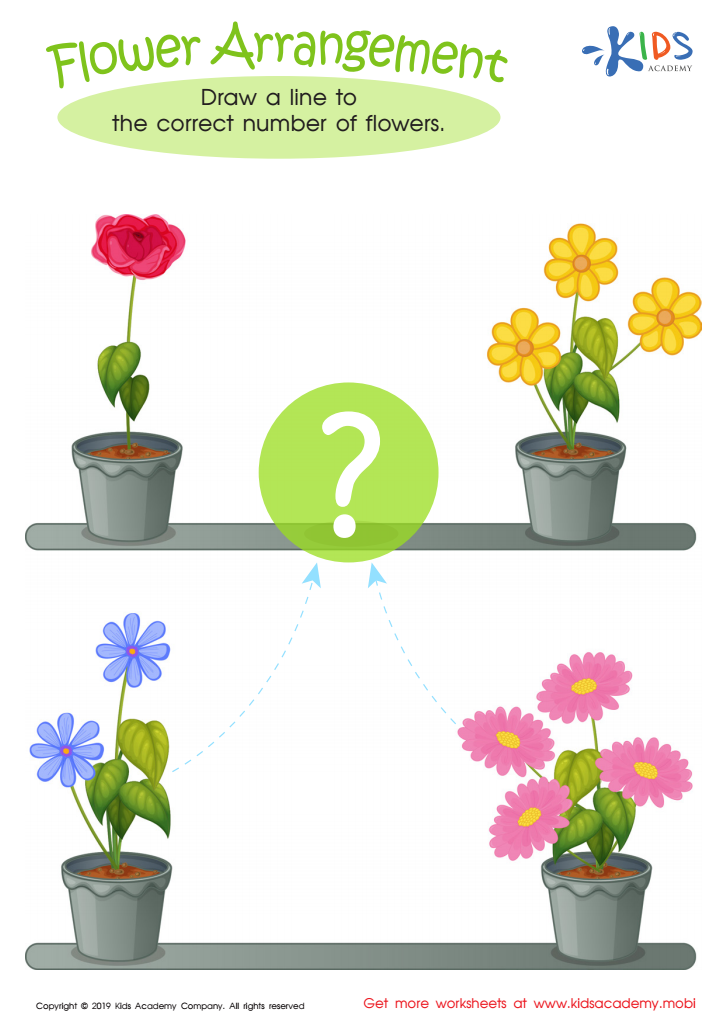
Flower Arrangement Worksheet

Flower Arrangement Worksheet

Your math whizzes can use flower power to showcase their counting skills with this bright PDF! One-to-one representation in pictures helps children build number sense, which leads to better math and computation efficiencies. This PDF features traceable lines for kids to draw to the correct number of flowers, all while practicing their counting with pretty pictures.
Flower Arrangement Worksheet
Worksheet
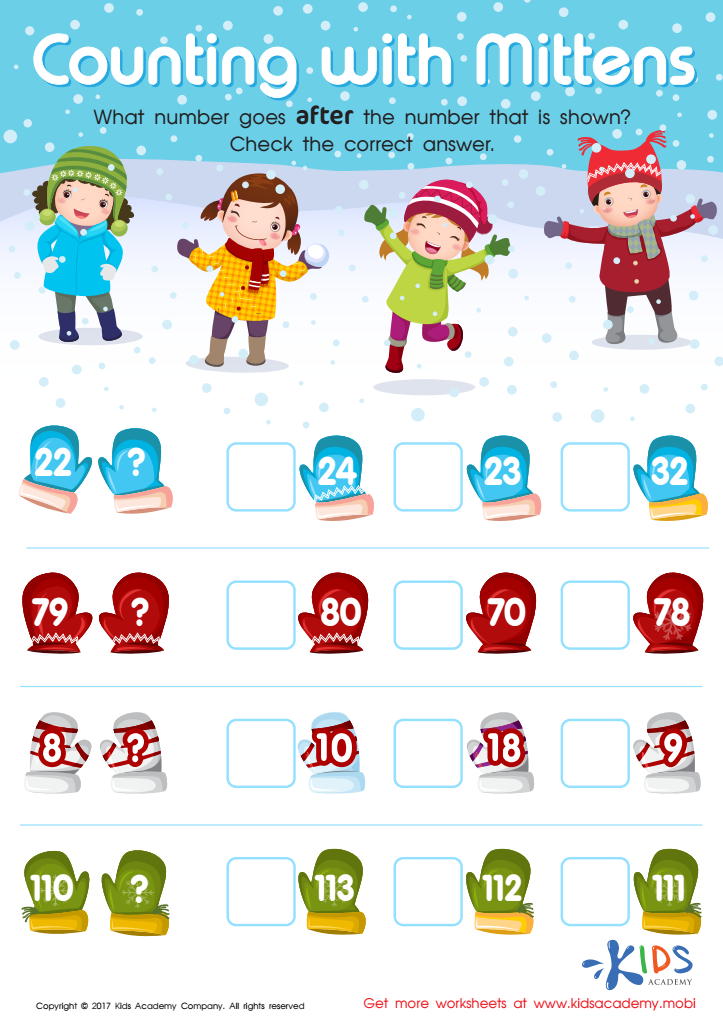
Counting with Mittens Worksheet
Counting with Mittens Worksheet

Let your kid have fun with this counting worksheet! It encourages them to count numbers and figure out which come next in the picture. Check the box with the correct answer - it's already provided. No more groaning and tears - this is a great way to learn!
Counting with Mittens Worksheet
Worksheet
Categorization Worksheets

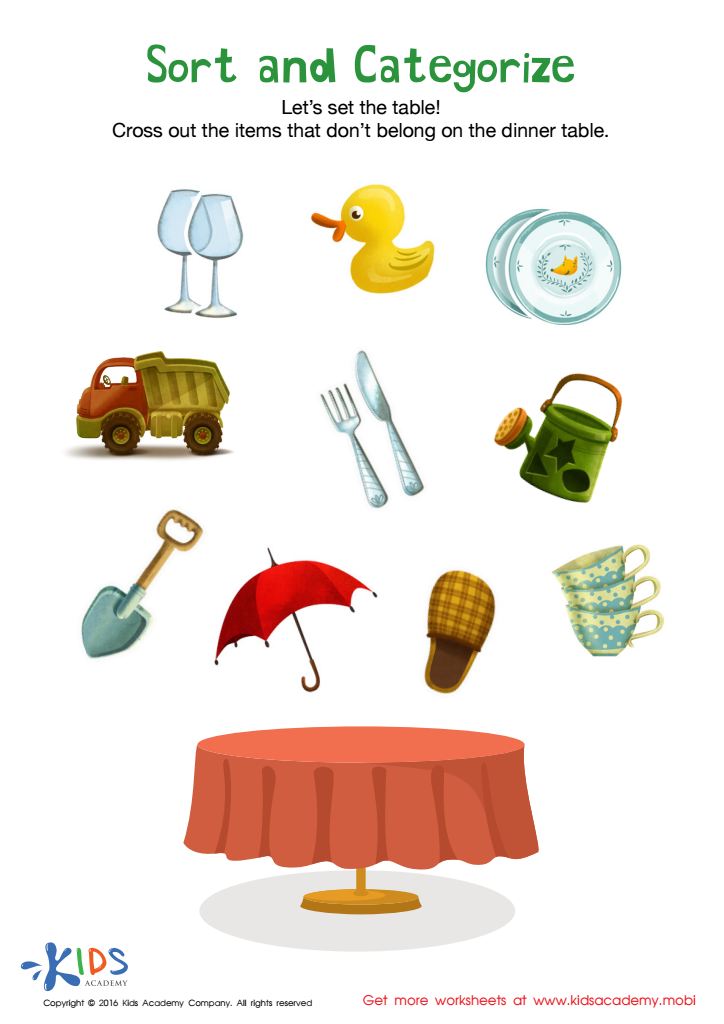
Sort and Categorize Sorting Worksheet

(83 words)
Sort and Categorize Sorting Worksheet
Worksheet
Counting Eggs Worksheet

Counting Eggs Worksheet

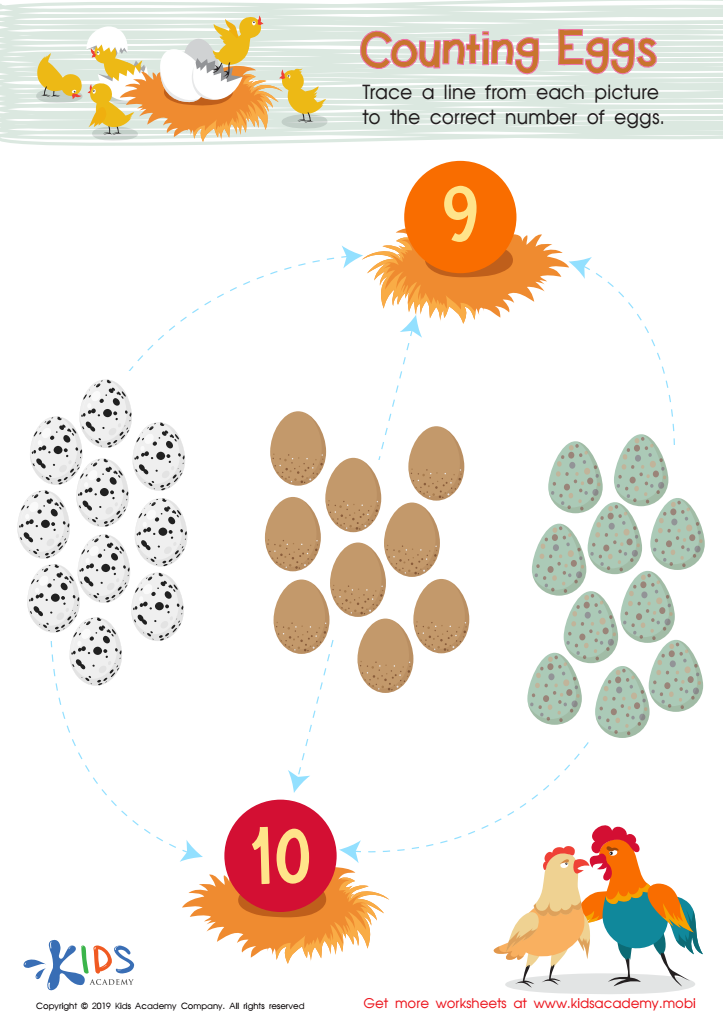
This worksheet is great for teaching kindergarteners to count and add numbers. It includes colorful pictures of eggs with numbers to trace. Help students count the eggs and draw a line to the right number. This will make learning fun and easy!
Counting Eggs Worksheet
Worksheet
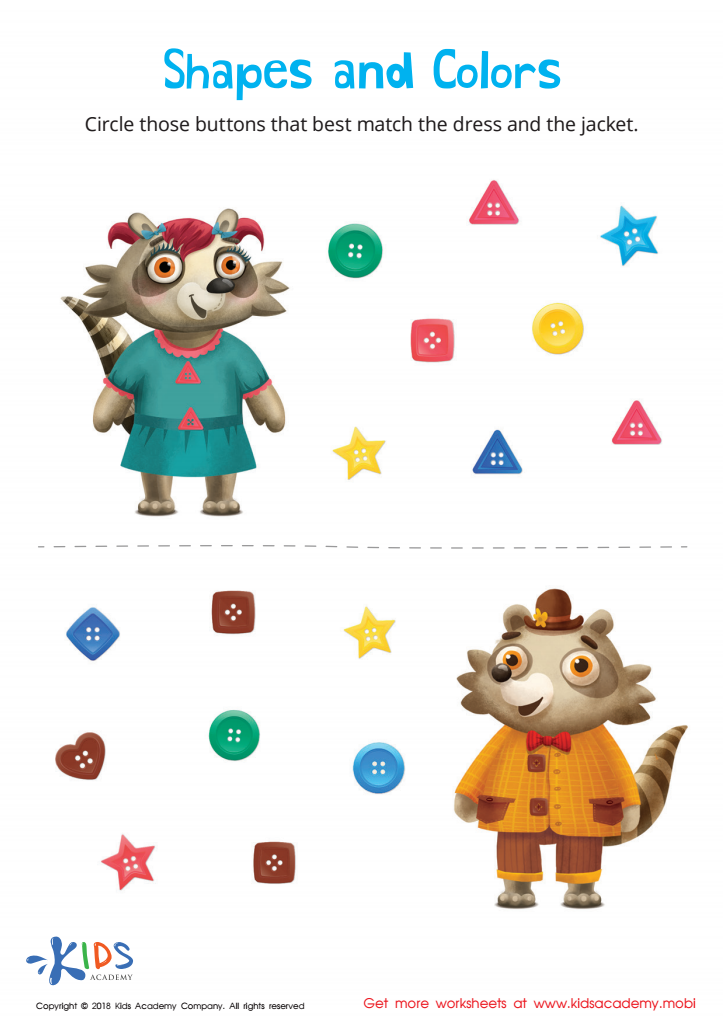
Shapes and Colors Worksheet

Shapes and Colors Worksheet

This worksheet is a fun way to teach toddlers shapes and colors! It has them match buttons on adorable racoon characters. Encourage your child to note the shape and color of the buttons then sort through and circle the matches. This helps build important attention to detail skills!
Shapes and Colors Worksheet
Worksheet
14 in School Worksheet

14 in School Worksheet

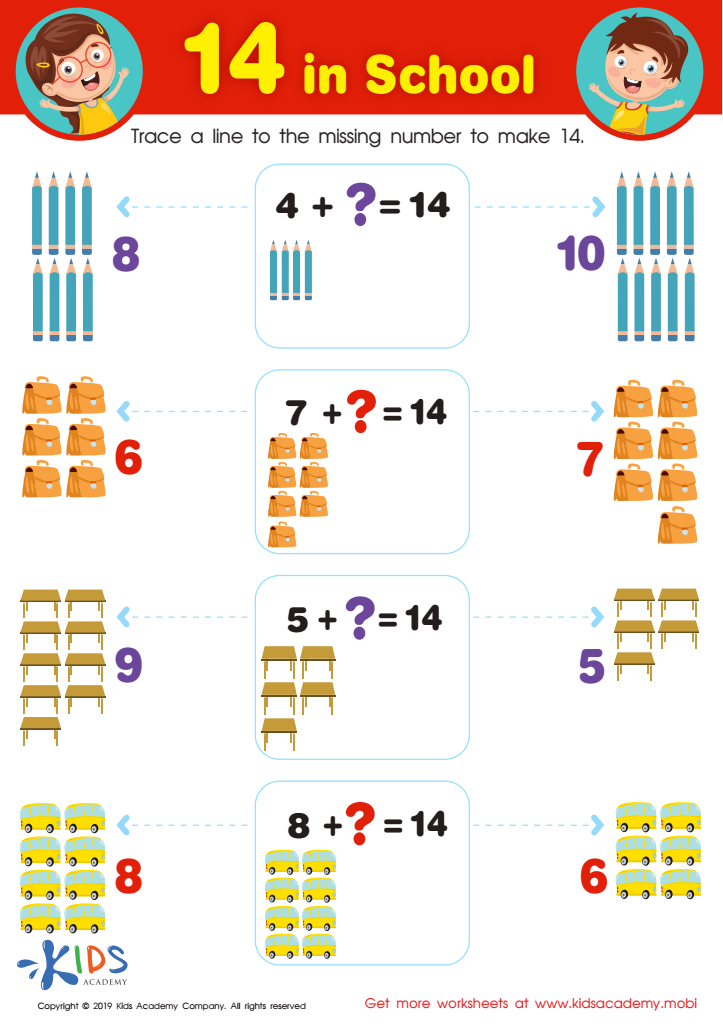
Remind your kids that adding different sets of numbers can give the same total (e.g. 2+3=5, 4+1=5). Ask them for more examples. Afterwards, work through the exercise. Help them count the objects and trace a line to the missing number that makes the total 14.
14 in School Worksheet
Worksheet


Color identification is a foundational skill for children aged 3-5, serving as an essential building block for normal math development. Parents and teachers play a vital role in fostering this skill, as it not only enhances children’s cognitive abilities but also strengthens their social interactions and problem-solving skills.

Understanding colors helps children make sense of the world around them. When they can identify and name colors, they develop their ability to classify and categorize—critical thinking skills that are foundational to basic math concepts. For instance, when children group objects by color, they engage in early math practices, such as sorting and pattern recognition.

Beyond cognitive development, color identification can improve fine motor skills through activities like coloring or sorting colored objects, enhancing hand-eye coordination. It also contributes to communication skills; discussing colors can spark curiosity, prompting questions and exploration.

Furthermore, many early educational activities and games incorporate color-related tasks to make learning engaging and fun.

Overall, fostering color identification through playful activities establishes a solid groundwork for mathematical understanding while cultivating creativity, communication, and critical thinking. Thus, it becomes an integral part of early childhood education that parents and teachers should prioritize.