Number Recognition Normal Math Worksheets for Ages 3-5 - Page 3
77 filtered results
-
From - To
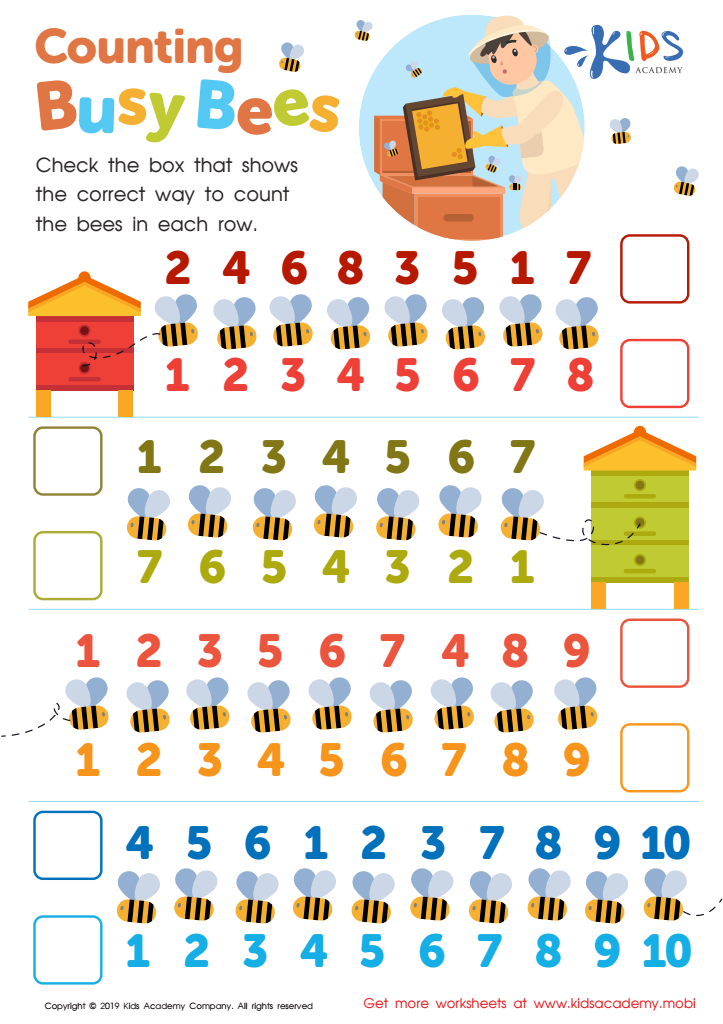
Counting Busy Bees Worksheet
 Assign to My Students
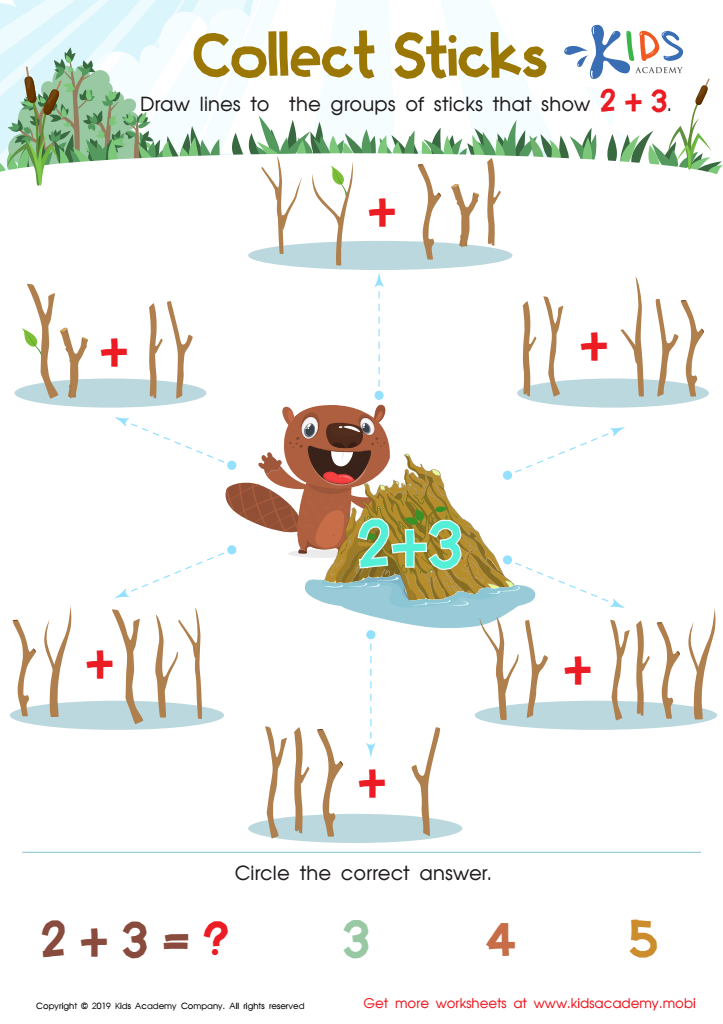
Collect Sticks Worksheet
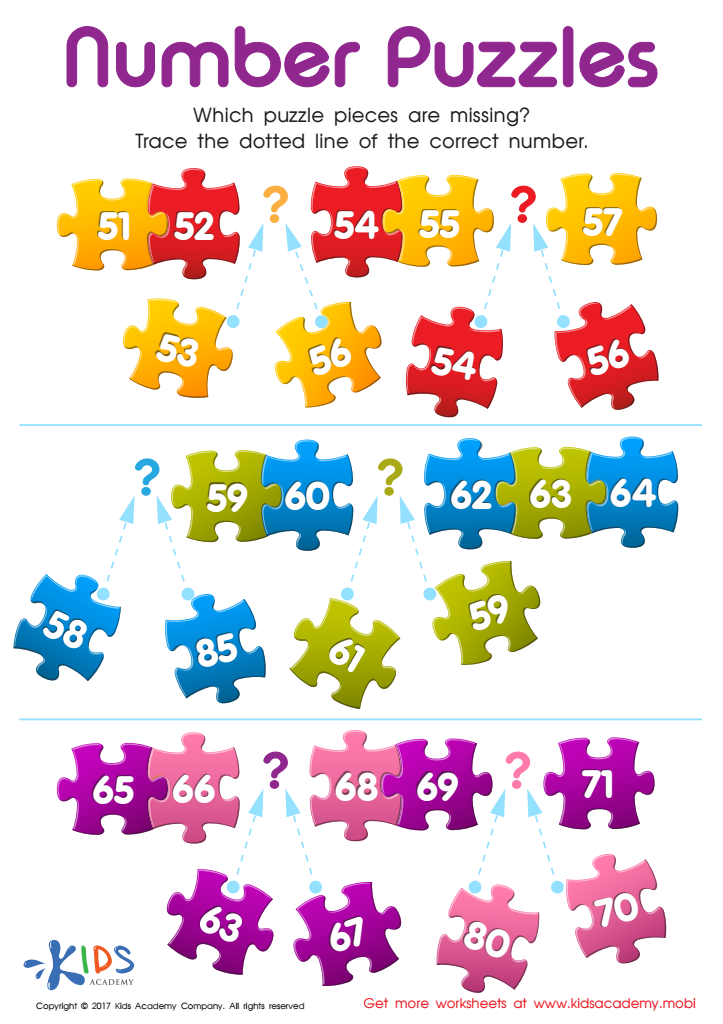
Number Puzzles Worksheet

Count and Match Vegetables 2 – 8 Math Worksheet
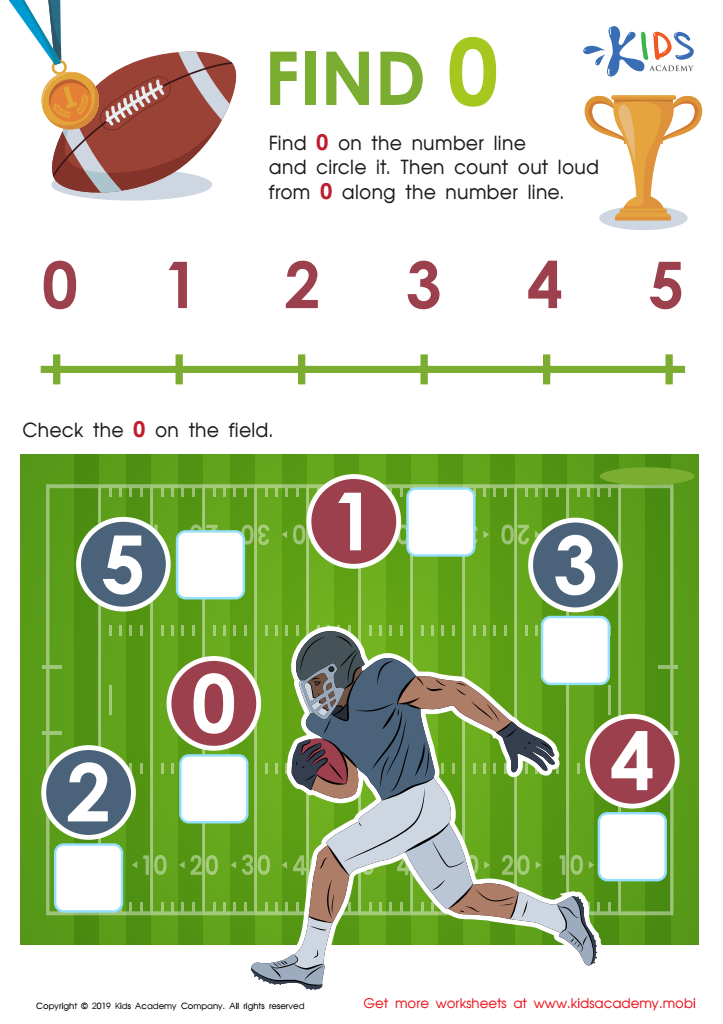
Find 0 Worksheet
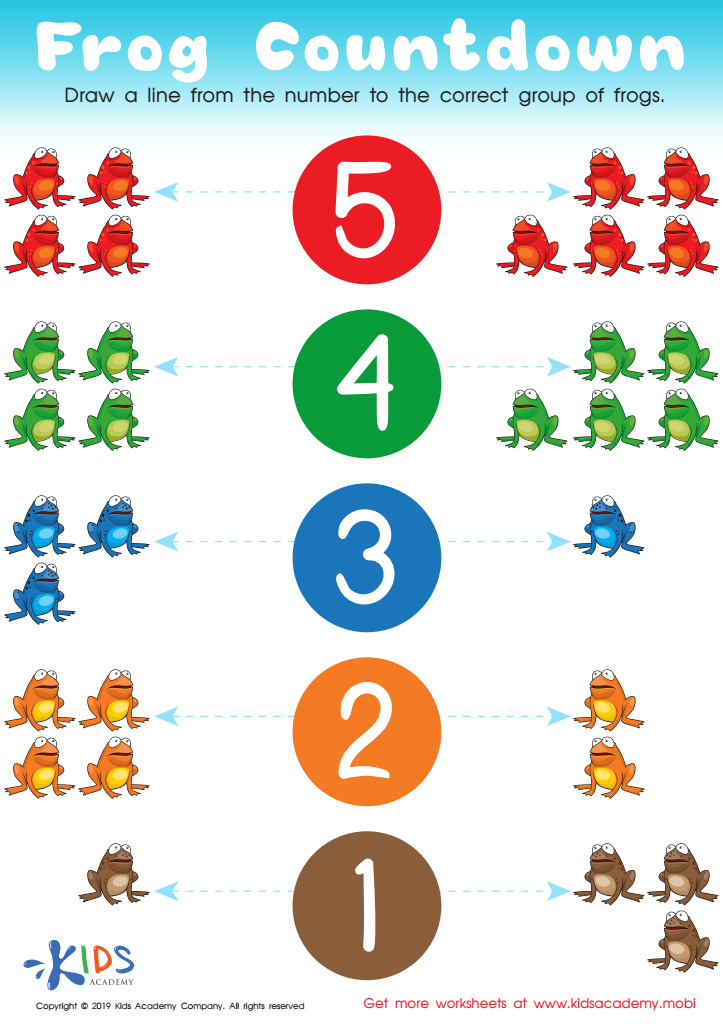
Frog Countdown Worksheet
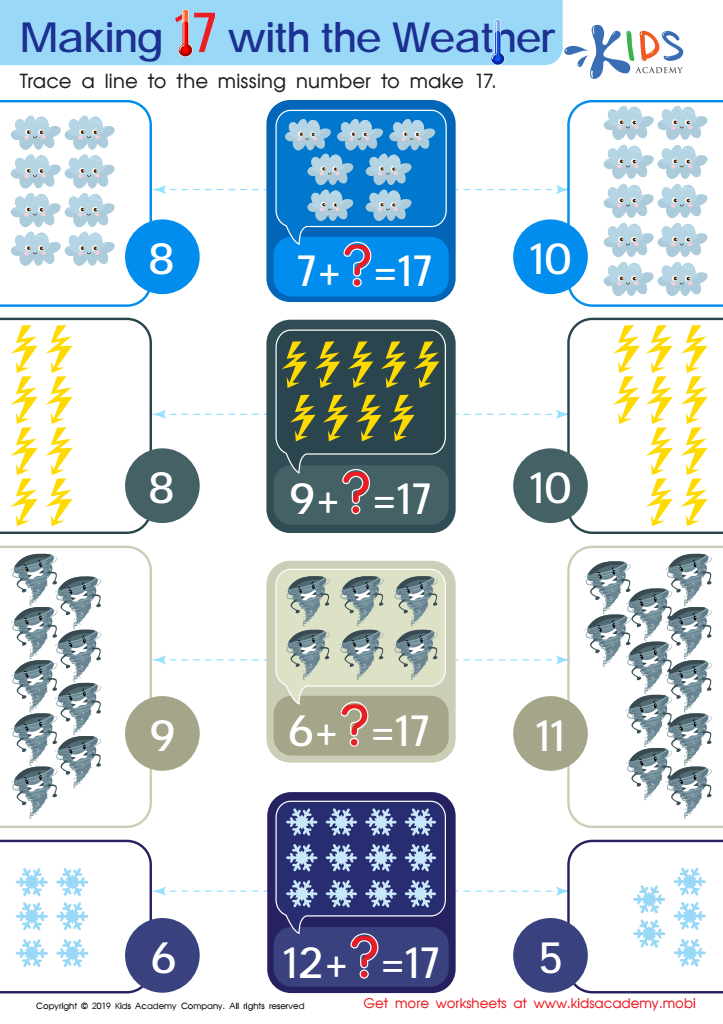
Making 17 with the Weather Worksheet
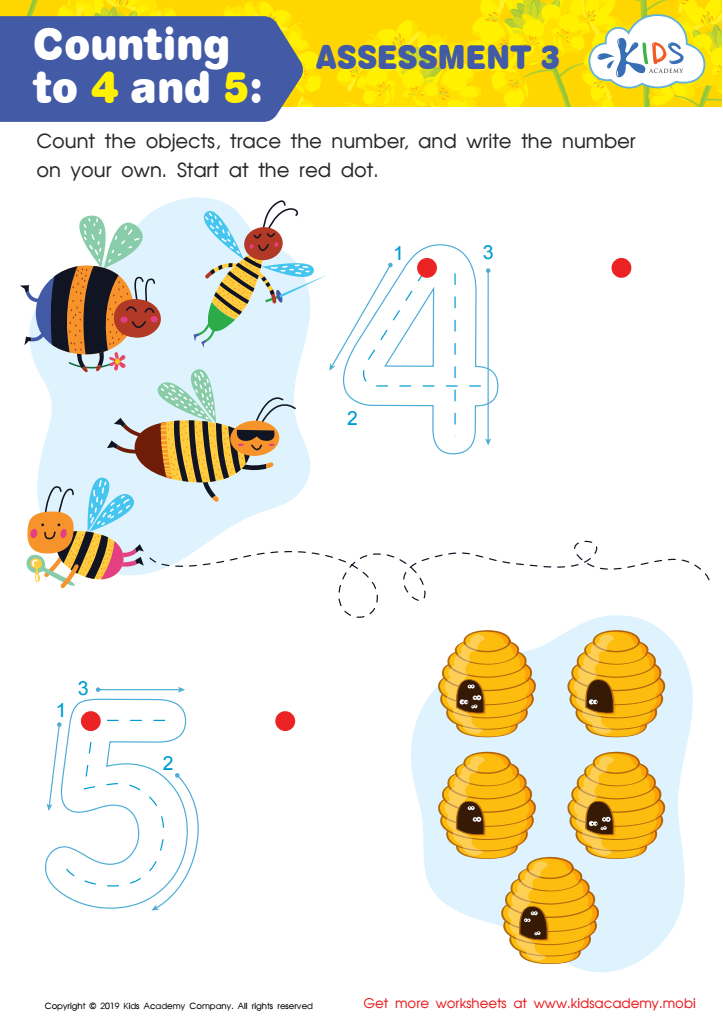
Counting to 4 and 5: Assessment 3 Worksheet
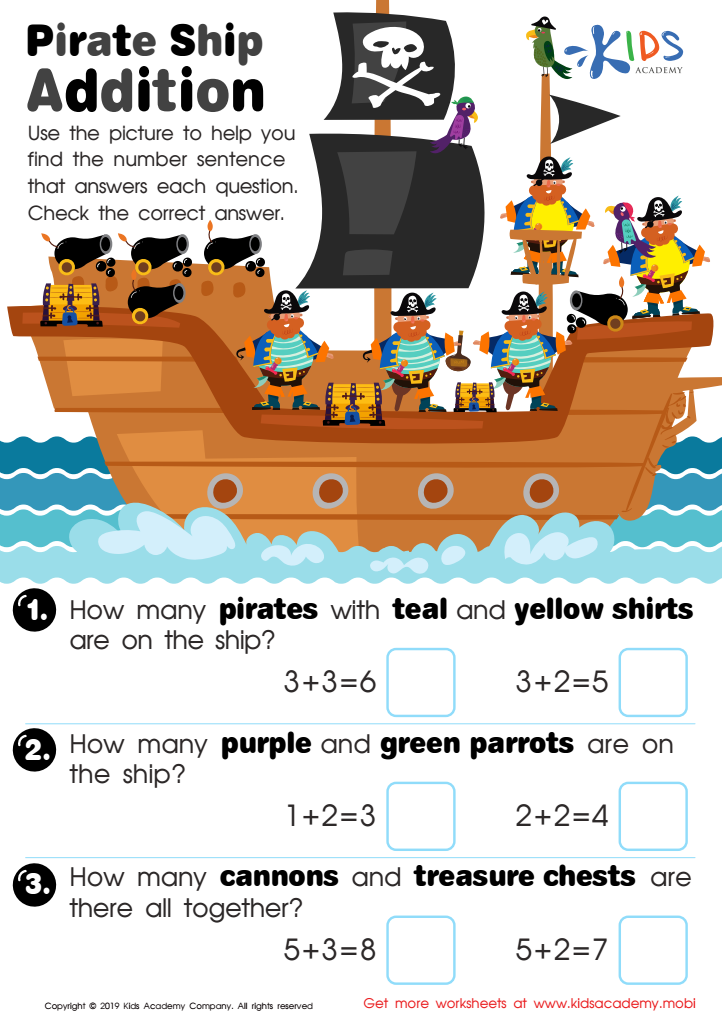
Pirate Ship Addition Worksheet
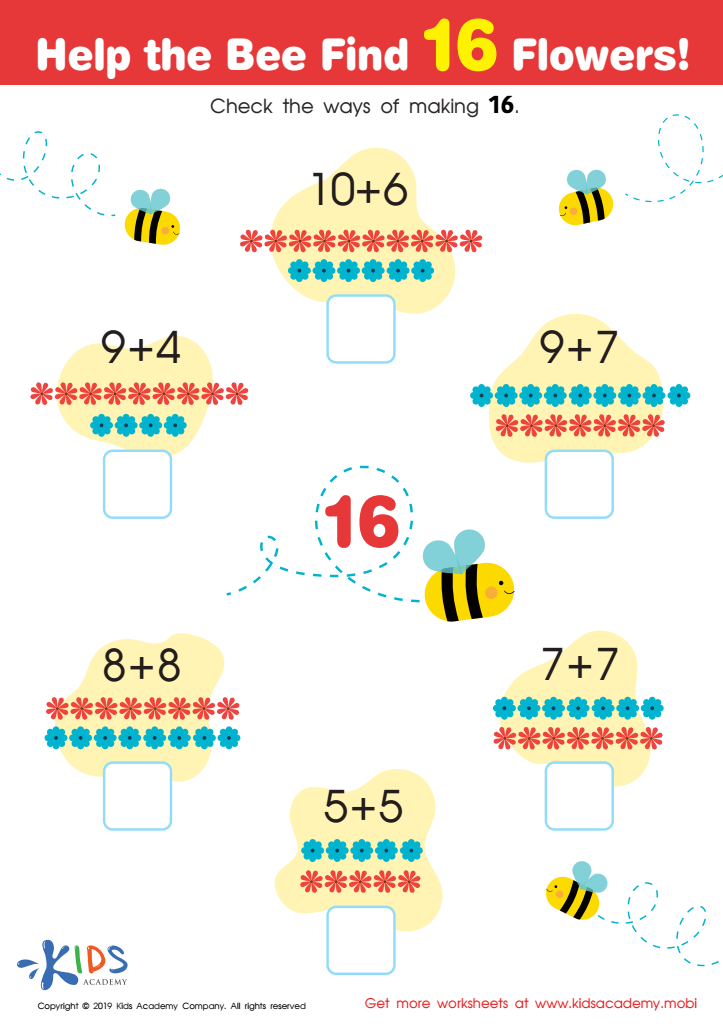
Help the Bee Find 16 Flowers Worksheet
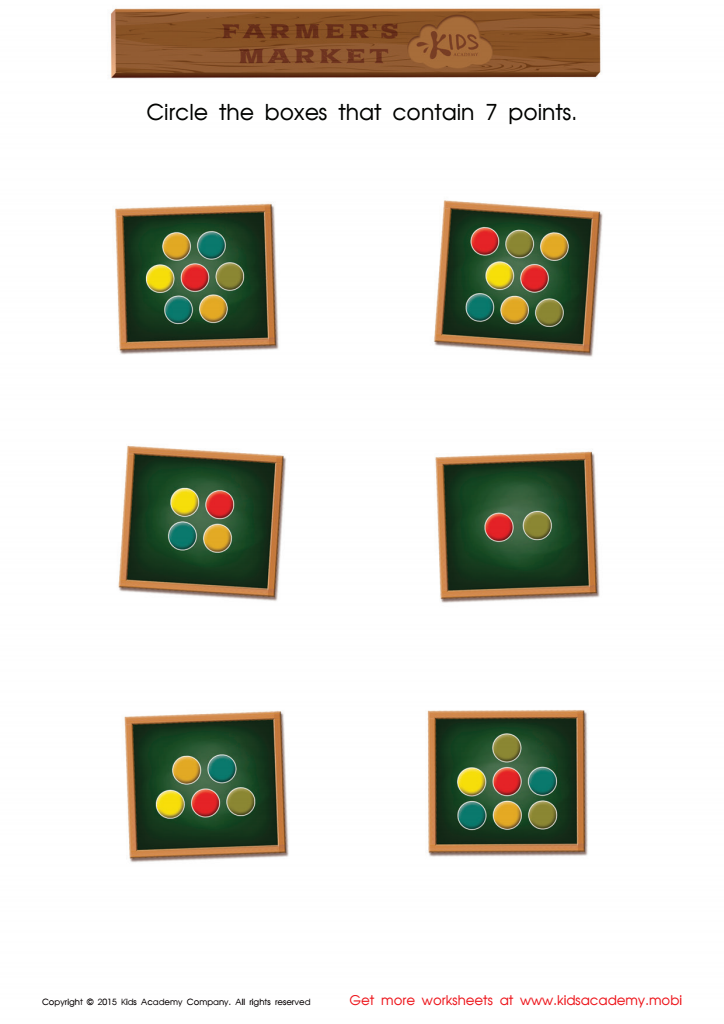
Count and Match Points 7 Math Worksheet
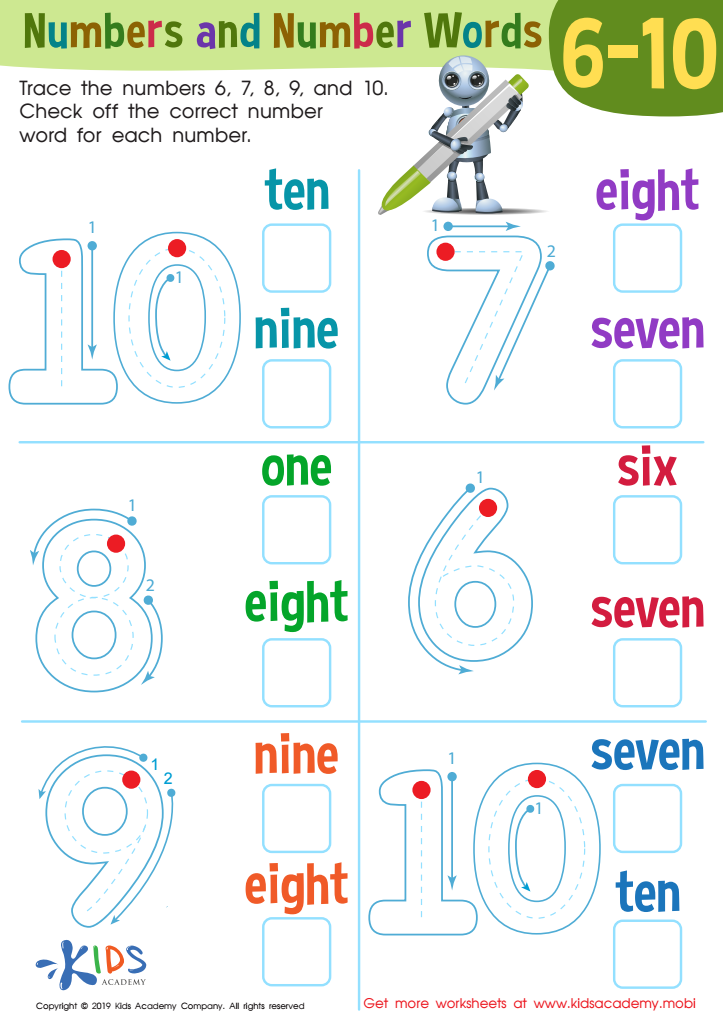
Numbers and Number Words 6–1 Worksheet
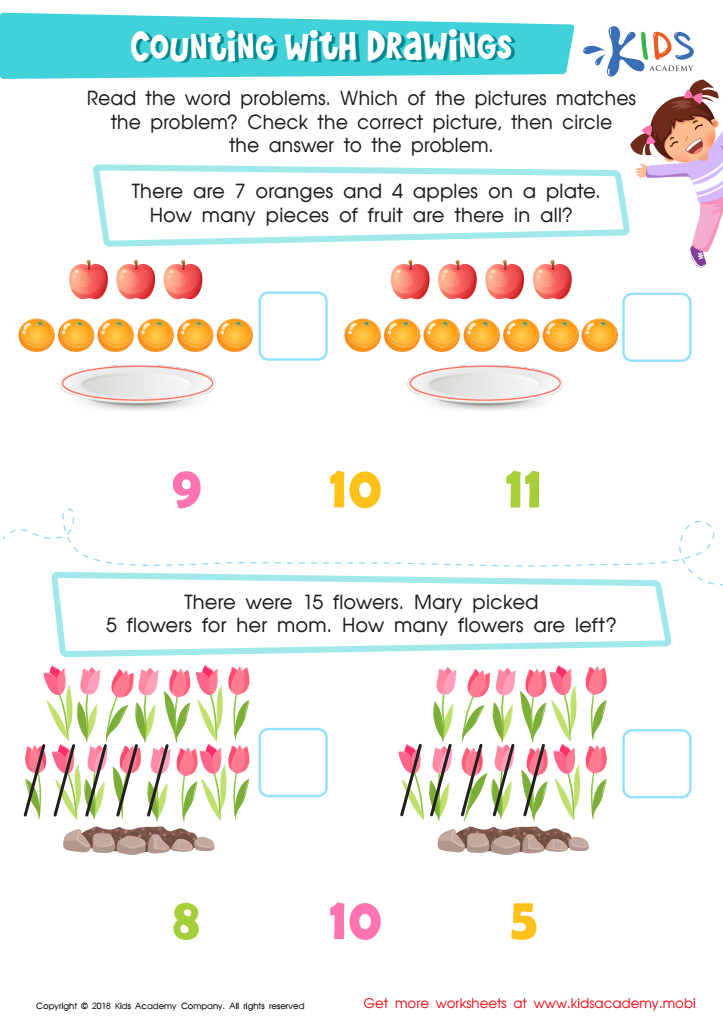
Counting with Drawings:Fruits & Flowers Worksheet
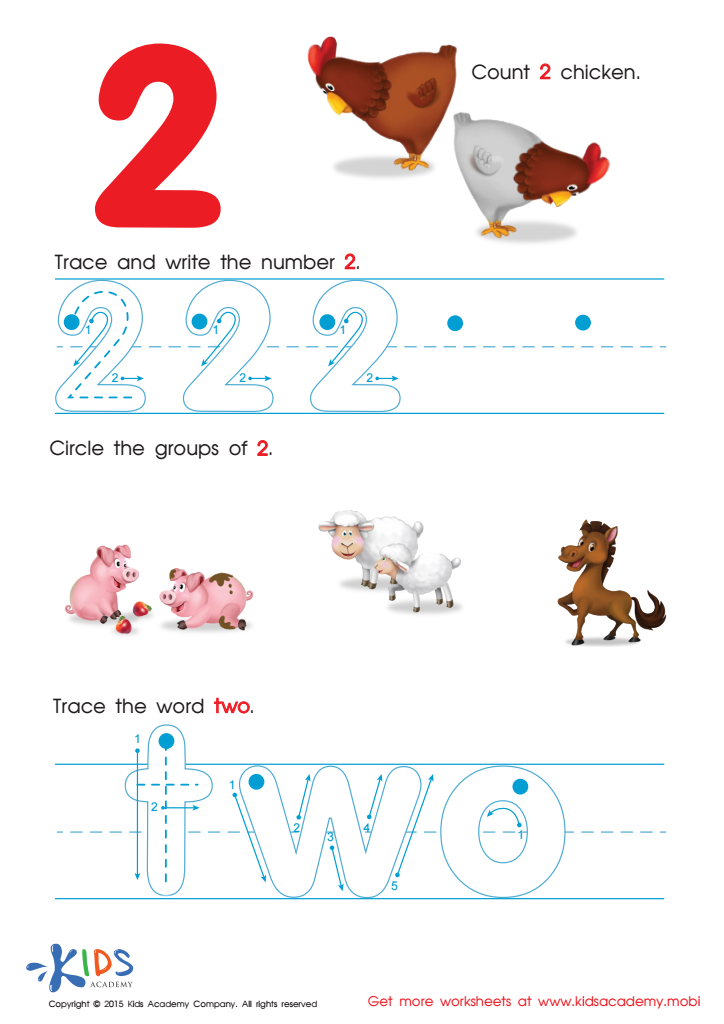
Learn to Write the Number 2 Worksheet
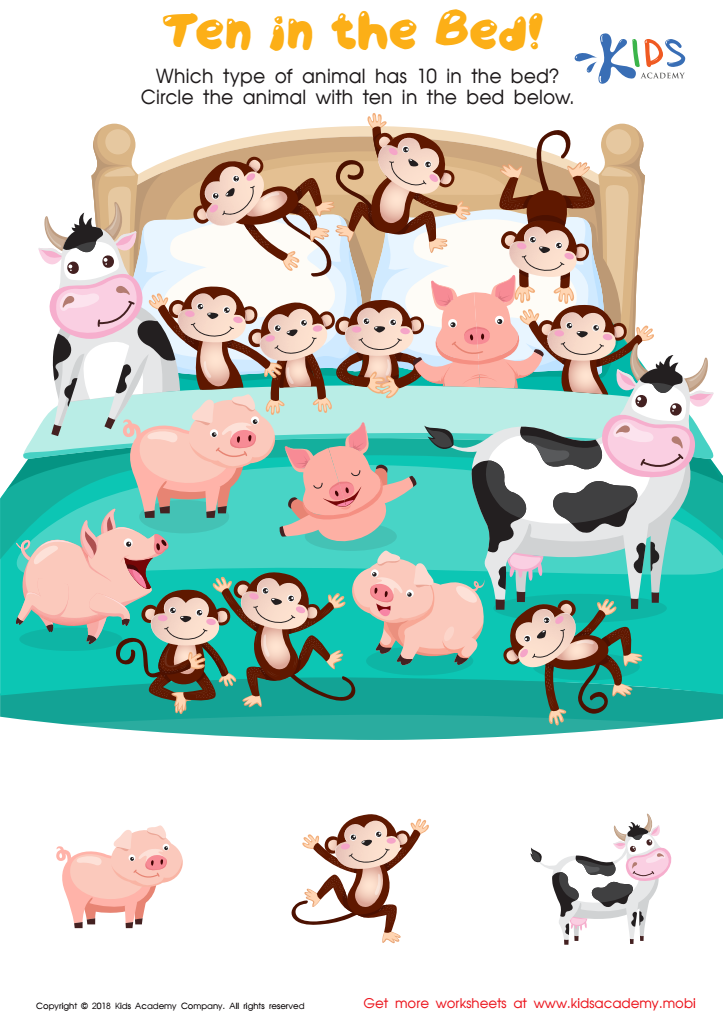
Ten in the Bed Worksheet
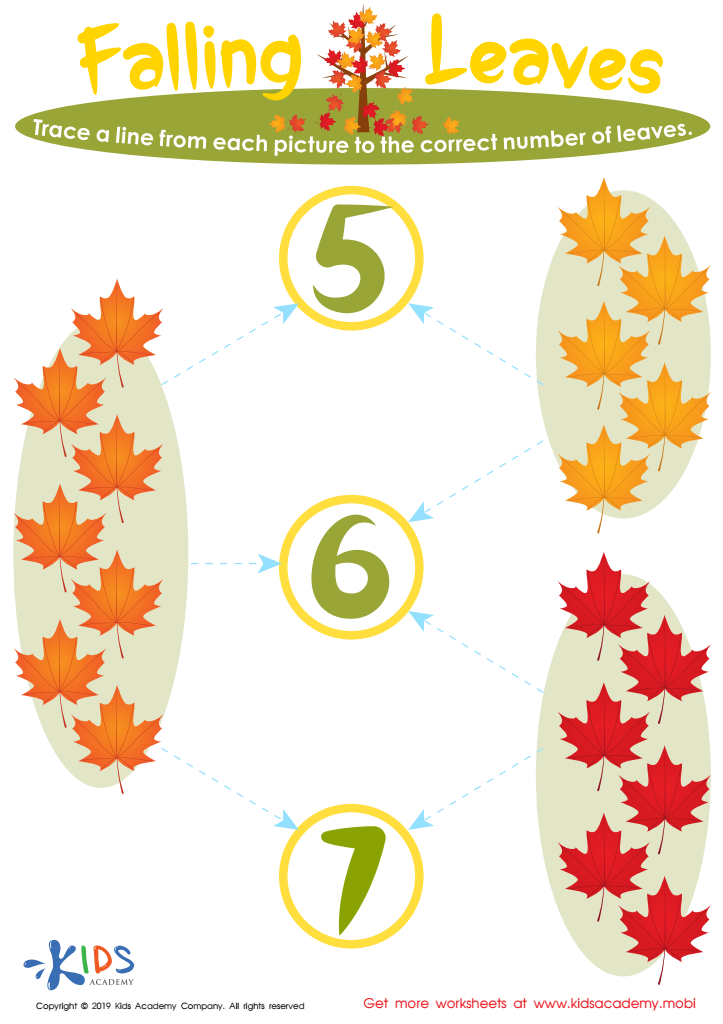
Falling Leaves Worksheet
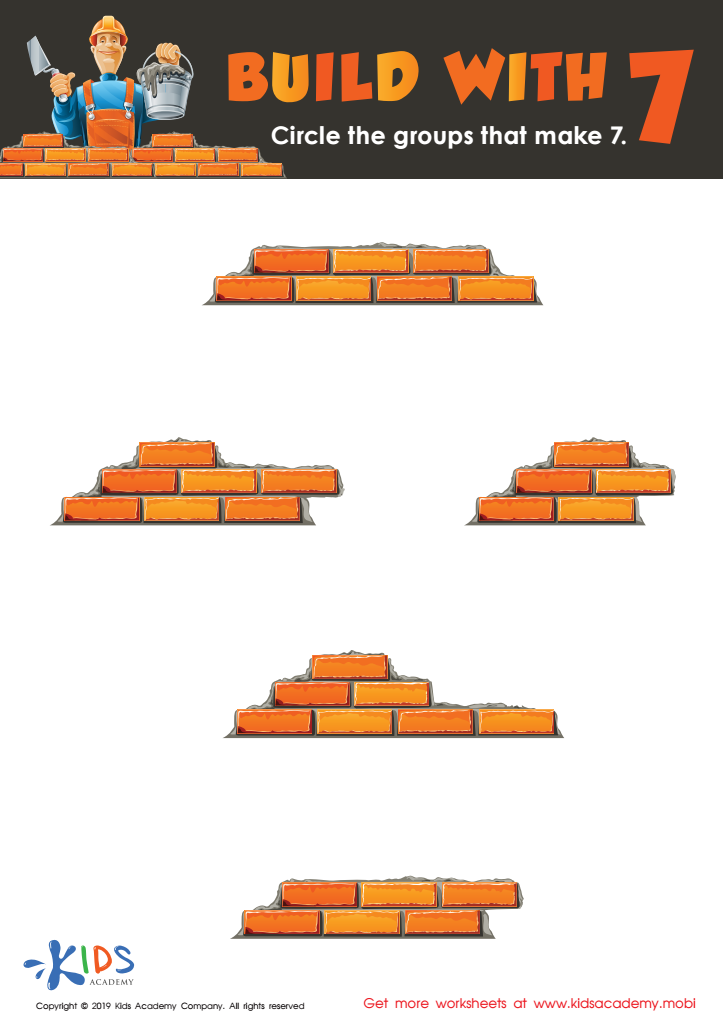
Build with 7 Worksheet

Count and Match Vegetables 1 – 5 Math Worksheet
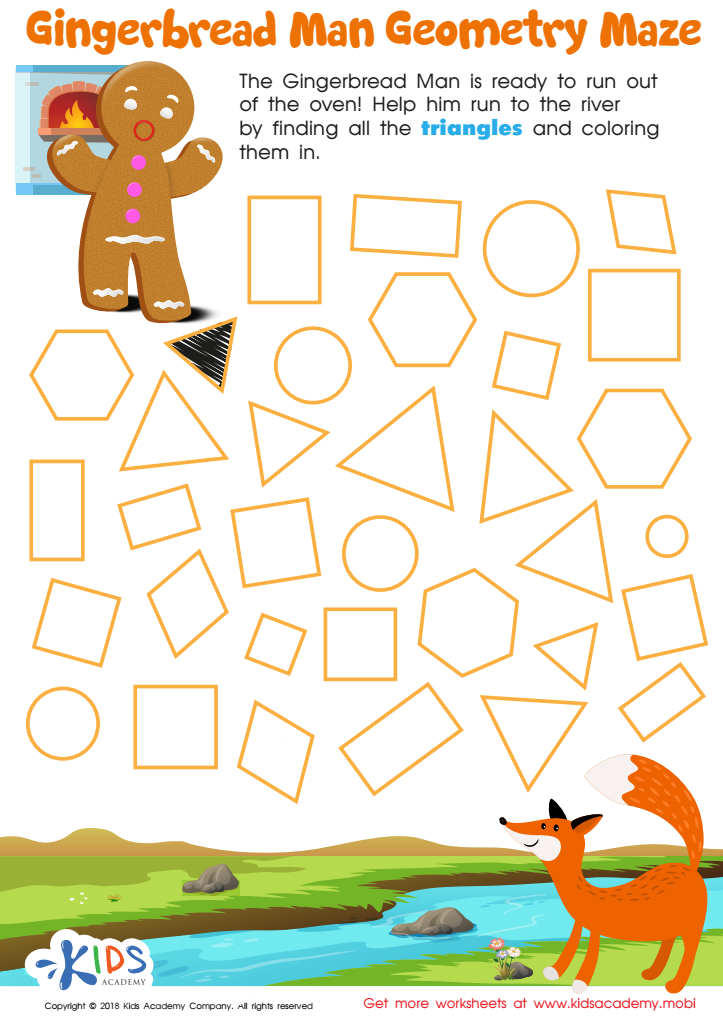
Gingerbread Man Geometry Maze Worksheet
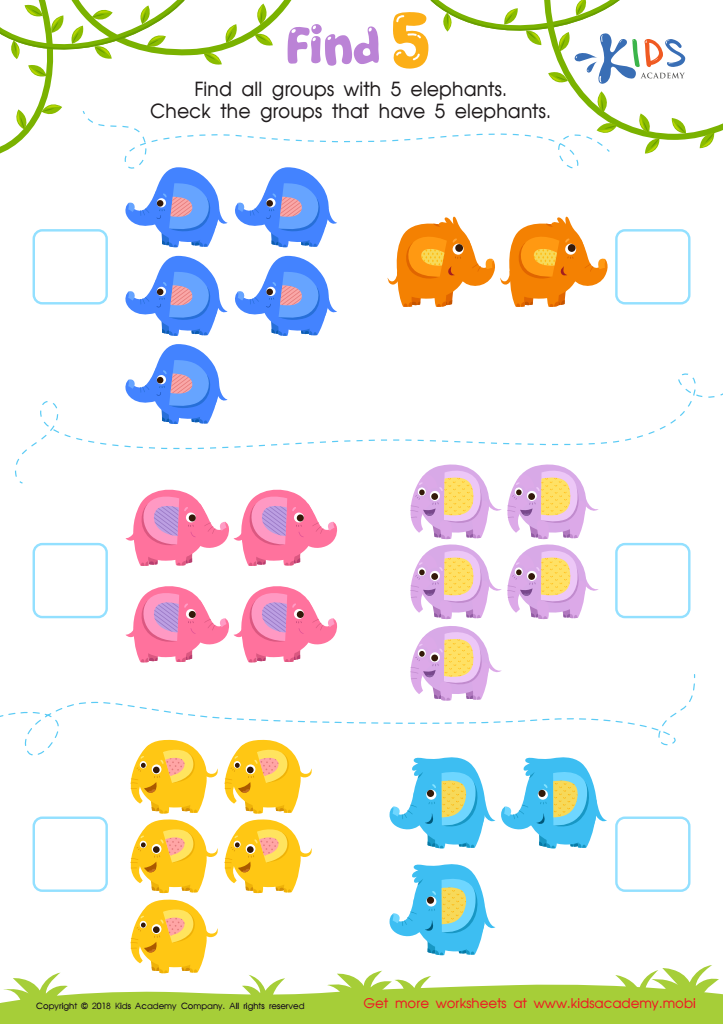
Find 5 Worksheet
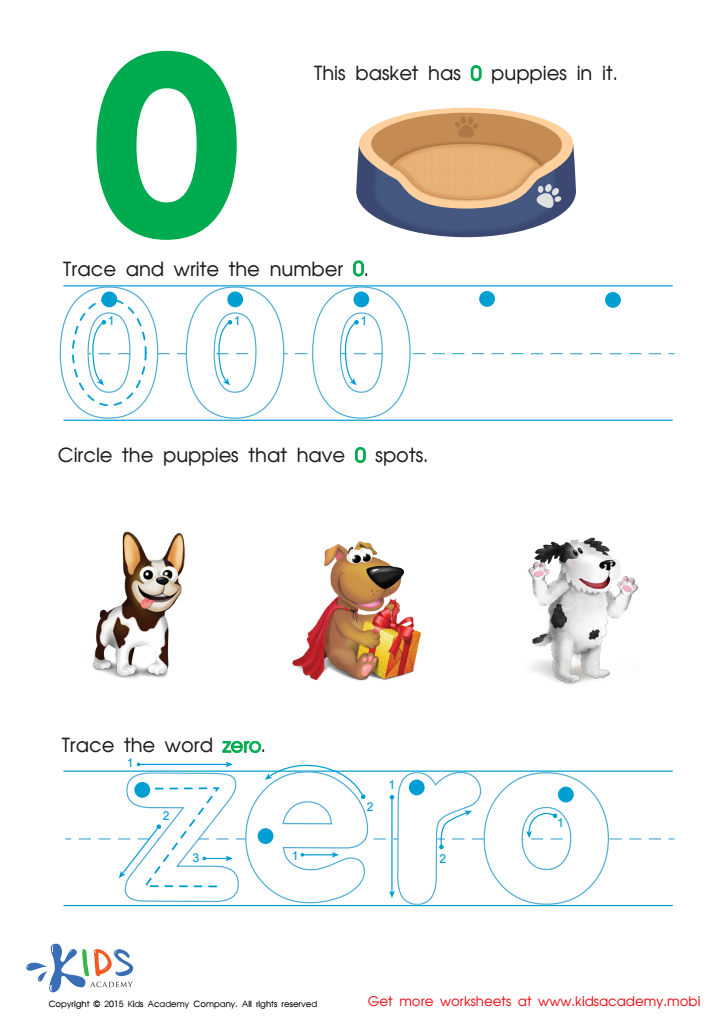
Trace And Write Number 0 Worksheet
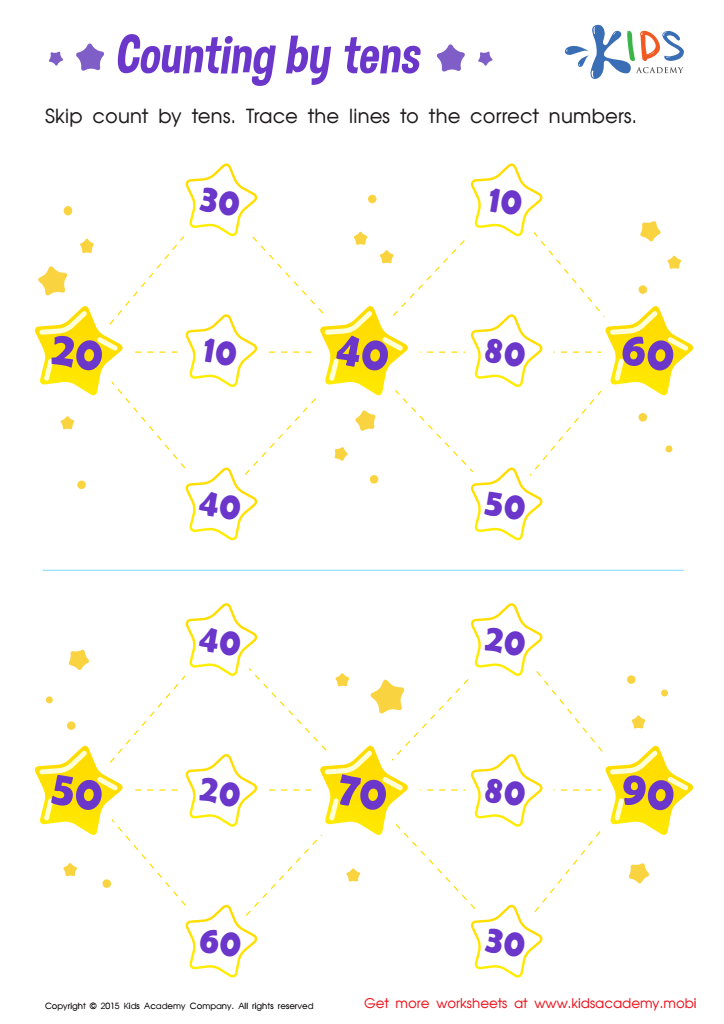
Learn Dozens: Counting by Tens Printable
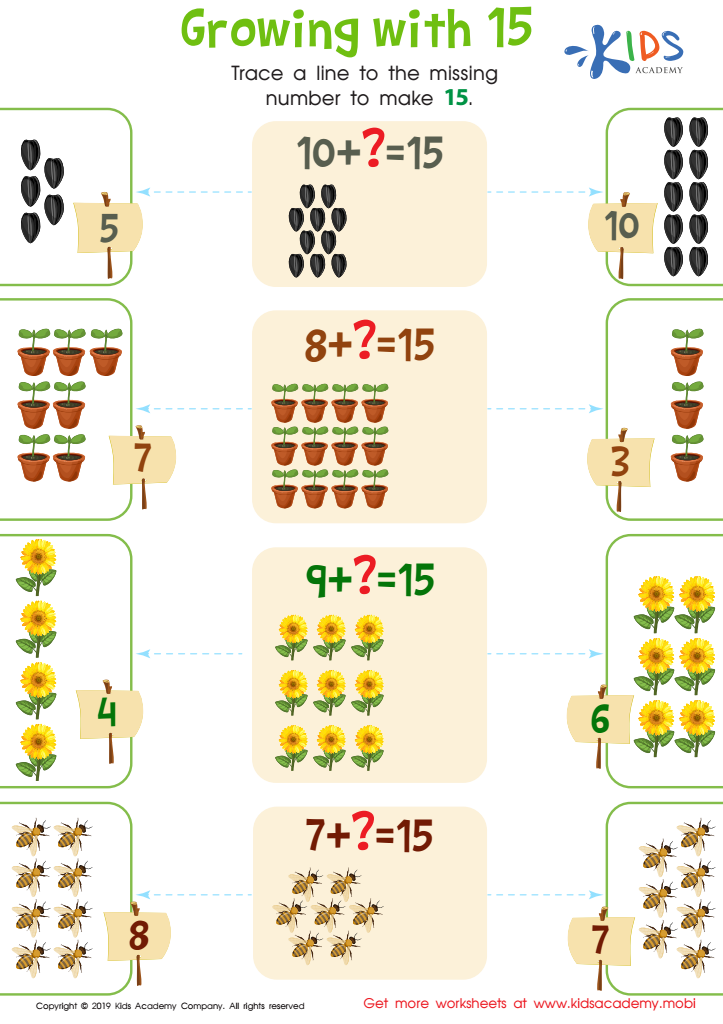
Growing with 15 Worksheet
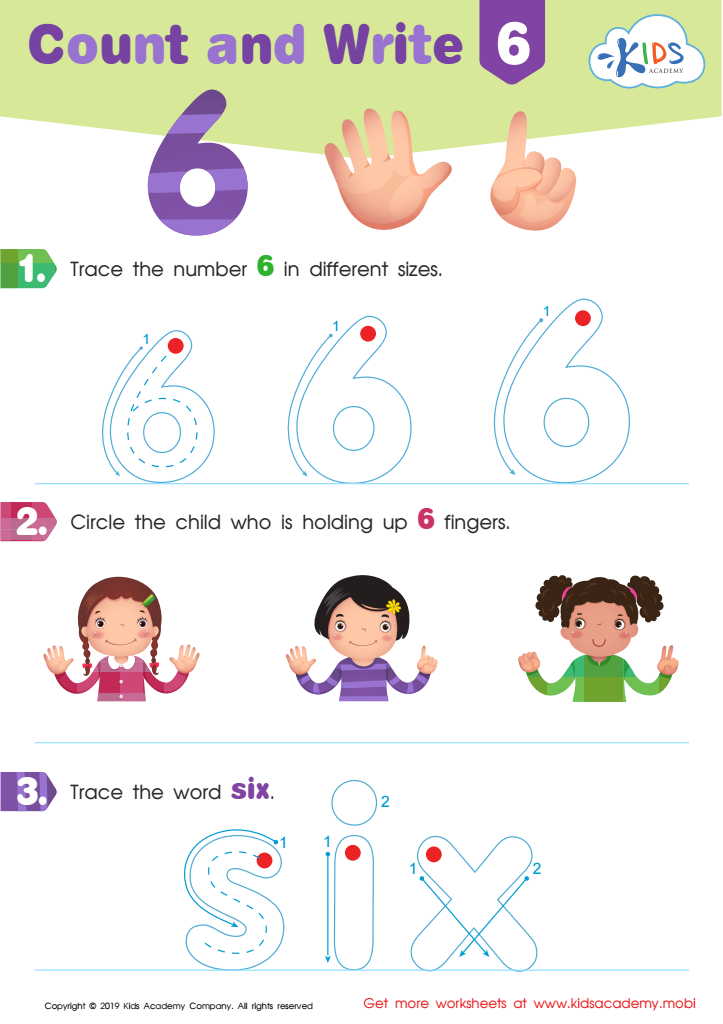
Count and Write 6 Worksheet







Number recognition and basic math skills are foundational elements in early childhood development that set the stage for future academic success. At ages 3-5, young minds are incredibly receptive to learning and absorbing new information. Introducing number recognition to children in this age group helps develop their cognitive abilities, setting a strong foundation for more advanced math concepts they'll encounter later in their educational journey.
One key reason parents and teachers should care about number recognition is that it enhances a child's problem-solving and critical thinking skills. Understanding numbers and their relationships encourages children to think logically and approach challenges with a structured mindset. Early exposure to numbers helps children develop counting skills, numerical order understanding, and basic arithmetic, all of which are crucial for later math lessons.
Additionally, number recognition improves language and comprehension skills as children learn to associate spoken or written numbers with quantities and concepts. Activities that teach number recognition also offer opportunities for hands-on learning and interactive play, which are pivotal in maintaining engagement and interest at such a young age.
Building these skills early ensures children are well-prepared academically and socially. They gain confidence in their abilities, fostering a positive attitude towards learning and promoting ongoing curiosity and enthusiasm for exploring the world through numbers.








