Visual perception Normal Math Worksheets for Ages 3-5
13 filtered results
-
From - To
Enhance your child’s early learning experience with our Visual Perception Normal Math Worksheets for ages 3-5. Designed to develop essential visual skills, these engaging worksheets help young learners identify shapes, patterns, and spatial awareness while making math fun! Each activity is crafted to boost concentration and improve problem-solving abilities, preparing your little ones for future math challenges. With colorful illustrations and interactive exercises, children will enjoy hours of productive learning. Perfect for home or classroom use, our worksheets are a valuable resource for nurturing foundational math skills. Start building a strong cognitive base today with our curated selection of visual perception activities!
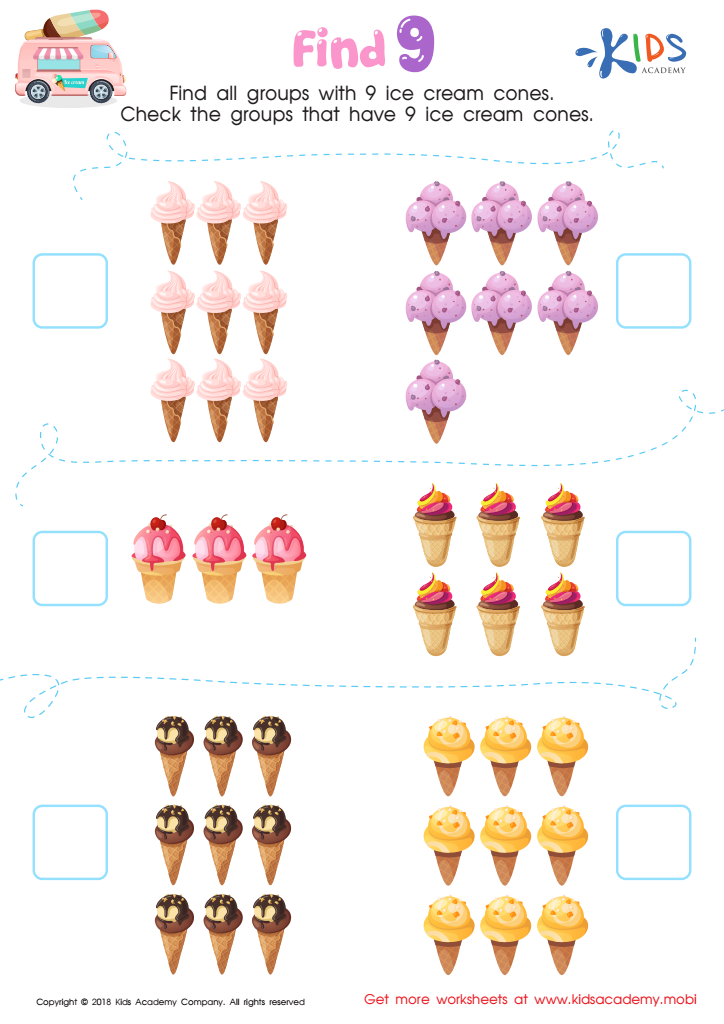
Find 9 Worksheet
 Assign to My Students
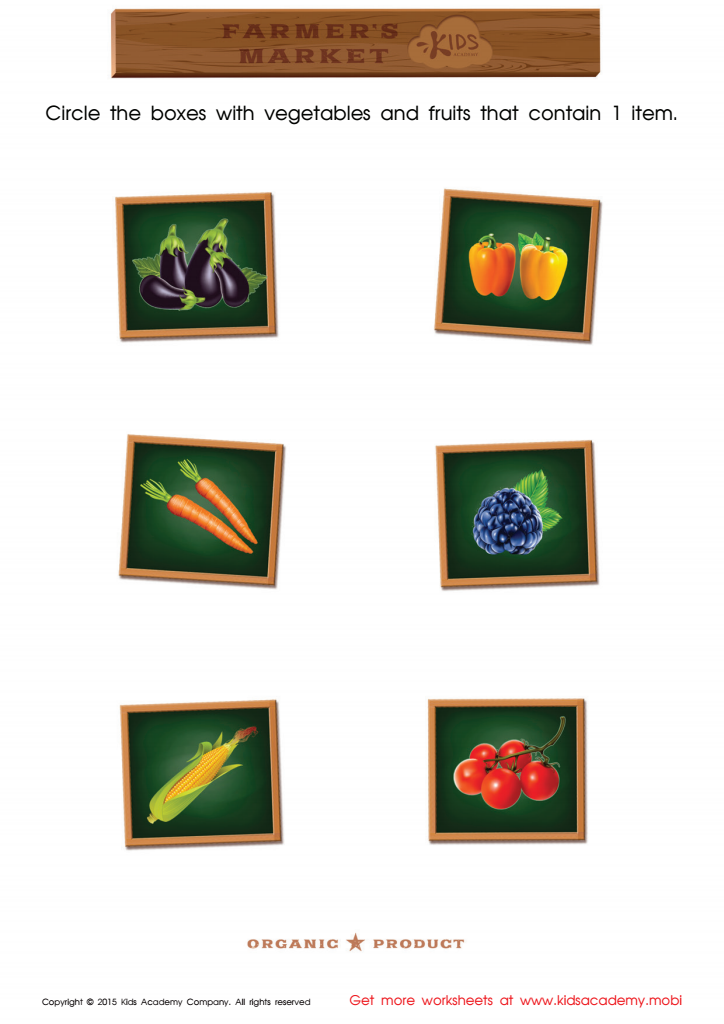
Count and Match Boxes with Vegetables
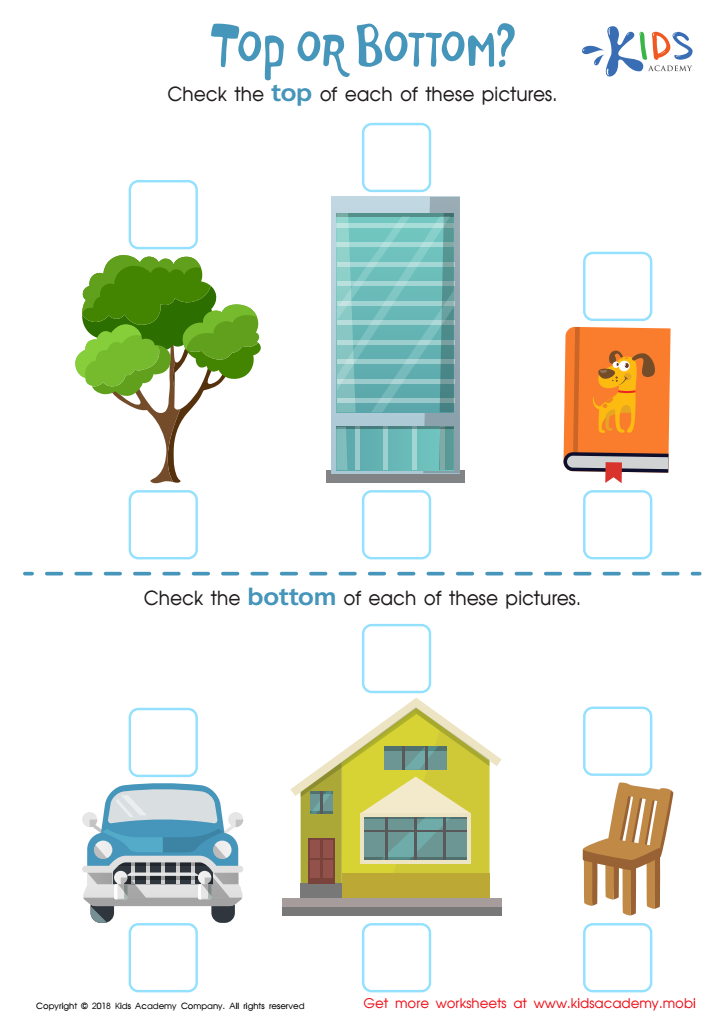
Top or Bottom Worksheet
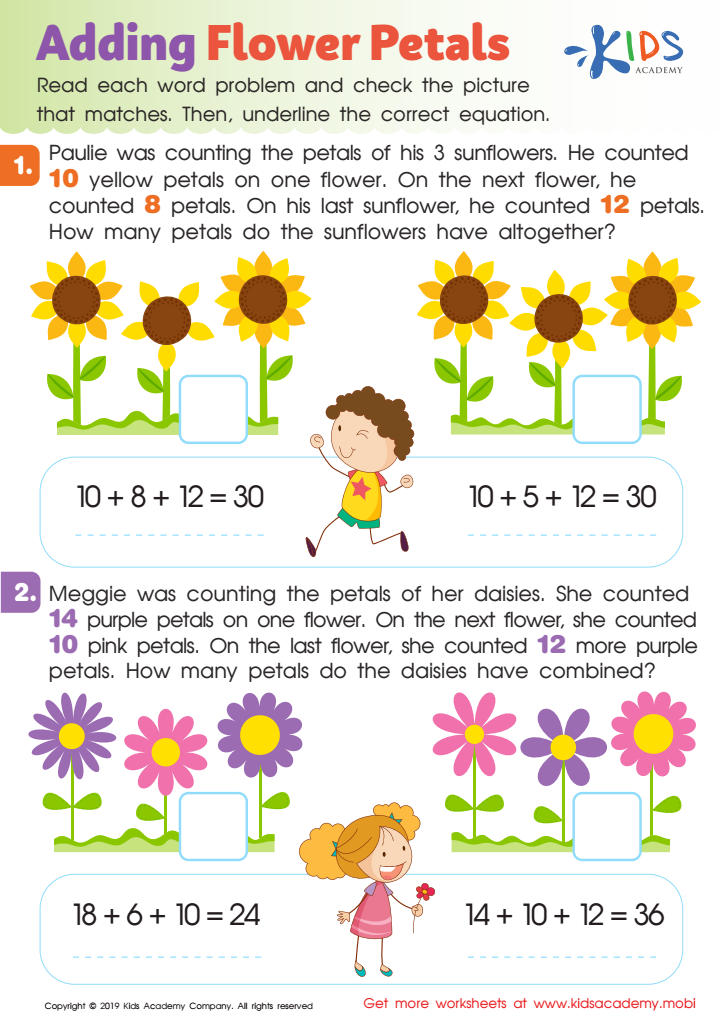
Adding Flower Petals Worksheet
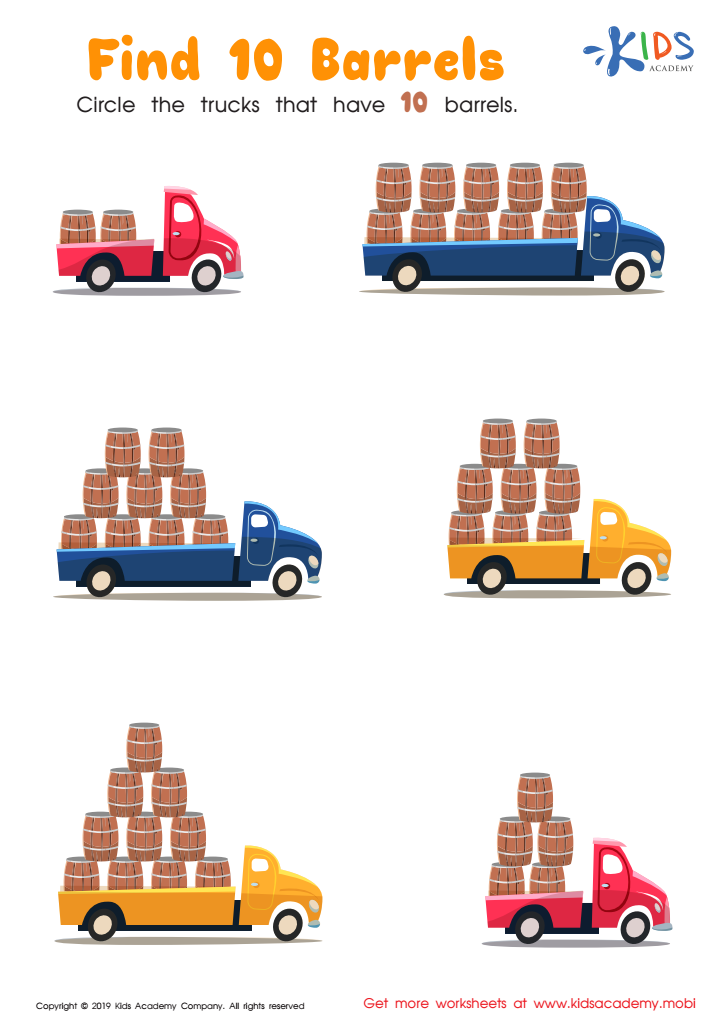
Find 10 Barrels Worksheet
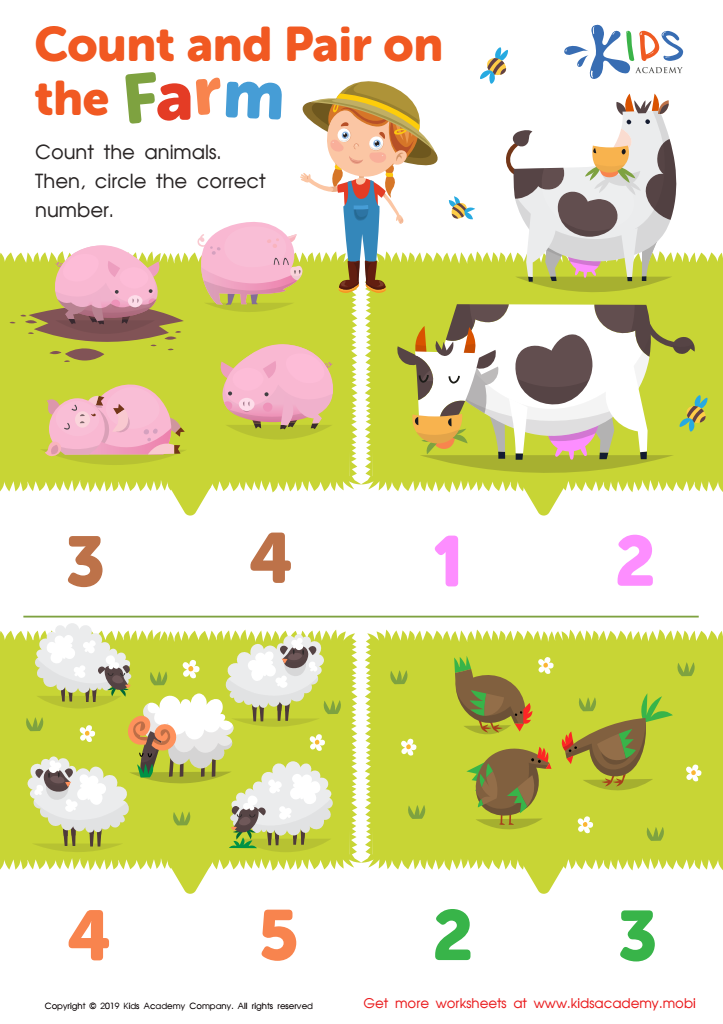
Count and Pair on the Farm Worksheet
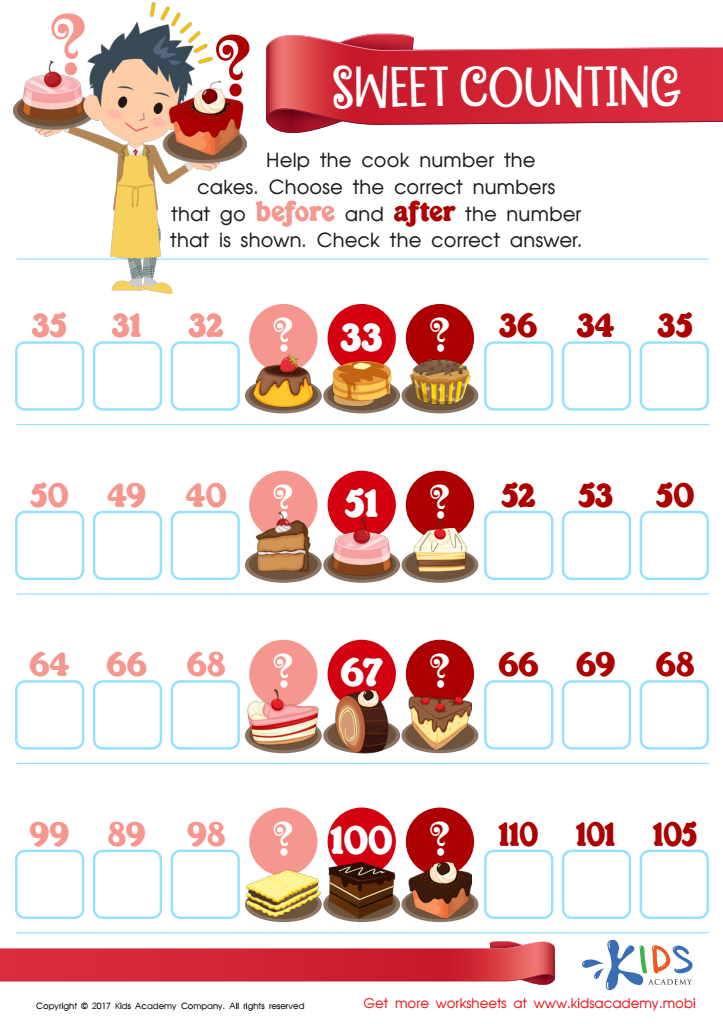
Sweet Counting - Part 1 Worksheet
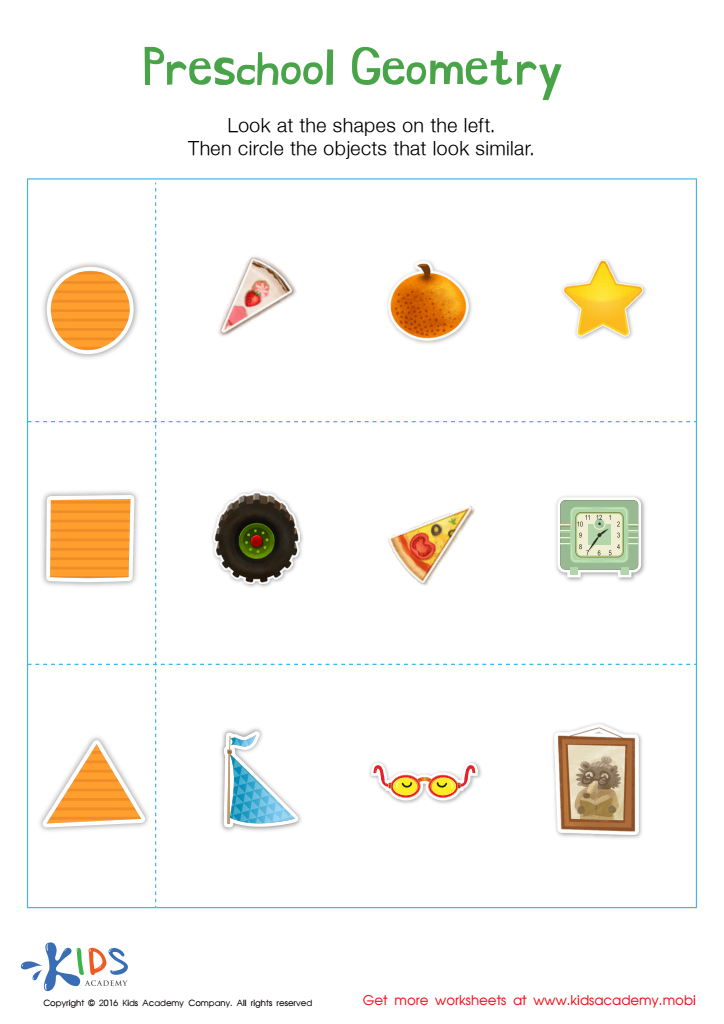
Preschool Geometry Match Up Worksheet
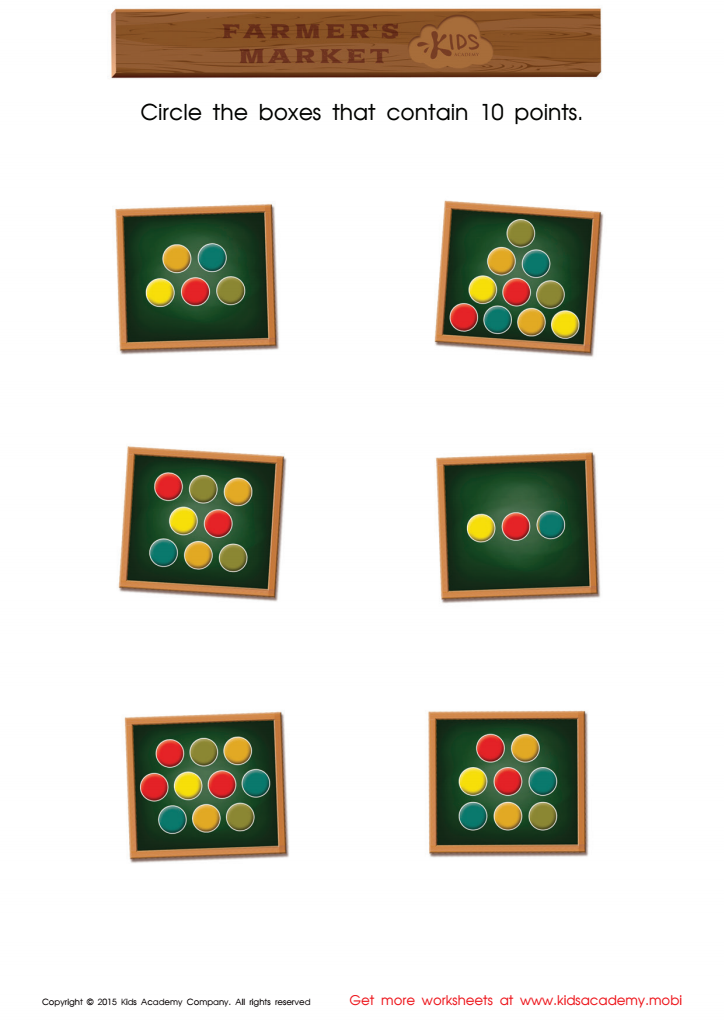
Count and Match Points 10 Math Worksheet
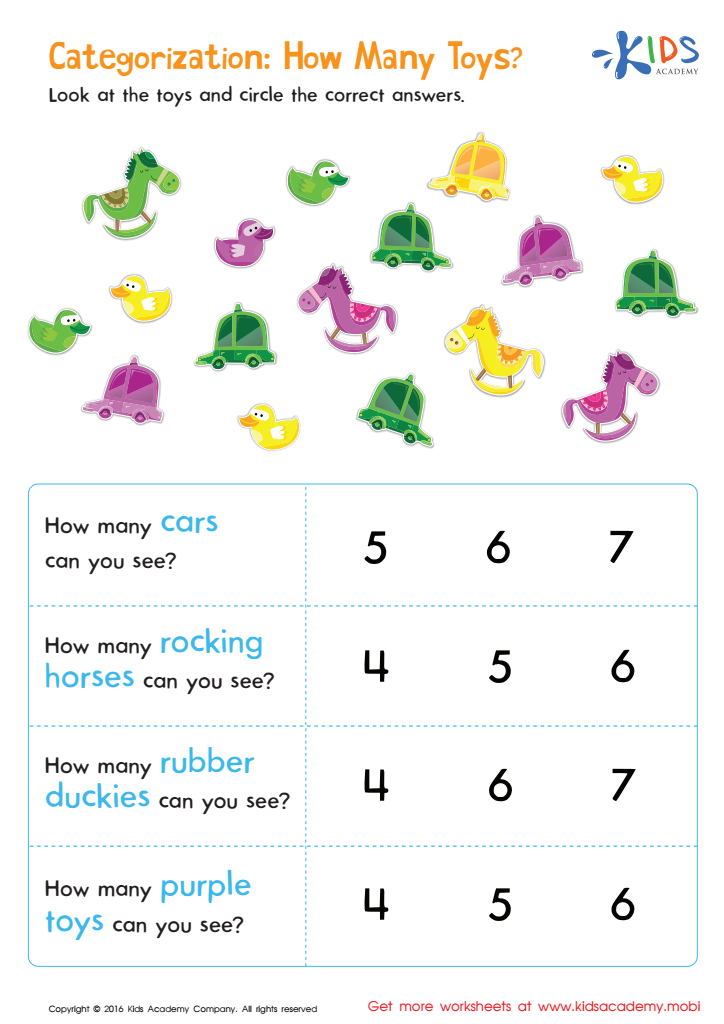
Classifying Toys by Type and Color Sorting Worksheet
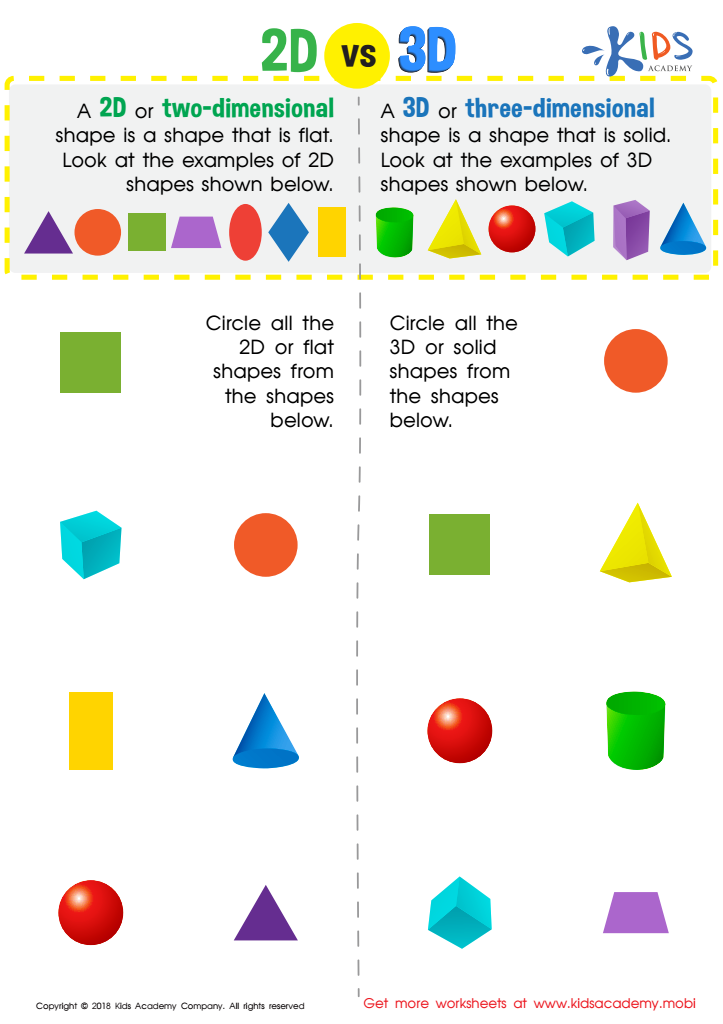
2D vs 3D Shapes Worksheet
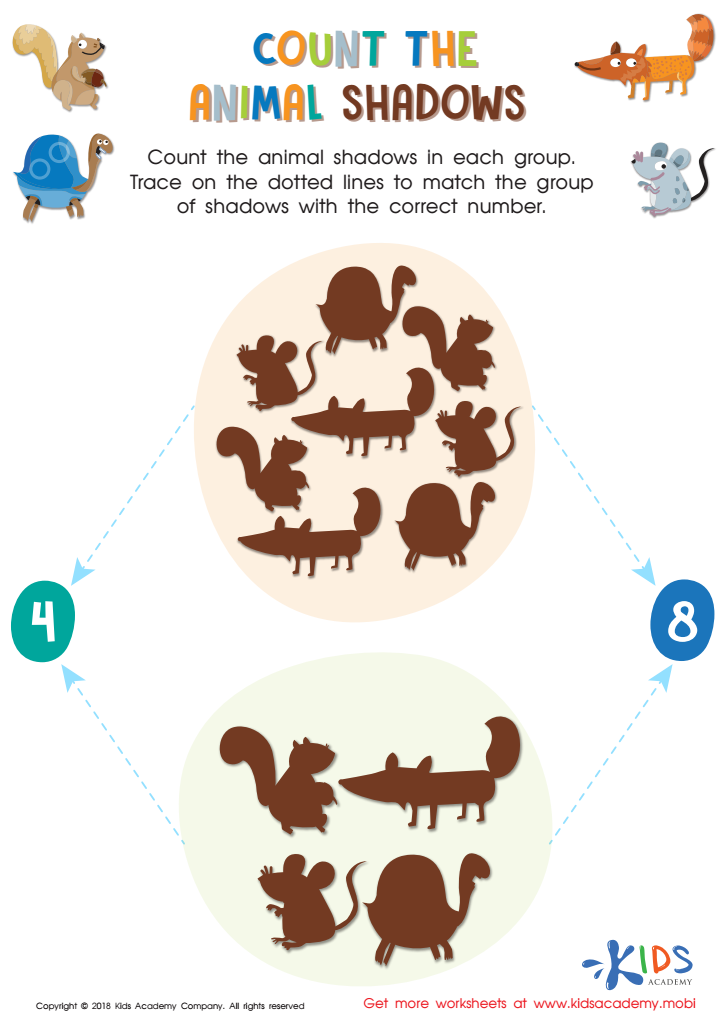
Count the Animal Shadows Worksheet

Count and Match Vegetables 1 – 5 Math Worksheet







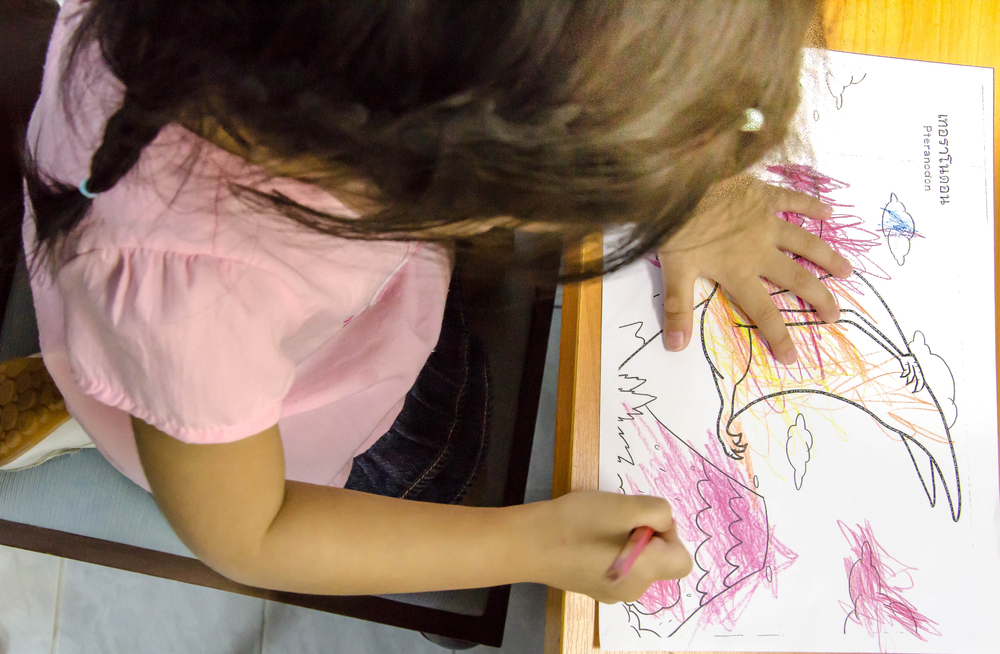
Visual perception is a crucial skill for children aged 3-5 as it forms the foundation for successful learning, particularly in mathematics. It refers to the ability to interpret and make sense of visual information, including shapes, patterns, sizes, and spatial relationships. Understanding these concepts allows young learners to build critical mathematical skills such as counting, recognizing numbers, and performing basic operations.
Parents and teachers should care about developing visual perception in early childhood because it enhances cognitive skills and promotes problem-solving abilities. Engaging children in activities that require them to distinguish between different shapes or sizes, or to understand spatial relationships, boosts their readiness for more complex mathematical concepts later on.
Moreover, fostering strong visual perception can help prevent learning difficulties that might arise in the future. When children can effectively analyze and comprehend visual cues, they are more likely to excel in academic settings. Creating a supportive and stimulating environment, filled with games and interactive activities that use visual perception, empowers parents and teachers to give children a solid foundation in math and puts them on a path towards lifelong learning success. Ultimately, developing these skills becomes essential in equipping early learners for their educational journey ahead.








