
Logical thinking Normal Matching Worksheets for Ages 3-5
3 filtered results
Difficulty Level
Grade
Age
-
From - To
Subject
Activity
Standards
Nurture your child's cognitive development with our Logical Thinking Normal Matching Worksheets tailored for ages 3-5. Designed to stimulate young minds, these engaging activities focus on improving critical thinking and problem-solving skills. Kids will connect related items, reinforcing their ability to recognize patterns and make logical connections. Ideal for kindergarten readiness, these worksheets foster early learning success in a fun, interactive manner. Empower your little learners towards a brighter future, as they embark on an educational journey building foundational skills. Visit Kids Academy for a collection of high-quality printable worksheets now!
Favorites
With answer key
Interactive
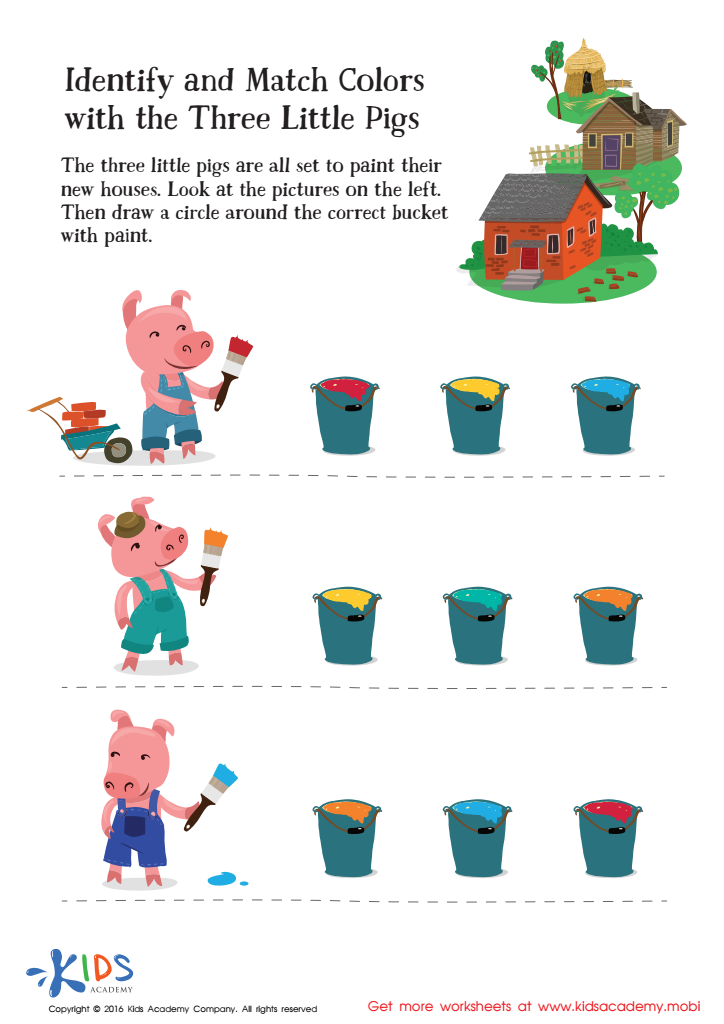
Fairy Tale Worksheet: Identify and Match Colors with Three Little Pigs
Help the 3 Little Pigs find the right color for their houses! This fun worksheet will have your child developing their problem solving and color recognition skills. It's a great way to start building the foundation for advanced logic skills. Plus, they'll love the Three Little Pigs coloring pages.
 Assign to My Students
Fairy Tale Worksheet: Identify and Match Colors with Three Little Pigs
Worksheet
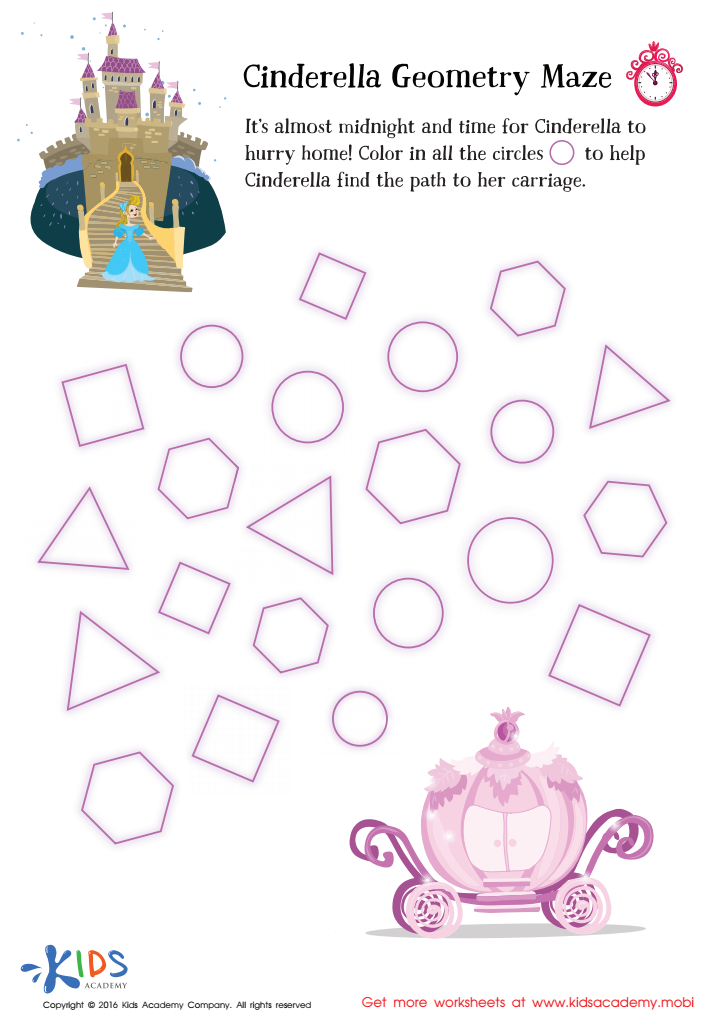
Cinderella Geometry Maze Worksheet
Help Cinderella hurry home! Your preschooler will have fun problem-solving and sorting shapes in this geometric maze. As they shade in the circles, they'll be helping their favorite princess reach her carriage on time. Not only that, but they'll strengthen their logic skills in the process. Get this and other fairy tale mazes to keep them entertained while learning.
Cinderella Geometry Maze Worksheet
Worksheet
Join Kids Academy for Free
Who is primarily going to use this learning content?







Logical thinking and normal matching activities are essential for children ages 3-5 as they lay the foundation for critical cognitive skills. During this stage, children's brains are highly receptive to new information, making it an ideal time to introduce activities that stimulate logical reasoning and pattern recognition. Logical thinking helps children learn to assess situations, solve problems systematically, and make connections between ideas, fostering their overall intellectual development.
Matching activities, where children pair objects, shapes, or pictures based on similarities and differences, enhance visual perception and reinforce memory. These exercises improve attention to detail and categorical thinking, vital for future academic pursuits in subjects such as math, science, and reading. For instance, recognizing patterns in numbers or letters is pivotal for understanding basic arithmetic and phonics.
Furthermore, engaging in logical thinking and matching tasks helps children build confidence in their problem-solving abilities. Achieving small successes in these activities creates a sense of accomplishment and encourages a positive attitude towards learning. Incorporating these exercises into play also fosters interactive and fun learning experiences, improving social skills as children often collaborate with peers or receive guidance from adults.
In summary, fostering logical thinking and matching skills in young children supports their cognitive growth, problem-solving abilities, and academic preparedness, crucial for their future educational journey.








