Cognitive Development Normal Alphabet Worksheets for Ages 3-6
6 filtered results
-
From - To
Discover our "Cognitive Development Normal Alphabet Worksheets" designed specifically for children ages 3-6. These engaging, age-appropriate worksheets promote essential cognitive skills while introducing the alphabet through fun activities. Children will enhance their problem-solving abilities, memory retention, and critical thinking as they explore patterns, comparisons, and letter recognition in various interactive formats. Each worksheet is crafted to support early learners in developing foundational literacy skills in a playful and stimulating environment. Perfect for home or classroom use, our worksheets ensure a comprehensive learning experience that prepares young minds for future academic success. Start your child’s alphabet adventure today!
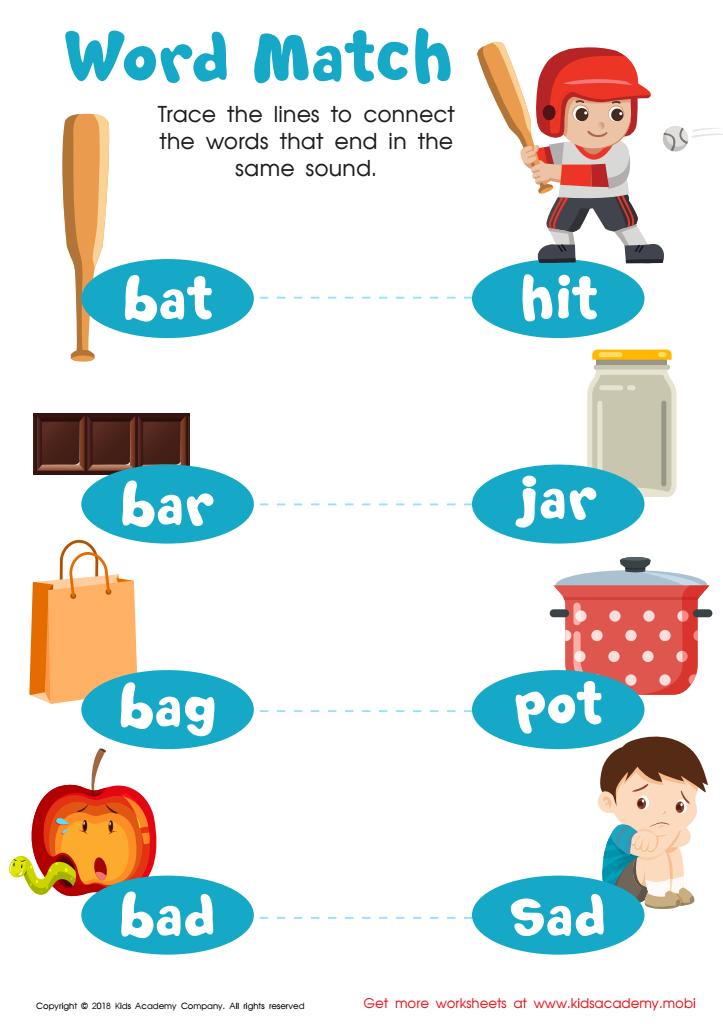
Word Match Reading Worksheet
 Assign to My Students
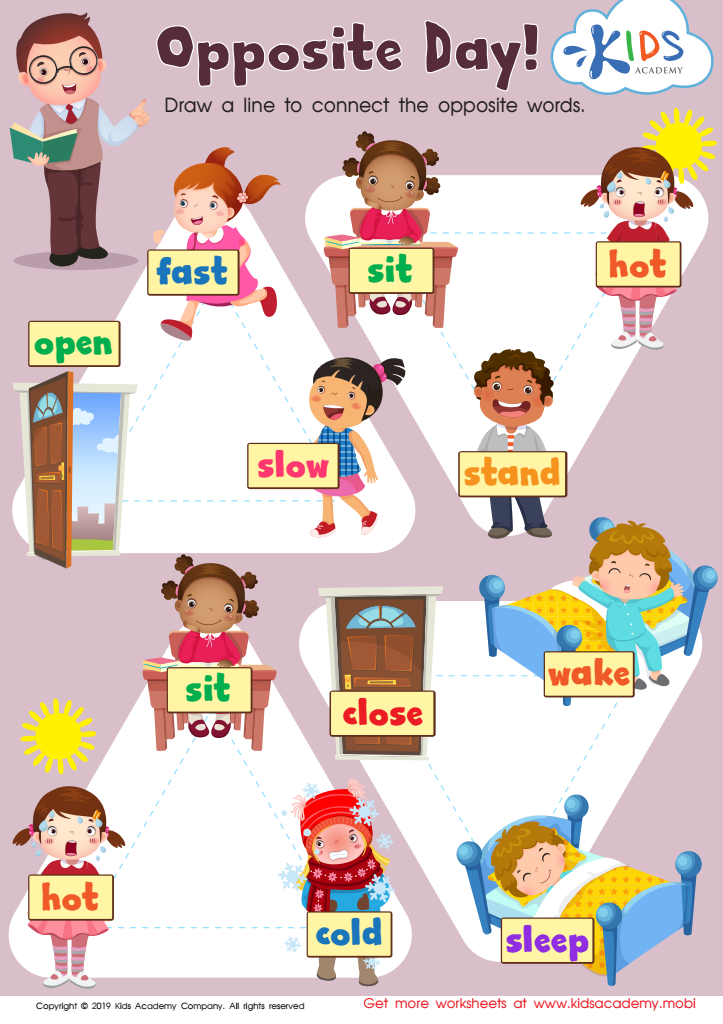
Opposite Day Worksheet
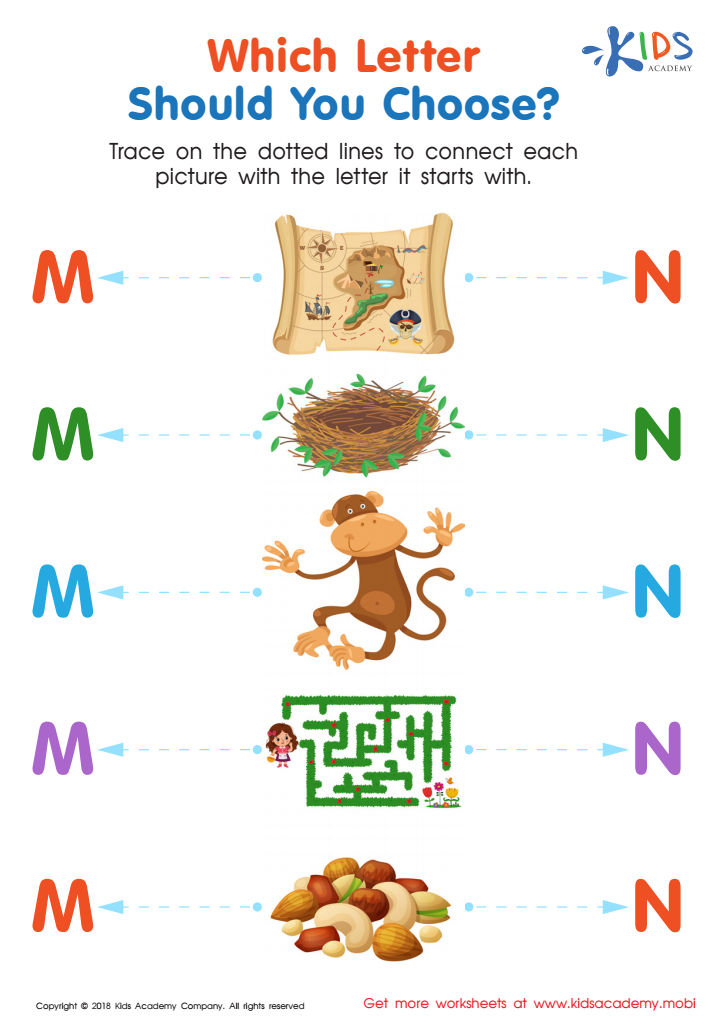
Which Letter Should you Choose? Worksheet
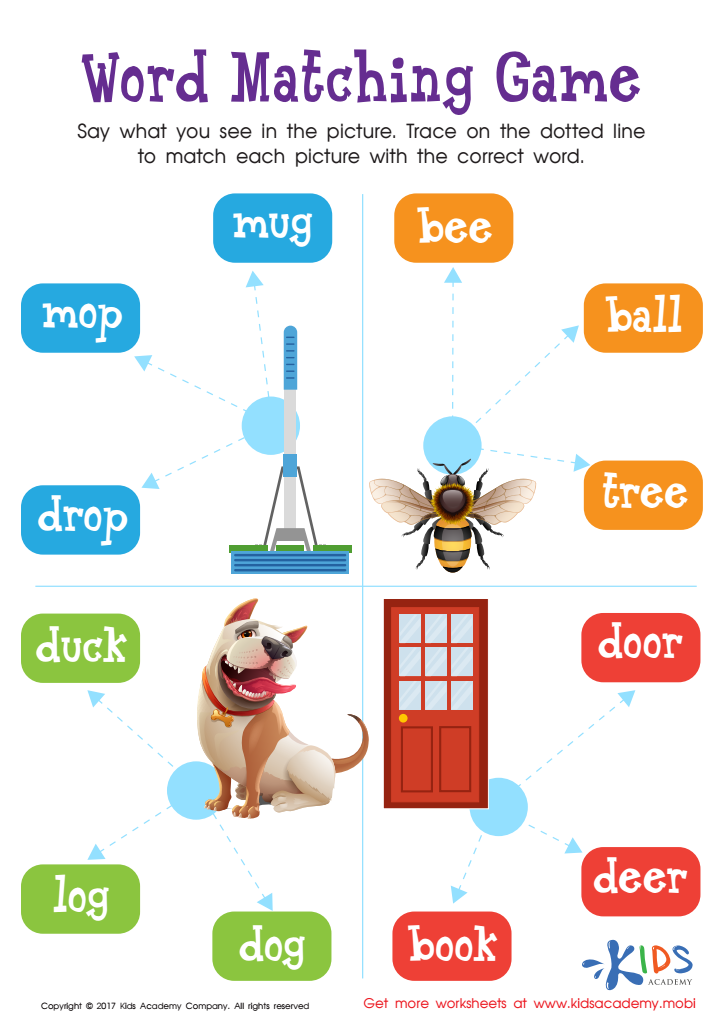
Word Matching Game Worksheet
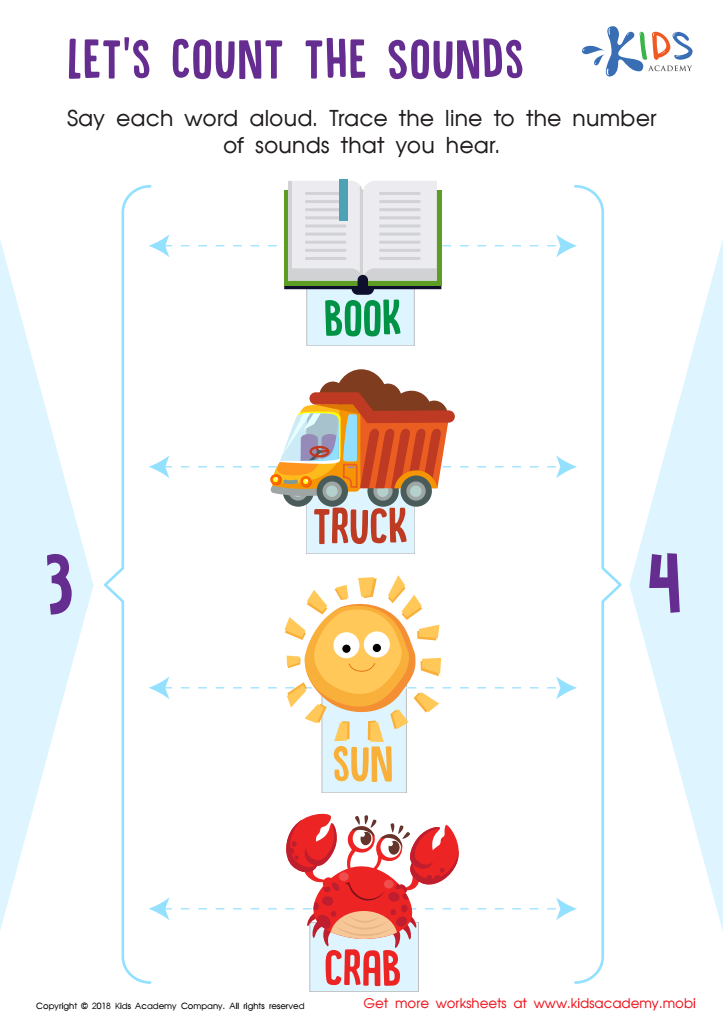
Let's Count the Sounds Worksheet
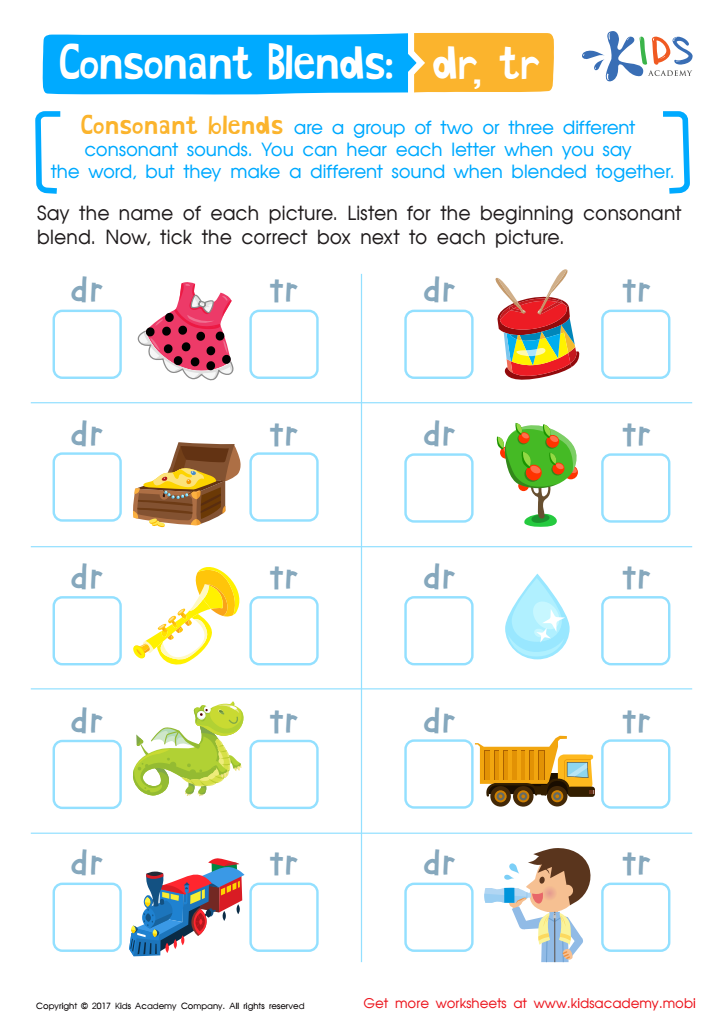
Consonant Blends: "Dr" and "Tr" Printable






Cognitive development in early childhood, especially in the context of understanding the normal alphabet for children aged 3-6, is crucial for several reasons. First, this stage is a formative period where children begin to develop vital thinking, reasoning, and problem-solving skills. Recognizing letters and their sounds lays the groundwork for literacy, enabling children to decode words and eventually write and communicate effectively.
Teachers and parents should care about cognitive development during this phase because foundational literacy skills are linked to academic success later on. Engaging with the alphabet through playful activities, songs, and reading enhances not only letter recognition but also memory, attention span, and language acquisition.
Moreover, children's self-esteem and confidence grow as they master these skills, promoting a love for learning. Well-structured interventions during this critical period can help identify any learning difficulties early on, allowing for timely support.
In fostering cognitive development around the alphabet, both parents and teachers contribute to a child's overall growth, encouraging social skills, perseverance, and critical thinking. These early educational experiences create pathways for lifelong learning, ensuring children are well-prepared for future academic challenges and societal participation.







