Letter recognition Normal Alphabet Worksheets for Ages 3-6 - Page 2
59 filtered results
-
From - To
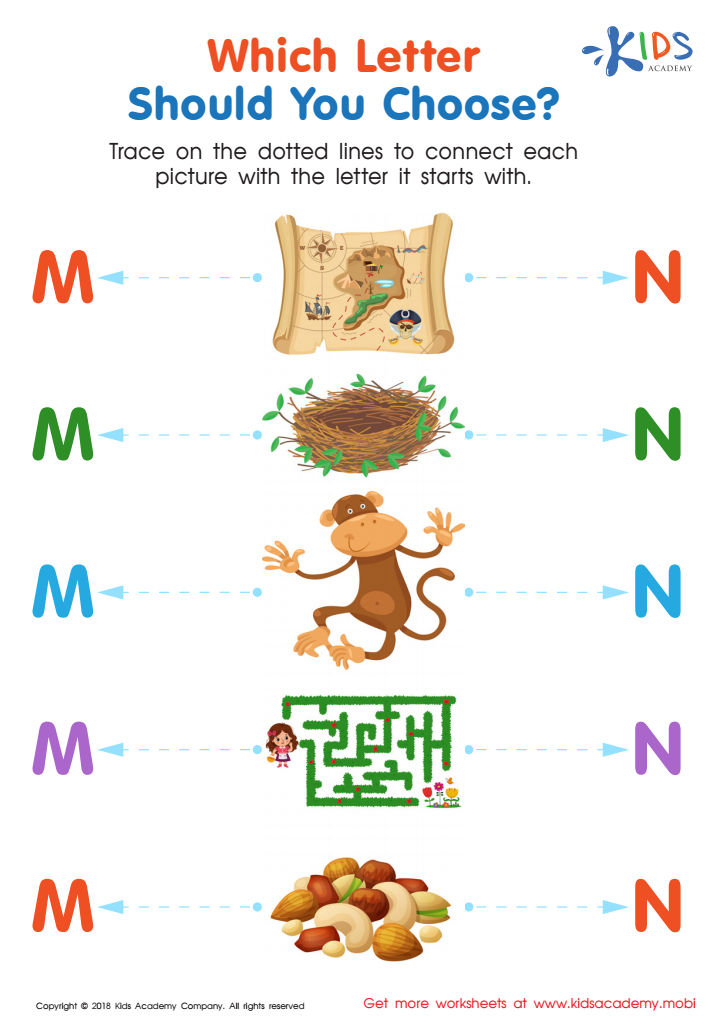
Which Letter Should you Choose? Worksheet
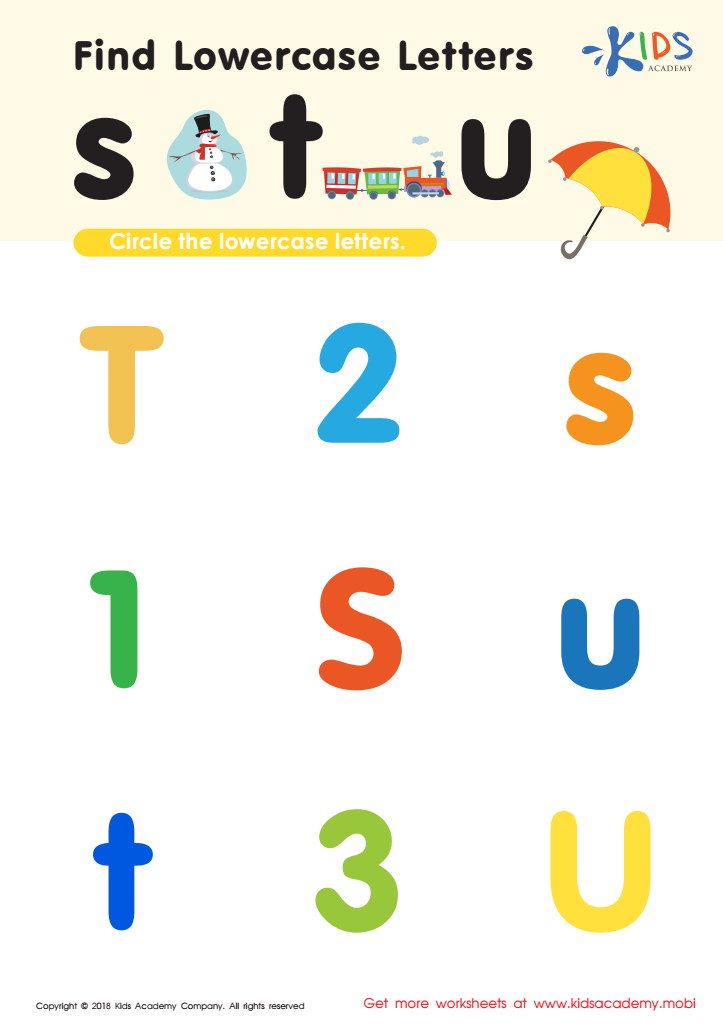
Find lowercase Letters s t u Worksheet
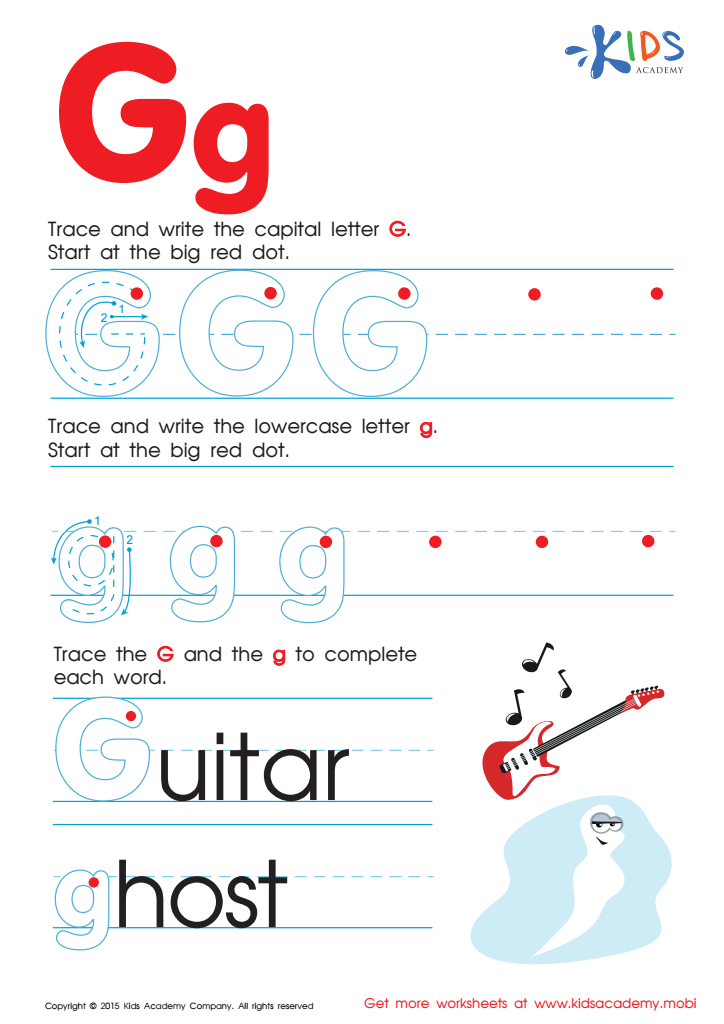
Letter G Tracing Page
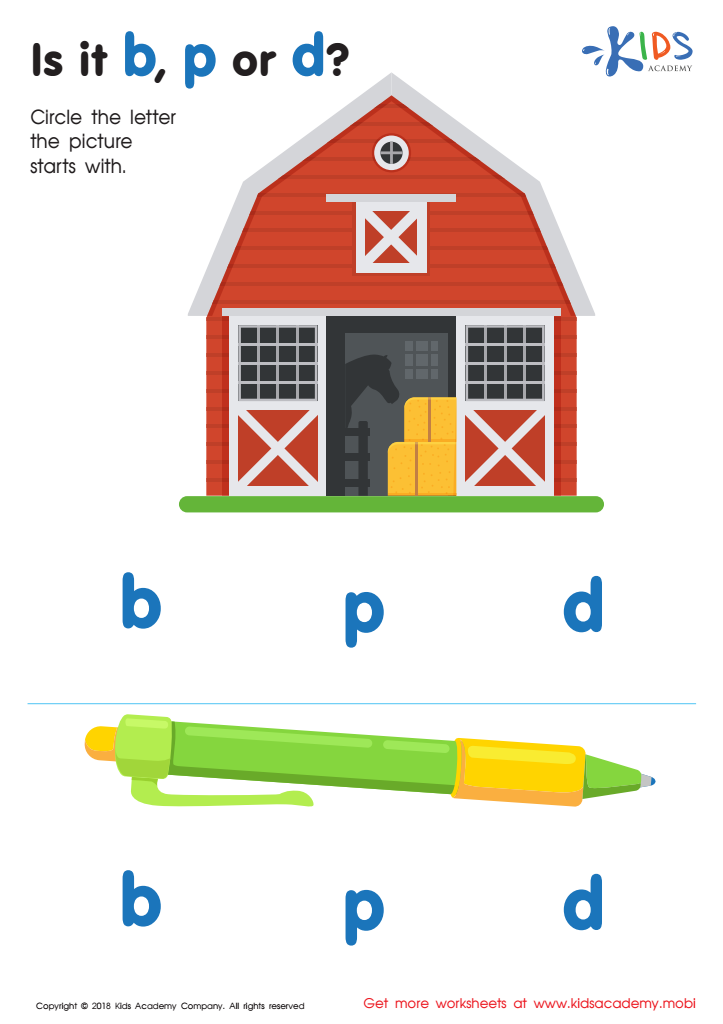
Is it b, p or d? Worksheet
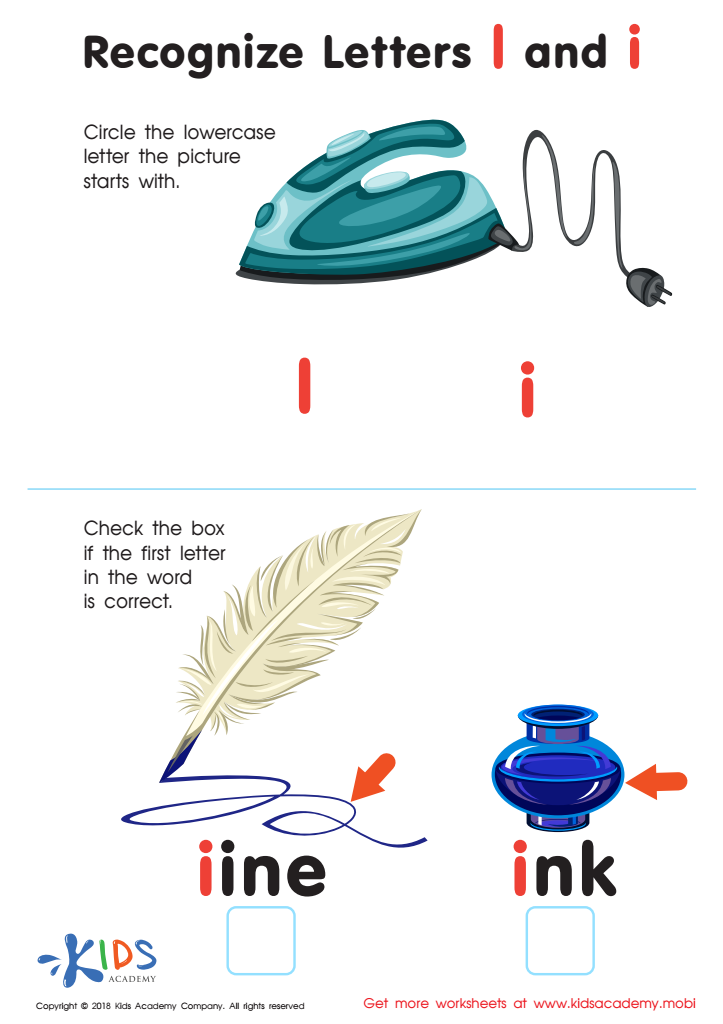
Recognize Letters l and i Worksheet
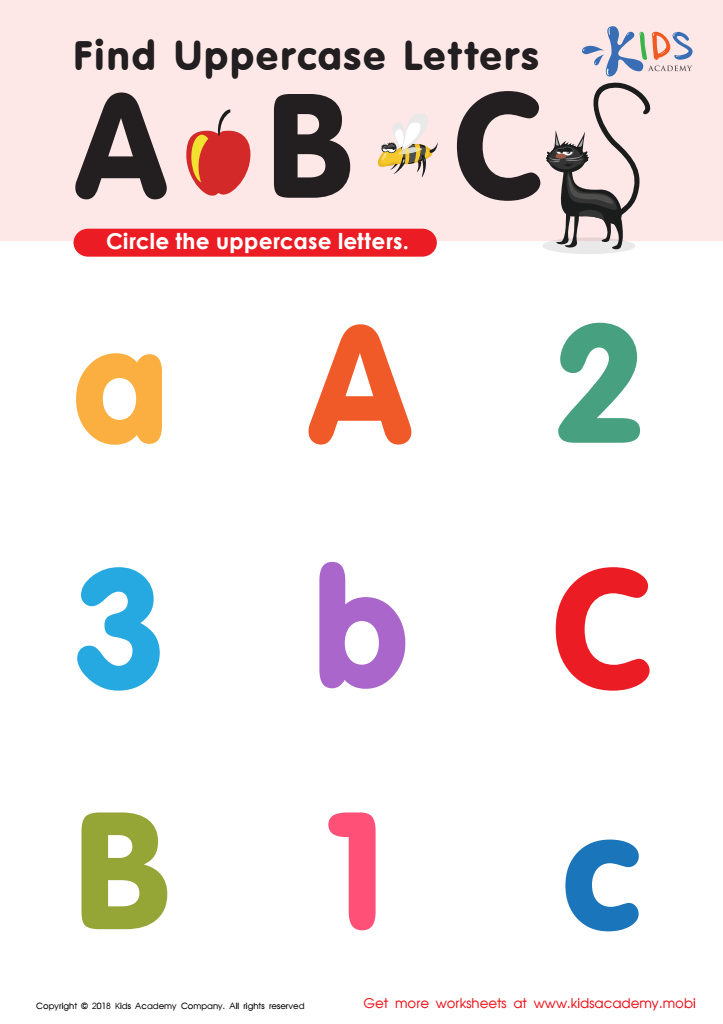
Find Uppercase Letters A, B, and C Worksheet
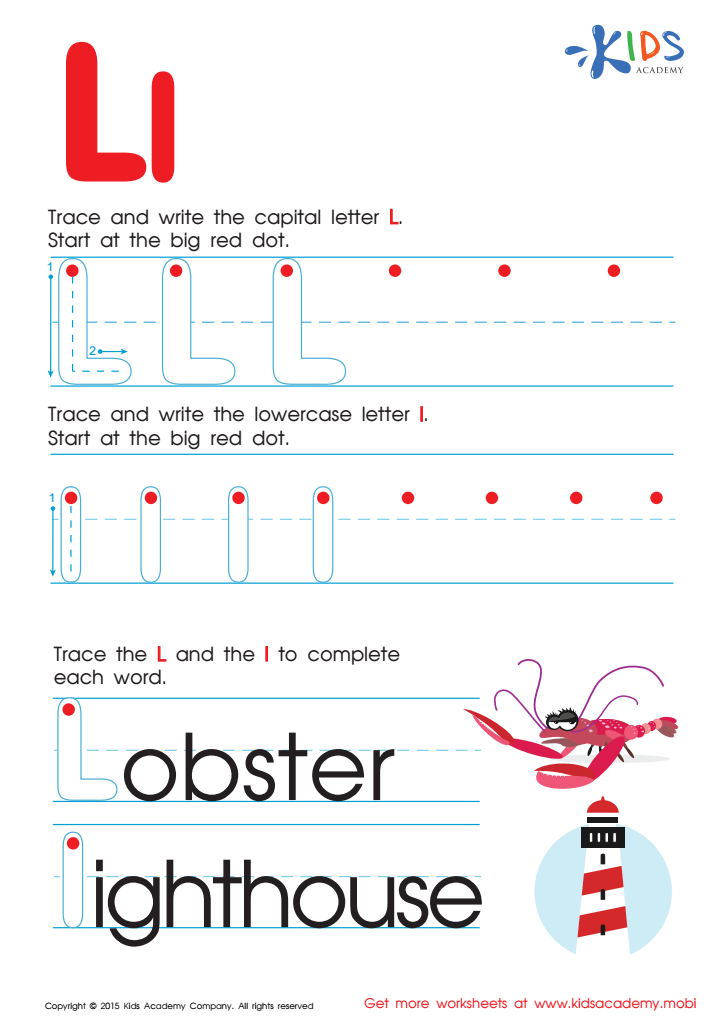
Letter L Tracing Page
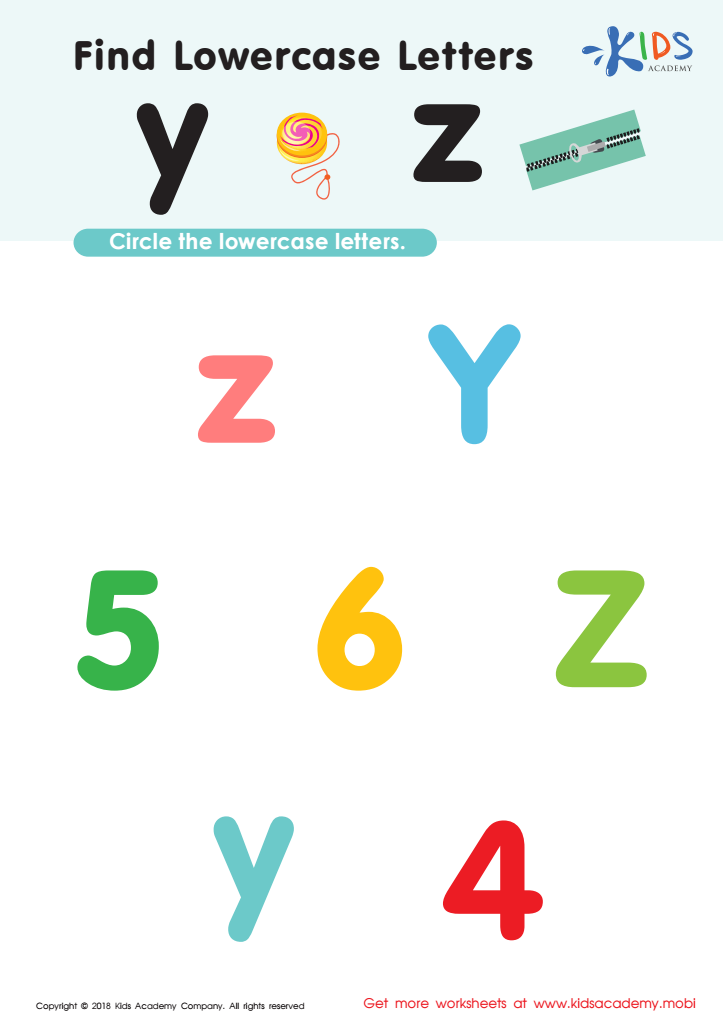
Find Lowercase Letters y z Worksheet
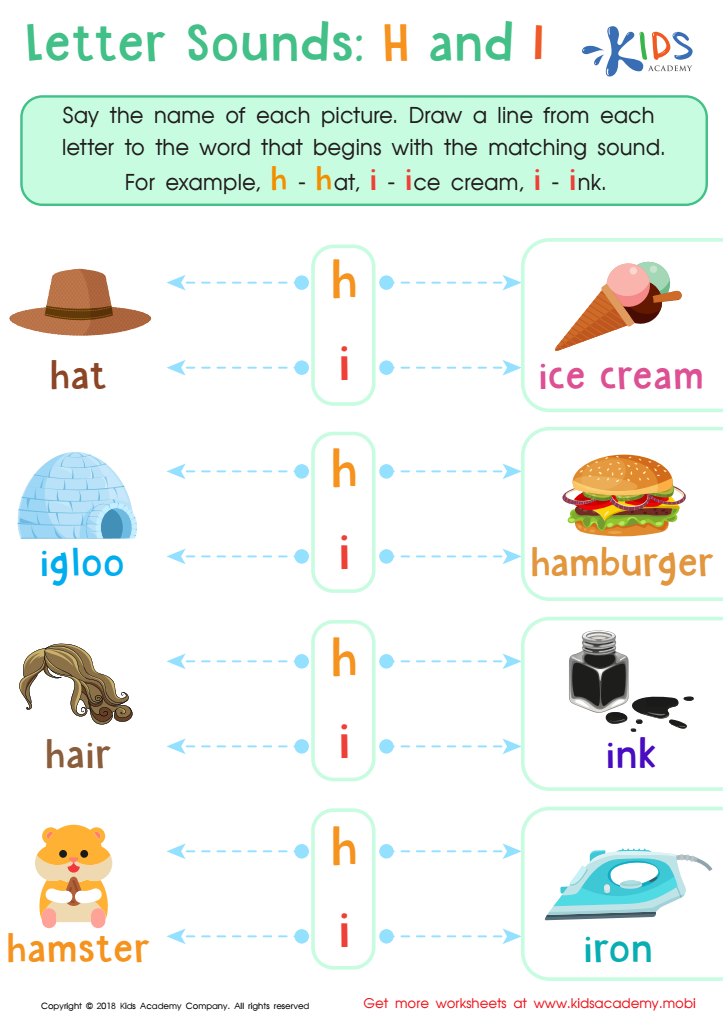
Letter H and I Sounds Worksheet
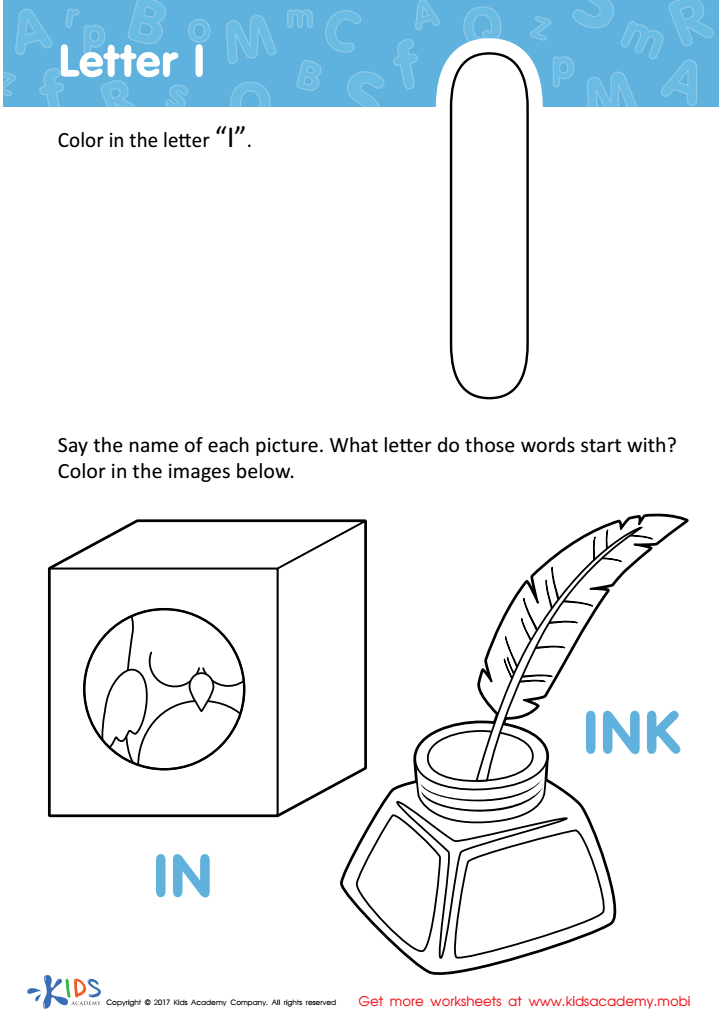
Letter I Coloring Sheet
 Assign to My Students
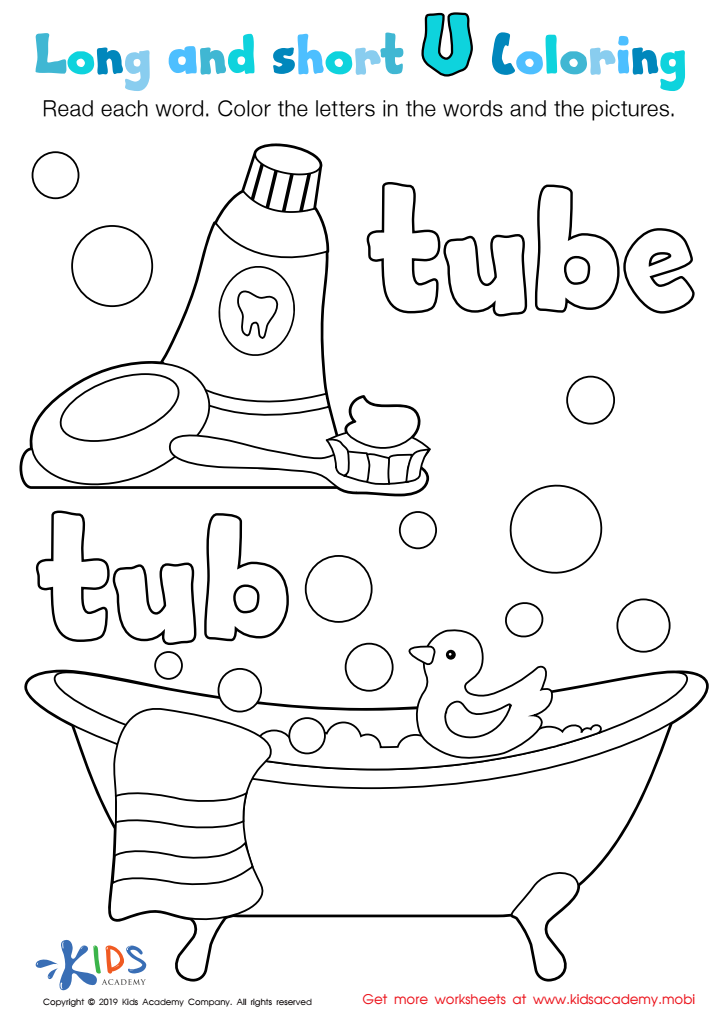
Long and Short U Worksheet
Assign to My Students

Find Uppercase Letters V, W, X Worksheet
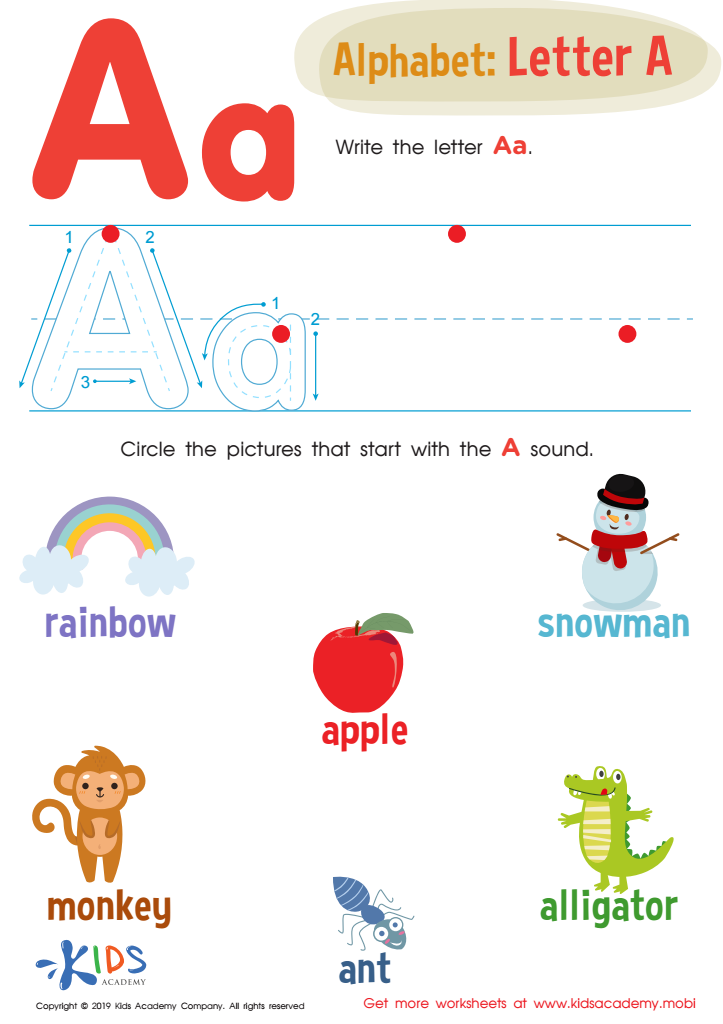
Letter A Tracing Worksheet
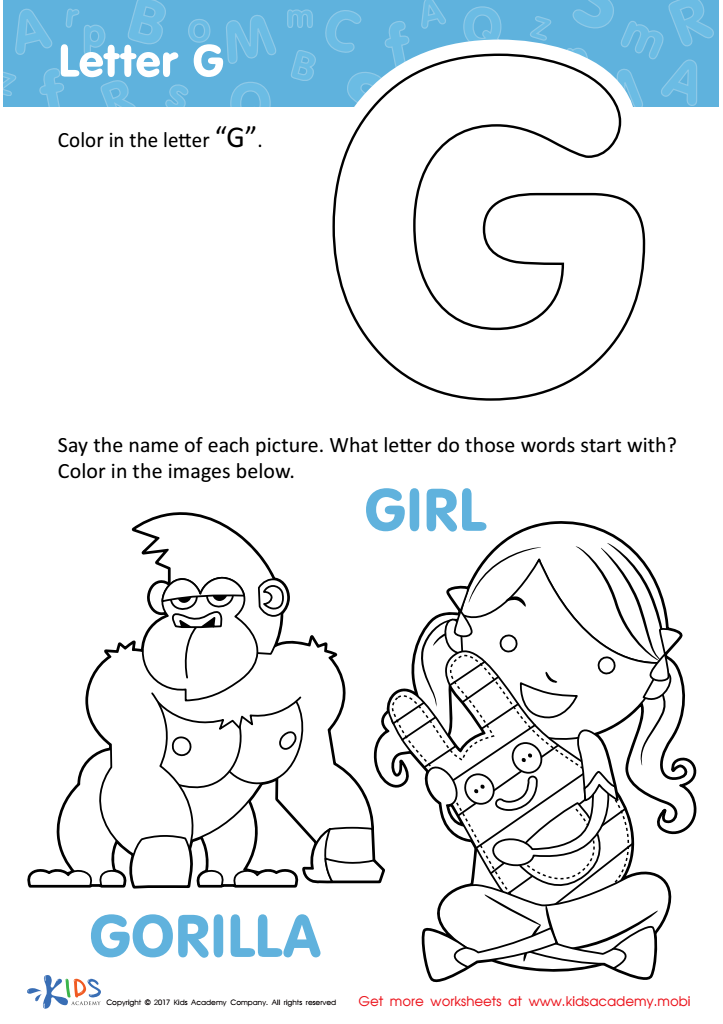
Letter G Coloring Sheet
Assign to My Students
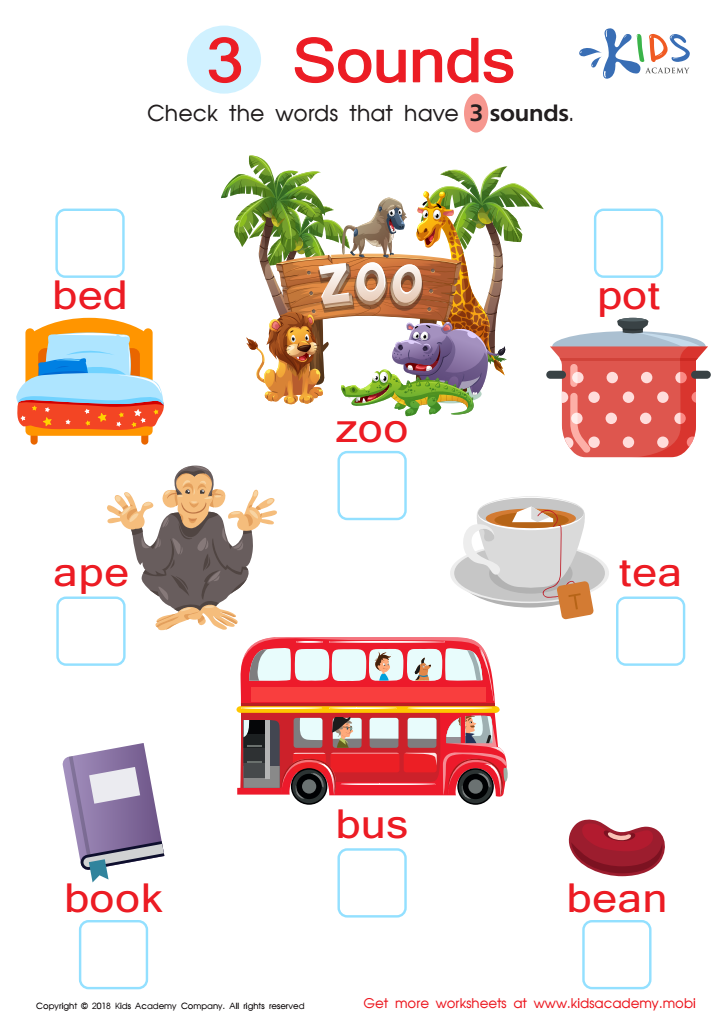
3 Sounds Worksheet
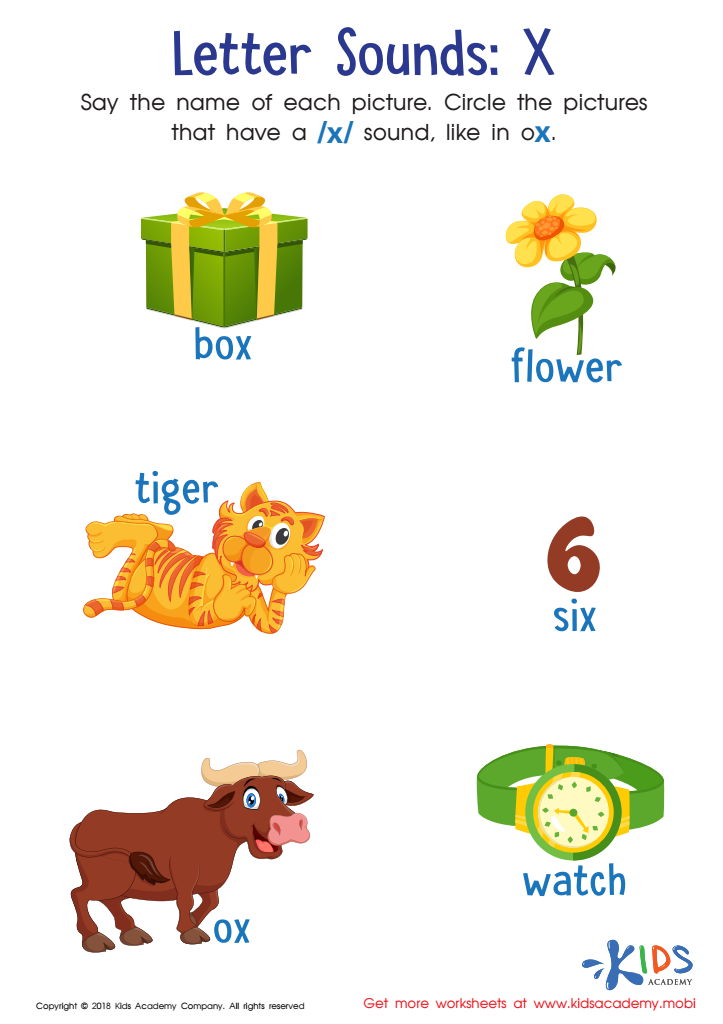
Letter X Sounds Worksheet
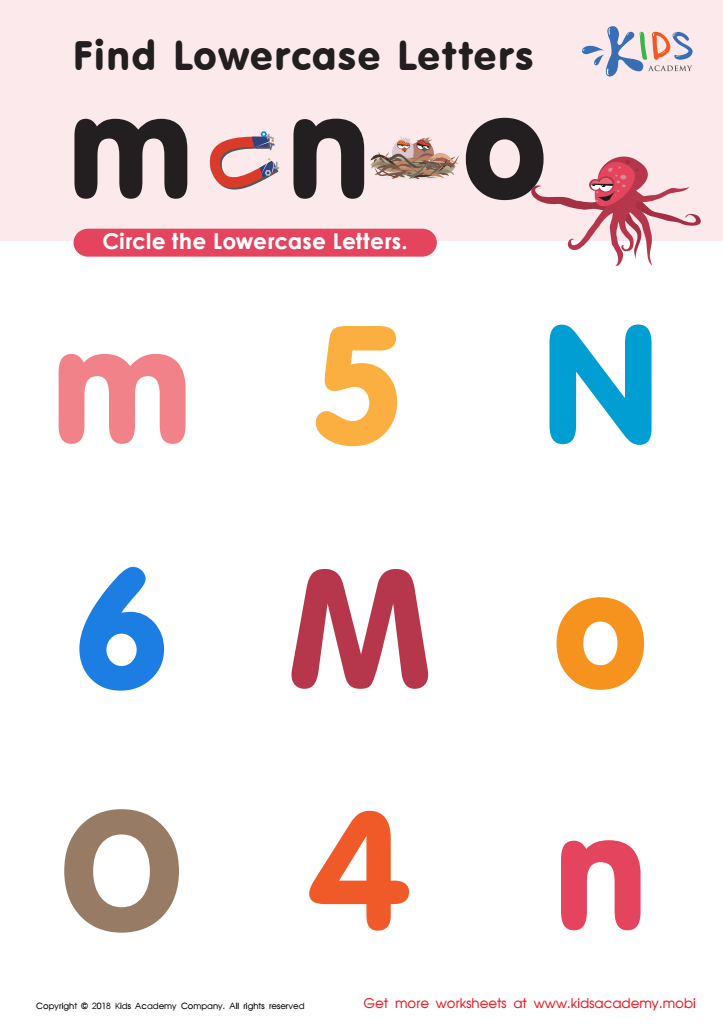
Find Lowercase Letters m n o Worksheet
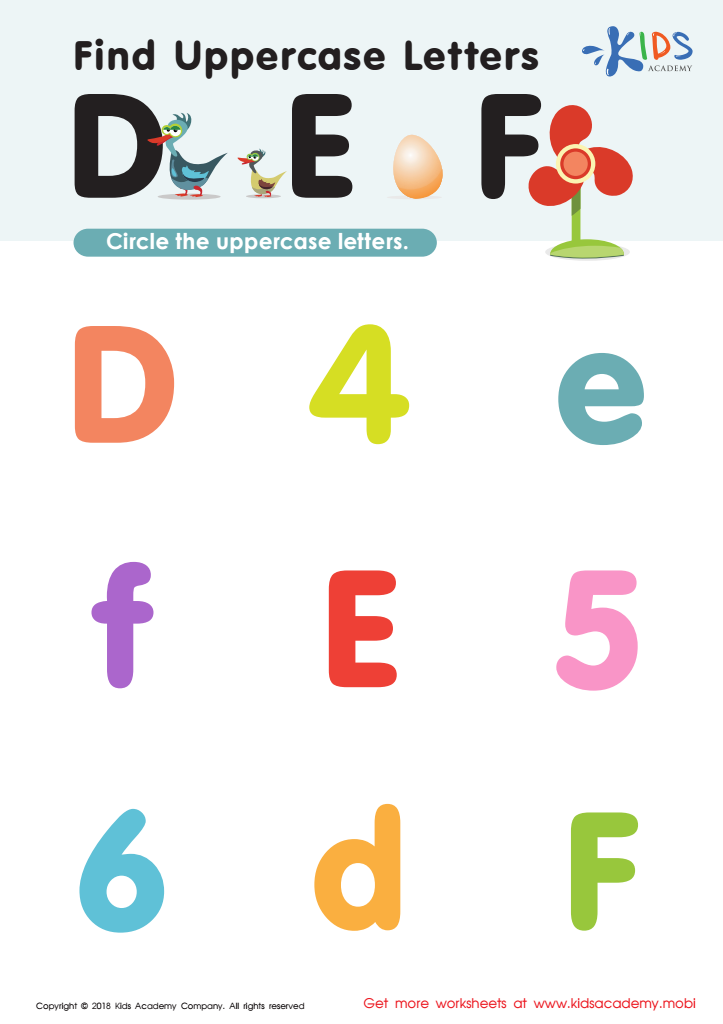
Find Uppercase Letters D, E, and F Worksheet
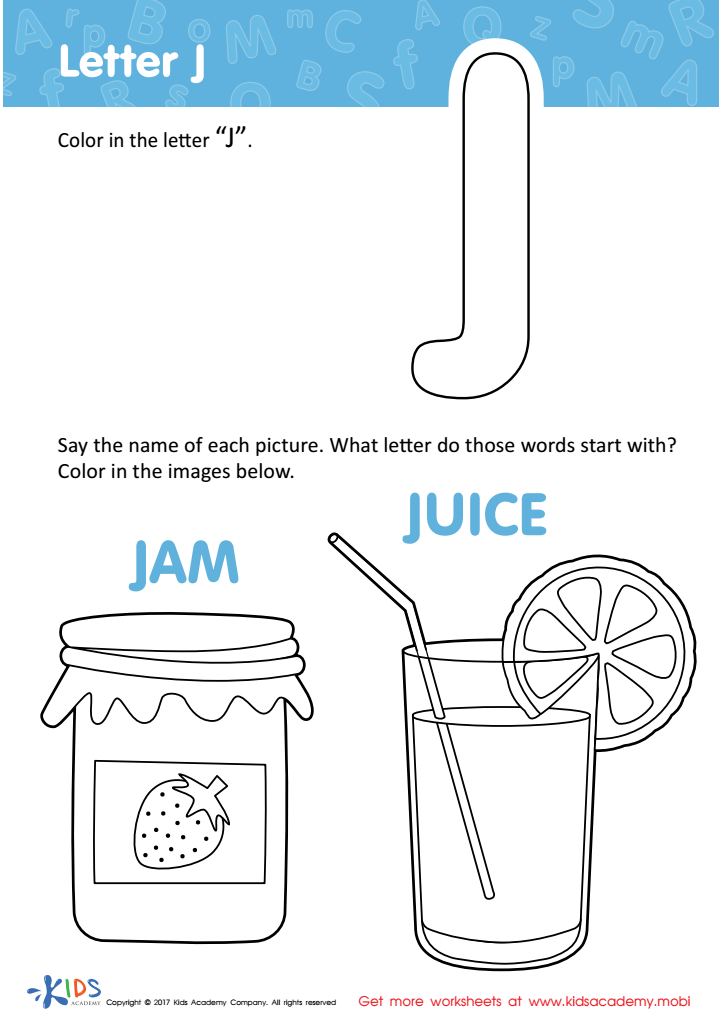
Letter J Coloring Sheet
Assign to My Students
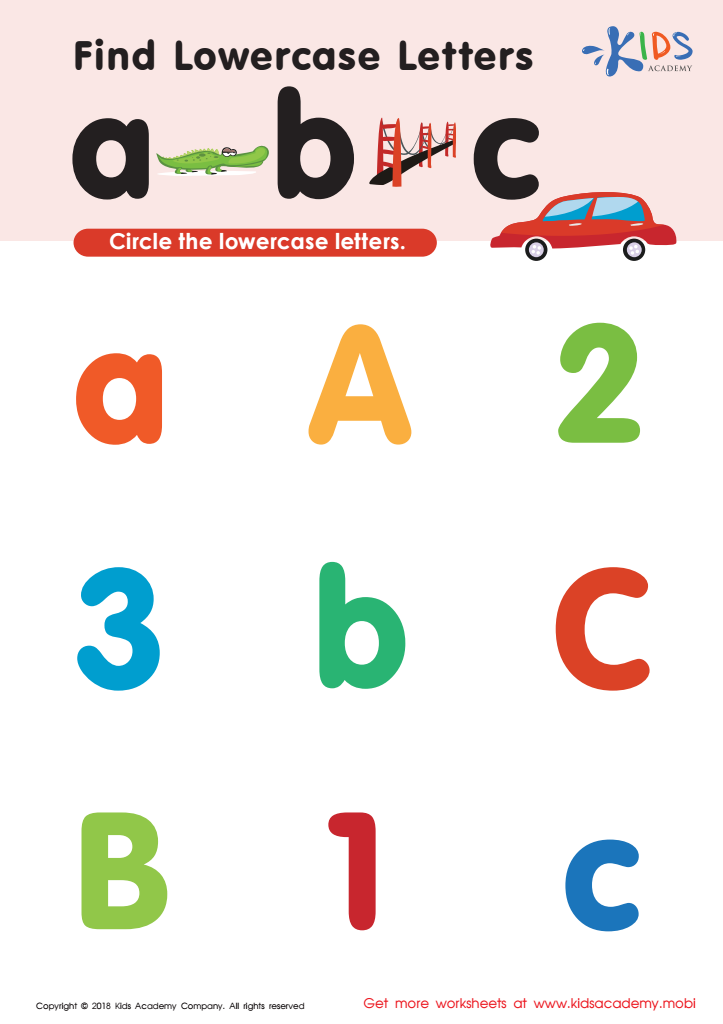
Find lowercase letters a b c Worksheet
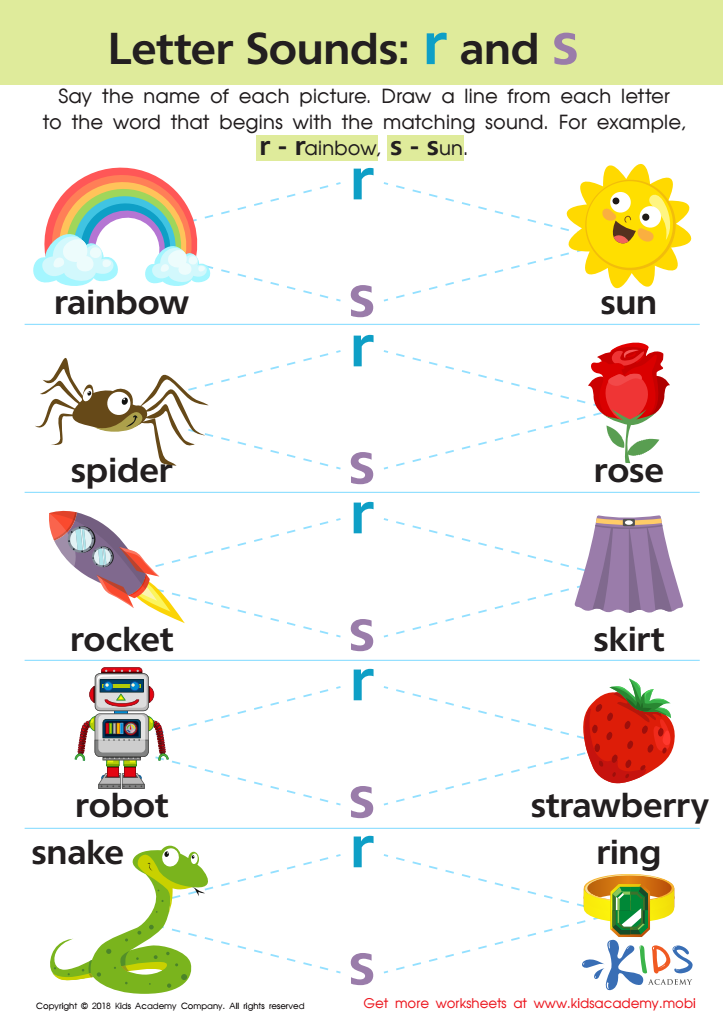
Letter R and S Sounds Worksheet
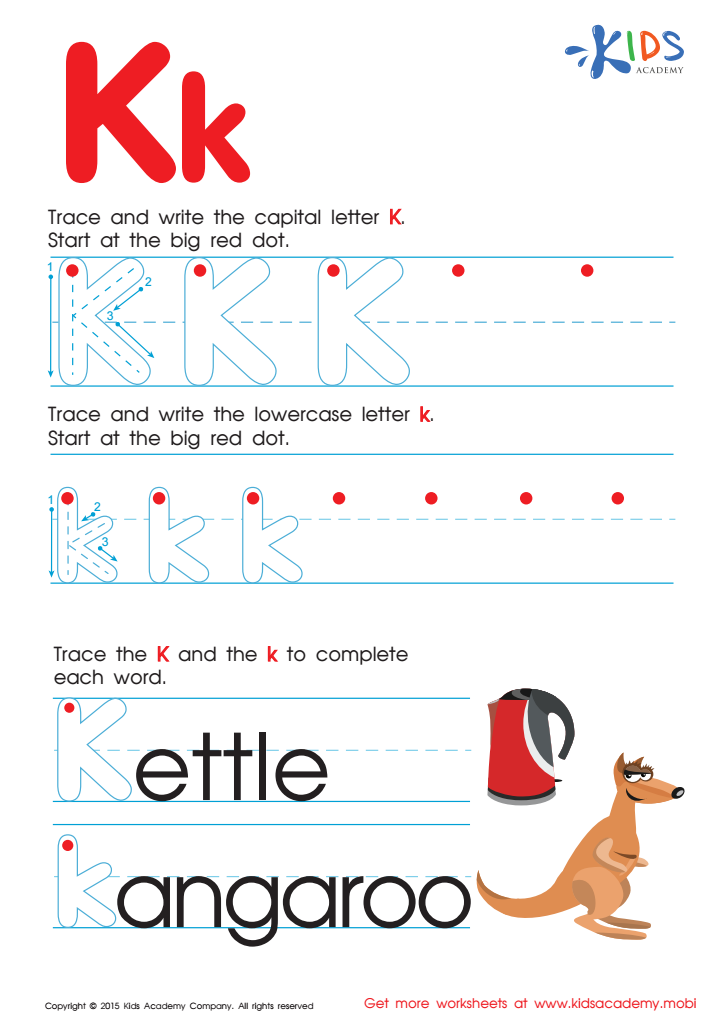
Letter K Tracing Page
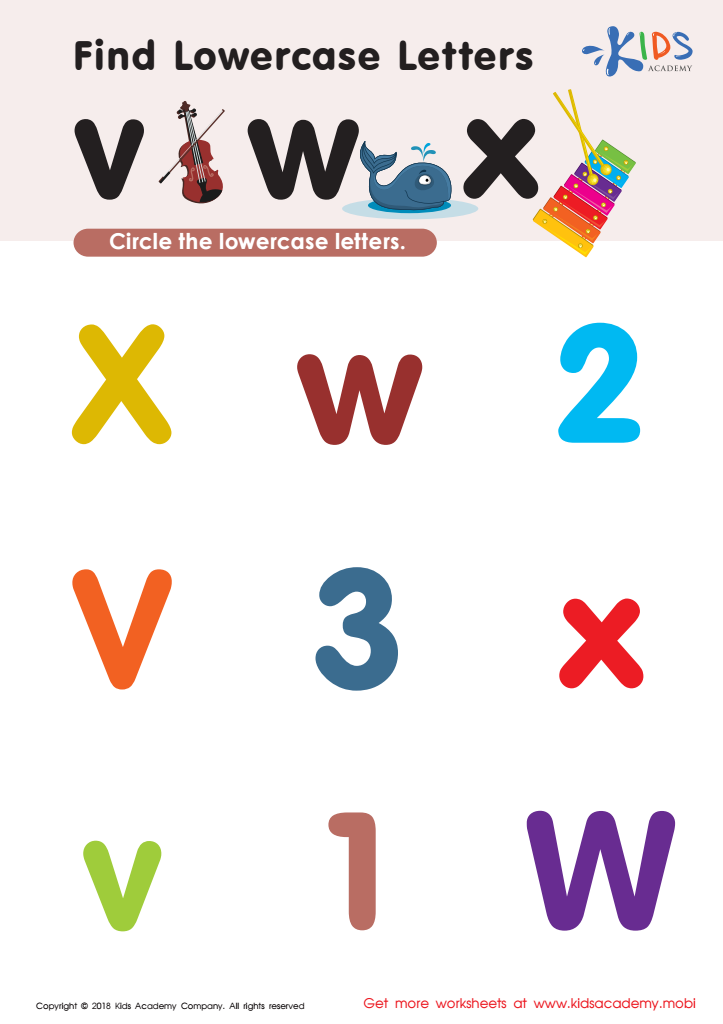
Find Lowercase Letters v w x Worksheet
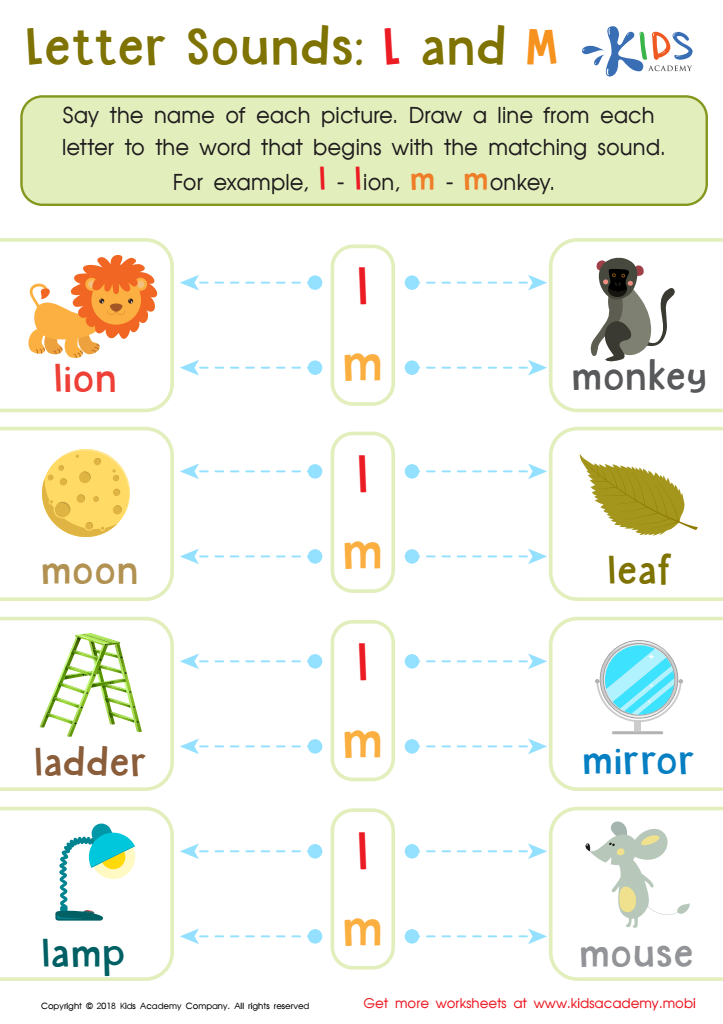
Letter l and M Sounds Worksheet








Teaching letter recognition to children aged 3-6 is essential for their early literacy development. At this critical stage, young minds are incredibly receptive to absorbing new information, providing a golden opportunity to lay a strong foundation for future reading and writing skills.
First, recognizing letters is the first step towards understanding the alphabetic principle—the idea that letters and groups of letters represent the sounds in spoken language. Mastery of letter recognition helps children decode words, making it easier for them to read. Early readers who recognize letters quickly and effortlessly are more likely to enjoy the learning process, fostering a lifelong love for reading.
Additionally, early letter recognition enhances cognitive development through activities that involve memory and attention. Matching letters to their sounds and forming simple words can improve children’s problem-solving skills and overall intellectual development.
For parents and teachers, engaging in letter recognition activities provides a plethora of quality interaction opportunities. Whether through games, flashcards, or storytelling, these moments strengthen emotional bonds while making learning enjoyable. Children who feel supported are more confident and motivated to tackle future academic challenges.
Investing time in teaching letter recognition at ages 3-6 significantly benefits a child’s academic journey and developmental milestones, setting the stage for literacy and learning success.







