Phonics Skills Normal Alphabet Worksheets for Ages 3-6 - Page 2
39 filtered results
-
From - To
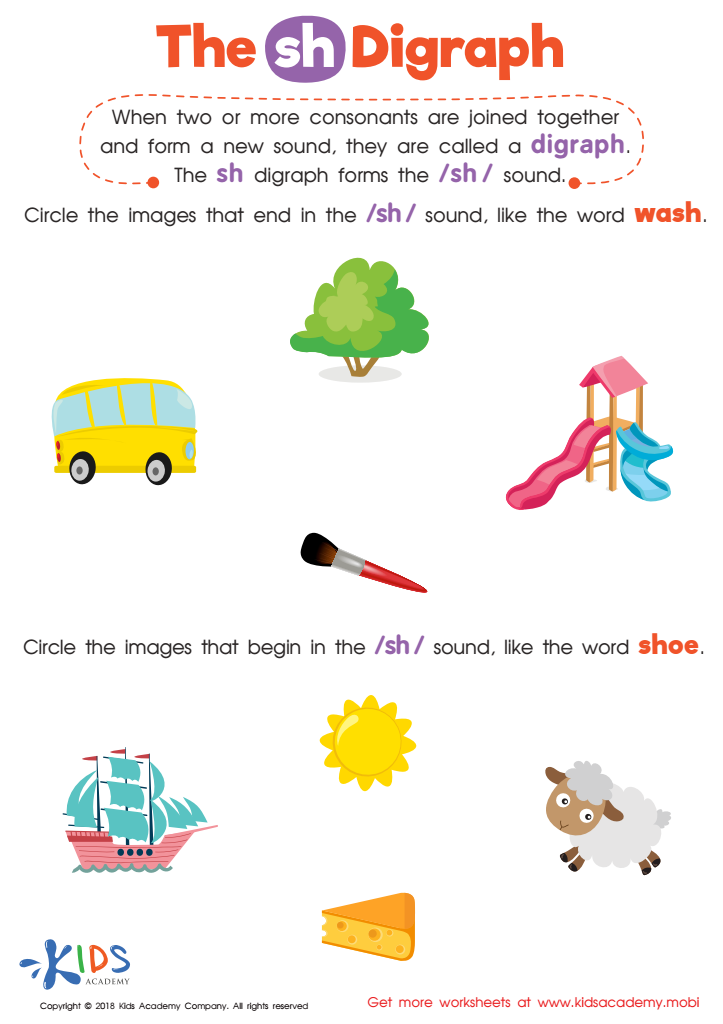
The SH Digraph Worksheet
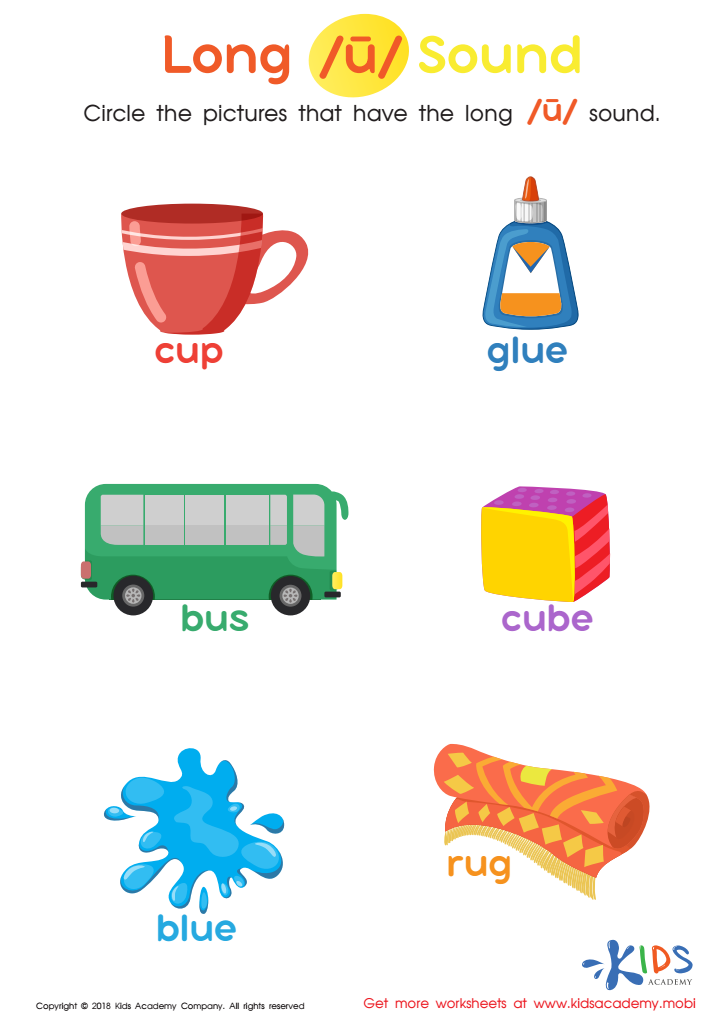
Long «u» Sound Worksheet
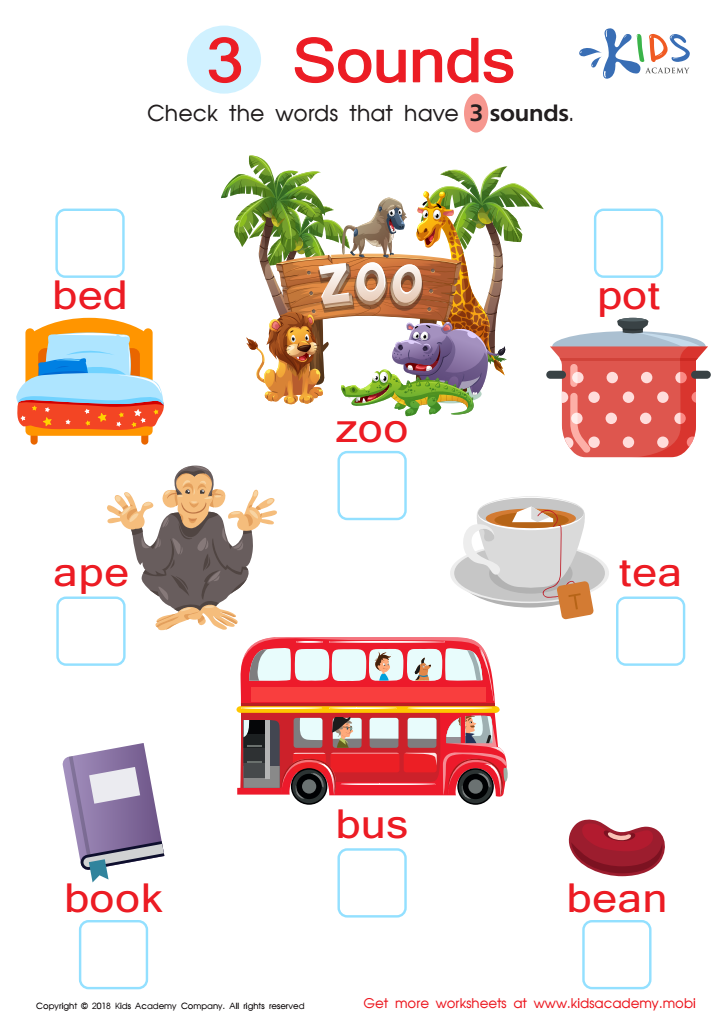
3 Sounds Worksheet
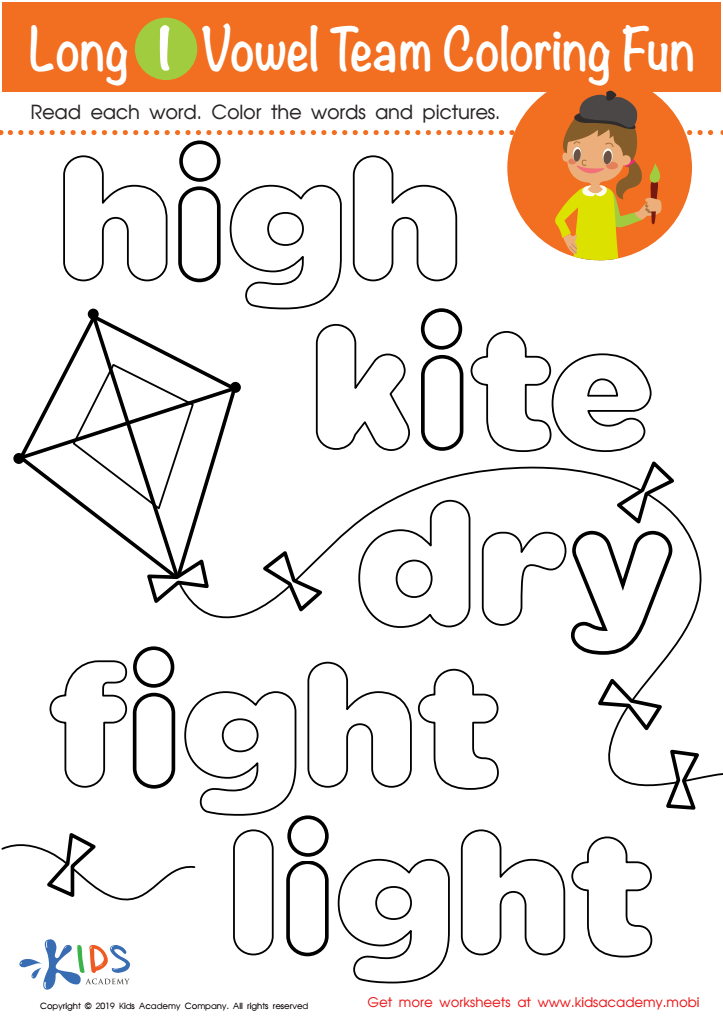
Long I Vowel Team Coloring Worksheet
 Assign to My Students
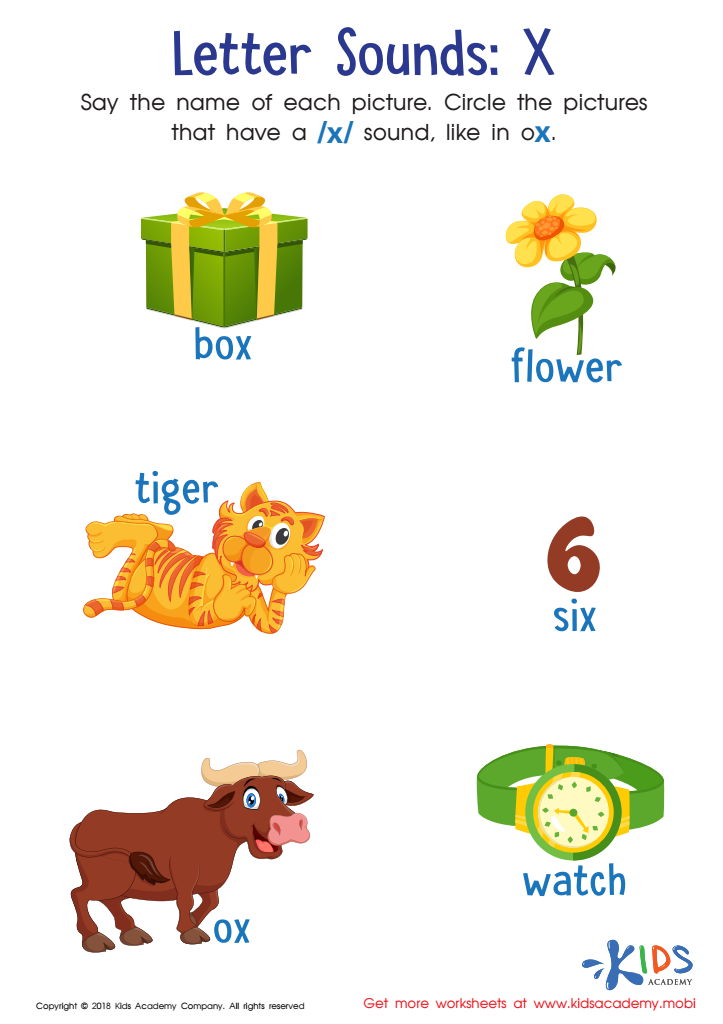
Letter X Sounds Worksheet
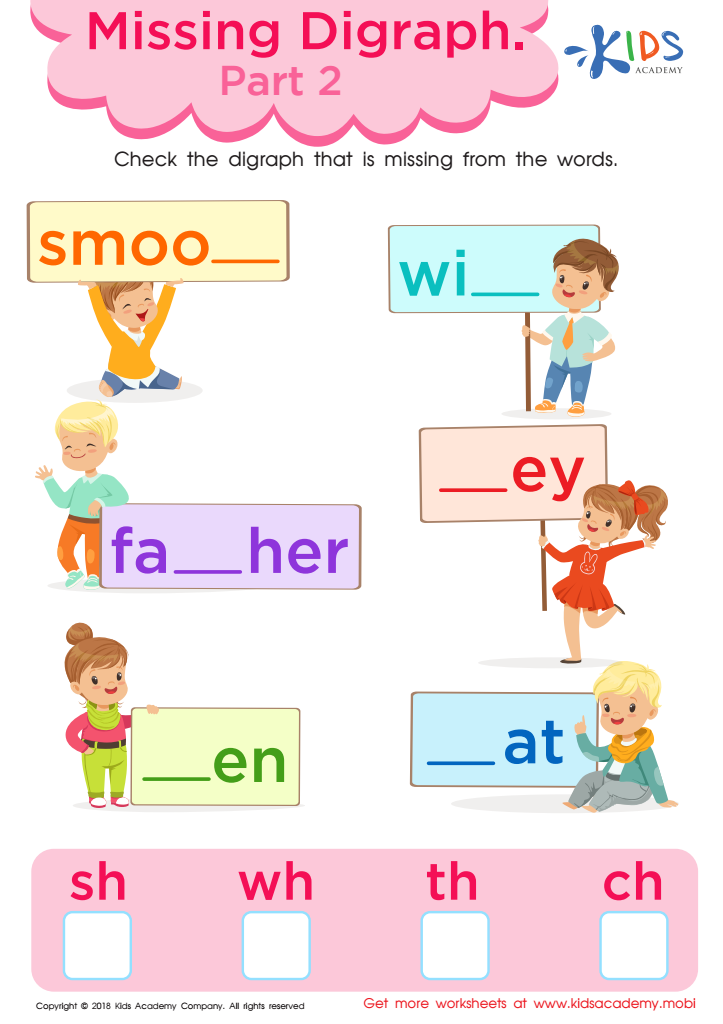
Missing Digraph: Part 2 Worksheet
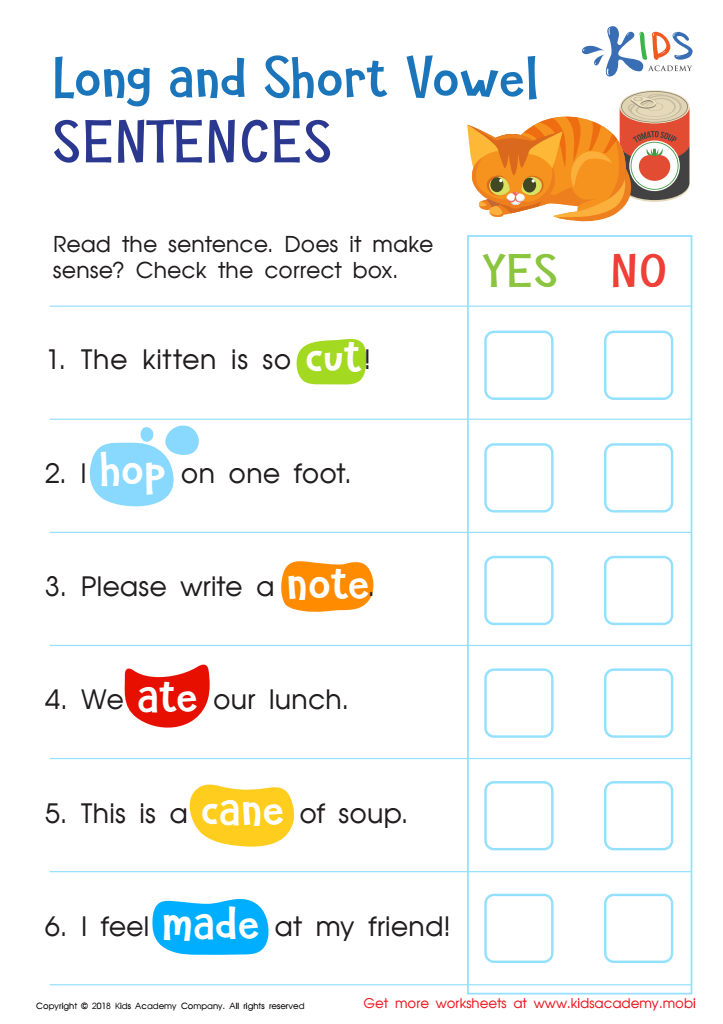
Long and Short Vowel Sentences: Assessment Worksheet
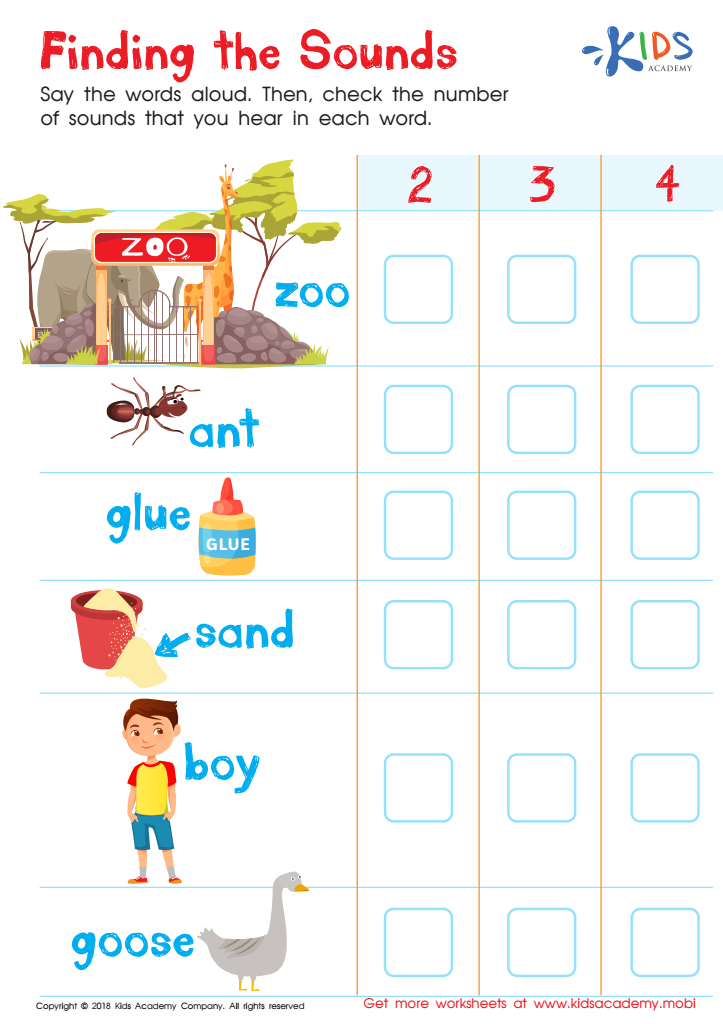
Finding the Sounds Worksheet
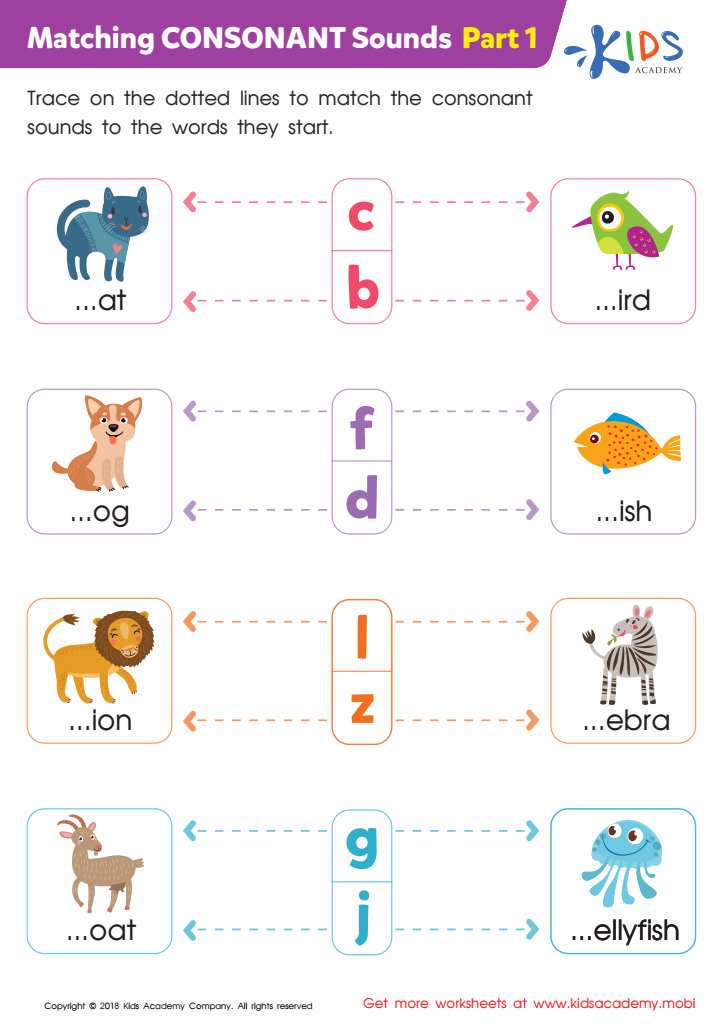
Matching Consonant Sounds: Part 1 Worksheet
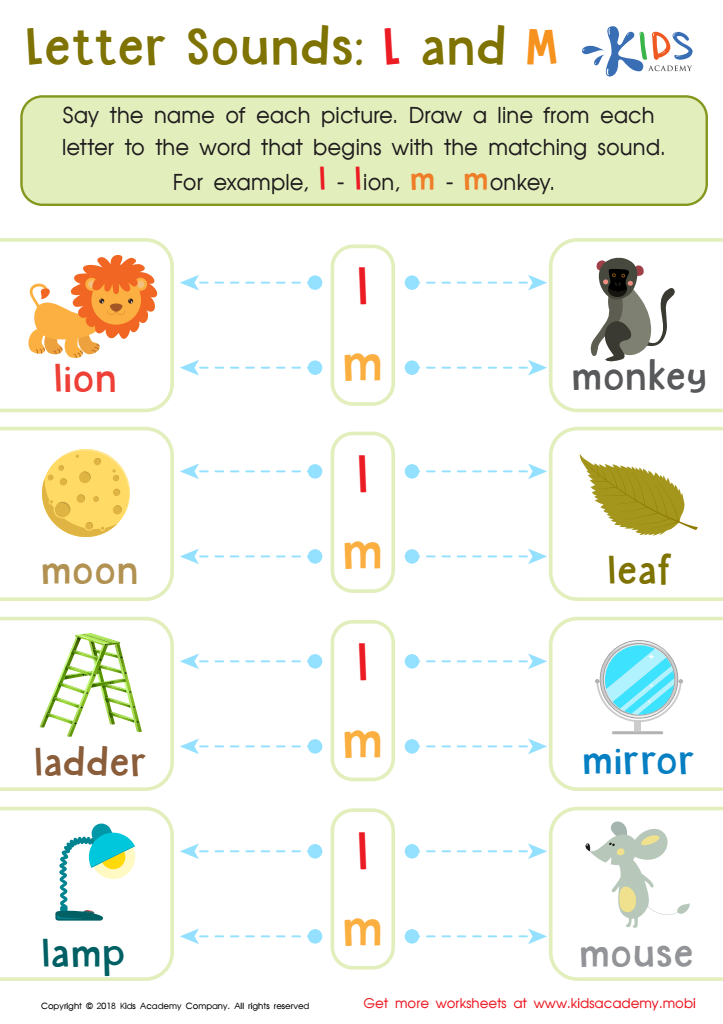
Letter l and M Sounds Worksheet
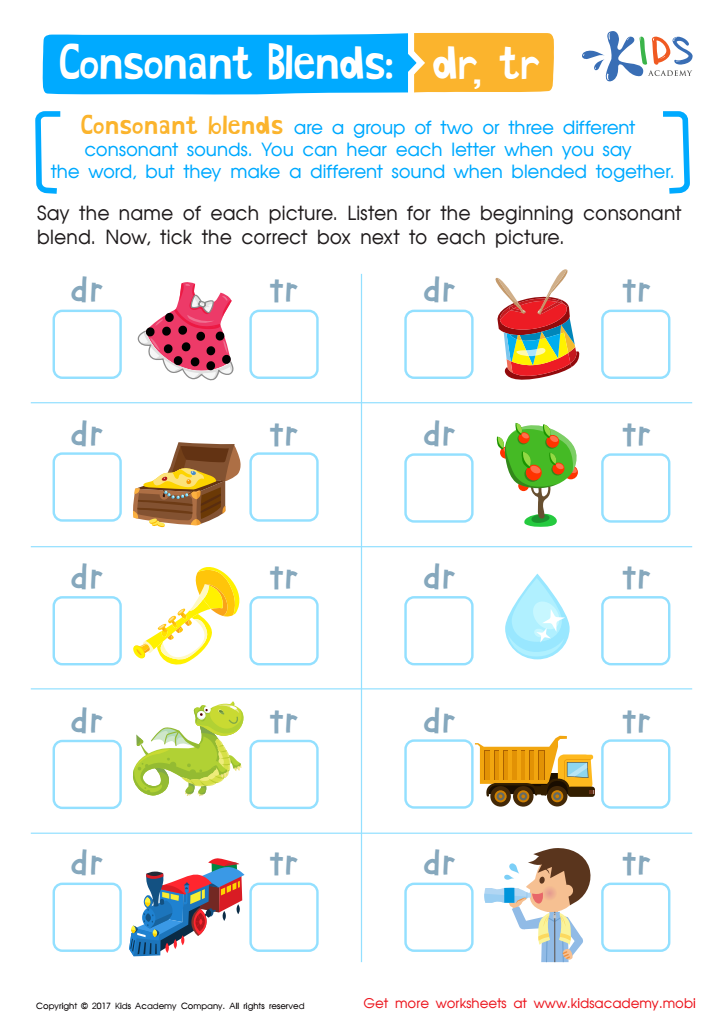
Consonant Blends: "Dr" and "Tr" Printable
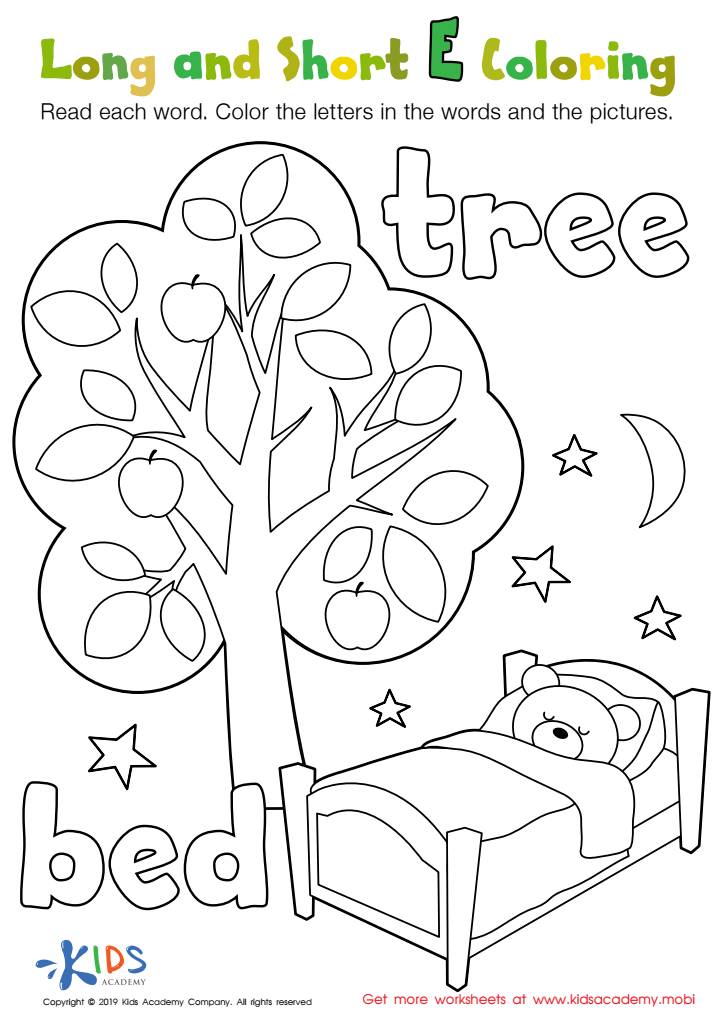
Long and Short E Worksheet
Assign to My Students
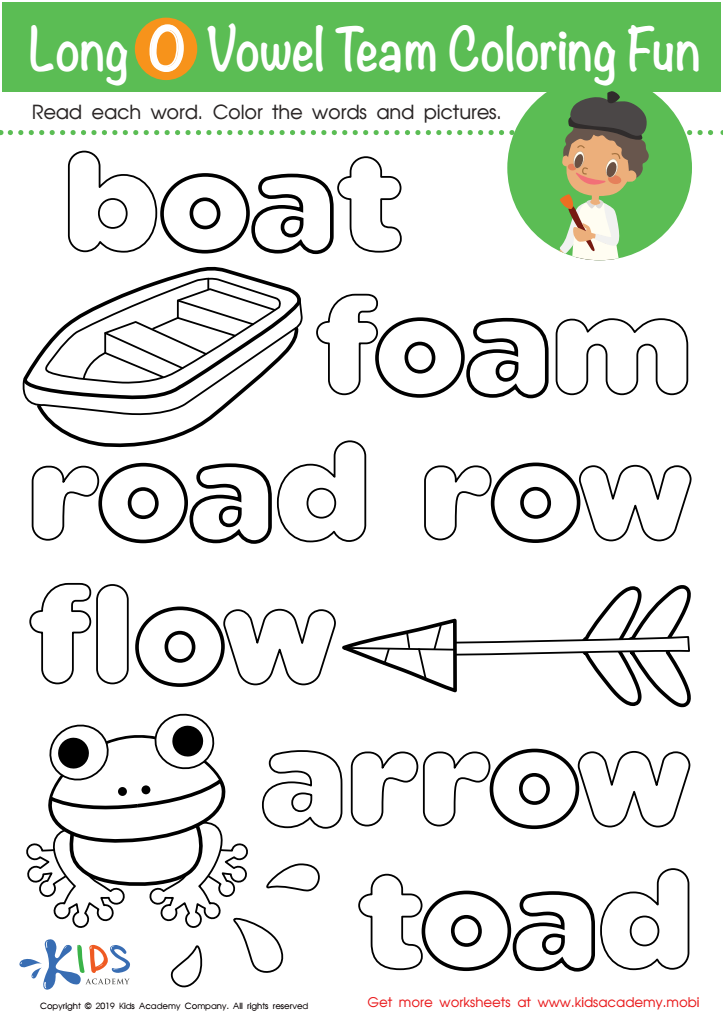
Long O Vowel Team Coloring Worksheet
Assign to My Students
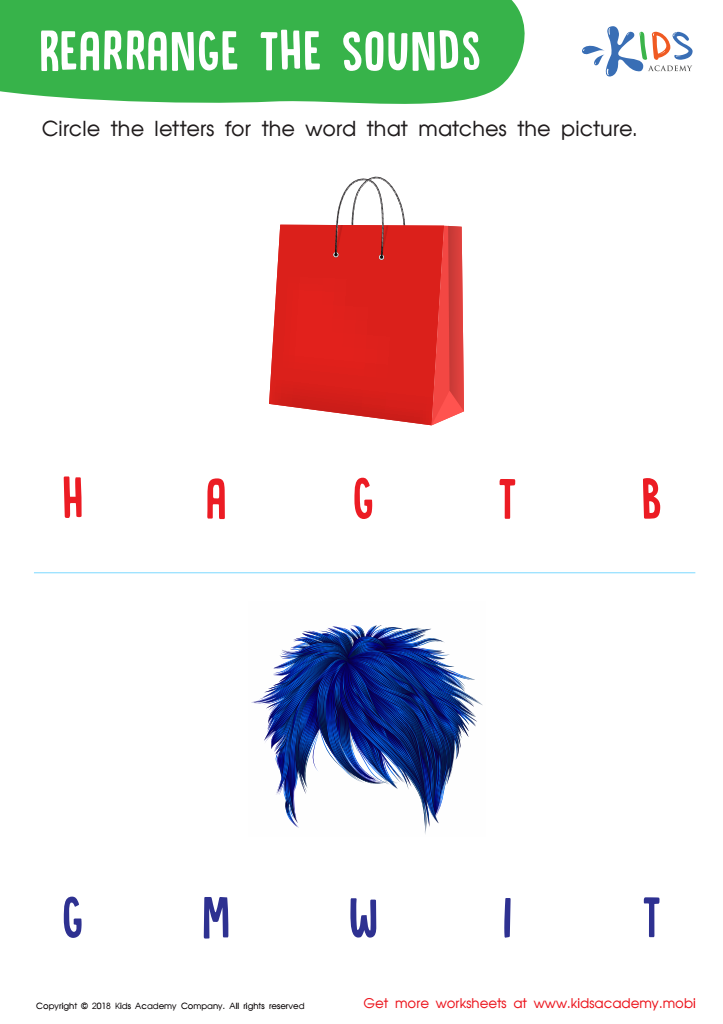
Rearrange the Sounds Worksheet
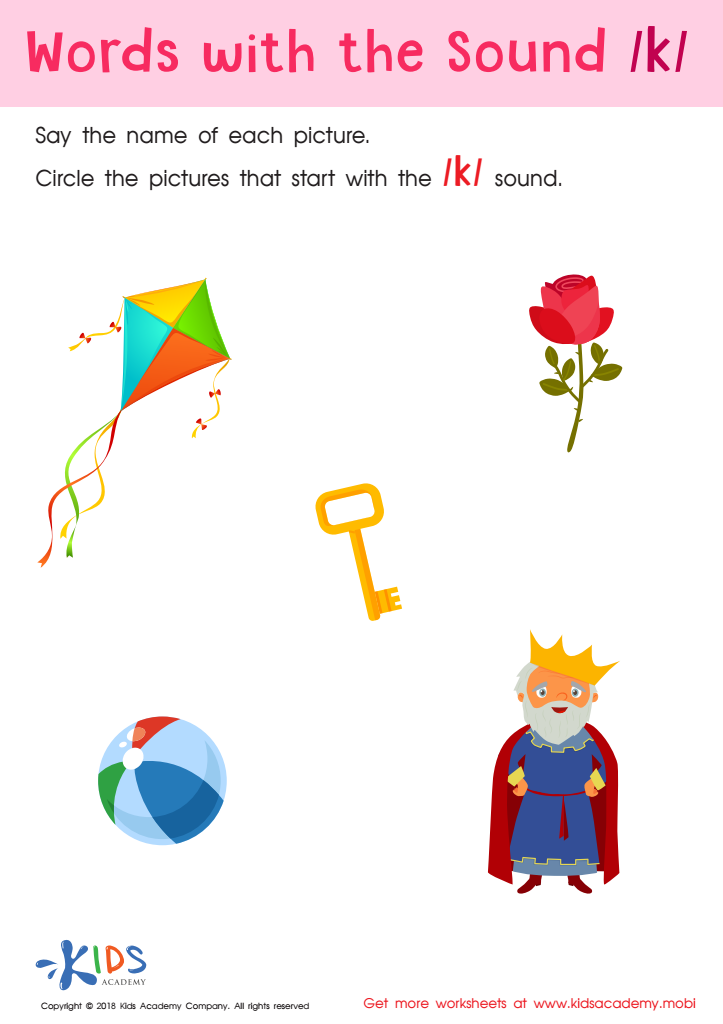
Words with sound k Reading Worksheet






Parents and teachers should care about phonics skills for children ages 3-6 because these foundational skills are crucial for reading and literacy development. Phonics involves teaching children the relationship between sounds (phonemes) and their corresponding letters or letter patterns (graphemes). At this early age, children's brains are highly receptive to language acquisition, making it an ideal period for developing these foundational skills.
By understanding phonics, young children learn how to decode words by sounding them out, facilitating independent reading. This skill not only improves their vocabulary and comprehension but also boosts their confidence and enjoyment in reading, making them more likely to become lifelong readers. Strong phonics skills are linked to better spelling, reading fluency, and overall academic achievement in later years, as reading is fundamental across all subjects.
Moreover, phonics instructions should be systematic and playful to keep the child engaged. Activities like singing the alphabet, playing with letter blocks, and reading alphabet books can make learning pleasurable. Early mastery of phonics equips children with the tools they need to tackle more complex literacy tasks as they progress in school, setting a positive trajectory for their educational journey.
Thus, investing time and effort in teaching phonics skills during these formative years reaps long-term educational benefits, fostering a love for learning and building a strong academic foundation.







