Letter recognition Normal Worksheets for Ages 3-6 - Page 2
67 filtered results
-
From - To
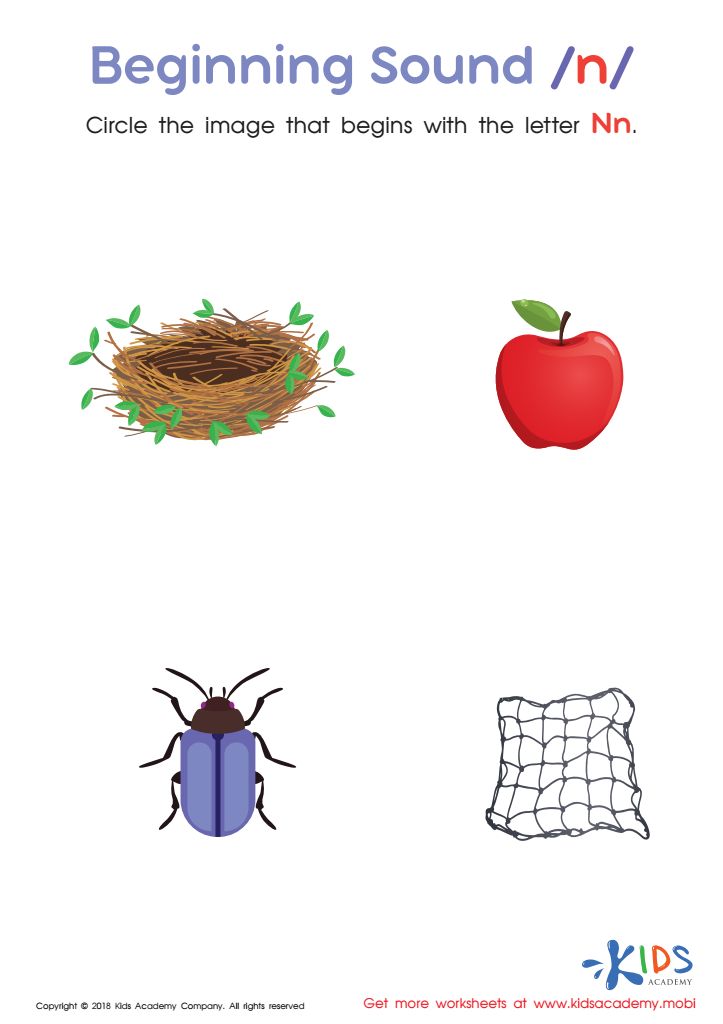
Beginning Sound «n» Worksheet
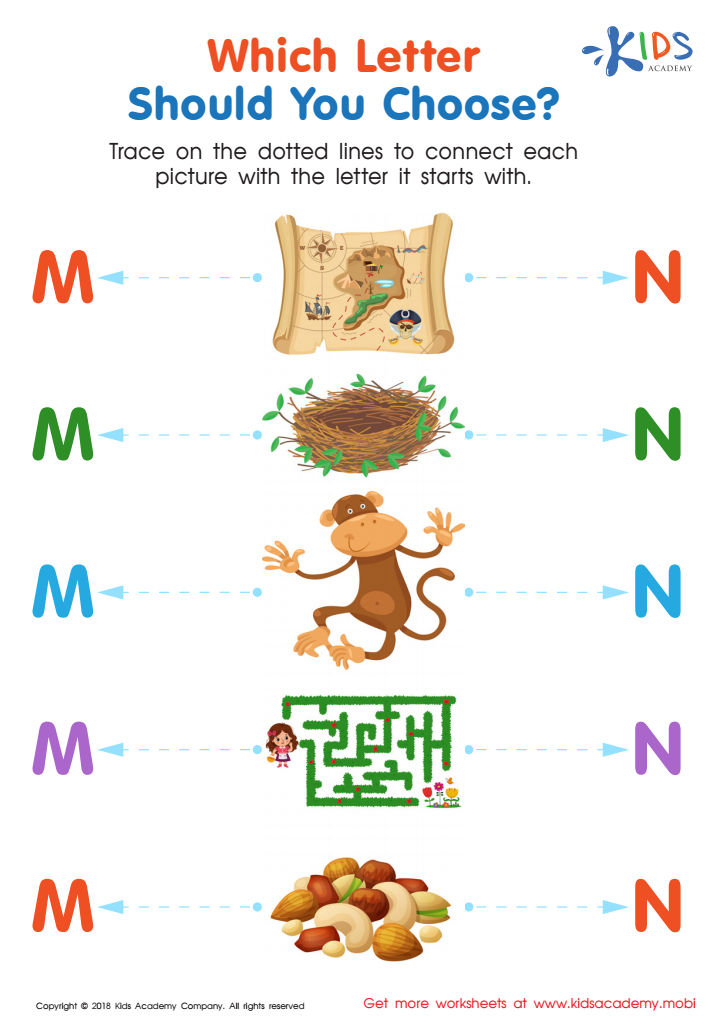
Which Letter Should you Choose? Worksheet
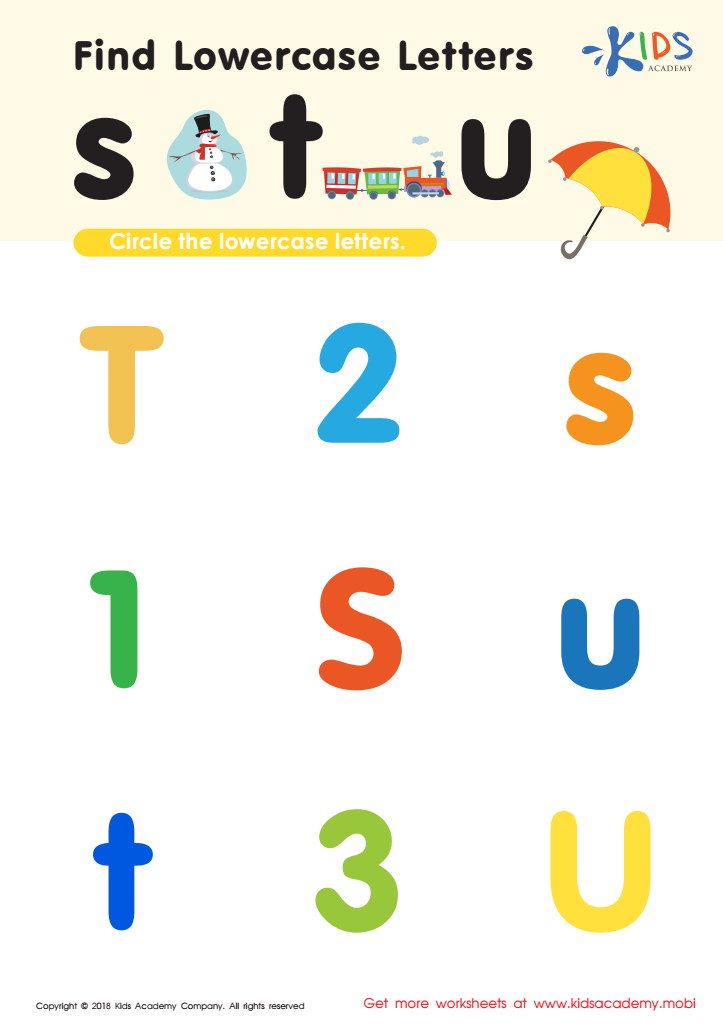
Find lowercase Letters s t u Worksheet

Letter G Tracing Page
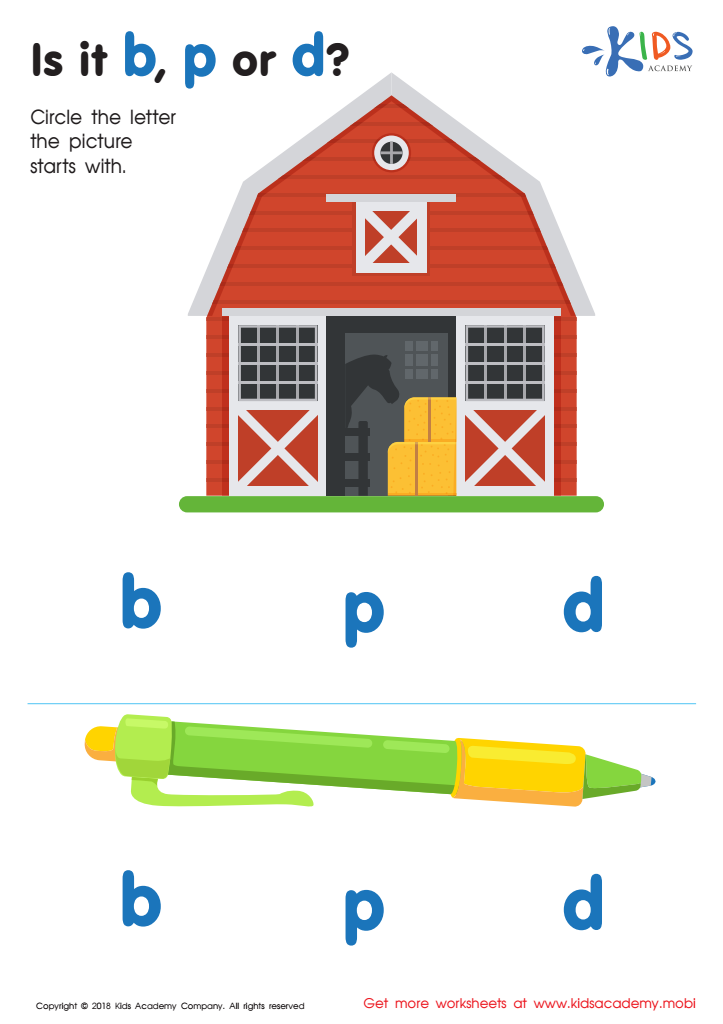
Is it b, p or d? Worksheet
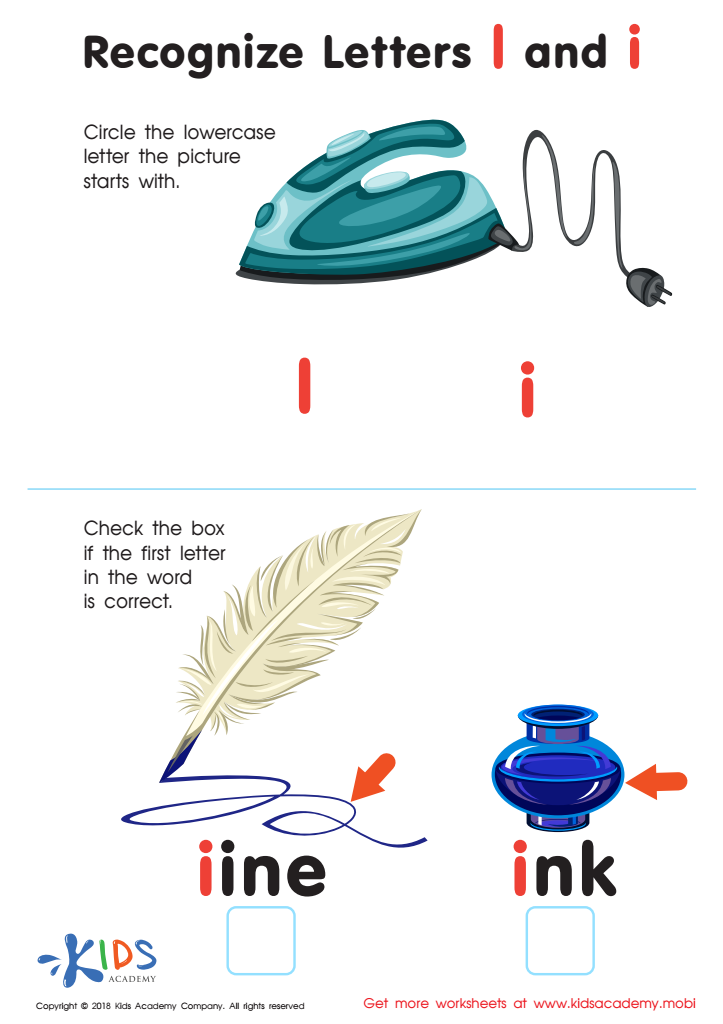
Recognize Letters l and i Worksheet
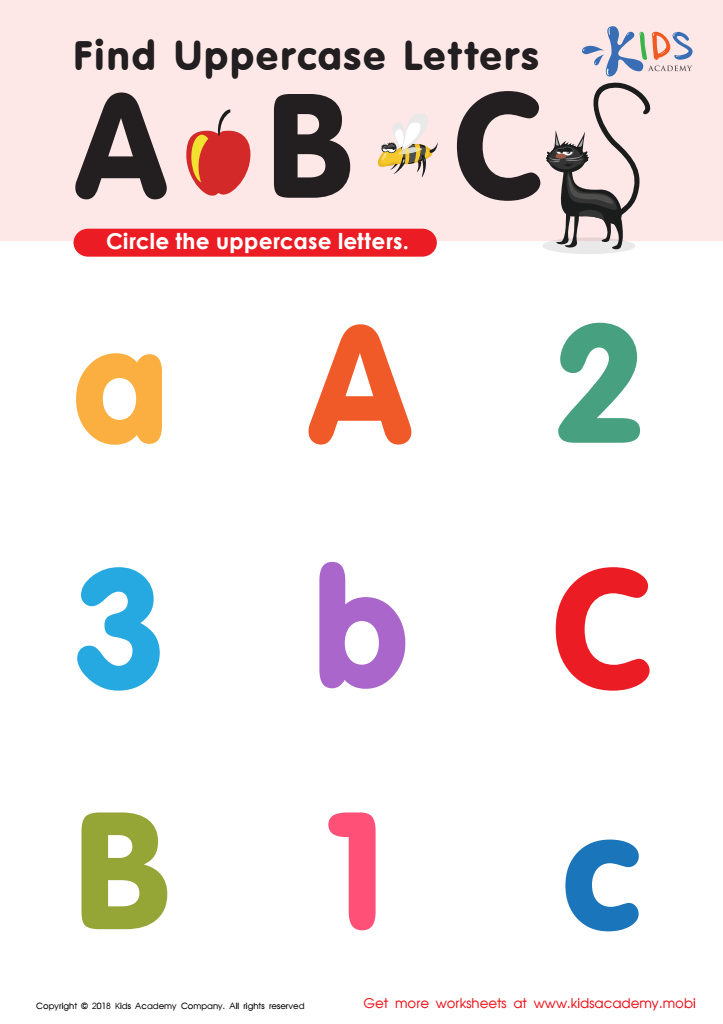
Find Uppercase Letters A, B, and C Worksheet
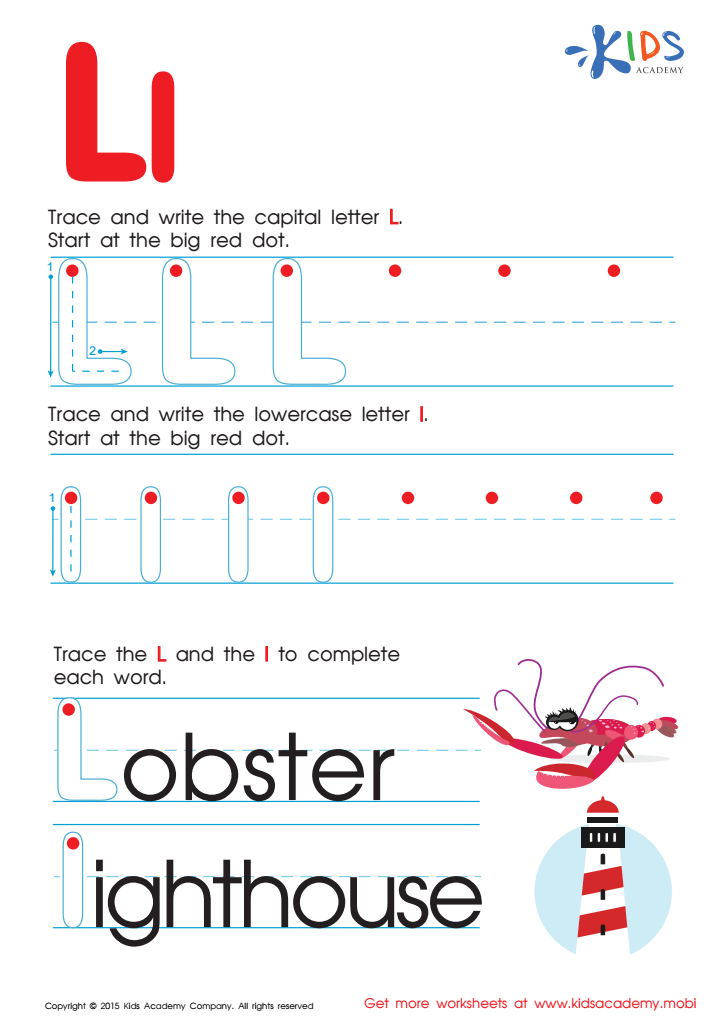
Letter L Tracing Page
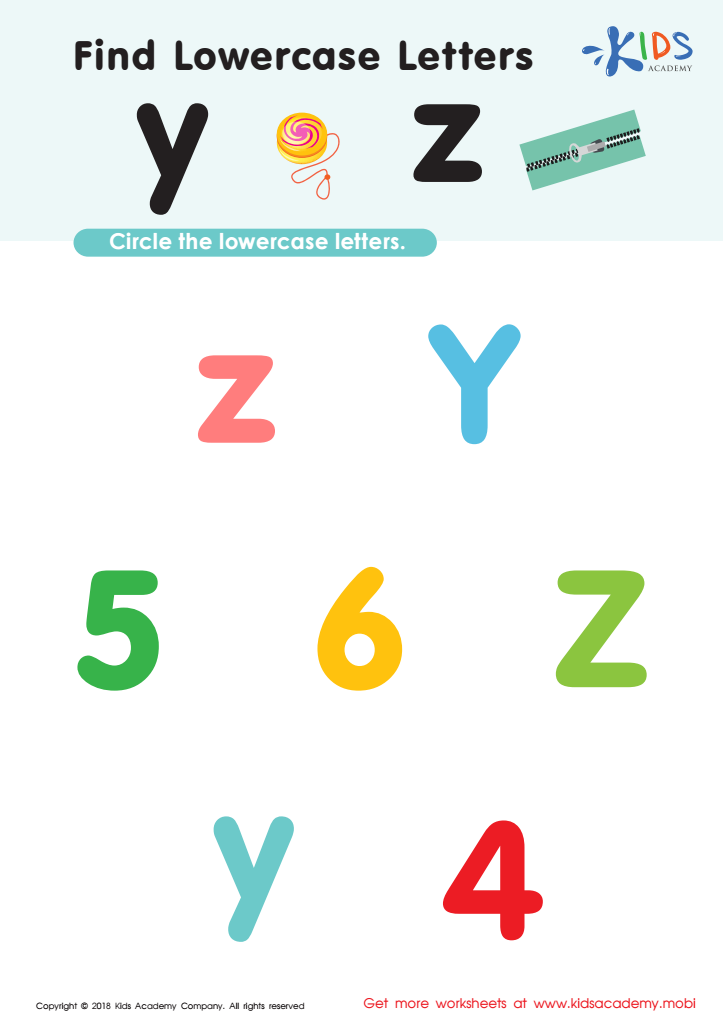
Find Lowercase Letters y z Worksheet
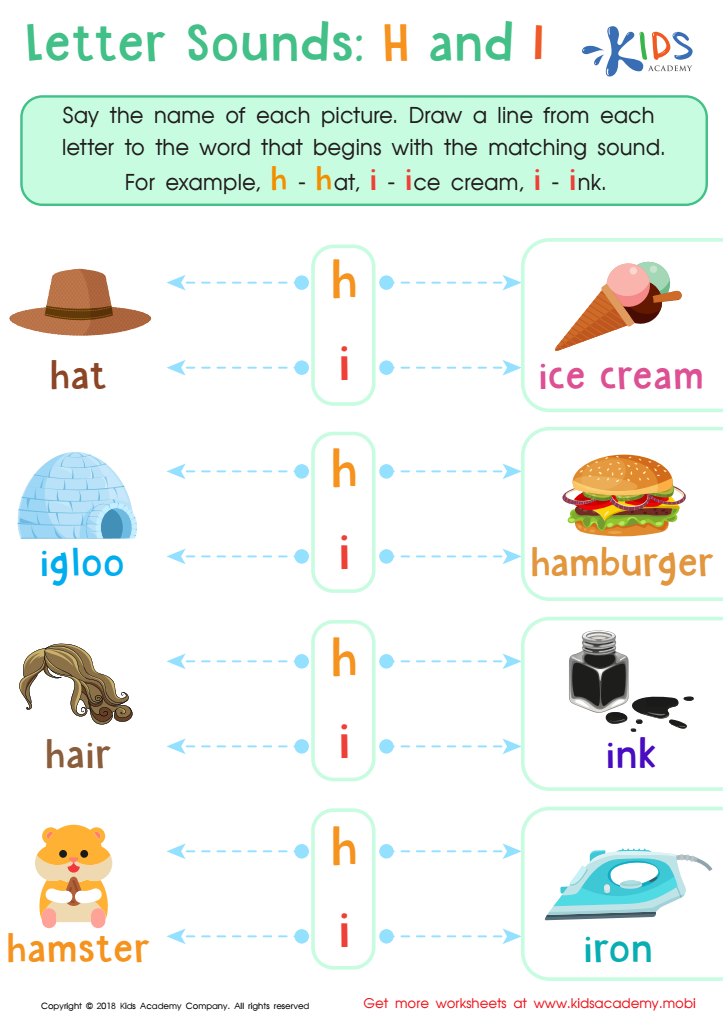
Letter H and I Sounds Worksheet
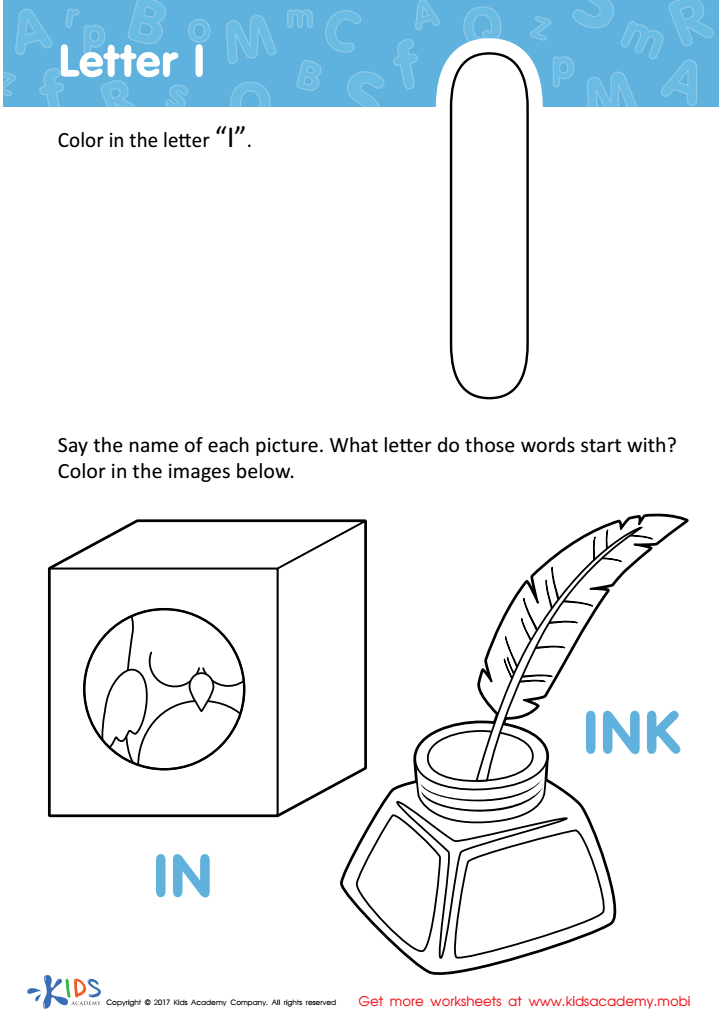
Letter I Coloring Sheet
 Assign to My Students

Long and Short U Worksheet
Assign to My Students
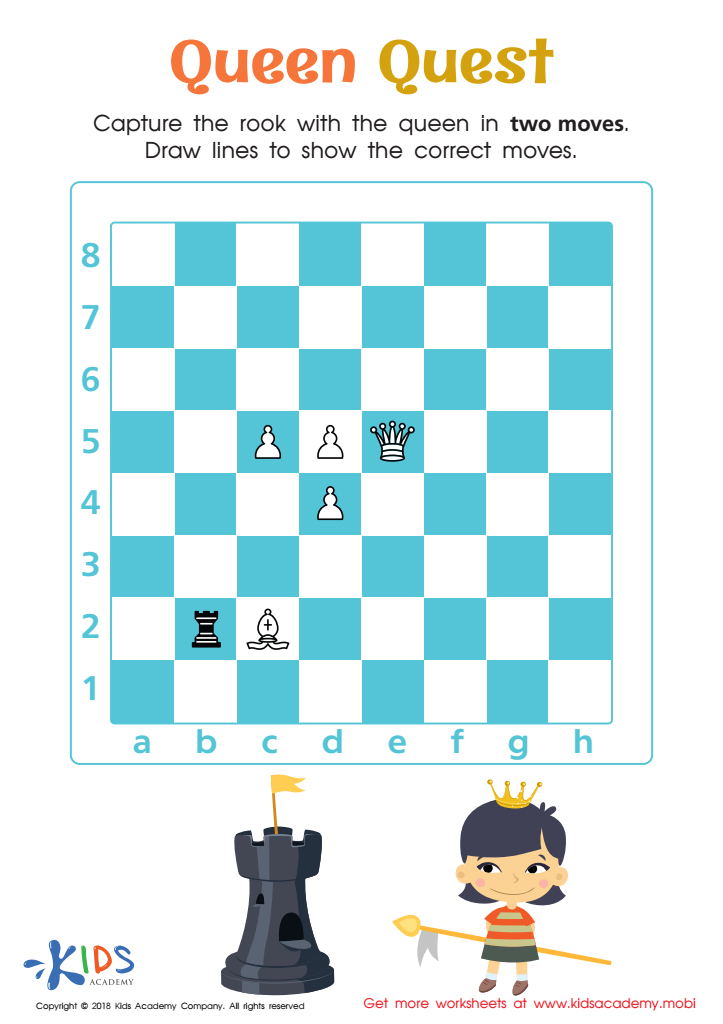
Queen Quest Worksheet
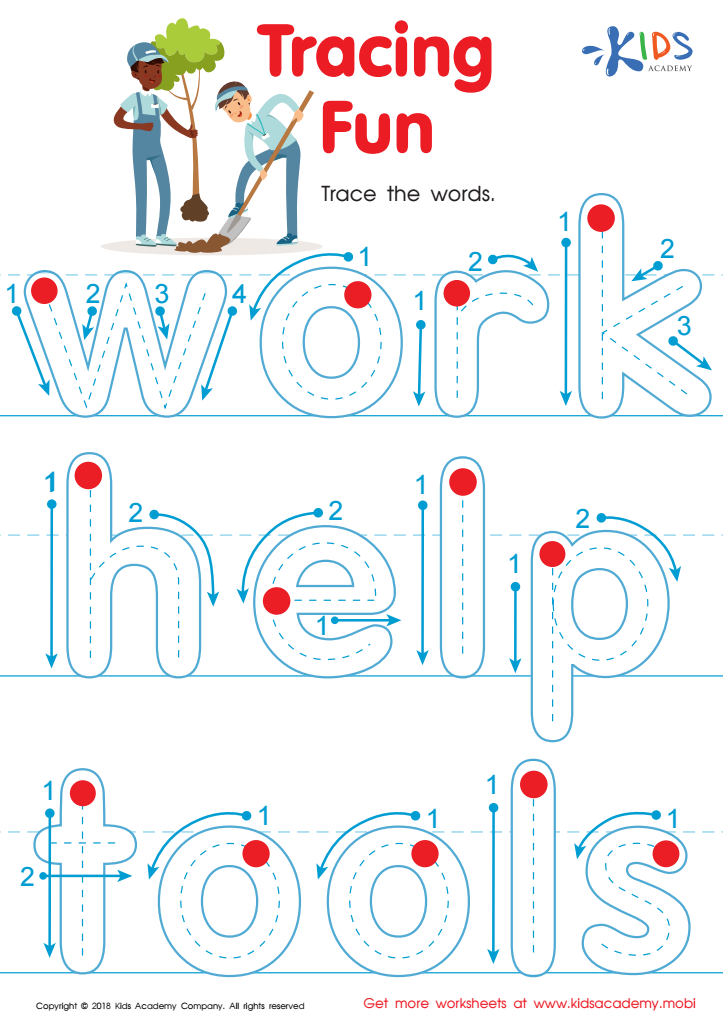
Tracing Fun Worksheet
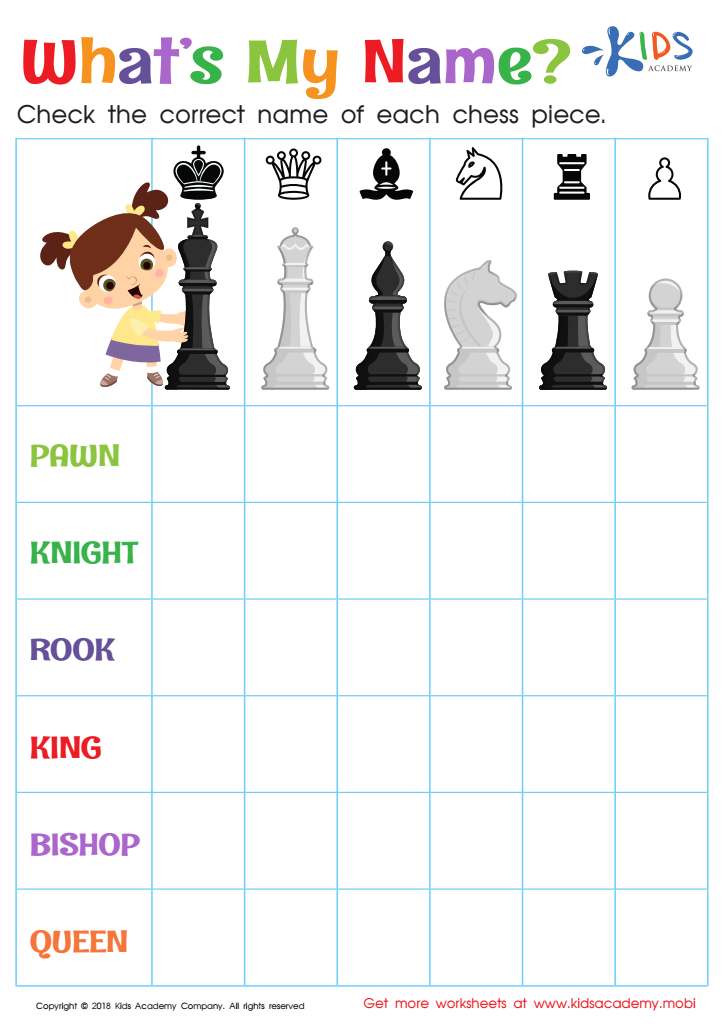
What's My Name? Worksheet
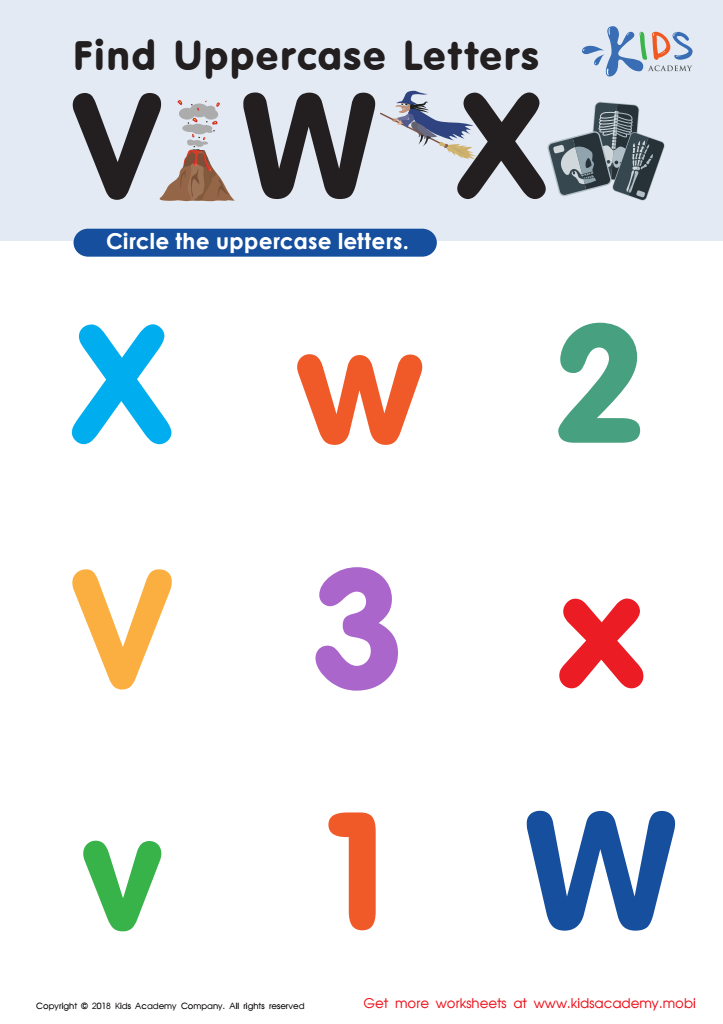
Find Uppercase Letters V, W, X Worksheet
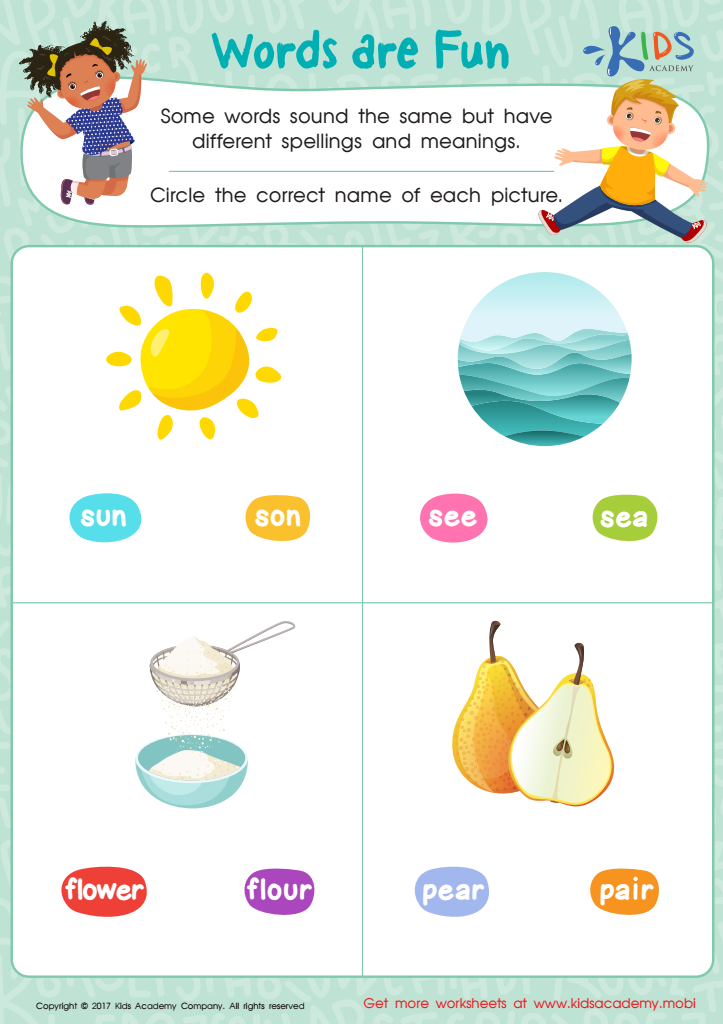
Words Are Fun Worksheet
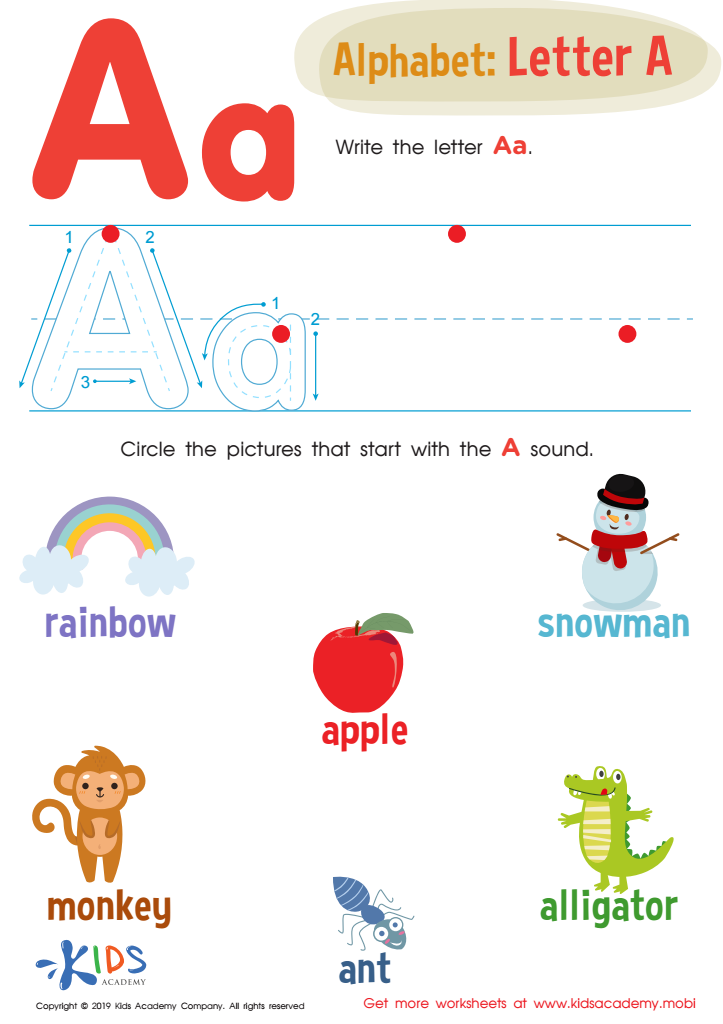
Letter A Tracing Worksheet
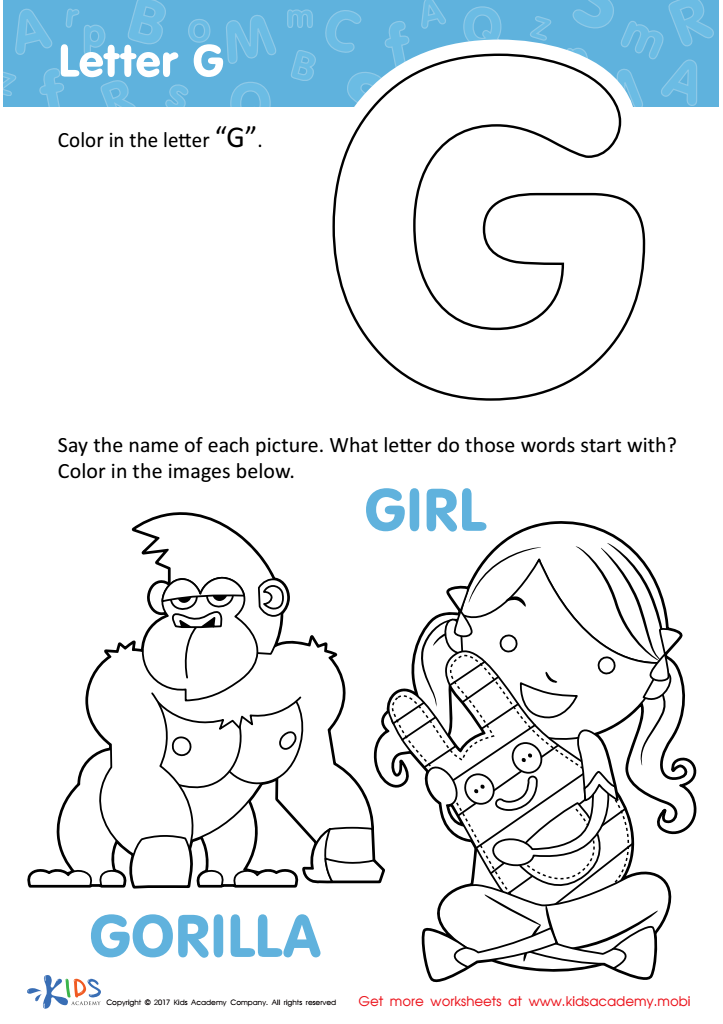
Letter G Coloring Sheet
Assign to My Students
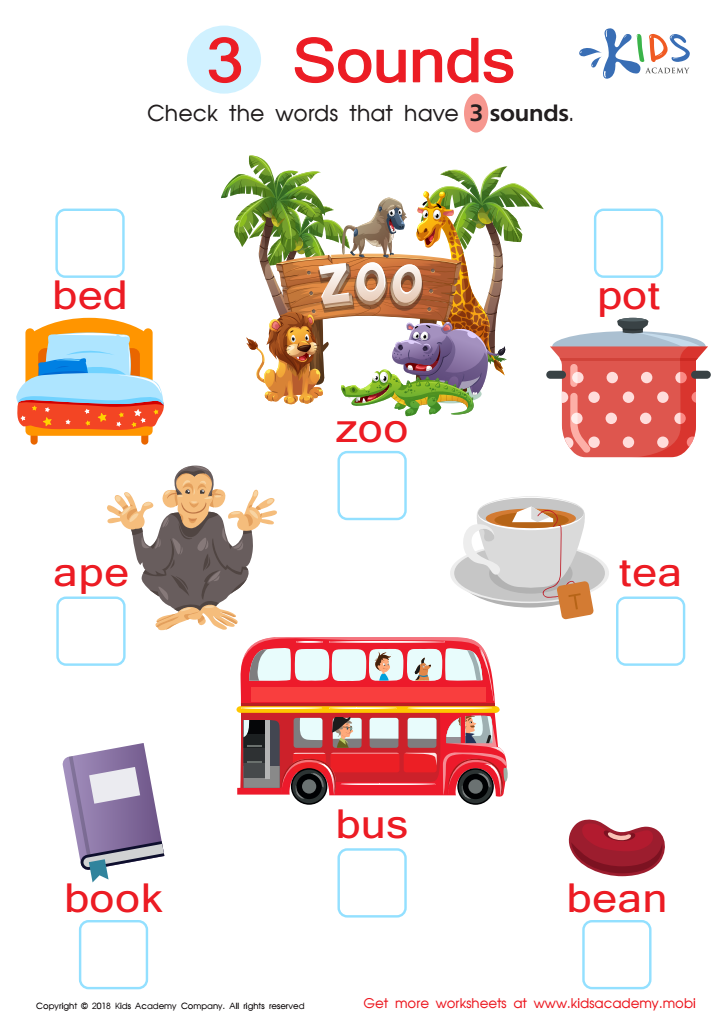
3 Sounds Worksheet
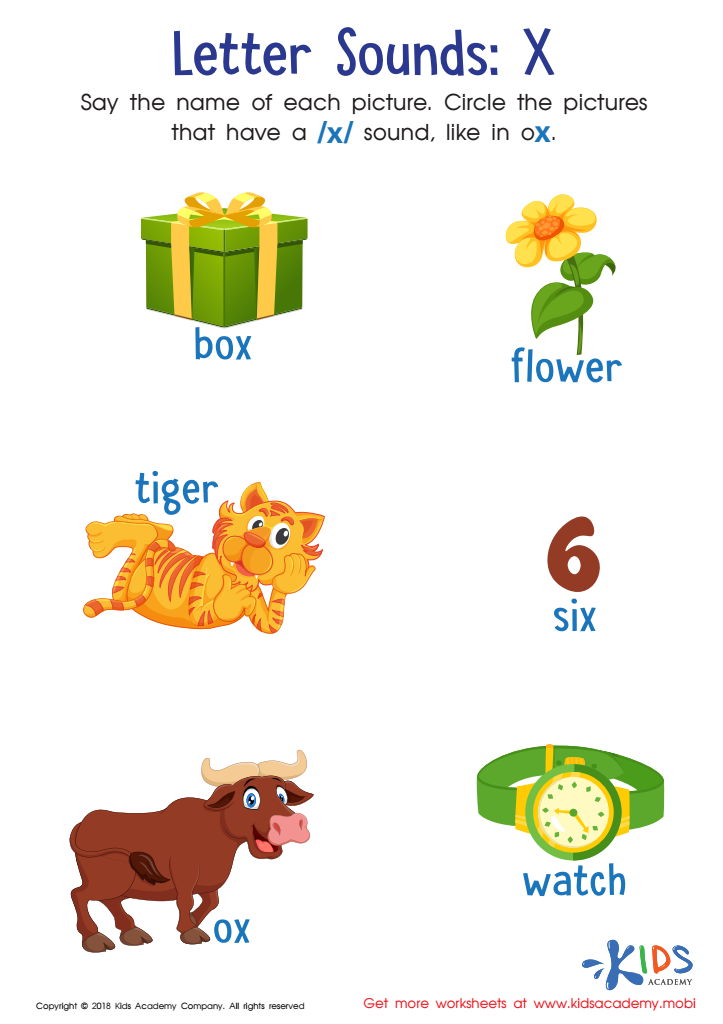
Letter X Sounds Worksheet
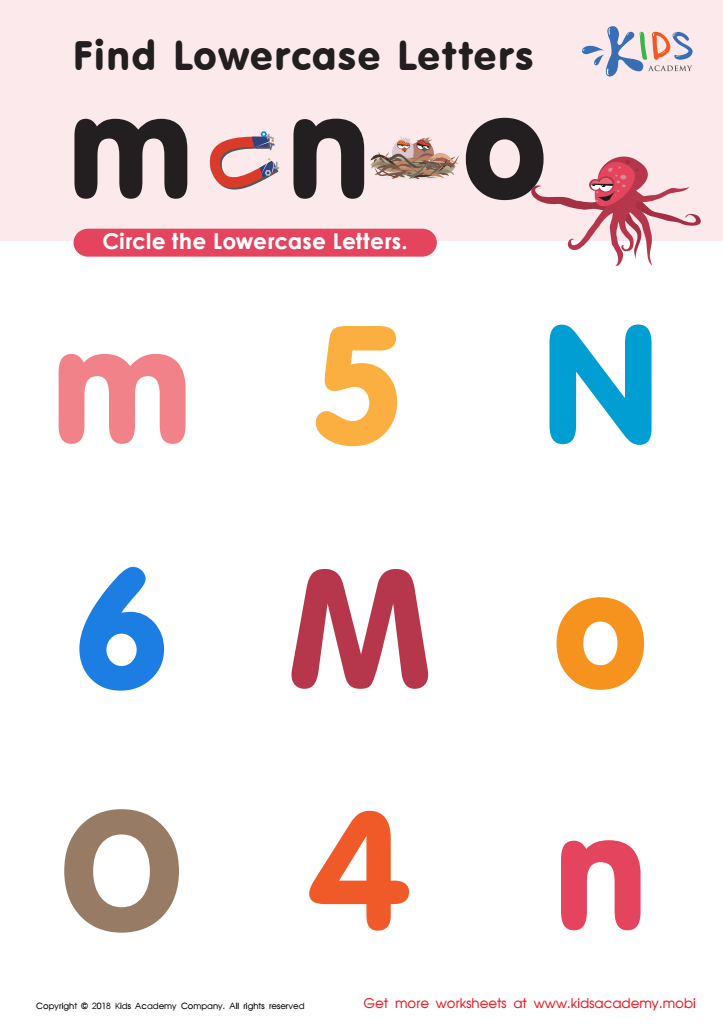
Find Lowercase Letters m n o Worksheet
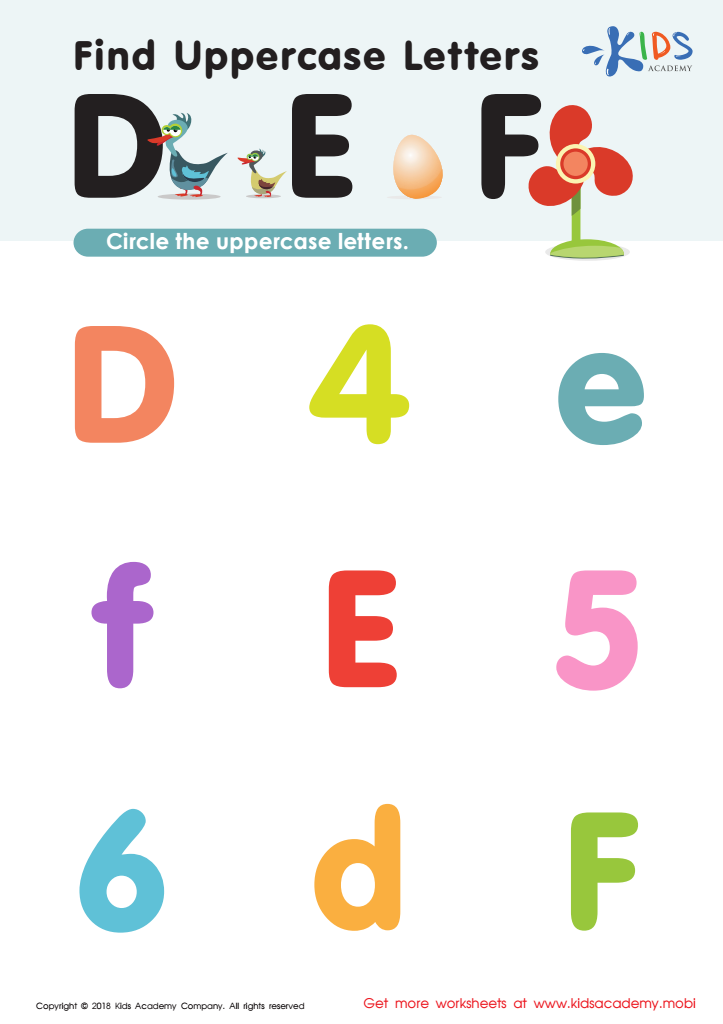
Find Uppercase Letters D, E, and F Worksheet
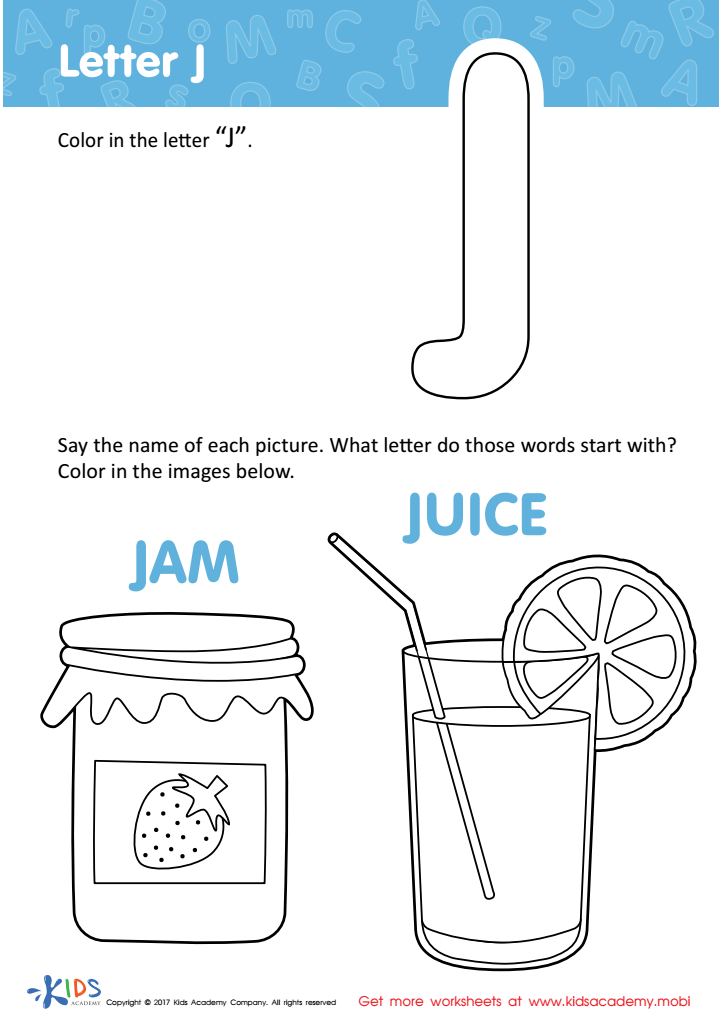
Letter J Coloring Sheet
Assign to My Students




.jpg)



Letter recognition is a foundational skill for young children, typically developing between the ages of 3 to 6. This early understanding of letters sets the stage for future reading and writing success, crucial for academic achievement and lifelong learning. Parents and teachers should care about letter recognition because it directly impacts children's ability to decode words, an essential step in reading. Recognizing letters and understanding that they represent sounds helps children to start blending these sounds to form words, thereby making sense of written language.
Moreover, early letter recognition enhances cognitive skills such as memory, attention, and fine motor control, all of which are vital for learning. It builds children's confidence and encourages a positive attitude toward learning, making them more likely to enjoy reading later on. As they recognize more letters, they can engage more effectively in fun literacy activities such as reading alphabet books, playing letter-based games, and participating in writing exercises. This individualized early engagement is crucial because children who enter school with low literacy skills are at a higher risk of falling behind academically. Early intervention ensures that every child has the opportunity to start school fully equipped to continue learning effectively. Therefore, focusing on letter recognition in these formative years is fundamental to fostering comprehensive educational development.








