Number Sequencing Normal Worksheets for Ages 3-6
11 filtered results
-
From - To
Discover our engaging Number Sequencing Normal Worksheets designed for children aged 3-6. These worksheets foster foundational math skills by introducing young learners to the concept of number sequencing in a fun and interactive way. Perfect for home or classroom use, they feature vibrant illustrations and age-appropriate activities that capture children's interest. As kids practice arranging numbers in the correct order, they enhance their counting skills, number recognition, and cognitive development. Our easy-to-print worksheets are accessible to both teachers and parents, making learning number sequences enjoyable and effective. Dive into early math education with our thoughtfully designed resources today!
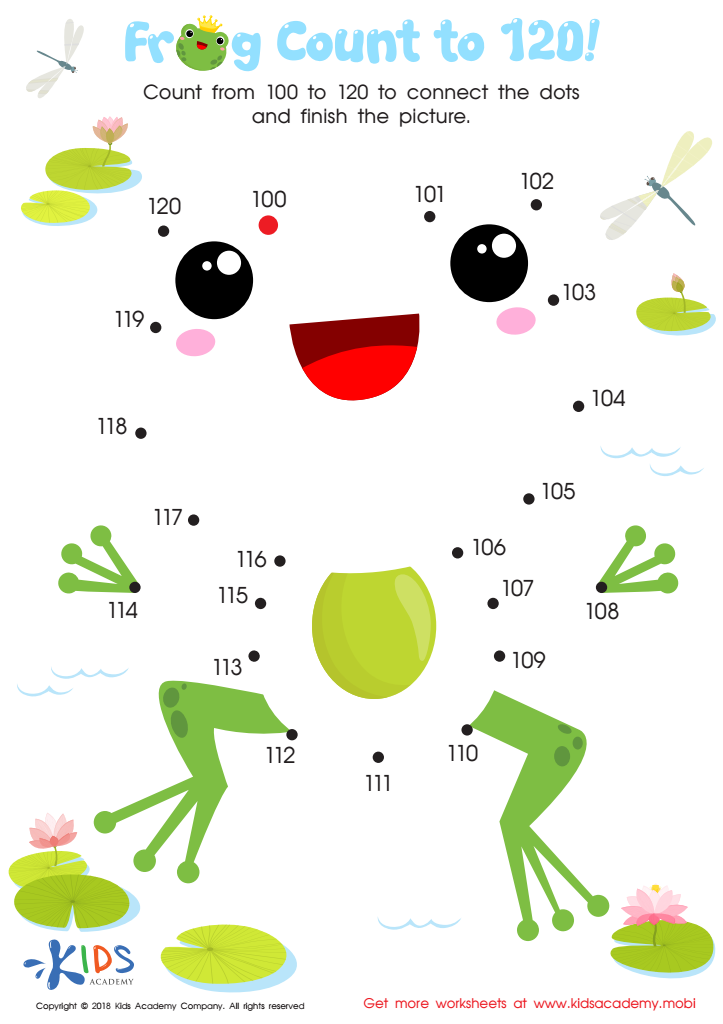
Frog Count to 120 Worksheet
 Assign to My Students
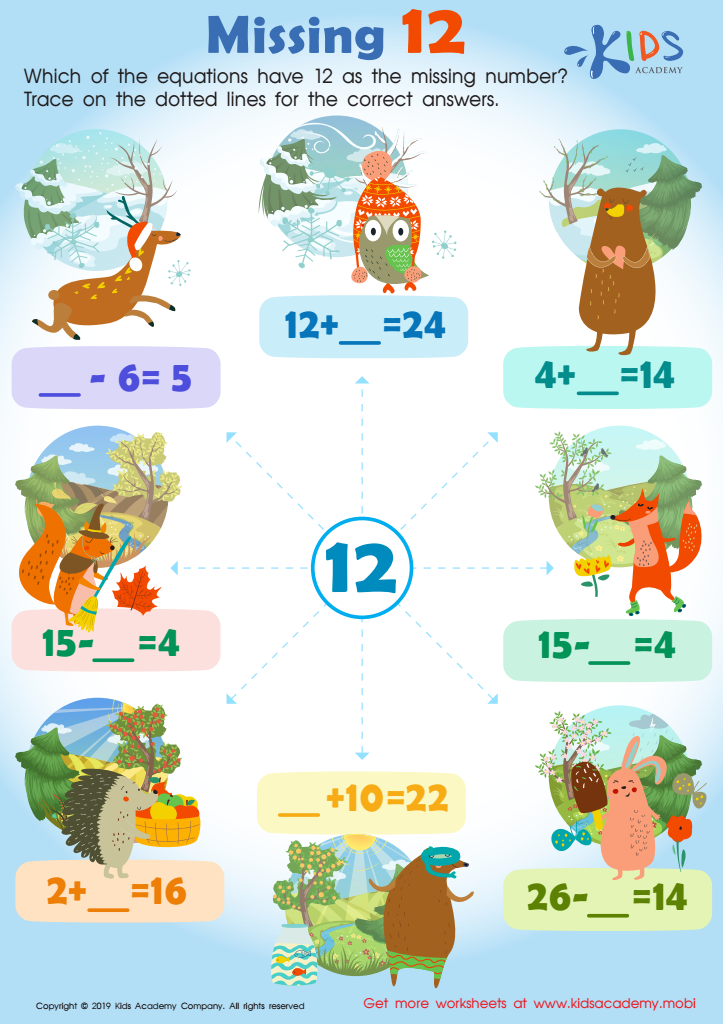
Missing 12 Worksheet
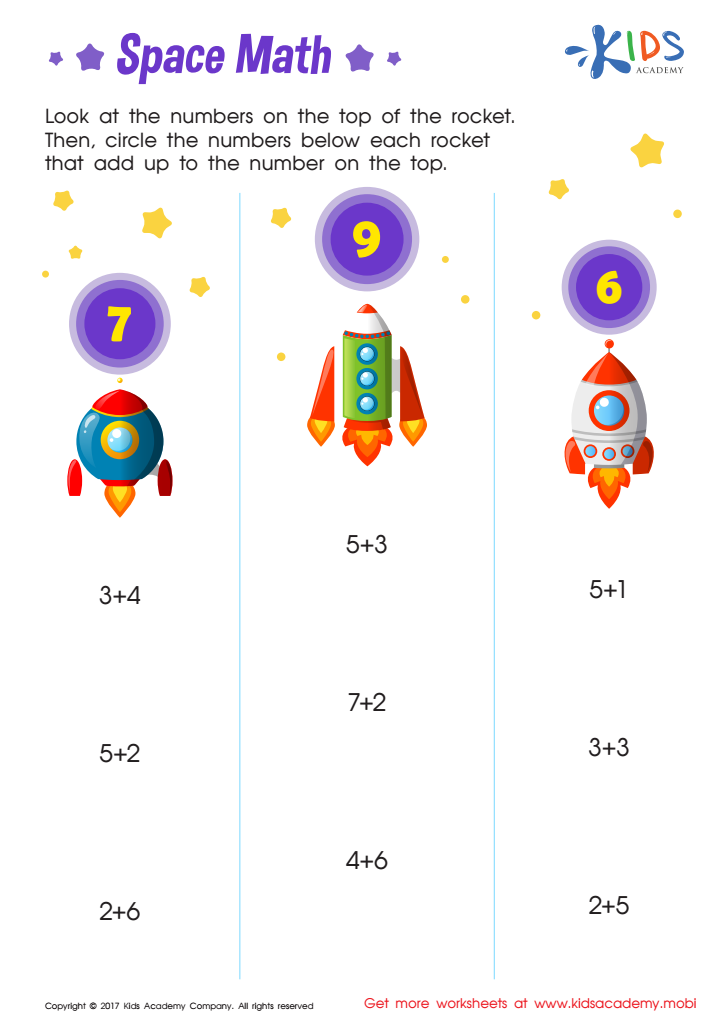
Addition: Space Math Worksheet
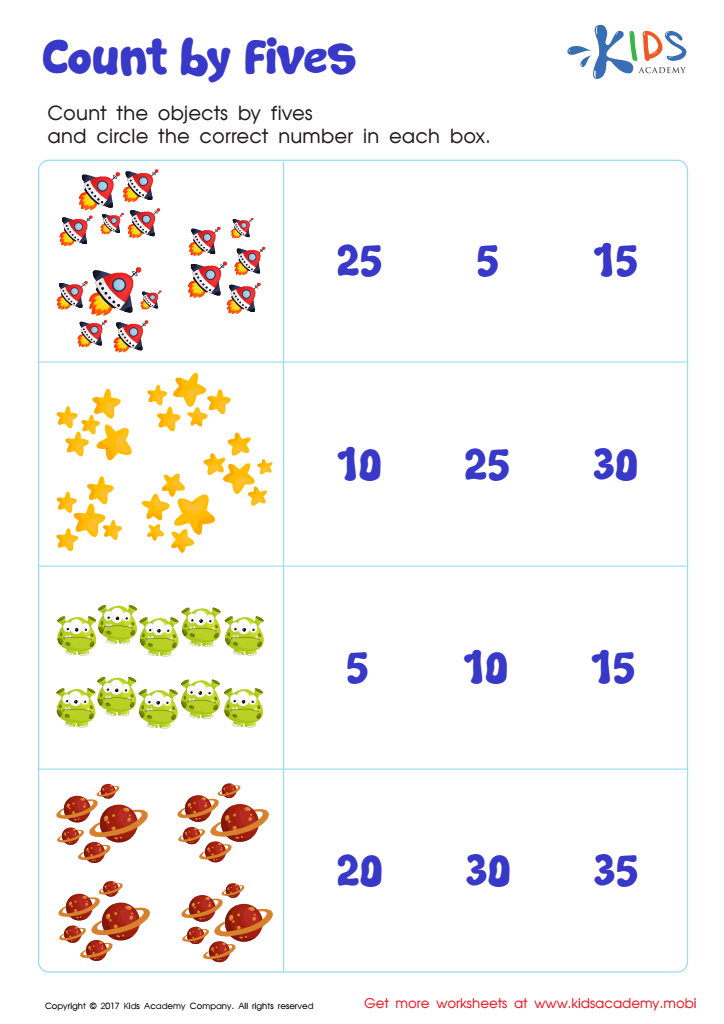
Skip Counting by 5s: Space Math Printable
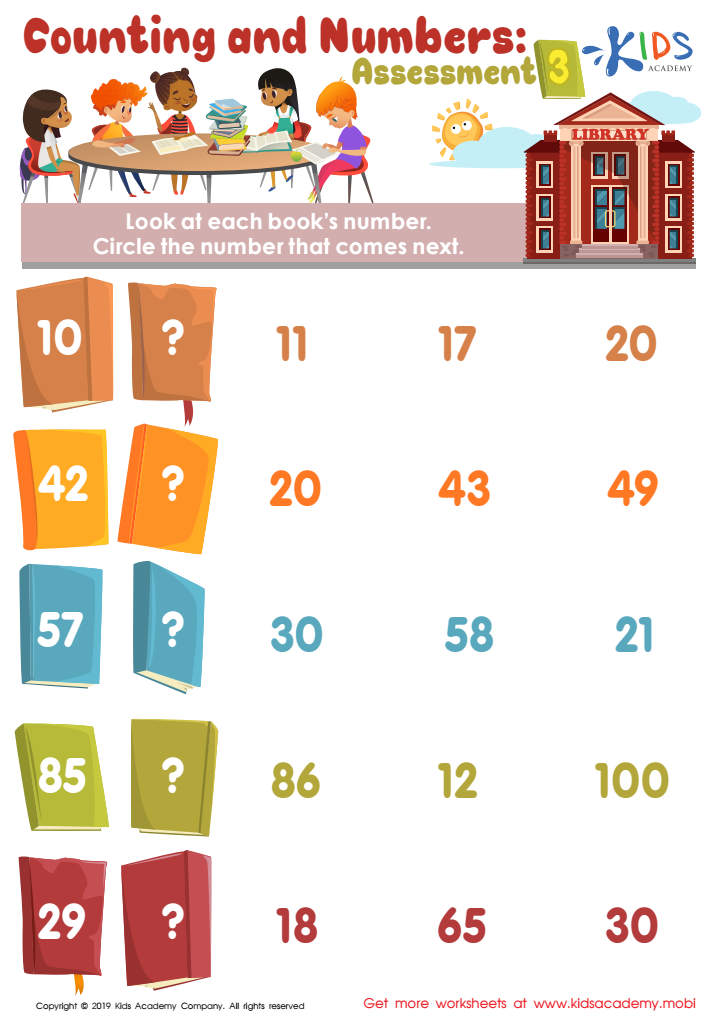
Counting and Numbers: Assessment Worksheet
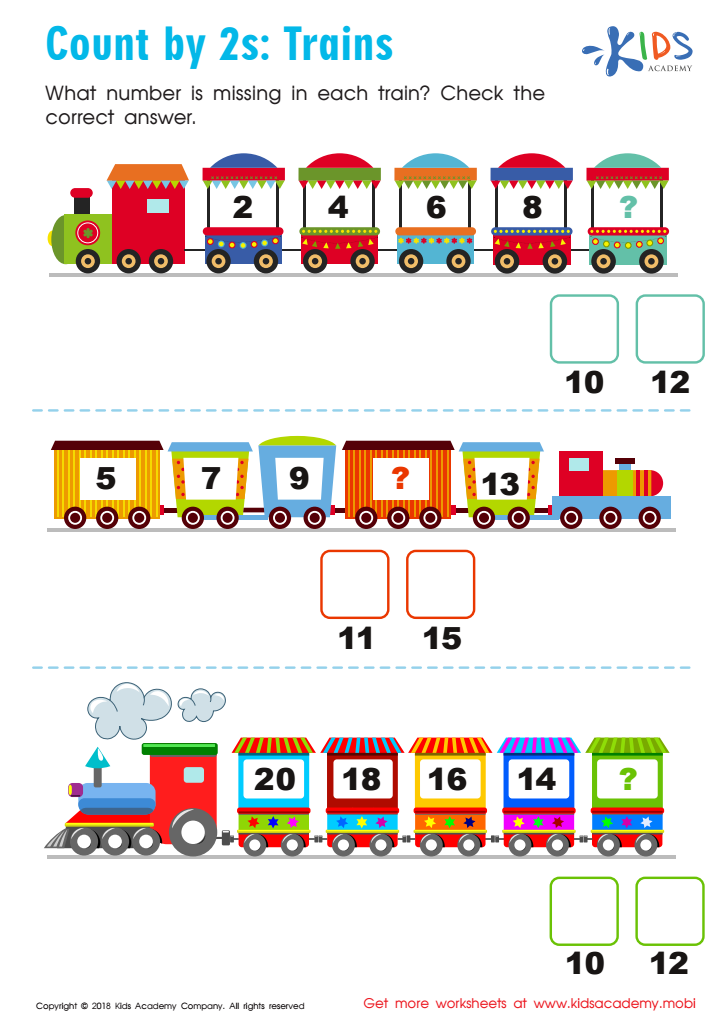
Count by 2's: Trains Worksheet
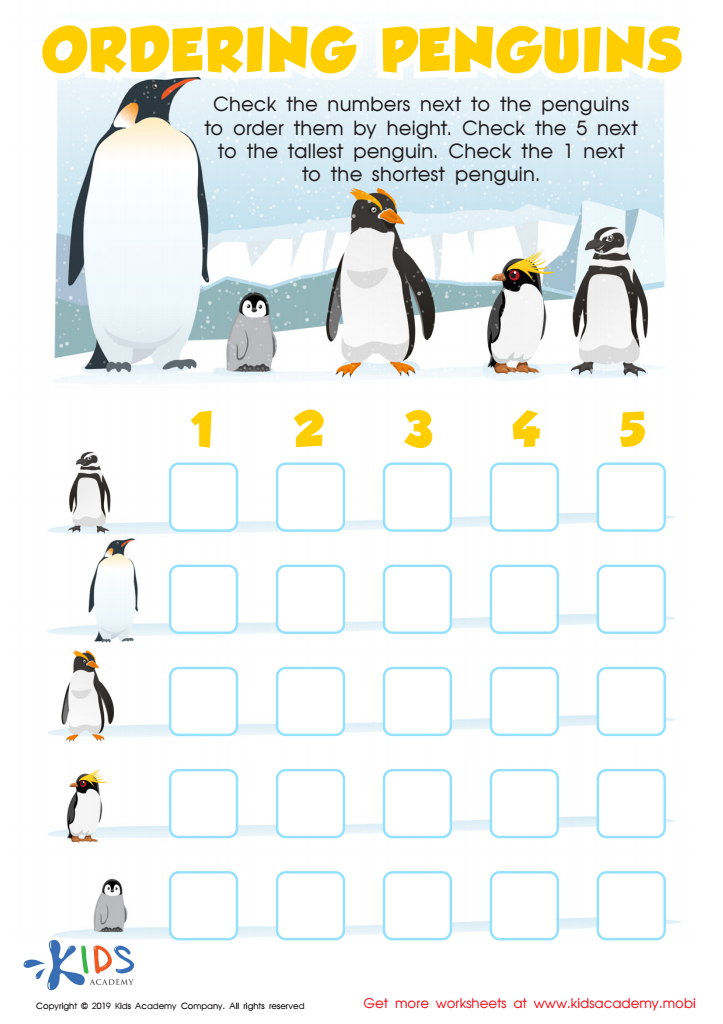
Ordering Penguins Worksheet
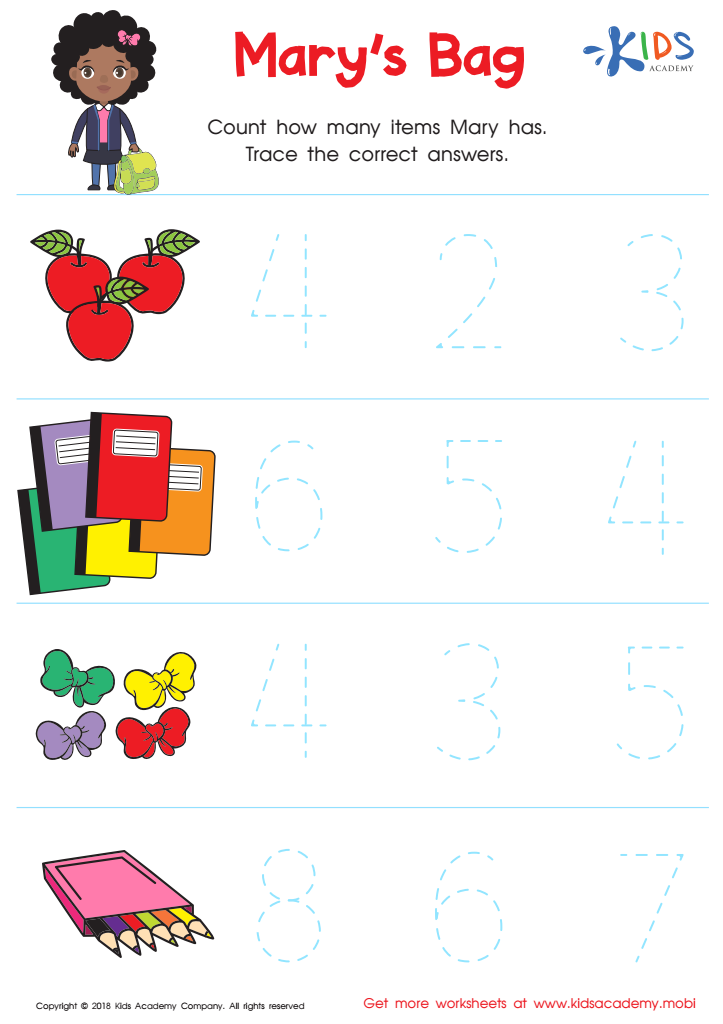
Kindergarten Number Tracing: Mary's Bag Worksheet
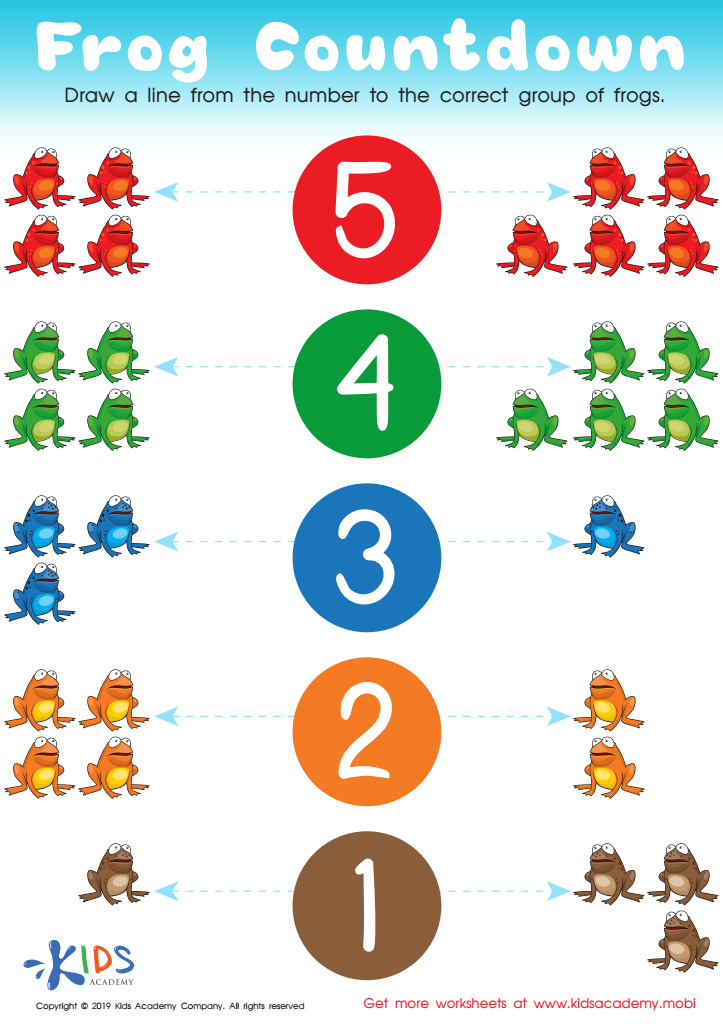
Frog Countdown Worksheet
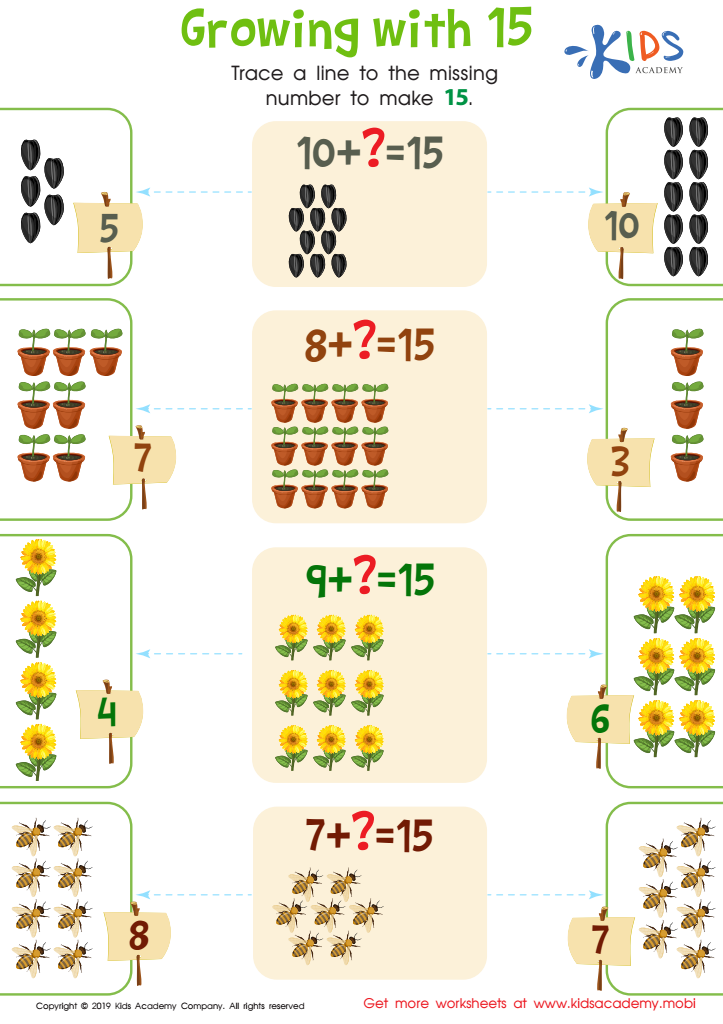
Growing with 15 Worksheet
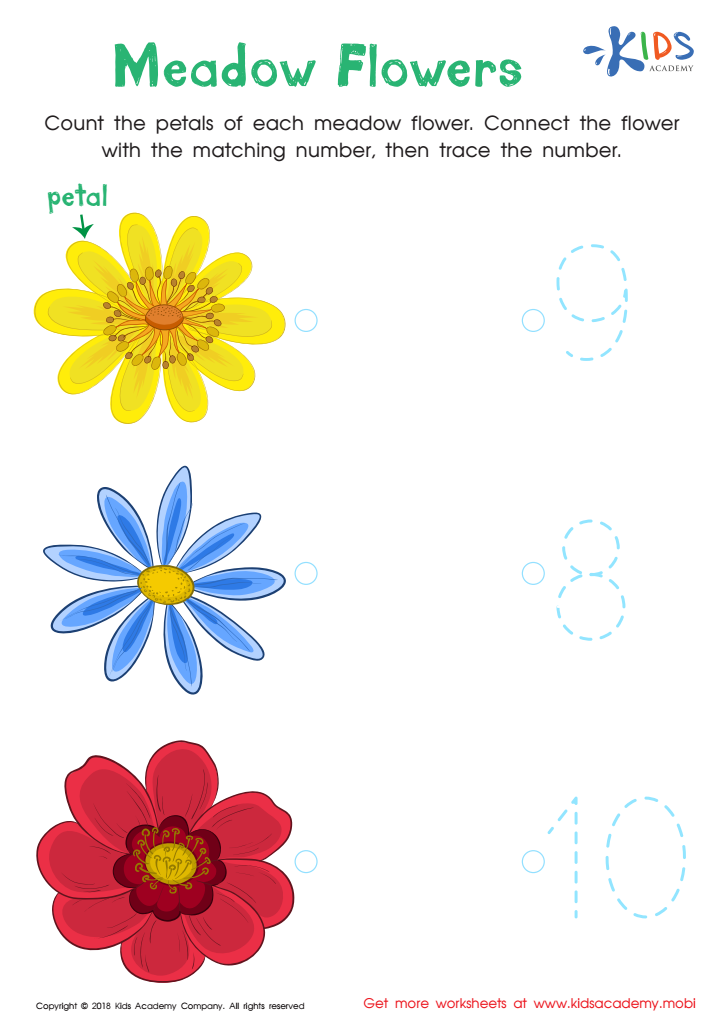
Kindergarten Number Tracing: Medow Flowers Worksheet





Number sequencing is a fundamental skill that plays a critical role in early childhood development, particularly for children aged 3-6. Parents and teachers should care about this skill because it lays the groundwork for various mathematical concepts, problem-solving abilities, and cognitive growth. At this age, children begin to explore numbers and their relationships, and mastering sequencing helps them understand order, patterns, and the concept of quantity.
When children can sequence numbers, they improve their ability to follow directions, understand routines, and organized thought processes, which are essential life skills. Moreover, number sequencing enhances memory and comprehension skills as children learn to recognize numerical patterns and predict subsequent numbers. This not only boosts their confidence in math but also fosters a positive attitude towards learning overall.
Additionally, engaging in sequencing activities can enhance social and emotional skills as children participate in collaborative learning experiences. It fosters communication, cooperation, and decision-making skills that are vital for their development. By encouraging number sequencing in early education, parents and teachers can create a strong foundation for future academic success and help children navigate the world more effectively. Thus, prioritizing this skill is essential in early childhood education.








