Phonics recognition Normal Worksheets for Ages 3-6
12 filtered results
-
From - To
Introduce your child to the magical world of reading with our Phonics Recognition Normal Worksheets for ages 3-6. Curated to enhance early literacy skills, these engaging worksheets focus on letter sounds, word identification, and pronunciation. Designed for preschool and early elementary learners, they make the fundamentals of phonics fun and interactive. Each worksheet offers colorful images and easy-to-follow instructions, ensuring young kids stay motivated and excited. Unlock your child's reading potential while laying a strong foundation for future learning. Perfect for at-home practice or classroom use, make phonics an enjoyable adventure today!
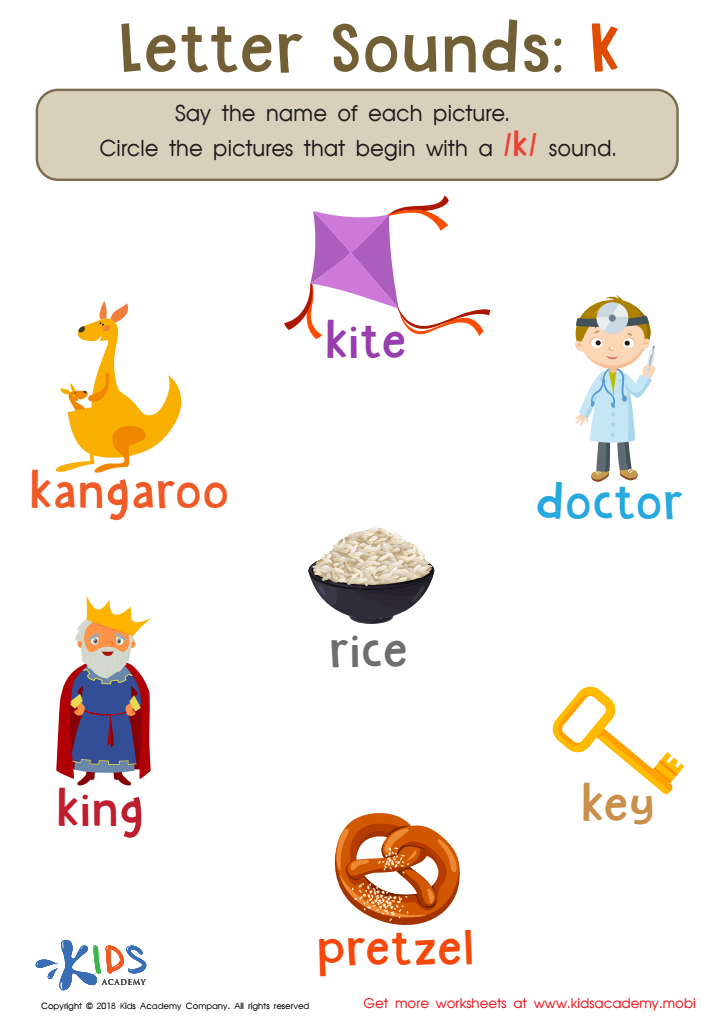
Letter K Sounds Worksheet
 Assign to My Students
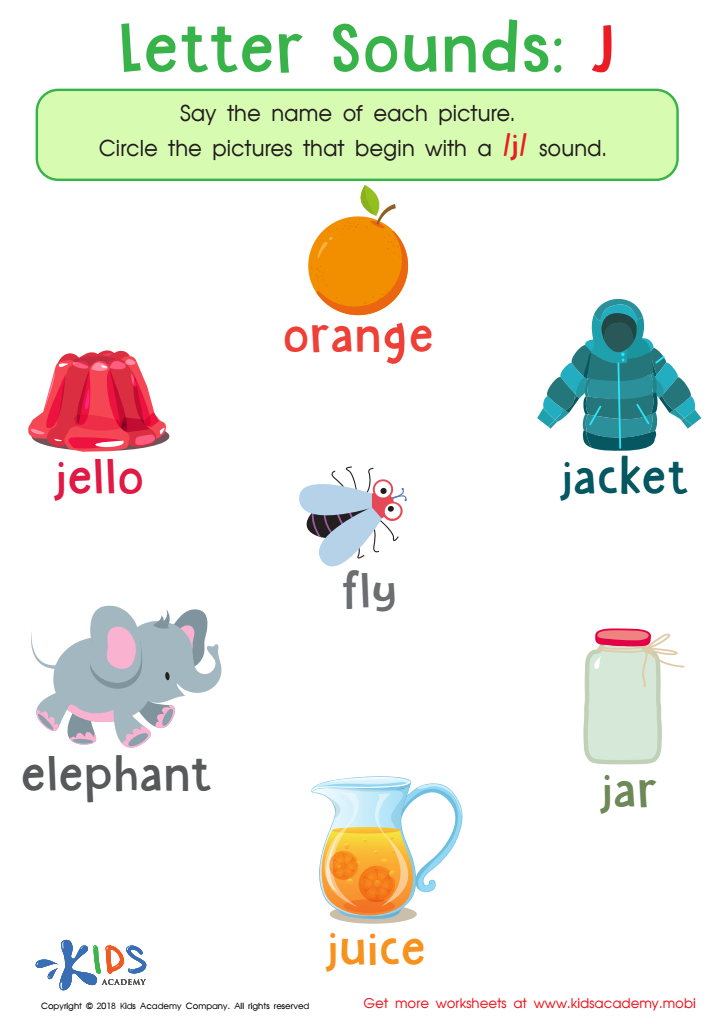
Letter Sounds: J Printable Worksheet
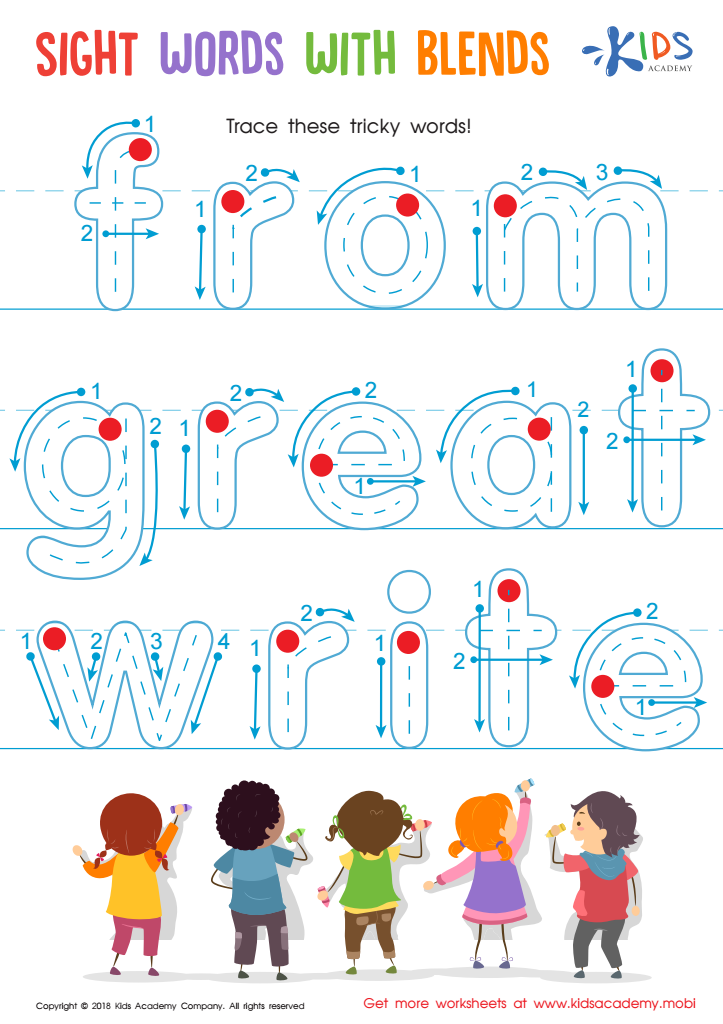
Sight Words with Blends Worksheet
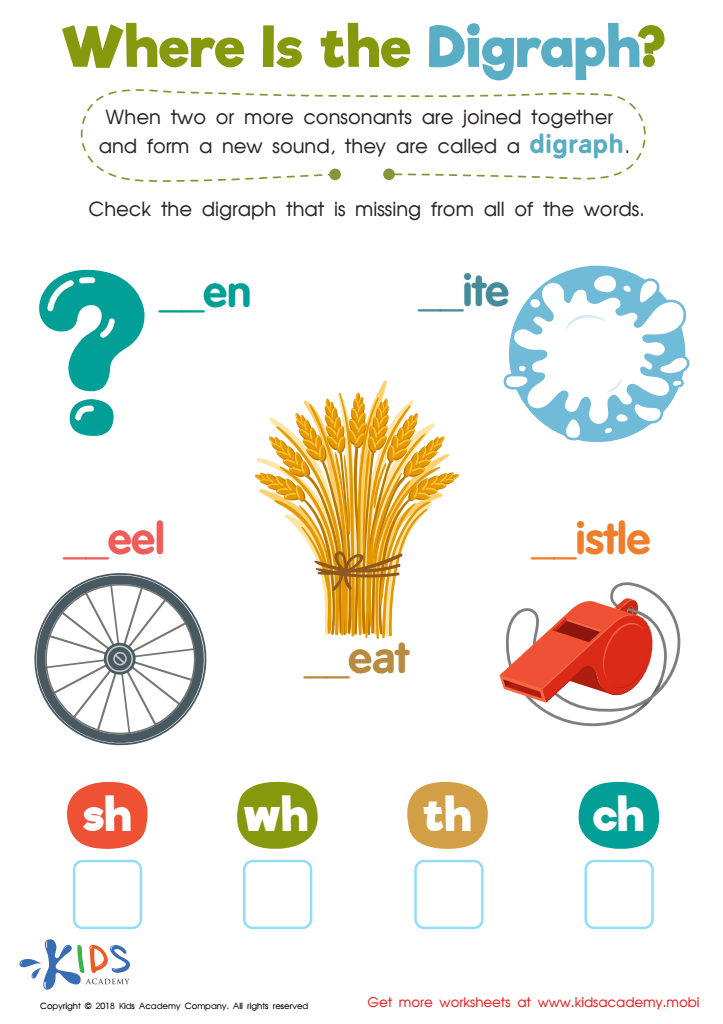
Where Is the Digraph? Worksheet
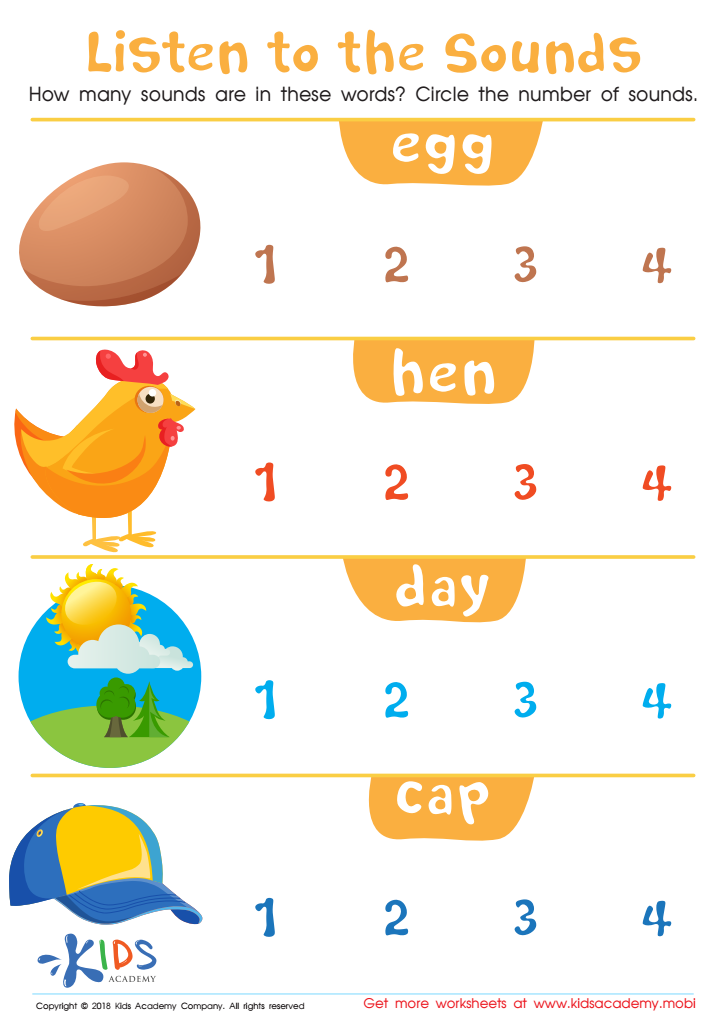
Listen to the Sounds Worksheet
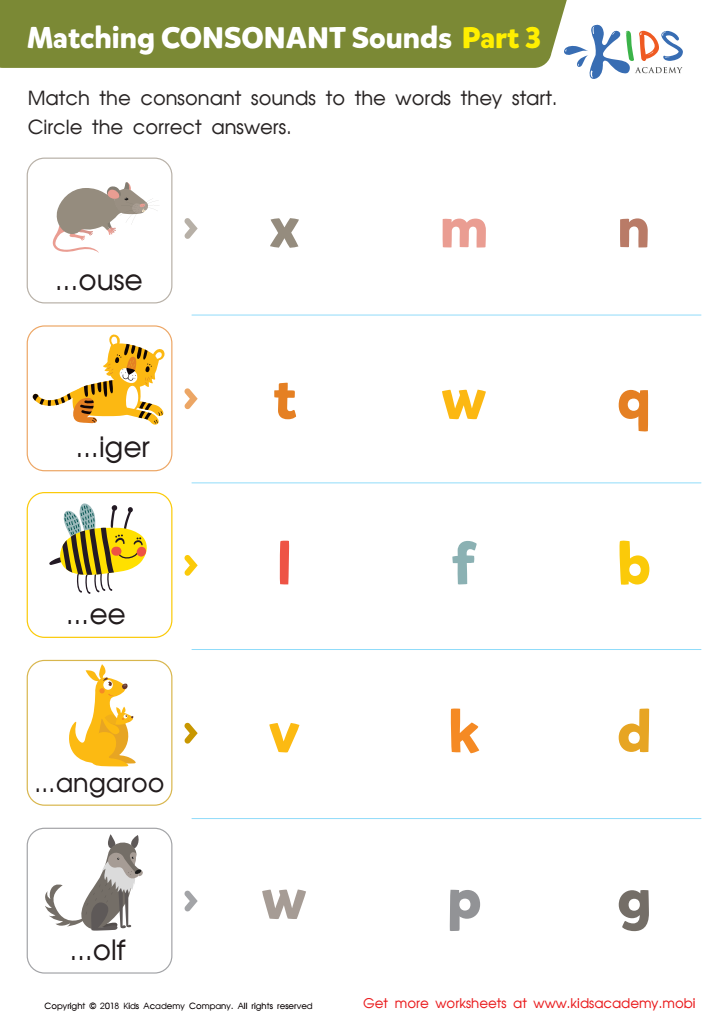
Matching Consonant Sounds: Part 3 Worksheet
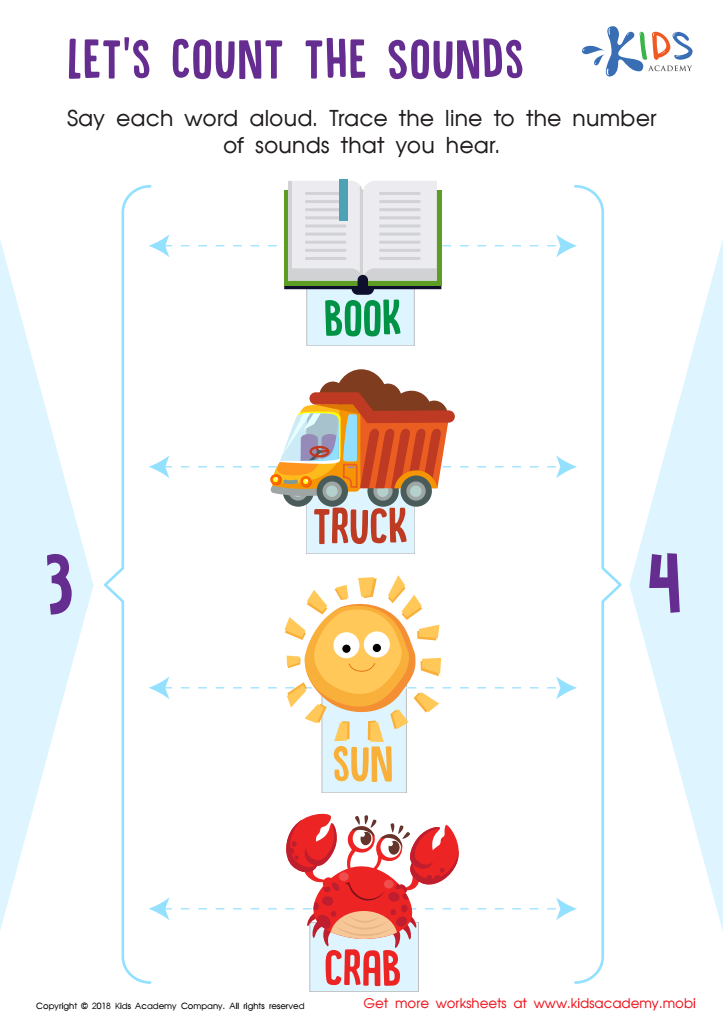
Let's Count the Sounds Worksheet
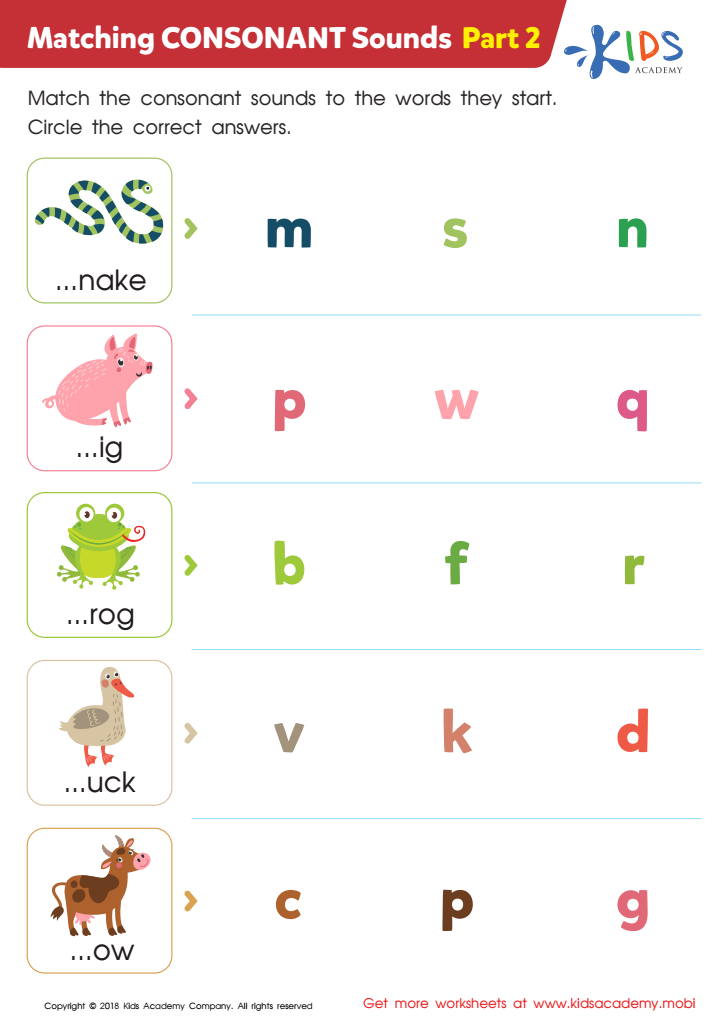
Matching Consonant Sounds: Part 2 Worksheet
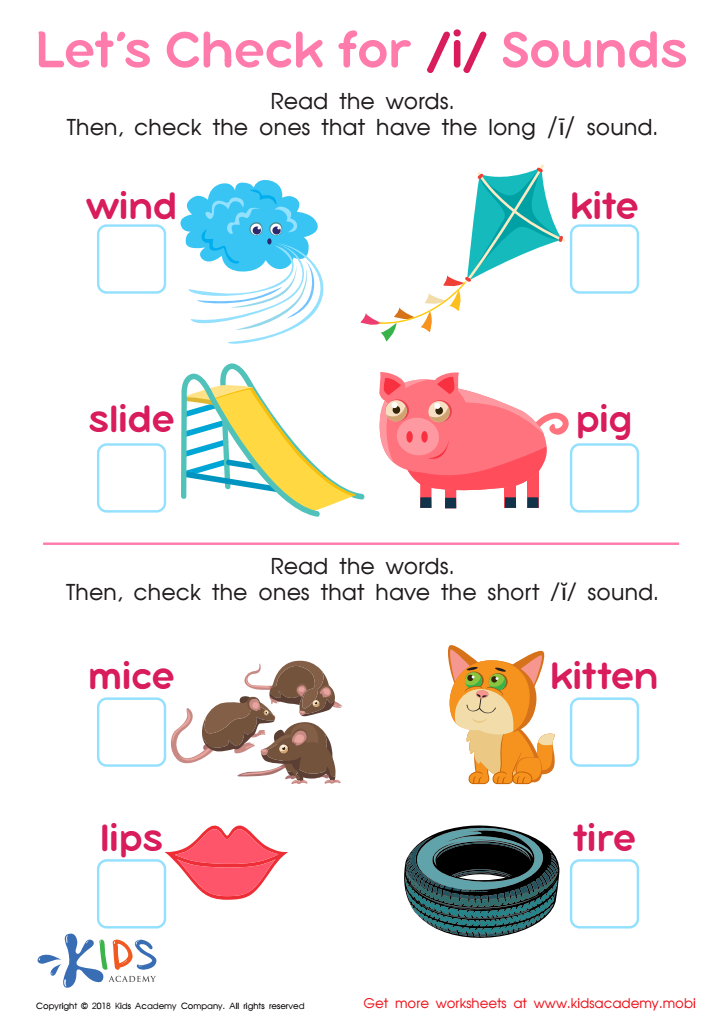
Let's Check for «i» Sounds Worksheet
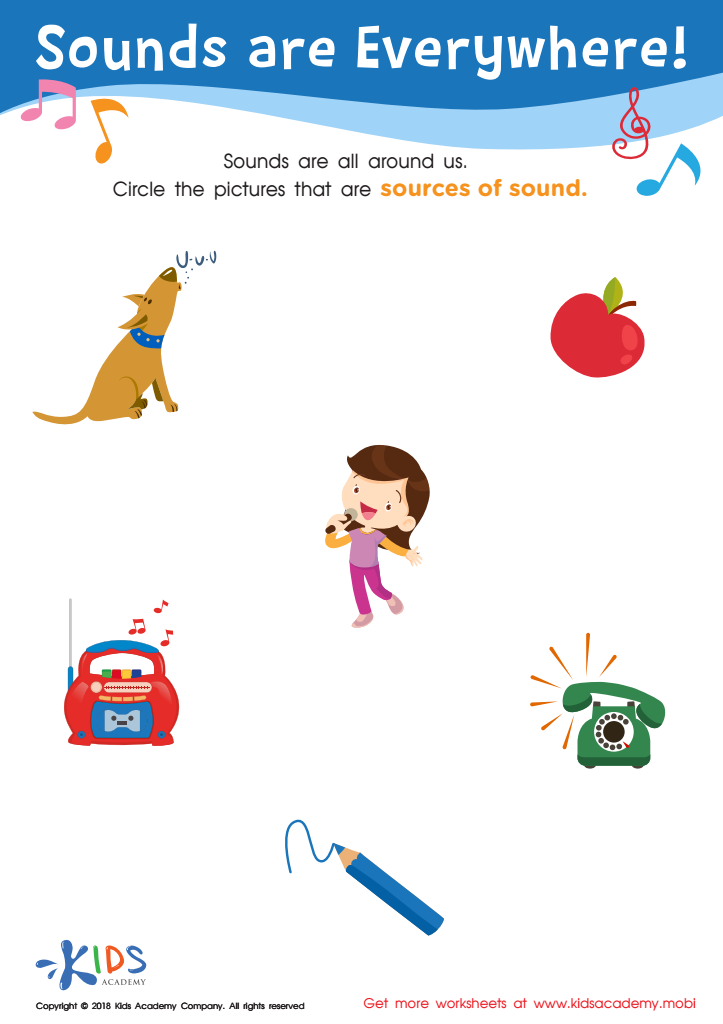
Sounds Are Everywhere! Worksheet
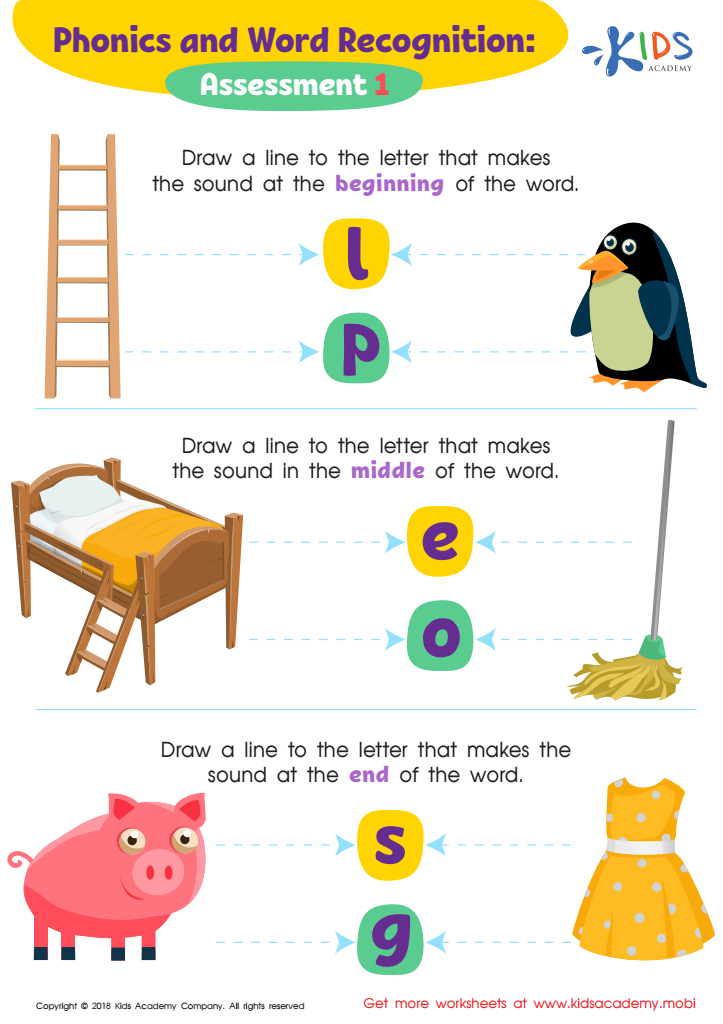
Phonics and Word Recognition: Assessment 1 ELA Worksheet
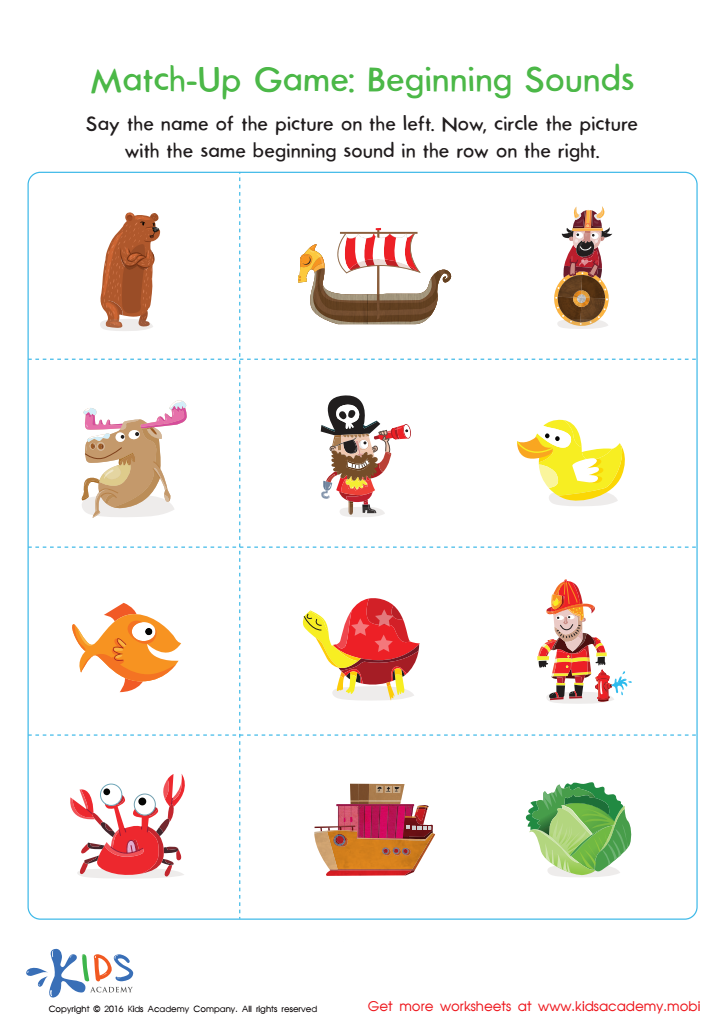
Match–Up Game: Beginning Sounds Worksheet







Phonics recognition—understanding the relationship between letters and the sounds they represent—is crucial for young children ages 3-6 for several reasons. Firstly, it forms the foundation for reading skills. Children who develop strong phonics abilities can decode new words systemically, leading to better reading fluency and comprehension. This not only fosters a love for reading but also underpins academic success in later years across all subjects.
Secondly, early phonics recognition supports vocabulary development. By recognizing the connections between sounds and letters, children can more easily grasp new words, enriching their linguistic repertoire and enhancing their verbal communication skills. This is especially significant in a world where strong communication plays a vital role in personal and professional successes.
Moreover, learning phonics improves children’s confidence and enthusiasm for learning. When children can read words independently, they experience a sense of achievement and are more likely to participate actively in educational activities, setting a positive early learning attitude.
Lastly, phonics instruction often incorporates multisensory techniques (visual, auditory, and kinesthetic activities), fostering fine motor skills and attention to detail. By valuing phonics recognition, parents and teachers provide children with critical early literacy skills, setting a successful educational trajectory and fostering holistic development.








