Real-life application Normal Worksheets for Ages 3-6
3 filtered results
-
From - To
Introducing our Real-life Application Normal Worksheets for Ages 3-6, designed to seamlessly blend essential early learning skills with everyday scenarios. These engaging, age-appropriate activities not only sharpen cognitive development but also nurture problem-solving, critical thinking, and practical life skills. Perfect for preschool and kindergarten students, our worksheets cover a wide range of topics, including counting money, understanding time, and basic hygiene, all tailored to encourage young learners to apply their knowledge in real-world situations. Start your child's educational journey with our expertly crafted worksheets and watch their confidence and competency soar!
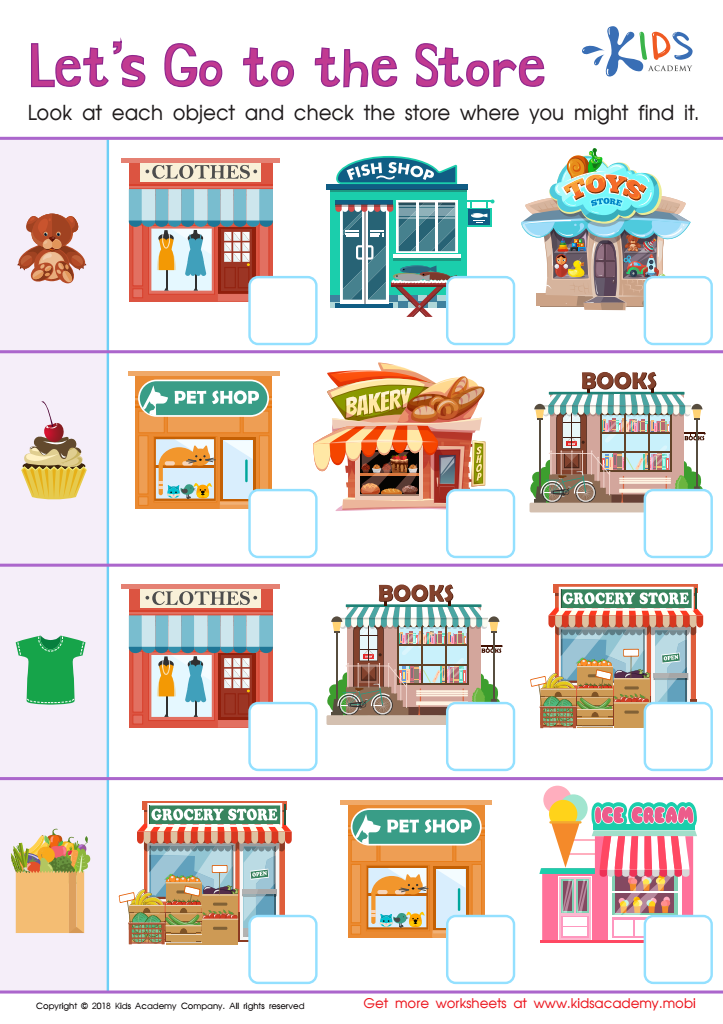
Let's Go to the Store! Worksheet
 Assign to My Students
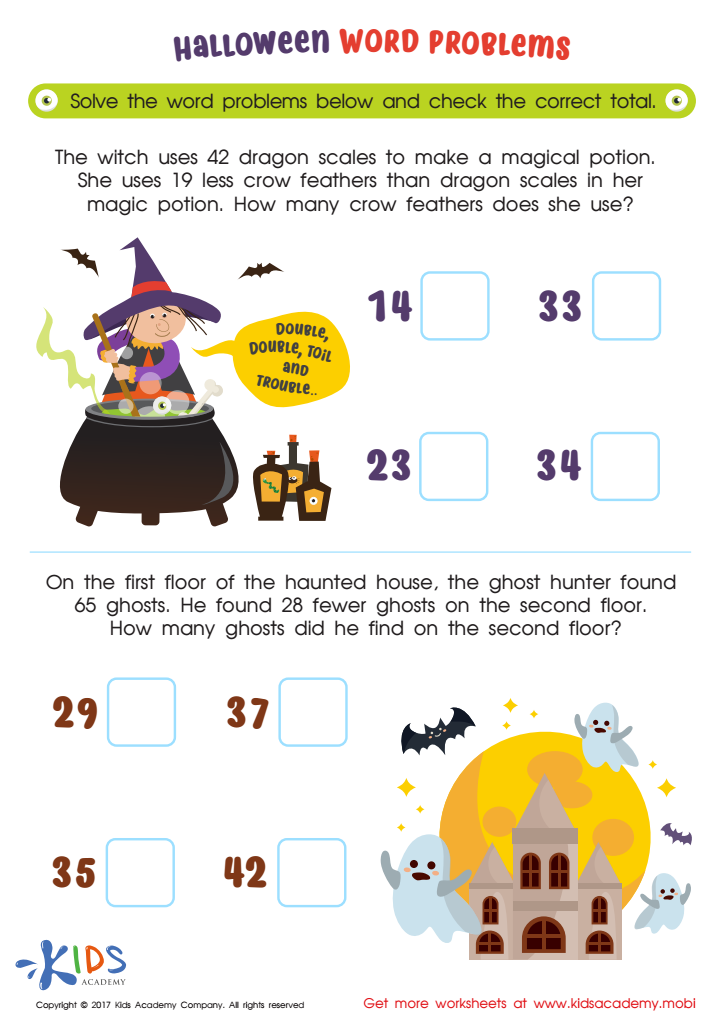
Halloween Word Problems Printable
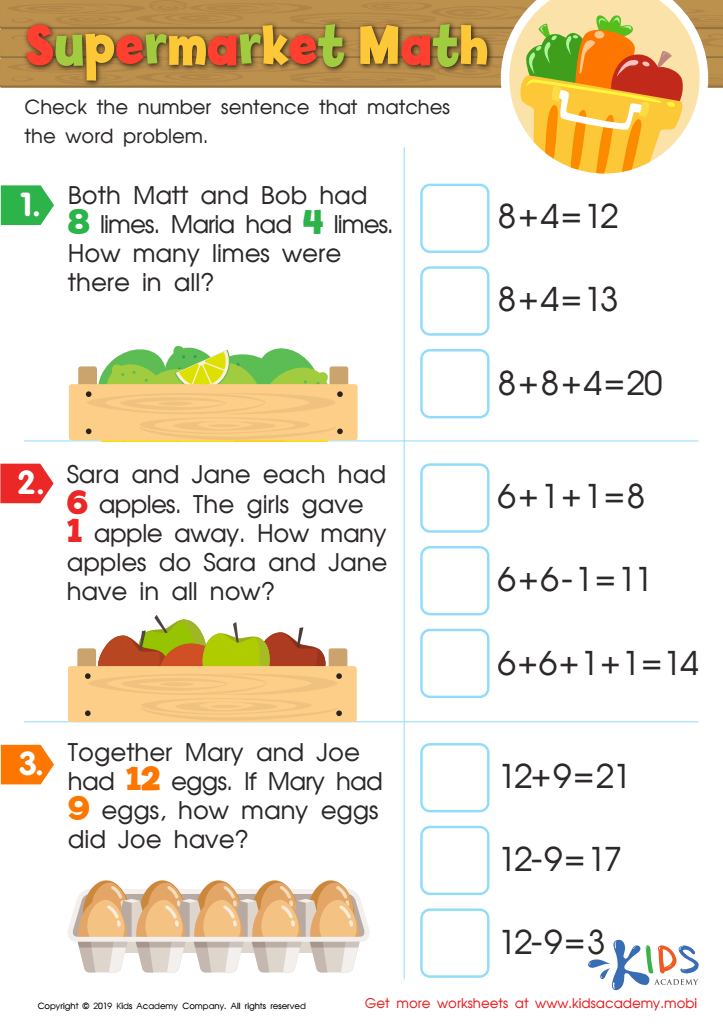
Supermarket Math Worksheet



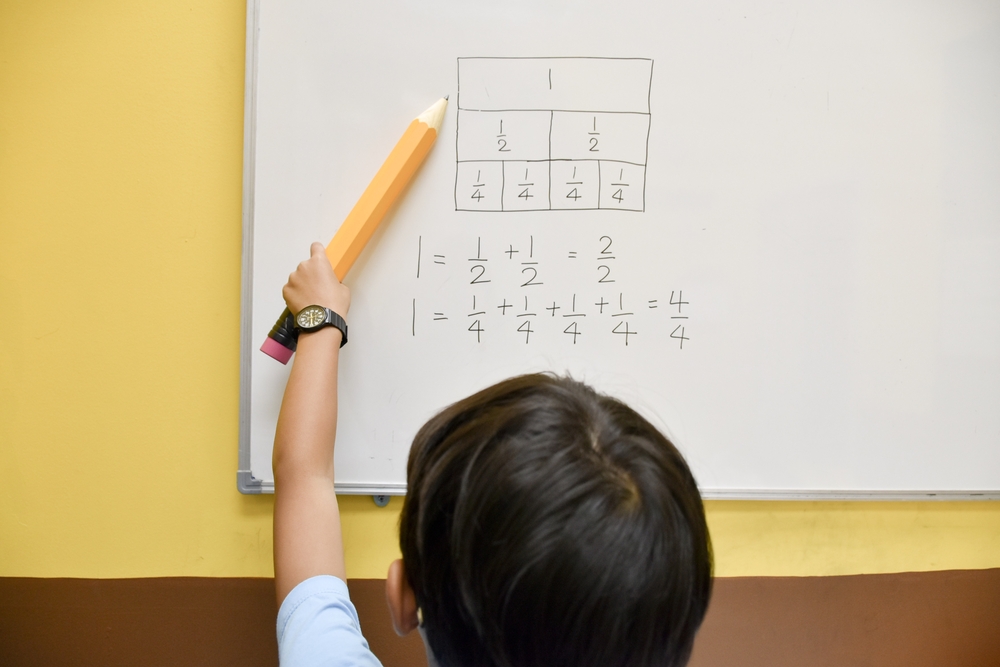



Real-life application is crucial for young children, ages 3-6, as it lays the foundation for lifelong learning and practical problem-solving skills. At this developmental stage, children are learning to make sense of the world around them. Integrating real-life scenarios into their education helps them understand how knowledge is applied outside the classroom, making learning more meaningful and engaging.
When parents and teachers incorporate real-world examples, children see the relevance of what they are learning. For example, using grocery shopping to teach basic math or involving children in cooking to foster fine motor skills and measurement understanding. These activities provide hands-on experiences that are memorable and relatable.
Real-life applications also enhance social and emotional development. Children practice communication, cooperation, and decision-making—essential skills for future success. By tackling real-world problems, they learn perseverance and adaptability.
Additionally, real-life learning builds a child's confidence and curiosity. Whether sorting laundry (categorization skills) or observing weather patterns (science skills), these activities encourage exploration and questioning, fostering a love for learning.
In summary, integrating real-world applications in early education ensures that children gain practical skills, understand the relevance of their education, and develop critical thinking. This approach nurtures a well-rounded foundation for future academic and personal growth.








