Filters

80 filtered results

Clear all filters
Favorites
With answer key
Interactive

80 filtered results

Difficulty Level

Grade


Check out this FREE "Vocabulary expansion" Trial Lesson for age 3-6!

Answer Questions About Unknown Words in a Story

Favorites
With answer key
Interactive
  • 3-6
  • Vocabulary expansion
  • Normal
Siblings Quiz Worksheet

Siblings Quiz Worksheet

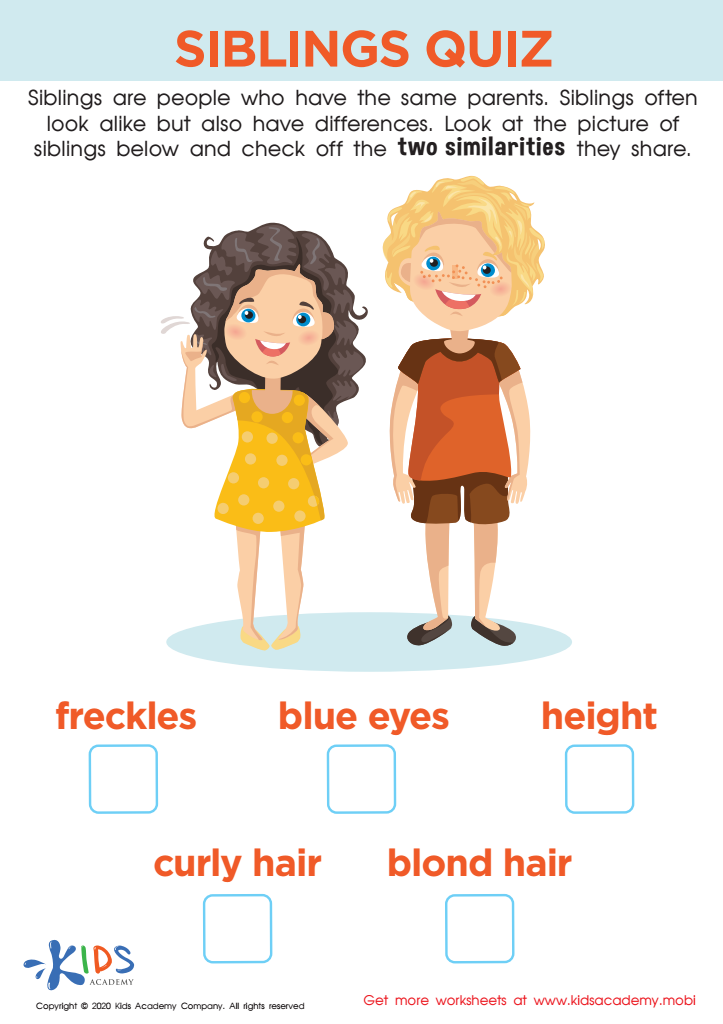
Your children may know a sibling is a sister or brother, but not realize what it means to be one. Siblings share the same parents, which means they share many genes. They are alike in many ways, but also have their own unique traits. Help your future scientist understand this early biology concept with this fun worksheet. They'll be tasked with finding similarities between two siblings on the page.
Siblings Quiz Worksheet
Worksheet
Prefix bi words worksheet

Prefix Bi Words Worksheet

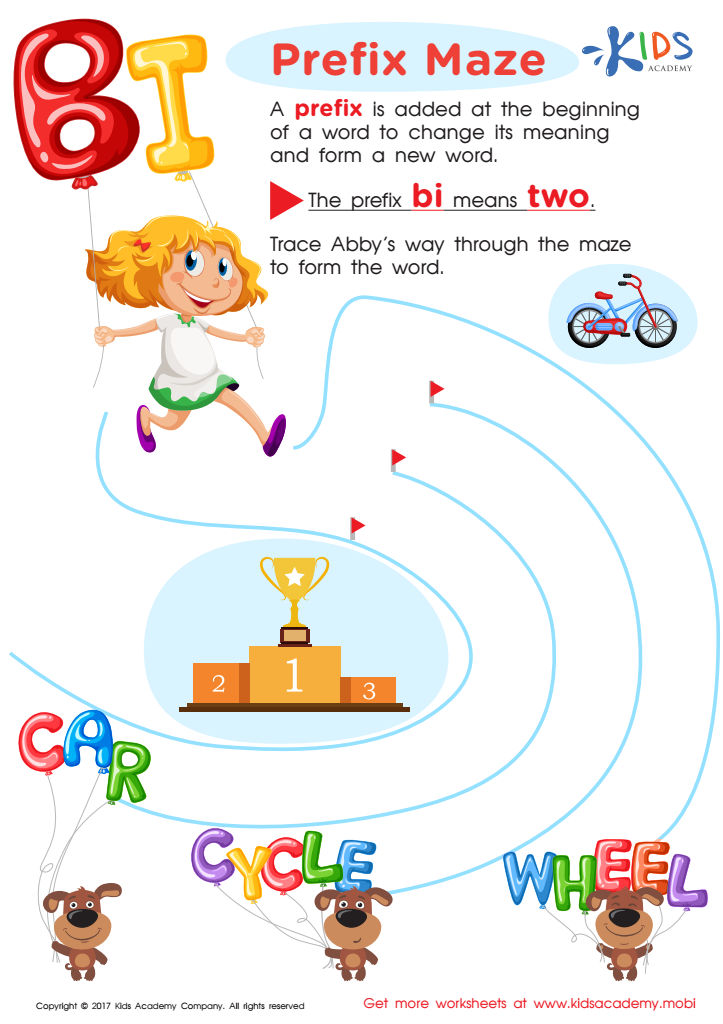
Help "bi" find its root word in this fun and colorful prefix worksheet! Your child will learn how words are built while having a great time!
Prefix Bi Words Worksheet
Worksheet
Irregular Words Worksheet
Irregular Words Worksheet

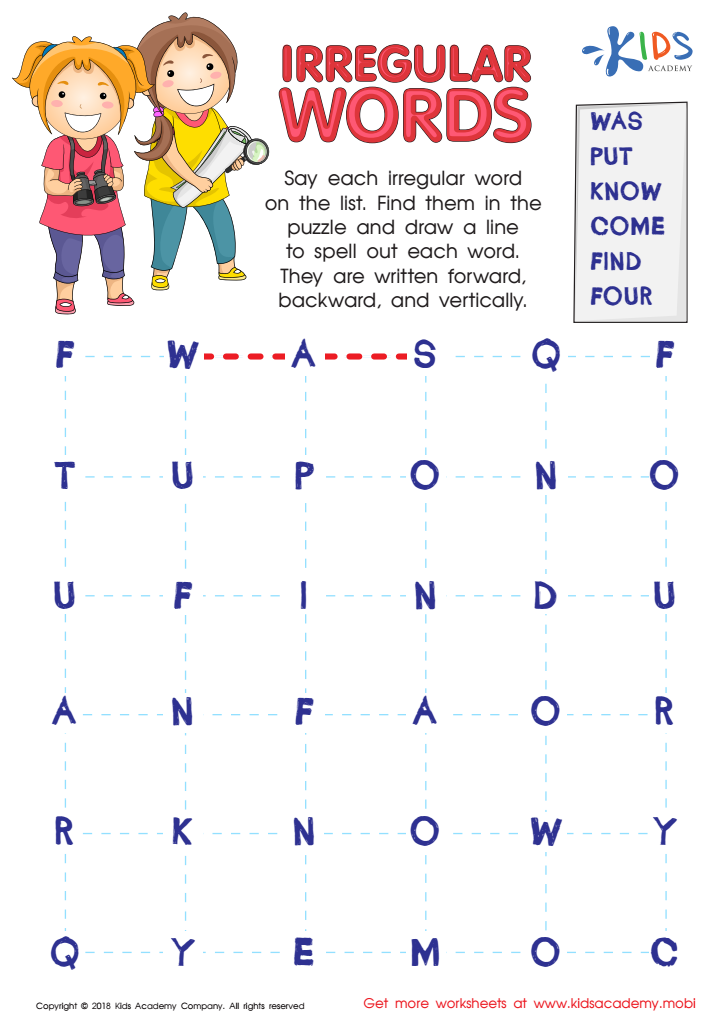
This fun word search worksheet helps kids practice reading irregular words and build their sight word banks. They'll also get practice with visual discrimination and fine motor skills as they hunt down the words.
Irregular Words Worksheet
Worksheet
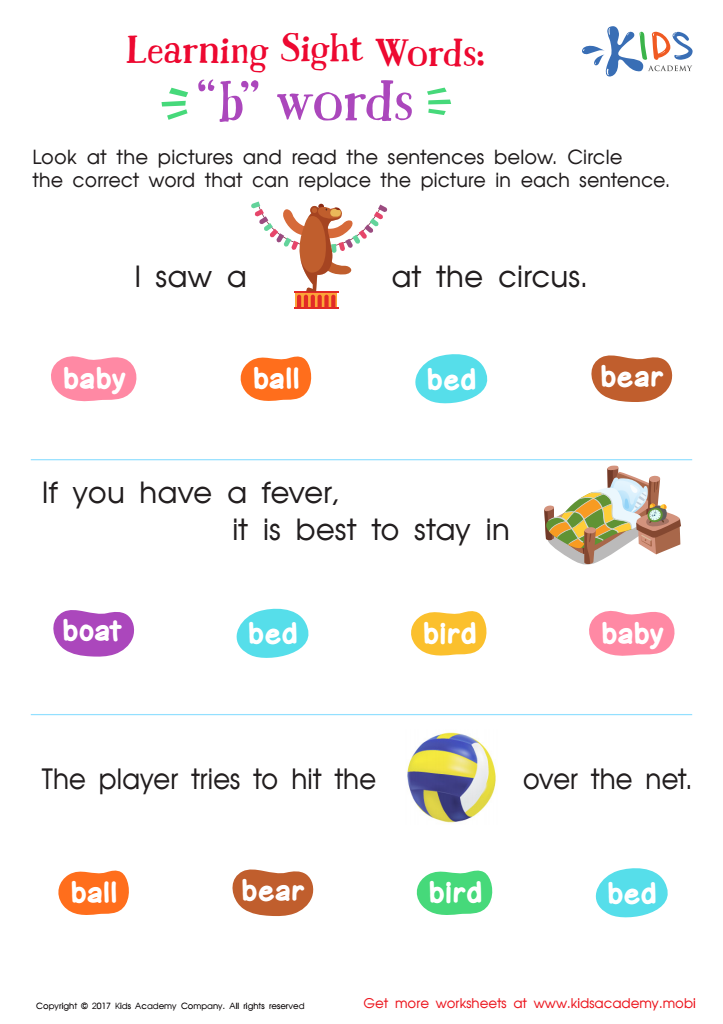
Sight Words Worksheet: B Words

"B" Words Printable Sight Words Worksheet
Kids will learn sight words quickly with this fun worksheet! "B" Words offers guided practice with simple sentences and pictures. Build your child's reading confidence with this helpful worksheet and watch them become a master!
"B" Words Printable Sight Words Worksheet
Worksheet
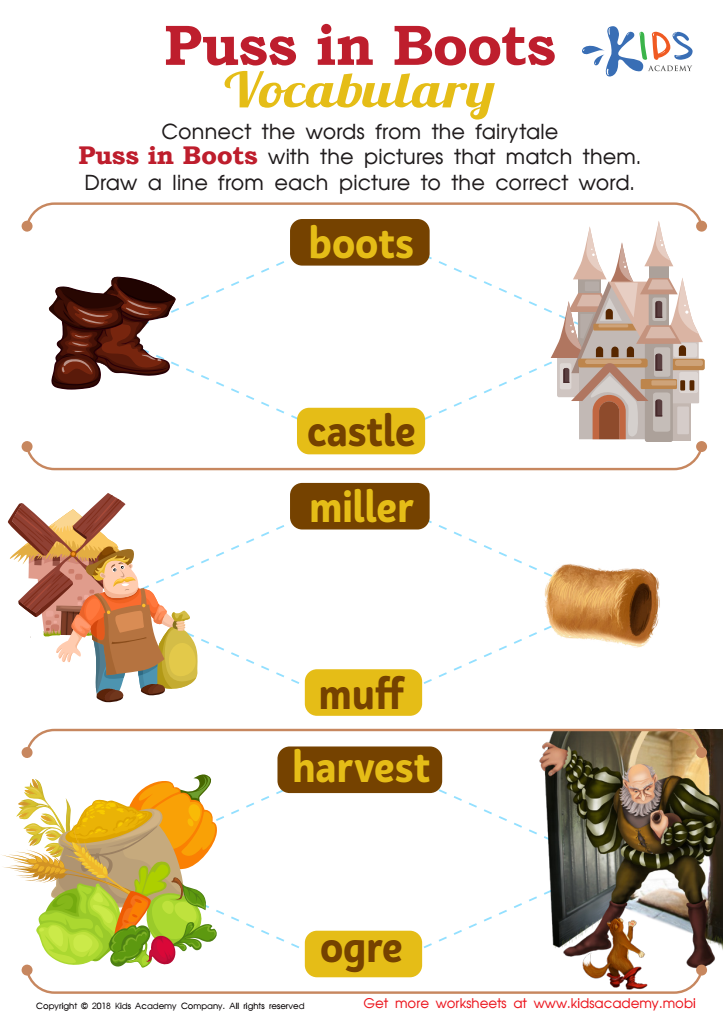
Puss in Boots Vocabulary Worksheet

Puss in Boots Vocabulary Worksheet

Let your kids enjoy story-telling while learning at the same time. Help them learn from the fairytale, Puss in Boots, by connecting words from the worksheet with the matching pictures. Ask them to draw a line between each picture and corresponding word to build their vocabulary.
Puss in Boots Vocabulary Worksheet
Worksheet
Beginning Sounds Match-up Printable

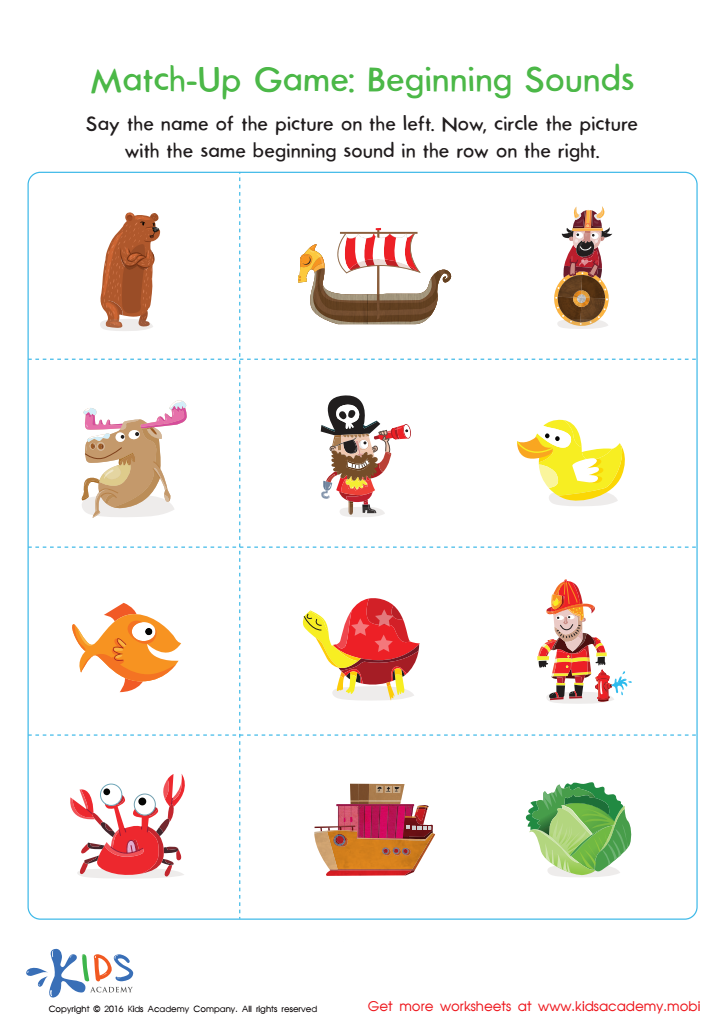
Match–Up Game: Beginning Sounds Worksheet
Start today with this beginning sounds match-up printable! Teach your child to solve problems mentally with this beginning sounds match-up printable. They'll learn to categorize pictures based on phonics rules, developing mental stamina and focus. It's an important step for recognizing sounds and letters in print, building a foundation for reading and spelling. Start today and take your child's skills to the next level!
Match–Up Game: Beginning Sounds Worksheet
Worksheet
Rabbit Facts Worksheet

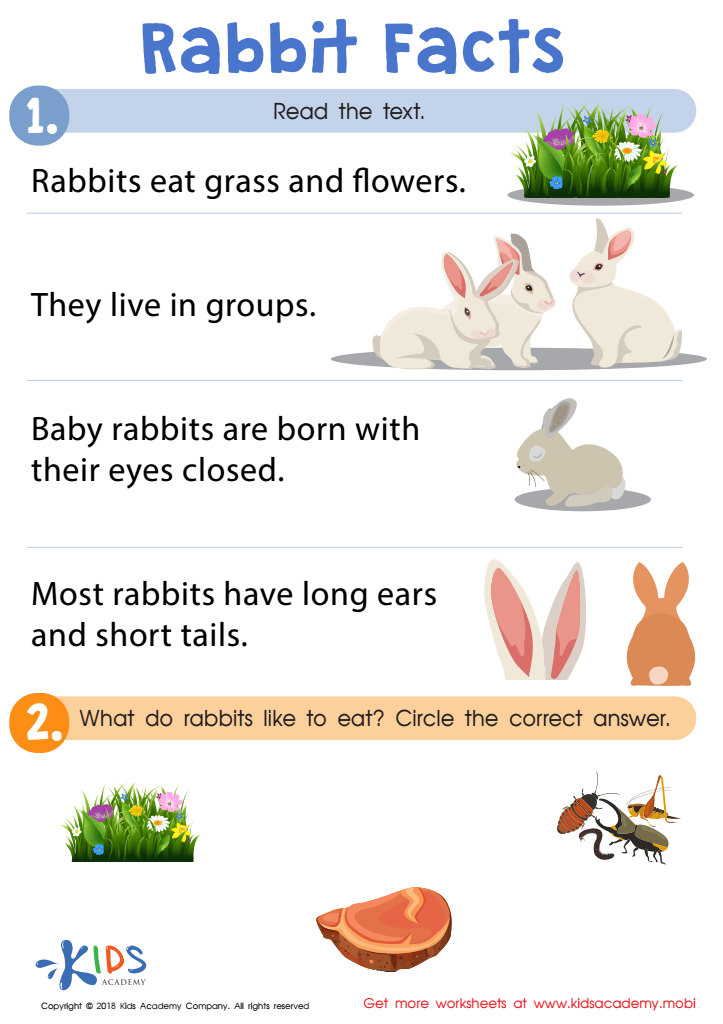
Rabbit Facts Worksheet

Informational texts offer great learning opportunities. Kids Academy's reading worksheet helps children read and recall important details from a text about bunnies. Kids will love it! Simply read the rabbit facts and circle the correct pictures to answer the questions.
Rabbit Facts Worksheet
Worksheet
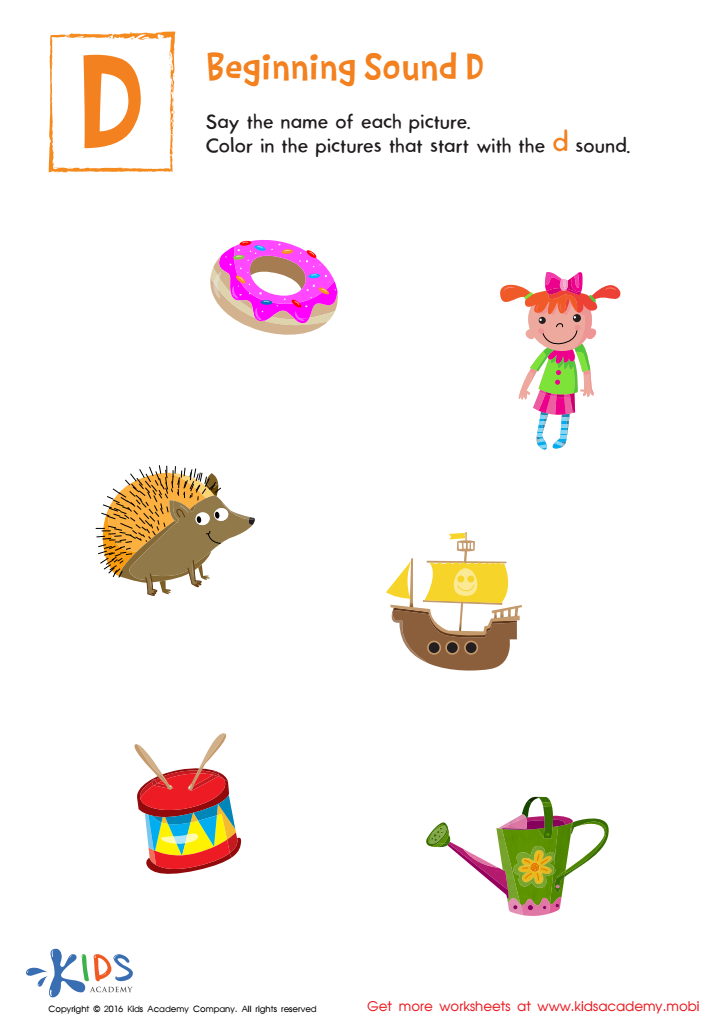
Beginning sound d worksheet

Beginning Sound D Worksheet

Reinforce phonics with this vibrant beginning sound d worksheet! Pictures help kids identify words beginning with 'd' and develop early reading skills. Sounding out each word increases literacy!
Beginning Sound D Worksheet
Worksheet


... 3 4

Vocabulary expansion is crucial for children aged 3-6 because it forms the foundation for their overall cognitive and academic development. During these formative years, children's brains are incredibly receptive to learning new words and concepts. A rich vocabulary aids in effective communication, enabling children to express their thoughts, needs, and emotions more accurately and confidently.

For parents and teachers, fostering vocabulary growth can significantly boost a child’s reading comprehension and listening skills, both of which are essential for academic success. When children understand a wide range of words, they can better grasp the meaning of stories, instructions, and explanations, leading to a deeper understanding of the world around them. Additionally, strong verbal skills contribute to social interactions, enabling children to build and maintain friendships more easily.

Moreover, early vocabulary expansion helps children develop critical thinking and problem-solving skills. As they encounter and use new words, they learn to categorize, make connections, and contextualize information, which are key components of advanced cognitive abilities.

Ultimately, a strong vocabulary acquired during ages 3-6 sets the stage for continued educational success and lifelong learning, making it essential for parents and teachers to actively encourage and support this developmental milestone.