Logical Reasoning Normal Addition & Subtraction Worksheets for Ages 3-6
5 filtered results
-
From - To
Discover a fun and engaging way to boost your child's logical reasoning skills with our Normal Addition & Subtraction Worksheets for ages 3-6. These specially designed worksheets combine basic math concepts with critical thinking exercises, encouraging young learners to explore problem-solving in a playful manner. Each worksheet features colorful illustrations and age-appropriate challenges that keep children attentive and motivated. As they practice basic addition and subtraction, they'll also develop essential reasoning skills that form the foundation for future math success. Perfect for at-home learning or classroom activities, these worksheets make learning enjoyable and effective for your little ones!
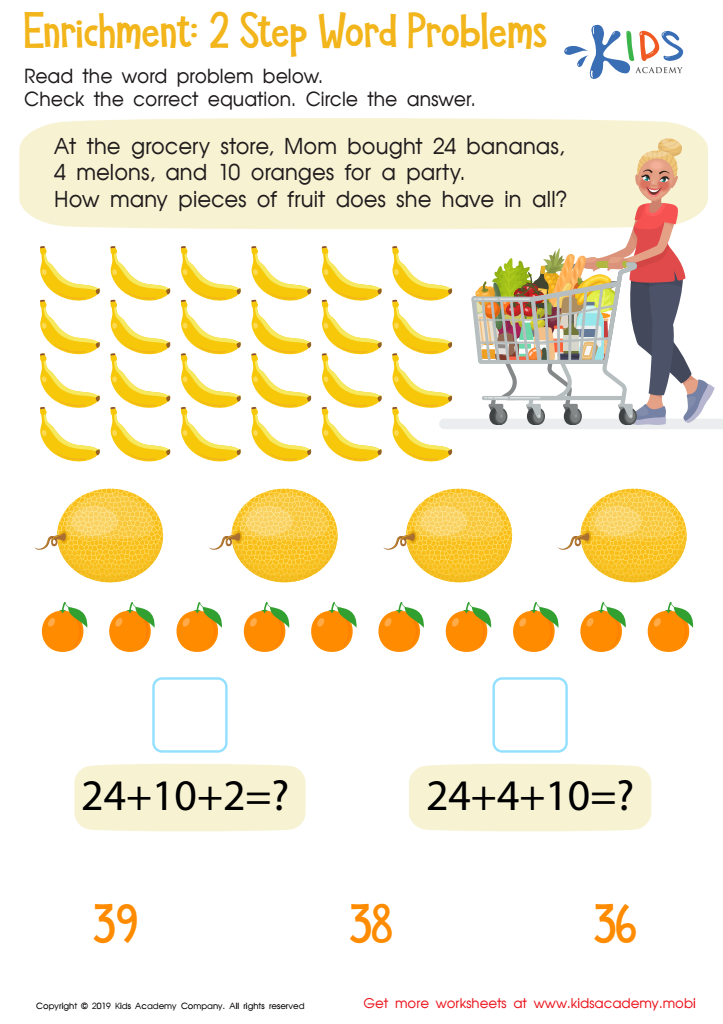
Enrichment -2 Step Word Problems Worksheet
 Assign to My Students
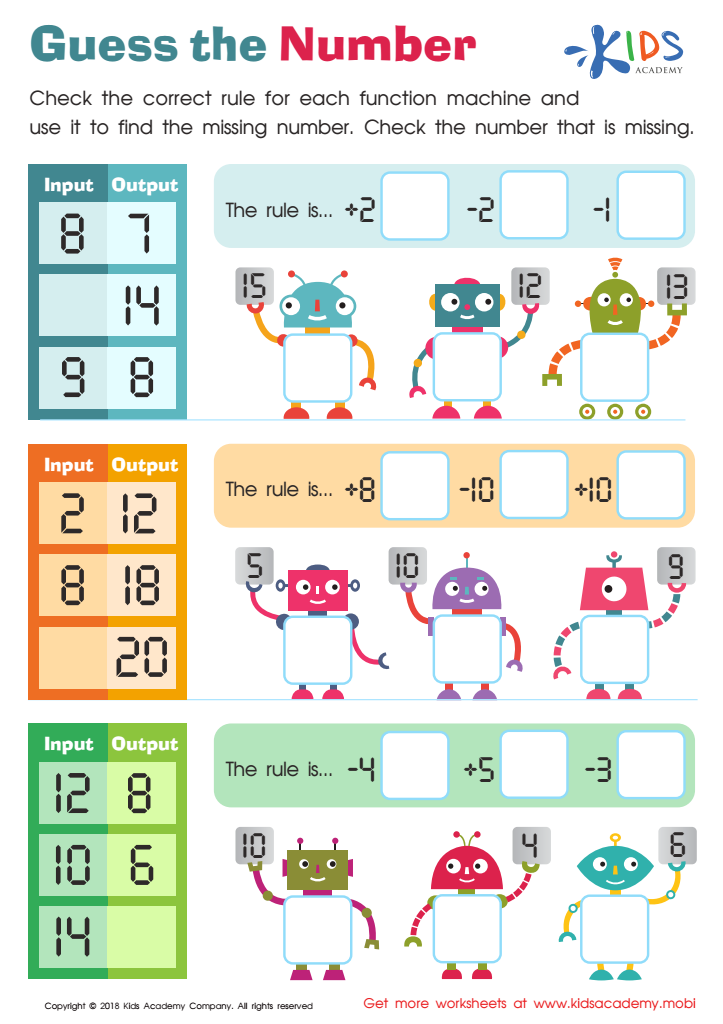
Guess the Number Worksheet
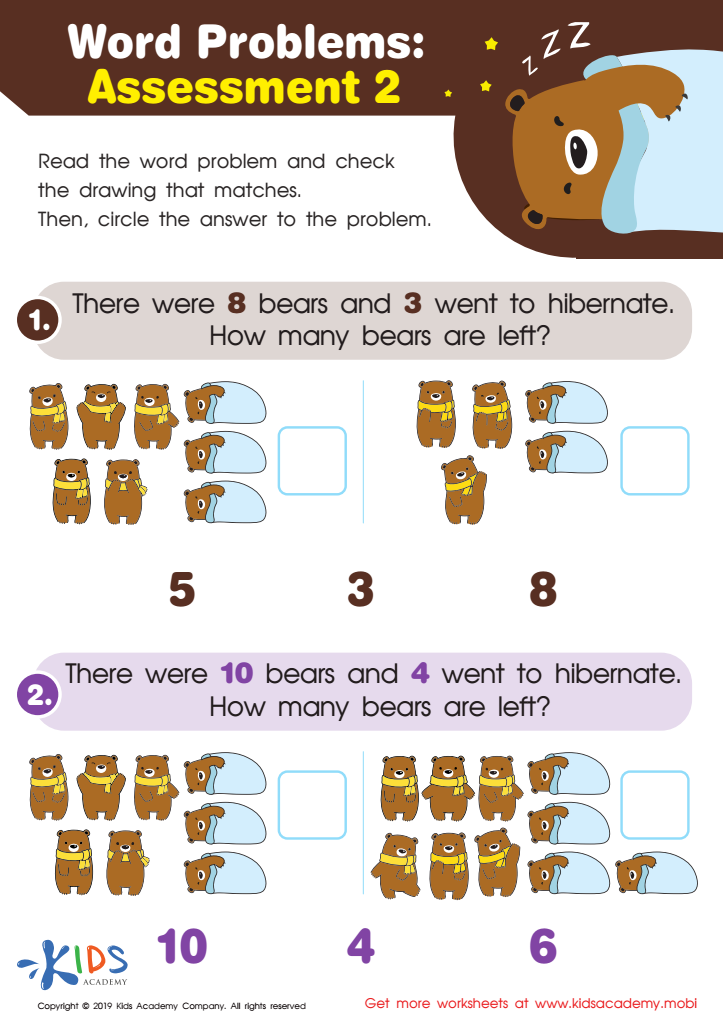
Word Problems: Assessment 2 Worksheet
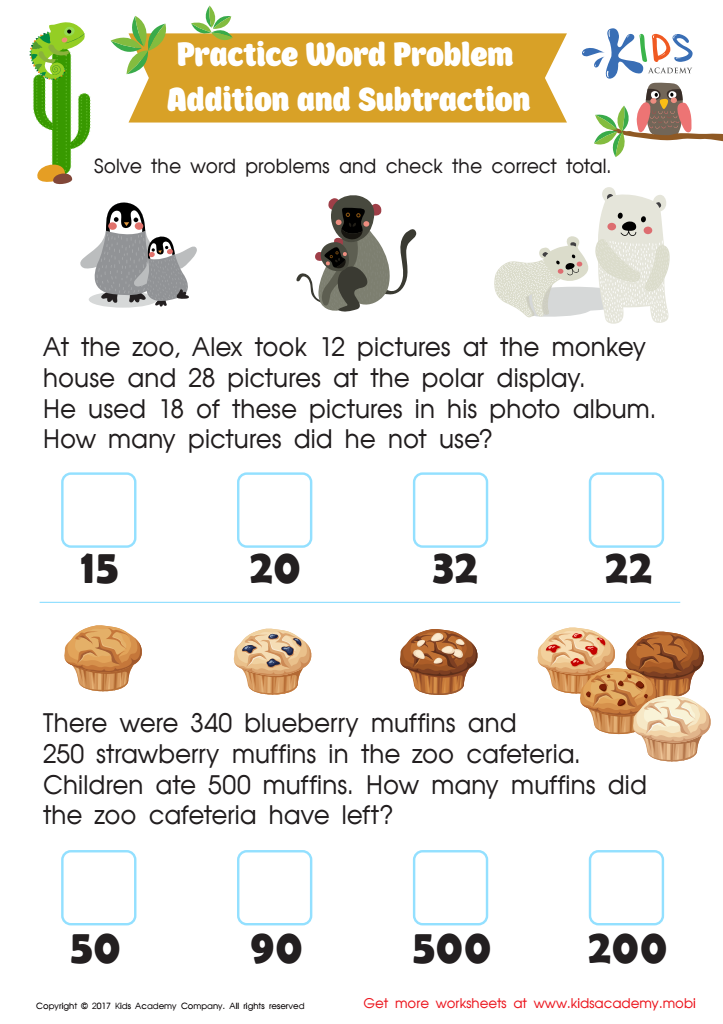
Addition and Subtraction: Word Problems Worksheet
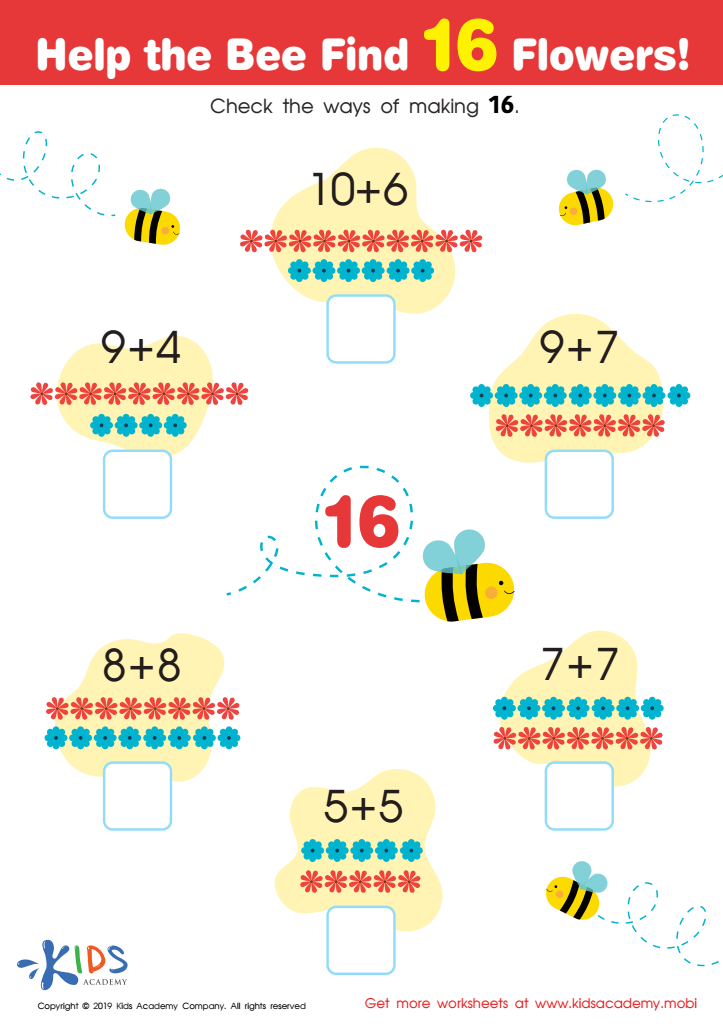
Help the Bee Find 16 Flowers Worksheet








Parents and teachers should care about logical reasoning skills, particularly in normal addition and subtraction, for children aged 3 to 6, as these foundational concepts are pivotal for early academic success and cognitive development. At this age, children are at a critical stage of brain development where they begin to understand numbers, patterns, and relationships. Developing logical reasoning through activities like addition and subtraction helps them make sense of the world around them.
Engaging in simple math activities promotes critical thinking and problem-solving skills. For example, when a child calculates how many apples are left after giving some away, they’re not only practicing math but also learning to reason effectively about quantities and their changes. Mastery of basic arithmetic helps prepare children for more complex mathematical concepts as they progress through school.
Furthermore, fostering these skills enhances children’s confidence and engagement in learning, making them more likely to embrace math-related activities in the future. By emphasizing logical reasoning in early education, parents and teachers equip children with essential tools that will benefit them academically and in everyday life, laying a strong foundation for lifelong learning and critical thinking.








