Reading comprehension Normal Geometry Worksheets for Ages 3-6
4 filtered results
-
From - To
Discover our engaging "Reading Comprehension Normal Geometry Worksheets," specially designed for ages 3-6. These worksheets nurture early literacy and geometry skills, blending colorful visuals and captivating stories to create a fun learning experience. Children will explore basic geometric shapes and their characteristics while enhancing their reading abilities. Each worksheet includes interactive questions to encourage critical thinking and comprehension, making math concepts exciting and accessible. Ideal for parents and educators, these resources foster a love for learning in young children, setting the foundation for future academic success. Dive into a world where reading and geometry come together to spark curiosity and creativity!
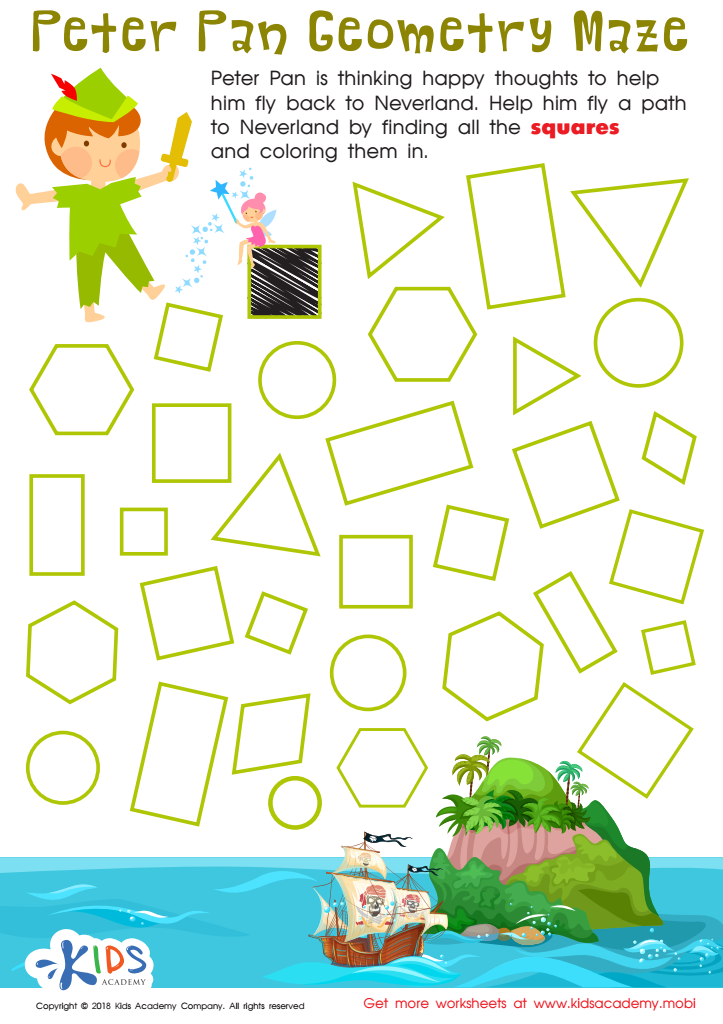
Peter Pan Worksheet
 Assign to My Students











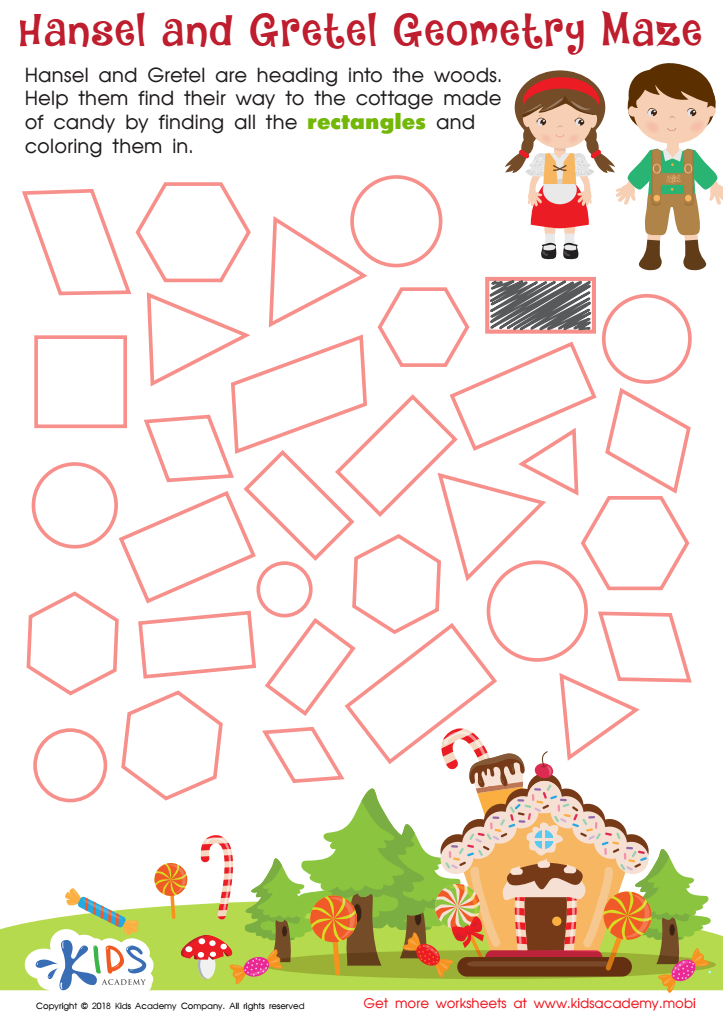
Hansel and Gretel Geometry Maze Worksheet
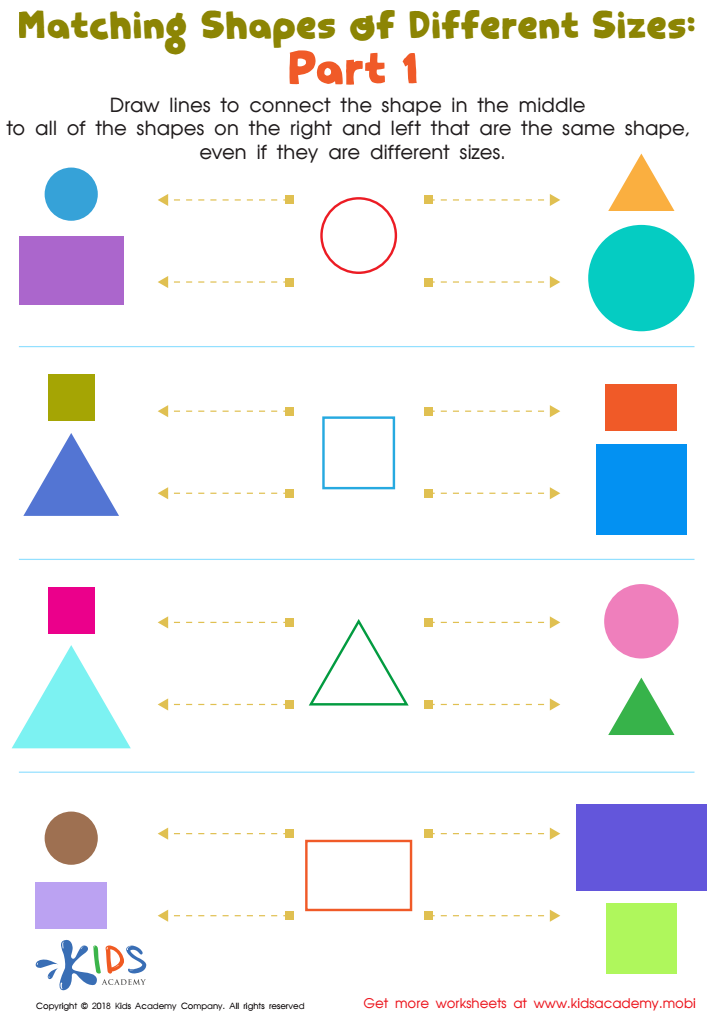
Geometry: part 1 Worksheet
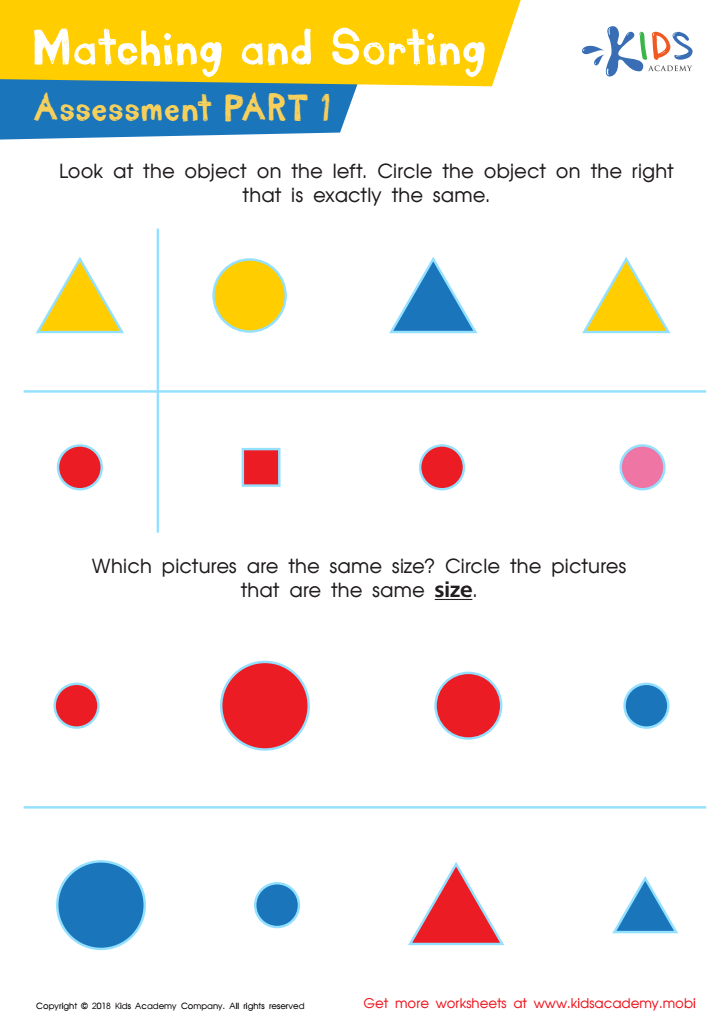
Matching and Sorting for Kindergarten: Assessment 1 Worksheet








Reading comprehension and early literacy are critical foundational skills that greatly influence a child's academic and social development, particularly in the ages of 3 to 6. During this formative stage, children begin to understand language, expand their vocabulary, and develop critical thinking skills through stories and interactions. Fostering reading comprehension at this age not only enhances a child's ability to understand written text but also promotes comprehension skills that they will build upon in later grades.
Additionally, introducing children to basic geometric concepts nurtures their cognitive development. Familiarity with shapes, patterns, and spatial relationships enhances logical thinking and problem-solving abilities. These skills are foundational for math development and contribute to overall literacy.
Moreover, when parents and teachers prioritize reading comprehension and geometry, they are actively engaging children in playful learning experiences that promote curiosity and motivation. Story-based activities can integrate exposure to geometry, enriching children's experiences and making abstract concepts more accessible.
Ultimately, supporting reading comprehension and geometric understanding entwines critical thinking across subjects, preparing children not just academically but also socially, as they learn to communicate, express thoughts, and engage with their environment creatively. Investing in these skills at a young age sets the groundwork for lifelong learning and success.








