
Following instructions Normal Math Worksheets for Ages 3-6
7 filtered results
Difficulty Level
Grade
Age
-
From - To
Subject
Activity
Standards
Discover our engaging "Following Instructions Normal Math Worksheets" designed specifically for children ages 3-6! These worksheets help young learners master essential math skills while honing their ability to follow directions. Each activity is carefully crafted to provide a fun, interactive learning experience that promotes critical thinking and problem-solving skills. With a range of exercises, including simple addition and number recognition, children will not only build foundational math knowledge but also enhance their listening and comprehension abilities. Ideal for home or classroom use, these worksheets are perfect for nurturing creativity and confidence in young mathematicians. Start your learning journey today!
Favorites
With answer key
Interactive
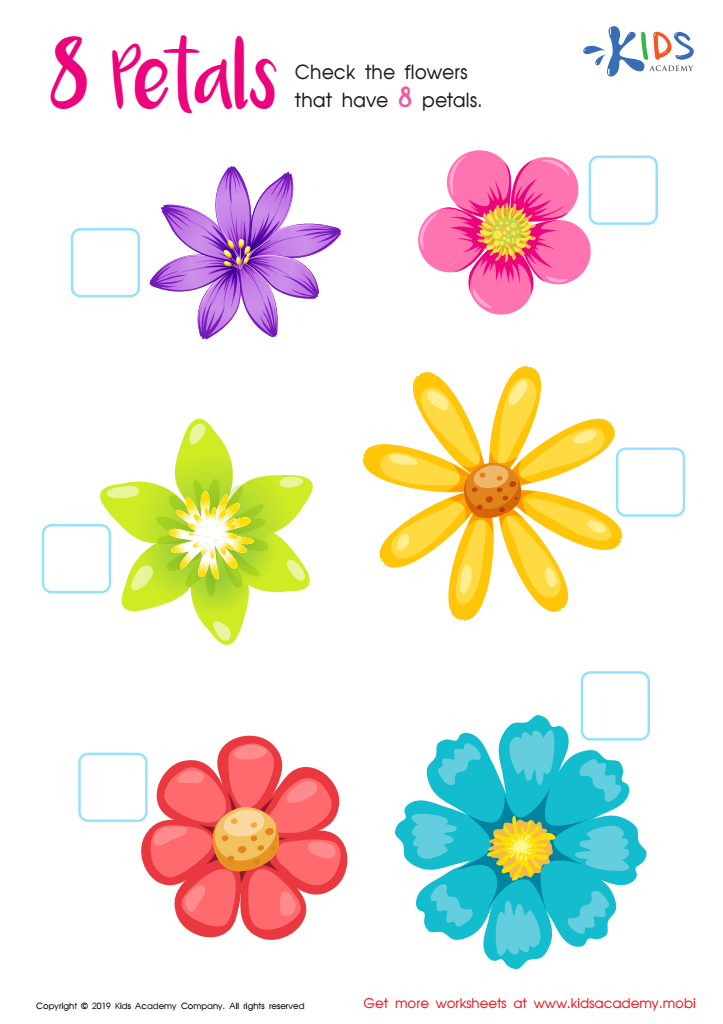
8 Petals Worksheet
Help your children master counting with this fun worksheet. It's filled with colorful flowers and they must count the petals and check the flowers with 8 petals. It's a great way to practice their counting skills and have some fun too!
 Assign to My Students
8 Petals Worksheet
Worksheet
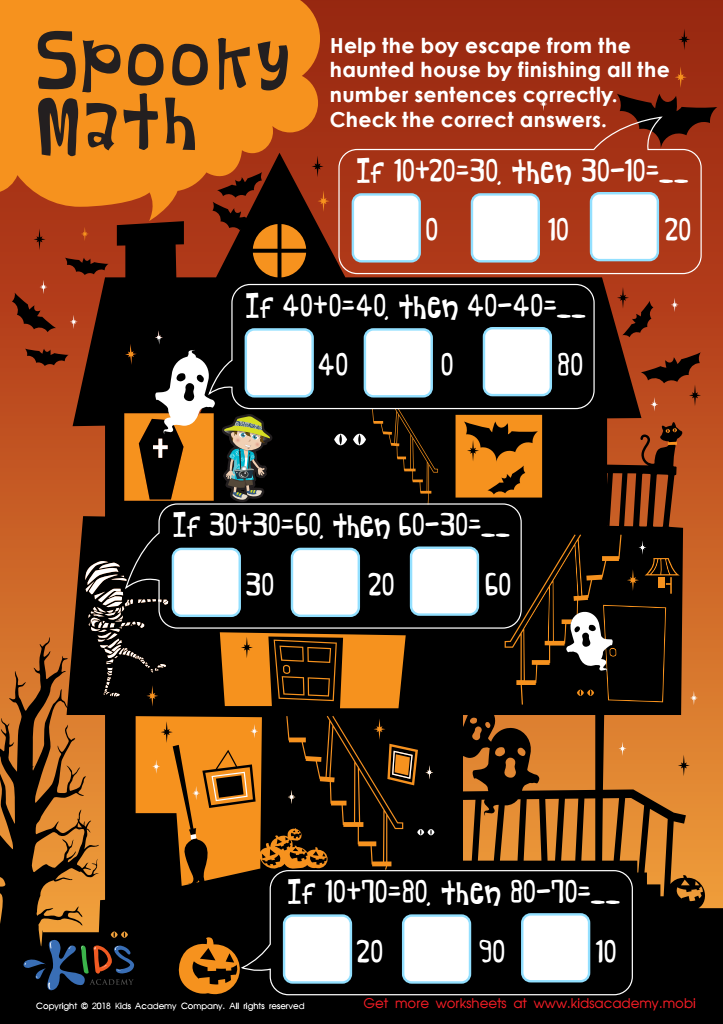
Subtract Tens: Spooky Math Worksheet
No need to fear solving math equations! Your mathematician will be a hero and help the boy escape the haunted house. Number families, if/then statements, fun graphics and increased understanding are all part of the equation. They'll have so much fun, they won't even realize it's math!
Subtract Tens: Spooky Math Worksheet
Worksheet
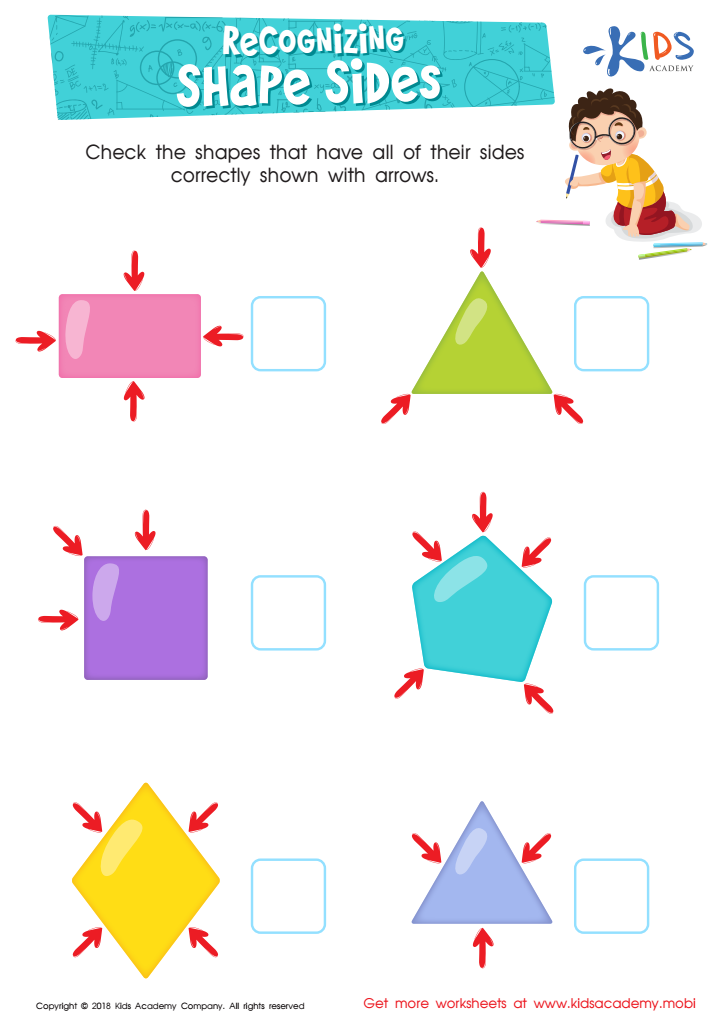
Recognizing Shape Sides Worksheet
This exercise will help your child recognize shape sides. Go over the difference between sides and angles first, then have them check the shapes with arrows to show the sides. They'll quickly get the hang of it and find it much easier after completing the colorful worksheet.
Recognizing Shape Sides Worksheet
Worksheet
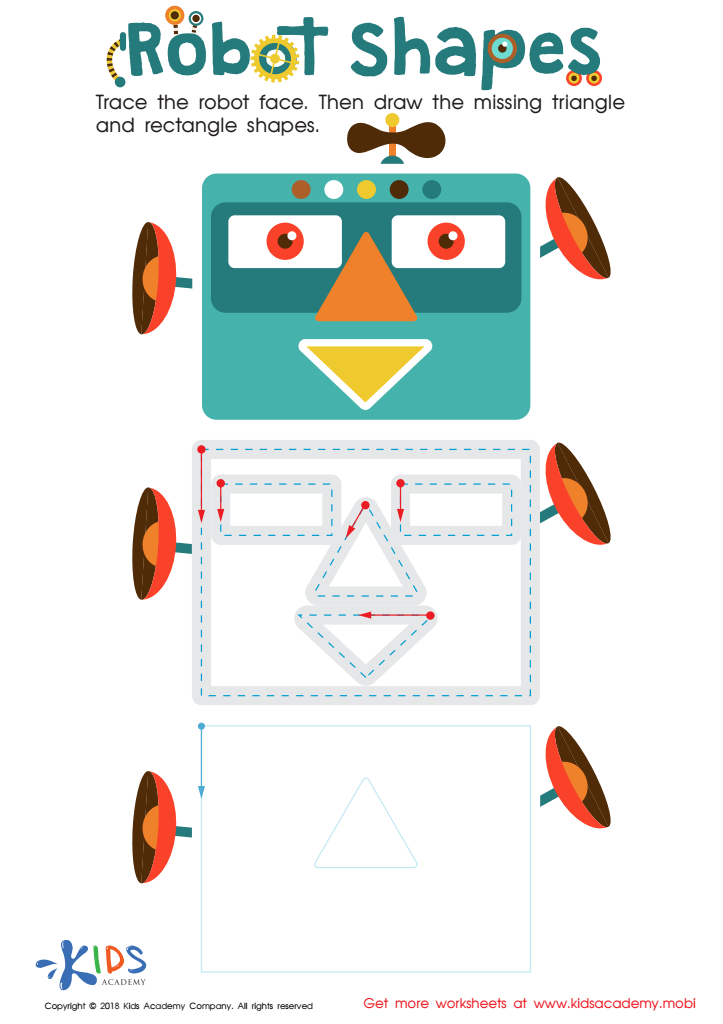
Robot Shapes Worksheet
Help your preschooler get started with math skills while having fun with this shape tracing worksheet featuring a cute robot! Ask them to study the first image, trace the dotted lines to draw the shapes in the second, and color the third. With this activity, they'll learn shapes while enjoying the funny robot pictures!
Robot Shapes Worksheet
Worksheet
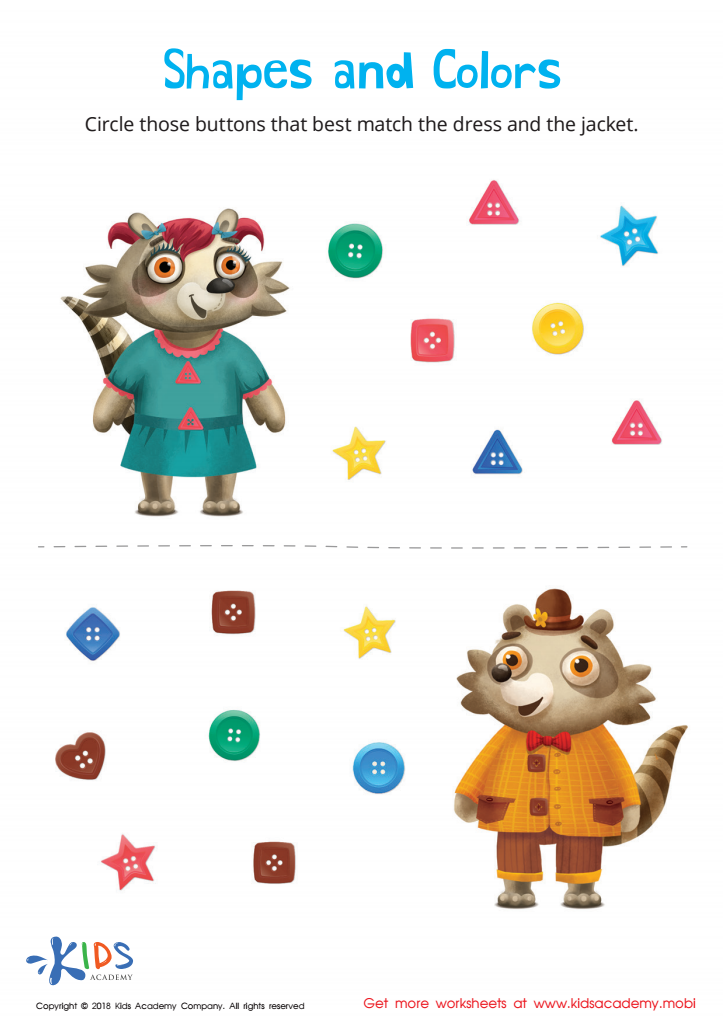
Shapes and Colors Worksheet
This worksheet is a fun way to teach toddlers shapes and colors! It has them match buttons on adorable racoon characters. Encourage your child to note the shape and color of the buttons then sort through and circle the matches. This helps build important attention to detail skills!
Shapes and Colors Worksheet
Worksheet
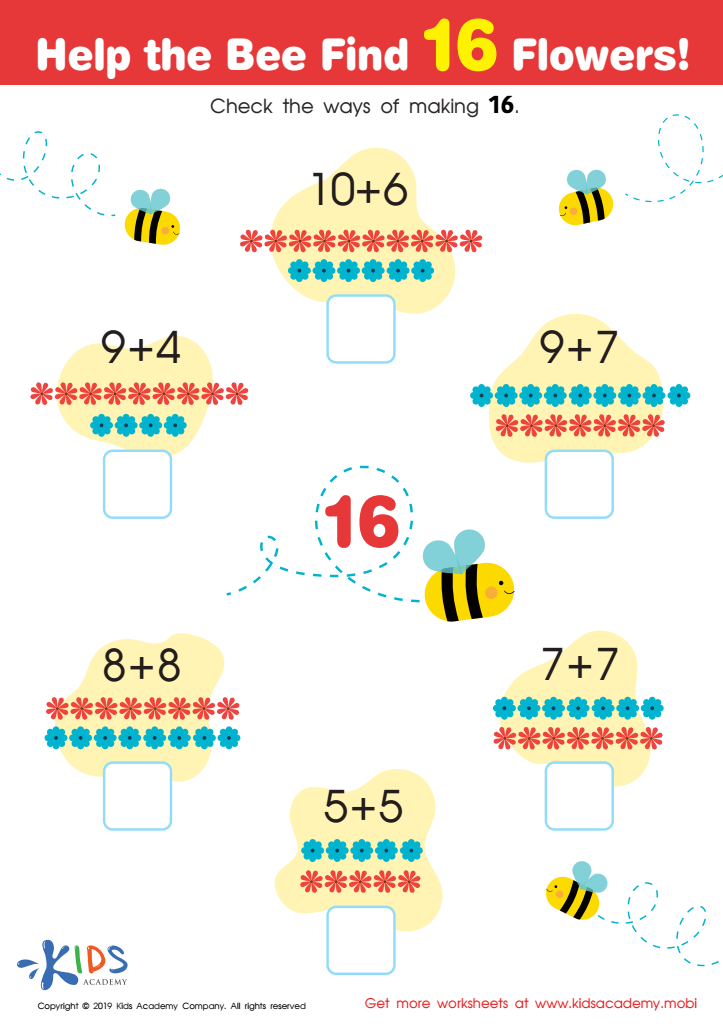
Help the Bee Find 16 Flowers Worksheet
Ask your students to count as high as they can. Show them that different numbers can equal the same figure with examples like 2+2=4 and 3+1=4. Ask for more examples, then help the bees find 16 flowers by checking the ways of making 16.
Help the Bee Find 16 Flowers Worksheet
Worksheet
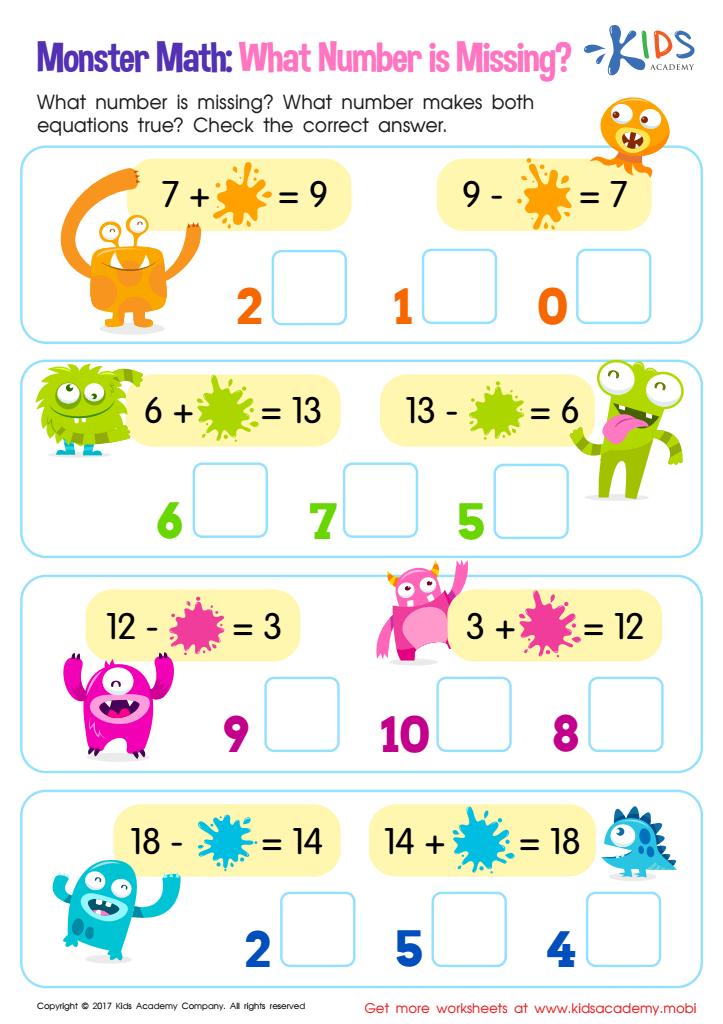
Missing Number: Monster Math Worksheet
Engage your child in monster math fun with a worksheet! They'll need to use their counting, addition and subtraction skills to solve equations on both sides. On the left side, they must complete an addition problem and on the right, the equation is in subtraction form. Assist them in selecting the right number out of the given options to make both equations true.
Missing Number: Monster Math Worksheet
Worksheet
Join Kids Academy for Free
Who is primarily going to use this learning content?







Following instructions is a crucial skill for children aged 3-6, forming a foundational element in their learning and development, particularly in subjects like math. At this age, children are naturally curious and eager to explore concepts that set the stage for future academic success. When they learn to follow instructions in a structured manner, they not only develop essential cognitive skills but also increase their ability to work independently and collaboratively.
Math skills, such as counting, recognizing shapes, and understanding basic operations, require clear guidance and step-by-step learning. By emphasizing the importance of following instructions, parents and teachers help young learners establish routines that promote focus and discipline, essential traits for overcoming challenges throughout their education. Additionally, effectively following directions can boost children's self-esteem and confidence, as they experience the satisfaction of completing tasks accurately.
Moreover, consistent practice of following instructions in mathematical activities lays the groundwork for higher-order thinking, problem-solving, and critical reasoning skills. Ultimately, when parents and teachers nurture this ability, they guide children toward becoming successful learners, ready to embrace more complex concepts in math and other subjects as they advance in their education.








