Cognitive Development Normal Matching Worksheets for Ages 3-6
4 filtered results
-
From - To
Discover our engaging "Cognitive Development Normal Matching Worksheets" designed specifically for children ages 3-6. These worksheets foster essential cognitive skills, including critical thinking, memory, and attention. Each activity encourages kids to match items, enhancing their understanding of relationships and categories. Ideal for home or classroom use, our worksheets support early learners in developing fundamental cognitive abilities while promoting fun and creativity. Each printable worksheet is crafted to ensure an enjoyable learning experience, facilitating essential skills that lay the groundwork for future learning. Explore our resources today to give your child the cognitive edge they need for academic success!
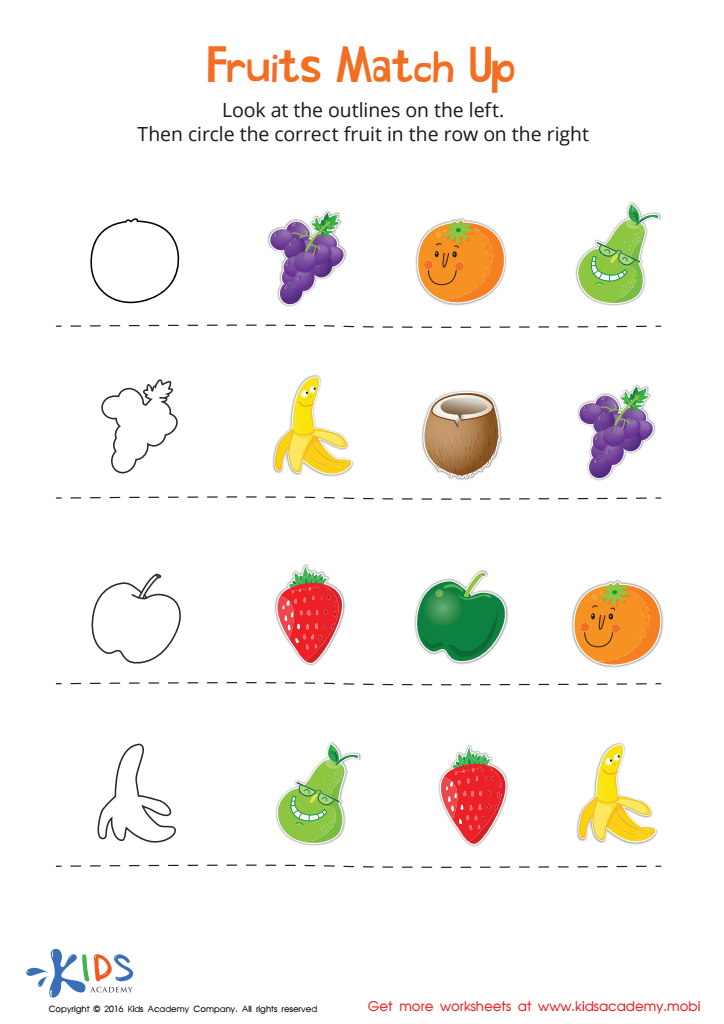
Fruits Match Up Worksheet
 Assign to My Students
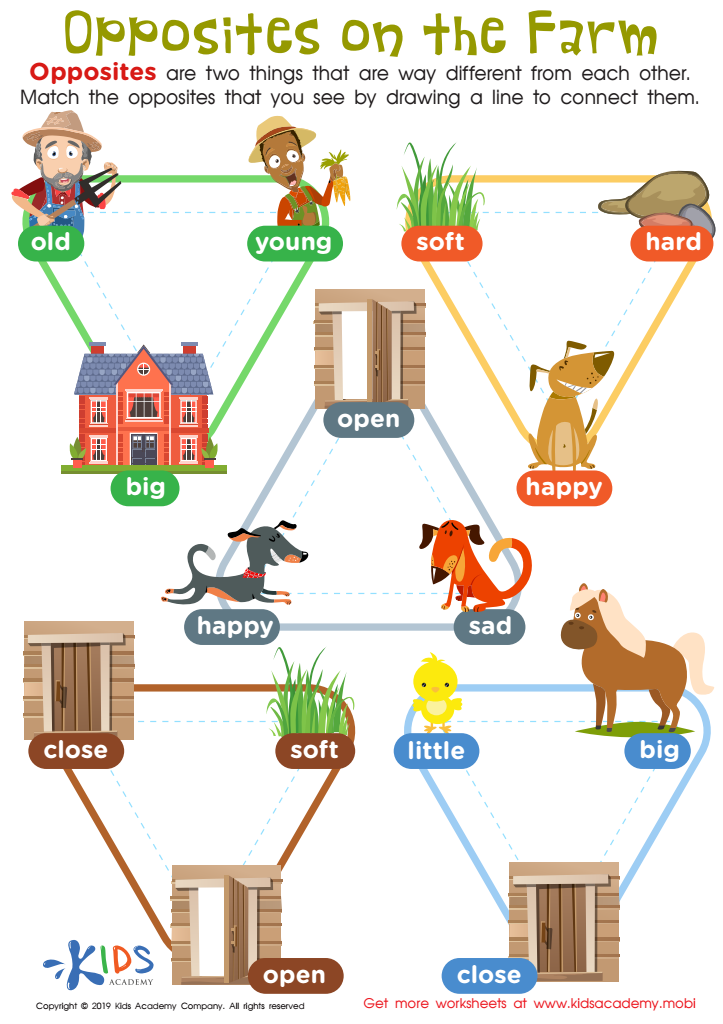
Opposites on the Farm Worksheet
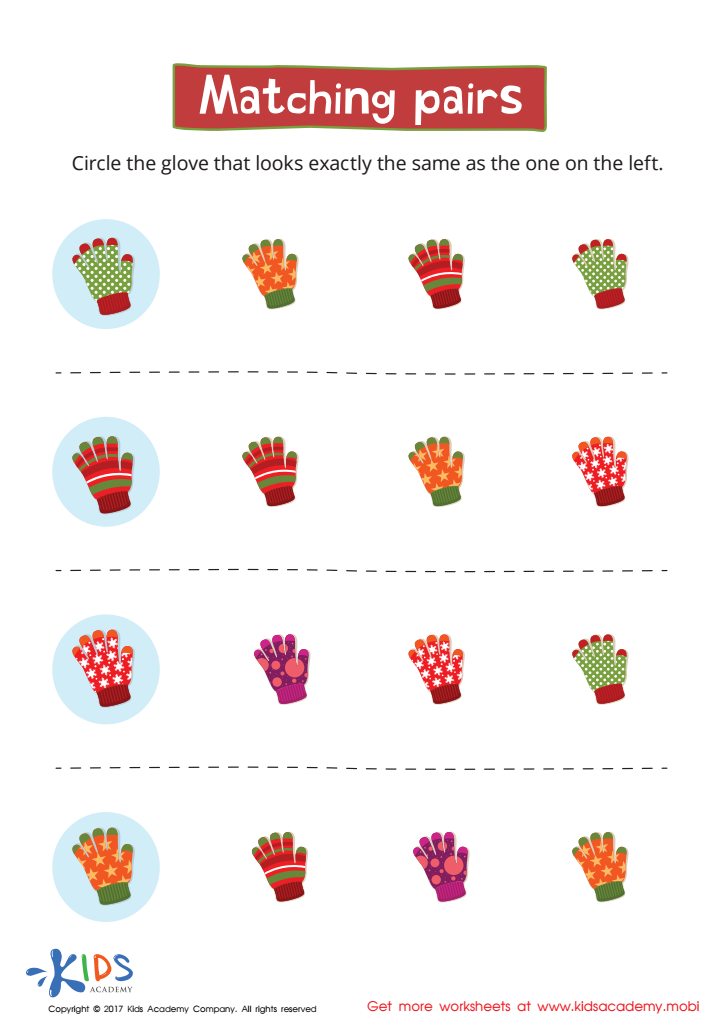
Matching: Matching Pairs Worksheet
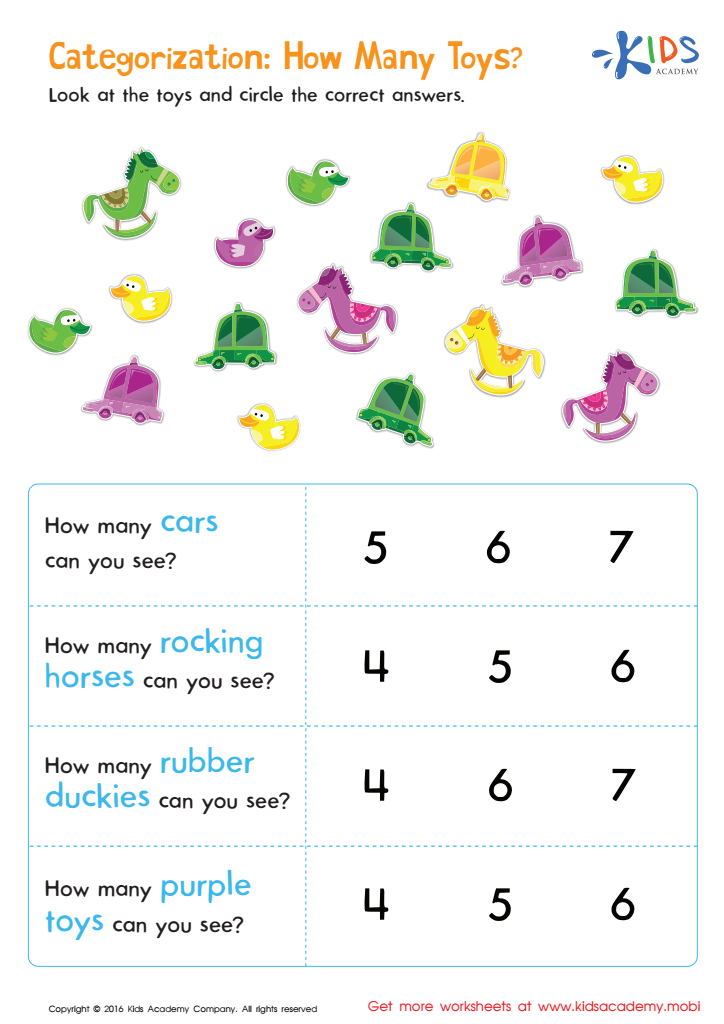
Classifying Toys by Type and Color Sorting Worksheet








Cognitive development is a crucial aspect of early childhood that plays a foundational role in how children learn, think, and understand the world around them. Between the ages of 3 to 6, children are exploring various concepts such as size, number, and relationships. Normal matching skills, the ability to identify similarities and differences among objects, are vital at this stage as they underpin more complex cognitive abilities.
Parents and teachers should prioritize this aspect of cognitive development because it fosters critical thinking and problem-solving skills in young children. Engaging in activities that encourage matching—like sorting colors or sizes—stimulates brain development and enhances memory retention. These activities promote social skills too, as children learn to share and cooperate while playing together.
Supporting normal matching skills enables children to grasp basic mathematical concepts and boosts their confidence when facing new challenges. Furthermore, understanding cognitive milestones helps parents and teachers recognize when a child may need additional support, leading to timely interventions. Ultimately, nurturing cognitive development builds a strong educational foundation, setting children on a path to successful lifelong learning. By valuing this crucial stage, adults can help shape inquisitive, resilient, and capable individuals.








