
Critical Thinking Normal Sorting Worksheets for Ages 3-6
3 filtered results
Difficulty Level
Grade
Age
-
From - To
Subject
Activity
Standards
Our "Critical Thinking Normal Sorting Worksheets for Ages 3-6" are expertly designed to engage young minds and foster cognitive skills. These printable worksheets guide children through activities that improve their ability to categorize and sort items by different attributes such as color, shape, and size. Emphasizing critical thinking, these exercises help develop problem-solving abilities, concentration, and attention to detail. Perfect for preschoolers and kindergarteners, our sorting worksheets provide a fun and educational foundation for young learners, making early math concepts accessible and enjoyable. Help your child excel with these essential, brain-boosting activities from Kids Academy!
Favorites
With answer key
Interactive
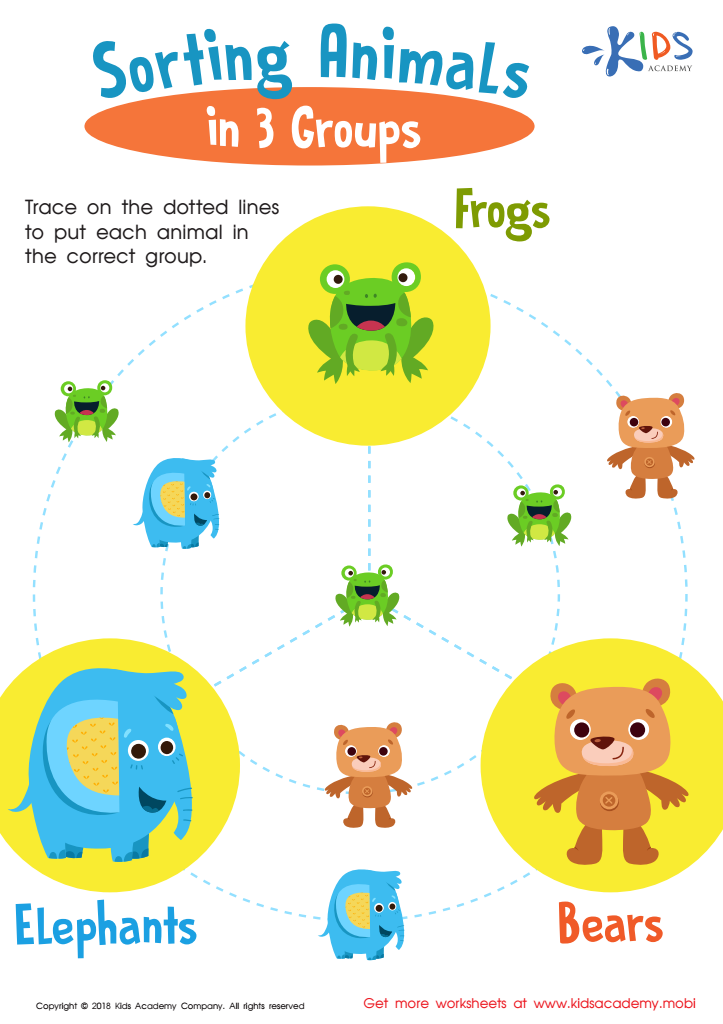
Sorting Animals in 3 Groups Worksheet
Let your kids practice and build skills for future Venn Diagrams with this PDF worksheet. They'll trace lines to match and group animals, and learn the differences and similarities of animals by categorizing with pictures and words. Plus, it's a great way to develop fine motor skills.
 Assign to My Students
Sorting Animals in 3 Groups Worksheet
Worksheet
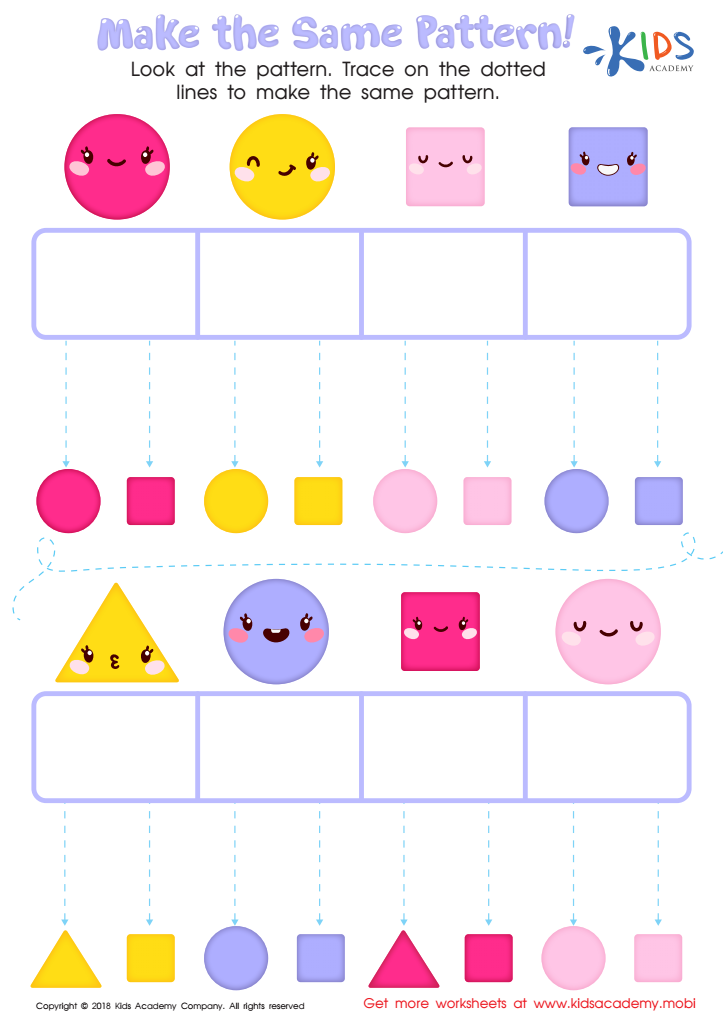
Make the Same Pattern Worksheet
Help your child look at the patterns in the tracing sheet and guide them to trace the dotted lines to match the shapes. This exercise tests their ability to copy pictures correctly, so emphasize the importance of paying attention to the instructions and details.
Make the Same Pattern Worksheet
Worksheet
Join Kids Academy for Free
Who is primarily going to use this learning content?


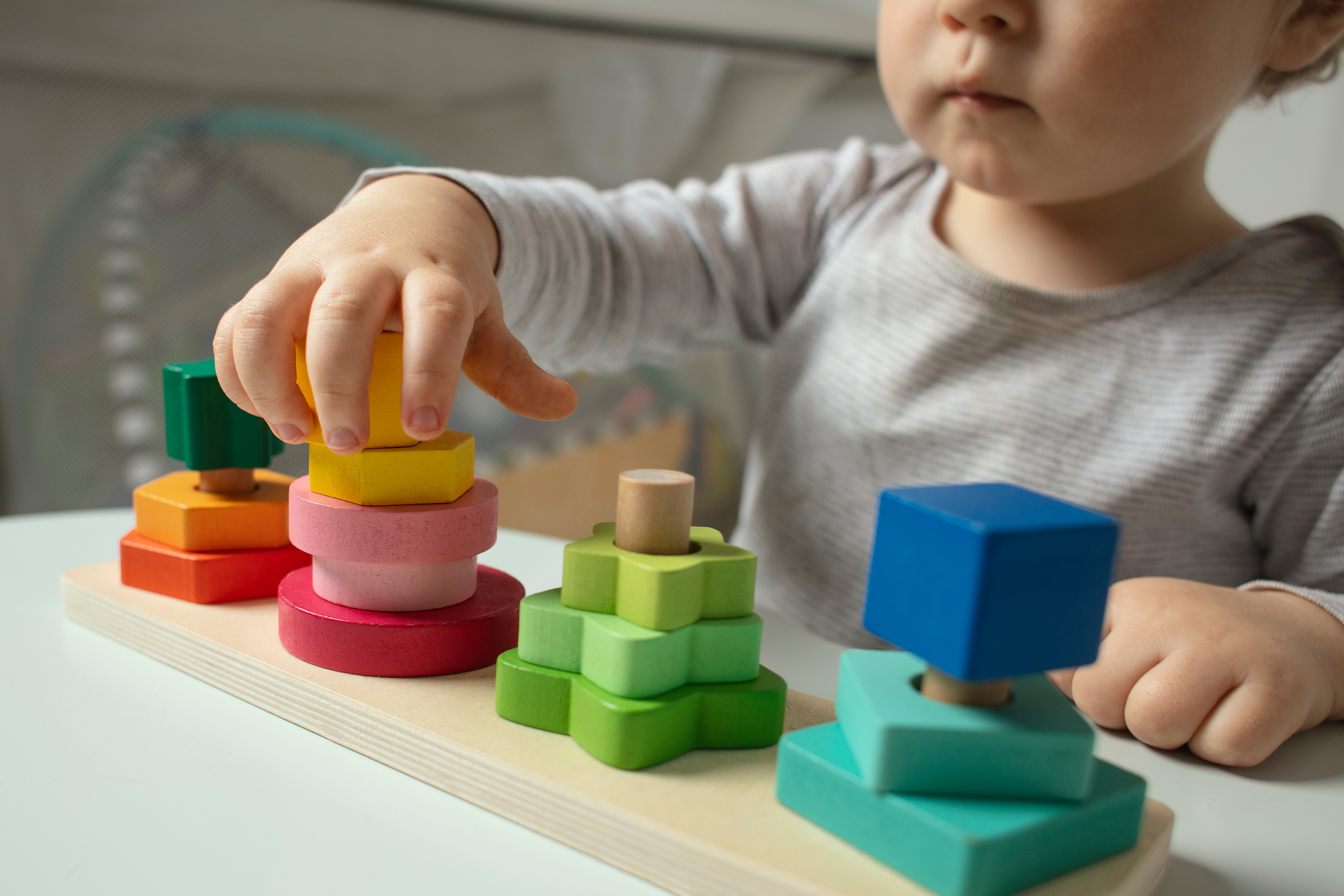





Critical thinking normal sorting activities are beneficial for children aged 3-6 because they lay the foundation for essential cognitive skills. Engaging in sorting tasks helps children make decisions based on observable attributes such as color, shape, size, and category. This practice sharpens their ability to observe, analyze, and classify information – key components of critical thinking.
When children sort objects, they also develop problem-solving skills. Sorting encourages them to think logically about different features and group items in a meaningful way. This process supports mathematical thinking, as they begin to understand concepts of similarities and differences, and patterns and categorization.
Furthermore, these activities aid in language development. As children describe the sorting criteria and explain their choices, they expand their vocabulary and improve their expressive language skills. This promotes better communication and reasoning abilities.
Engaging in sorting tasks also builds self-confidence and independence as children learn to make decisions on their own. These exercises act as early steps toward more complex cognitive planning and sequential thought processes in later stages of education.
Teachers and parents should care about critical thinking normal sorting because they cultivate a child’s early ability to think critically, reason effectively, and communicate clearly, which are crucial skills for their success in both academic and everyday life experiences.








