Story sequencing Normal Reading Fiction Worksheets for Ages 3-6
12 filtered results
-
From - To
Enhance your child's reading comprehension and critical thinking with our "Story Sequencing Normal Reading Fiction Worksheets" designed for ages 3-6. These engaging and colorful worksheets focus on building essential skills by helping children understand the order of events in a story. Through fun and interactive activities, young learners will practice arranging story elements sequentially, improving their ability to grasp narrative structure. Perfect for at-home education or classroom use, these worksheets support early literacy development by fostering a love for reading while honing the skills needed for academic success. Experience the joy of storytelling with our expertly crafted materials.
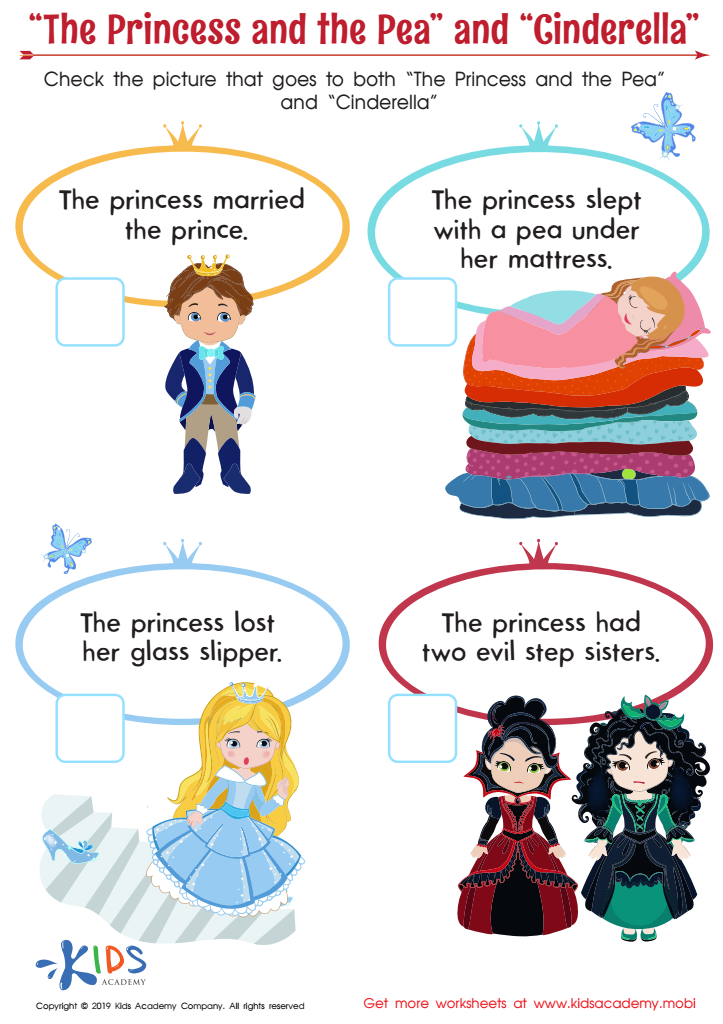
“The Princess and the Pea” and “Cinderella” Worksheet
 Assign to My Students
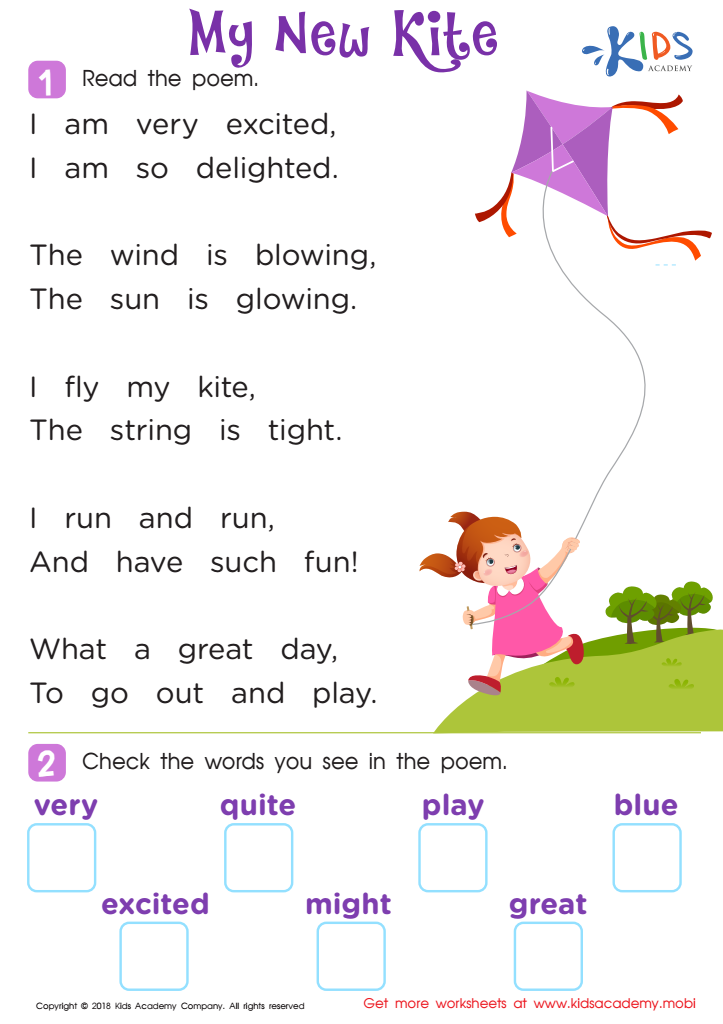
Poem: My New Kite Worksheet
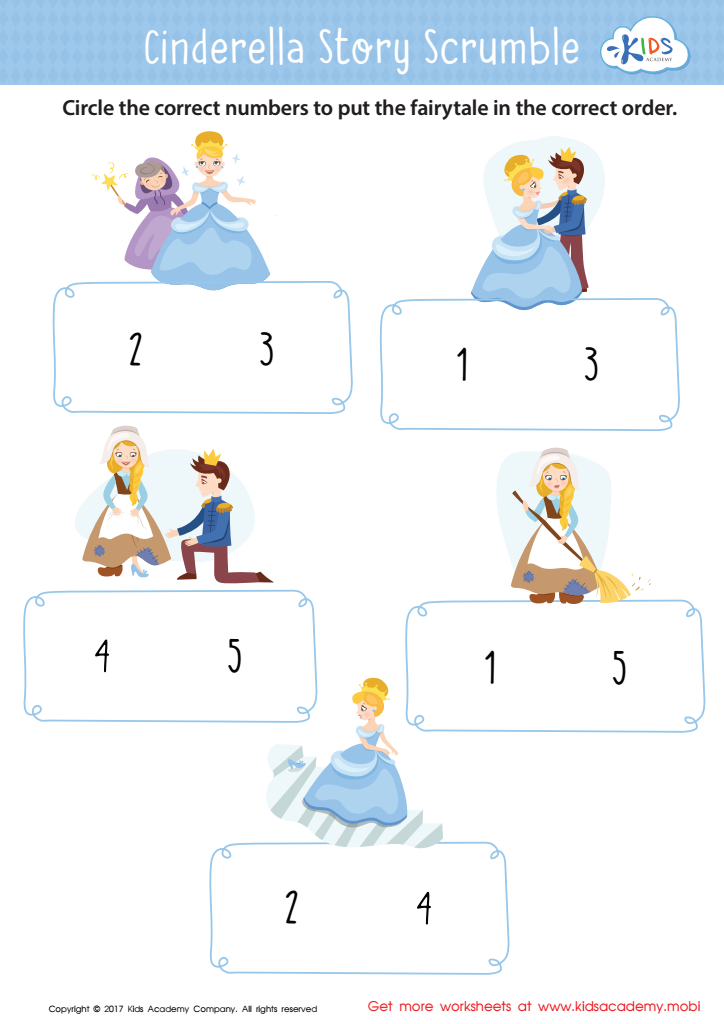
Cinderella Story Sequencing Worksheet
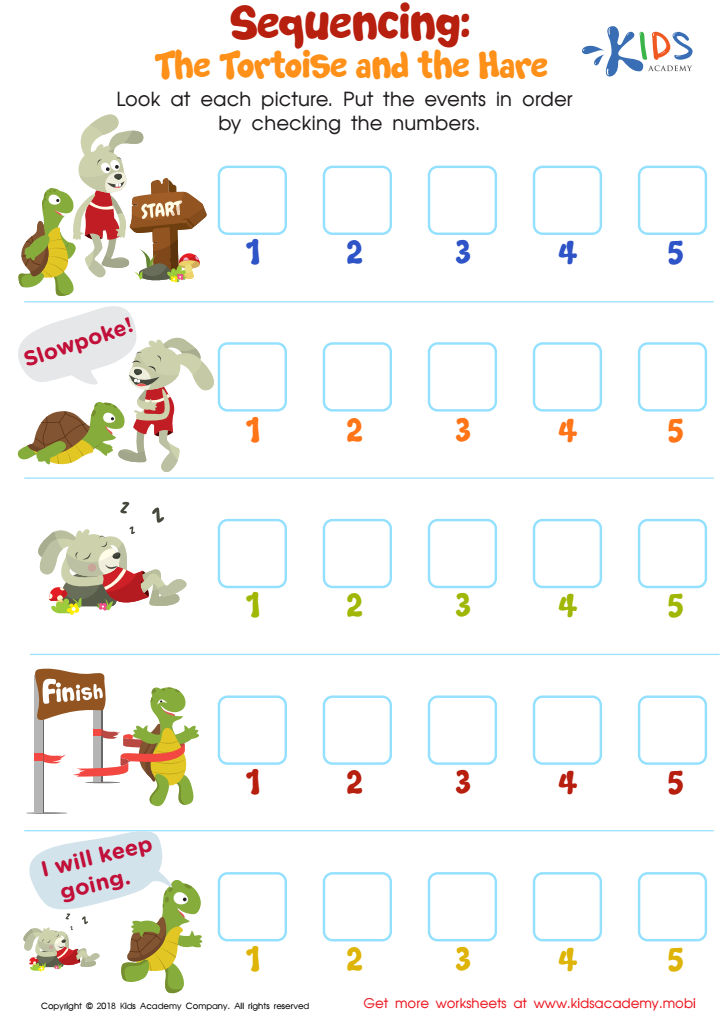
Sequencing: The Tortoise and the Hare Worksheet
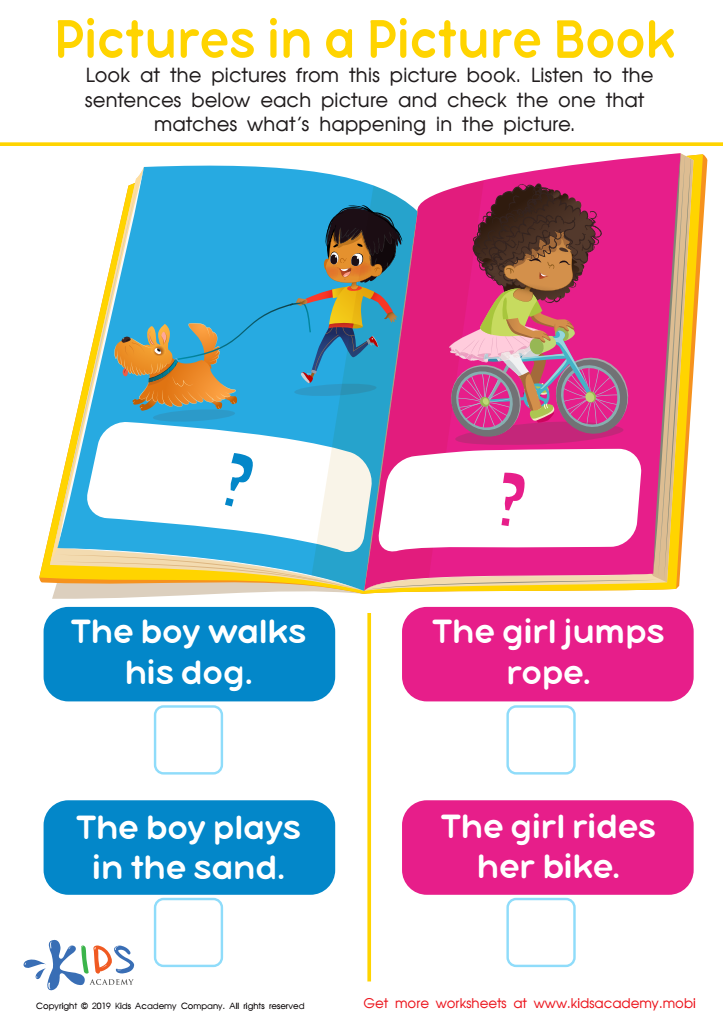
Picture in Books Worksheet
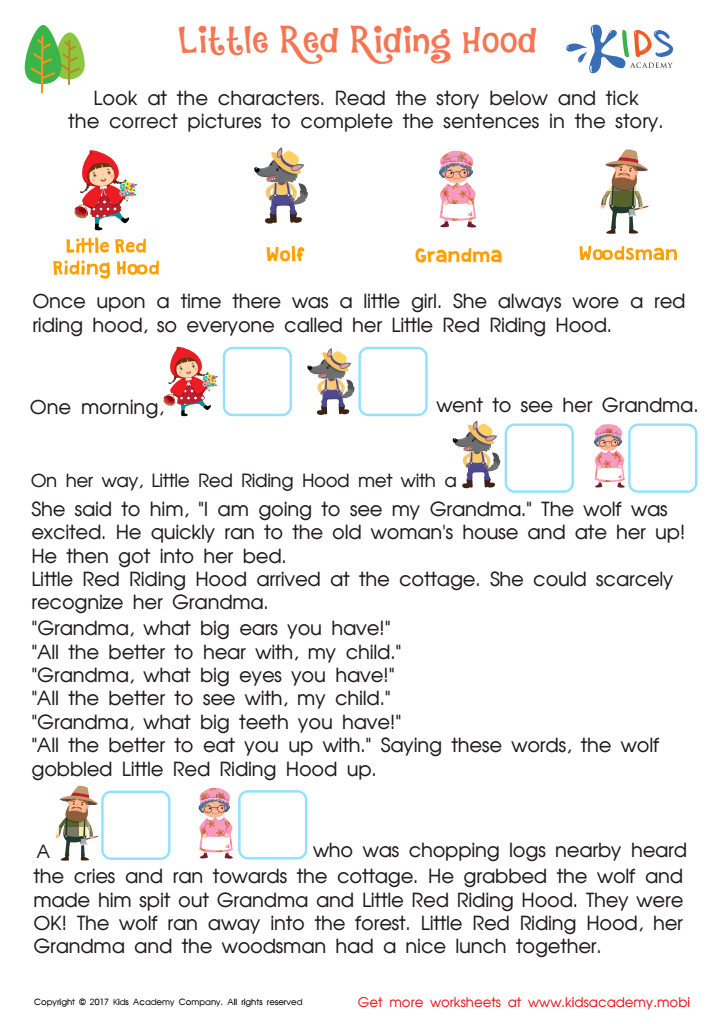
Little Red Riding Hood Printable
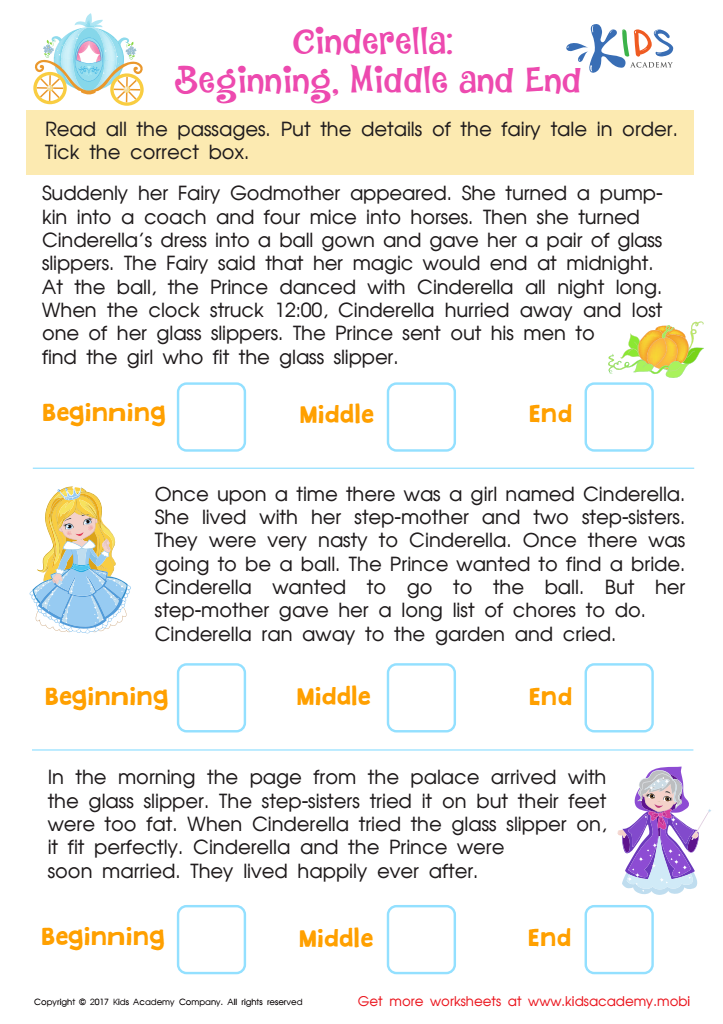
Cinderella: Beginning, Middle and End Worksheet
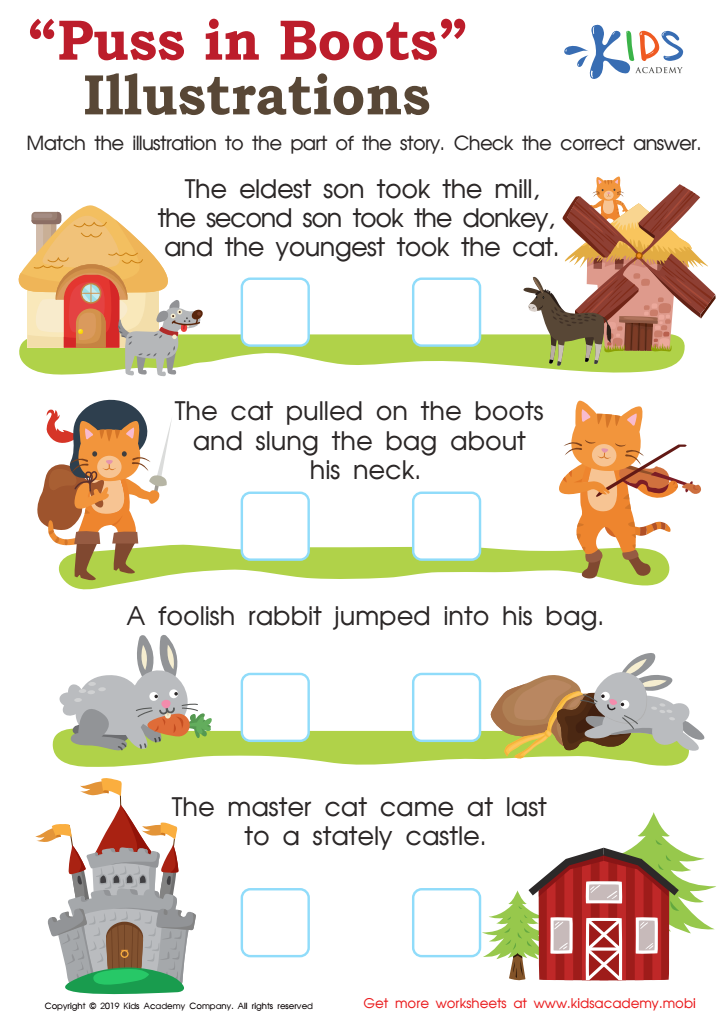
Puss in Boots Illustrations Worksheet
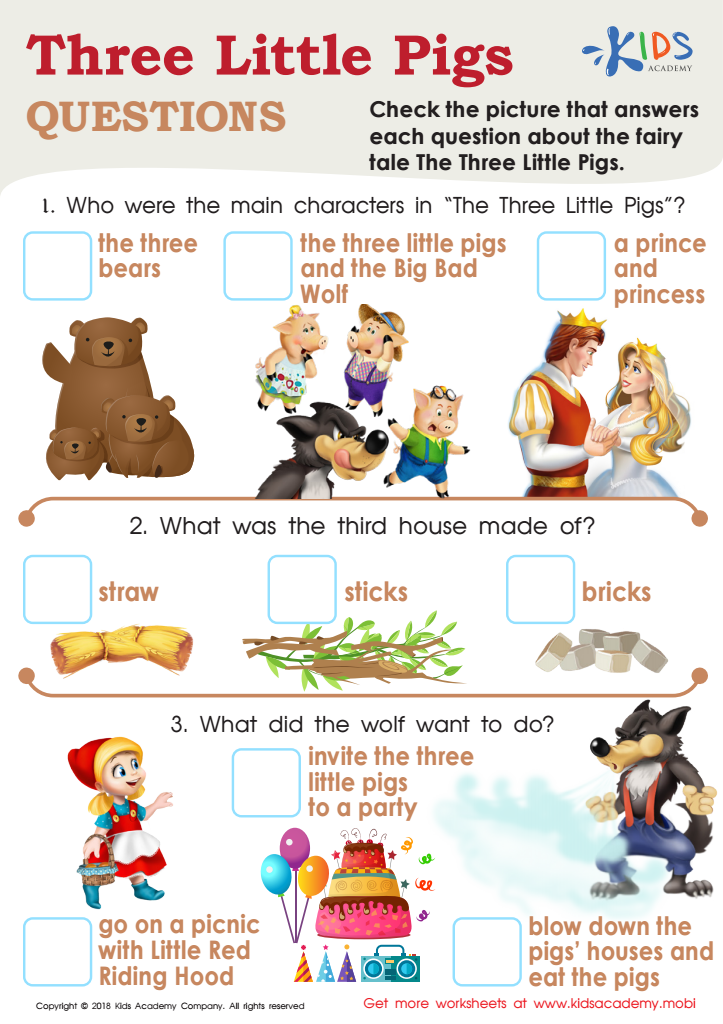
Three Little Pigs Questions Worksheet
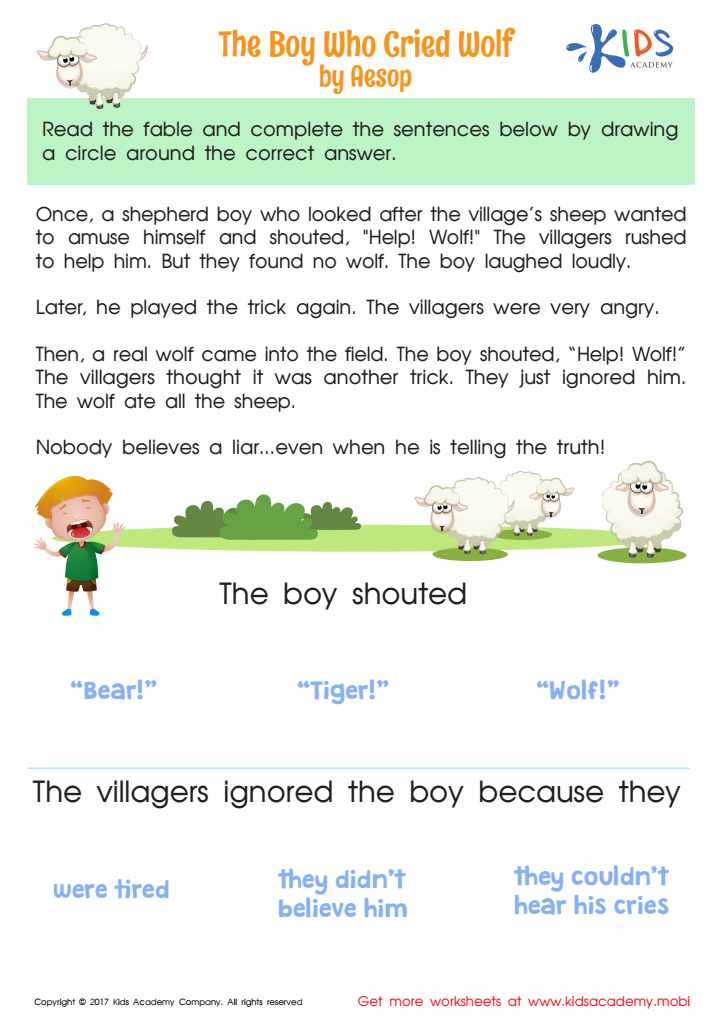
The Boy Who Cried Wolf Worksheet
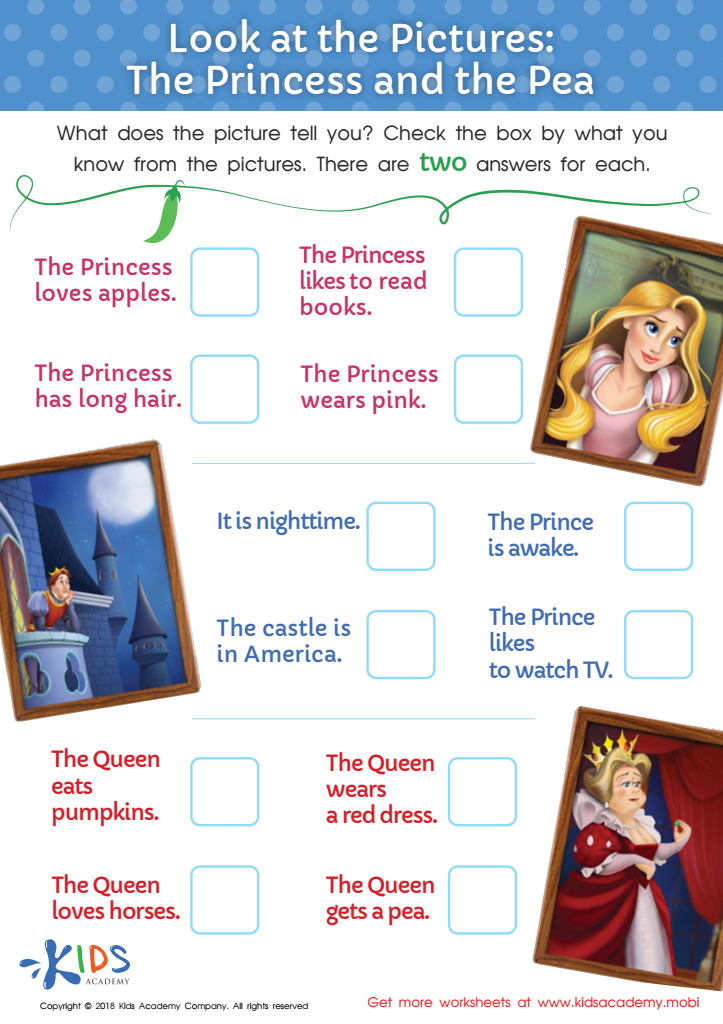
Look at the Pictures: The Princess and the Pea Worksheet
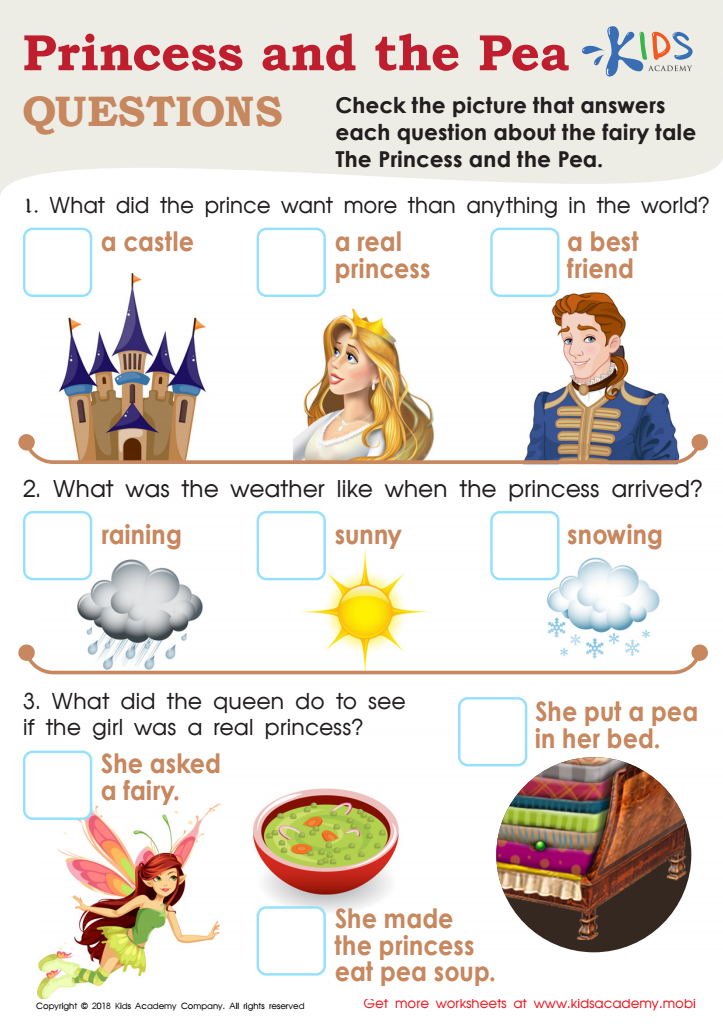
Princess and the Pea Questions Worksheet








Story sequencing is the ability to order events in a coherent structure, an essential skill for young children's cognitive and language development. Parents and teachers should prioritize story sequencing in normal reading fiction for ages 3-6 because it lays the foundation for both reading comprehension and critical thinking.
Firstly, sequencing helps children understand narrative structure, which is crucial for recognizing beginning, middle, and end parts of a story. This comprehension aids in predicting outcomes and understanding cause and effect within the story, bolstering their analytic skills.
Secondly, sequencing promotes memory retention. By recalling and ordering story events, children enhance their memory and attention to detail, which are critical for learning across all subjects. This skill also aids in connecting events to form a cohesive narrative, building their ability to follow longer, more complex texts as they grow.
Furthermore, storytelling and sequencing activities foster vocabulary development. Discussing the order of events encourages children to use descriptive language and varied sentence structures, enriching their verbal communication abilities.
Lastly, sequencing offers a platform for social and emotional learning. Children can empathize with characters whose experiences unfold over time, allowing them to cultivate empathy and understand diverse perspectives.
By integrating story sequencing in early reading practices, parents and teachers instill valuable skills, nurturing lifelong learners who are well-prepared for future academic endeavors.







