Reading comprehension Normal Science Worksheets for Ages 3-6
47 filtered results
-
From - To
Enhance early literacy skills with our engaging Reading Comprehension Normal Science Worksheets designed for children ages 3-6. These worksheets feature age-appropriate content that blends scientific concepts with reading exercises, making learning both fun and informative. Each activity encourages young learners to develop their comprehension abilities while exploring the wonders of science through captivating illustrations and simple texts. Perfect for parents and educators alike, these resources foster a love of reading and inquiry from an early age. Download our printable worksheets today and help your child build a solid foundation in reading and science! Ideal for at-home learning and classroom use.
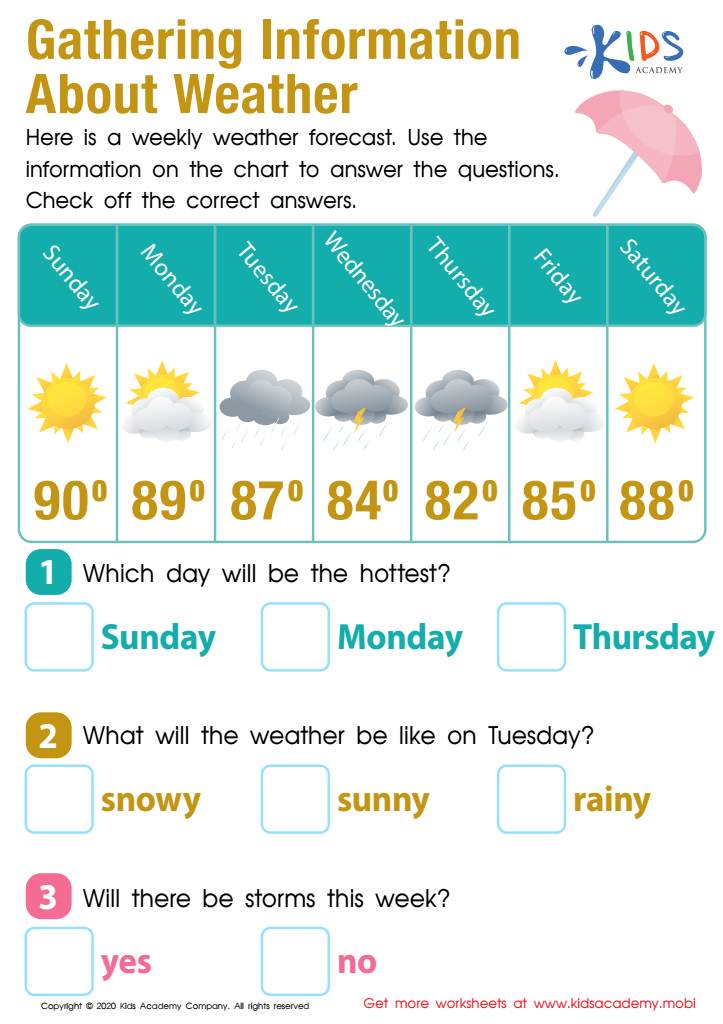
Gathering Information About the Weather Worksheet
 Assign to My Students
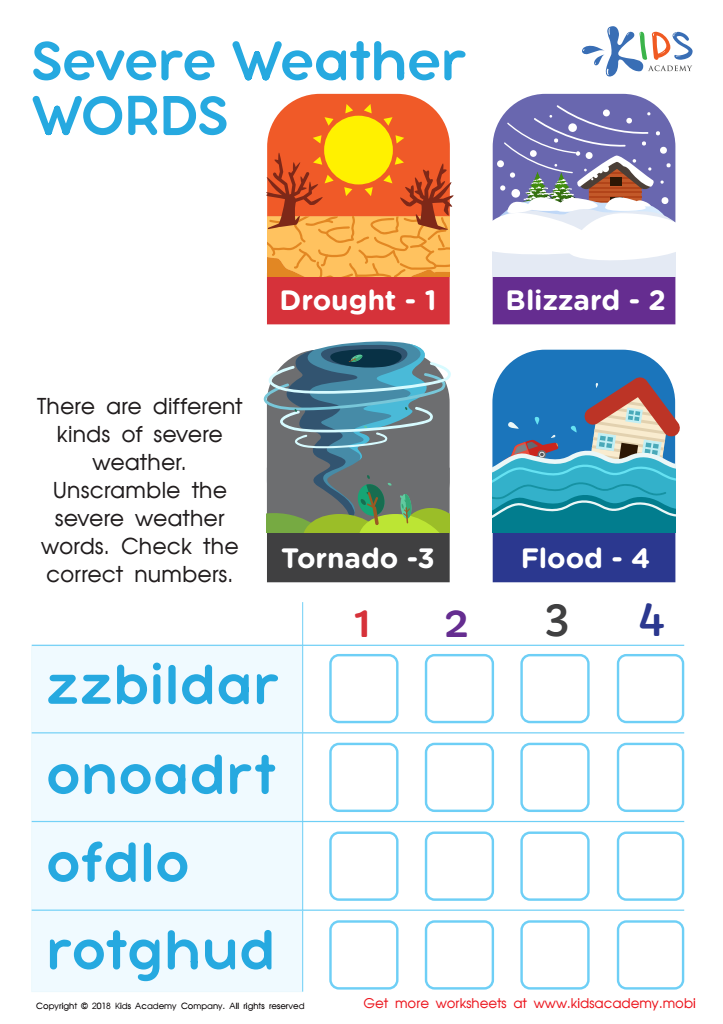
Severe Weather Words Worksheet
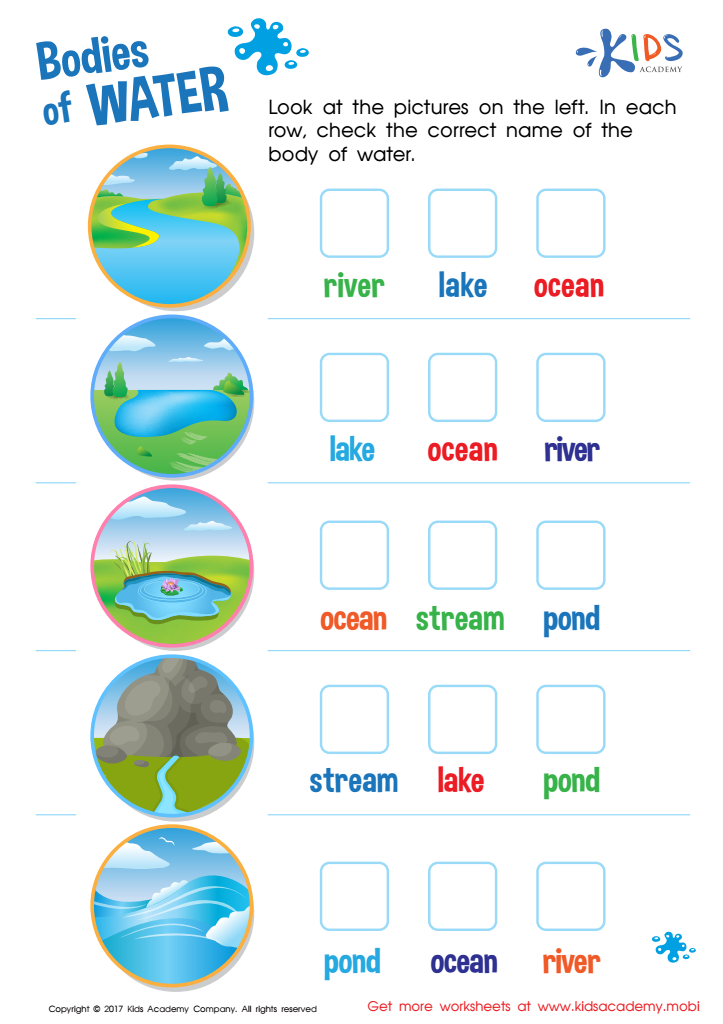
Bodies of Water Worksheet
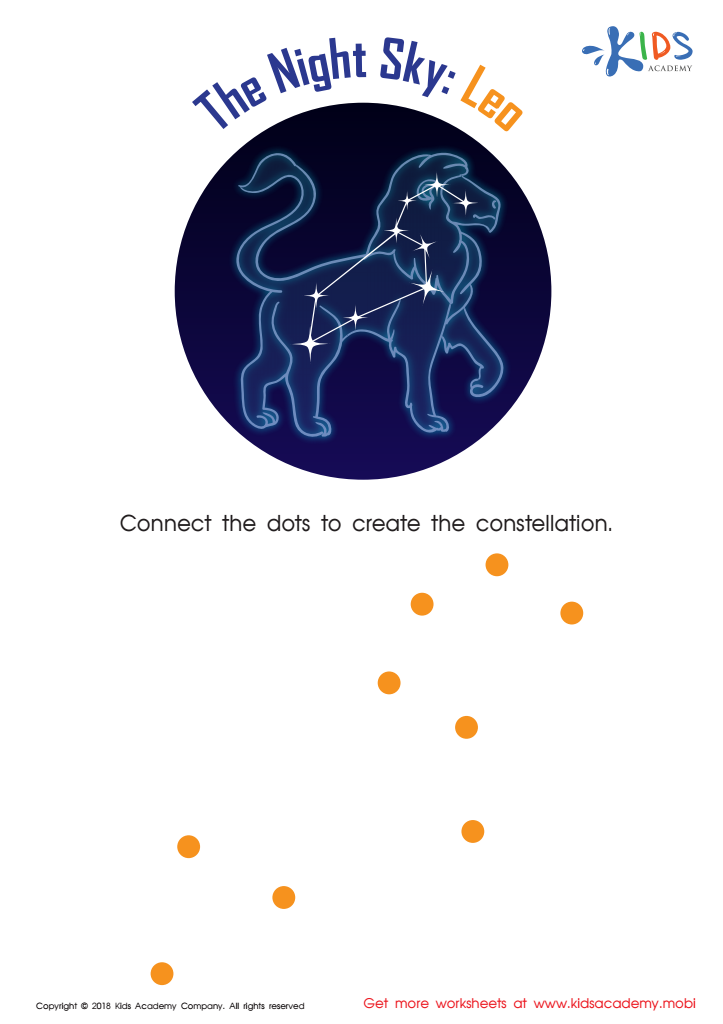
The Night Sky: Leo Worksheet
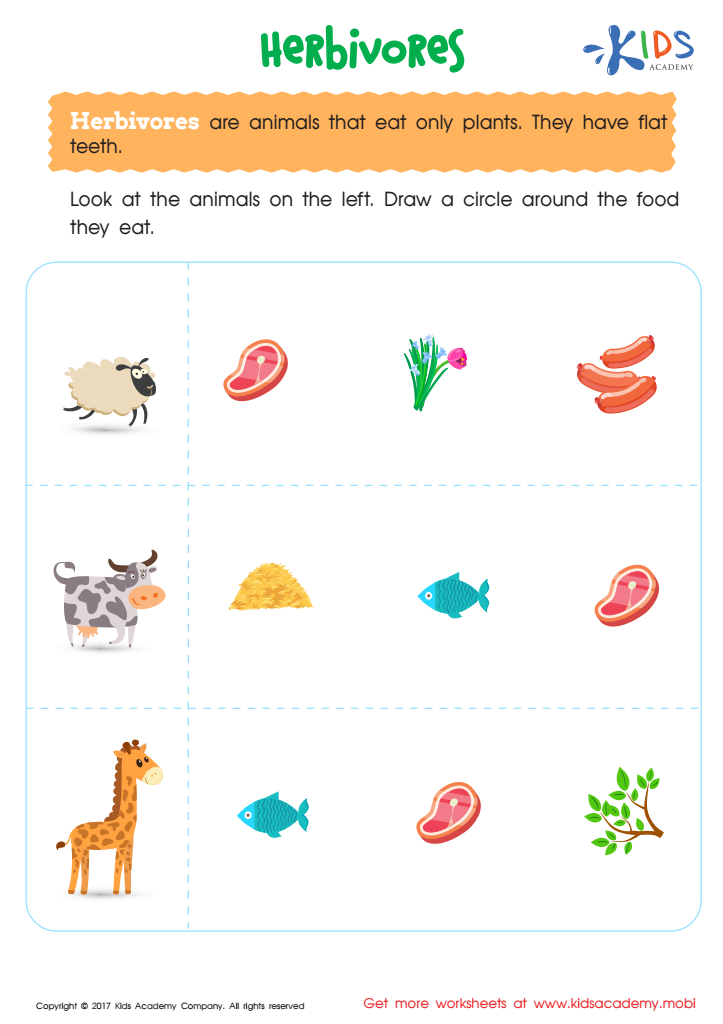
Herbivores Printable
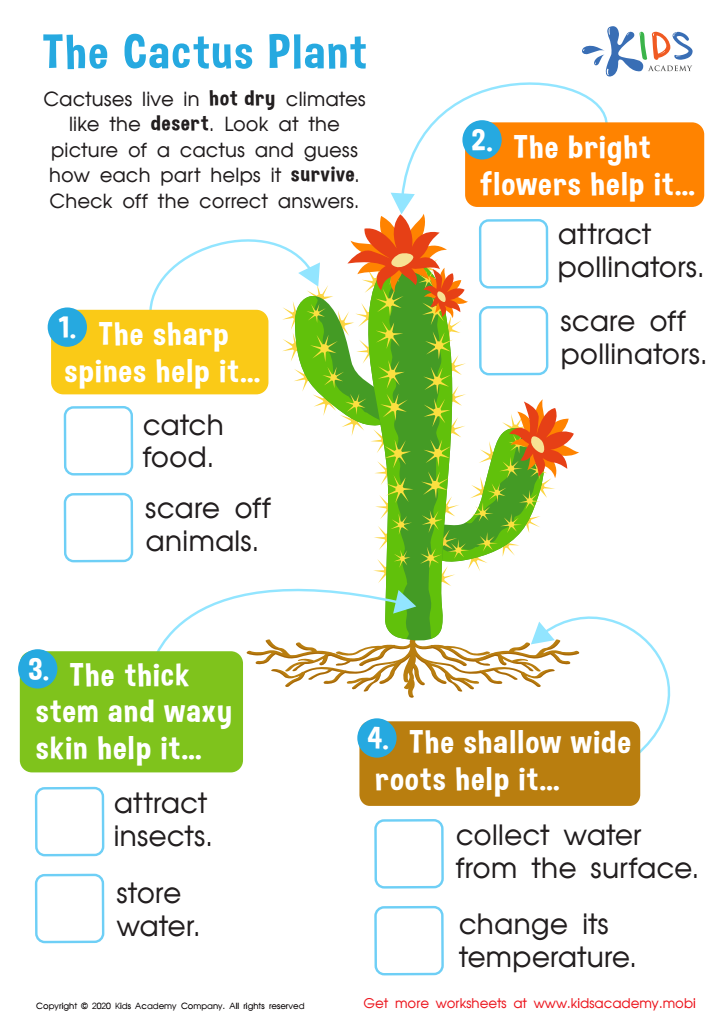
The Cactus Plant Worksheet
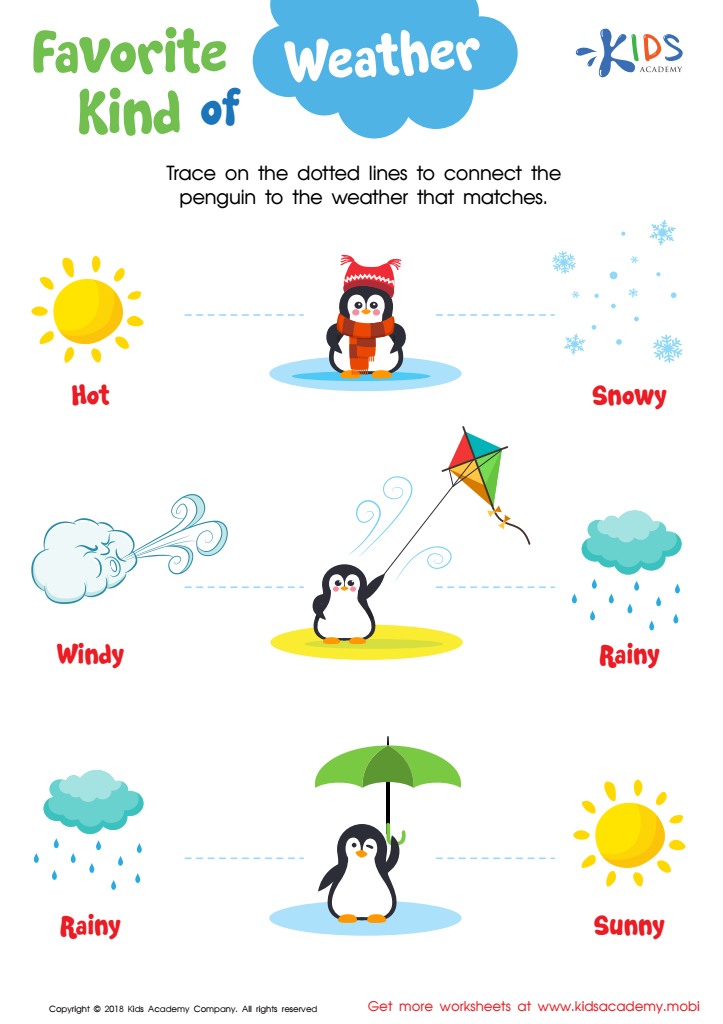
Favorite Kind of Weather Worksheet
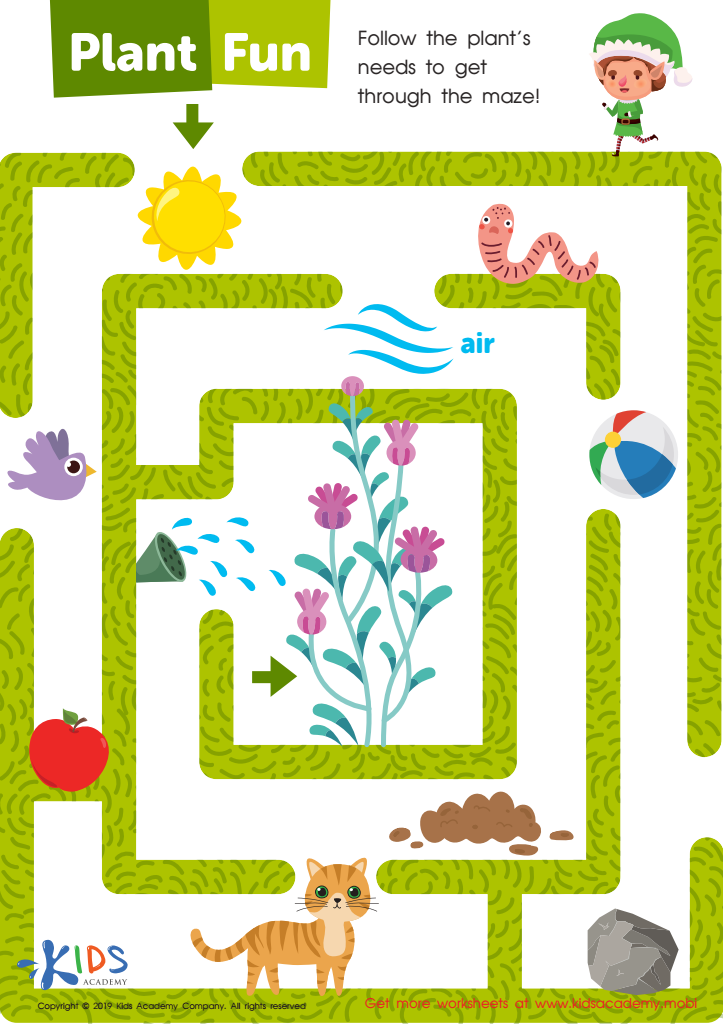
Plant Fun Worksheet
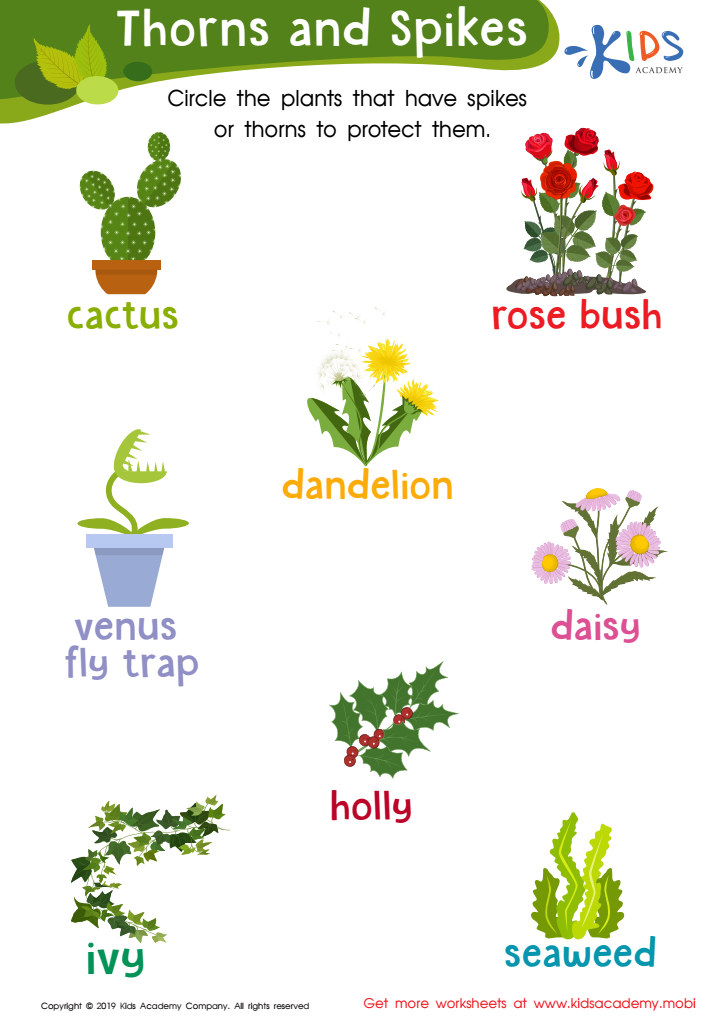
Thorns and Spikes Worksheet
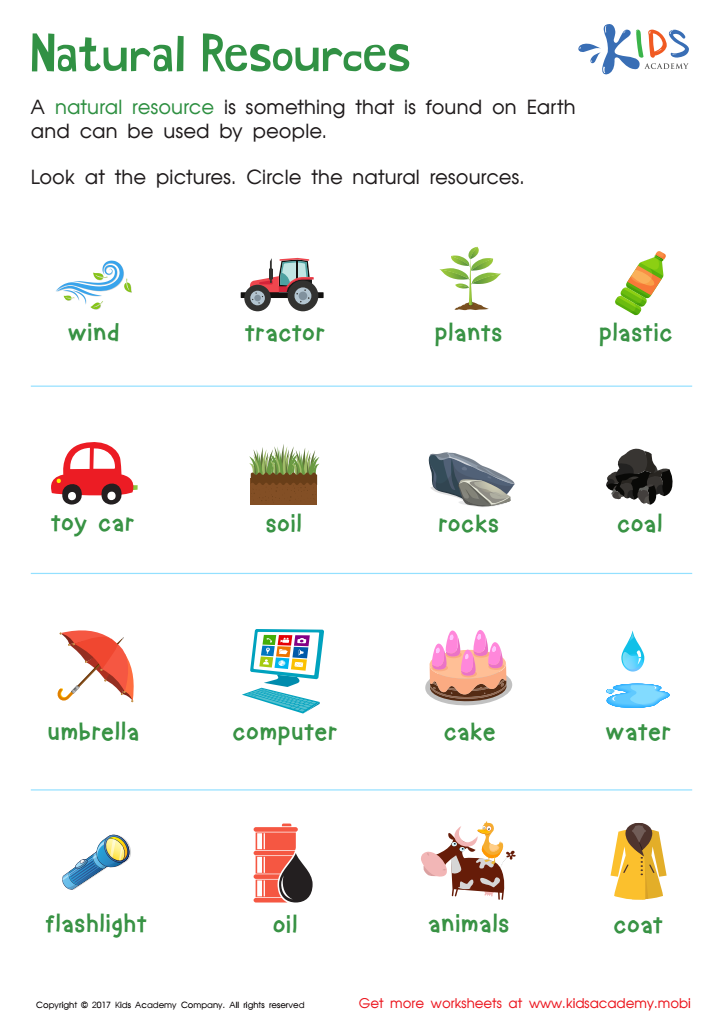
Natural Resources Worksheet
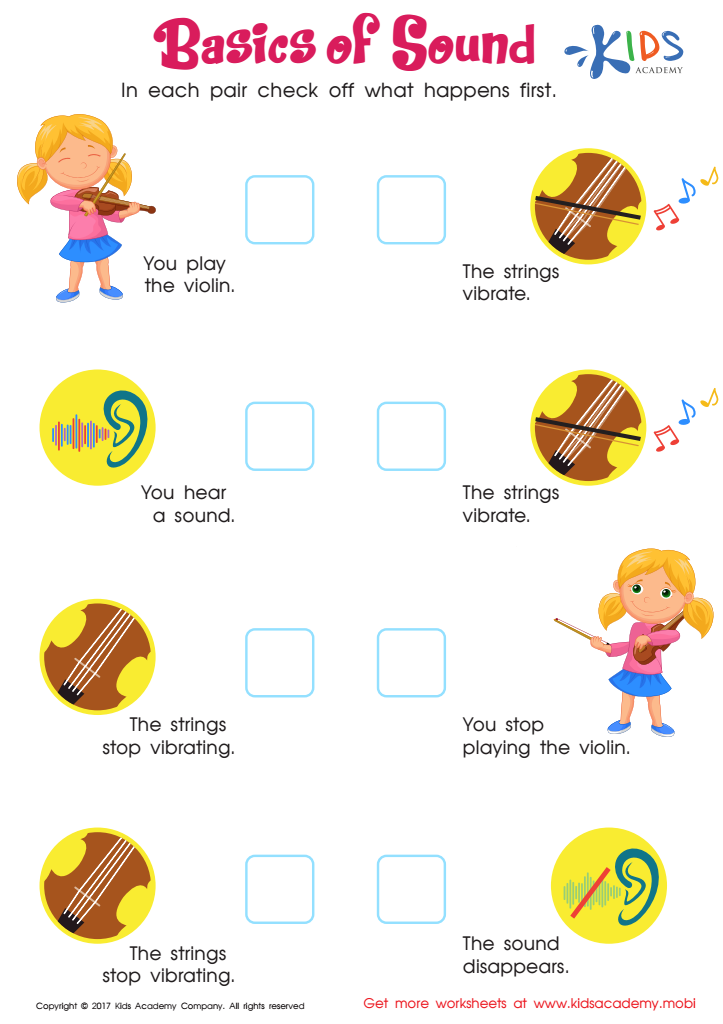
Basics Of Sound Worksheet
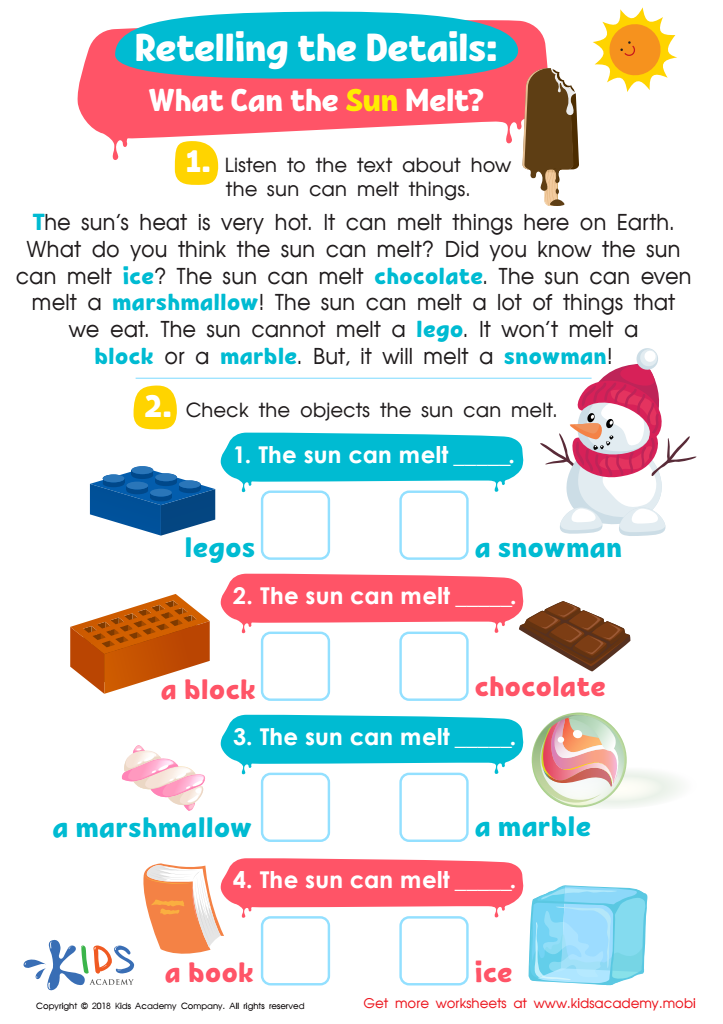
Retelling the Details: What Can the Sun Melt? Worksheet
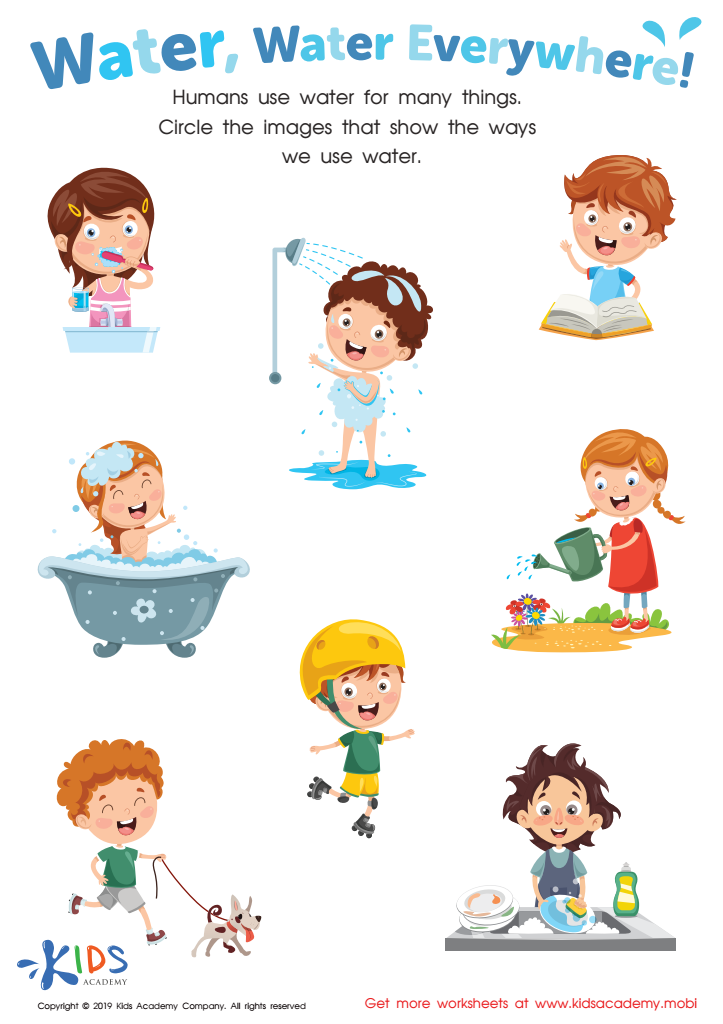
Water, Water Everywhere! Worksheet
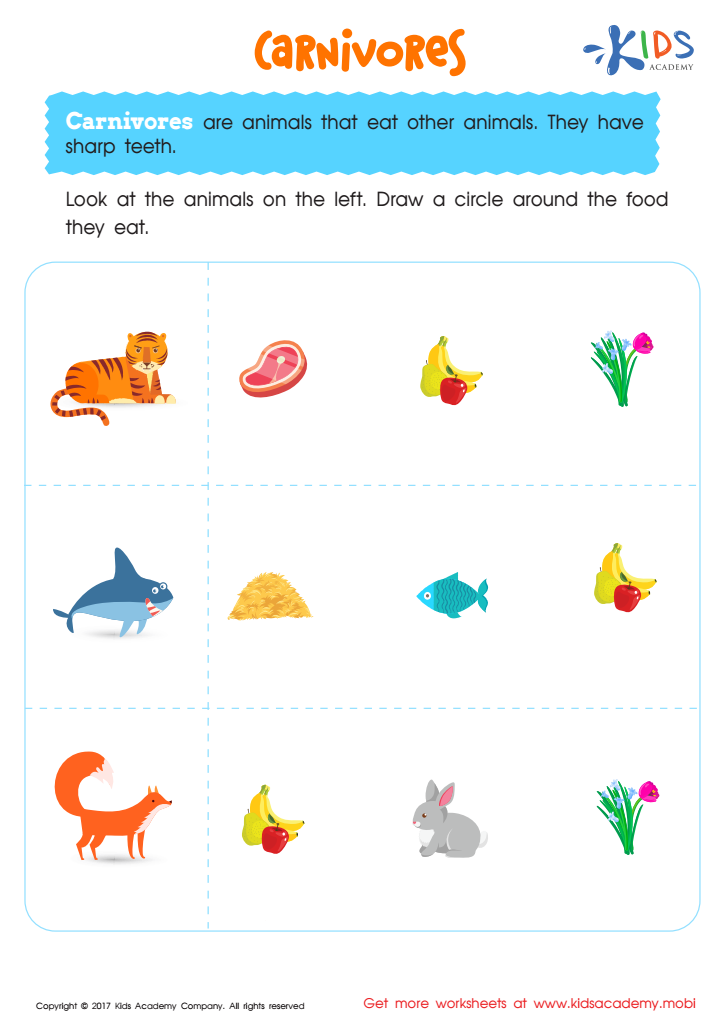
Carnivores Worksheet
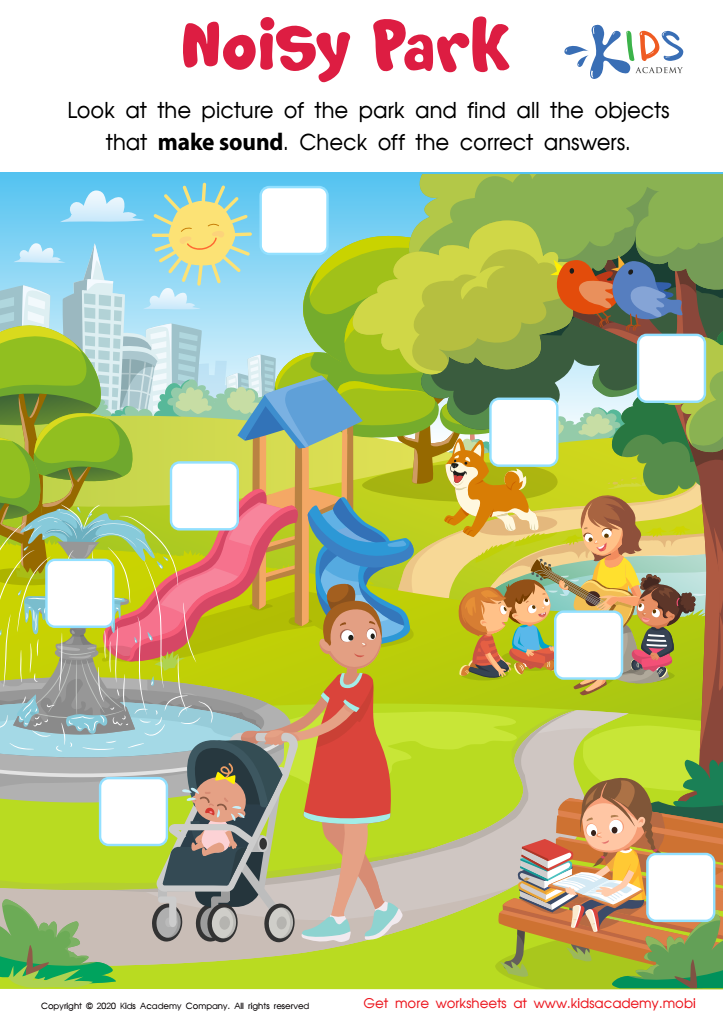
Noisy Park Worksheet
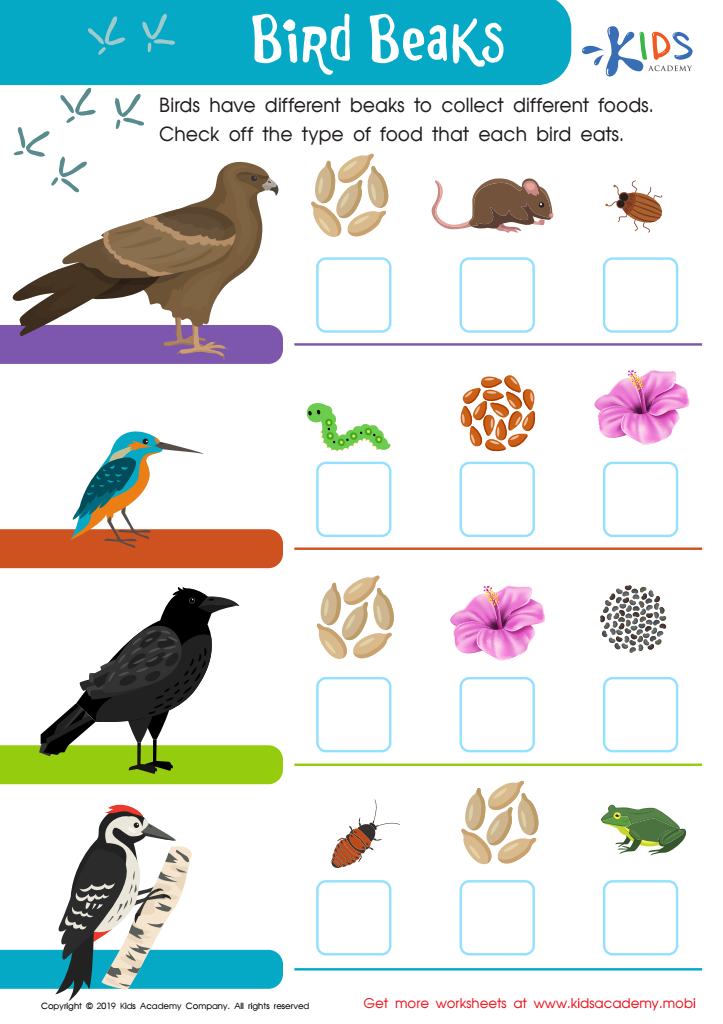
Bird Beaks Worksheet
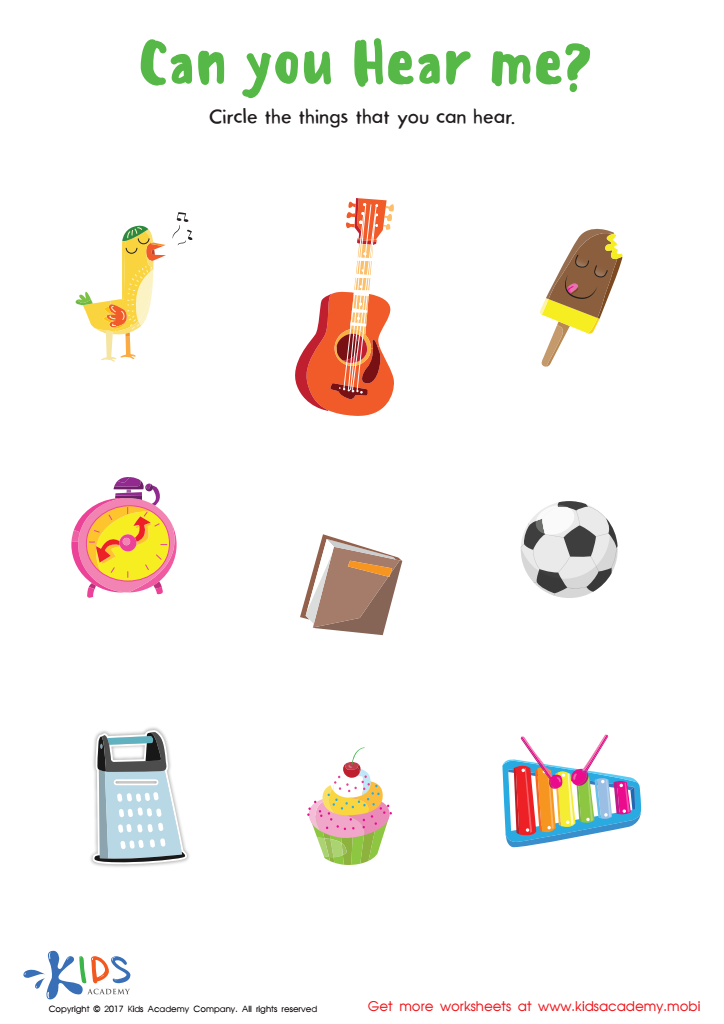
Can You Hear Me Worksheet
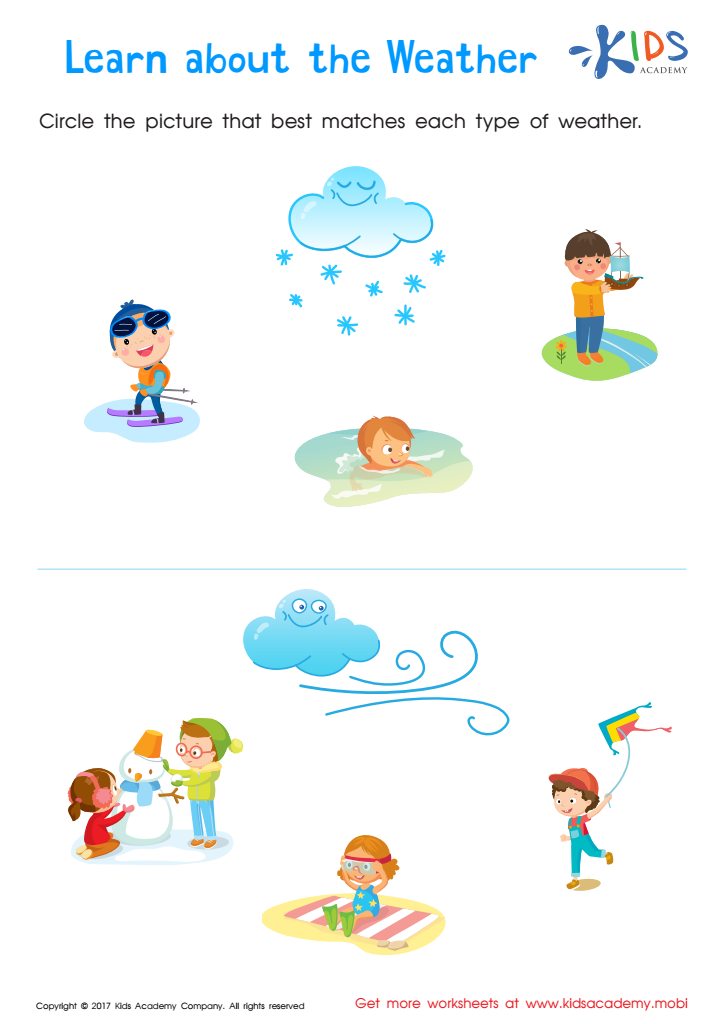
About the Weather Printable
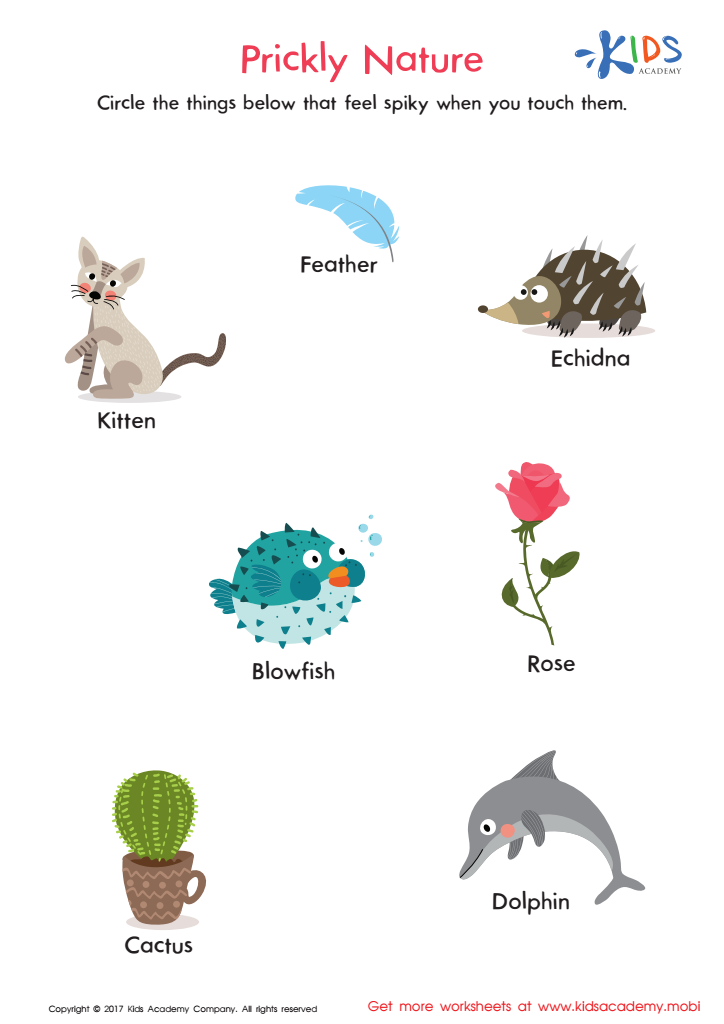
Prickly Nature Worksheet
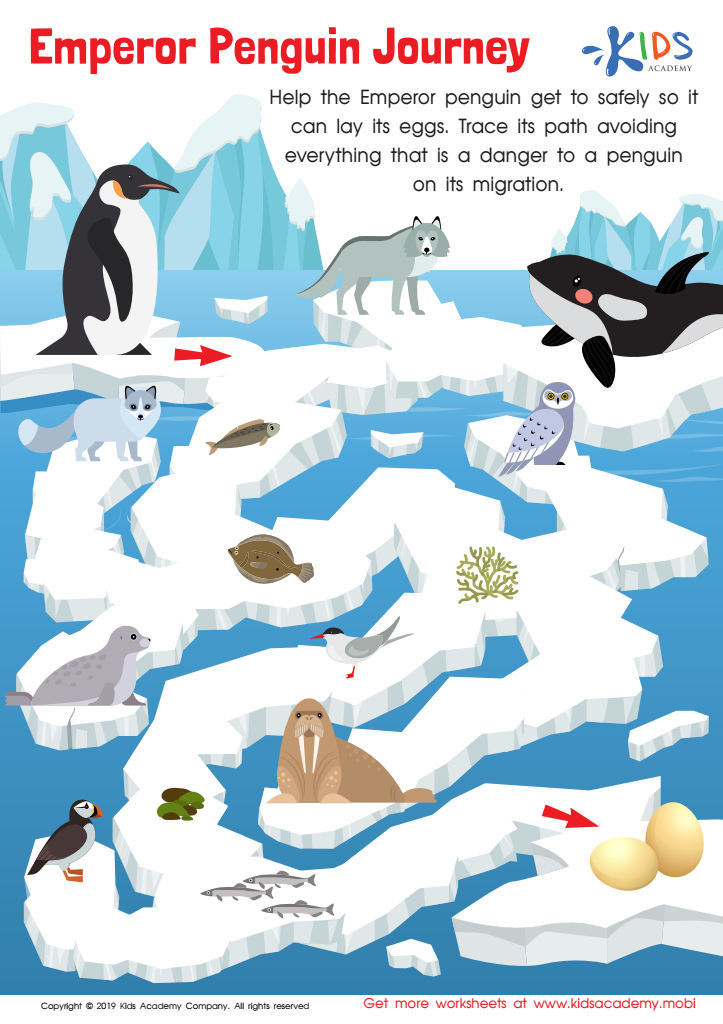
Emperor Penguin Journey Worksheet
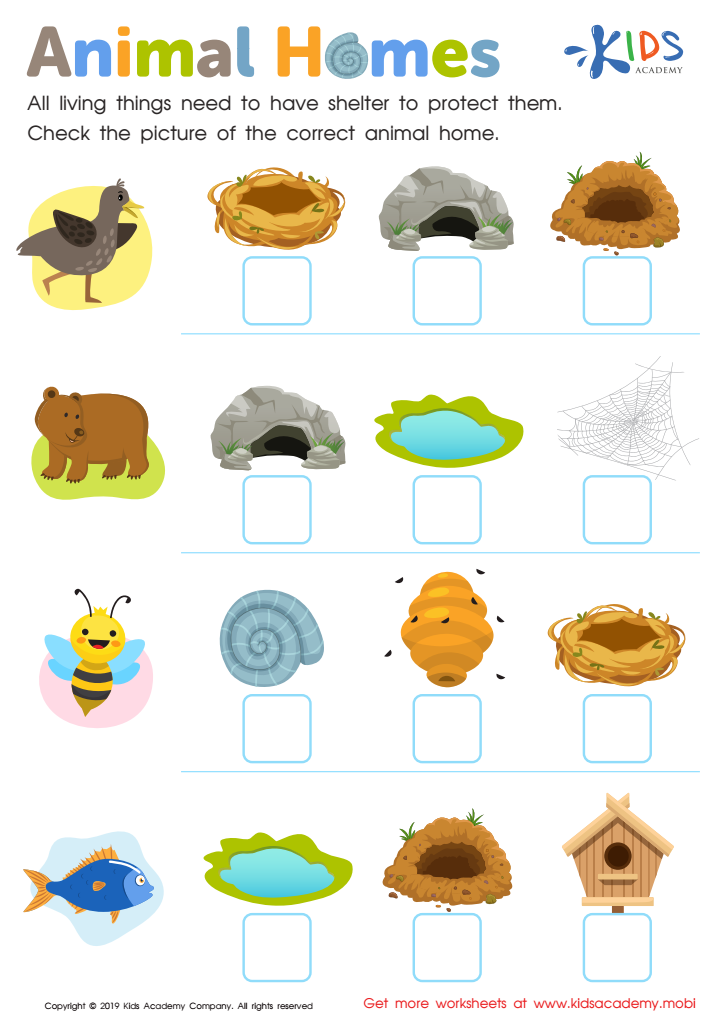
Animal Homes Worksheet








Reading comprehension is critical for children aged 3-6 as it lays the foundation for their overall academic success and lifelong learning. At this early stage, children begin to make connections between spoken and written language, which enhances their vocabulary, critical thinking, and communication skills. Understanding narratives helps young learners engage with texts meaningfully, allowing them to predict outcomes, infer meanings, and identify key concepts.
Parents and teachers play a pivotal role in promoting reading comprehension during these years. By encouraging regular reading habits, discussing story elements, and asking open-ended questions, adults facilitate deeper thinking and foster a love for stories. This interactive engagement not only boosts comprehension skills but also strengthens parent-child and teacher-student bonds.
Additionally, reading comprehension sets the groundwork for higher-level skills in later grades. Children who build strong comprehension abilities early on are more likely to excel academically, participate actively in discussions, and approach complex texts with confidence. Ultimately, nurturing a love for reading and comprehension in early childhood leads to informed, capable individuals who can navigate their educational journeys and contribute thoughtfully to society. Thus, prioritizing reading comprehension instruction in early education shouldn’t be overlooked.







