Vocabulary expansion Normal Plants and Animals Worksheets for Ages 3-6
4 filtered results
-
From - To
Enhance your child’s vocabulary with our engaging "Normal Plants and Animals Worksheets" designed for ages 3 to 6. These fun and educational resources introduce young learners to essential terms related to the natural world, encouraging curiosity and comprehension. Each worksheet is thoughtfully crafted to promote vocabulary expansion through interactive activities that involve identifying, matching, and describing plants and animals. Perfect for at-home learning or classroom use, these worksheets support early literacy development while fostering a love for science. Help your little ones explore the wonders of their environment with captivating visuals and stimulating exercises that make learning enjoyable!
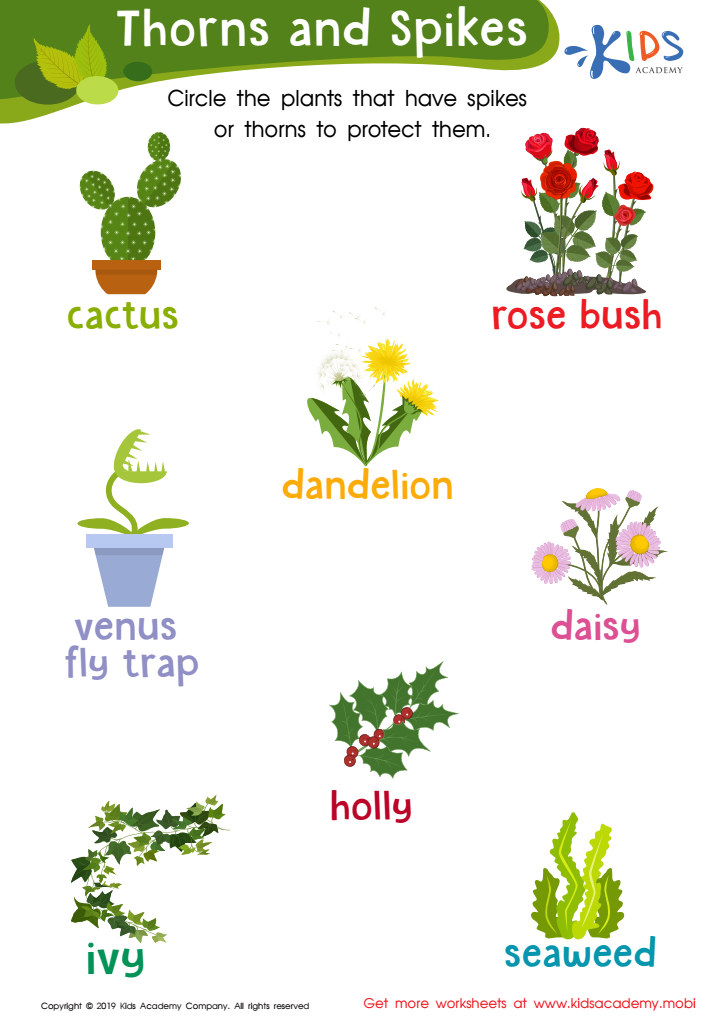
Thorns and Spikes Worksheet
 Assign to My Students











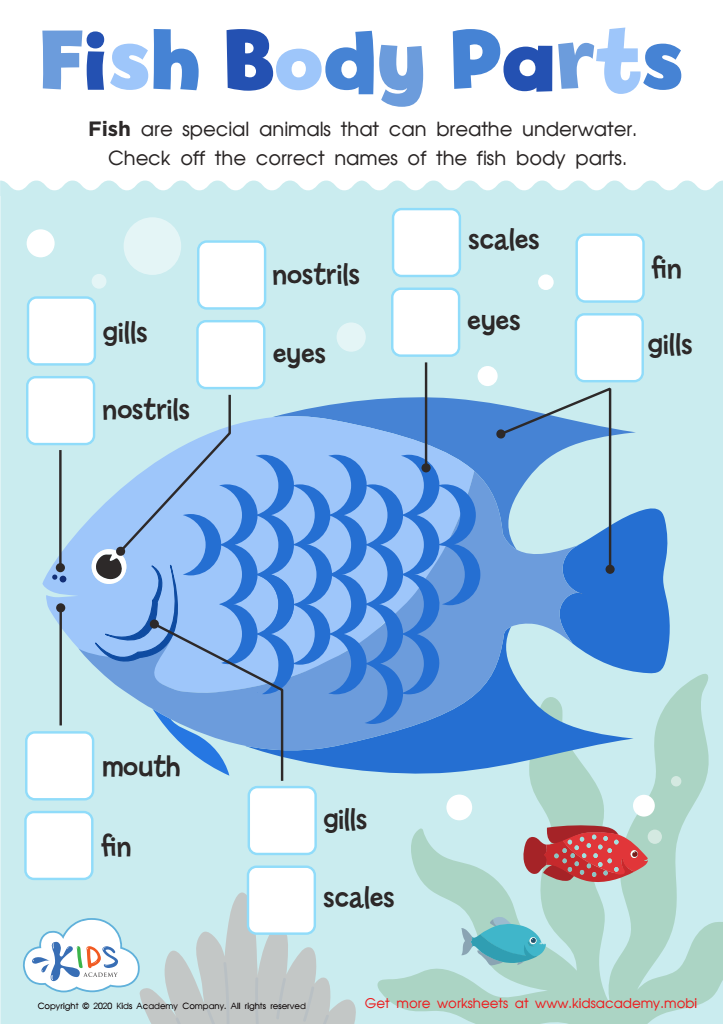
Fish Body Parts Worksheet
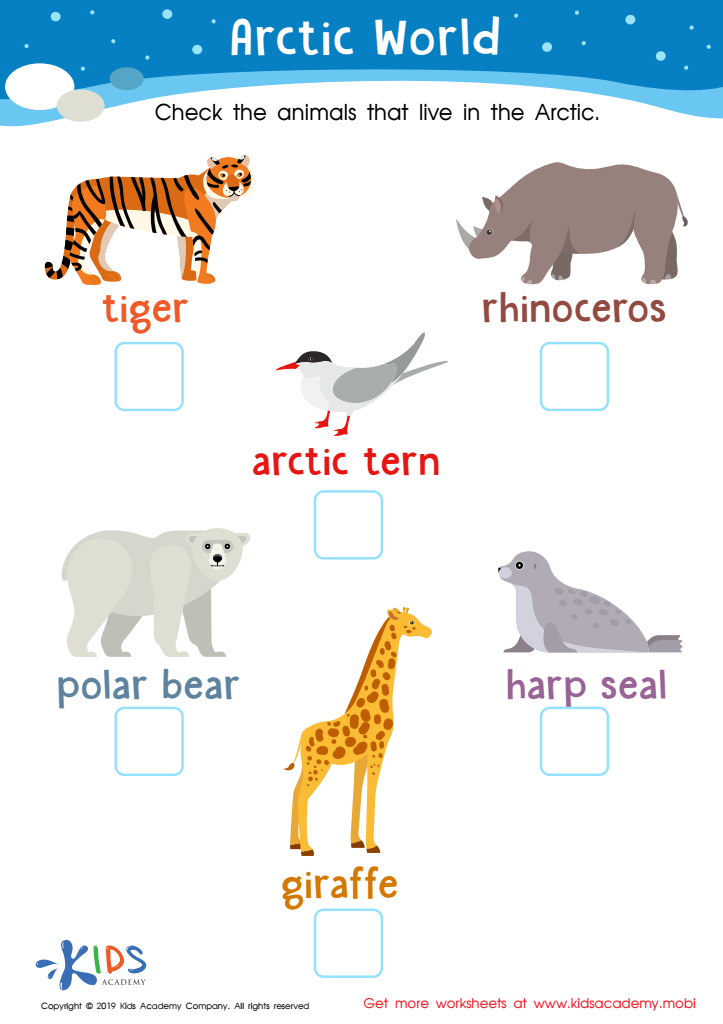
Arctic World Worksheet
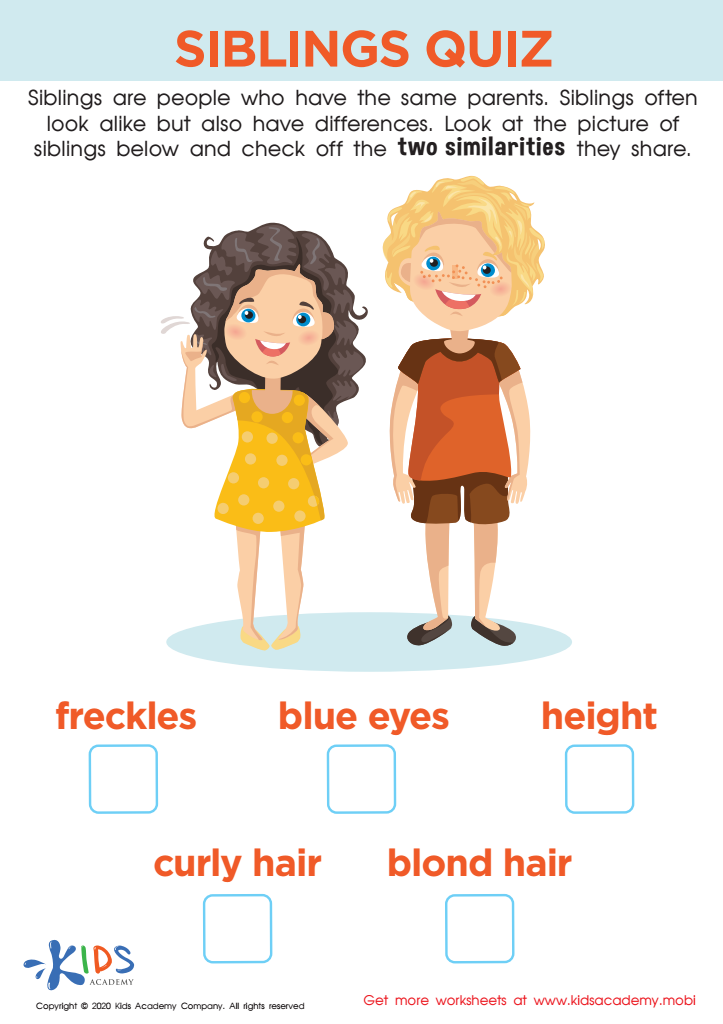
Siblings Quiz Worksheet








Vocabulary expansion in young children, especially regarding normal plants and animals, is crucial for their cognitive and social development. For children aged 3-6, this period sets the foundation for language skills that will benefit their academic journey. Expanding vocabulary around familiar topics connects children with the world around them, fostering curiosity and a love for nature.
When parents and teachers engage children with words related to plants and animals, such as "leaf," "butterfly," or "tree," they encourage descriptive language and critical thinking. Understanding names, characteristics, and roles in the environment enhances observation skills, leading to deeper comprehension of ecological concepts.
Moreover, vocabulary expansion aids in promoting communication skills. When children can express their thoughts about the natural world, they become more confident conversationalists and storytellers. This proficiency in language development encourages successful peer interactions and emotional expression.
Additionally, incorporating vocabulary about plants and animals aligns with educational standards and themes in early childhood curriculum, making learning relevant and fun. Ultimately, a strong vocabulary not only enriches young minds but also cultivates responsible, informed future caregivers of the planet. Thus, prioritizing vocabulary development about plants and animals is essential for a child's overall growth.







