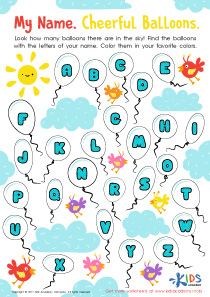
Fine Motor Skills Normal ABC Order Worksheets for Ages 3-7
11 filtered results
-
From - To
Discover our Fine Motor Skills Normal ABC Order Worksheets tailored for children ages 3-7! These educational printables seamlessly blend the joys of learning with essential developmental tasks. Designed to enhance fine motor skills and reinforce alphabetical order, these worksheets offer a fun, hands-on approach to mastering the ABCs. By tracing letters, connecting dots, and arranging alphabet cards, children will improve hand-eye coordination and dexterity while building a strong educational foundation. Perfect for both classrooms and at-home learning, our engaging worksheets make it easy for young learners to develop critical early reading and writing skills. Explore today!
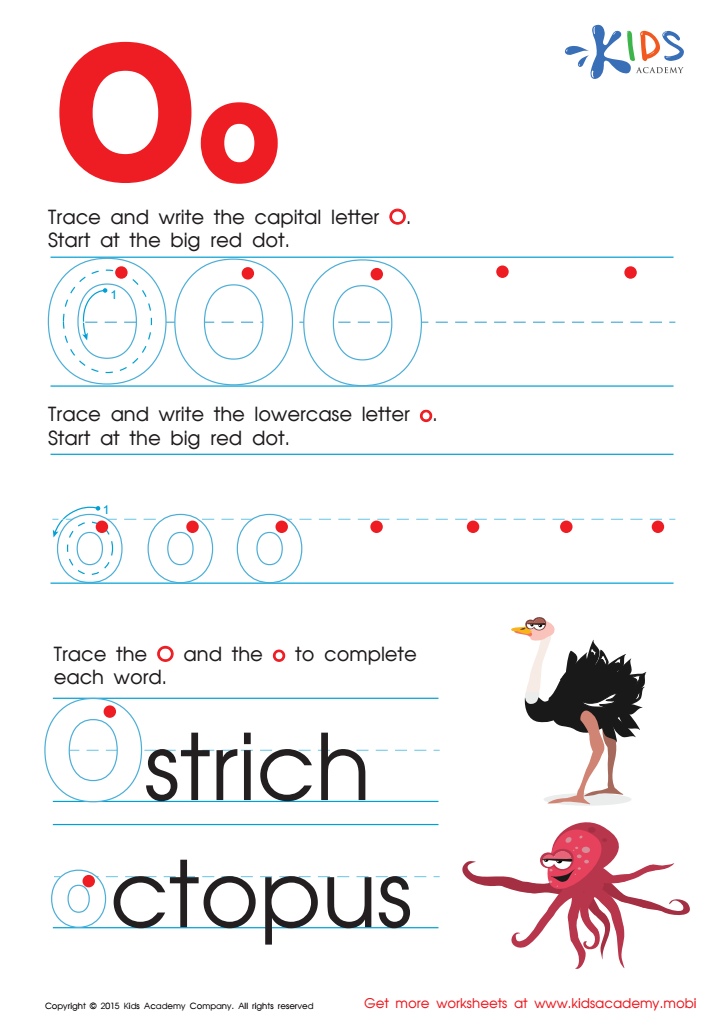
Letter O Tracing Page
 Assign to My Students









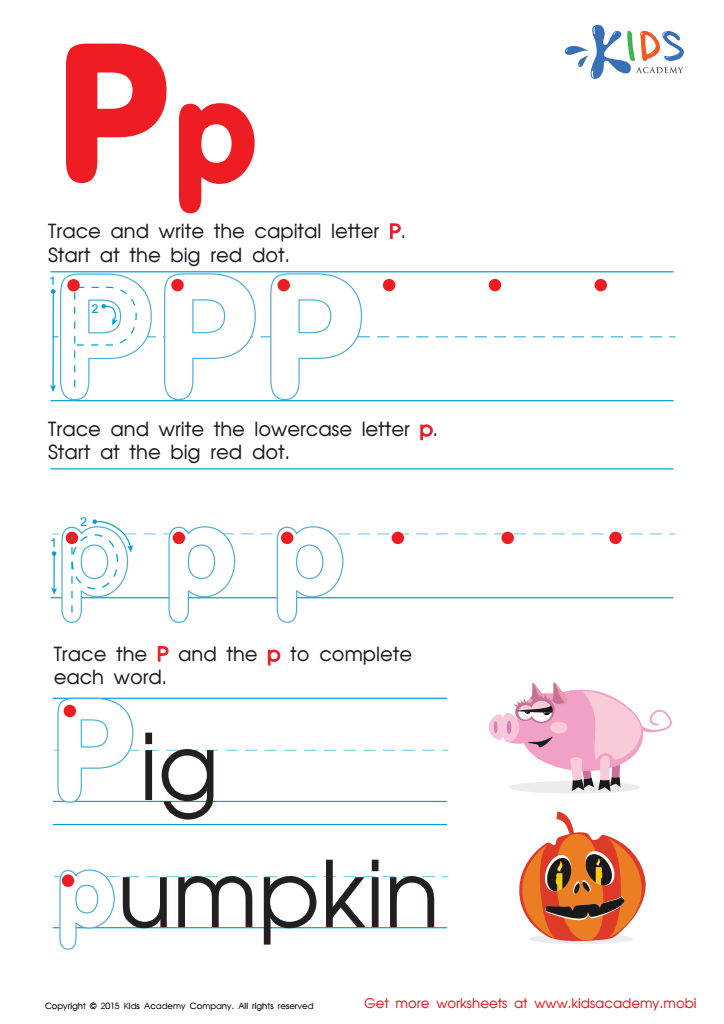
Letter P Tracing Page
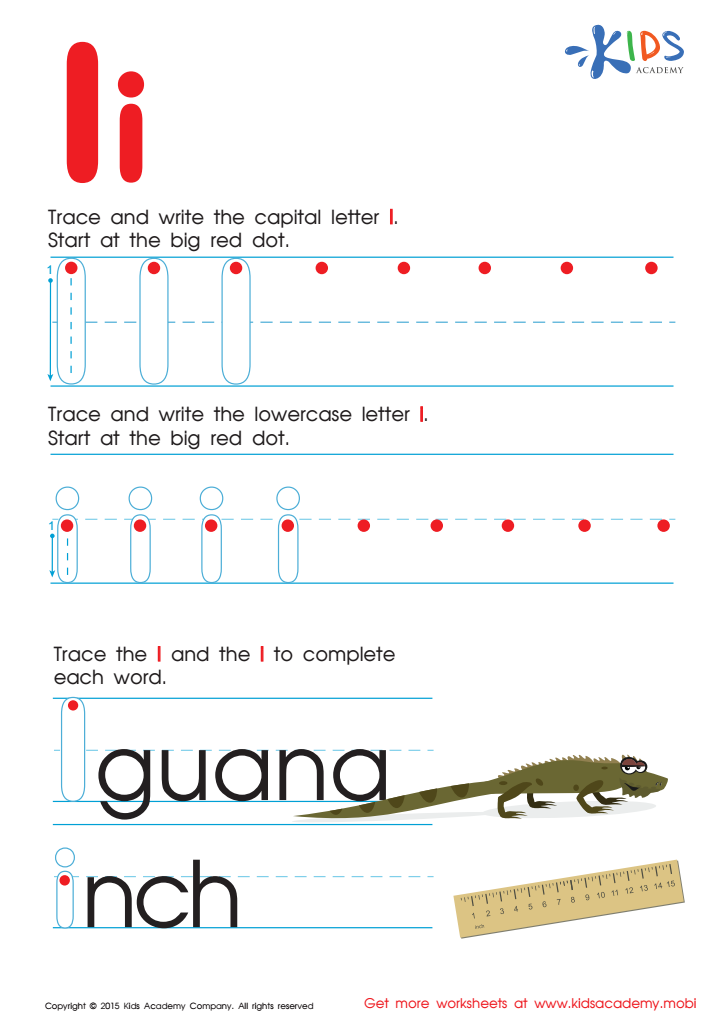
Letter I Tracing Page
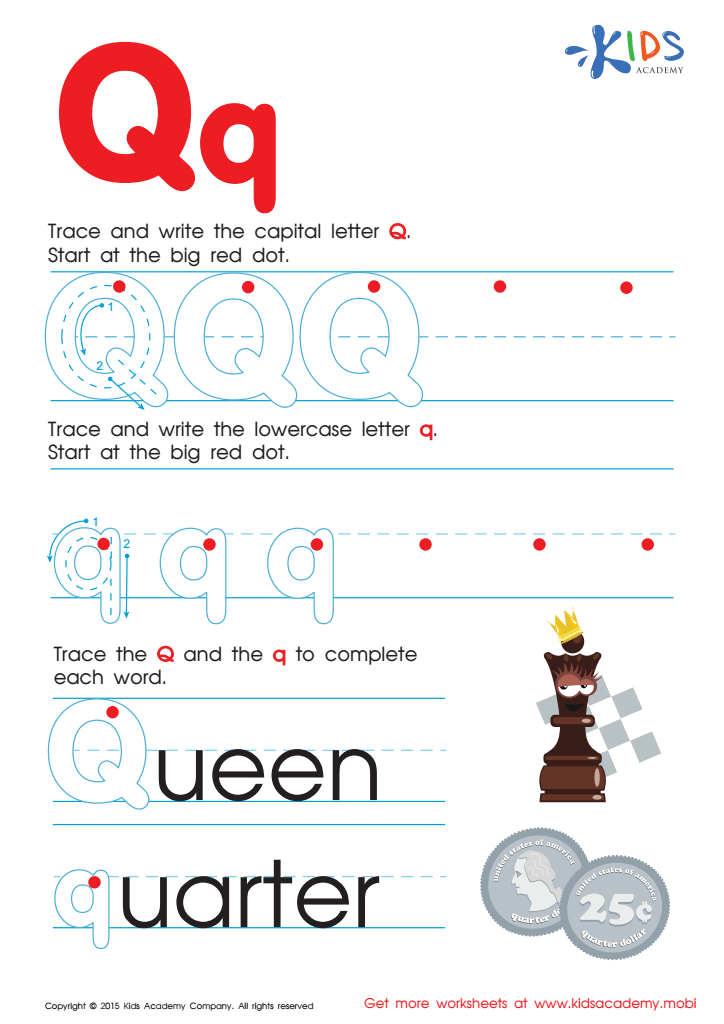
Letter Q Tracing Page
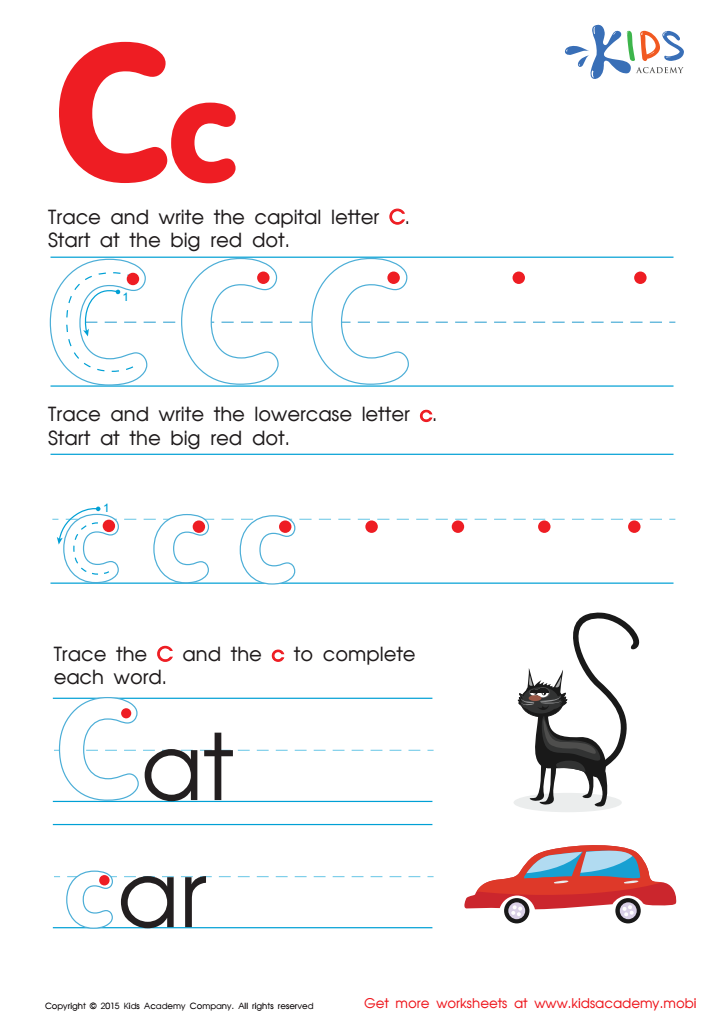
Letter C Tracing Page
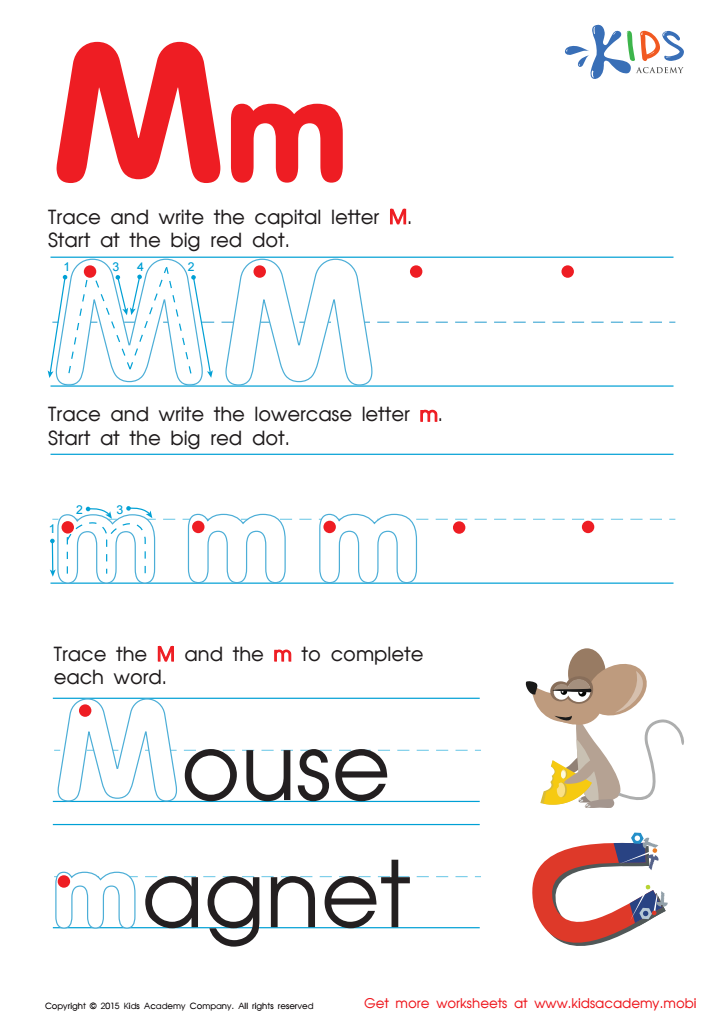
Letter M Tracing Page
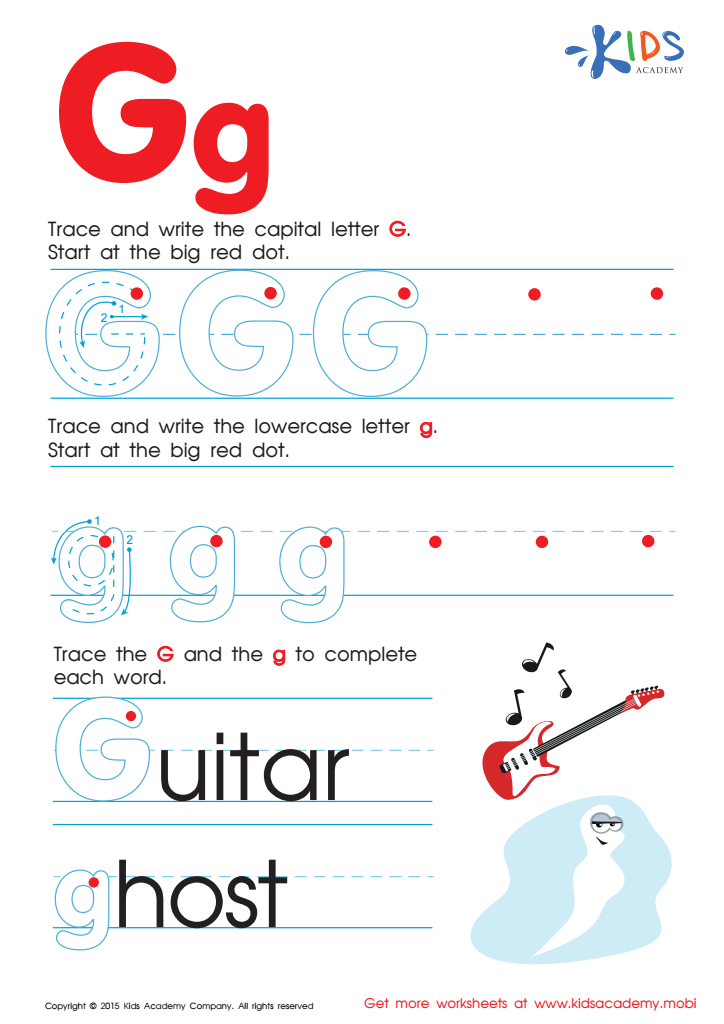
Letter G Tracing Page
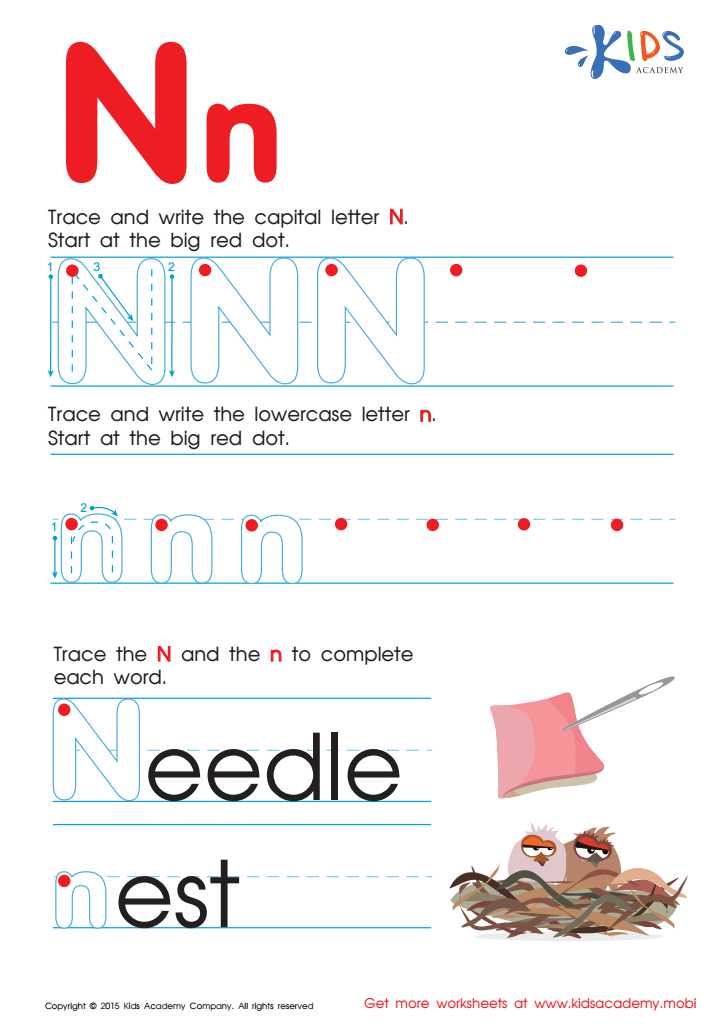
Letter N Tracing Page
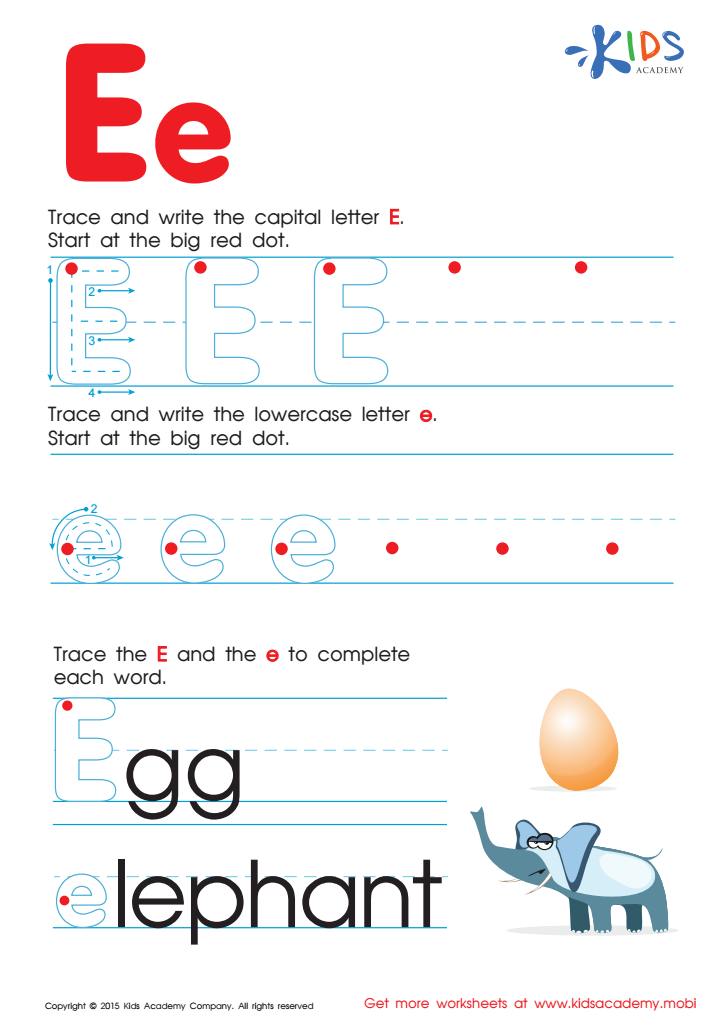
Letter E Tracing Page
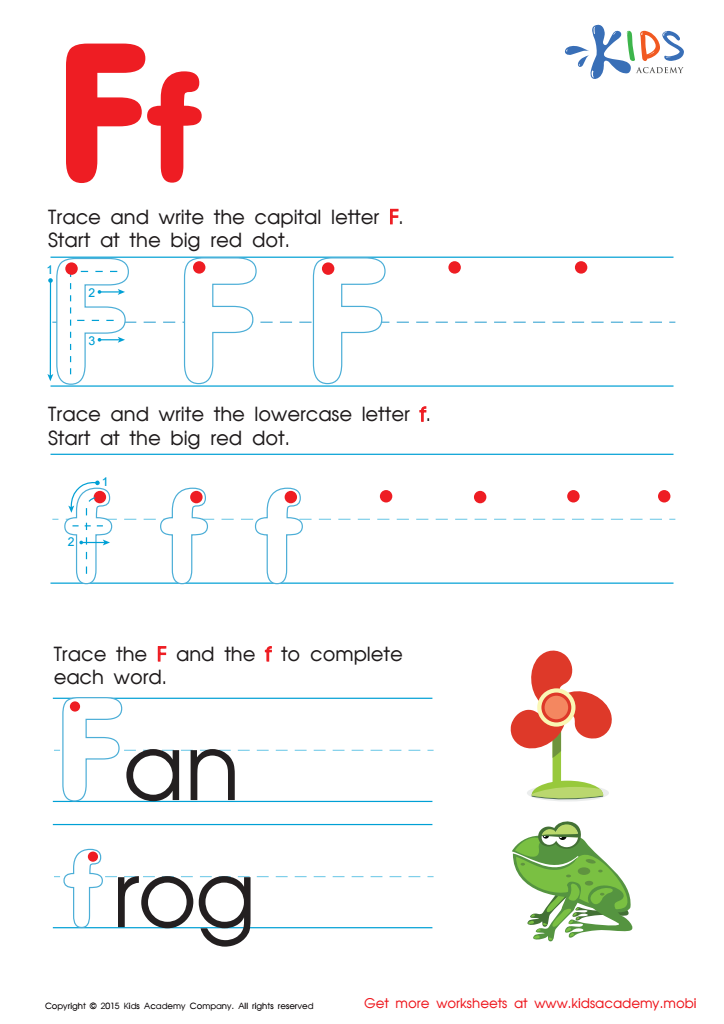
Letter F Tracing Page

Letter D Tracing Page








Fine motor skills are vital for young children's development, particularly for those aged 3-7. These skills involve the coordination of small muscles in the hands and fingers, enabling tasks such as writing, cutting, buttoning, and manipulating small objects. During these formative years, focusing on activities that promote fine motor skills, such as Normal ABC Order exercises, can set a strong foundation for academic and daily life success.
Firstly, mastering fine motor skills is essential for academic achievement. Children who have well-developed fine motor skills find it easier to learn to write neatly, which is a critical component of early literacy. By engaging in Normal ABC Order exercises, children not only learn the sequence of the alphabet but also improve their hand-eye coordination and dexterity.
Secondly, fine motor skills are paramount for independence in daily activities. Skills such as dressing, eating, and personal hygiene require precise hand movements. Practicing tasks in order, like organizing the ABCs, can enhance a child's confidence in managing these tasks independently.
In conclusion, parents and teachers should prioritize fine motor skill activities like Normal ABC Order for ages 3-7 to bolster academic performance and foster independence. This focus ensures children develop the physical and cognitive skills they need for future learning and self-sufficiency.