Fine Motor Skills Normal ABC Letters Worksheets for Ages 3-7
24 filtered results
-
From - To
Enhance your child's fine motor skills with our engaging ABC Letters Worksheets, specially designed for ages 3-7. These printable worksheets are perfect for helping young learners develop essential handwriting and coordination skills while exploring the alphabet. Each worksheet combines fun activities, such as tracing, coloring, and matching, making learning enjoyable and interactive. As children practice their letters, they'll improve dexterity and hand-eye coordination, all while building confidence in their writing abilities. Our resources are an excellent addition to preschool and kindergarten curricula, ensuring that your child is well-prepared for future academic challenges. Start their learning journey today!
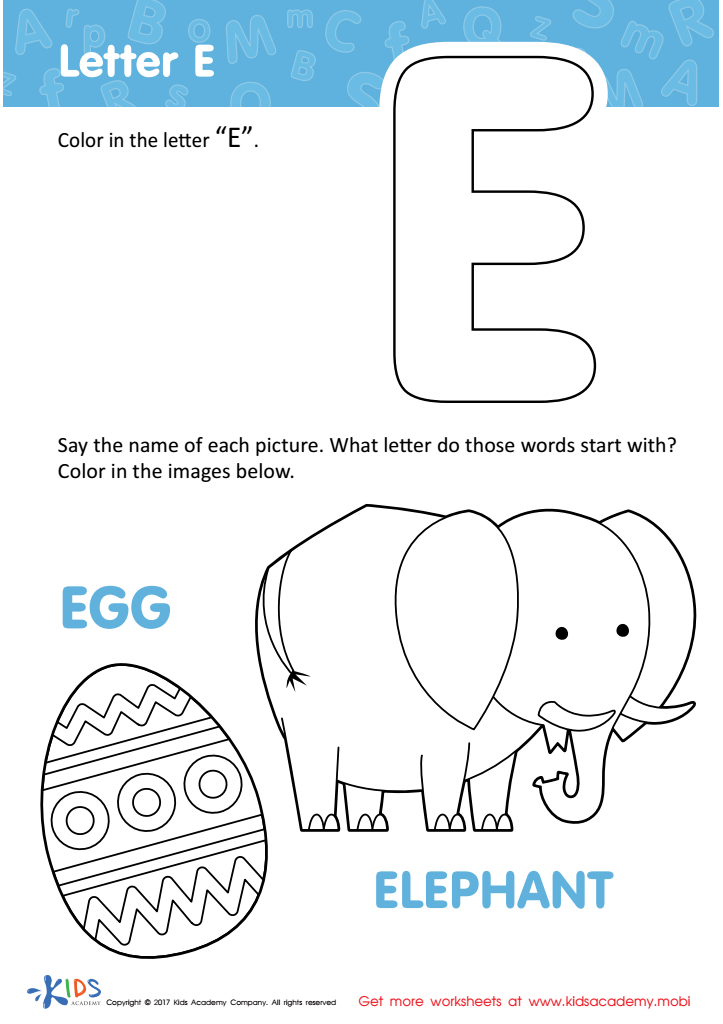
Letter E Coloring Sheet
 Assign to My Students










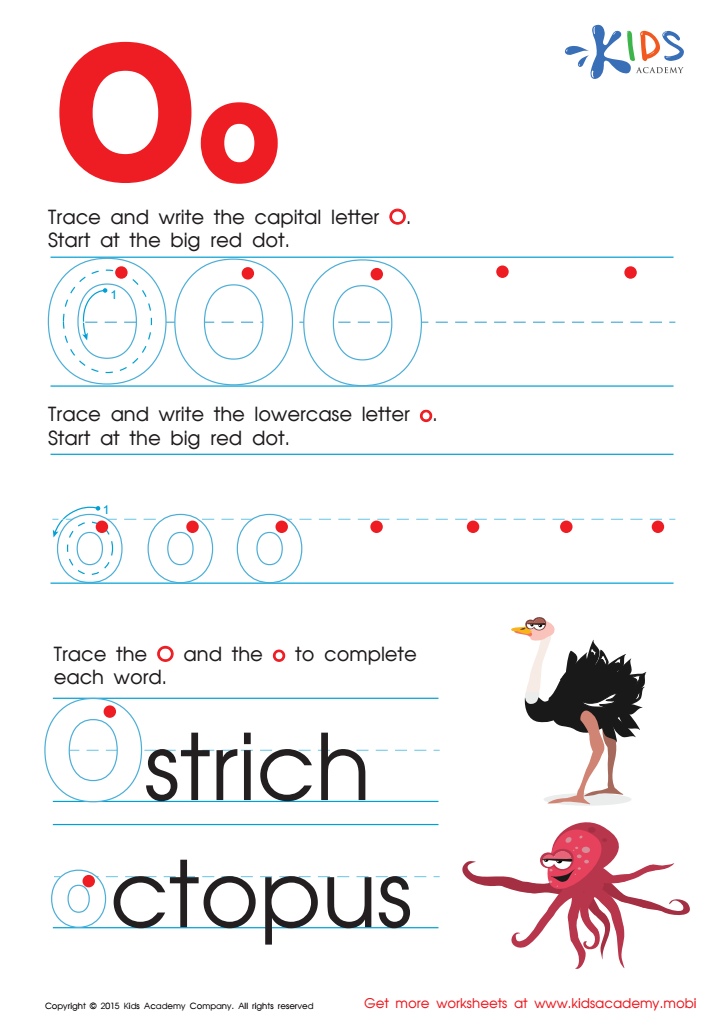
Letter O Tracing Page

Letter P Tracing Page
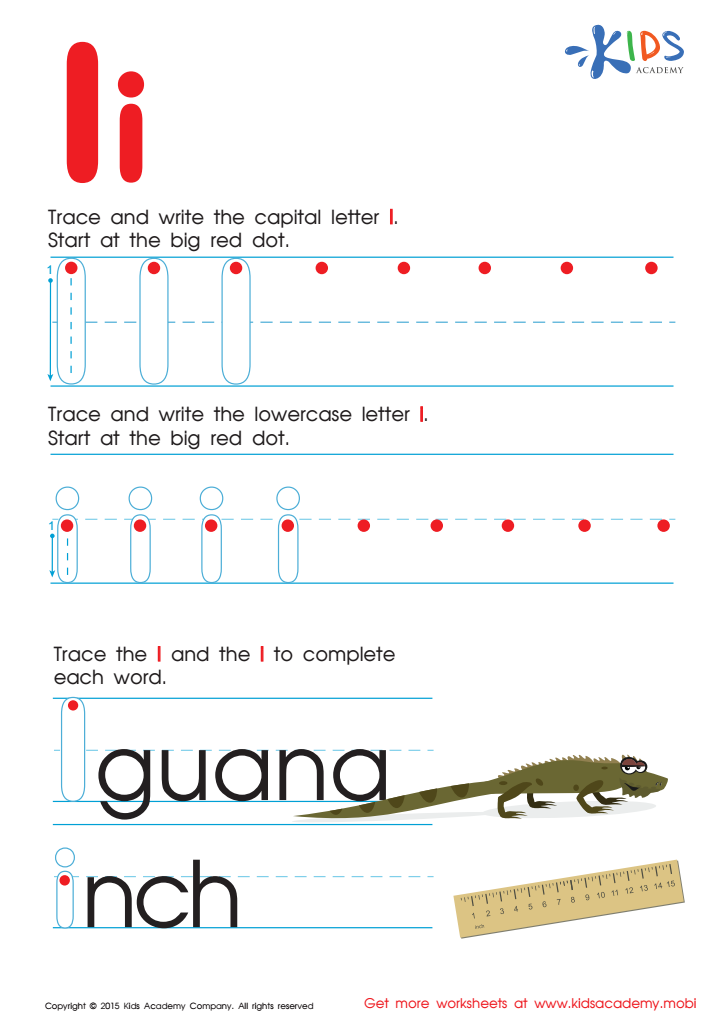
Letter I Tracing Page
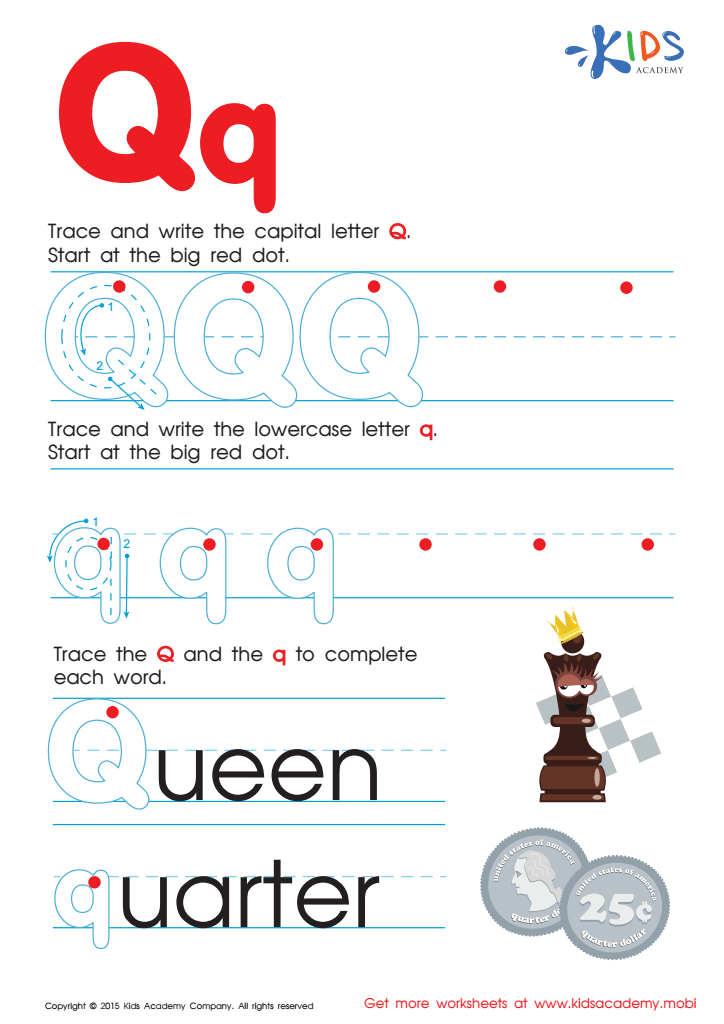
Letter Q Tracing Page
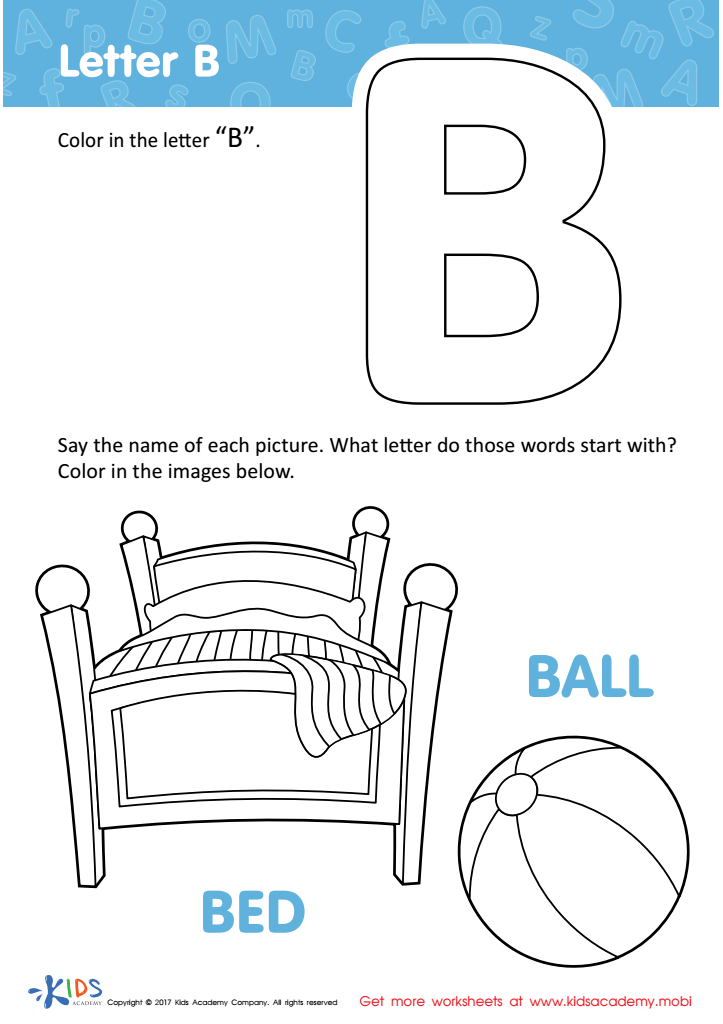
Letter B Coloring Sheet
Assign to My Students
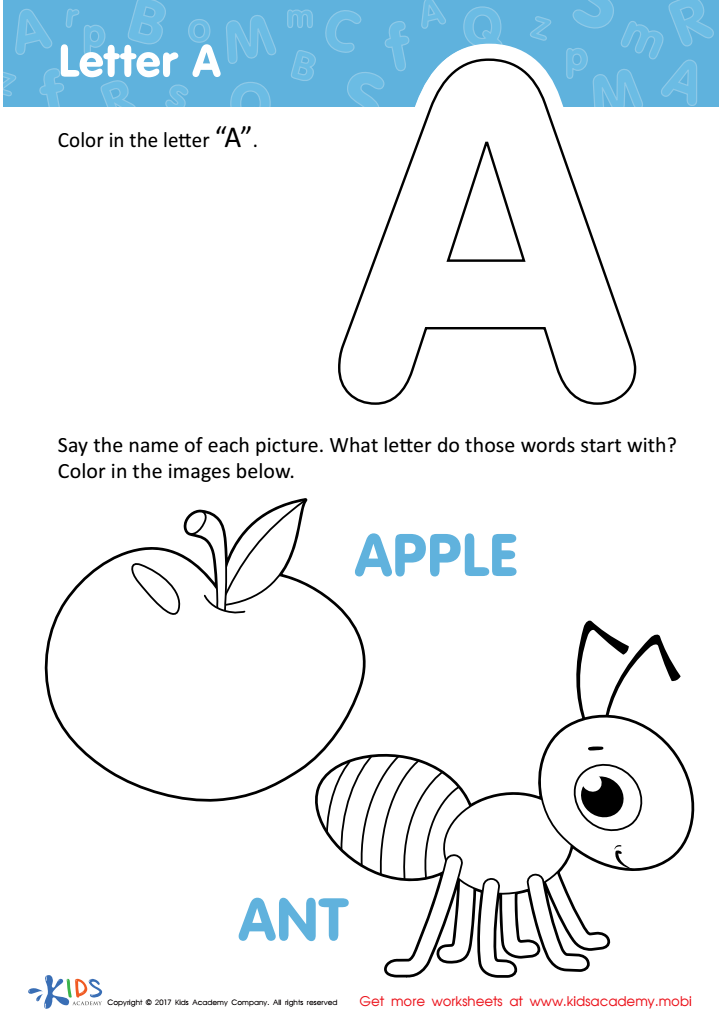
Letter A Coloring Sheet
Assign to My Students
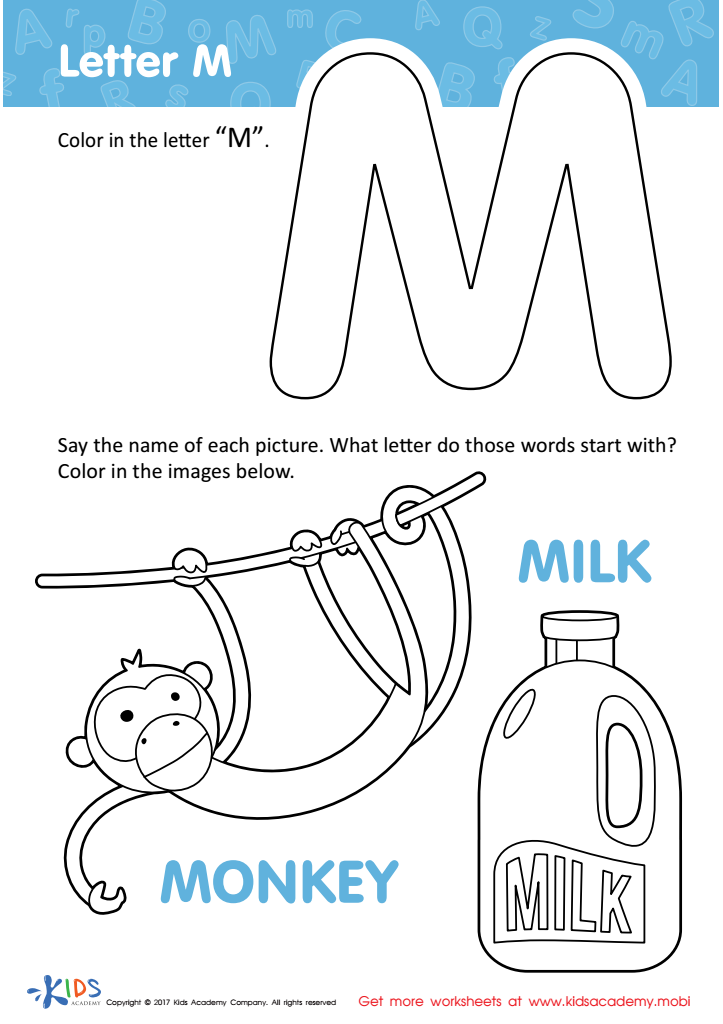
Letter M Coloring Sheet
Assign to My Students
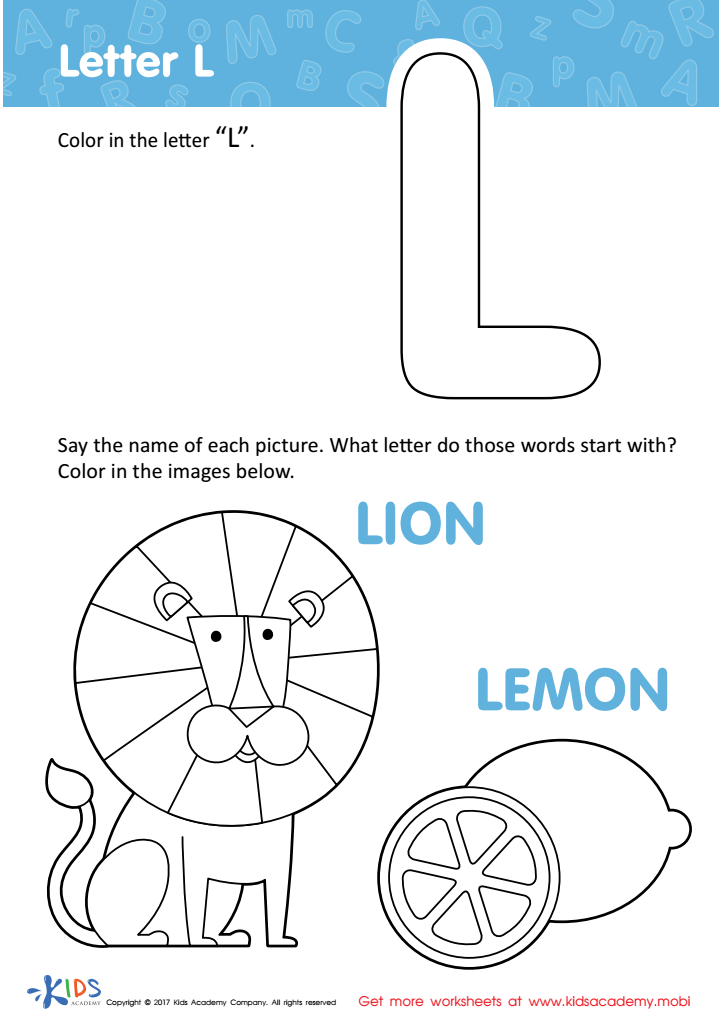
Letter L Coloring Sheet
Assign to My Students
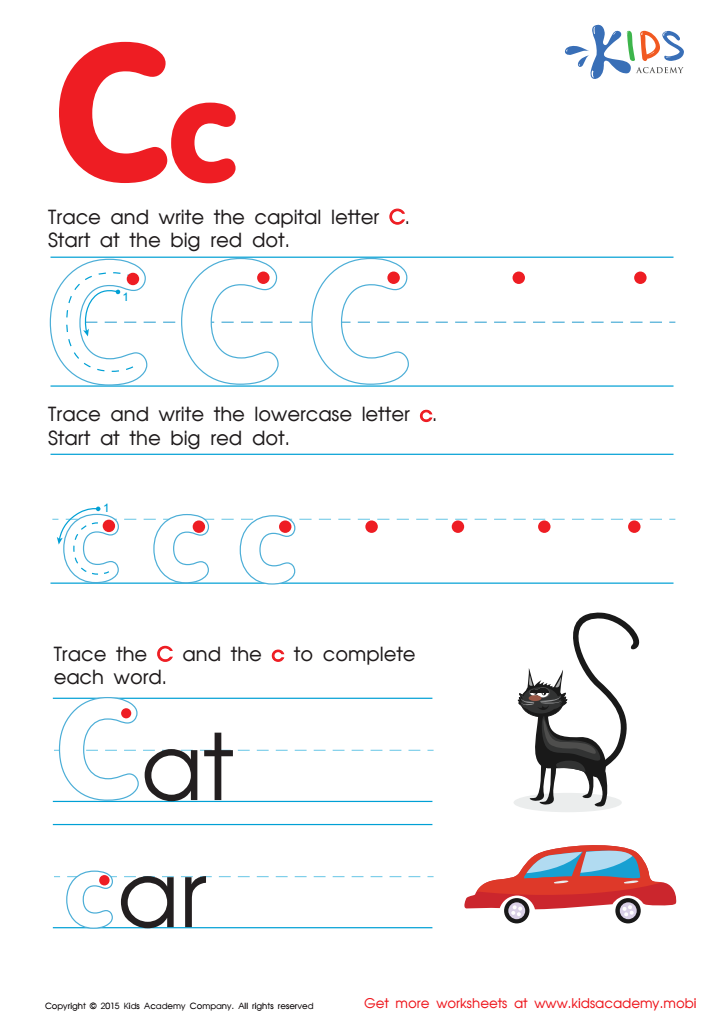
Letter C Tracing Page
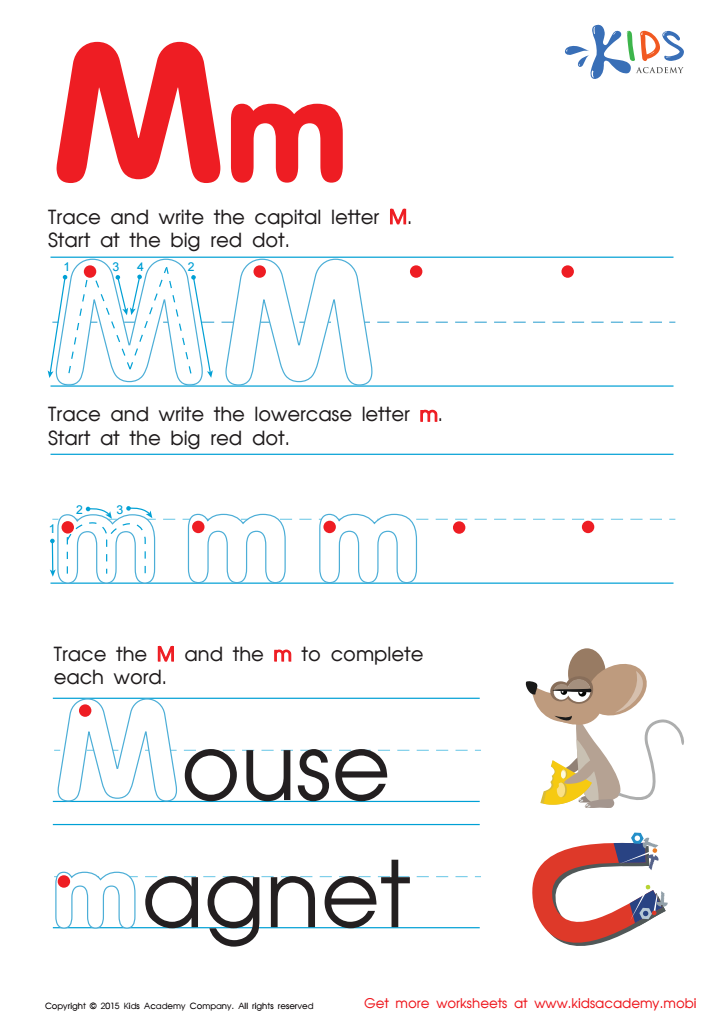
Letter M Tracing Page
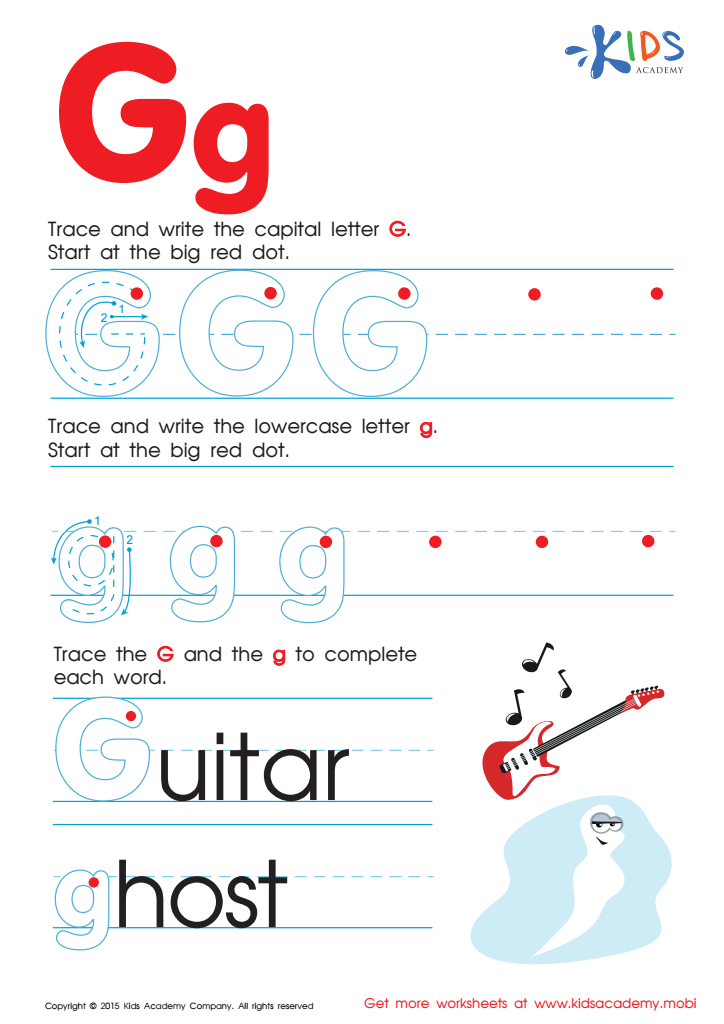
Letter G Tracing Page
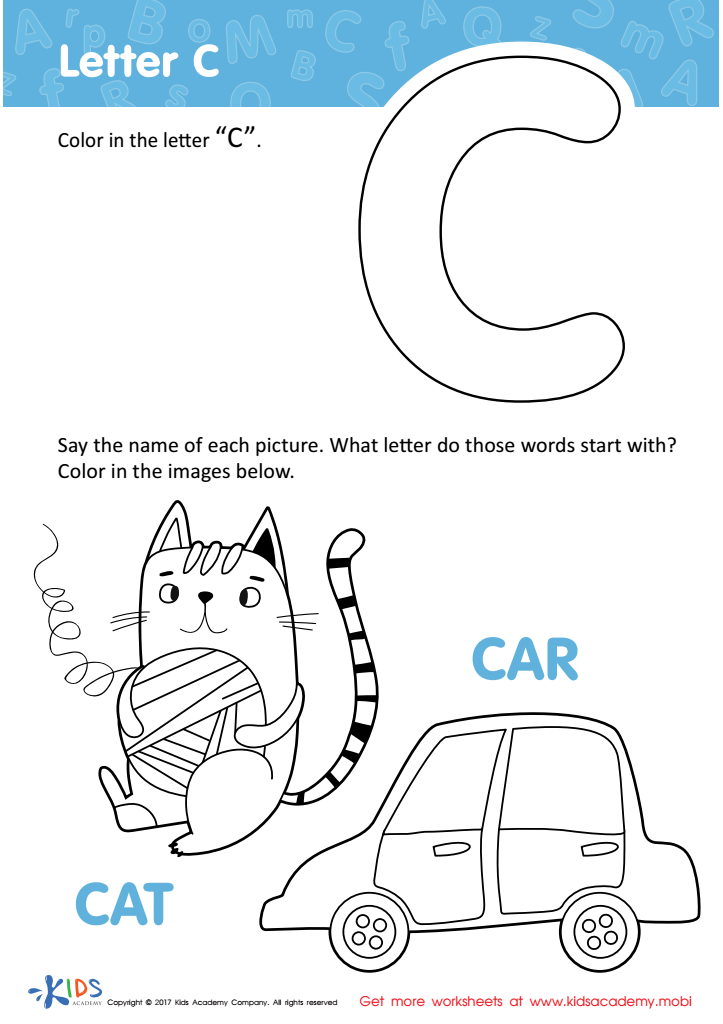
Letter C Coloring Sheet
Assign to My Students
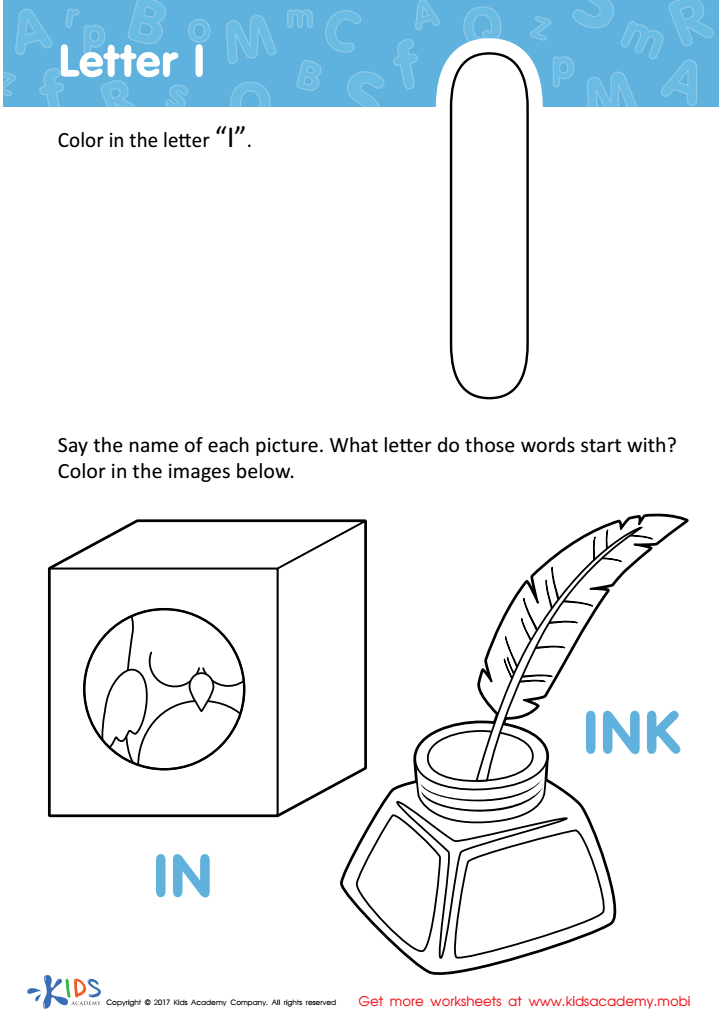
Letter I Coloring Sheet
Assign to My Students
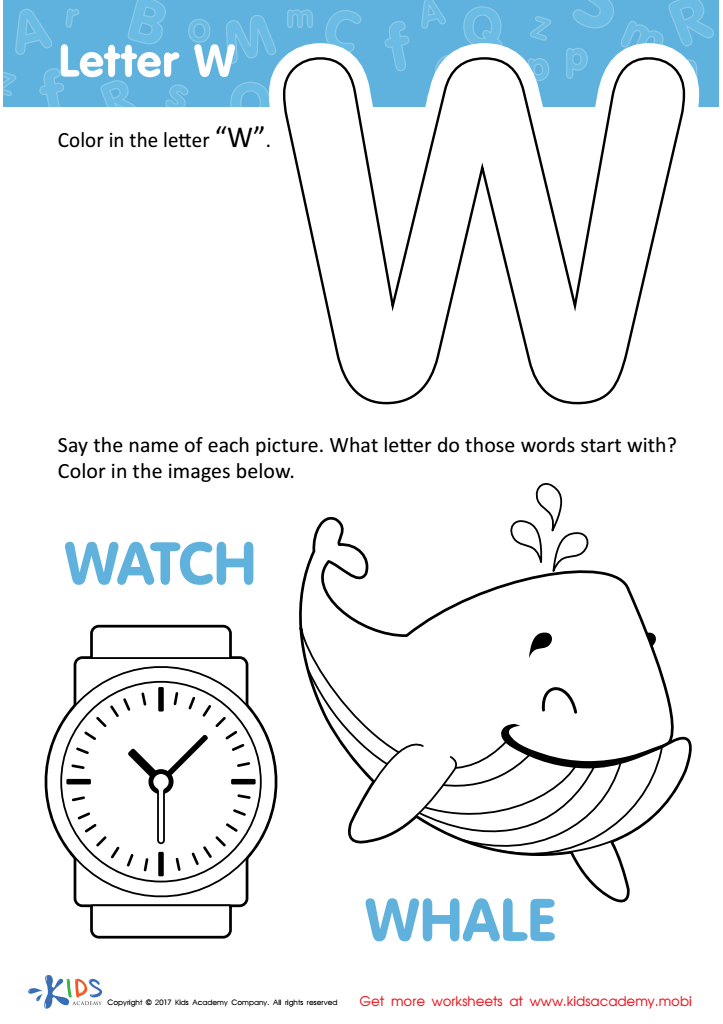
Letter W Coloring Sheet
Assign to My Students
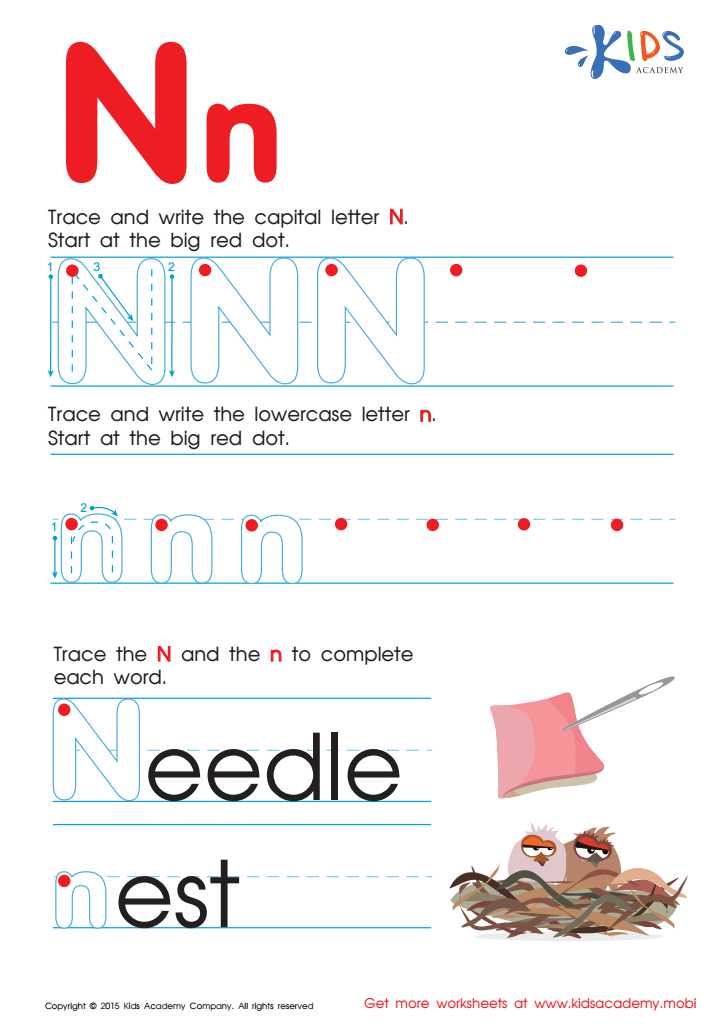
Letter N Tracing Page
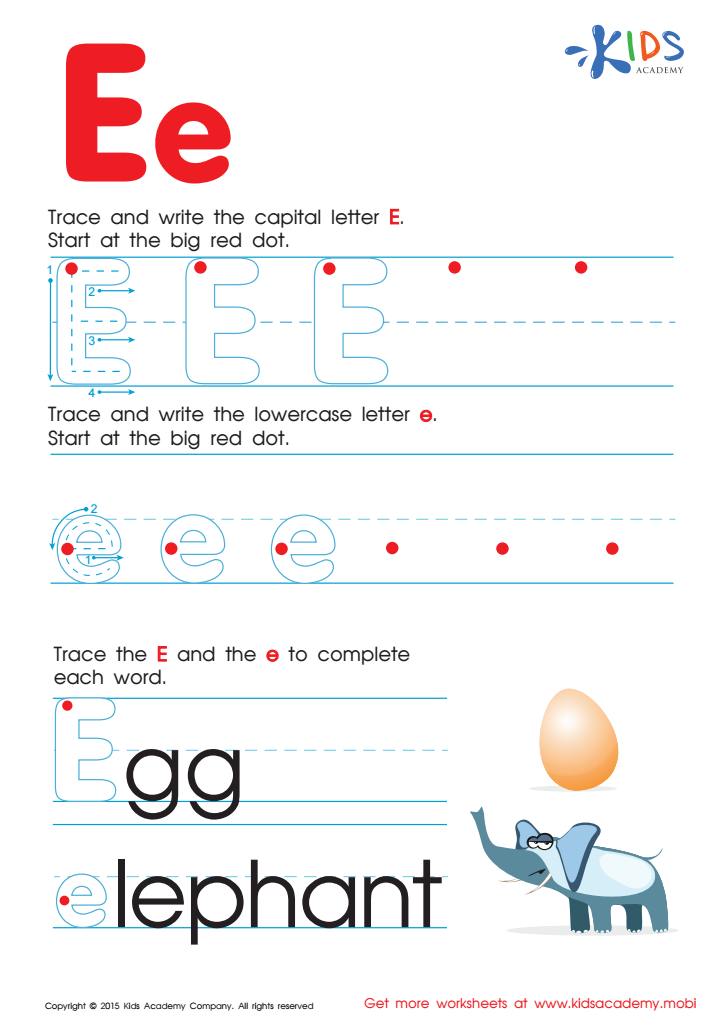
Letter E Tracing Page
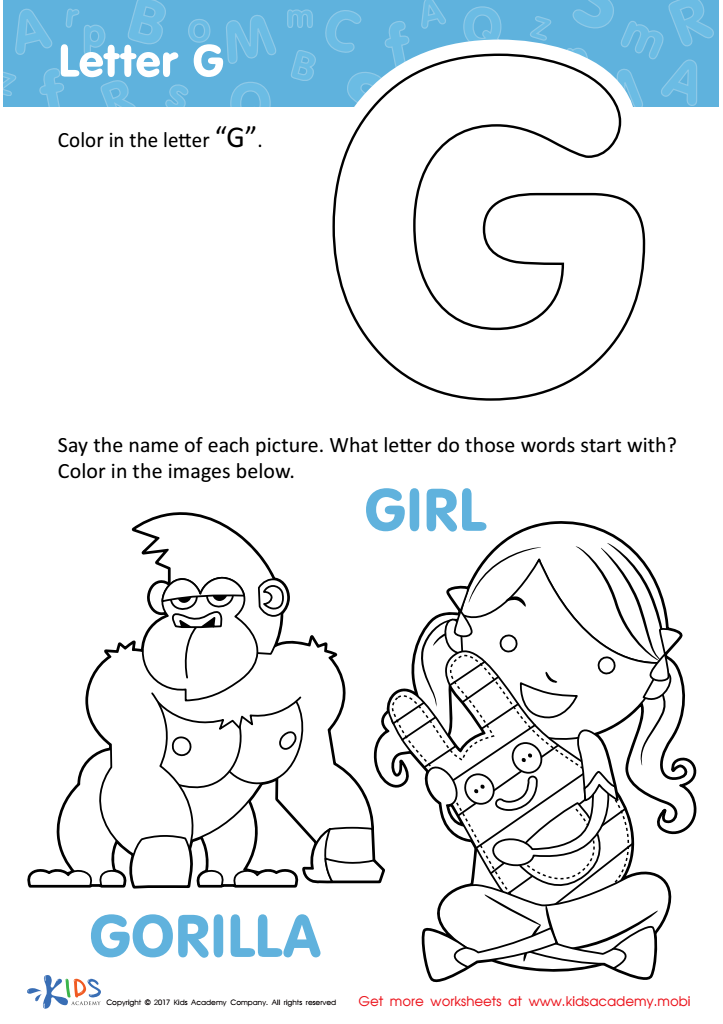
Letter G Coloring Sheet
Assign to My Students
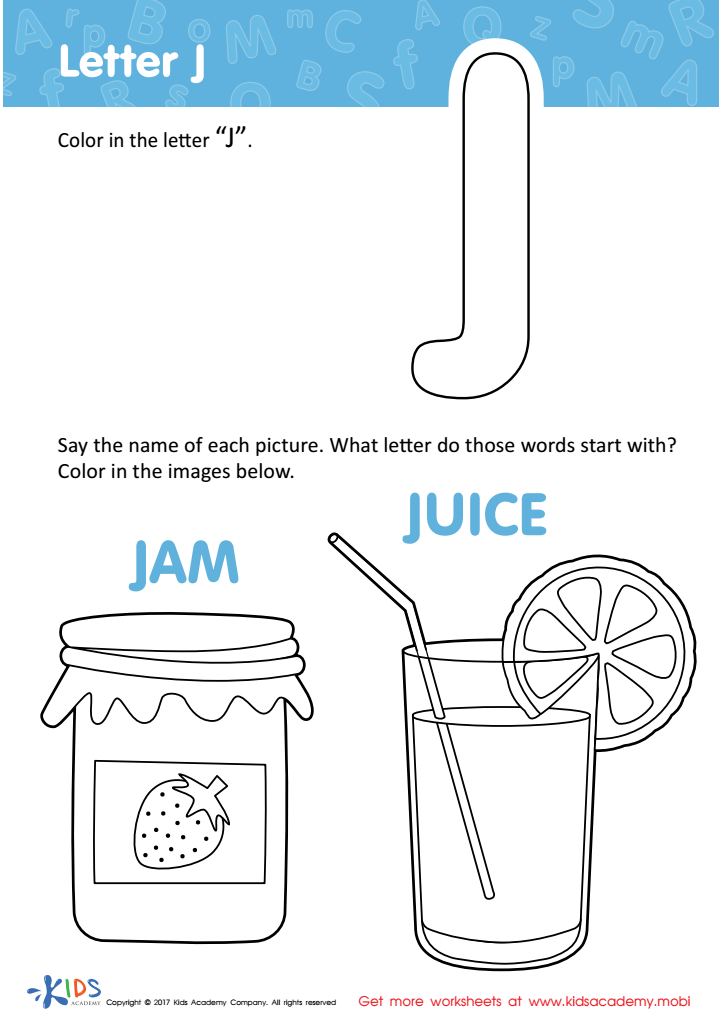
Letter J Coloring Sheet
Assign to My Students
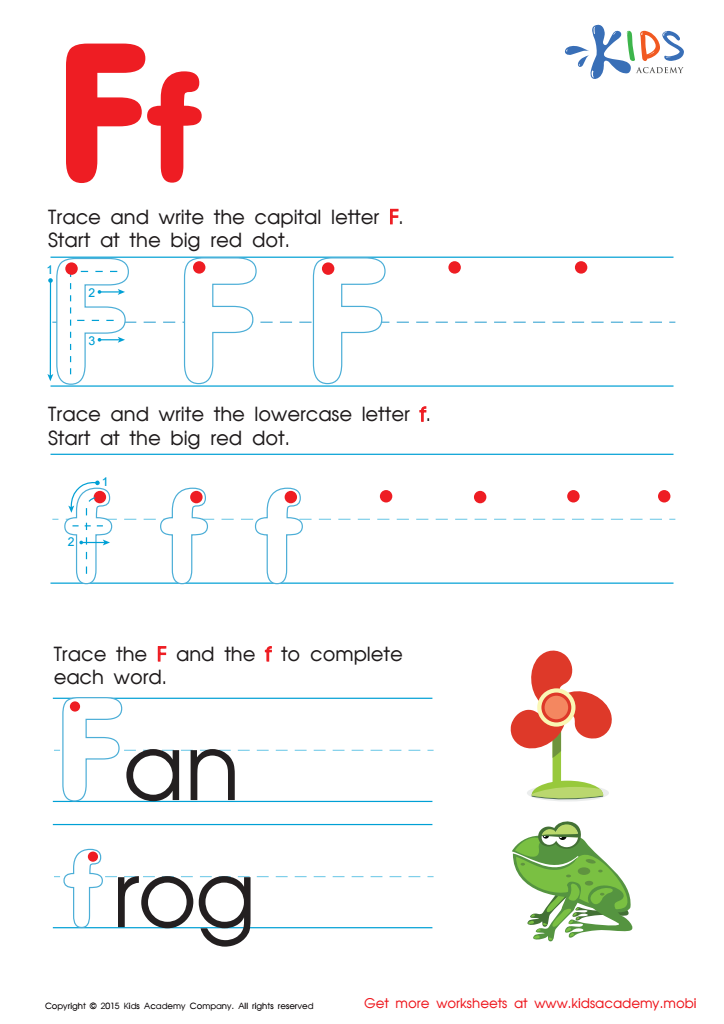
Letter F Tracing Page
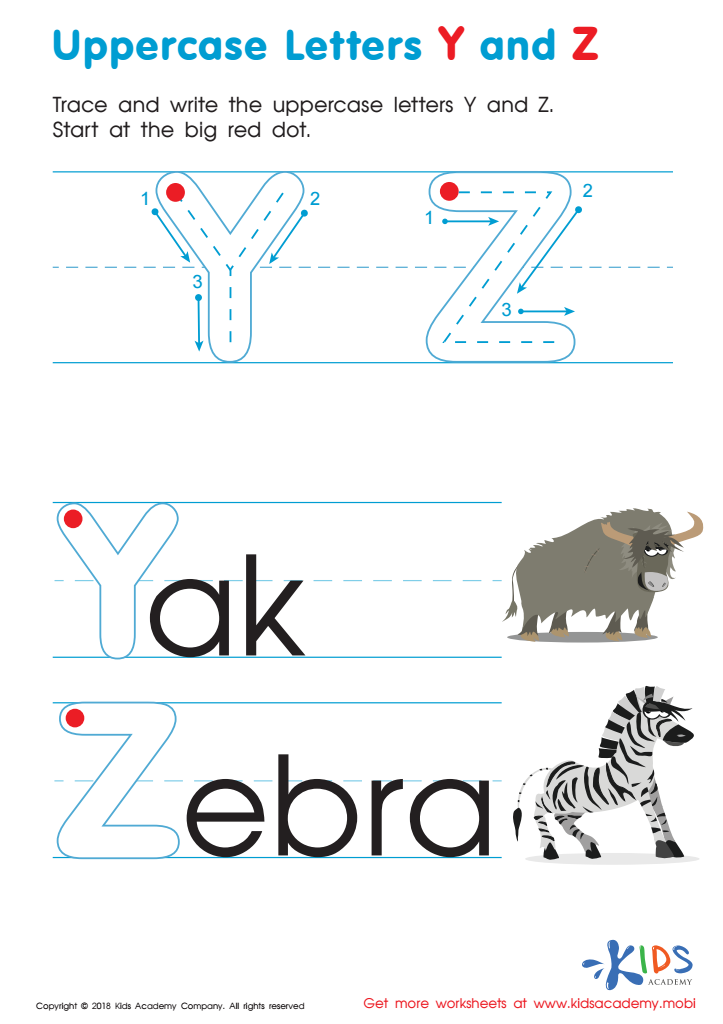
Uppercase Letters Y Z Worksheet
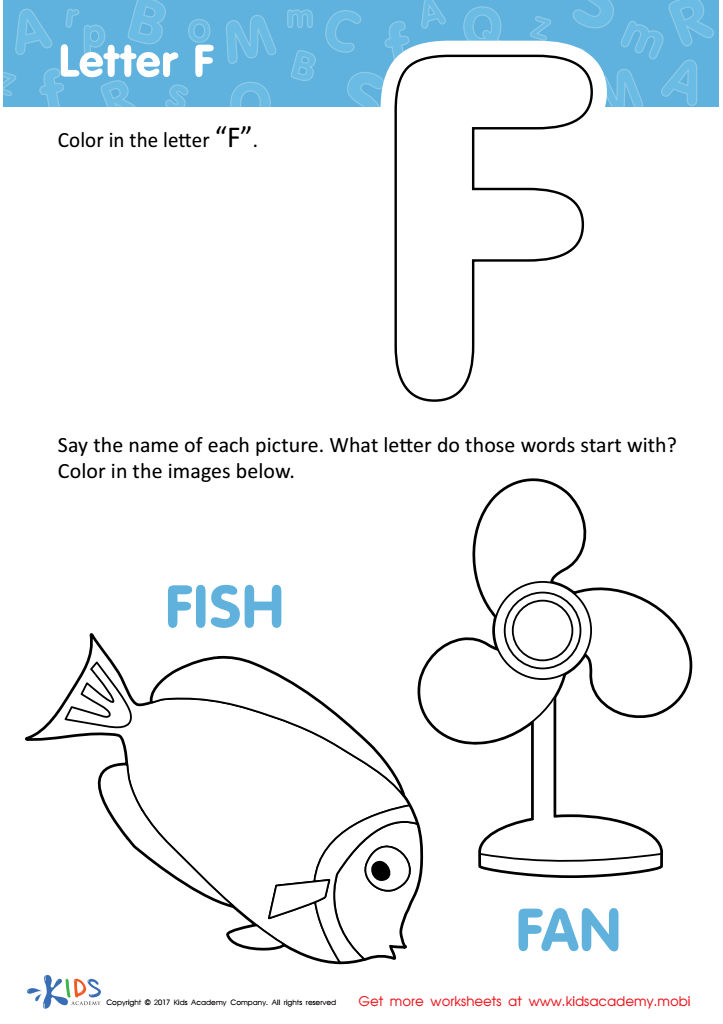
Letter F Coloring Sheet
Assign to My Students
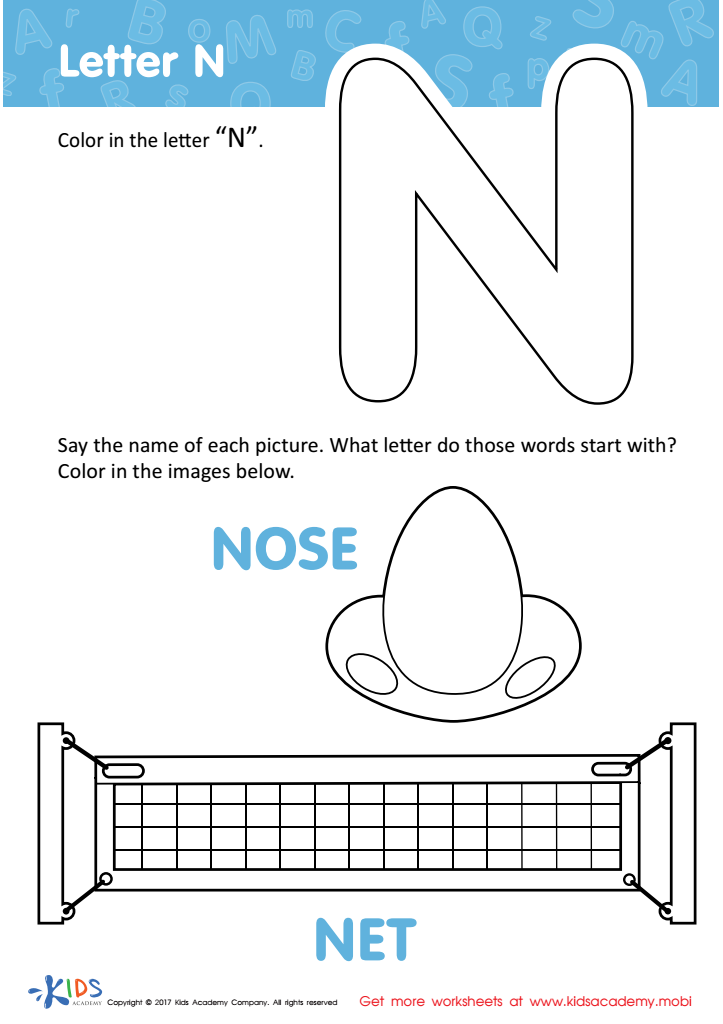
Letter N Coloring Sheet
Assign to My Students

Letter D Tracing Page







Fine motor skills are essential for children aged 3-7 as they undergo significant development during these formative years. These skills involve the coordinated movement of small muscles, crucial for tasks such as writing, drawing, cutting, and buttoning clothes. Paying attention to fine motor skills, particularly in relation to normalizing letter formation, is vital for various reasons.
Firstly, developing fine motor skills supports academic readiness. Mastering the ability to hold and manipulate writing instruments lays the groundwork for effective handwriting, which is important for clear communication during early education. Children with strong fine motor skills often experience less frustration in completing writing and craft activities, leading to a more positive learning experience.
Secondly, fine motor skills contribute to overall cognitive development. Engaging in activities that promote these skills, such as threading beads or using tweezers, enhances hand-eye coordination, concentration, and problem-solving abilities. Moreover, a strong foundation in fine motor skills fosters self-esteem and independence as children gain confidence in their abilities.
Ultimately, by focusing on the development of fine motor skills and proper letter formation, parents and teachers not only equip children for academic success but also facilitate crucial life skills that will aid their overall growth and development through adolescence.







